
Understanding Vehicle Service for Mobile Businesses
In the fast-paced world of business, particularly for mobile operations, ensuring your vehicles are in prime condition is crucial. A vehicle service encompasses a detailed check-up and maintenance process designed to keep vehicles running efficiently and safely. For business owners who rely on transport, this isn’t just about maintaining appearances-it’s about preserving the heart of operations. A well-maintained vehicle enhances reliability, reduces the risk of breakdowns, and ensures compliance with safety regulations.
For mobile businesses, where each day on the road counts, the importance of proper maintenance can’t be overstated. Neglecting routine services can lead to costly repairs, unexpected downtime, and compromised customer satisfaction. As your vehicle serves as both a tool and a representation of your brand, regular maintenance not only protects your investment but also instills confidence in your clients. Maintaining your vehicles will give you peace of mind while you focus on growing your business. Learn more about vehicle maintenance to ensure the longevity and performance of your business’s fleet.
Benefits of Regular Vehicle Service for Food Truck Owners
Regular vehicle service is crucial for business owners in the food truck industry. Here are the key benefits that can enhance operational efficiency and profitability:
- Reliability: Keeping up with regular maintenance helps ensure that the food truck is always operational. This reduces the risk of breakdowns during busy service periods, allowing owners to serve customers consistently.
- Safety: Routine inspections can identify potential safety issues, such as brake problems or tire degradation, which can prevent accidents and ensure the safety of employees and customers alike.
- Cost-Efficiency: Regularly servicing the vehicle helps catch and resolve minor issues before they escalate into major, expensive repairs. This ultimately saves money in the long run.
- Longevity: Vehicles that receive consistent maintenance often have longer lifespans, which is essential for food truck owners looking to minimize long-term capital expenditures.
- Compliance with Regulations: Periodic checks can help ensure that the vehicle complies with health and safety regulations required for food trucks, avoiding fines or operational disruptions.
For more tips on vehicle maintenance, check out our article on how vehicle maintenance saves on gas expenses. Understanding the importance of these benefits can greatly contribute to your food truck’s success.
Types of Vehicle Services Essential for Pizza Trucks
For pizza truck owners, maintaining your vehicle is crucial not only for safety but also for ensuring that your business runs smoothly. Regular vehicle services can prevent unexpected breakdowns and maintain compliance with health regulations, which are paramount in the food service industry. Here are several types of essential vehicle services that food truck owners should prioritize:
1. Oil Change
Regular oil changes are vital for the engine’s health, especially given the high mileage that food trucks often accumulate. Fresh oil reduces friction, preventing engine wear, and ensuring optimal performance. An oil change should generally be conducted every 3,000 to 5,000 miles depending on usage and oil type.
2. Tire Rotation and Alignment
Tires are your truck’s only contact with the road, making their maintenance critical. Tire rotations should occur every 5,000 to 7,500 miles to ensure even wear. Proper alignment ensures your pizza truck handles well and can save on fuel costs by preventing excessive wear.
3. Brake Inspection
Given the amount of stop-and-go driving typical in urban settings, brake inspections should be frequent. Regularly checking brake pads, rotors, and fluid levels can prevent brake failure and ensure the safety of the driver and pedestrians.
4. Electrical System Check
A functioning electrical system is vital for a pizza truck, especially for running equipment like ovens, refrigerators, and lights. Regular checks of the battery, alternator, and wiring can help avoid unexpected electrical failures that could halt operations.
5. Cleaning and Sanitization
While it may not fall under traditional vehicle maintenance, keeping your food preparation areas clean and sanitized is obligatory. This involves regular cleaning of cooking surfaces, equipment, and refrigeration units to adhere to health and safety standards. Neglecting this can lead to costly health violations that may affect your business.
6. Routine Inspections
Vehicle inspections are crucial for overall safety and compliance. A checklist should include inspections of tires, brakes, lights, and other critical systems. These routine checks not only help in spotting potential issues but also ensure that the vehicle operates efficiently.
By investing time and resources into these vehicle services, pizza truck owners can protect their investment and ensure their business runs smoothly throughout service hours, offering delicious hot pizzas without the worry of vehicle malfunction. For more insights on vehicle tricks that can enhance your operations, learn more about vehicle maintenance practices here.
Moreover, understanding the impact of regular maintenance can also help in saving costs over time, as neglected vehicles often lead to more significant repairs down the road. Check out our article on how maintenance can save on gas expenses for additional tips on reducing operating costs.

Importance of Vehicle Service for Food Trucks
Maintaining a food truck is not merely a financial obligation but a crucial operation for business owners to ensure profitability and reliability. According to recent statistics, the average annual maintenance cost for a food truck ranges from $2,000 to $10,000. Monthly maintenance can vary significantly, averaging between $500 to $1,000, depending on the truck’s condition and usage. Specific maintenance aspects, such as refrigeration, are essential, with costs ranging from $200 to $600 annually, while emergency repairs can add an additional $300 to $800 per incident. Therefore, budgeting accurately for these expenses is vital for food truck operators to avoid unexpected financial strains. With costs averaging around $1,000 per month for maintenance, operators must prioritize regular service to ensure their trucks remain in optimal working condition. Investing in routine maintenance not only helps alleviate the risk of costly breakdowns but also promotes a smoother operation and enhances customer service.
“Regular maintenance and timely repairs are essential in the food trucking business; they prevent major issues that could derail operations and impact sales.”
This underscoring of financial importance pushes toward a more sustainable operational model. By understanding and managing these costs, food truck owners can foster their business’s growth and longevity. To delve deeper into vehicle maintenance, check out our article on vehicle tricks which provides additional insights.
How to Choose a Vehicle Service Provider
Selecting a reliable vehicle service provider is crucial for business owners to ensure their fleet operates efficiently and remains safe. Here are some detailed tips to help you make an informed choice:
1. Evaluate Reputation and Experience
The reputation of a service provider is a good indicator of quality. Research local providers through online reviews and ratings. Look for shops with a solid track record and several years in business. Experience in handling vehicles like yours is beneficial. For more information, you can read about key questions to consider when selecting a service provider.
2. Check Range of Services
Ensure the service provider offers comprehensive services that meet your business needs. Whether you require mechanical repair, maintenance, or emergency services, confirm they can handle all necessary tasks without having to outsource to multiple locations.
3. Understand Pricing and Affordability
Discuss the pricing structure upfront. Reliable providers should be transparent about costs associated with their services. Review different quotes from various providers, ensuring that they deliver good value without compromising quality.
4. Assess Availability and Convenience
Consider the service provider’s availability for scheduling maintenance and repairs that work around your business needs. Providers with flexible hours may minimize downtime significantly.
5. Inquire About Warranties
Protect your investment by asking about warranties on services provided. A reputable service provider typically backs their work with a warranty, thus offering peace of mind that repairs will be handled if issues arise shortly after service.
6. Evaluate Customer Service
Customer service is often a reflection of how the business operates. Pay attention to how staff communicates and addresses concerns during your first interaction. Good service will help facilitate a long-term business relationship.
7. Check Certifications
Ensure that the technicians possess the necessary certifications and training. Certifications show that the staff is qualified to work on your vehicles and are familiar with the latest technologies.
8. Seek Recommendations
Don’t hesitate to ask for recommendations from fellow business owners or industry networks. Personally vetted recommendations can illuminate trustworthy providers you might not find through online searches.
Conclusion
Choosing the right vehicle service provider requires some research and consideration, but it’s worth the effort for your business’s operational efficiency and safety. For a handy overview, check out the visual representation of the factors to consider in selecting a vehicle service provider below.
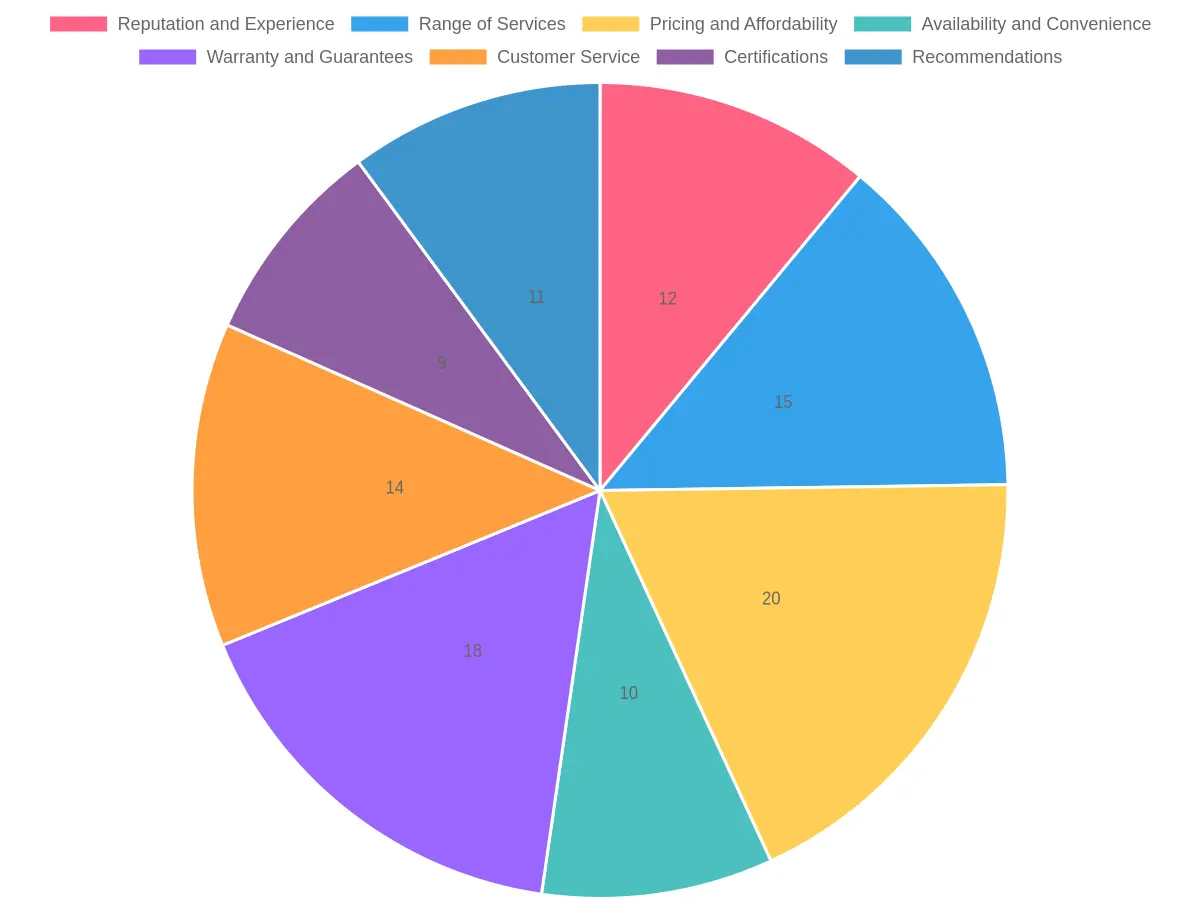
When you choose wisely, you not only ensure your vehicles’ reliability but also peace of mind for your business operations.
Comparing Vehicle Service Providers for Food Trucks
When it comes to maintaining a food truck, choosing the right vehicle service provider is vital for optimal performance and customer satisfaction. Below is a comparison table of several service providers that cater specifically to food trucks in terms of services offered, average prices, and customer ratings.
| Service Provider | Services Offered | Average Prices | Customer Ratings |
|---|---|---|---|
| Mobile Food Truck Repair | Engine repairs, refrigeration services, general maintenance | $75 – $150/hour | ★★★★☆ (4.5/5) |
| Food Truck Fleet Service | Comprehensive fleet maintenance, inspections, permit assistance | $100 – $200/month per truck | ★★★★★ (4.8/5) |
| Local Garage Services | General repairs, oil changes, tire services | $50 – $100/hour | ★★★★☆ (4.2/5) |
| Specialty Food Truck Repair | Custom modifications, specialized equipment repairs | $80 – $160/hour | ★★★★☆ (4.6/5) |
| National Service Network | Nationwide coverage, emergency services | $90 – $130/hour | ★★★★ (4.3/5) |
Key Insights
- Service Variety: Mobile Food Truck Repair and Specialty Food Truck Repair provide targeted services, particularly in equipment maintenance crucial for food service.
- Pricing: Average prices vary significantly based on service types, with comprehensive fleet services generally being more cost-effective on a monthly basis compared to hourly rates for repairs.
- Customer Ratings: Customer satisfaction is high across the board, particularly with food truck fleet services which are well-rated for their comprehensive approach to truck maintenance.
Choosing the right provider involves balancing the required services, budget, and the reputation of the provider. For more detailed insights on vehicle maintenance strategies, click here.
Conclusion: The Urgency of Vehicle Maintenance
As a business owner, the importance of regular vehicle maintenance cannot be overstated. A well-maintained vehicle not only ensures safety on the road but also enhances reliability, efficiency, and longevity. When your vehicles are in optimal condition, you can minimize disruptions and maintain your operations without the costly delays that often accompany unforeseen breakdowns.
Failing to prioritize routine vehicle service can lead to a domino effect of challenges including increased repair costs, loss of productivity, and a tarnished reputation due to unreliable service. Ensuring that your fleet adheres to a regular maintenance schedule can save you significant amounts of money and valuable time in the long run.
Taking proactive measures, such as scheduling regular inspections and addressing minor issues before they escalate, is essential to sustaining your business operations. If you haven’t already, now is the time to implement a comprehensive vehicle maintenance strategy that includes:
- Regular oil changes
- Tire rotations and pressure checks
- Brake inspections
- Fluid level checks
Don’t wait until it’s too late; take charge of your vehicle maintenance today to ensure your business continues to run smoothly. For more tips on maintaining your vehicles and understanding the impact of maintenance on efficiency, be sure to check out this guide on how vehicle maintenance can save on gas expenses.
Prioritize your vehicle service and you’ll not only keep your vehicles performing at their best but also secure the future of your business. Act now and safeguard your assets for the challenges ahead!
Frequency of Vehicle Services for Pizza Trucks
Proper maintenance is critical to the success of your pizza truck business. Regular service inspections can prevent costly breakdowns and ensure operational efficiency. Here’s a breakdown of the recommended service types and their frequency:
Recommended Service Intervals
| Service Type | Frequency Interval |
|---|---|
| Oil Change | Every 5,000 miles |
| Tire Rotation | Every 6,000 miles |
| Brake Inspection | Every 10,000 miles |
| Fluid Checks | Every month |
| Filter Replacements | Every 15,000 miles |
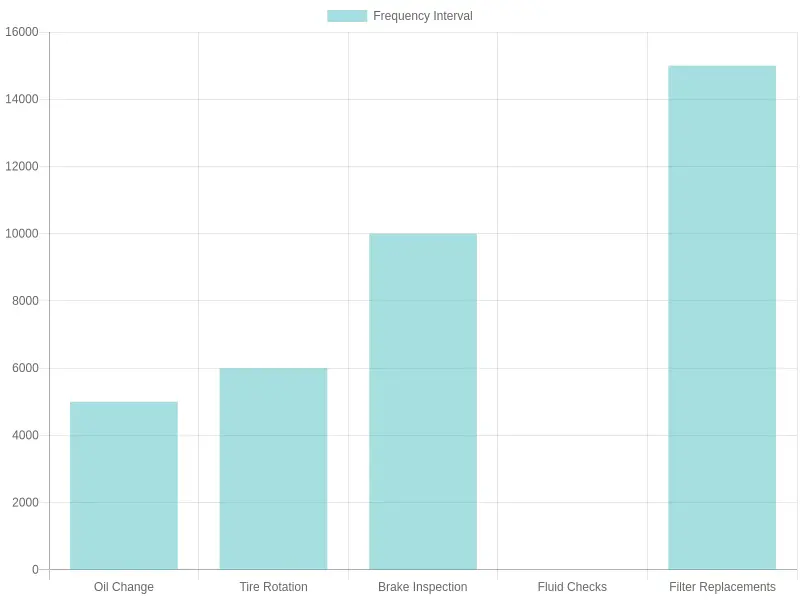
Click on the image for a detailed view.
For more about vehicle tricks and necessary maintenance tips, check out our blog.
Importance of Regular Vehicle Service in Food Truck Operations
Regular vehicle maintenance is crucial for the smooth functioning of any food truck. For a pizza truck operator, ensuring their vehicle is in top shape means avoiding unexpected breakdowns and maximizing service efficiency. As one food truck owner puts it:
“Regular vehicle service has been a game-changer for my pizza truck business. I used to worry about engine trouble on busy days, but since I committed to maintenance, I’ve seen fewer disruptions. It not only helps keep my food quality high but also enhances customer satisfaction. A well-maintained truck means I’m always ready to serve my customers.”
This highlights how essential vehicle maintenance is not only for operational reliability but also for maintaining a high standard of service in the competitive food truck industry.
Learn more about vehicle maintenance to ensure your business stays on the road.