
The Importance of Regular Vehicle Servicing for Business Owners
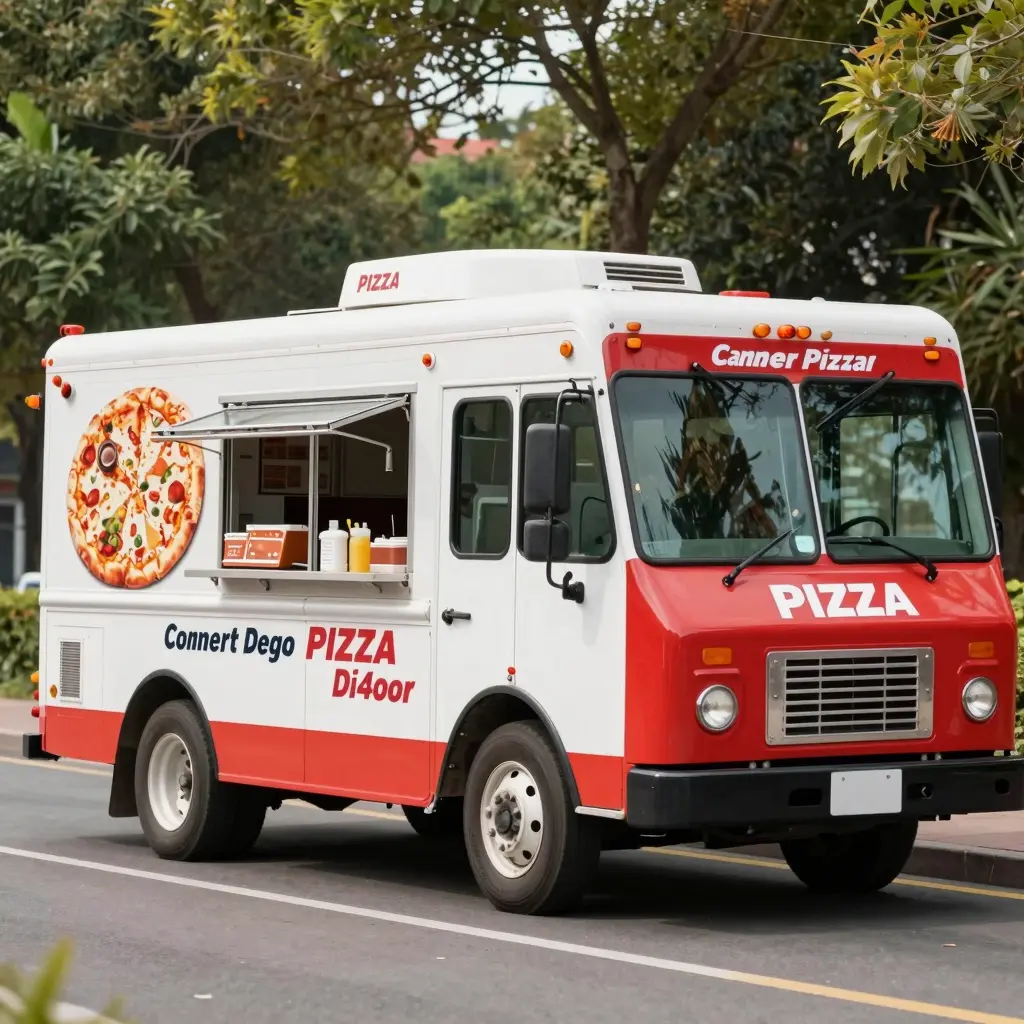
For business owners, particularly those operating specialized vehicles like pizza trucks, ensuring that your vehicle is serviced regularly is not just a matter of good practice-it’s essential for success. Imagine the chaos that could ensue if your vehicle breaks down during peak delivery hours, potentially risking customer satisfaction and your business reputation. This is where the necessity of having your vehicle serviced comes into play. Regular servicing can prevent unexpected breakdowns by addressing issues before they escalate. According to the National Highway Traffic Safety Administration (NHTSA), maintaining your vehicle with timely oil changes-ideally every 5,000 to 10,000 miles-can substantially enhance both safety and longevity.
Pizza truck operators face unique challenges; not only do they need a reliable vehicle to deliver fresh, hot meals, but they also must comply with health and safety regulations. A well-serviced vehicle not only reflects professionalism but also ensures compliance with food safety mandates. Routine maintenance checks, such as tire inspections and brake evaluations, can avert accidents that could occur due to mechanical failures.
Moreover, a consistently maintained vehicle tends to perform more efficiently. This not only means lower fuel costs, which can significantly impact bottom lines for small businesses, but also increases overall customer trust and satisfaction. In an industry where reputation is everything, being proactive about vehicle care is one of the most impactful steps a business owner can take. In the following sections, we will explore in-depth how often you should have your vehicle serviced and specific checks you should not overlook.
Why Regular Service is Crucial
For business owners relying on vehicles for operations, understanding the significance of regular vehicle servicing is vital. Regular vehicle maintenance is not just about adhering to a schedule; it’s about maximizing reliability, ensuring safety, and enhancing cost efficiency. Below are the key benefits that resonate with the operational needs of businesses:
-
Enhances Reliability: Regular servicing minimizes the risk of unexpected breakdowns. Well-maintained vehicles are more reliable, ensuring that transport needs are met without delays. This reliability is crucial for timely deliveries and maintaining appointments with clients and customers.
-
Improves Safety: Safety should always be a priority for business operations. Regular vehicle maintenance directly impacts the safety of your fleet. By identifying and rectifying potential issues before they escalate, businesses can protect their employees and avoid accidents that could result in significant liability.
-
Reduces Long-term Costs: While servicing incurs immediate costs, the long-term savings are substantial. Regular checks can catch issues early, preventing costly repairs down the line and extending the lifetime of the vehicles. This ultimately translates to lower overall operational costs.
-
Promotes Compliance: Many businesses must adhere to specific vehicle regulations and standards. Regular maintenance ensures that all vehicles remain compliant, minimizing the risk of fines or legal issues that could disrupt operations.
-
Maximizes Business Efficiency: Well-maintained vehicles can lead to incredible operational efficiency. Uninterrupted service means businesses can focus on their core activities, leading to enhanced productivity.
Incorporating a regular vehicle maintenance routine not only safeguards your assets but also contributes to the broader success of your business operations. For more insights on the significance of maintenance, learn more about vehicle tricks.
By prioritizing vehicle servicing, business owners can foster a culture of safety, reliability, and cost-consciousness that will ultimately drive business growth and efficiency.
Vehicle Service Intervals Comparison
Understanding the recommended service intervals for different types of vehicles is crucial for business owners managing fleets. Below is a comparison table that outlines the service intervals for various vehicle types:
| Vehicle Type | Recommended Service Interval |
|---|---|
| Standard Cars | Every 5,000 to 7,500 miles |
| Delivery Vans | Every 5,000 to 10,000 miles |
| Pizza Trucks | Every 6,000 miles or every 6 months |
| Pickup Trucks | Every 7,500 miles |
| Commercial Buses | Every 10,000 miles |
| SUVs | Every 7,500 miles |
| Electric Vehicles | Every 10,000 to 12,000 miles |
Conclusion
Regular servicing helps maintain efficient operation and prolongs the life of your vehicles. For more in-depth guidelines and insights, you may learn more about vehicle maintenance and how vehicle maintenance can save on gas expenses.
Understanding Service Costs
Operating a pizza truck requires careful management of service costs to ensure the business runs smoothly and efficiently. Budgeting for maintenance is crucial not just for the vehicle’s longevity but also for minimizing unexpected repair costs that can arise at any time.
Average Service Costs
When considering the average costs associated with vehicle servicing, pizza truck operators can anticipate the following typical expenses:
-
Routine Maintenance: From oil changes to tire rotations, routine maintenance generally falls between $100 and $300. Keeping up with regular service intervals helps prevent more costly repairs down the line.
-
Repairs: Unexpected repairs can be a significant financial burden. Issues related to the engine, brakes or transmission can range from $500 to over $2,000, depending on the severity of the problem. It’s wise to set aside a contingency fund specifically for such costs.
-
Licensing and Inspection Fees: Operating a food truck requires compliance with local regulations, which often entails licensing and inspection fees that typically range from $150 to $500 annually.
-
Fuel Costs: While not directly associated with servicing, fuel is a major operational expense. The average cost can vary widely based on the vehicle’s fuel efficiency and local fuel prices.
These factors underscore the necessity of budgeting for maintenance to avoid potential disruptions to the business.
Potential Unexpected Repair Costs
Unexpected repair costs can heavily impact your profits as a pizza truck operator. Common issues include:
- Engine Repairs: These can be particularly expensive and may arise suddenly, causing significant downtime.
- Electrical Issues: Problems with the vehicle’s electrical system can cause operational failures that require immediate attention.
- Brake System Failures: Ensuring safety on the road, brake repairs can also escalate quickly, often requiring immediate repair to maintain compliance with safety regulations.
Having a plan for these unexpected repairs helps ensure that your pizza truck remains operational. Emphasizing regular maintenance can significantly mitigate these risks.
For more insights into maintaining your vehicle and keeping operating costs manageable, learn more about vehicle maintenance.
Vehicle Servicing Best Practices for Food Trucks
Operating a food truck comes with a unique set of challenges, and maintaining your vehicle is of utmost importance to ensure smooth operations. This includes regular servicing and being aware of warning signs of potential issues. Here’s a comprehensive look at the best practices for vehicle servicing specific to food trucks, which will help business owners maintain efficiency and safety on the road.
Service Frequency
It’s critical to have a regular service schedule to prevent breakdowns. Here’s a breakdown of the recommended frequency for various maintenance checks:
| Maintenance Check Frequency | Vehicle Systems / Types of Checks |
|---|---|
| Daily | Engine oil level, Tire pressure, Lights, Brakes, Fluid levels, Battery charge, Safety equipment |
| Weekly | Engine coolant level, Transmission fluid, Air filter, Fuel system, Exhaust system, Belts and hoses |
| Monthly | Air conditioning systems, Thorough brake system check, Electrical system analysis, Suspension, Steering |
| Annual | Comprehensive engine diagnostic, Emission control system, Thorough transmission inspection, Major fluid changes, Chassis and frame inspection, Professional safety inspection |

To ensure the longevity of your food truck, it’s advisable to adopt this maintenance frequency. Regularly scheduled checks can prevent costly repairs and ensure that your vehicle runs smoothly throughout its operational lifespan.
Types of Checks to Perform
Performing the right checks can identify problems before they escalate:
- Fluid Levels: Regularly check engine oil, transmission fluid, brake fluid, and coolant. Keeping these levels optimal is crucial for engine health.
- Brakes and Tires: Inspect for wear and ensure tires are properly inflated. Brakes should be responsive at all times.
- Lights and Signals: Ensure all lights are functioning to maintain visibility and safety.
- Battery and Electrical System: Check battery charge levels regularly, especially if using equipment that drains power.
Signs Indicating The Need for Service
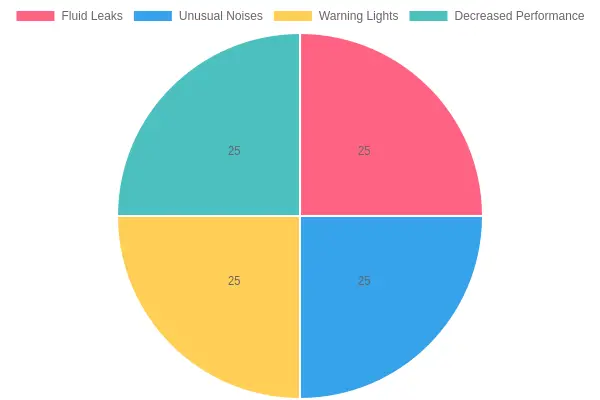
Being proactive about recognizing early signs of vehicle trouble can save you from significant downtime. Here are some signs that indicate it might be time for servicing:
| Signs of Maintenance Needs | Description |
|---|---|
| Fluid Leaks | Look for spots under the vehicle indicating leaking fluids such as oil, coolant, or fuel. |
| Unusual Noises | Listen for knocking, grinding, or unfamiliar sounds that may indicate mechanical issues. |
| Warning Lights | Pay attention to dashboard warning lights signaling engine problems or maintenance reminders. |
| Decreased Performance | Notice any loss of power, acceleration issues, or handling problems during operation. |
Conclusion
For food truck operators, adhering to vehicle servicing best practices is not just about maintaining a vehicle but ensuring the long-term viability of your business. Adopting a disciplined approach to maintenance-including regular checks, staying alert for warning signs, and scheduling services at appropriate frequencies-will keep your food truck operational and ready to serve delicious meals to customers.
By understanding these vehicle servicing best practices, you can ensure your business operates smoothly, maximizing efficiency while minimizing unexpected repair costs. For more insights on maintaining vehicles and enhancing performance, explore our blog.
Signs Your Vehicle Needs Servicing
Being proactive with vehicle maintenance is crucial, especially for business owners who rely on their vehicles for daily operations. Regular servicing not only ensures the safety of your vehicle but also enhances its longevity and efficiency. Here are some signs that indicate it’s time to get your vehicle serviced:
- Warning Lights: Illuminate warnings like the check engine light or oil pressure warning? These are critical alerts that should not be ignored. They suggest something may be off with your vehicle that requires immediate attention.
- Unusual Noises: If your vehicle starts making strange noises such as grinding, squeaking, or knocking, it’s likely due for diagnostics. These sounds can indicate issues with brakes, the engine, or suspension.
- Increased Fuel Consumption: Noticing that you’re filling up your tank more frequently? A significant increase in fuel consumption can point to underlying problems, such as a malfunctioning engine or fuel system.
- Strange Odors: A burnt smell or any unusual odor while driving can signal electrical issues or fluid leaks, which are serious problems that need regular diagnostics.
- Fluid Leaks: If you notice spots of oil or other fluids under your vehicle, this often indicates that your vehicle needs urgent servicing, as it can lead to more severe mechanical failures.
Being attentive to these indicators can not only save money on potential repairs but also ensure the vehicle operates efficiently and safely. For more on preventative maintenance, check out learn more about vehicle tricks.
Regularly monitoring vehicle alerts and conducting service diagnostics ensures reliability, especially for those in business who depend on their vehicles daily. Keep your fleet running smoothly!
The Importance of Regular Maintenance for Vehicle Lifespan
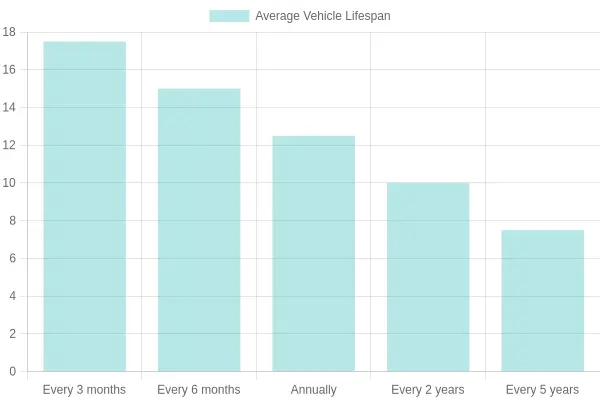
Regular vehicle maintenance is crucial for ensuring the longevity and reliability of vehicles, particularly for business owners who depend heavily on their vehicles. This chart below illustrates the significant correlation between the frequency of vehicle servicing and the average lifespan of vehicles.
| Maintenance Frequency | Average Vehicle Lifespan (Years) | Source |
|---|---|---|
| Every 3 months | 15-20 | Source 1 |
| Every 6 months | 12-18 | Source 2 |
| Annually | 10-15 | Source 3 |
| Every 2 years | 8-12 | Source 4 |
| Every 5 years | 5-10 | Source 5 |
As demonstrated, vehicles that are serviced every three months can last significantly longer than those serviced less frequently. Business owners should prioritize regular maintenance not only to reduce unexpected repairs but also to extend the overall lifespan of their vehicles. For more detailed insights on vehicle maintenance, check out our blog on vehicle maintenance essentials.
Choosing the Right Service Provider
Selecting the right service provider for your vehicle, especially if it’s a food truck, is crucial for maintaining its performance and reliability. Here are key criteria to consider when choosing a mechanic:
1. Certifications and Qualifications
Ensuring that the service provider has the necessary certifications is essential. Mechanics should possess relevant qualifications, such as the ASE (Automotive Service Excellence) certification in the United States. This certification ensures that the mechanic has undergone rigorous training and has the knowledge necessary to carry out repairs and servicing effectively.
2. Customer Reviews and Reputation
Customer feedback provides valuable insights into the quality of service offered by a mechanic. When reviewing options, consider:
- Reputation: Look for mechanics with high ratings on platforms like Yelp or Google.
- Content of Reviews: Positive comments regarding quality of work, honesty, and timely service can indicate a reliable provider. Pay attention to feedback on follow-up services and post-repair checks, which reflect good customer care.
3. Specialization in Food Trucks
Since food trucks have unique servicing needs, it’s beneficial to choose a provider specializing in this area. They will understand the intricacies of food truck regulations and the specific maintenance challenges these vehicles face.
4. Transparency and Communication
A good service provider should offer clear information regarding services and costs before any work is performed. Customers appreciate businesses that are upfront about pricing and potential additional costs. Effective communication is key-mechanics should explain issues clearly and provide solutions in a manner that is easy to understand.
5. Location and Convenience
Consider the location of the service provider. A conveniently located mechanic can save time and transportation costs. Check the hours of operation to ensure they fit with your business schedule.
By carefully evaluating these criteria, business owners can make informed decisions when selecting a vehicle servicing provider. Proper servicing is essential for operational efficiency, particularly in the competitive environment of food services.
For more tips on vehicle servicing, check out our vehicle tricks blog.
Conclusion: Power of Vehicle Servicing in Achieving Business Success
In today’s fast-paced business landscape, where every minute counts, the importance of regular vehicle servicing cannot be overstated. For businesses that rely on their vehicles to deliver goods, provide services, or maintain customer relationships, a well-maintained vehicle becomes more than just a mode of transportation; it becomes a critical component of operational success. Regular servicing not only extends the life of your vehicle but also ensures that it runs efficiently, minimizing downtime and reducing unexpected breakdowns that can disrupt your company’s productivity.
As outlined by industry experts, organizations that prioritize vehicle maintenance are likely to experience increased productivity and lower operational costs. Fleet News highlights how scheduled maintenance can significantly reduce the risk of costly repairs. Moreover, maintaining a rigorous service schedule enhances safety compliance and improves customer satisfaction by ensuring timely deliveries – crucial for fostering long-lasting business relationships.
Now, as you think about maximizing your business’s potential, consider the unique opportunities that a mobile service can offer. If you’re intrigued by the idea of venturing into the food trucks domain, now is an excellent time to explore premium pizza truck options. Truck pizza businesses are booming, and a reliable vehicle is your ticket to joining this dynamic industry. So why wait? Take the next step towards business success and find your perfect pizza truck today at truckpizza.net. Transform your culinary passion into a thriving venture on wheels!