

Introduction: Are Vehicle Service Contracts Worth It for Business Owners?
In the fast-paced world of the food industry, where every moment counts and reliability is paramount, business owners face numerous challenges-none more daunting than managing their fleet of vehicles. Vehicle breakdowns can lead to missed deliveries, unhappy customers, and significant financial losses. This is where the concept of vehicle service contracts (VSC) comes into play, promising peace of mind and financial protection. But amid the cacophony of marketing claims and diverse options, a crucial question arises: Are vehicle service contracts really worth it for business owners?
These contracts essentially serve as a safety net, protecting entrepreneurs from the potentially crippling costs of unexpected repairs. They offer comprehensive coverage for a variety of mechanical failures, allowing business owners to focus on their operations rather than worrying about the next costly trip to the mechanic. By investing in a VSC, one can turn uncertain expenditures into predictable monthly payments, ensuring that vehicle maintenance does not derail business growth.
However, as with any financial decision, it’s essential to weigh the pros and cons. How often do your vehicles need repairs? What kind of coverage best suits your business needs? In the coming sections, we will explore the ins and outs of vehicle service contracts to help food industry business owners make an informed decision regarding this significant investment. For more insights, be sure to check out our detailed guide on vehicle tricks and other related topics that can help optimize your fleet management strategies.
Understanding Vehicle Service Contracts
A vehicle service contract (VSC) is an agreement between a vehicle owner and a service provider that covers the costs of specific repairs or maintenance during a specified period. These contracts function similarly to insurance policies, wherein the owner pays a premium to secure coverage against future repair costs, which can be especially beneficial for owners planning to keep their vehicles long-term.
How Vehicle Service Contracts Work
Vehicle service contracts typically include the following features:
- Coverage Period: Contracts may cover a set mileage (e.g., up to 75,000 miles) or a timeframe (e.g., 5 years).
- Types of Repairs Covered: Common repairs may include those for the engine, transmission, and electrical components, but specifics can vary widely between providers.
- Deductibles: Some contracts may require deductibles that the vehicle owner must pay when making a claim.
- Transferability: Many contracts are transferable, which can enhance the vehicle’s resale value.
Common Terms in Vehicle Service Contracts
Understanding the common terms involved in vehicle service contracts is essential:
- Coverage Limits: Detail what types of repairs are covered under the contract.
- Exclusions: Clarify what maintenance or damage is not covered, which might include issues resulting from neglect or aftermarket modifications.
- Claim Process: This outlines the steps required to file a claim for repairs under the contract.
- Termination Clauses: Conditions under which the contract may be terminated prematurely.
For business owners, particularly in industries relying heavily on vehicles like food trucks, these contracts provide significant benefits.
Relevance for Business Owners in the Food Truck Industry
Owning and operating a food truck requires reliability. Vehicle service contracts are particularly relevant for food truck owners because:
- Minimizing Downtime: When a truck is out of service, sales opportunities are lost. A VSC ensures that necessary repairs are covered quickly, helping owners get back on the road with minimal impact on operations.
- Predictable Maintenance Costs: With a VSC, business owners can plan their budgets more effectively by minimizing unexpected repair costs. This is crucial for maintaining profit margins in a demanding market.
- Peace of Mind: Knowing that vehicle repair costs are covered can reduce stress and allow food truck owners to focus on their culinary offerings rather than unexpected breakdowns.
In summary, vehicle service contracts are vital for ensuring that food truck owners can maintain their operational efficiency by providing coverage for necessary repairs, which ultimately supports their business continuity and customer service, thus enhancing overall success. For more about the value of maintaining your vehicle, learn more about vehicle maintenance.
Leveraging these contracts can lead to a smoother operational process and five-star reviews from satisfied customers enjoying freshly made food on-the-go!
Advantages of Vehicle Service Contracts for Business Owners
As a business owner, investing in vehicle service contracts can be a significant advantage to help manage your fleet effectively. Below is a list of compelling benefits:
-
Peace of Mind: Vehicle service contracts provide reassurance that unexpected repair costs will be covered, reducing anxiety about potential breakdowns. Approximately 60% of buyers report feeling more secure knowing they have a safety net in case of mechanical issues (SalesFuel).
-
Predictable Maintenance Costs: These contracts allow business owners to budget effectively by covering routine maintenance and repairs. This predictability is essential for managing overall operational costs without surprise expenses arising from sudden repairs.
-
Reduced Repair Bills: By utilizing a vehicle service contract, businesses can save on costly repairs, which are often outside of regular maintenance. This can lead to substantial savings over time as repairs can otherwise add up significantly.
-
Streamlined Operations: With a service contract in place, business owners can streamline their operations without having to worry about the varying costs of car maintenance and management. This simplicity can lead to more efficient management of vehicles within the fleet (Pinterest).
-
Enhanced Ownership Experience: Service contracts can improve the overall ownership experience, making it easier for business owners to maintain their vehicles without the hassle of individual billing for each service (Advanced Dealer Solutions).
-
Employee Retention Benefits: Offering vehicle service contracts as part of employee benefits can enhance job satisfaction and retention. Employees will appreciate having vehicle support, reducing turnover costs for businesses (EIN News).
-
Comprehensive Coverage: Service contracts often come with comprehensive coverage options, including rental car reimbursement during repairs. This ensures that business operations can continue smoothly even when a vehicle is in the shop (Cuvrd).
By utilizing vehicle service contracts, business owners can protect their investments, enhance operational efficiency, and enjoy peace of mind about their vehicle management. For more insights on maintaining a fleet, learn more about vehicle maintenance.
Vehicle service contracts, often marketed as peace of mind for vehicle owners, can indeed carry a shadow of dissatisfaction and drawbacks. For business owners, particularly those operating pizza trucks or similar vehicles, it is crucial to understand the potential downsides before committing to such contracts. Here are several concerns that have been raised regarding the value of these agreements:
1. Cost Considerations
One of the primary criticisms of vehicle service contracts is their cost. While they are touted as a safeguard against unforeseen repair expenses, the initial investment can be substantial. The final price of a service contract depends on numerous factors, including:
- Age and Model: Older vehicles typically incur higher premium costs, as they may require more maintenance and parts replacement.
- Coverage Type: Comprehensive coverage that includes a wide array of repairs will obviously cost more than basic plans.
- Mileage Restrictions: Some contracts might limit the total miles covered or impose penalties for excessive mileage, which can be a significant concern for businesses that rely on their vehicles for extended hours and distances.
Exploring this topic further, it is worth noting that while the allure of fixed costs can seem convenient, the financial impact over time may offset any perceived benefits of having a service contract. Many owners of pizza trucks might find that the total expenditures related to service contracts outweigh the expenses advantage of unexpected repairs. This concern is particularly pronounced if the vehicle is well-maintained or if it suffers low wear and tear.
2. Limitations of Coverage
Another critical downside is the potential limitations inherent in many vehicle service contracts. Often, these contracts contain specific exclusions that might catch unaware business owners off guard. Typical limitations can include:
- Pre-existing Conditions: Repairs relating to damage or deterioration not documented prior to obtaining the service contract may not be covered.
- Specific Parts Exclusions: Certain critical components, like tires, batteries, or bodywork, might not fall under warranty, requiring separate plans.
These limitations can lead to disappointment, particularly when business operations depend heavily on a vehicle’s reliability. If a critical repair falls outside of the contract’s coverage, the owner may face unexpected and costly repairs that negate the purpose of the service warranty. For instance, a pizza truck that frequently makes deliveries across a city may encounter breakdowns that could drastically impact business operations.
3. Questions of Worth
Ultimately, for many pizza truck operators and similar entities, the question emerges: Are vehicle service contracts truly worth it? Critics argue that they can represent a significant upfront expense without delivering adequate assurance in return. Factors such as accrued maintenance costs, service contract premiums, and unexpected exclusions lead some to believe that these contracts may not provide the utmost value.
Frustration over inadequately tailored services has been cited among many business owners, with reports indicating that a significant portion of service contract purchasers are left feeling regretful or skeptical about their decisions. This sentiment particularly resonates in the food delivery sector, where every minute of downtime translates to lost revenue.
To gain a more comprehensive perspective, business owners are encouraged to assess their unique operational needs against the potential benefits of a service contract. Additionally, they can explore more about vehicle-related guides and tips that assist in maintaining their vehicles effectively without necessarily resorting to service contracts.
In conclusion, while vehicle service contracts can offer financial security in theory, numerous limitations and costs may render them less favorable in practice. Pizza truck business owners, in particular, should weigh these factors carefully before making a decision that could significantly impact their operational bottom line.
Understanding User Satisfaction with Vehicle Service Contracts
In the competitive realm of vehicle service contracts, understanding customer satisfaction levels can be instrumental for business owners, especially those in the mobile food industry that rely on vehicles for daily operations. Recent data highlights user sentiments, showcasing both high levels of satisfaction as well as areas for concern.
Statistics on User Satisfaction
-
Overall Satisfaction Levels: A recent study by Published automotive industry statistics reported that customer satisfaction with vehicle maintenance services stands at 82 out of 100. This reflects a generally high level of satisfaction with service contracts across the automotive sector, suggesting their effectiveness in maintaining vehicle services (source).
-
Rental Service Satisfaction: In a similar vein, satisfaction scores from the rental car industry averaged 82 out of 100 as well, indicating that service contracts related to rentals also enjoy strong approval from users (source).
-
Trends in Satisfaction: It is notable that satisfaction levels are not static. For example, satisfaction related to Finance and Insurance (F&I) aspects of vehicle service contracts has been observed to drop from 84% in 2023 to 79% in 2025. This decline underscores the necessity for continuous improvement and maintaining high standards to keep customer satisfaction intact (source).
Impact on Mobile Food Businesses
For mobile food business owners, these satisfaction levels are significant. Utilizing vehicle service contracts can safeguard against unexpected repair costs, ensuring that their operations remain uninterrupted. Satisfied customers are more likely to return and recommend services. Additionally, understanding the reasons behind the declines in satisfaction can help business owners address potential pain points, tailoring their service offerings to better meet the needs of their clients.
Conclusion
In conclusion, vehicle service contracts generally reveal a positive trend in customer satisfaction. With scores around 82%, the potential for enhancing user experiences persists. Business owners should consider implementing robust vehicle service contracts to not only protect their assets but also foster customer loyalty and satisfaction. For more insights on vehicle maintenance and best practices, check out our blog.
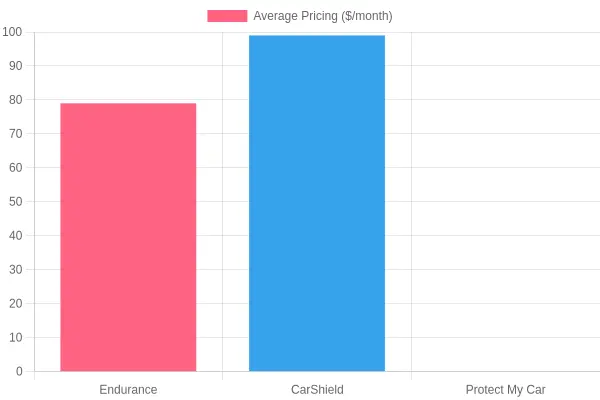
| Provider | Coverage Options | Average Pricing | Key Benefits for Business Owners |
|---|---|---|---|
| Endurance | Comprehensive plans including engineered components | Starts around $79/month | Offers direct repairs, is highly rated for customer service |
| CarShield | 7 plans available; flexible terms for many vehicle types | Starts at approximately $99/month | Includes roadside assistance and rental car options |
| Protect My Car | Varies from basic to comprehensive coverage | Pricing varies widely based on vehicles | Coverage includes tire and wheel protection |
Case Study: Maria’s Mobile Pizzeria
Background
Maria is the proud owner of “Maria’s Mobile Pizzeria,” a pizza truck operation that has gained a loyal following in her city. Starting her business with a single pizza truck equipped with a wood-fired oven, she faced numerous challenges typical of small business owners, including the unpredictability of vehicle maintenance costs. To manage these risks, she opted to invest in a vehicle service contract when she purchased her truck, which eventually became a critical element of her operation.
Initial Investment and Operations
Maria’s pizza truck cost around $75,000, which included kitchen equipment and the truck itself. Her goal was to break even within the first 18 months while maintaining high food quality and efficient service. While she initially focused on marketing strategies and menu offerings, she understood the importance of ensuring her truck remained operational without incurring unexpected expenses.
The Decision for a Vehicle Service Contract
After researching various options, Maria decided to purchase a vehicle service contract for $2,500, which covered most mechanical failures and parts replacement not included in the manufacturer’s warranty. This decision was heavily influenced by her shared experiences with other food truck owners who faced costly repairs that sidelined their operations for extended periods. Here are some key reasons why Maria considered the vehicle service contract worth the investment:
- Peace of Mind: Knowing that most repair costs would be covered allowed Maria to focus on her food and customer experience rather than worrying about unpredictable expenses.
- Cost Efficiency: The average repair cost for food trucks can reach $3,000 for significant mechanical issues. By having a service contract, Maria safeguarded her business against such financial hits.
- Operational Continuity: Maria’s truck could run smoothly, minimizing downtime and ensuring she could fulfill catering orders and keep her regular customers happy.
Real Financial Impacts
Throughout her first three years of operation, Maria had to utilize her vehicle service contract several times for repairs, including:
| Repair Type | Cost Without Contract | Cost with Service Contract | Savings |
|---|---|---|---|
| Transmission Replacement | $3,500 | $100 | $3,400 |
| Brake System Overhaul | $1,800 | $150 | $1,650 |
| Engine Diagnostic & Minor Repairs | $1,200 | $50 | $1,150 |
| Total Savings | $6,500 | $300 | $6,200 |
With the contract covering an estimated $6,200 worth of repairs, Maria confirmed that it saved her from going into debt or needing to quickly raise funds to cover unexpected costs. This allowed her to allocate money towards marketing and expanding her service.
Conclusion
Maria’s experience highlights the profound impact a vehicle service contract can have on small business operations. By investing in such a contract, she was able to protect her investment, ensure operational continuity, and significantly reduce financial stress associated with maintenance and unexpected repairs. Maria’s Mobile Pizzeria continues to thrive, and her decision to utilize a vehicle service contract serves as a model for other small business owners considering similar strategies. For more insights about securing your business’s vehicle, learn about various vehicle protection options.
Summary of Key Points: Are Vehicle Service Contracts Worth It for Business Owners?
Vehicle service contracts (VSCs) are increasingly relevant for business owners who rely on their vehicles for daily operations and cannot afford unexpected downtime or costly repairs. These contracts provide an extended layer of protection beyond the factory warranty, covering various mechanical and electrical breakdowns that might occur as vehicles age or face heavy use.
Financial Protection and Peace of Mind
VSCs offer a predictable approach to managing vehicle repair expenses by covering unexpected repairs that can otherwise lead to significant out-of-pocket costs. With the rise in vehicle repair costs, a service contract helps business owners avoid large, unexpected expenses that can disrupt their operations. This peace of mind is especially valuable for vehicles that already have a poor reliability rating or are no longer covered under the original warranty period.
Cost-Benefit Considerations
While vehicle service contracts come with an upfront cost, they can be financially beneficial if the potential repair costs exceed the contract price. For business owners operating a fleet or a critical vehicle, these contracts often result in savings by mitigating expensive repairs. It’s crucial to assess the specific contract coverage details and compare them with the known reliability and repair history of the vehicle to ensure the investment is worthwhile.
Coverage Tailored to Business Needs
Many VSCs offer customizable plans that can be tailored based on the type of vehicle, mileage, and specific business requirements. These plans typically cover repair costs that occur after the factory warranty expires and can extend the vehicle’s service life, supporting business continuity.
Conclusion: A Good Investment for Business Owners?
Overall, vehicle service contracts can be a prudent investment for business owners who want to protect their vehicles against costly repairs, reduce downtime, and maintain budget stability for maintenance expenses. However, the value of the contract depends on the vehicle’s condition, expected usage, and specific business needs.
For further insights into vehicle maintenance and avoiding costly repairs, business owners may find it helpful to learn more about how vehicle maintenance saves on gas expenses or explore detailed guides available at Vehicle Tricks’s blog.
Word Count: 338
Conclusion: Start Your Journey with Quality Pizza Trucks!
As a business owner, embracing high-quality pizza trucks can be a game changer for your success. These food vehicles not only meet the soaring demand for quality meals but also offer flexibility and lower overhead costs compared to traditional restaurants. Consider how a pizza truck can not only serve delicious food but also create a buzz at community events, festivals, and even private parties. Their operational efficiency and strong customer appeal are backed by real success stories, showcasing large crowds gathered around food trucks that offer unique, high-quality options.
Furthermore, if you value the reliability of your vehicles, investing in Vehicle Service Contracts is essential. These contracts protect your investment by covering unforeseen repair costs, ensuring your business remains on the road without surprise financial setbacks.
So why wait? Explore different vehicle options today at Truck Pizza and discover how these high-quality pizza trucks can positively impact your business. Remember, every great journey begins with a single step-take yours today! Don’t just dream about success; start building it by putting quality and creativity into your business with a pizza truck that stands out!