
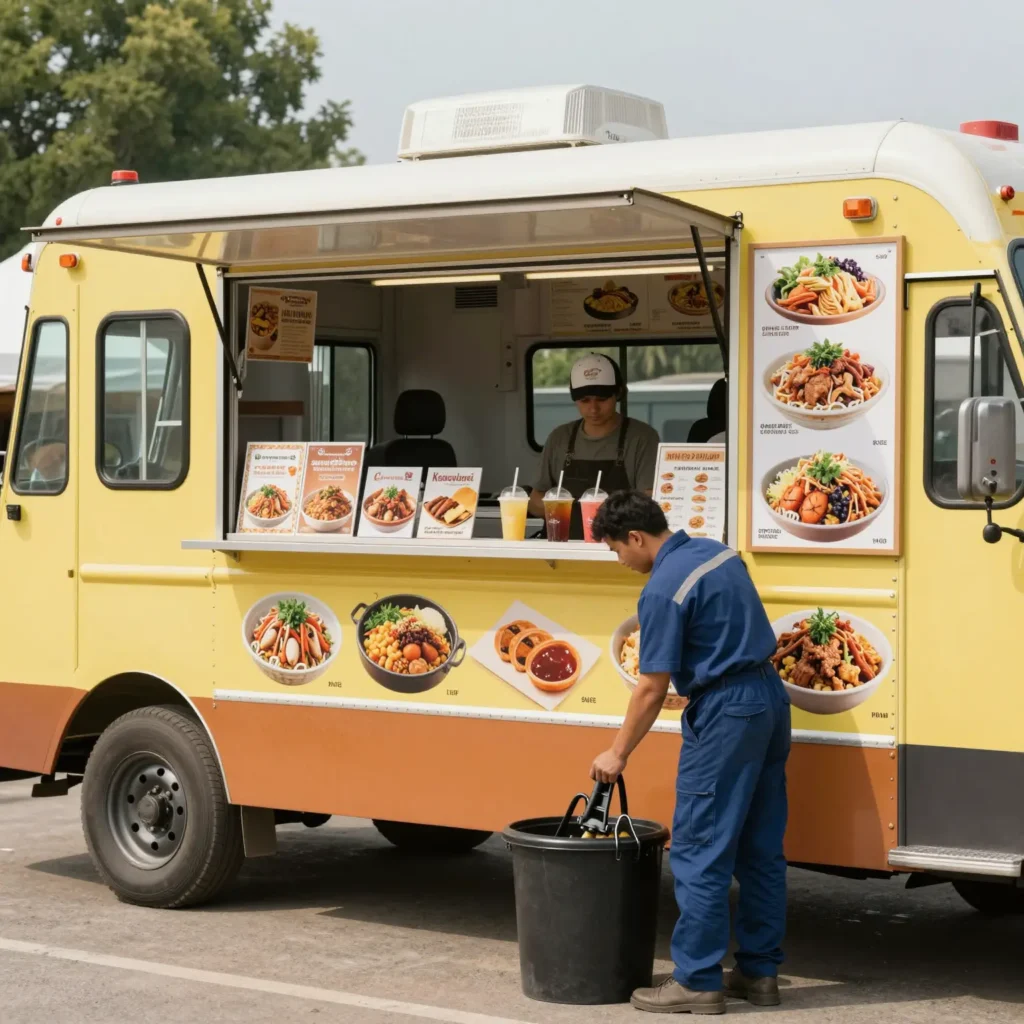
In the rapidly growing mobile culinary industry, understanding motor vehicle services is not just a necessity; it’s a lifeline for business owners. With food trucks and catering vans becoming a common sight on streets and events, ensuring that these vehicles are well-maintained, legally compliant, and fully operational can dictate the success or failure of a culinary venture. Embracing knowledge about motor vehicle services helps owners avoid unexpected breakdowns, manage operational costs, and assure their customers of a reliable service. Moreover, it equips them with essential insights that can be pivotal in navigating industry regulations, from health standards to transportation laws. As the demand for gourmet street food and mobile dining experiences continues to soar, mastering vehicle maintenance, inspection, and service can lead to enhanced efficiency and stronger customer satisfaction. Learn more about vehicle tricks here to keep your mobile culinary business thriving.
Overview of Motor Vehicle Services
Motor vehicle services encompass a broad range of activities related to the management, maintenance, and operation of vehicles. These services are crucial not only for individual vehicle owners but also for businesses, especially those operating mobile ventures such as food trucks, delivery services, and transportation companies.
What are Motor Vehicle Services?
Motor vehicle services refer to the various functions provided by state and private sectors to ensure vehicles are safe, operational, and compliant with regulations. These include:
- Vehicle Registration: Obtaining official documentation to operate a vehicle legally on roads.
- Driver Licensing: Issuing permits to individuals, confirming they have the skills to operate vehicles safely.
- Vehicle Maintenance and Repairs: Routine servicing, diagnostics, or critical repairs necessary to keep vehicles in good working order.
- Testing Services: Emission and safety checks that ensure vehicles meet environmental standards.
- Insurance Services: Providing coverage against accidents and damages.
Types of Motor Vehicle Services
Motor vehicle services can be categorized into several types:
- Regulatory Services: These are mandated by governing bodies, like vehicle registration and inspections.
- Commercial Services: Offered by private businesses, these include everything from auto repairs to towing services.
- Fleet Maintenance Services: Specialized services for businesses with a fleet of vehicles to ensure they are consistently maintained for operational efficiency.
- Emergency Services: These include roadside assistance or towing services available 24/7 to aid stranded motorists.
Importance for Business Owners with Mobile Ventures
For business owners operating mobile ventures like pizza trucks,
- Reliability: Regular maintenance reduces the risk of breakdowns, ensuring that the business can serve customers consistently.
- Regulatory Compliance: Proper registration and adherence to local regulations help avoid legal issues that could halt operations.
- Customer Confidence: Well-maintained vehicles reflect professionalism, encouraging more customers to trust the service.
- Impact on Costs: Efficient vehicle operation reduces fuel and repair costs, which is critical in maintaining a healthy profit margin.
In conclusion, motor vehicle services are essential for any business relying on vehicles for operations. Proper management of these services ensures longevity, safety, and compliance, ultimately contributing to the business’s success. For more insights, you can learn more about vehicle services here.
Key Components of Motor Vehicle Services for Business Owners
Understanding the components of motor vehicle services is crucial for business owners involved in automotive operations, whether you manage a fleet, run a garage, or operate in the logistics sector. Here are some main features to consider:
-
Vehicle Registration: This involves the official recording of a vehicle’s details with the appropriate government vehicle authority. It is necessary for legal operation on public roads. Business owners must be aware of their state’s registration process to avoid penalties. For more information, check out state motor vehicle services.
-
Vehicle Insurance: Essential for protecting assets, vehicle insurance covers damages, liabilities, and losses. Business owners should prioritize adequate coverage tailored to their fleet’s needs.
-
Maintenance and Repairs: Regular maintenance is crucial for optimizing vehicle performance and extending lifespan. Services include oil changes, brake repairs, and tire rotations. Having a maintenance schedule can significantly reduce downtime.
-
Fleet Management Software: This technology helps in tracking vehicles, managing schedules, and analyzing performance metrics. It enhances operational efficiency and reduces operational costs.
-
Testing and Inspections: Ensuring vehicles meet safety standards and emissions regulations is essential. Regular inspections can help in avoiding fines and maintaining a good business reputation.
-
Roadside Assistance: This service provides immediate help in case of breakdowns or emergencies. It is a vital feature for businesses that rely on transportation to minimize service interruptions.
-
Connecting Fleet with Advanced Technologies: Utilizing smart technologies, such as GPS tracking and telematics, enables better route planning and enhances driver safety. For advanced support, look into services like OnStar’s Connected Vehicle Services.
In conclusion, incorporating these key components into your motor vehicle operations can lead to better management, increased safety, and enhanced profitability.
Maintaining a mobile food business involves far more than just preparing delicious meals; it means ensuring a reliable and efficient vehicle. Without proper maintenance, food trucks could easily face breakdowns that not only disrupt business operations but also lead to financial losses. Regular vehicle servicing is paramount in keeping your food truck running smoothly, thus avoiding unscheduled downtimes which could cost you customers and profit.
Industry experts frequently highlight the importance of regular vehicle maintenance. For instance, according to Little Trucker Down Under, “Maintaining vehicles is essential for food truck utility by ensuring they pass regular inspections and remain safe, reducing risks of breakdowns.” This sentiment underscores the necessity of being proactive about maintenance rather than reactive. Vehicles that are regularly serviced can operate more efficiently, resulting in better fuel economy and lower overall operational costs.
Moreover, as Where’s The Foodtruck notes, “successful food truck operations hinge on regular maintenance to ensure reliability and prevent costly breakdowns.” This is particularly true in a competitive landscape where every minute counts. Any delays caused by vehicle issues can lead to significant lags in service, ultimately tarnishing a food truck’s reputation. Customers expect timely service, especially in high-demand areas or during special events.
“Regular maintenance is the lifeblood of any successful food truck operation. It protects not just your investment but also your reputation. If your vehicle breaks down, it isn’t just a repair cost; it’s lost income and disgruntled customers.” – Industry Expert
Investing in routine checks and balancing the vehicle’s performance not only enhances safety but also promotes longevity, ensuring that your business thrives in the long run. This proactive approach to vehicle maintenance is particularly crucial for mobile food vendors who depend heavily on their trucks for daily operations.
To dive deeper into maintaining your food truck efficiently, you can learn more about vehicle tricks or explore the need for professional inspections here.
In summary, regular vehicle maintenance serves as a foundation for successful mobile food businesses. It minimizes risks, enhances customer satisfaction, and ultimately contributes to greater profitability. Understanding this significance can lead business owners to adopt a more dedicated approach to their vehicle maintenance strategies.
The Benefits of Quality Motor Vehicle Services for Pizza Truck Operations
Running a pizza truck business requires not only culinary skills but also an emphasis on operational efficiency, significantly influenced by the state of the vehicle. Quality motor vehicle services are critical in enhancing this efficiency. Here, we delve into how attentive maintenance can drive productivity and profitability for pizza truck owners.
1. Reliability
Having a reliable vehicle is vital for a food truck business. Quality motor vehicle services ensure that your pizza truck is in optimal working condition at all times. Regular inspections and maintenance checks can prevent breakdowns, minimizing downtime during peak service hours. This is critical for maintaining a steady flow of customers and revenue.
2. Cost Efficiency
Maintenance helps identify potential issues before they escalate into costly repairs. According to a source from LinkedIn, neglecting regular vehicle inspections is the leading cause of unexpected mechanical problems. By investing in quality services, pizza truck operators can save money in the long run, avoiding emergency repairs that can significantly impact the business’s bottom line.
3. Enhanced Performance
Regular servicing leads to better fuel efficiency and performance. When a vehicle is well-maintained, it operates more efficiently, enhancing the speed at which pizzas are prepared and delivered. According to insights gained from articles like Operational Efficiency Drives Financial Success, efficiency translates directly into financial success for businesses. Thus, regular maintenance can boost both performance and profit margins.
4. Safety Compliance
A pizza truck must adhere to local health and safety regulations. Regular vehicle maintenance ensures that compliance is met, reducing the risk of fines or shutdowns. Inspections can catch issues related to food safety, ensuring the vehicle is clean and safe for operations. Proper maintenance not only protects the vehicle but also safeguards your brand’s reputation.
5. Business Growth
When a pizza truck operates smoothly and efficiently, it is well-positioned for growth. A reliable vehicle allows for the expansion of service locations and participation in various events, festivals, and markets. Quality motor vehicle services thus contribute significantly to the long-term growth and success of the pizza truck business.
In conclusion, prioritizing quality motor vehicle services is essential for pizza truck owners looking to enhance operational efficiency, reduce costs, and ensure safety compliance, ultimately protecting and promoting their entrepreneurial ventures.
| Provider Name | Strengths | Weaknesses | Services Offered |
|---|---|---|---|
| Vehicleinfo | Comprehensive service details, insurance info | Limited geographical coverage | RC details, traffic challan payment, insurance tracking |
| Flip Insurance | Specializes in food truck liability coverage | Higher premiums for small businesses | Liability coverage for food trucks, customizable plans |
| The Hartford | Established reputation in food services | May not cover newer food truck startups | General liability, property insurance, and auto insurance |
| Chamber of Commerce | Business resources for food truck operations | Not focused solely on vehicle services | Guides on insurance needs, operational strategies |
| Slideshare (Food Truck Plan) | Offers strategic insights for food trucks | Informal format, may lack structure | Business planning, vehicle management strategies |
| Fit Small Business | Reviews of multiple insurance options | Summary may lack in-depth analysis | Comparison of food truck insurance providers |
Summary of Vehicle Services for Pizza Truck Businesses
Motor vehicle service providers play an essential role in ensuring the smooth operation of pizza truck businesses. Each provider has unique strengths and weaknesses that appeal to different aspects of vehicle management.
- Insurance Coverage: For food truck businesses, specifically, having robust liability insurance is critical. Providers like Flip and The Hartford are notable for their food truck insurance, offering protection against specific risks associated with mobile food services.
- Vehicle Management: As food trucks frequently move, managing vehicle services like maintenance, registrations, and renewals (covered by services like Vehicleinfo) is crucial.
For more about vehicle maintenance impacts on fuel efficiency, which is vital for pizza trucks that require both cost efficiency and reliability, visit our resources.
Regulatory Requirements for Motor Vehicle Services in Mobile Culinary Businesses
Mobile culinary businesses, especially food trucks, operate in a complex regulatory environment that encompasses various legal requirements and compliance standards. Understanding these regulations is crucial for business owners to ensure their operations are compliant, safe, and successful. Here, we explore the essential regulatory requirements that mobile culinary businesses must navigate.
1. Health Inspections
Regular health inspections are a fundamental requirement for mobile food businesses. Local health departments mandate these inspections to ensure compliance with food safety standards. Operators must adhere to stringent guidelines regarding sanitation, food handling, and cooking processes. Failure to meet these standards can result in fines or closure. For detailed guidelines on this aspect, refer to your local health regulations.
2. Commissary Requirement
A commissary is often required for all mobile food businesses. This facility is used not only for food preparation but also for cleaning and waste disposal. Operating from a commissary ensures compliance with health regulations, as it provides a designated space where food can be safely prepared and stored. Many municipalities impose this requirement to guarantee quality and safety standards. Learn more about the implications of this requirement from Palmetto Promise Institute.
3. Complexity of Compliance
The regulatory landscape for mobile culinary businesses is intricate, with requirements varying widely from state to state and even locale to locale. Operators must be diligent in researching and understanding the specific regulations applicable to their location. Notably, the compliance complexities can be overwhelming and may include city ordinances, state health codes, food service licenses, and more. For a deeper insight into navigating these regulations, visit Chef Units.
4. Permits and Licensing
Obtaining the requisite permits for mobile culinary operations is critical. Depending on the jurisdiction, this can include business licenses, health permits, and special parking permits for events. Not compliant with local regulations can hinder your ability to operate and expose your business to legal repercussions. Event-specific permits must also be secured before serving in public spaces, which can enhance your operational legality.
5. State-Specific Regulations
Some states have unique requirements for mobile culinary businesses. For instance, Texas will require a single statewide health permit for food trucks starting in 2026. Being aware of such upcoming legislation can help you plan and adapt your business to maintain compliance. Check resources like TikTok for community insights on current regulations.
6. Storage and Sanitation
Mobile food businesses are obligated to follow specific storage and sanitation regulations. These involve proper food storage temperatures, sanitation practices during food preparation, and waste disposal methods. Maintaining proper sanitation is not just legally mandated-it is critical for protecting public health and the integrity of your business.
Conclusion
Navigating the regulatory requirements for motor vehicle services in mobile culinary businesses is essential for maintaining legal operations. By understanding health inspections, commissary requirements, compliance complexities, permits, state-specific regulations, and sanitation guidelines, business owners can successfully manage their culinary ventures. Ensuring full compliance not only protects your business but also helps build trust with your customers.

For more information on maximizing the operational efficiency of mobile culinary businesses, consider reading the comprehensive guides available on Vehicle Tricks for further insights into vehicle regulations and enhancements.
Sources
Trends in Motor Vehicle Services Adoption Among Mobile Culinary Businesses
Understanding the adoption trends of motor vehicle services among mobile culinary businesses provides insightful data for business owners seeking to capitalize on this growing market. With the flexibility and lower operational costs associated with food trucks and similar enterprises, business owners are increasingly embracing innovative vehicle services. The market growth rate reflects this trend:
Adoption Data Overview
The following table highlights the significant trends observed in the mobile culinary sector from 2020 to 2023:
| Year | Market Growth Rate | Technology Adoption | Consumer Preferences | Source |
|---|---|---|---|---|
| 2020 | 6.8% | Mobile POS systems | Increasing demand for gourmet and convenience food options | Market Research Future |
| 2021 | 7.4% | Digital ordering platforms | Shift towards health-conscious and fusion menus | Business Research Insights |
| 2022 | 8.4% | Cashless transactions | Preference for diverse culinary options | Persistence Market Research |
| 2023 | 8.6% | AI-based menu recommendations | Increased focus on sustainability and eco-friendly practices | Global Growth Insights |
Market Growth Line Chart

As depicted in the chart, the market growth rate has consistently increased over the years, showcasing the positive trajectory of mobile culinary services. Integrating services like mobile POS systems and cashless transactions are crucial for staying competitive in this evolving industry.
Conclusion
In conclusion, motor vehicle services are integral to the success of mobile businesses, offering a range of essential functions that facilitate efficient operations. Throughout this article, we explored the definition and importance of these services, emphasizing their role in logistics, transportation, and overall business functionality.
- Logistical Efficiency: Motor vehicle services ensure that businesses can effectively manage their vehicle fleets, which is crucial for timely deliveries and service provision.
- Compliance and Regulations: Navigating state regulations regarding licensing and registration is vital for avoiding fines and legal issues. Staying updated with motor vehicle service requirements can save money and improve operational efficiency.
- Safety and Liability: With the correct motor vehicle reports, businesses can assess driver backgrounds, ensuring they hire qualified individuals. This not only enhances safety but also meets insurance requirements, safeguarding the company against potential liabilities.
Considering the implications of motor vehicle services on your mobile business can lead to improved performance and competitiveness. By focusing on proper vehicle maintenance, regulatory compliance, and strategic vehicle management, business owners can maximize their operational effectiveness. For more insights on vehicle services and how to enhance your mobile operations, consider reading our detailed guide. Remember, understanding and implementing these vehicle services could be the catalyst for your business’s growth and success!
Ready to Take the Next Step?
If you’re a business owner looking to expand your offerings with a premium pizza truck, look no further! At Truck Pizza, we specialize in designing customized pizza trucks that will elevate your food service business to new heights. Our team is dedicated to providing you with a personalized quote that meets your unique needs. Don’t miss the chance to serve delicious, fresh pizza on-the-go. Visit us now for your free consultation!