
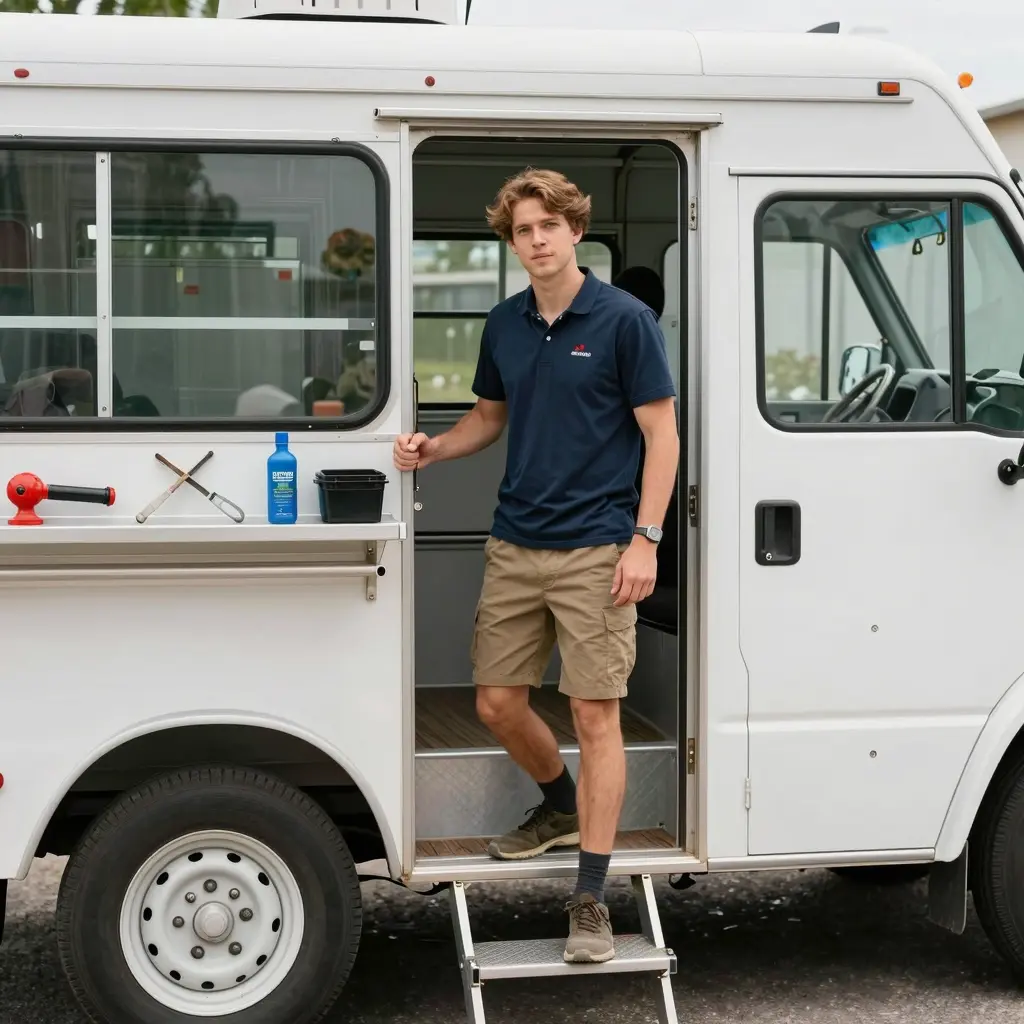
Understanding Maintenance Responsibilities for Leased Vehicles in Your Pizza Truck Business
For business owners operating a pizza truck, understanding who is responsible for maintenance and repairs on leased vehicles is crucial. Many entrepreneurs often overlook the nuances of vehicle leasing agreements, unwittingly setting themselves up for unexpected costs. With the busy nature of running a mobile kitchen, knowing whether you or the leasing company will bear the responsibility for maintenance can directly impact your profit margins and operational efficiency.
When you lease a vehicle, it’s essential to clarify the terms regarding maintenance. This not only affects your day-to-day operations but also your budget planning. A clear understanding can help you avoid sudden repair costs that may arise due to neglecting scheduled services or manufacturer warranties. Whether it’s tire rotations, oil changes, or unexpected repairs, these responsibilities can affect your bottom line if not properly managed. Engaging with leasing terms thoroughly ensures you’re equipped to make informed decisions for your business.
Moreover, opting for leased vehicles can provide flexibility, especially in a fast-paced industry like food service. To delve deeper into the leasing process and uncover tips on how to maximize your investment, you can learn more about vehicle tricks here. Understanding who pays for maintenance can empower you to focus on what matters most-serving delicious pizzas and growing your customer base!
Who Pays for Maintenance or Repairs on Leased Vehicles
Understanding the financial responsibilities associated with vehicle leasing is crucial for business owners. Typically, the lessee, or the party leasing the vehicle, bears the responsibility for all maintenance, insurance, and repair costs. This is a significant aspect that differentiates a lease from a rental agreement, where usually, the lessor (the owner) is responsible for these expenses.
“In a vehicle leasing agreement, the lessee is typically responsible for all maintenance, insurance, and repair costs.” – Legal Expert, ContractHero
Such responsibilities highlight the importance of reviewing the lease agreement carefully before signing. Business owners should be aware of these obligations to ensure they budget appropriately for the ongoing costs associated with their leased vehicles. For more insights on vehicle leasing, learn more about vehicle tricks.
Furthermore, to protect against unexpected repair costs, it’s advisable for lessees to maintain regular service schedules and keep detailed records of all maintenance performed. This not only ensures better vehicle performance but also can be advantageous in the event of lease returns.
Maintaining a leased vehicle can end up being a costly affair if one fails to account for repairs and upkeep. Being proactive in addressing these responsibilities can provide significant peace of mind for business owners, enabling them to focus on their core activities without the stress of unforeseen expenses.
For further understanding of maintenance responsibilities within lease agreements, check out this useful guide on maintenance responsibilities.
Overall, understanding who pays for maintenance in a leasing arrangement is essential for financial prudence and effective vehicle management.
Common Lease Terms Related to Maintenance and Repairs
Understanding lease terms regarding maintenance and repairs is crucial for business owners leasing vehicles. Below is a list of common lease terms related to maintenance and repairs that every lessee should be aware of:
- Routine Maintenance Responsibility: Lessees are typically required to perform regular maintenance such as oil changes, tire rotations, and fluid level checks, following the manufacturer’s guidelines.
- Authorized Service Providers: Most lease agreements mandate that lessees use authorized service centers for maintenance to ensure that warranty conditions are met.
- Proof of Maintenance: Lessees must keep accurate records of all maintenance performed on the vehicle to avoid penalties at lease end. This includes receipts and service history.
- Wear and Tear vs. Negligence: While normal wear and tear is expected, damages resulting from negligence or failure to follow maintenance schedules may lead to additional charges at the termination of the lease.
- Major Repairs: Major mechanical repairs due to normal use or manufacturing defects are generally covered by the leasing company, while lessees might be responsible for damages resulting from misuse.
- Reporting Issues: Lessees are typically required to promptly report any issues or warning lights to the leasing company to avoid being liable for additional repair costs due to neglect.
- Inspection Fees: At the end of the lease, a vehicle inspection is often required, and any excessive wear or damage identified may incur fees.
By being aware of these typical lease terms, business owners can better manage their leasing responsibilities and avoid unexpected costs. For more information on maintaining leased vehicles, learn more about your responsibilities.
Lessee Responsibilities Regarding Maintenance and Repairs on Leased Vehicles
When leasing a vehicle, the lessee holds significant responsibilities concerning maintenance and repairs that aim to keep the vehicle in optimal condition. Primarily, the lessee must ensure that all necessary regular maintenance-such as oil changes, tire rotations, and brake inspections-is performed timely to prevent any functional issues that could affect the safety and longevity of the vehicle. This requirement is often stipulated in the lease agreement and is crucial for maintaining the vehicle’s resale value. A lessee is also responsible for any repairs needed due to damage caused by misuse, neglect, or accidents, as any such costs may not be covered by the lease provider. It is essential that the lessee carefully reads the lease contract, as it typically outlines specific obligations regarding routine maintenance and the condition in which the vehicle should be returned at the end of the lease term. Failing to meet these maintenance responsibilities can not only result in additional costs such as forfeiture of the security deposit but may also lead to penalties or further charges for any excess wear and tear beyond the normal usage limits. Moreover, according to guidelines, while lessees are expected to manage and care for their leased vehicles, they should also be aware of their rights regarding normal wear and tear, which does not necessitate compensation unless the damage results from improper use. Lessees are encouraged to maintain open communication with the leasing company about service records and any issues that arise during the lease period, ensuring that they fulfill their contractual obligations while enjoying the benefits of the leased vehicle. For additional insights on who pays for maintenance on leased vehicles, learn more here.
Understanding a lessee’s responsibilities can significantly improve a lessee’s leasing experience, ultimately making it more cost-effective and hassle-free. Maintaining a balance between vehicle upkeep and understanding contractual obligations not only enhances the lessee’s relationship with the leasing company but also ensures that they are driving a reliable vehicle throughout the lease period.
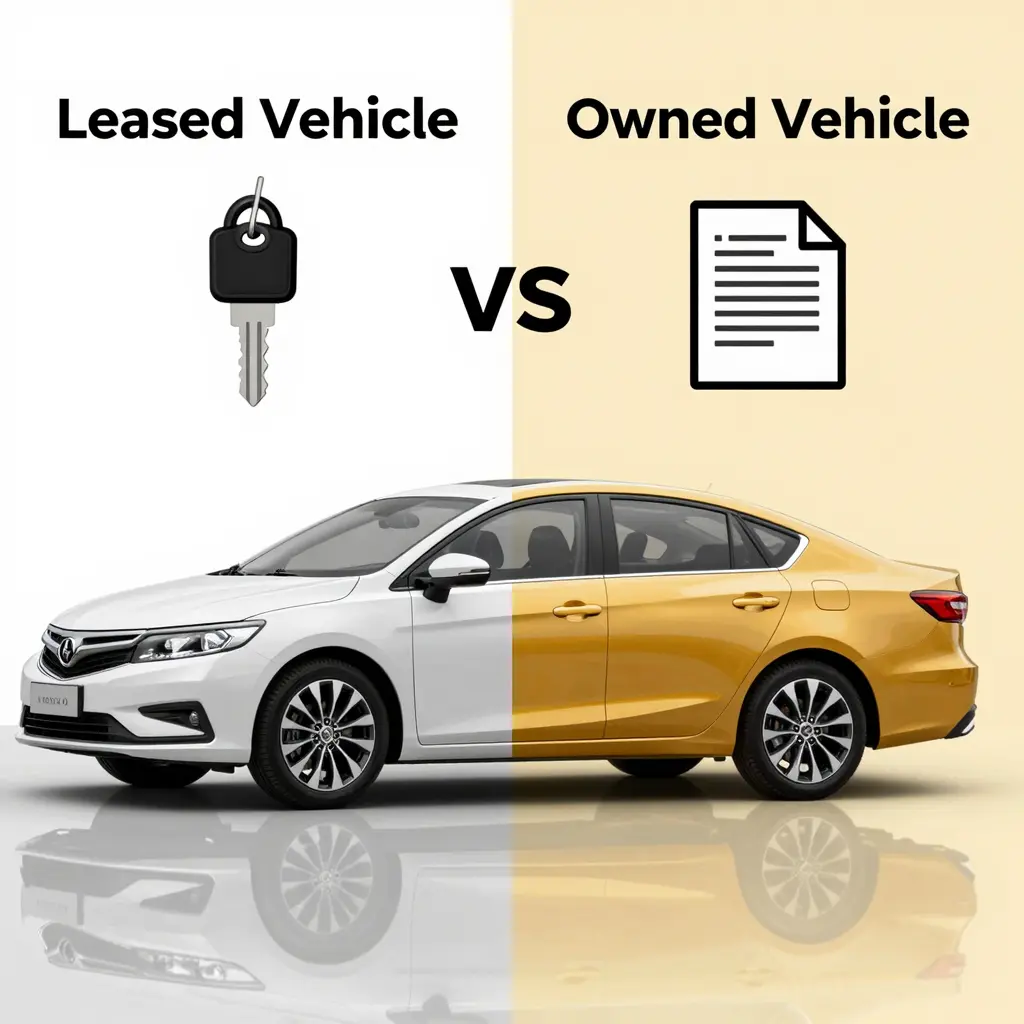
This image offers a visual representation of the key differences between a leased vehicle and an owned vehicle, effectively illustrating ownership versus leasing for maintenance responsibilities.
Lessor Responsibilities for Maintenance and Repairs
In the realm of leasing vehicles, understanding the lessor’s responsibilities for maintenance and repairs is crucial for business owners. This ensures clarity in agreements and mitigates unforeseen financial burdens.
Major Responsibilities
The lessor, typically the leasing company, bears significant responsibilities regarding the upkeep and repair of leased vehicles, including:
-
Major Mechanical Repairs: The lessor is responsible for all significant repairs as a result of mechanical failures that occur during the lease period. This includes issues that may stem from normal wear and tear, ensuring that the vehicle is safe and operational throughout the leasing term.
-
Scheduled Maintenance: Regular maintenance tasks such as oil changes, tire rotations, and brake checks are usually the lessor’s obligation to ensure the vehicle remains in compliance with manufacturer standards. This is critical for keeping the vehicle in good operating condition and avoiding performance issues.
-
State Inspections: The lessor is typically responsible for ensuring the vehicle meets all local/state regulations and passes required inspections. This not only ensures legality but also maintains the vehicle’s resale value at the end of the lease.
-
Warranty Maintenance: If the vehicle is under warranty, the lessor must ensure that any repair work performed is done according to warranty rules, thus safeguarding the lessee from additional costs related to warranty voidance due to maintenance negligence.
-
Communication of Changes: Lessor obligations also include the disclosure of any changes in maintenance schedules or requirements that may arise during the lease to avoid confusion and liability issues between the lessor and the lessee.
Financial Implications
Lessees must be aware that while the lessor handles larger repairs, they may still be responsible for routine maintenance and minor repairs. If neglected, these responsibilities can result in extra charges upon the vehicle’s return. Business owners should document all maintenance work performed and familiarize themselves with the specifics of their lease agreements to avoid any unexpected fees.
In summary, understanding the lessor’s responsibilities is key for business owners involved in vehicle leasing. It not only safeguards their operations but also helps in forecasting potential expenses associated with vehicle upkeep. For more insights on lease agreements and maintenance responsibilities, check out this informative article. Furthermore, discussing maintenance terms during negotiations can lead to beneficial arrangements tailored to your business needs.
Industry Standards for Maintenance and Repairs on Leased Pizza Trucks
When it comes to maintaining leased vehicles, especially in specific sectors like pizza trucks, understanding industry standards is crucial for business owners. These standards ensure the vehicles remain in optimal working condition and meet safety regulations. Below, we outline the key standards related to maintenance and repairs of leased pizza trucks, along with common practices in the sector.
1. General Maintenance Regulations
According to the revised Motor Vehicle Maintenance Regulations (2023) from the Ministry of Transport, maintenance operators for motor vehicles, including leased vehicles, must comply with safety and quality management responsibilities. This regulation emphasizes that:
- Repair Quality: Service providers must ensure that repairs do not compromise vehicle safety.
- Marketplace Choice: Clients can choose repair vendors freely, ensuring competition and preventing monopolies in service provision.
Read more about these regulations here.
2. Technical Standards for Repair Facilities
The National Committee for Automotive Maintenance has specific standards for repair facilities that undertake maintenance on leased vehicles. Facilities must:
- Employ qualified technicians who meet national vocational standards.
- Utilize proper equipment and diagnostic tools.
- Maintain a quality management system for repair processes.
This ensures that all repairs meet the required legal and safety standards. Learn more about technical standards here.
3. Best Practices for Pizza Truck Maintenance
The National Restaurant Association has outlined best practices for maintaining pizza trucks, which include:
- Regular Inspections: Conduct routine checks on cooking systems, refrigeration units, and electrical wiring.
- Preventive Maintenance: Implement a monthly schedule to inspect filters, belts, and safety features.
- Record Keeping: Keep meticulous logs of maintenance activities to comply with health regulations and ensure accountability. You can find a detailed maintenance guide here.
4. Checklist for Daily Operations
The USDA provides a daily maintenance checklist for mobile food vendors. Recommendations include:
- Cleaning surfaces like ovens and countertops after each service.
- Inspecting critical vehicle components such as tires and brakes before shifts.
- Keeping food storage temperatures at safe levels and logging repairs meticulously.
This systematic approach to daily operations helps maintain compliance with food safety standards. Access the checklist here.
Conclusion
For pizza truck operators, understanding and adhering to industry standards for maintenance and repairs is essential. Ensuring that vehicles are serviced properly not only meets legal requirements but also enhances the longevity of the truck, contributing to the business’s overall efficiency and safety.
For more insights on maintenance practices, check out our article on who pays for maintenance on a leased vehicle.
Comparison Table: Maintenance and Repair Costs for Leased vs Owned Pizza Trucks
| Cost Type | Leased Vehicles | Owned Vehicles |
|---|---|---|
| Monthly Maintenance Cost (First 3 Years) | $120 (during warranty) | $180 (higher initial cost) |
| Monthly Maintenance Cost (Years 4-5) | Higher due to wear & tear | Slower increase in costs |
| Responsibility for Repairs | Limited, manufacturer covers most repairs | Full responsibility after warranty |
| Potential Fees | Excess mileage fees ($0.25-$0.35/mile) | No fees, retains value |
| Cost-Effectiveness for High Mileage | Less effective over time | More effective long-term |
Key Takeaways
- Leased Vehicles: Generally have lower out-of-pocket costs during the first three years due to warranty coverage but might incur higher maintenance expenses post-warranty.
- Owned Vehicles: Require greater initial investment but offer steady long-term savings, especially for high-mileage pizza trucks averaging over 20,000 miles annually.
For a more detailed exploration of who pays for maintenance on leased vehicles, check out this comprehensive guide. Additionally, understanding how maintenance affects fleet efficiency can be critical; read more about vehicle maintenance costs.

Conclusion: Take Your Business to the Next Level with a Pizza Truck
In conclusion, leasing a pizza truck can significantly benefit business owners in today’s competitive market. Not only does it require minimal upfront investment, allowing you to reduce financial pressure, but it also offers unique flexibility to cater to various events-be it weddings, corporate parties, or festivals. With the growing popularity of mobile food businesses, as noted by industry insights, over 60% of new food brands are opting for leasing to efficiently allocate resources while enhancing market responsiveness.
Moreover, maintenance is typically managed as part of the leasing agreement, allowing you to focus on delighting your customers rather than worrying about upkeep-an essential advantage outlined in several reports on vehicle maintenance responsibilities. With built-in support from leasing companies, your pizza truck can remain in peak condition, boosting efficiency and improving customer satisfaction.
If you’re considering venturing into the mobile food industry, now is the perfect time to explore options for leasing a pizza truck. This could be the game-changing move that elevates your culinary service and brand exposure. You can easily get started by checking out truckpizza.net for comprehensive leasing options. Don’t miss out on the opportunity to enhance your business’s operational capabilities and customer outreach!
Embrace the business potential of a pizza truck today, because every slice can bring you closer to your goals!
FAQ Section: Maintenance Responsibilities of Leased Vehicles
Who is responsible for maintenance on a leased vehicle?
Answer: Generally, the lessee (the business owner who leases the vehicle) is responsible for routine maintenance such as oil changes, tire rotations, and brake checks. While the leasing company may cover repairs related to manufacturer defects, regular maintenance and repairs from usage fall under the lessee’s responsibility. You can learn more about who pays for maintenance on a leased vehicle.
Are there any specific maintenance requirements I need to follow?
Answer: Yes, lessees must adhere to the maintenance schedules provided by the vehicle manufacturer to avoid potential penalties at the end of the lease. Keeping detailed records of all maintenance can help prevent disputes when returning the vehicle. For further insights, check out this guide on vehicle lease maintenance.
What happens if I neglect maintenance on a leased vehicle?
Answer: Failing to properly maintain a leased vehicle can lead to additional charges when you return the vehicle. If you do not adhere to the required maintenance schedule, the leasing company may charge you for repairs needed due to neglect. It is crucial to ensure that all recommended services are completed on schedule.
Can I perform maintenance myself on a leased vehicle?
Answer: While you can perform certain maintenance tasks on your leased vehicle, it is recommended to have most of the work done by certified professionals, especially services that are specified in the lease agreement. Keep receipts and records of any work completed to avoid issues upon returning the vehicle.
What should I do if I have maintenance issues during the lease?
Answer: If you encounter any maintenance problems, immediately inform the leasing company. They can provide guidance on whether the repair falls under your responsibility or if it is covered by any warranty associated with the lease. It is important to communicate any issues promptly, to avoid further complications.