
Understanding Vehicle Maintenance Costs: A Critical Insight for Business Owners
As a business owner, managing expenses is pivotal to your success. One often-overlooked area that can significantly impact your bottom line is vehicle maintenance costs. From routine services to unexpected repairs, these expenses can add up quickly and strain your budget. Have you ever considered how much money could be saved if you had a thorough understanding of the factors contributing to these costs?
Several key elements contribute to high vehicle maintenance expenses. Firstly, the age and condition of your fleet can drastically influence costs-older vehicles tend to require more frequent repairs, while newer models may come with their own sets of challenges. Additionally, the type of vehicle plays a crucial role; for instance, luxury models often incur higher repair bills than their standard counterparts. Furthermore, neglected maintenance can lead to more severe issues requiring costly interventions down the line.
In this article, we will explore why understanding these costs is imperative for any business owner managing a fleet. By identifying the main contributors and recognizing the potential savings, you can create a proactive approach to vehicle maintenance. Learn more about vehicle maintenance and ensure your fleet runs efficiently without breaking the bank.
Common Vehicle Maintenance Expenses for Business Owners
Maintaining a fleet of vehicles is crucial for business operations, and understanding typical maintenance expenses can help business owners budget effectively. Here’s a list of common vehicle maintenance expenses you should expect:
- Oil Changes: Regular oil changes are vital for engine health. Costs typically range from $50 to $120 for standard synthetic oil changes.
- Tire Replacements: Depending on the brand and type, new tires can cost between $100 and $300 each.
- Brake Servicing: Regular brake inspections and servicing are essential. Expect costs of $150 to $300 for pads and possibly up to $1,500 for a complete brake system replacement.
- Fluid Flushes: Services like coolant or transmission fluid flushes may cost anywhere from $100 to $200.
- Battery Replacement: A new car battery typically costs between $75 and $200.
- Wiper Blade Replacement: These should be changed regularly, costing around $20 to $40 per pair.
Regular maintenance is imperative not only to ensure vehicle safety and efficiency but also to avoid more significant repair costs in the future. To learn more about managing these vehicle expenses, visit Vehicle Tricks.
Factors Affecting Vehicle Maintenance Costs
The costs associated with vehicle maintenance can often catch business owners by surprise. Understanding the various factors that contribute to these expenses can enable better budgeting and financial planning. Here are some key factors that significantly influence vehicle maintenance costs:
1. Parts Prices
The price of replacement parts varies widely depending on the vehicle’s make and model. For instance, luxury and imported vehicles typically require more expensive parts than domestic models. According to notesmatic, the availability of parts and their quality also affect pricing. Higher-quality parts tend to last longer but come at a premium, thus increasing overall maintenance costs.
2. Labor Rates
Labor costs are one of the most significant contributors to maintenance expenses. On average, labor rates can range from $75 to $150 per hour, depending on the garage and geographic location (Vehicle’s Tire). For specialized services, such as diagnostics or intricate repairs, rates may be even higher. Regional disparities in labor charges can lead to variations in maintenance costs, as seen in reports from various sources indicating rising labor rates across the U.S. and UK.
3. Vehicle Type
Different types of vehicles have varying maintenance profiles. For example, commercial fleets may incur greater costs due to the frequency of use and operational demands. Performance vehicles may require more specialized care, elevating maintenance costs even further. A parametric analysis noted that average unscheduled maintenance costs can reach approximately $2,300 over a vehicle’s lifetime, influenced largely by the vehicle class and associated parts costs.
4. Frequency of Service
Regular maintenance can prevent larger issues down the line, but it also adds to ongoing expenses. Businesses that use their vehicles frequently will face higher service costs compared to those with less activity. The necessity for services such as oil changes, tire rotations, and inspections can accumulate based on the frequency at which these tasks are performed.
In conclusion, understanding these factors-parts prices, labor rates, vehicle type, and service frequency-could lead business owners to make informed decisions that help manage and potentially reduce overall vehicle maintenance costs.
| Vehicle Type | Average Annual Maintenance Cost (2023) |
|---|---|
| Cars | $1,200 |
| Trucks | $1,500 |
| SUVs | $1,400 |
| Vans | $1,300 |
For more insights on managing vehicle expenses, check out how vehicle maintenance saves on gas expenses and who pays for maintenance on a leased vehicle.
The Long-term Implications of Ignoring Regular Vehicle Maintenance
Neglecting regular vehicle maintenance can lead to dire consequences for any business reliant on transportation. While initial maintenance costs may seem burdensome, the long-term implications of ignoring them can result in substantially higher expenses and operational disruptions.
Increased Repair Costs
When maintenance tasks are overlooked, minor issues can quickly escalate into significant problems. For instance, failing to change engine oil or bleed brakes can lead to engine failure or compromised safety features, respectively. According to an article from Kwik Kar Denton, neglect can cost businesses thousands of dollars in repairs.
Decrease in Vehicle Value
Regular maintenance plays a crucial role in retaining a vehicle’s value. Studies indicate that neglecting maintenance can diminish a vehicle’s worth by about 10-20%-an amount that can translate into economic loss when it comes time to sell or trade in. As per the findings from Homifax, the costs associated with major repairs can range from $2,500 to $10,000.
Operational Inconvenience
A fleet or business vehicle that breaks down unexpectedly can lead to significant inconveniences and delays, affecting overall productivity. Businesses may experience downtime while waiting for repairs, leading to lost opportunities and reduced revenue, as pointed out by AMC’s Group.
Loss of Business Revenue
In addition to repair costs and lost vehicle value, there is a potential revenue loss associated with operational interruptions. An article on Robin Waite’s blog suggests small maintenance issues can snowball into larger problems, costing businesses not only in repairs but also in lost customer trust and sales due to unreliable transportation.
Conclusion
While maintenance costs may seem excessive initially, the ramifications of neglecting vehicle upkeep can be far costlier in the long run. Investing in regular vehicle maintenance is indispensable for preserving vehicle value and maintaining uninterrupted business operations.
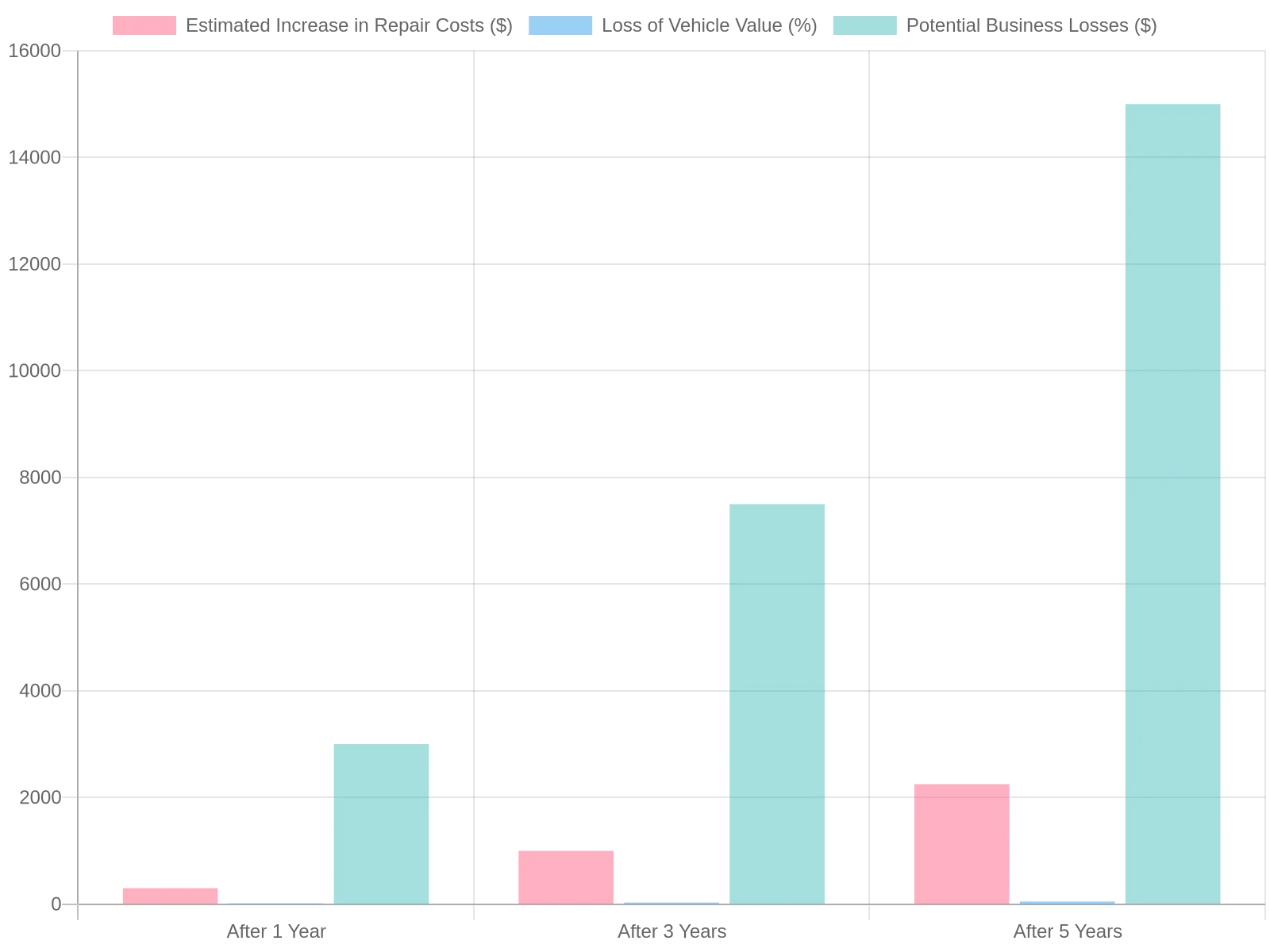
Impact of Neglected Vehicle Maintenance Costs
| Time Period | Estimated Increase in Repair Costs | Loss of Vehicle Value | Potential Business Losses |
|---|---|---|---|
| After 1 Year | $100 – $500 | 15% | $1,000 – $5,000 |
| After 3 Years | $500 – $1,500 | 30% | $5,000 – $10,000 |
| After 5 Years | $1,500 – $3,000 | 50% | $10,000 – $20,000 |

Effective Strategies for Managing and Reducing Vehicle Maintenance Costs
As business owners, managing vehicle maintenance costs is crucial for maintaining profitability and operational efficiency. Here are some effective strategies to help you keep those expenses in check:
1. Adopt a Preventive Maintenance Schedule
Regular maintenance check-ups can substantially reduce long-term costs by identifying issues before they escalate. Here are practical steps you can take:
- Schedule routine inspections every 5,000 to 10,000 miles, depending on your vehicle type.
- Keep an organized record of all maintenance and repairs.
- Include checks for critical components such as tires, brakes, and fluid levels.
This proactive approach can prevent costly repairs down the line, which is a key takeaway from a guide on reducing fleet costs by AutoGuru.
2. Utilize Warranties and Service Contracts
Many vehicles come with manufacturer warranties that cover various repair costs. Additionally, consider purchasing extended warranties or service contracts that help pay for repairs beyond the initial warranty period. This can be especially useful for expensive repairs prevented by timely service.
3. Identify Reliable Service Providers
Finding trustworthy and efficient mechanics can lead to significant savings. Some tips include:
- Look for mechanics with favorable reviews and certifications.
- Ask other business owners in your network for recommendations.
- Consider establishing a relationship with service providers who can offer priority service or discounts for regular work.
4. Implement Telematics Solutions
Using telematics can provide insightful data on vehicle performance, helping in optimizing maintenance schedules and usage. For example, tools can monitor:
- Fuel efficiency
- Engine diagnostics
- Driving patterns
These insights can allow you to better understand when a vehicle needs servicing, directly correlating with the overall maintenance strategy.
5. Optimize Vehicle Use and Route Planning
Efficient route management can reduce wear and tear, leading to lower maintenance costs. Use routing software to:
- Plan the most efficient routes.
- Reduce idle time and unnecessary mileage.
- Help in predicting maintenance needs based on usage.
By implementing these cost-management strategies, business owners can better navigate the complexities of vehicle maintenance, thereby reducing unnecessary expenses. For more insights into vehicle management, feel free to explore additional tips here.
User Testimonial on Vehicle Maintenance Costs
“Rising vehicle acquisition costs, higher financing expenses, fuel prices, and maintenance requirements have increased the pressure on fleet owners to keep vehicles on the road and generating revenue.”
- Muvment CEO, discussing challenges faced by businesses depending on fleets. Learn more about the challenges of fleet ownership here.
This experience resonates with many business owners who struggle with the rising costs associated with maintaining vehicle fleets. Maintaining regular service is essential but can be costly.
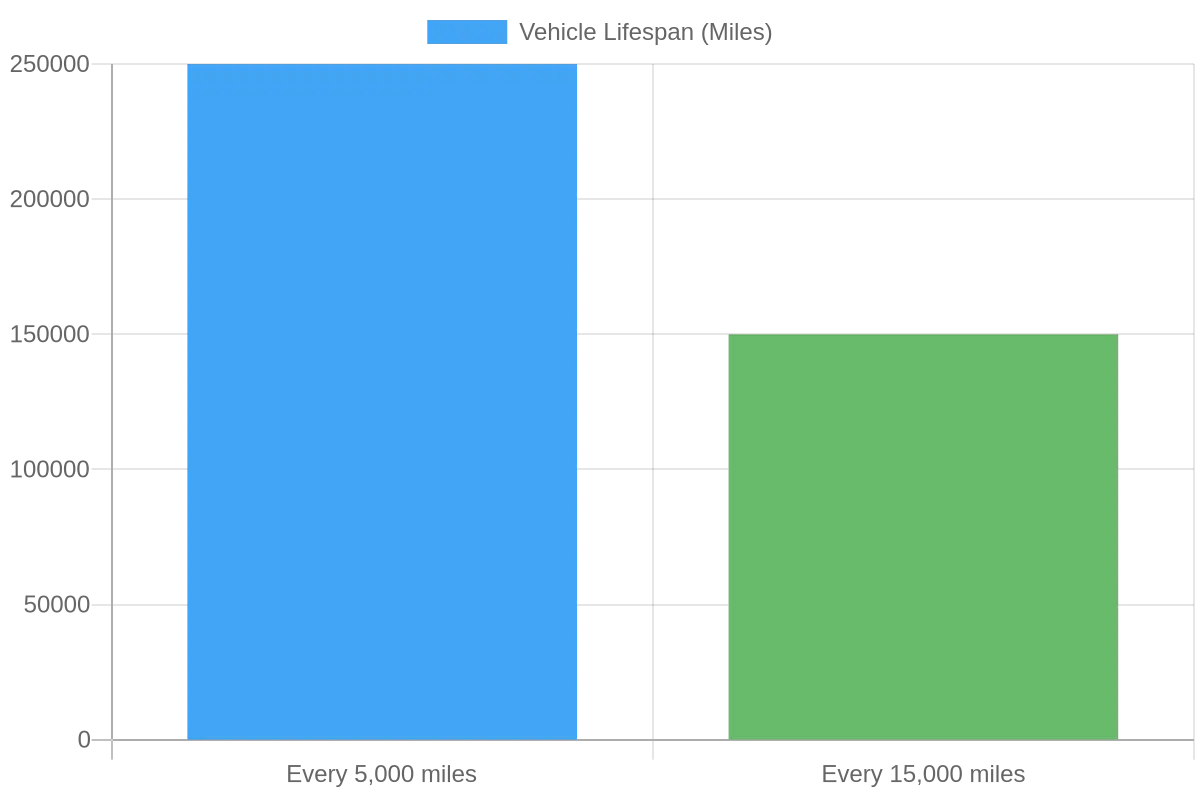
| Maintenance Frequency | Vehicle Lifespan (Miles) | Source |
|---|---|---|
| Every 5,000 miles | Up to 250,000 | Truck Export Hub |
| Every 15,000 miles | Around 150,000 | Truck Export Hub |
In conclusion, understanding and managing vehicle maintenance costs is crucial for business owners who depend on their vehicles for operations. Throughout this article, we explored various aspects of why vehicle maintenance can be expensive, including the need for regular servicing, parts replacement, and the impact of different vehicle types and ages on costs. Recognizing these factors allows businesses to make informed decisions about when to invest in maintenance, how to budget for repairs, and even when it might be time to consider a new vehicle. By being proactive and educated about these expenses, business owners can optimize their budgets and reduce the risk of unexpected breakdowns that could disrupt operations.
Moreover, it’s essential to stay current on trends and insights related to vehicle ownership and maintenance. Whether you’re looking for tips on keeping costs low or ways to enhance your fleet’s efficiency, there’s a wealth of resources available. As you navigate your vehicle management strategies, consider checking out premium pizza trucks that can add a unique flair to your business while ensuring operational reliability. Embrace the journey of informed vehicle maintenance to ensure your business stays on the road to success!