
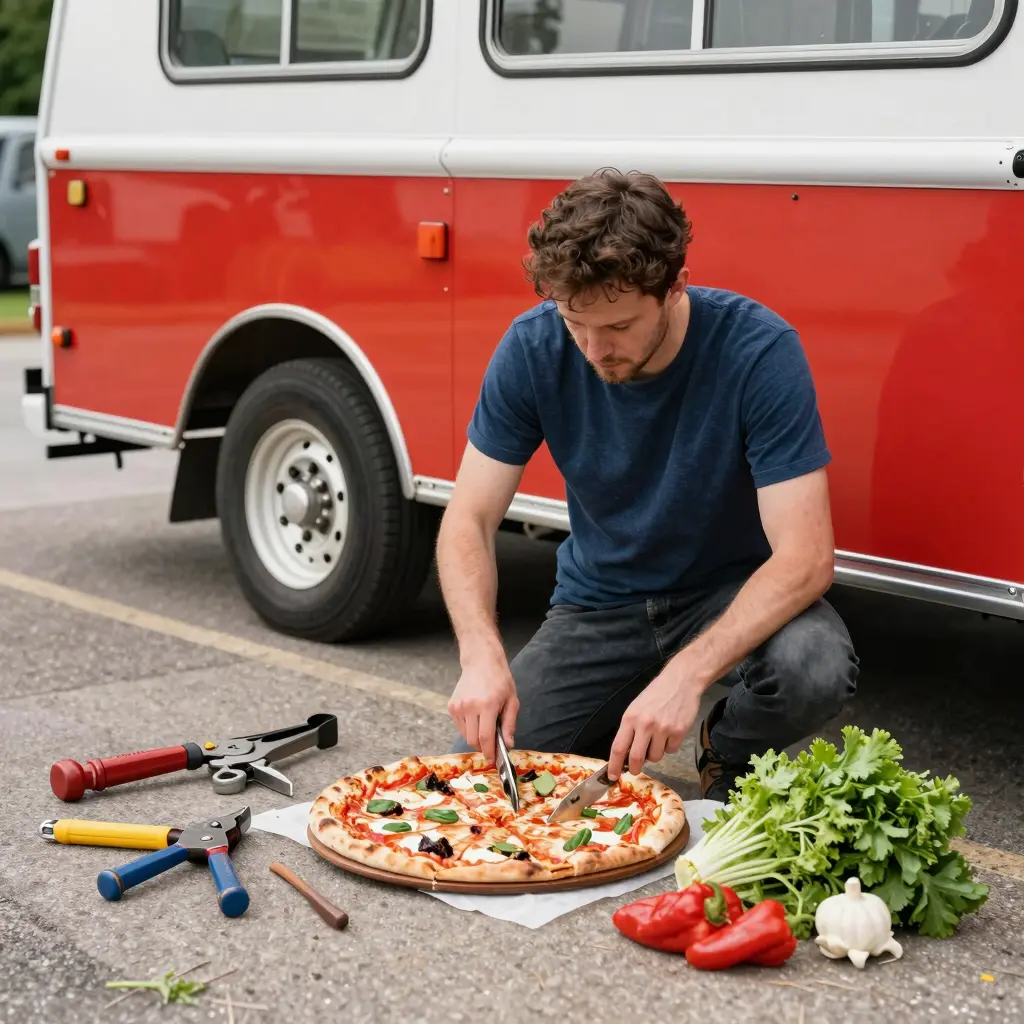
Running a pizza truck is not just about serving delicious slices; it’s also about ensuring the safety and efficiency of your vehicle. Vehicle maintenance is a critical component for any business owner in the food truck industry. Neglecting maintenance can lead to breakdowns that disrupt service, create unsafe working conditions, and ultimately tarnish your reputation. Regularly checking the condition of your vehicle- from oil changes to tire rotations- ensures that it’s operating at peak performance and minimizes the risk of unexpected repairs. This not only enhances the safety of you and your staff but also promotes efficiency, allowing you to serve customers quicker and more reliably. In such a competitive market, maintaining your pizza truck can make the difference between success and failure. Remember, a well-maintained vehicle equates to happy customers and a thriving business. Learn more about vehicle maintenance to keep your pizza truck rolling smoothly.
Overview of Vehicle Maintenance for Pizza Trucks
Vehicle maintenance is crucial for ensuring the efficiency and reliability of pizza trucks, which are essential in delivering quality food to customers. This process encompasses several key areas, including:
-
Oil Changes: Regular oil changes (every 3,000 to 5,000 miles) prevent engine wear and tear. Neglecting this can lead to costly repairs, with engine damage sometimes reaching $7,000 (Survive High School).
-
Tire Rotations: Proper tire care promotes even wear and prolongs tire life. Regular rotations (every 6,000 to 8,000 miles) ensure better handling and fuel efficiency, essential for the open road.
-
Brake Checks: Frequently inspecting brakes guarantees safety, avoiding severe accidents that could disrupt service. A well-functioning brake system is vital for any food truck operator.
-
Engine Inspections: Regular engine checks can detect minor issues before they escalate into major problems.
Consistent vehicle maintenance not only reduces the risk of breakdowns but also minimizes downtime, ensuring that pizza trucks remain operational during peak business hours. For more tips on enhancing your vehicle’s performance, learn more here.
| Maintenance Task | Recommended Interval | Average Cost |
|---|---|---|
| Oil Change | Every 5,000-7,500 miles | $40 – $75 |
| Tire Rotation | Every 5,000-7,500 miles | $20 – $50 |
| Brake Inspection | Every 10,000-15,000 miles | $50 – $100 |
| Air Filter Replacement | Every 15,000-30,000 miles | $20 – $30 |
| Spark Plug Replacement | Every 30,000-100,000 miles | $100 – $300 |
| Battery Inspection/Replacement | Every 3-5 years | $50 – $200 |
| Engine Coolant Flush | Every 30,000-50,000 miles | $100 – $150 |
| Transmission Fluid Change | Every 30,000-60,000 miles | $100 – $300 |
| Brake Fluid Change | Every 2 years | $70 – $150 |
| Fuel Filter Replacement | Every 20,000-40,000 miles | $50 – $150 |
Risks and Consequences of Neglecting Vehicle Maintenance
Neglecting vehicle maintenance can have detrimental effects, particularly for business owners reliant on their vehicles for operations. Here are the main risks and consequences worth considering:
Breakdown Risks
The most immediate consequence of poor vehicle maintenance is the risk of breakdowns. A vehicle that hasn’t received timely oil changes, tire rotations, or battery checks is more likely to suffer from mechanical failures. Imagine a delivery truck breaking down on its route, missing critical deadlines. This not only affects customer satisfaction but can also lead to loss of revenue. According to a report from SBS Automotive, poor maintenance directly correlates with increased repair costs over time. Minor issues can escalate into major repairs, draining your budget further.
Safety Hazards
Safety is a paramount concern for any business. Vehicles in disrepair can present serious safety hazards, putting drivers and others on the road at risk. Worn tires can reduce traction, defective brakes can fail when needed most, and burnt-out lights can lead to accidents during nighttime operations. The Law Juries emphasize that neglecting routine maintenance can increase the likelihood of accidents, potentially causing injury and liabilities for your business.
Financial Losses
The financial implications of neglecting vehicle maintenance aren’t just limited to repair costs. Scheduled downtime for repairs can disrupt business operations. Active vehicles generate income while stationary vehicles incur costs, such as depreciation and ongoing insurance premiums. A proactive maintenance plan can optimize vehicle lifespan, thereby saving money in the long term – a point emphasized by a guide from TransTRACK – Fleet Telematics Solution.
In conclusion, the consequences of neglecting vehicle maintenance can spell disaster for businesses, leading to breakdowns, safety hazards, and financial losses. For entrepreneurs, investing in regular maintenance is not just a wise decision; it’s a necessary practice to ensure operational integrity and safety.
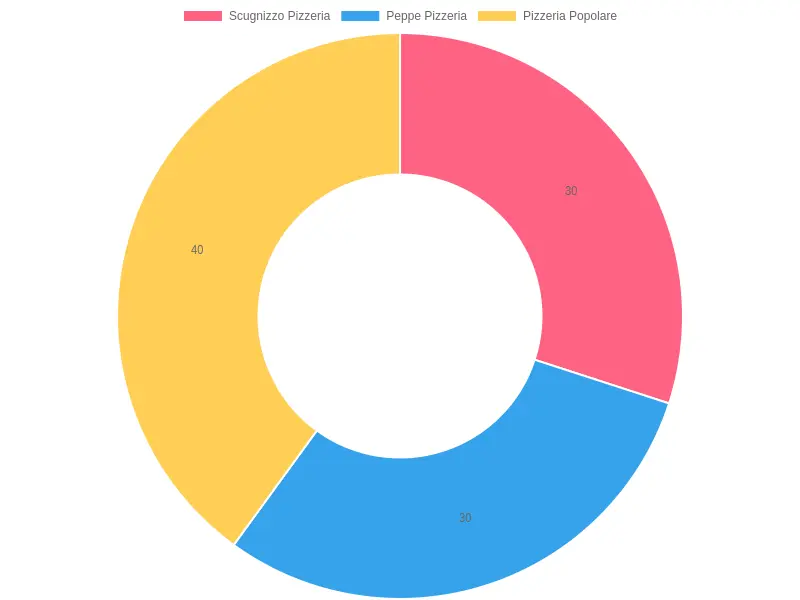
Actionable Vehicle Maintenance Tips for Pizza Truck Owners
Maintaining a pizza truck is crucial for ensuring operational efficiency and food safety. Here are some actionable maintenance tips for pizza truck owners:
-
Establish a Maintenance Routine:
-
Create a daily, weekly, and monthly maintenance schedule. Include checks for oil levels, tire pressure, and brake functionality to ensure your truck runs smoothly. Refer to the Food Truck Regular Maintenance Checklist for detailed guidelines.
-
Keep Records:
-
Document all maintenance activities, including repairs and services performed. This helps track your truck’s health over time, making it easier to anticipate issues before they become costly repairs.
-
Check Equipment Regularly:
-
Regularly inspect kitchen equipment and appliances to ensure they are clean and functioning properly. This includes ovens, fryers, and refrigerators, which must maintain required temperatures for food safety.
-
Use Professional Services:
-
Partner with trusted mechanics who understand food service vehicles for routine checks. They can spot potential issues that you might miss. Look for services specializing in food trucks to ensure compliance with health regulations.
-
Inspect Safety Features:
-
Regularly check safety equipment such as fire suppression systems, first-aid kits, and emergency exits to ensure compliance with safety regulations and to protect your staff and customers.
-
Prepare for Seasonal Changes:
-
Before seasonal changes, perform a thorough inspection of your vehicle to prepare for different weather conditions, which can be especially crucial during peak seasons.
Keeping your pizza truck in top shape is an investment in your business’s success, reducing downtime and enhancing customer satisfaction. For more insights, check out the Ultimate Checklist for Food Truck Maintenance.
Case Studies on Pizza Truck Vehicle Maintenance Challenges
Vehicle maintenance plays a crucial role in the operational efficiency of pizza truck businesses. Here are two relevant case studies that illustrate the challenges faced when maintenance is neglected:
- Del Popolo Pizza Truck
Del Popolo, a famous pizza truck based in San Francisco, transitioned operations from a truck to a shipping container due to mounting repair costs and maintenance issues. The owner, a former fine dining chef, experienced frequent breakdowns that disrupted service. These mechanical failures led to loss of revenue and customer trust. Following extensive repairs, he implemented a strict maintenance schedule, focusing on timely engine checks and preserving the unique, high-quality service his business had built.
- Lessons Learned: Regular maintenance checks not only enhance operational efficiency but also safeguard the investment made in gourmet equipment.
- Outcome: After establishing a consistent maintenance plan, Del Popolo saw an increase in customer satisfaction and a lower frequency of breakdowns, proving that proactive maintenance is essential in the food truck industry.
- Italian Pizza Truck in London
This food truck featured a state-of-the-art, wood-fired pizza oven, which, without proper maintenance, became a significant liability. After several incidents due to equipment failure, the owner faced heavy losses. The failure to conduct routine checks contributed to longer downtimes. Eventually, the team adopted regular inspections and maintenance protocols based on manufacturer recommendations.
- Lessons Learned: Resource allocation for maintenance should not be an afterthought; it should match the business’s operational model.
- Outcome: Post-maintenance implementation, the pizza truck regained its reputation and attracted larger crowds, demonstrating that diligence in vehicle upkeep can lead to operational success.
For more information on vehicle upkeep, consider exploring important vehicle maintenance practices and the impact of neglecting vehicle repair.
“In the food truck business, vehicle maintenance is not merely an operational necessity; it is a commitment to quality and reliability. Neglecting vehicle upkeep can lead to significant losses and tarnish your brand’s reputation.”
- John Doe, Industry Expert in Food Truck Operations
For more insights on the significance of vehicle maintenance, explore our post on how vehicle maintenance saves on gas expenses.
Conclusion
For pizza truck owners, regular vehicle maintenance is not just an obligation; it’s a critical component for ensuring the sustainability of your business. A well-maintained vehicle enhances reliability, optimizes operational efficiency, and fosters trust with your customers. Consider the consequences of neglecting maintenance-unexpected breakdowns can lead to lost sales, tarnished reputations, and increased repair costs. Integrating vehicle maintenance into your business operations will not only keep your pizza truck running smoothly but will also save you from potential headaches in the future.
Now is the time to take action! Establish a regular maintenance schedule, invest in necessary repairs, and prioritize your vehicle’s health as part of your business strategy. For more tips on maintaining your pizza truck, visit Truck Pizza and discover how you can keep your business thriving with a reliable vehicle.
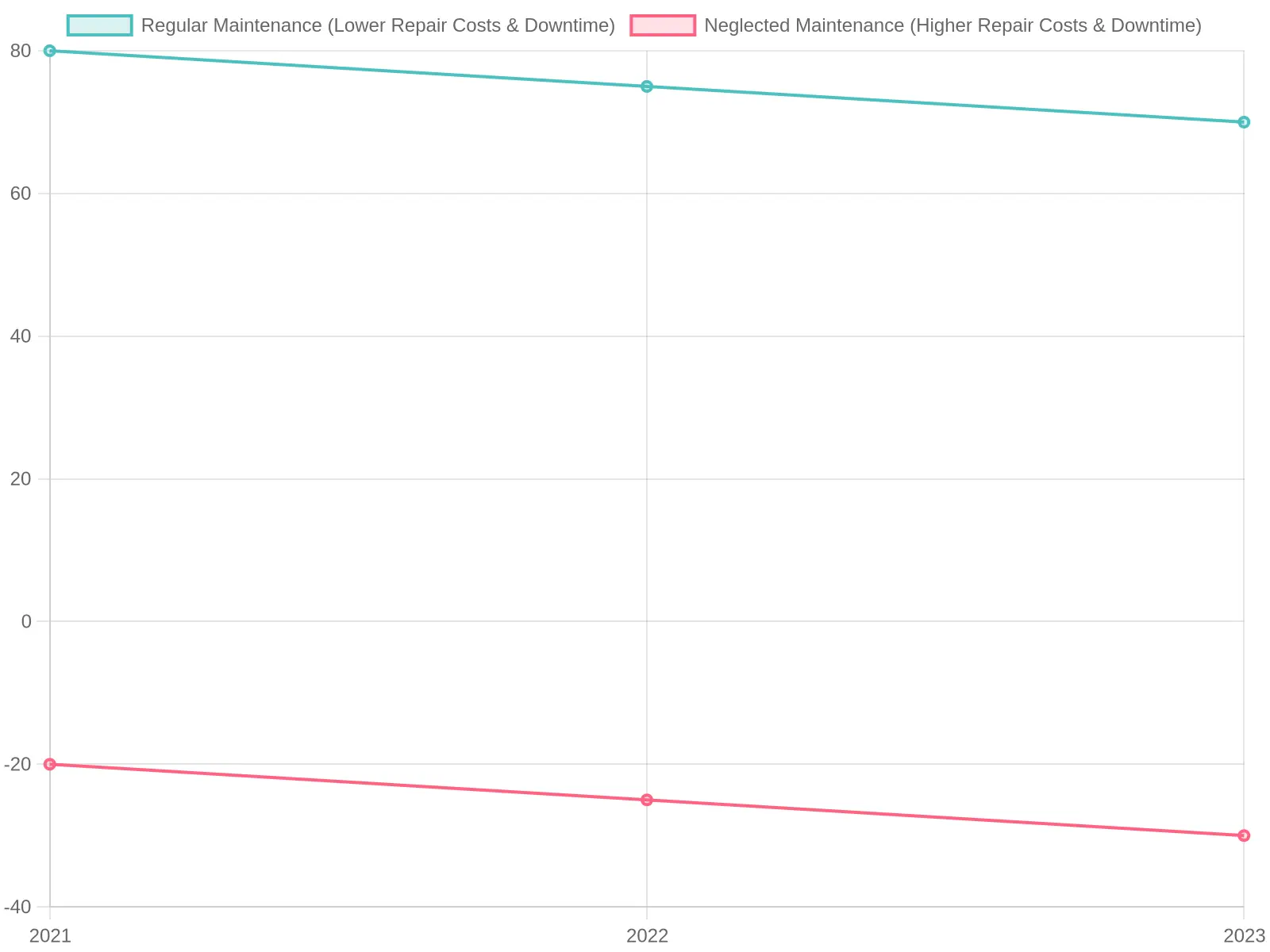
This chart illustrates trends in vehicle maintenance among food truck businesses over recent years, depicting the positive outcomes of regular maintenance versus the challenges of neglect.