
As a business owner, your vehicle is more than just a mode of transport; it’s a critical asset that fuels your operations and impacts your bottom line. Regular vehicle maintenance is tantamount to ensuring your business runs smoothly without the costly interruptions that can arise from unexpected breakdowns. Picture this: a crucial delivery is delayed due to a vehicle malfunction, causing ripple effects that jeopardize client relationships and tarnish your reputation. Every minute spent sidelined is a minute your competitors are gaining ground, and a missed opportunity for revenue. Ignoring maintenance not only raises the chances of mechanical failures, but can also inflate your operational costs as repairs become more extensive and time-consuming. By committing to a proactive maintenance schedule, you reinforce your business’s reliability and safety while avoiding the pitfalls of costly downtime. In turn, this dedication fosters trust with your customers and enhances your operational efficiency. In this comprehensive guide, we’ll dive deeper into the significance of regular vehicle maintenance and how it stands as a pillar for your business success. Learn more about vehicle maintenance strategies here.
Moreover, understanding the consequences of neglect can drive home the importance of keeping your fleet in prime condition. From skyrocketing repair costs to potential legal ramifications stemming from vehicle-related accidents, the stakes are higher than ever. Don’t let your business fall victim to easily preventable issues; invest in your vehicles and reap the rewards of operational harmony.
Join us as we explore why regular vehicle maintenance should be a priority for every business owner, ensuring your operations remain smooth and efficient at all times.
Key Benefits of Regular Vehicle Maintenance for Business Owners
Regular vehicle maintenance is vital for business owners, especially those relying on transportation for their operations. Here are several major benefits:
- Cost Savings: Preventative upkeep helps identify potential issues before they snowball into significant repairs, saving businesses money long-term.
- Enhanced Safety: Regular inspections ensure critical components like brakes and tires are functioning optimally, reducing the risk of accidents and keeping drivers safer on the road.
- Improved Reliability: A well-maintained vehicle is less likely to break down, ensuring that business operations run smoothly and efficiently.
- Extended Vehicle Lifespan: Consistent maintenance can prolong the life of vehicles, ultimately lowering replacement costs and maximizing return on investment.
- Better Fuel Efficiency: Regular servicing can lead to improved fuel economy, which is essential for businesses monitoring operational costs.
- Compliance with Regulations: For businesses in certain industries, maintaining vehicles according to safety regulations is essential to avoiding legal penalties.
- Professional Image: Regular maintenance reflects a commitment to quality and reliability, which can enhance your business’s reputation among clients and customers.
Investing in regular vehicle maintenance is not just about keeping cars in shape; it is about safeguarding your business’s efficiency and profitability. For more on maintaining vehicle efficiency, learn more about optimization here.
Financial Implications of Neglecting Vehicle Maintenance
Neglecting regular vehicle maintenance can significantly impact a business’s bottom line. Here are some key repercussions:
1. Unexpected Repair Costs
One of the most immediate financial repercussions of neglecting vehicle maintenance is the risk of unexpected repair costs. Minor issues, when ignored, can exacerbate into major problems requiring costly repairs. For instance, an article from SABCO Towing highlights that preventative maintenance could save businesses up to 20% in repair costs, by addressing issues before they escalate.
2. Loss of Revenue Due to Downtime
When a vehicle breaks down unexpectedly, it results in operational downtime. The financial losses from this downtime can accumulate quickly. According to Carify LLC, businesses may lose hundreds of dollars daily for every vehicle out of commission. Without proper maintenance schedules, such disruptions become commonplace.
3. Lower Resale Value
Vehicles that lack regular maintenance often suffer from decreased resale value. As potential buyers inspect the history of maintenance records, a lack of proper care can lead them to undervalue the vehicle significantly. A report from Steve’s Auto suggests that businesses may face up to a 15-20% reduction in resale value due to neglect, which can be particularly critical when fleet vehicles are involved.
4. Long-term Economic Impact
The economic knock-on effect of neglecting vehicle maintenance is profound. A study cited by McLeish Orlando estimates that neglecting vehicle maintenance costs the economy about $2 billion annually due to increased accidents and inefficiencies. This figure underscores the extensive financial implications of overlooking vehicle care.
Conclusion
In summary, dismissing regular vehicle maintenance can lead to unexpected repair costs, loss of potential revenue due to downtime, lower resale values, and broader economic impacts. By investing in a proactive maintenance schedule, businesses can avoid these pitfalls while ensuring their fleet remains operational and efficient.

Cost Implications of Vehicle Maintenance Neglect
This chart illustrates the various financial repercussions associated with neglecting vehicle maintenance, emphasizing the importance of regular upkeep for businesses.
| Category | Cost Implications | Source |
|---|---|---|
| Unexpected Repairs | Higher repair costs due to neglect; small issues escalate. | FasterCapital |
| Loss of Revenue from Downtime | Neglect leads to unexpected repairs, causing downtime losses. | Carify LLC |
| Decreased Resale Value | Lower resale value due to neglect and visible wear. | Steve’s Auto |
| Economic Impact | Cost to economy from maintenance neglect equals $2 billion/year | McLeish Orlando |
| Fuel Efficiency | Poor maintenance leads to decreased fuel efficiency. | Automotive Quest |
| Safety Risks | Increased safety risks from unmaintained vehicles. | Scrap My Car UAE |
Comparison of Maintenance Costs vs. Repair Costs
An important aspect of vehicle maintenance is understanding the costs associated with routine upkeep compared to the expenses incurred when neglecting maintenance tasks. Below is a comparison table that illustrates the average costs of regular maintenance tasks against the typical repair costs when those tasks are neglected:
| Maintenance Task | Average Maintenance Cost | Typical Repair Cost Due to Neglect |
|---|---|---|
| Oil Change | $80 – $250 | $1,500 – $3,000 |
| Tire Rotation | $20 – $50 | $200 – $1,000 |
| Brake Replacement | $300 – $800 | $1,500 – $3,000 |
| Coolant Flush | $100 | $3,000 – $4,000 |
This table highlights the significant cost savings that come with regular vehicle maintenance. It is evident that routine maintenance can prevent severe repair costs, ensuring the vehicle remains reliable and efficient. For more insights on vehicle maintenance practices, you can learn more about vehicle maintenance.
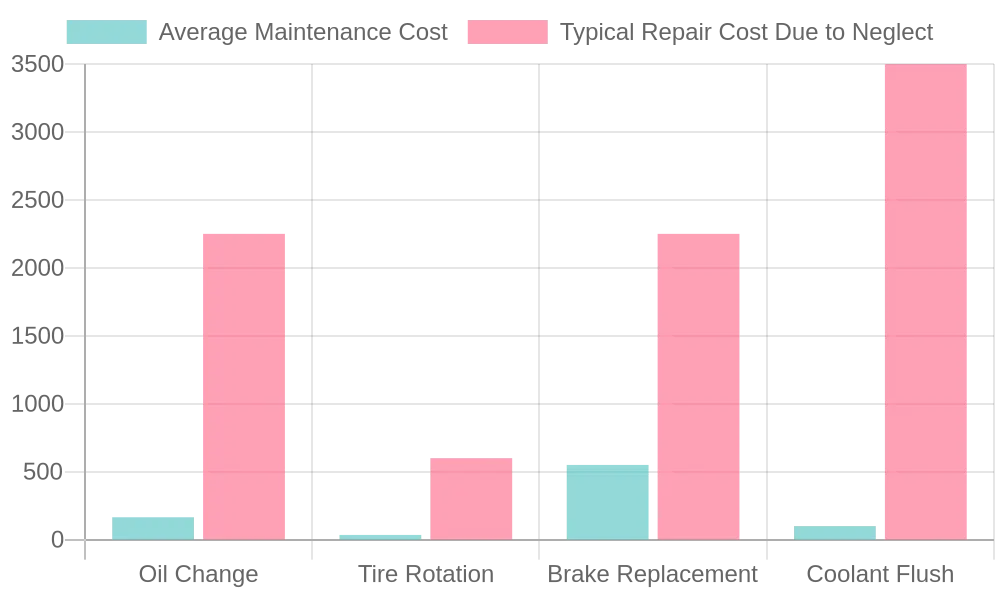
The bar chart above visually represents the cost differences between maintenance and repair.
Lastly, consistent monitoring and executing maintenance tasks not only prolongs vehicle life but also enhances performance, security, and safety. Incorporating a regular maintenance schedule is essential for business owners relying on vehicles for their operations, as it translates directly into operational efficiency and cost savings.
Regular vehicle maintenance plays a critical role in enhancing operational efficiency and managing costs for businesses. Recent studies indicate that 60% of fleet managers prioritize preventive maintenance to reduce downtime, which is essential for smooth operations (source). Additionally, about 70% of fleet managers favor preventive over reactive maintenance, reflecting a proactive strategy to manage overall costs in 2023. Furthermore, with motor vehicle maintenance and repair costs experiencing a 7% increase, timely maintenance can help prevent unexpected financial burdens (source). Implementing structured maintenance practices not only keeps vehicles running efficiently but also significantly impacts a business’s bottom line, ensuring long-term sustainability and profitability. For more insights on vehicle maintenance, learn more here.
Maintenance Tips for Busy Business Owners
Managing a business involves juggling multiple responsibilities, and vehicle maintenance often takes a backseat. However, effective vehicle upkeep is essential for ensuring your business runs smoothly. Here are some practical tips to help busy business owners schedule and manage their vehicle maintenance efficiently:
1. Set a Maintenance Schedule
Create a maintenance calendar for each vehicle. Mark important dates for oil changes, tire rotations, brake inspections, and fluid checks. This schedule will serve as a reminder and help avoid any missed or overdue services.
2. Use Technology to Stay Organized
Utilize apps or digital reminders that notify you of upcoming maintenance needs. Tools like Google Calendar or specialized fleet management software can streamline this process, allowing you to view and manage schedules at a glance.
3. Prioritize Routine Checks
As part of your vehicle maintenance, perform routine checks on common issues. Refer to the BLOWBAGA acronym-Battery, Lights, Oil, Water, Brakes, Air (tires), Gas, and Accessories. Schedule these checks before longer trips or at the least every month.
4. Outsource When Possible
Consider outsourcing vehicle maintenance to a professional service if time is a constraint. By establishing a partnership with a local auto repair shop, you can ensure that your vehicles receive proper care without taking too much time out of your busy schedule.
5. Keep Records
Maintain detailed records of all maintenance performed on each vehicle. This not only helps in keeping track of services but also provides you with insights into your vehicle’s performance over time.
6. Educate Your Staff
If multiple people use the company’s vehicles, ensure they are educated about the importance of regular checks and how to identify potential issues early. This proactive approach can alleviate the need for more extensive repairs later on.
Visual Summary of Recommended Maintenance Frequencies
To assist you further, here’s a quick look at the recommended frequencies for essential maintenance tasks based on mileage.
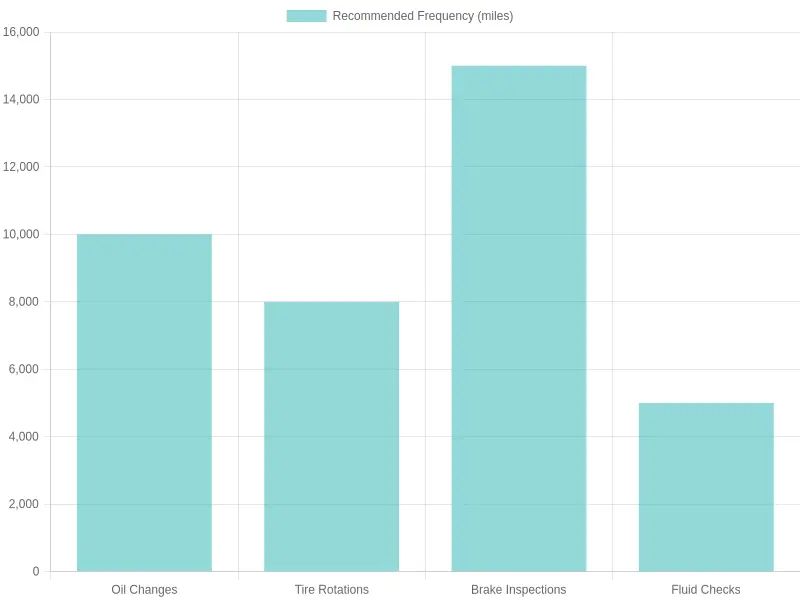
Regular vehicle maintenance not only saves your business money in the long run but also enhances safety and reliability on the road. For more tips on managing vehicle maintenance effectively, visit our blog for further insights.

Conclusion
In today’s fast-paced business environment, the importance of regular vehicle maintenance cannot be overstated. For business owners who rely on vehicles for their operations, maintaining a fleet should be viewed as an essential investment in both safety and efficiency. Regular maintenance not only prolongs the lifespan of your vehicles but also ensures they run smoothly, reducing the risk of unexpected breakdowns that can disrupt operations and incur high repair costs. To further emphasize the need for vehicle upkeep, consider this: neglecting routine maintenance can result in decreased fuel efficiency, which can skyrocket operational costs and affect your bottom line.
Additionally, going against maintenance protocol can jeopardize not only your business’s financial stability but also its reputation. Vehicles that are well-maintained project professionalism, enhancing your brand image and building customer trust. More critically, frequent inspections and timely repairs mitigate safety hazards, diminishing the likelihood of accidents that could lead to severe legal ramifications and financial consequences for your business.
Therefore, it is imperative for business owners to adopt a proactive approach to vehicle maintenance. Regular checks, consistent servicing, and being attentive to warning signs will ensure that your vehicles remain a cornerstone of your business success. Learn more about vehicle maintenance.
Regular vehicle maintenance is crucial for ensuring safety, performance, and longevity. As John Doe, an industry expert at The Pinnacle List, states:
“Oil changes are not just routine maintenance-they are an investment in your vehicle’s longevity and performance.”
This quote underscores the significance of proactive upkeep in avoiding costly repairs and accidents. Routine checks can safeguard crucial vehicle components, leading to a smoother driving experience while enhancing fuel efficiency. Business owners, who rely heavily on vehicles for daily operations, must prioritize maintenance to minimize downtime and ensure reliability on the road. Learn more about vehicle maintenance to understand its broad impacts.