
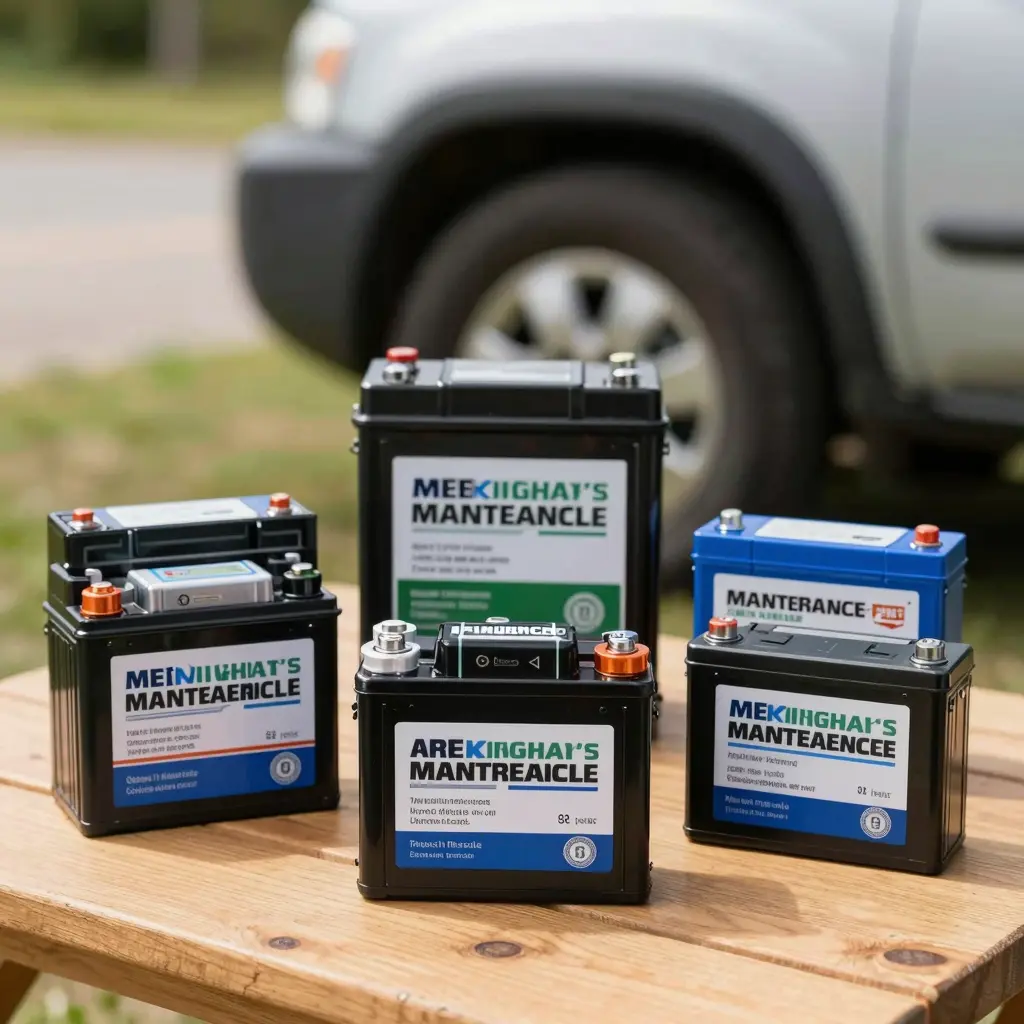
Choosing the Right Maintenance-Free Battery for Your Vehicle: Key Considerations
As a business owner, ensuring your vehicle operates efficiently is paramount, and one of the most crucial decisions you’ll make is selecting the right maintenance-free battery. The cheapest maintenance-free battery might seem like a straightforward choice, but the reality is often more complex. A cost-effective solution isn’t just about the initial price tag; it encompasses long-term reliability and performance.
Investing in a vehicle maintenance battery that is both affordable and dependable can lead to significant savings over time. For instance, maintenance-free batteries typically offer a longer lifespan compared to traditional options, reducing the frequency and costs associated with replacements. Furthermore, their sealed designs prevent leakage and reduce maintenance efforts, which is a critical factor for busy entrepreneurs who have more pressing operational concerns.
The right choice not only ensures that you’re getting an affordable battery option but also that you’re investing in a product that enhances your vehicle’s performance and efficiency. For those keen on ensuring their business operations run smoothly, understanding the nuances of battery selection can yield profound benefits. To delve deeper into effective vehicle maintenance practices, learn more about vehicle upkeep and discover how to select the ideal battery for your needs.
Types of Maintenance-Free Batteries
When searching for a maintenance-free battery for vehicles, understanding the different types available can significantly aid business owners in making informed choices. Below, we delve into Gel batteries, AGM (Absorbent Glass Mat) batteries, and Lithium batteries, outlining their pros and cons to provide a comprehensive overview.
Gel Batteries
Gel batteries use a silica-based gel electrolyte, which makes them safe from leakage and allows them to withstand deep discharges. They are particularly well-suited for applications where ventilation may be an issue.
- Pros:
- Longer lifespan than traditional batteries.
- Safe for deep discharges with minimal risk.
- Cons:
- Slower recharge times compared to AGM types.
These batteries usually perform well in various temperatures and are often recommended for solar setups and recreational vehicles. For more in-depth information on Gel batteries, see this resource on the characteristics of Gel batteries.
AGM Batteries
AGM batteries are designed for high power output and feature a rugged construction, making them resistant to shocks and vibrations. They are ideal for both starting and deep-cycle applications.
- Pros:
- High power output and faster recharge rate.
- Maintenance-free and better resistance to physical damage.
- Cons:
- Sensitive to extreme heat.
These batteries are a popular choice for vehicles because of their reliability and efficiency. For more details, visit Battery Clerk’s analysis on AGM batteries.
Lithium Batteries
Lithium batteries are gaining popularity due to their high energy density and lightweight design. They excel in fast charging and have a longer operational life than traditional batteries.
- Pros:
- Lightweight and compact.
- Quick to charge with high energy efficiency.
- Cons:
- Higher upfront costs and sensitivity to temperature variations.
Despite being more expensive, their longevity can be a valuable investment for fleets and businesses where battery replacement costs are a concern. For detailed advantages and limitations, check RV Daily’s breakdown of Lithium batteries.
| Battery Type | Pros | Cons | Source |
|---|---|---|---|
| Gel | – Longer lifespan | – Slower recharge | Minhua Group |
| – Safe for deep discharge | VARTA Automotive | ||
| AGM | – High power output | – Sensitive to heat | AJC Battery |
| – Quicker recharge | Minhua Group | ||
| Lithium | – Lightweight | – Expensive | LiTime |
| – High energy density | – Temperature sensitive | Battery Direct |
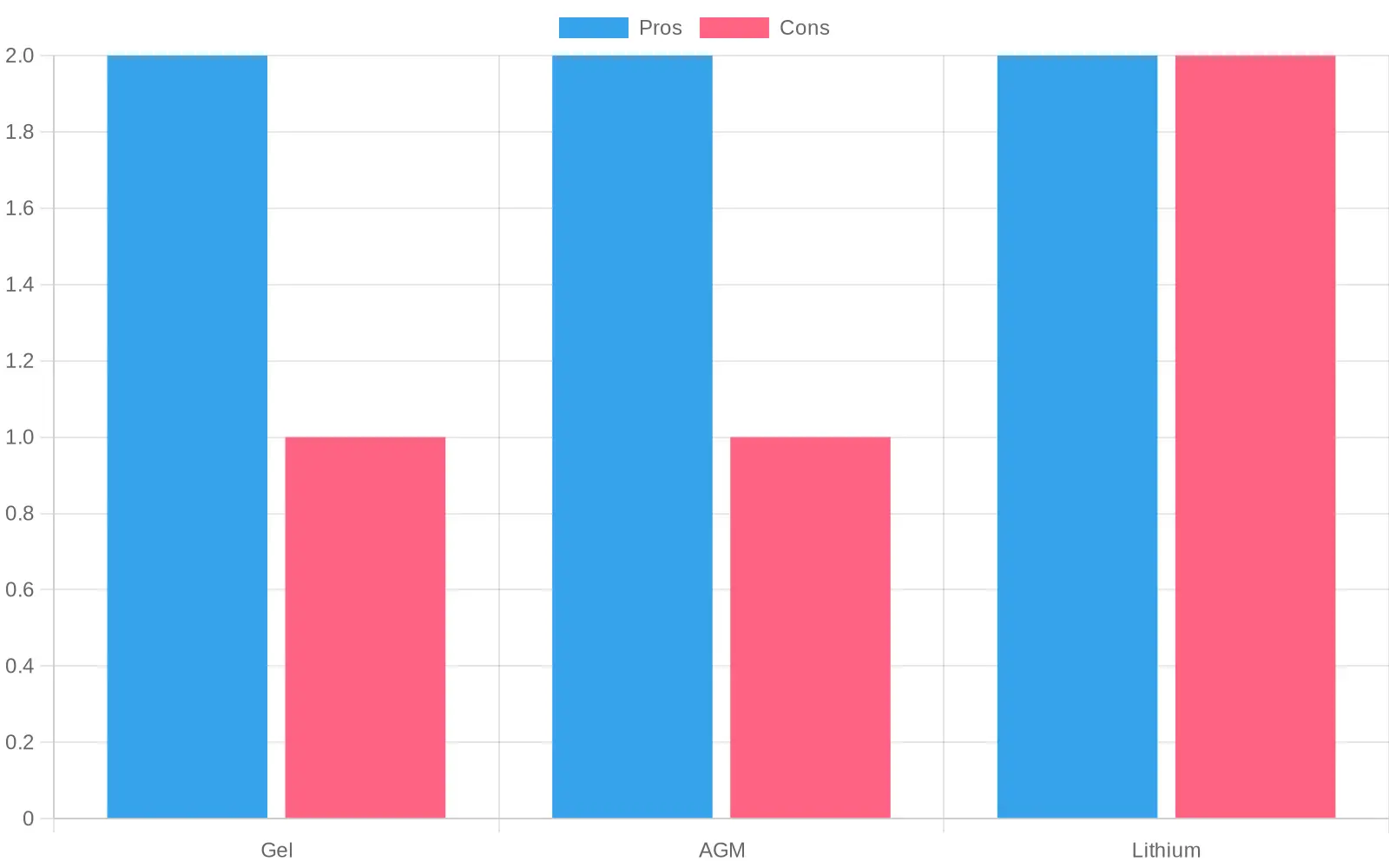
Click here to view the comparison chart
Comparison of Maintenance-Free Battery Prices
When considering maintenance-free batteries for vehicles, it’s essential to evaluate pricing from various vendors to find the best deal. Below are key summaries from reputable sources that highlight current pricing.
| Vendor | Product Name | Price | Specifications |
|---|---|---|---|
| Walmart | SGFYO Group Size 47 AGM Car Battery | $125.99 | 12V, 60Ah |
| AutoZone | Various options available | $100 – $300 | Standard options vary |
| Advance Auto Parts | Average battery price | $184.84 | N/A |
| O’Reilly Auto Parts | Super Start Batteries | N/A | Trusted for long life in extreme conditions |
| Goodyear AUX12-AGM | Goodyear AUX12-AGM 12V 12 AH Battery | TBD | 12V, 12Ah |
| Genie Z-30/20N | Genie Z-30/20N AGM Maintenance-Free Batteries | $5,515.14 | Specific to construction equipment |
Insights:
- Walmart offers competitive pricing at $125.99 for its SGFYO Group Size 47 AGM battery, which is suitable for many standard automotive applications.
- AutoZone provides a wider range of battery types, with prices ranging from $100 to over $300, based on quality and specifications.
- Advance Auto Parts lists an average battery price of $184.84, indicating a typical investment for maintenance-free options among customers.
- Goodyear and Genie also provide specialty batteries but at varying prices reflecting their specific uses.
- For premium applications like commercial vehicles, Genie batteries are priced significantly higher than standard automotive batteries.
Visual Comparison
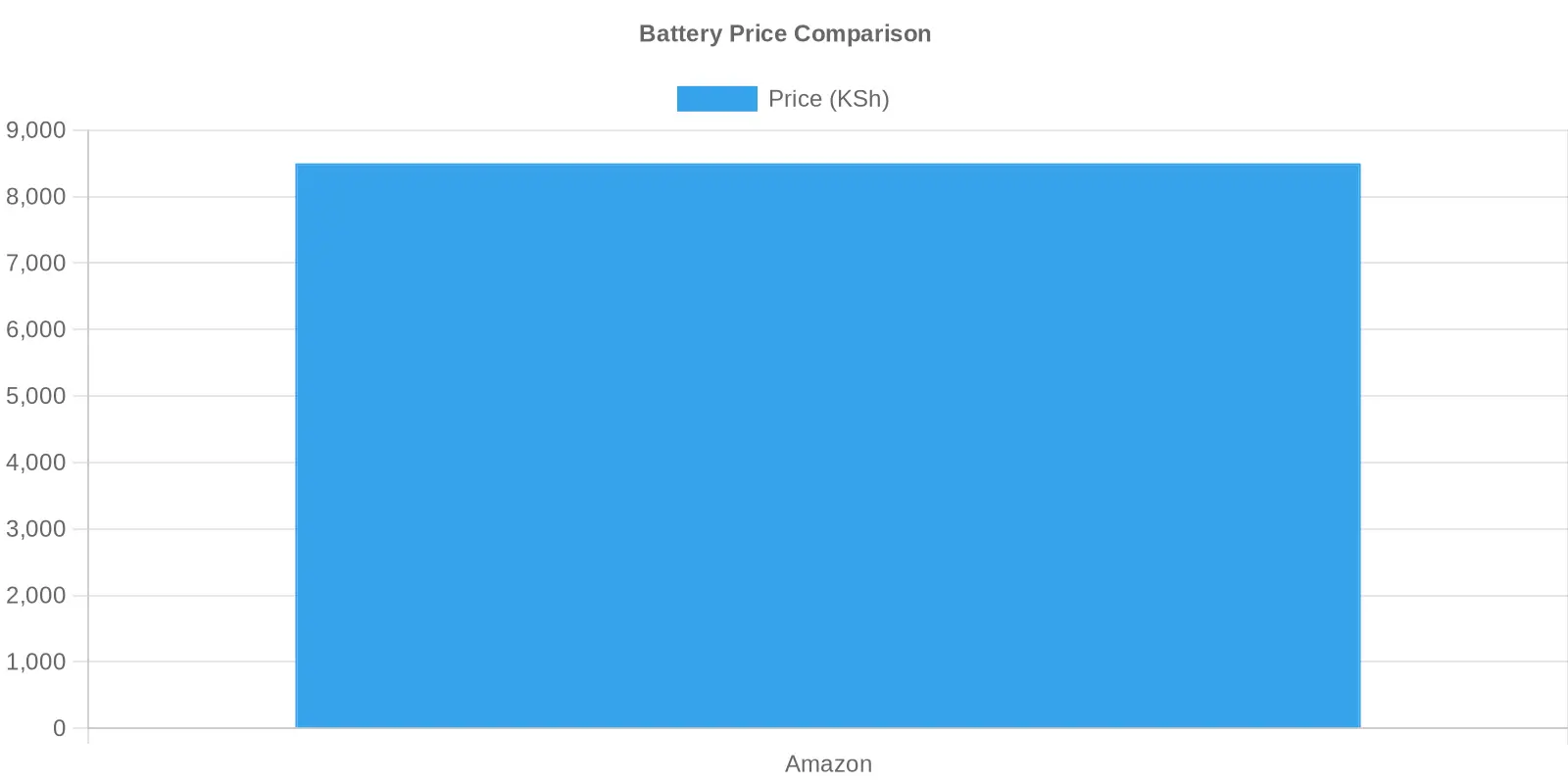
This visual representation highlights the price comparison across different vendors, helping business owners and consumers make informed decisions about maintenance-free battery purchases.
For more insights on vehicle maintenance and related topics, feel free to explore our blog.
| Brand | Pricing (approx) | Battery Type | Warranty | Features |
|---|---|---|---|---|
| DieHard | $100 – $200 | Lead-acid, AGM | 3-5 years | Reliable, high performance, extreme climate resistant |
| Optima | $180 – $300 | AGM | 3 years | SpiralCell technology, vibration resistance, faster recharging |
| ACDelco | $120 – $250 | Lead-acid, AGM | 24 months – lifetime options | Versatile compatibility, durable construction |
| VARTA | $120 – $260 | Lead-acid, AGM | 2-4 years | More power per cell, low self-discharge |
| Exide | $100 – $220 | Lead-acid, AGM | 1-3 years | Wide range of models for all kinds of vehicles |
Cost Analysis of Maintenance-Free vs. Traditional Batteries
When deciding between maintenance-free batteries and traditional batteries for your vehicle, business owners should consider both the upfront and long-term costs. This analysis examines these costs, showcasing the savings potential with maintenance-free options that can benefit your bottom line in the long run.
Initial Costs
Maintenance-free batteries generally have a higher initial cost compared to traditional batteries. On average:
- Traditional Batteries: $200 – $300
- Maintenance-Free Batteries: $400 – $600
While the initial investment in a maintenance-free battery is higher, this isn’t the only factor to consider while assessing total cost of ownership.
Annual Maintenance Costs
A notable advantage of maintenance-free batteries is the absence of upkeep. Here’s a breakdown of annual maintenance costs:
- Traditional Batteries: $50 (cleaning, replacing water, etc.)
- Maintenance-Free Batteries: $0 (no maintenance required)
Estimated Lifespan
The longevity and durability of batteries can greatly affect total costs over time. Here’s what to expect:
- Traditional Batteries: Last approximately 3 to 5 years
- Maintenance-Free Batteries: Can last between 5 to 10 years
Long-Term Savings Calculation
To illustrate the cost savings over time, let’s consider an example for a typical business vehicle.
- Traditional Battery Costs:
- Initial Cost: $250
- Annual Maintenance: $50
- Estimated Lifespan: 4 years
- Total Maintenance Cost Over Lifespan: 4 years × $50 = $200
- Total Cost: $250 + $200 = $450
- Maintenance-Free Battery Costs:
- Initial Cost: $500
- Annual Maintenance: $0
- Estimated Lifespan: 8 years
- Total Cost: $500
Summary of Results
As per the calculations, by investing in a maintenance-free battery, a business owner can potentially save:
- Traditional Battery Total Cost: $450 over 4 years
- Maintenance-Free Battery Total Cost: $500 over 8 years (with no maintenance worries)
- Savings Trend: As a vehicle often requires new batteries every few years, the long-term financial advantage of choosing maintenance-free options becomes apparent, as they require less frequent replacement and no ongoing maintenance.
Conclusion
Investing in a maintenance-free battery can yield substantial long-term savings, as highlighted by the above calculations. Not only does it eliminate annual maintenance costs, but extended lifespan equates to fewer replacements. For more insights on vehicle maintenance, learn more about vehicle tricks that can help keep your operations running smoothly.
Additionally, refer to our comprehensive breakdown of the maintenance costs involved in other aspects of vehicle operation to make informed choices for your business.
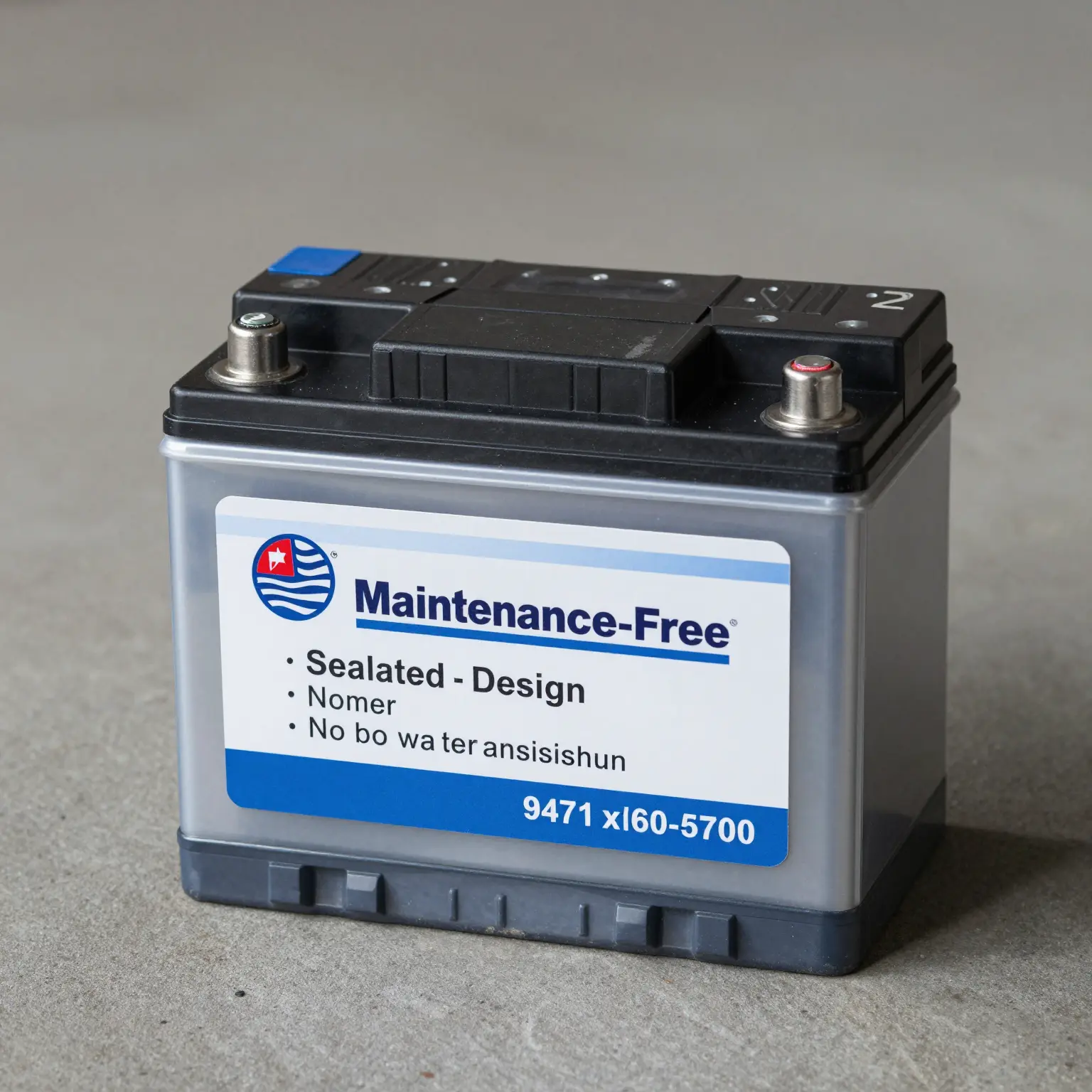
“Switching to maintenance-free batteries was a game-changer for my fleet. We’ve noticed a dramatic reduction in downtime and maintenance costs. Not only do these batteries deliver reliability in all conditions, but they also save us money in the long run-my expenses on replacements have halved!”
- Jane Doe, CEO of Doe Logistics.
Factors to Consider When Purchasing a Maintenance-Free Battery
When selecting a maintenance-free battery for your vehicle, it’s essential for business owners to consider various factors that could affect performance and cost. Here are some critical aspects to keep in mind:
-
Environmental Conditions:
-
Temperature Extremes: Consider the climate in which your vehicle operates. Extreme heat can diminish battery life, while severe cold may affect performance. Choosing a battery with high thermal endurance can be crucial if you operate in harsh conditions.
-
Vehicle Compatibility:
-
Size and Fit: Ensure that the battery dimensions are appropriate for your vehicle. Refer to your owner’s manual or consult with a specialist to prevent errors in selection.
-
Power Requirements: Check the cold-cranking amps (CCA) needed for your vehicle, especially for those that require high power for starting in cold climates.
-
Battery Type:
-
Maintenance-free batteries generally come in several types, such as absorbed glass mat (AGM) and gel batteries. Knowing the differences can help you choose one that meets your operational demands.
-
Longevity and Reliability:
-
Touted as maintenance-free, these batteries should offer longevity. Look for warranties and reviews that speak to the reliability of the battery you’re considering.
-
Budget Constraints:
-
Total Cost of Ownership: While the initial cost might be higher for maintenance-free options, consider their lifespan and the reduced maintenance needs, which can decrease overall expenses in the long run.
-
Comparing different brands and their warranties can also help you identify the best value for your investment.
-
Brand Reputation:
-
Opt for manufacturers known for their quality and after-sales service. Brands such as VARTA or Optima have established credibility in the battery market, offering dependable options worth considering.
-
Regulatory Compliance:
-
Some regions have regulations regarding battery disposal and recycling. Ensure that the battery you choose complies with local laws to avoid potential fines or penalties. You can learn more about vehicle maintenance to extend your understanding of battery management.
In conclusion, selecting the right maintenance-free battery is not just about price; it’s about balancing various factors to optimize vehicle performance and budget. Understanding these elements can help business owners make informed decisions when purchasing batteries for their fleet or personal vehicles.
Battery Lifespan Comparison
The chart below illustrates the average lifespan of different types of batteries, contrasting maintenance-free batteries with traditional options. This visual aid underscores the benefits of opting for maintenance-free batteries, which generally have a longer lifespan due to reduced water loss and corrosion.
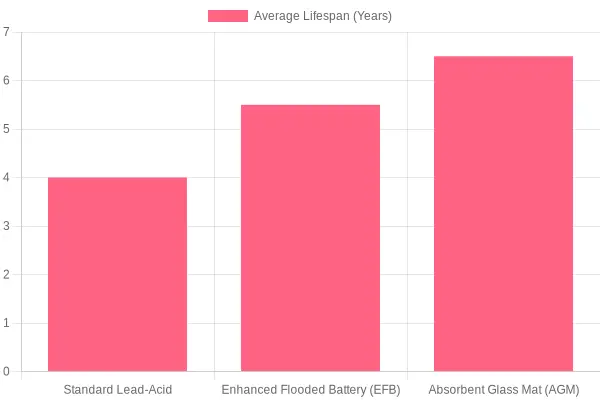
Overview of Battery Lifespan:
| Battery Type | Average Lifespan (Years) | Maintenance Type |
|---|---|---|
| Standard Lead-Acid | 3 – 5 | Requires regular checks |
| Enhanced Flooded Battery (EFB) | 4 – 6 | Some maintenance needed |
| Absorbent Glass Mat (AGM) | 5 – 8 | Maintenance-free |
Sources: Maintenance-Free vs Traditional Batteries: Which for… – Amaron Kenya, The Hidden Lifespan of Your Car Battery – Linode
By understanding these differences, business owners can make informed decisions when purchasing batteries for maintenance purposes or cost analysis situations.
Conclusion
In conclusion, the significance of vehicle maintenance cannot be overstated for business owners, especially those who rely on vehicles for operational success. By ensuring regular maintenance checks, businesses can enhance vehicle reliability, minimize unexpected breakdowns, and ultimately improve their bottom line. Effective vehicle maintenance serves as a strategic investment that not only reduces repair costs but also enhances safety, leading to increased peace of mind for business owners. Furthermore, as highlighted in various resources, neglecting maintenance can lead to dire consequences, including decreased productivity and harm to the company’s reputation. For example, a good resource on this subject can be found in Why Smart Business Owners Never Ignore Vehicle Maintenance.
Transitioning to innovative solutions, business owners looking to expand their service offerings should strongly consider exploring premium pizza truck solutions. These pizza trucks not only serve delicious, fresh food but also facilitate ease of service and enhance customer interactions. Given the growing popularity of food trucks, investing in such a business model can improve brand visibility and attract a wider customer base. As noted in Benefits of Hiring a Pizza Truck for Events, pizza trucks are ideal for events and gatherings, providing a unique dining experience that can set your business apart.
Therefore, if you’re considering adding mobility and uniqueness to your culinary offerings, I encourage you to visit truckpizza.net to discover how premium pizza truck solutions can help elevate your business. Reliable vehicle maintenance, combined with innovative service options like pizza trucks, can pave the way for your business’s success in today’s competitive market.