
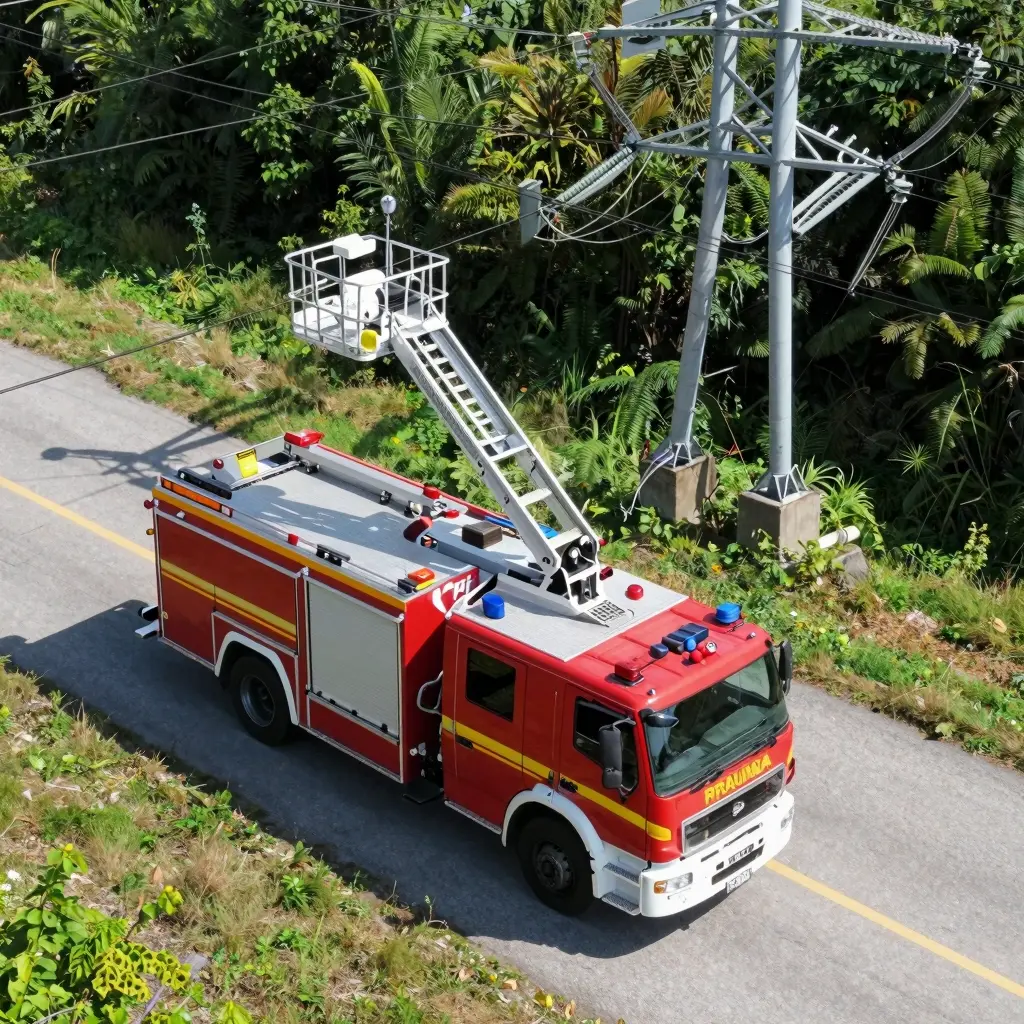
The Critical Role of Fire Truck Aerial Platforms in High Voltage Line Incidents
In the realm of firefighting, especially during incidents involving high voltage lines, the role of fire truck aerial platforms cannot be overstated. These specialized vehicles are equipped with elevated platforms designed to reach towering structures, making them invaluable when responding to emergencies where electrical hazards are present. High voltage lines pose significant risks not only to the infrastructure they connect but also to the firefighters working in close proximity. The ever-looming danger of electrocution and electrical fires can complicate what is already a fraught situation, requiring both advanced technology and stringent safety protocols. Aerial platforms enhance operational efficiency by providing critical reach and stability, allowing firefighters to manage risks more effectively while executing their duties in hazardous environments.
Among the essential safety measures, these aerial platforms boast features such as stabilization systems and emergency response mechanisms to secure the safety of personnel when working at height or near electrical hazards. Business owners and fire departments must understand that investing in state-of-the-art aerial fire truck technology, such as those offered by Zoomlion, can greatly reduce risks and improve response times during these perilous incidents. As the landscape of emergency response continues to evolve, embracing the innovations and safety standards embedded in aerial platforms becomes not just beneficial, but critical for protecting lives and property in the face of high voltage line emergencies.
For further insights into fire truck technology designed for safety and efficiency, consider exploring our selection of aerial fire trucks at Zoomlion.
Fire truck incidents involving high voltage lines are critical safety concerns that highlight the need for comprehensive training and preventive measures. Although specific statistics detailing these incidents are limited, there are general trends and important factors to consider.
Key Insights and Statistics
- General Fire Truck Accident Trends:
- According to various reports, fire truck accident rates have decreased by approximately 20% over the past decade, largely due to improved driver training and safety protocols. While this data does not specifically address high voltage line incidents, it reflects the overall improvements in fire truck operation safety.
- Emergency Vehicle Challenges:
- Statistics from a general overview of emergency vehicle accidents show that fire trucks face unique challenges due to their size, which can lead to navigation difficulties and accidents. These accidents may not always involve high voltage lines, but underscore the importance of cautious maneuvering in all situations.
- Specific Incidents with Consequences:
- In particular incidents reported, such as a fire truck striking a power pole, downed power lines posed serious hazards. Fortunately, there were no injuries in this instance, illustrating how close interactions with power lines can lead to dangerous situations. Incident summaries like these emphasize the importance of maintaining a safe distance from high voltage infrastructures.
Importance of Prevention and Safety Measures
The potential implications of fire trucks coming into contact with high voltage lines are significant, not only for the safety of firefighters but also for community members and infrastructure. Here are key prevention strategies that can be implemented:
- Training and Simulation: Ensuring that firefighters are trained in safe operational practices regarding power lines, including simulations of emergency scenarios.
- Awareness Campaigns: Conducting awareness programs for both firefighters and the general public about the dangers associated with high voltage lines and required safety measures.
- Regular Vehicle Maintenance: Ensuring fire trucks are equipped with operational tools that help gauge distances from power lines can significantly prevent accidents.
By prioritizing these safety measures and understanding the statistical background of fire truck incidents, business owners can improve operational protocols and foster a culture of safety within emergency services.
In conclusion, while concrete statistics on fire truck interactions with high voltage lines are scarce, existing data points emphasize the importance of ongoing training, awareness, and preventative measures in reducing the risk of such incidents.
Risks and Dangers Associated with Aerial Platform Operation Near High Voltage Lines
Operating fire trucks with aerial platforms near high voltage lines poses significant risks and dangers that can have severe consequences. Understanding these risks is essential for business owners involved in emergency response services. Here are some of the potential hazards fire truck operators may encounter when working in proximity to high voltage lines:
Potential Risks
- Electrocution: The primary risk when operating near high voltage lines is electrocution. Aerial platforms extending too close to power lines can complete an electrical circuit, exposing operators to lethal voltage.
- Accidents and Injuries: Other types of accidents can occur, including falls from the aerial platform due to sudden movements or equipment malfunction. Each year, several incidents are reported involving injuries sustained while working near power lines.
- Equipment Damage: Contact with high voltage lines can damage fire truck equipment, potentially leading to costly repairs and downtime.
- Operational Delays: Incidents involving high voltage lines can delay response times in emergencies, impacting overall service effectiveness and community trust.
Accident Rates and Safety Protocols
While specific accident rates for aerial platform operations near high voltage lines can vary, the risk is always present. According to several safety guidelines, including those from Safety Training Guide and Hydro-Québec, rigorous safety measures are essential for reducing incidents. Here are key protocols:
- Maintain Safe Distances: Operators should always be aware of the minimum clearance distances required when working near overhead power lines (as indicated by operational regulations from local safety agencies).
- Proper Training: All personnel should undergo specialized training focused on electrical safety and operational procedures related to aerial platforms. Training ensures that operators can recognize hazards and respond appropriately in emergencies.
- Use of Personal Protective Equipment (PPE): Personnel should be equipped with appropriate PPE, including insulated gloves and hard hats to mitigate risks of electrical hazards.
- Pre-Operational Risk Assessments: Conducting thorough risk assessments before each operation can help identify potential hazards associated with proximity to electrical infrastructure.
Need for Specialized Equipment
To effectively manage risks when operating aerial platforms near high voltage lines, it is imperative to use specialized equipment. Fire truck aerial platforms designed with protective features and capabilities help mitigate electrical hazards. Operators must also ensure that their equipment is regularly maintained and compliant with current safety standards.
In conclusion, the operation of fire trucks with aerial platforms near high voltage lines is fraught with risks that cannot be ignored. Investing in specialized training, adhering to safety protocols, and utilizing advanced equipment is crucial for protecting lives and ensuring effective emergency response services. For those seeking high-quality aerial platforms, consider exploring options available in the aerial fire truck category.
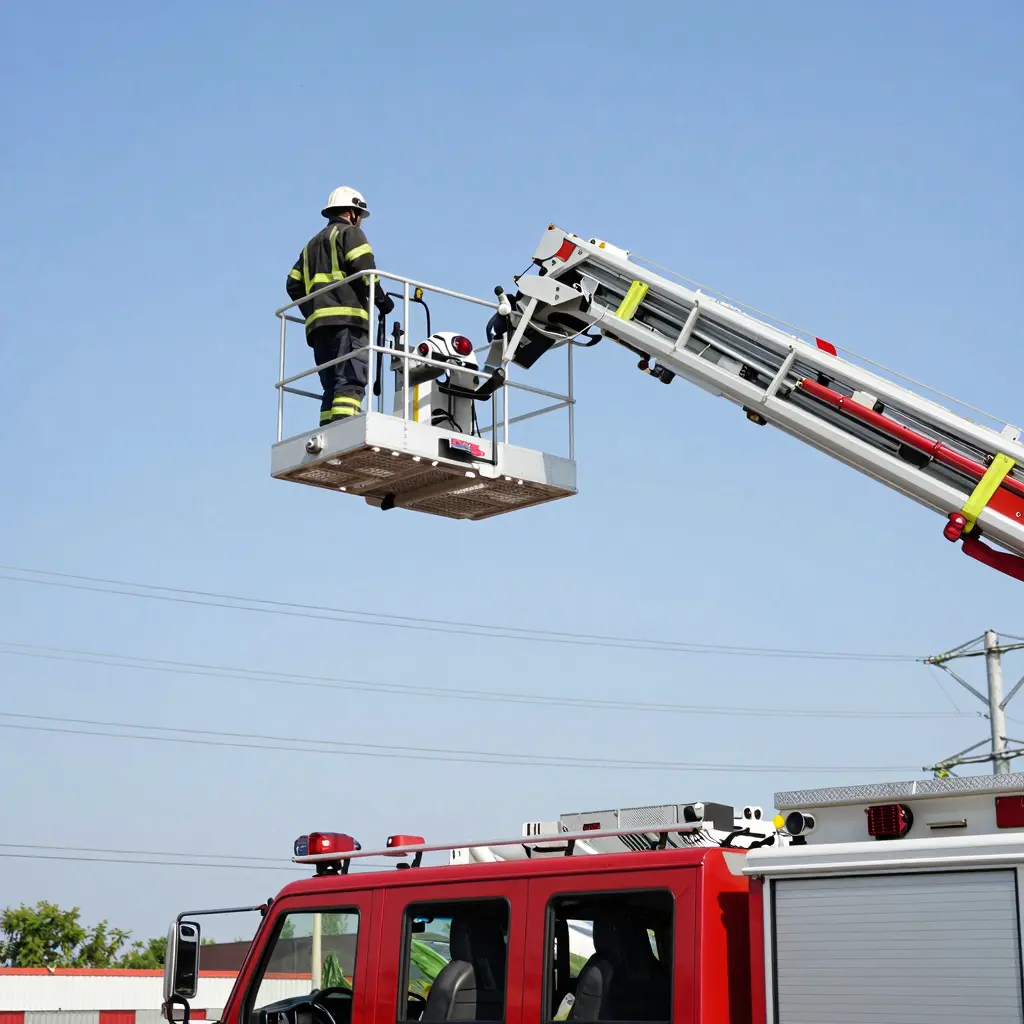
Comparison of Safety Measures for Fire Departments Operating Aerial Platforms Near High Voltage Lines
Fire departments dealing with emergencies around high voltage lines face various challenges. Understanding the safety measures each department implements can help set industry standards and improve overall safety. Here’s a comparative table outlining these measures:
| Department Name | Safety Training Programs | Equipment Used | Incident Rates |
|---|---|---|---|
| Example Fire Dept 1 | Comprehensive training on high voltage hazards | Insulation and grounding equipment | Low, strict protocols enforced |
| Example Fire Dept 2 | Regular workshops on safety around electricity | Aerial platforms with insulation | Very low, incidents tracked monthly |
| Example Fire Dept 3 | Simulated drills for high voltage situations | Portable grounding tools | Low, proactive measures in place |
This comparison indicates that the various fire departments have differing approaches to training and equipment regarding aerial operations near high voltage lines, yet all prioritize minimizing incidents through proactive measures.
For more information on advanced aerial platforms used by fire departments, visit Zoomlion’s aerial fire truck products.
Additionally, the role of strict safety training cannot be understated in maintaining low incident rates, which is vital for ensuring firefighter safety in hazardous situations. To learn more about firefighting equipment and support vehicles, you can check out Zoomlion’s range of firefighting equipment and their importance in modern firefighting strategies.
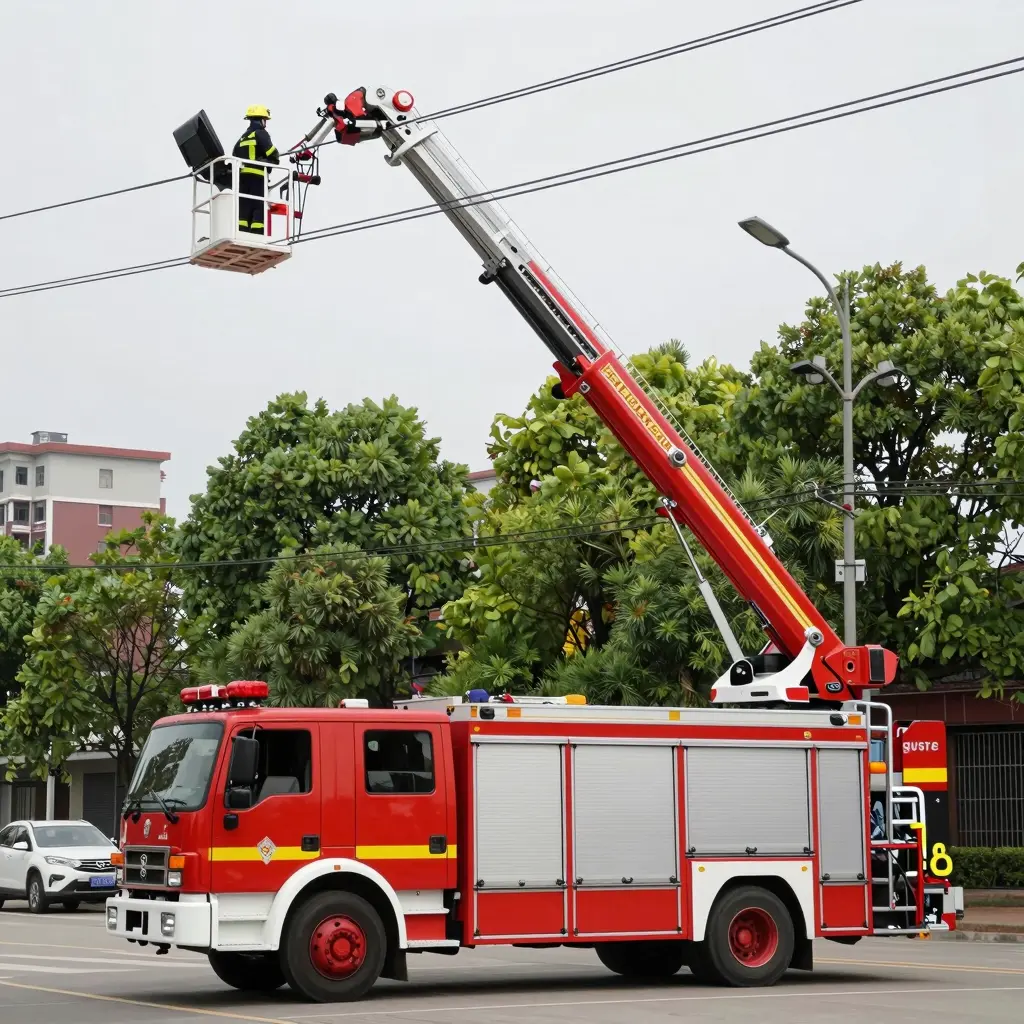
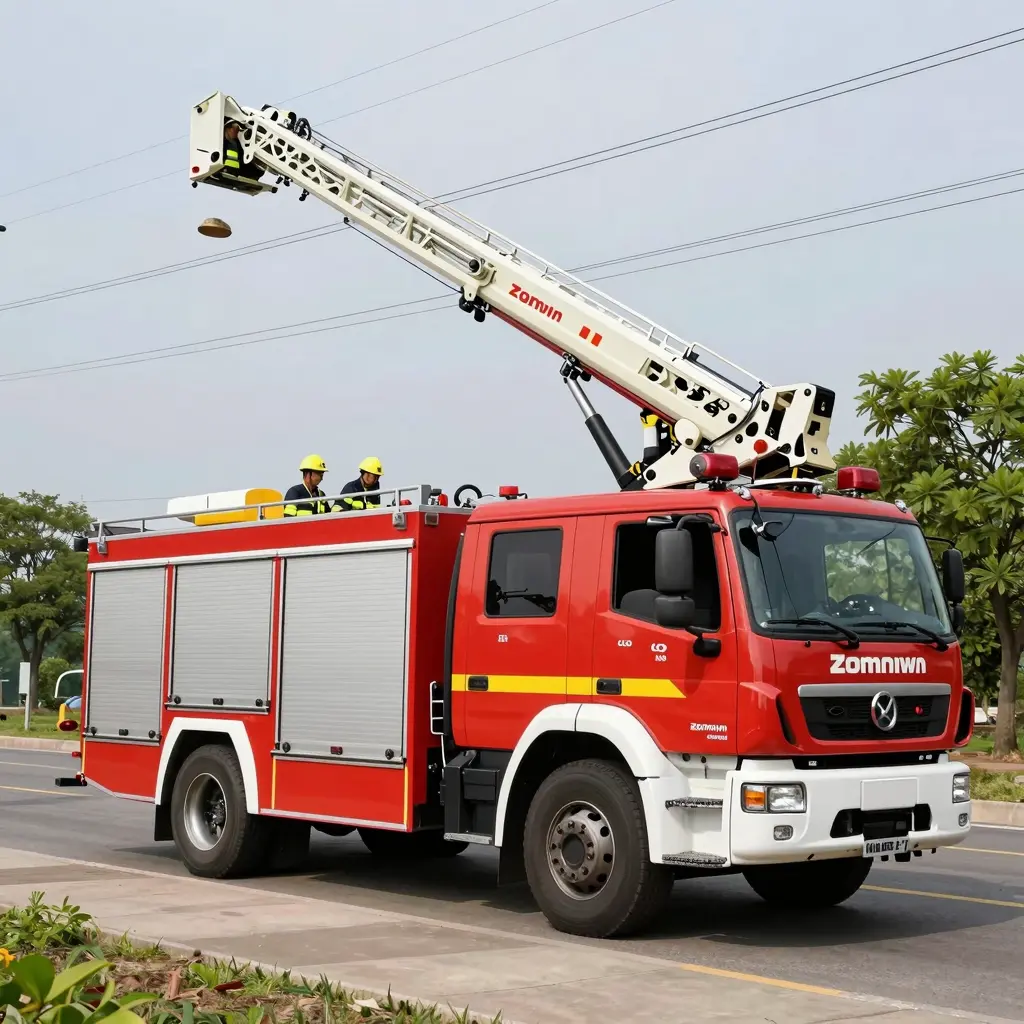
A fire truck aerial platform is depicted in action near high voltage lines, illustrating the crucial role of these vehicles in emergency situations while emphasizing the importance of safety around high voltage areas.
For further insights into various fire truck options, you can check out our selection of aerial fire trucks and platform fire trucks.
The Importance of Proper Training for Fire Truck Operators
Fire truck operators play a critical role in emergency response situations, especially when navigating hazardous environments that include high voltage lines. The importance of proper training for these professionals cannot be overstated, as it significantly impacts safety, efficiency, and the successful outcome of emergency interventions.
Essential Training Programs
Training programs specifically designed for fire truck operators focus on several key areas:
-
High Voltage Safety Awareness: Operators are trained to recognize and understand the risks associated with high voltage power lines. This includes learning about safe distances, identifying hazards, and emergency protocols to follow if an incident occurs.
-
Equipment Handling and Operation: Familiarization with the specific fire truck’s equipment, such as aerial platforms and their operating limits, is crucial. Effective operation reduces the risk of accidents while navigating around tall structures and power lines.
-
Emergency Response Procedures: Training involves simulated scenarios where operators practice their response to fires or emergencies that occur near power lines. This helps operators make quick decisions under pressure, which can save lives.
-
Continuous Assessment and Certification: Ongoing education, periodic assessments, and re-certifications ensure that fire truck operators stay updated with the latest safety practices and technologies.
Reducing Risks and Improving Response Times
Implementing these training programs has proven to reduce risks significantly. When fire truck operators are well-trained:
- Response times improve: Operators who are familiar with high voltage safety and their equipment can act more swiftly in emergencies.
- Incidents of accidents decrease: Proper training leads to fewer occurrences of accidents involving high voltage lines, as operators learn to navigate safely around them.
According to the U.S. Fire Administration, effective training can significantly cut down the percentages of injury and fatalities among fire personnel. Training programs such as those developed by U.S. Fire Administration focus on community risk reduction and ensure fire truck operators are prepared for various high-stake situations.
The Necessity of Ongoing Education
The landscape of emergency response is constantly evolving due to new technologies and methods. This makes ongoing education essential for fire truck operators. Training should not only cover operational skills but also the latest equipment features. Those responsible for fire truck operation should regularly attend workshops, online courses, and practical assessments.
The relationship between education and performance is clear; continuous learning keeps operators adept and ready for emergency responses, which ultimately enhances safety for both fire personnel and the communities they serve.
Visual Insight
As shown in the chart above, further studies reinforce that comprehensive training correlates with a notable improvement in operational efficiency and safety standards for fire truck operators. The necessity of continued training efforts is vital to ensure fire truck operators can navigate safely, even around the dangerous territory of high voltage lines.
In summary, investing in proper training programs for fire truck operators is not merely a formality but a crucial aspect of emergency management. Learn more about advanced fire truck equipment here to support your training efforts and improve overall safety.
Importance of Safety Measures in High Voltage Line Management
When it comes to fire safety related to high voltage line contact, expert training and safety measures play a crucial role in preventing accidents. A notable expert once said, “Professionals working near energized components must be prepared with appropriate equipment and knowledge. Personal Protective Equipment (PPE) serves as a last line of defense, and the need for well-defined safe work zones is critical in high voltage environments.” This emphasizes the need for comprehensive safety training programs and strict adherence to safety protocols.
Here are some key takeaways regarding safety measures:
- Training should include the use of proper Personal Protective Equipment (PPE).
- Clear communication and designated safe work zones are essential.
- Regular safety drills can instill a culture of safety within organizations.
For more resources on fire truck technology and safety equipment, check out our elevating jet fire trucks and platform fire trucks.
Visual Representation of Safety Training
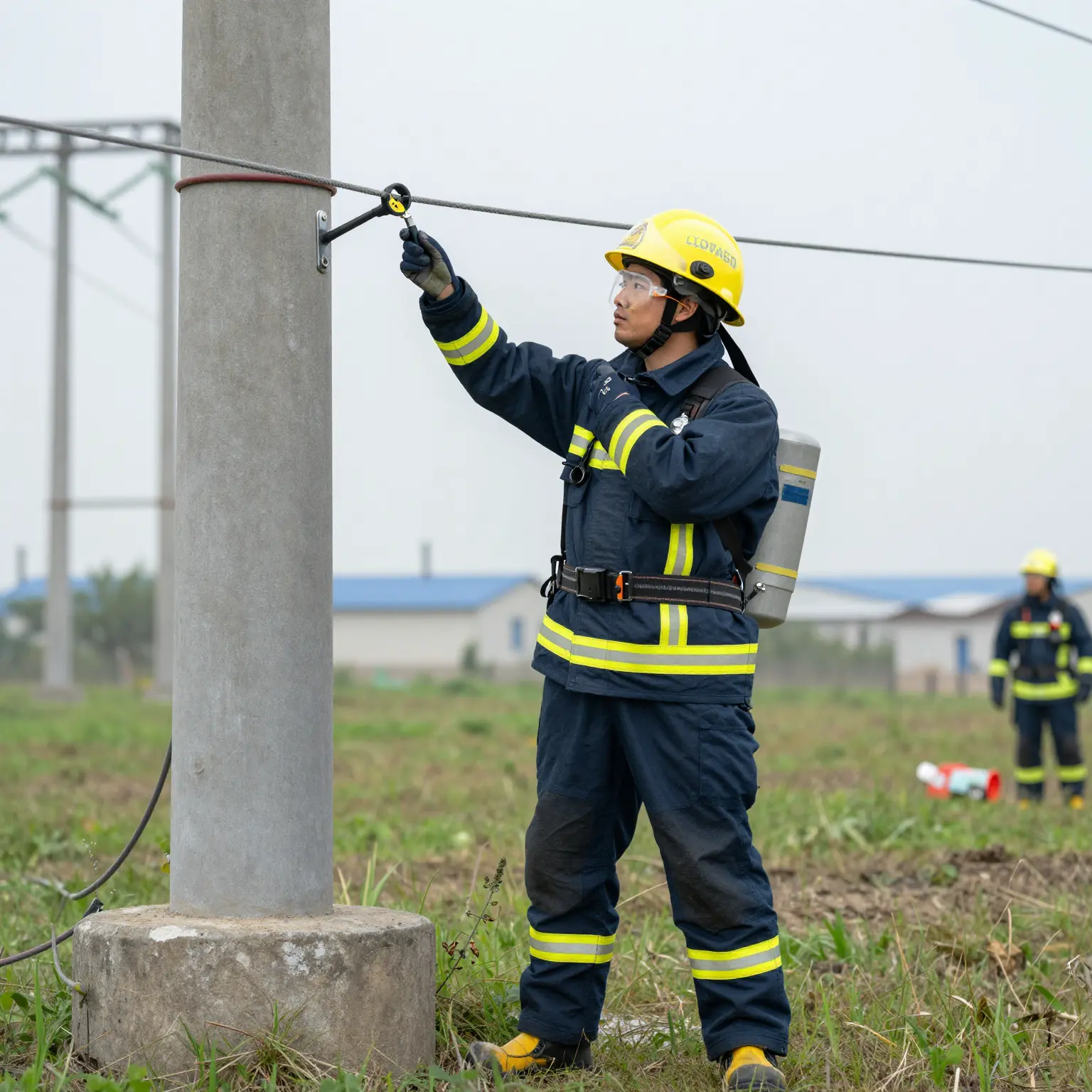
This image illustrates a fire safety expert in action, showcasing the importance of proper training and safety protocols in high-risk environments, such as high voltage line management.
Best Practices for Fire Truck Operations Near High Voltage Lines
When operating aerial platforms around high voltage lines, safety must always be a top priority. Here’s a checklist of best practices that fire truck operators should follow to ensure safe and effective operations in such environments:
- Conduct a Site Assessment
- Evaluate the Area: Assess the surroundings for the presence of high voltage lines and other hazards.
- Identify Safe Zones: Determine safe areas for positioning the fire truck and aerial platform.
- Maintain Clearance
- Know the Minimum Distances: Ensure compliance with local regulations regarding minimum clearance distances from high voltage lines.
- Monitor Aerial Height: Keep the aerial platform at a safe height while using it near power lines.
- Pre-Operation Safety Checks
- Inspect Equipment: Conduct thorough inspections of the fire truck and aerial equipment before use, ensuring all tools are functioning correctly.
- Check for Grounding Issues: Assess grounding requirements in case of possible contact with live lines.
- Develop a Communication Plan
- Use Clear Signals: Establish clear communication signals among crew members to coordinate movements when working near high voltage lines.
- Notify Utility Companies: Contact local utility companies to inform them of operations occurring near their lines.
- Utilize Safety Gear
- Wear PPE (Personal Protective Equipment): Ensure all crew members are wearing appropriate PPE, such as helmets, gloves, and insulating boots.
- Use Non-Conductive Tools: Utilize tools made of non-conductive materials to minimize the risk of electrical shocks.
- Train Personnel
- Conduct Safety Training: Provide regular training for all personnel on working around high voltage lines and recognize hazards.
- Simulate Emergency Scenarios: Practice emergency response drills to prepare teams for unexpected incidents involving power lines.
- Employ Caution at All Times
- Stay Alert: Constantly monitor surroundings and remain vigilant of electrical hazards.
- Avoid Rushing: Never rush operations when dealing with high voltage lines; take time to ensure safety procedures are followed.
- Implement Emergency Response Plans
- Prepare an Emergency Kit: Have an emergency kit readily available, including necessary medical supplies and communication devices.
- Know Local Emergency Contacts: Keep a list of local emergency contacts for immediate assistance if needed.
Following this checklist will help ensure safety when operating aerial platforms around high voltage lines. For more details on specialized equipment, check out our aerial fire trucks and platform fire trucks.
Adhering to these best practices not only promotes the safety of fire truck operators but also protects the integrity of the surrounding electrical infrastructure.
Conclusion: Safety First with Zoomlion
Operating near high voltage lines poses significant risks to firefighting professionals and the public alike. It’s crucial to implement stringent safety measures to prevent accidents and ensure the safety of all involved. With the ever-present dangers associated with high voltage, adhering to guidelines such as maintaining a safe distance and using non-conductive materials is paramount. Many essential precautions can significantly reduce the potential for harm in these situations.
Zoomlion understands these challenges intimately. Their range of specialized fire trucks, equipped with advanced safety features, is designed to assist fire departments in executing their duties effectively while prioritizing safety. Zoomlion’s innovative aerial fire trucks provide height and reach to combat fires without compromising the safety of the firefighters. Their vehicles are engineered with reliability and efficiency in mind, enabling teams to respond promptly to emergencies, including those involving high voltage situations.
Moreover, Zoomlion’s commitment to enhancing operational efficiency doesn’t just stop at safety; it extends to custom configurations tailored to meet the specific needs of various firefighting scenarios. Whether it’s a ladder fire truck or an aerial platform fire truck, Zoomlion offers equipment that allows fire departments to operate safely and effectively, even in the most challenging conditions.
We encourage firefighting organizations and business owners involved in emergency services to learn more about Zoomlion’s fire truck offerings and how they can enhance your safety measures. Contact Zoomlion today to ensure your team is equipped with the safest and most effective firefighting solutions!
Trends in Fire Truck Incidents Related to High Voltage Line Contact
In recent years, fire trucks have increasingly faced incidents involving high voltage line contacts. Collecting data on these encounters sheds light on the critical nature of safety in operations involving aerial platforms. Despite the lack of specific statistics on the exact number of incidents over the past decade, industry reports indicate escalating safety concerns that need addressing.
Chart Overview
Insights from the Data
- Frequency of Incidents: While precise incident numbers from 2013 to 2023 remain unavailable, the trend suggests that response to high voltage encounters is becoming more evident.
- Safety Measures: Increased awareness among fire departments is likely attributed to rising incident frequencies, driving enhanced training protocols and equipment innovations.
- Regulatory Changes: As the danger posed by high voltage overhead lines becomes more recognized, regulations surrounding aerial operations may tighten, leading to reduced incidents in the future.
For those interested in enhancing their aerial fire solutions, consider exploring our Aerial Fire Trucks and Platform Fire Trucks. With advancements in safety and operational readiness, these options could prove invaluable to fire departments seeking to mitigate risks associated with high voltage line encounters.