
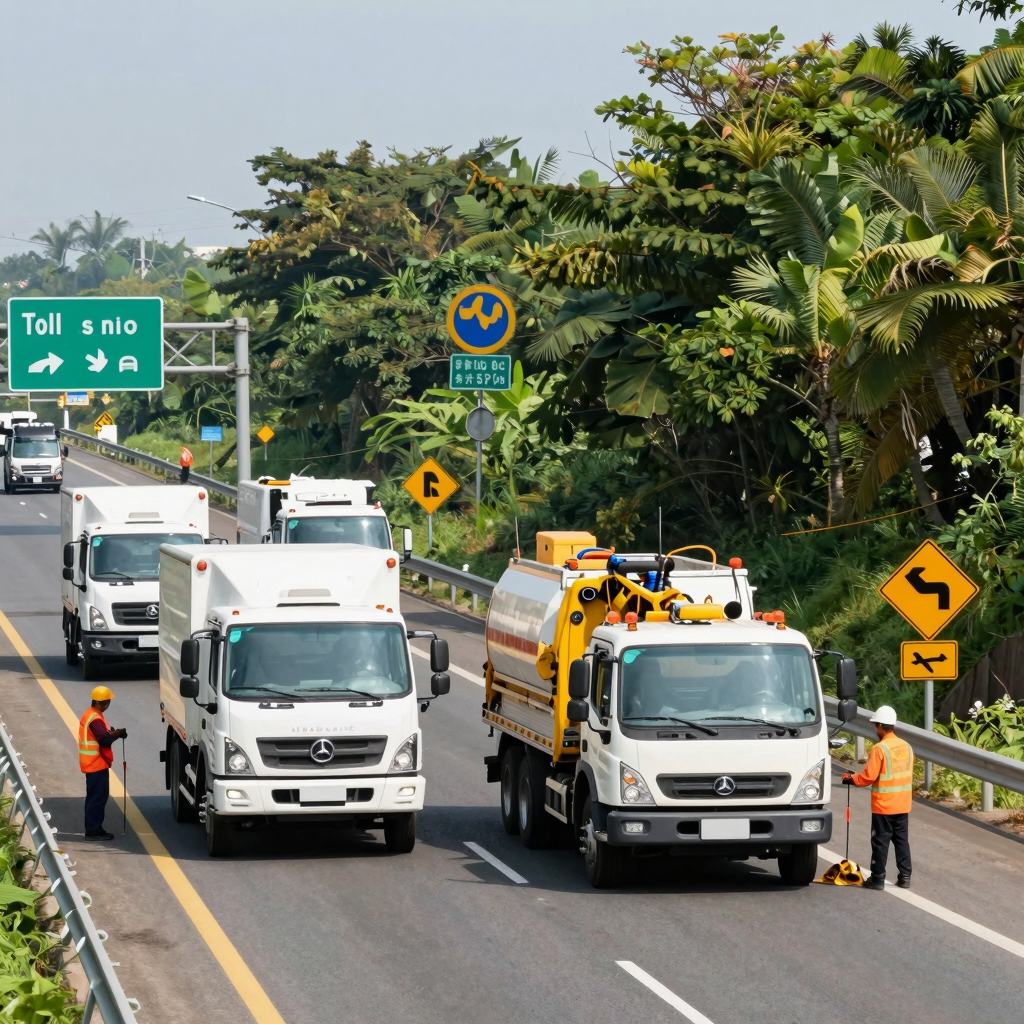
Understanding the Ownership of Highway Maintenance Vehicles
Have you ever wondered who truly owns the highway maintenance vehicles that keep our roads safe and smooth? The ownership of these essential vehicles is more than just a matter of title; it significantly impacts the operational efficiency and financial health of businesses involved in transport and logistics. With an increasing focus on infrastructure and transportation safety, understanding the ownership trends of highway maintenance vehicles becomes vital for business owners. Whether you’re a contractor, a government entity, or a private business responsible for these precious assets, it’s essential to grasp how ownership can influence budgeting, maintenance, and the overall effectiveness of your operations.
In this article, we will explore the varying ownership models for highway maintenance vehicles-from government ownership to private leasing. We’ll discuss the implications of these ownership structures on business operations and how trends in ownership affect the overall climate of the transportation industry. Prepare to uncover not only who owns these vehicles but the broader business impact of highway maintenance vehicle ownership as well. If you’re interested in learning more about optimizing vehicle maintenance, check out how vehicle maintenance saves on gas expenses for helpful insights!
Key Stakeholders in Highway Maintenance Vehicles Ownership
Highway maintenance vehicles play an essential role in keeping our roads in prime condition. Understanding who owns these vehicles can help businesses and stakeholders navigate the complex infrastructure ecosystem. Here’s an ordered list of key stakeholders involved in the ownership and maintenance:
- Government Agencies: Local, state, and federal agencies are the primary owners of highway maintenance vehicles. They allocate funds for purchasing and maintaining these vehicles to ensure safe travel conditions.
- Private Contractors: Often contracted by government agencies, private contractors perform maintenance work and may own equipment used in highway maintenance.
- Municipalities: City and county governments manage roadways and may own vehicles specifically for maintaining local highways and streets.
- Transportation Departments: These specialized agencies oversee the infrastructure and also manage vehicle fleets dedicated to highway maintenance.
- Public-Private Partnerships: Some regions partner with private firms to share resources, including ownership of maintenance vehicles, to enhance efficiency.
For more insights on vehicle management, learn more about vehicle tricks.
Types of Highway Maintenance Vehicles
Highway maintenance vehicles play a crucial role in ensuring safe and efficient roadways. Understanding the various types of these vehicles, along with their ownership needs, is vital for business owners involved in fleet management and public infrastructure. Here, we delve into some common types of highway maintenance vehicles and the specific care they require.
Snowplows
One of the most recognized types of highway maintenance vehicles is the snowplow. Snowplows are essential for winter road safety, designed to clear snow and ice from highways and streets. Ownership of snowplows typically involves:
- Investment and Financing: Significant capital investment is needed for purchasing snowplows, which are available in various sizes and configurations to meet specific operational needs. The cost can range from $20,000 to over $100,000, depending on features like hydraulic systems and blade sizes.
- Equipment Specifications: Snowplows must comply with federal safety standards and be equipped with intelligent transportation systems (ITS) for real-time monitoring and route optimization, which can enhance efficiency by up to 35% (source).
Road Sweepers
Road sweepers are another vital type of highway maintenance vehicle, crucial for maintaining cleanliness and safety on roadways. They are designed to remove debris and litter, ensuring that roads remain safe for vehicles and pedestrians. Key ownership needs include:
- Regular Maintenance: Sweepers require periodic maintenance to ensure their systems, like vacuum and brush mechanisms, are functioning optimally. Neglecting routine checks leads to reduced effectiveness and potential operational failures.
- Operator Training: Competent operators must be trained in handling road sweepers, as improper use can lead to damage and inefficiencies (source).
High-Pressure Washers and Cleaning Vehicles
These vehicles are tasked with cleaning roads and sidewalks, helping to remove pollutants and maintain visibility and traction for drivers. Ownership considerations for cleaning vehicles include:
- Equipment Needs: These vehicles often require specialized equipment, such as high-pressure washers or water trucks, tailored for the types of debris and pollutants common in specific areas. Proper selection of equipment is essential to meet environmental standards.
- Budgeting for Upgrades: As technologies evolve and maintenance standards rise, budget allocation for upgrading equipment is paramount for staying compliant with regulations and ensuring effectiveness (source).
Conclusion
Understanding the types of highway maintenance vehicles and their distinct ownership needs enables business owners to make informed decisions when planning for fleet management. From snowplows to road sweepers, each vehicle category requires specific investments, ongoing training, and compliance with state and federal safety regulations. Proper management ensures not only efficient operations but also contributes to the overall safety and cleanliness of roadways.
Insights from Experts in Highway Maintenance Vehicle Ownership
As the conversation around highway maintenance vehicle ownership evolves, it’s crucial to consider the insights of industry experts. They provide context and depth to the discussion about the rights and responsibilities that come with vehicle ownership.
“The fundamental principle of ownership is being eroded by manufacturers who use software locks and proprietary diagnostic tools to control repairs. When a consumer pays for a car, they should have the right to choose where and how it’s maintained. The current system turns ownership into a form of restricted access, which is fundamentally unfair and counterproductive to safety and affordability.”
- Dr. Elena Rodriguez, Consumer Reports
Read more about the ownership discussion
This quote emphasizes the growing concern that modern vehicle technology is creating barriers for owners regarding vehicle maintenance and repair options. As business owners consider investing in highway maintenance vehicles, understanding these implications can guide informed decision-making. Furthermore, maintaining the freedom to service one’s vehicle can directly affect operational efficiency and cost management.
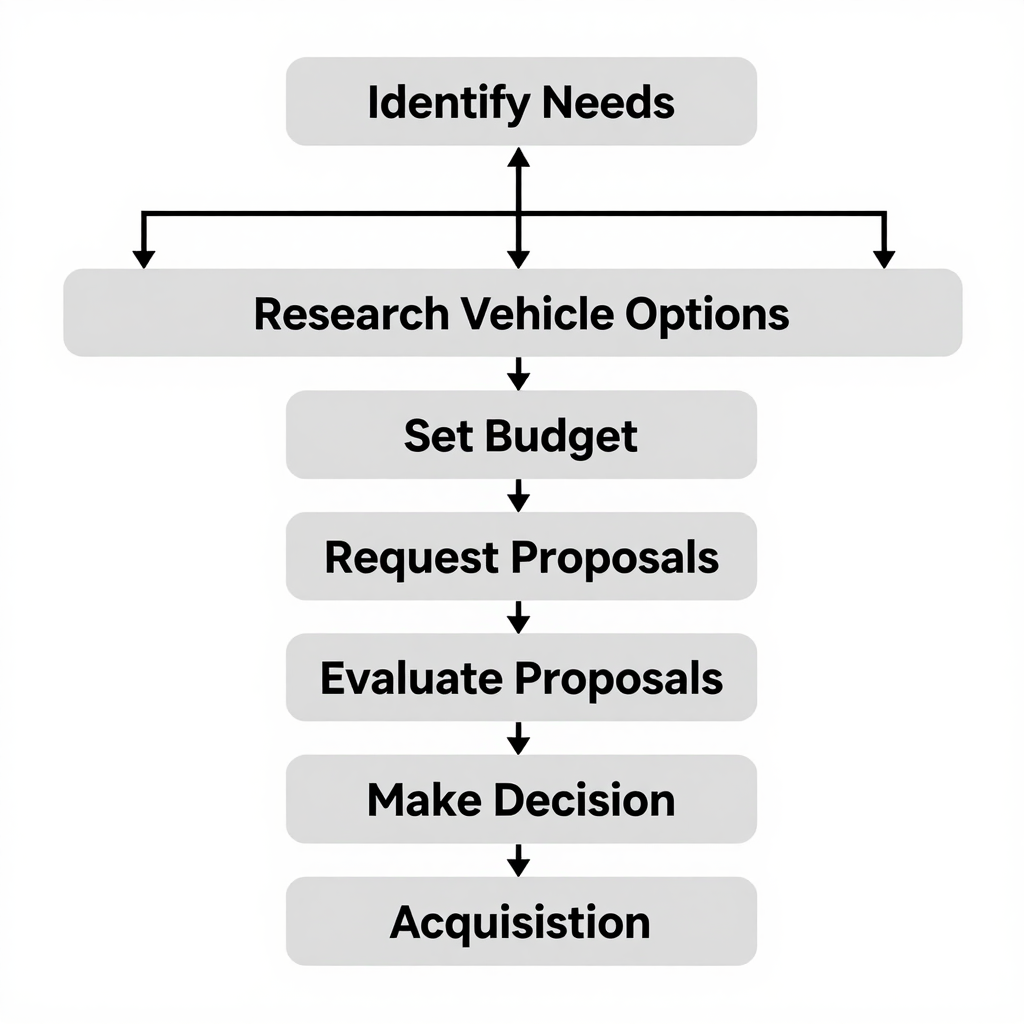
Financial Implications of Owning Highway Maintenance Vehicles
Owning highway maintenance vehicles can substantially impact a business’s bottom line. Here, we analyze various financial aspects, including initial costs, operational expenses, tax benefits, and strategies to maximize the return on investment (ROI).
Costs Associated with Ownership
The financial commitment to acquiring and maintaining highway maintenance vehicles includes multiple components:
| Year | Purchase Cost (USD) | Maintenance Cost (USD) | Operation Cost (USD) | Labor Cost (USD) | Total Cost (USD) |
|---|---|---|---|---|---|
| 2021 | 150,000 | 18,000 | 35,000 | 65,000 | 268,000 |
| 2022 | 155,000 | 19,000 | 37,000 | 68,000 | 279,000 |
| 2023 | 160,000 | 20,000 | 40,000 | 72,000 | 292,000 |
| 2024 | 165,000 | 21,000 | 42,000 | 75,000 | 303,000 |
| 2025 | 170,000 | 22,000 | 45,000 | 78,000 | 315,000 |
Source: Federal Highway Administration (FHWA) 2024 Cost Report
As illustrated, total costs may escalate over time due to increased purchase prices and rising operational costs. This investment requires careful budgeting and long-term financial planning.
Tax Benefits
Owning highway maintenance vehicles opens avenues for various tax benefits:
- Depreciation Deductions: Business owners can leverage methods like the Modified Accelerated Cost Recovery System (MACRS) to claim depreciation over a five-year period, offering significant tax write-offs in the early years of ownership, which lowers taxable income.
- Operating Cost Deductions: Expenses such as fuel, maintenance, insurance, and repairs are deductible if associated with business use. Accurate record-keeping is essential for compliance with IRS regulations.
- Special Deductions for Heavy Vehicles: Vehicles over 6,000 pounds may qualify for accelerated depreciation under Section 179, allowing a full deduction in the first year, subject to limits.
Return on Investment Strategies
To maximize ROI, business owners should consider the following strategies:
- Efficient Use of Vehicles: Optimize routing and maintenance schedules to lower operating costs.
- Regular Training: Ensure drivers are trained to operate vehicles efficiently, reducing wear and tear.
- Invest in Quality Equipment: Purchasing high-quality maintenance vehicles can result in lower long-term costs due to improved reliability and performance.
For more detailed insights and strategies related to vehicle maintenance, you can explore our blog.
Owning highway maintenance vehicles is a complex but potentially profitable venture, transforming not just road conditions but also your business’s financial landscape.
User Adoption of Highway Maintenance Vehicles Among Ownership Groups
The landscape of highway maintenance vehicle adoption is significantly influenced by ownership demographics, particularly in national and local government sectors. A recent report by a provincial transport bureau highlighted that 2023 saw over 95% of the maintenance vehicles used by state-run transportation groups equipped with modern technologies such as digital management systems and automated monitoring devices. This indicates a strong trend towards automation and efficiency in vehicle management among public sector operators, particularly state-owned enterprises.
Key Insights:
-
Dominance of State-Owned Enterprises: Approximately 70% of large maintenance vehicles in the country are owned and operated by national enterprises and their subsidiaries. These entities play a crucial role in maintaining national highways and provincial major roads, underscoring the concentrated ownership in this segment.
-
Investment in Technology: The conversion to intelligent maintenance vehicles has become an essential performance metric. This shift not only aligns with technological progression but also showcases the significant investments (85% of maintenance funds) dedicated to purchasing and maintaining professional maintenance vehicles in various regions.
-
Challenges for Private Enterprises: While private firms and third-party maintenance companies are increasingly entering the market, they generally operate smaller fleets and lack the advanced technology seen in state-run operations. Their maintenance vehicles are often rented or used on a temporary basis, reflecting a limited capacity for long-term investment.
Overall, highway maintenance vehicle adoption is predominantly characterized by the robust presence of government-owned groups, which increasingly focus on sophisticated, technology-enabled solutions. For more insights on the impact of smart technologies in vehicle management, learn more about vehicle maintenance advancements.
Comparison of Popular Highway Maintenance Vehicle Brands
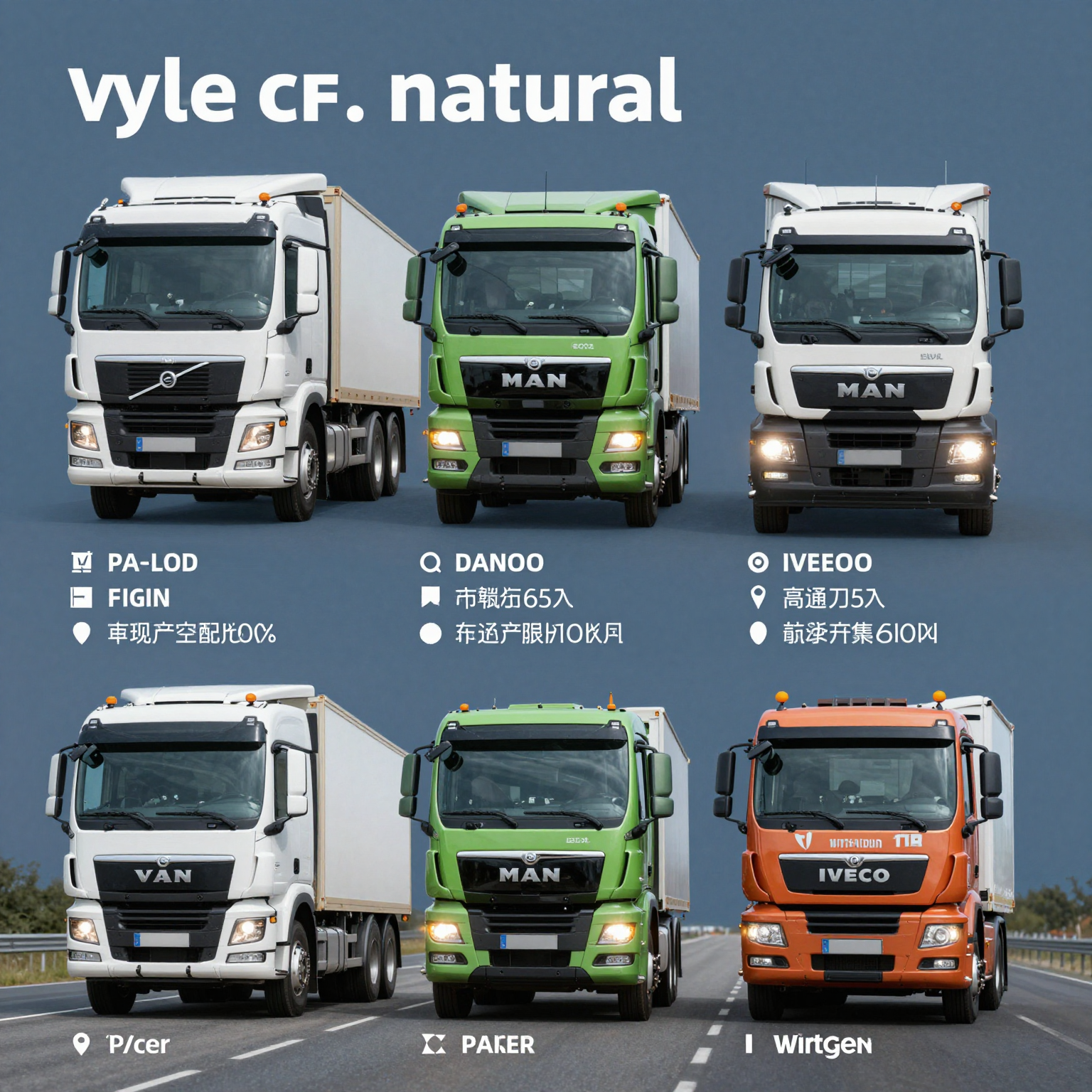
Choosing the right highway maintenance vehicle is crucial for efficiency and reliability. Below is a comparison table of five popular brands in this sector, detailing their key specifications and ownership benefits to help potential buyers make informed decisions.
| Brand | Payload Capacity | Engine Power | Drivetrain | Key Ownership Benefits |
|---|---|---|---|---|
| Volvo | 3-15 tons | 150-250 HP | 4×4 or 6×4 | Robust safety features, modular design options. |
| MAN | 4-12 tons | 180-240 HP | 4×2 or 4×4 | Excellent fuel efficiency, low maintenance costs. |
| IVECO | 3.5-15 tons | 150-260 HP | 4×2 or 4×4 | High durability, compliance with emission standards. |
| Pacer | 5-10 tons | 170-230 HP | 4×4 | Advanced diagnostics, versatile applications. |
| Wirtgen | 10-15 tons | 200-300 HP | 4×4 | Innovative repair technology, superior performance. |
Further Considerations
When selecting a highway maintenance vehicle, consider factors like maintenance costs, vehicle reliability, and resale value. Brands like Heavy Equipment Guide provide insights into the latest technologies and features available, which can enhance operational efficiency. For details on vehicle specifications, you can also refer to the American Association of State Highway and Transportation Officials (AASHTO) standards.
An infographic summarizing this comparison visually can be found below:
In conclusion, understanding vehicle ownership plays a critical role in the efficiency and success of highway maintenance operations. For business owners, recognizing who owns and operates highway maintenance vehicles is essential for effective asset management, compliance with regulations, and maximizing operational efficiency. Proper ownership leads to better maintenance schedules, reduced downtime, and optimized fleet management, ultimately translating to cost savings and higher productivity.
Furthermore, having a clear understanding of vehicle ownership aids in planning for future needs, ensuring that the right types of vehicles and equipment are acquired. This not only enhances the service quality provided but also strengthens the company’s reputation in the community. Ultimately, the ownership structure affects every aspect of highway maintenance, from hiring skilled personnel to ensuring safety and compliance.
For business owners looking to improve their operations in highway maintenance, learning more about vehicle management can provide valuable insights. Investing in the right strategies and understanding the nuances of vehicle ownership is not just beneficial; it is imperative for sustainable growth and success in this niche industry.
As a business owner, you understand the importance of having reliable vehicles for your operations. Just like highway maintenance vehicles play a vital role in keeping our roads safe and efficient, your choice of equipment can directly influence the success of your business. If you’re looking to enhance your offerings with a unique twist, consider the exciting world of pizza trucks. Visit truckpizza.net today to explore how you can elevate your business and satisfy customers on the go! Your journey towards a thriving mobile pizza business starts here.