
The Importance of Basic Vehicle Maintenance for Food Truck Owners
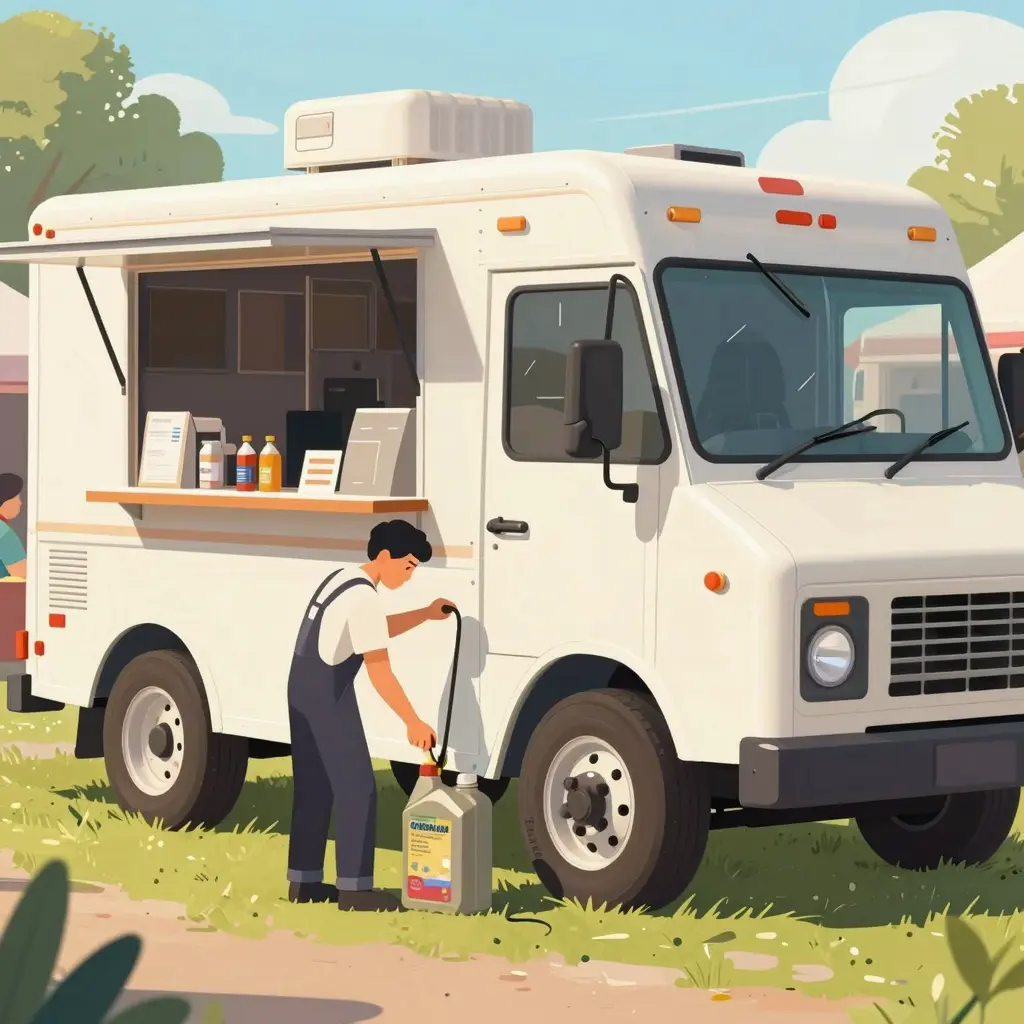
Owning a food truck is an exciting venture that offers the chance to showcase culinary creativity on wheels. However, as any seasoned operator knows, the stakes are high-both in terms of satisfying hungry customers and maintaining the backbone of your business: your vehicle. Neglecting basic vehicle maintenance can lead to dire consequences, from unexpected breakdowns that disrupt service to expensive repair bills that slice into your profits. Imagine being parked at a bustling festival, only to have your food truck stall due to a simple issue that could have been prevented with regular maintenance. Not only does this lead to lost sales, but it can also tarnish your brand’s reputation among loyal customers.
Regularly checking your oil, tires, brakes, and electrical systems isn’t just about keeping the wheels turning; it’s about making a commitment to your business’s long-term success. Every moment your vehicle is off the road translates to lost revenue and potential customers turned away. It’s crucial to implement a proactive maintenance strategy that ensures your food truck not only meets health and safety regulations but also operates smoothly in various conditions.
With this in mind, we’ll explore simple yet effective maintenance routines that can save you time, money, and stress. Equip yourself with the knowledge to prevent breakdowns that could leave your delicious offerings out of reach, ensuring that your food truck remains a beloved fixture in your community. For valuable tips on how vehicle maintenance can lead to cost savings, learn more about vehicle maintenance strategies that could greatly benefit your business.
Ultimately, your food truck is not just a vehicle; it’s an essential component of your culinary dream. Treating it well will allow you to serve your customers better and navigate the bustling events with confidence.
Common Vehicle Maintenance Tasks for Business Truck Owners
Maintaining your vehicle is crucial, especially for business owners who rely on their trucks for daily operations. Regular maintenance not only enhances vehicle lifespan but also ensures safety and efficiency. Here’s a list of common vehicle maintenance tasks every truck owner should perform routinely:
- Checking Tire Pressure: Ensures optimal tire performance and fuel efficiency.
- Oil Changes: Regularly changing the oil helps in keeping the engine lubricated and running smoothly.
- Brake Checks: Inspecting brakes ensures safety during transportation.
- Inspecting Fluid Levels: Regular checks on coolant, brake fluid, and transmission fluid help prevent potential issues.
- Tire Rotations: Rotating tires extends their lifespan and enhances even wear.
- Replacing Air Filters: Clean air filters improve engine efficiency and increase fuel economy.
- Battery Maintenance: Regular checks can prevent unexpected breakdowns.
- Windshield Wiper Replacement: Ensures clear visibility, especially during inclement weather.
- Headlight and Taillight Checks: Essential for safe driving and compliance with road regulations.
- Annual Inspections: Have a professional mechanic assess the vehicle to identify preventive maintenance needs.
Investing time in these tasks not only helps in maintaining operational efficiency but also minimizes costly repairs down the line. For more information on vehicle maintenance tips, check out how vehicle maintenance saves on gas expenses or learn about vehicle tricks you can implement.
“Routine maintenance is not just about keeping your car running; it’s about ensuring safety on the road and prolonging the life of your vehicle. Neglecting basic maintenance can lead to larger issues and expenses down the road.”
- Mr. Fixit Auto Care
Regular vehicle maintenance is crucial for business owners, not only for operational efficiency but also for safety. Neglecting this can result in unexpected breakdowns and increased costs, compromising your ability to serve your customers effectively. Learn more about effective vehicle maintenance here.
Incorporating expert advice like this can resonate emotionally with your audience, reminding them that maintaining their vehicles is an investment in safety and reliability.
Cost-Benefit Analysis of Regular Vehicle Maintenance
Maintaining your vehicle regularly provides numerous financial benefits compared to the substantial costs associated with neglecting it. Regular maintenance not only extends the lifespan of your vehicle but also minimizes the risk of expensive repairs due to unforeseen breakdowns.
Financial Benefits of Regular Maintenance
Investing in routine maintenance can significantly reduce ongoing operational costs. Here are some key statistics to consider:
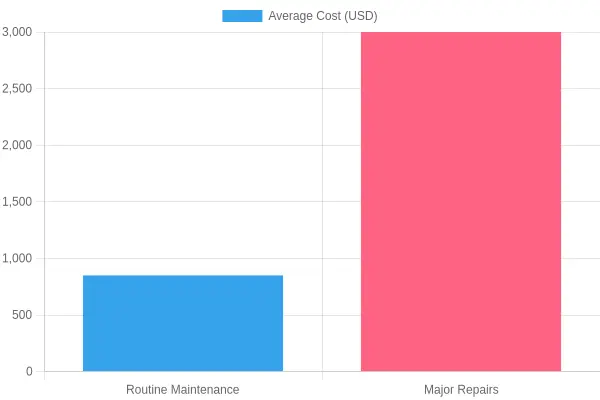
- Typical Routine Maintenance Costs: These generally range from $500 to $1,200 annually. This can include essential services such as oil changes, tire rotations, and brake inspections.
- Cost of Major Repairs: Failing to maintain your vehicle can lead to major repairs which can range from $1,000 to over $5,000, depending on the issue, such as engine overhauls or transmission replacements.
| Maintenance Type | Average Cost (USD) | Examples |
|---|---|---|
| Routine Maintenance | $500 – $1,200 per year | Oil changes, tire rotations, brake service |
| Major Repairs (Due to Neglect) | $1,000 – $5,000+ | Engine overhauls, transmission repairs |
From this table, it is clear that proactive maintenance is not just a matter of saving money; it’s about preventing potentially devastating financial setbacks due to major repair costs. The financial aspect is crucial, especially for business owners who rely on vehicles for operations.
Statistical Insights
According to Alexandria Automotive, understanding the difference between routine maintenance and major repairs can help business owners make informed decisions that avoid disruptions caused by vehicle breakdowns.
Furthermore, maintaining your vehicle efficiently can also improve fuel efficiency, adding to the cost-saving benefits over time. In fact, a study by Simple Fleet shows that neglected vehicles incur higher ongoing costs as they age, impacting overall budget projections for operations.
Conclusion
In conclusion, regular maintenance of your vehicle presents a clear cost-benefit advantage. By prioritizing maintenance, you can extend the life of your vehicle, ensure reliability, and avoid unnecessary expenditures related to major repairs. For further insights on vehicle maintenance strategies, feel free to explore our guides on how vehicle maintenance saves on gas expenses and the importance of staying proactive with your vehicle upkeep.
By embracing a routine maintenance schedule, business owners can safeguard their investments and ensure operational efficiency.
Maintenance Costs Comparison Table
| Maintenance Service | Average Cost (USD) | Breakdown Cost Impact on Food Trucks (USD/Year) |
|---|---|---|
| Oil Change | $40 – $90 per service | $9,500 (annual maintenance average) |
| Tire Replacement (set of 4 tires) | $600 – $800 | $1,000 – $2,200 (monthly vehicle operating costs) |
| Brake Service | $150 – $300 | Loss of revenue due to downtime |
| Transmission Fluid Change | $150 – $200 | $41 billion (annual economic cost of breakdowns) |
| Battery Replacement | $100 – $300 | Average cost of vehicle per breakdown |
Insights
- Regular maintenance, such as oil changes, typically ranges from $40 to $90, while a set of four tires can cost around $600 to $800.
- The average annual maintenance cost for a food truck is approximately $9,500, factoring in both routine maintenance and unexpected repairs.
- Food truck operators face monthly operating costs between $1,000 and $2,200 that include maintenance.
- The economic impact of breakdowns is significant, with vehicle breakdowns costing the U.S. economy about $41 billion per year, emphasizing the necessity of preventative maintenance to avoid costly disruptions in operations.
This table and accompanying insights highlight the critical importance of consistent vehicle maintenance not just for operational efficiency, but also to mitigate the risk of larger financial losses due to breakdowns.
For more insights into vehicle maintenance, you can learn more about vehicle maintenance costs here.
How Maintenance Can Prevent Vehicle Downtime
For business owners, vehicle downtime can have immediate repercussions, resulting in lost revenue, delayed deliveries, and diminished customer satisfaction. To combat these challenges, proactive maintenance is essential. Regular vehicle maintenance minimizes potential breakdowns, which can disrupt operations and hinder service delivery. Here are several ways that regular maintenance contributes to operational efficiency:
-
Preventive Care: Just as regular health check-ups are crucial for personal well-being, systematic vehicle maintenance ensures that all components are functioning optimally. Services such as oil changes, brake inspections, and tire rotations allow for the early identification of wear and tear, reducing the chances of sudden failures.
-
Cost Control: When maintenance is deferred in favor of immediate savings, businesses often face higher repair costs down the line. According to an article from A&M Service Center, neglecting essential services can lead to serious issues that could have been prevented, resulting in costly repairs that impact the bottom line.
-
Efficiency and Performance: Regular maintenance helps in keeping the vehicle running at its best. This not only enhances the performance of the vehicle but also optimizes fuel usage, saving money on fuel costs. A Victory Toyota study highlighted that well-maintained vehicles deliver better fuel economy, which is especially beneficial for businesses operating a fleet.
-
Safety: Ensuring that vehicles are safe to operate is crucial to both protect the drivers and uphold the company’s reputation. Regular checks can help guarantee that all safety systems are functional, which in turn reduces accident risks.
-
Longevity of Assets: Regular maintenance extends the life of the vehicles. Well-maintained vehicles not only perform better but also have a higher resale value, making fleet management more economical in the long run.
In summary, regular vehicle maintenance is an investment that pays off for business owners. By ensuring vehicles are in optimal condition, businesses can minimize downtime, enhance service delivery, and maintain operational efficiency.
In the food industry, where timely deliveries can greatly impact both service quality and operational efficiency, vehicle maintenance is a crucial aspect that cannot be overlooked. Neglecting this upkeep can lead to significant vehicle breakdowns, potentially increasing operational costs and creating setbacks. Here’s a look at relevant statistics and insights that underscore the importance of regular vehicle maintenance.
Rising Costs of Vehicle Breakdowns
According to a report from the Agero Blog, vehicle breakdowns cost the U.S. economy approximately $41 billion per year, stemming from approximately 69 million breakdowns affecting 1 in 3 drivers. The food industry, relying heavily on transportation logistics, can suffer immense losses from a single breakdown, particularly if it leads to delayed deliveries or spoiled goods.
The Role of Maintenance Neglect
A report highlighted by Tirto ID indicates a worrying trend: nearly 60% of drivers have delayed vehicle maintenance due to financial constraints. This statistic is particularly relevant to food businesses where operational budgets must be carefully managed. The delay in maintenance can lead to increased costs down the line, including more severe repairs or even full vehicle replacements.
Consequences of Neglected Maintenance
An article from All in the Difference emphasizes that regular maintenance checks help prevent costly repairs and breakdowns. Many drivers believe that modern vehicles do not require frequent maintenance, leading to detrimental outcomes. Ignoring necessary inspections can result in unexpected breakdowns, negatively affecting business operations, especially in the food supply chain where timely delivery is essential.
Operational and Safety Impact
Neglecting maintenance not only causes expense but also compromises safety. A study published on the dangers of negligent maintenance in trucking highlights that poor upkeep can lead to accidents, which pose risks not just to the vehicle operators but also to the food products being transported. For business owners in the food industry, ensuring the safety and reliability of their transport vehicles is paramount for maintaining customer trust and protecting their brand reputation.
Conclusion
The statistics clearly demonstrate that regular vehicle maintenance is vital for preventing breakdowns that can disrupt food delivery services. For business owners in the food industry, investing in timely and routine maintenance is not just a matter of vehicle reliability; it’s a critical component in safeguarding their operations and maximizing profitability. By neglecting this essential aspect of business logistics, owners risk incurring far greater costs due to repairs, lost inventory, and diminished customer satisfaction.
For more insights into how vehicle maintenance can impact operational efficiency, you can learn more about vehicle maintenance here.
With this summary, it becomes clear that the cost of ignoring vehicle upkeep is not only financial; it directly impacts business performance. Addressing and prioritizing vehicle maintenance should be a strategic focus for all businesses in the food industry.
Conclusion: The Critical Role of Maintenance in Your Vehicle’s Performance
In conclusion, the importance of basic maintenance on your vehicle cannot be overstated, especially for business owners who rely heavily on their vehicles for daily operations. Regular maintenance not only helps in extending the lifespan of your vehicle but also plays a crucial role in maintaining its performance. By conducting routine checks and timely repair work, you can prevent potentially costly issues down the road and ensure that your operations run smoothly. According to experts, preventive maintenance is significantly less expensive than major repairs, making it a smart investment for any business concerned about its bottom line.
Additionally, overlooking vehicle maintenance can lead to inefficient fuel consumption and increased operational costs. For business owners, every penny counts, and maintaining your vehicle effectively can contribute significantly to your overall profit margins.
Given the vital role that properly maintained vehicles play in the success of a business, it is recommended to stay proactive rather than reactive regarding vehicle care. To further explore how you can enhance your operational capabilities with a mobile venture, consider venturing into the exciting world of food trucks. If you’re intrigued by the idea of launching your own culinary journey, check out the various pizza truck options available at truckpizza.net, where you can find the best models and configurations to suit your business needs.
Take charge of your vehicle maintenance today and open the door to a fruitful, efficient, and sustainable business operation!
Consequences of Neglecting Vehicle Maintenance
Neglecting vehicle maintenance can have significant and far-reaching consequences for business owners. The implications extend beyond mere inconvenience; they can affect safety, legal compliance, and operational efficiency. Below are some of the most critical risks associated with inadequate vehicle upkeep:
1. Safety Issues
Failing to maintain vehicles regularly can lead to safety hazards, endangering the driver, passengers, and other road users. Common maintenance neglects, such as worn-out brakes, flat tires, or malfunctioning lights, increase the risk of accidents. For example, Fleet Response emphasizes that poor vehicle maintenance contributes significantly to safety risks within fleet operations, potentially leading to dangerous breakdowns or collisions. Business owners could find themselves facing injuries or fatalities resulting from what could have been preventable maintenance issues.
2. Legal Problems
The legal ramifications of neglecting maintenance can be severe. Watkins Law outlines how business owners may bear liability for accidents caused by unsafe vehicles. In the event of an accident, if it is determined that lack of maintenance contributed to the breach of safety regulations, the owner could face hefty fines and lawsuits. Moreover, repeated violations can result in increased scrutiny and penalties from regulatory bodies, putting the business’s reputation and financial stability at risk.
3. Operational Inefficiencies
Operational efficiency is crucial for any business, especially those relying on vehicles for delivery or service. According to Auto Experts, delayed maintenance often results in costly breakdowns and increased repair expenses. These breakdowns not only disrupt service schedules but may also affect customer satisfaction and loyalty. Additionally, increased downtime for repairs can lead to lost revenue opportunities, compounding operational inefficiencies.
4. Financial Implications
Beyond immediate repair costs, neglecting maintenance can escalate overall operational costs. Right Fuel Card highlights that without proactive vehicle maintenance, businesses may face skyrocketing expenses from excessive fuel consumption due to poor vehicle performance, as well as costs associated with emergency repairs that could have been preemptively addressed. The longer maintenance is ignored, the greater the financial burden becomes.
Conclusion
For business owners, the consequences of neglecting vehicle maintenance are clear: compromised safety, legal issues, operational inefficiencies, and increasing financial liabilities. Regular maintenance is not just an expense; it is a critical investment in the safety, efficiency, and legality of business operations. Learn more about vehicle maintenance strategies to ensure your fleet remains safe and efficient.