
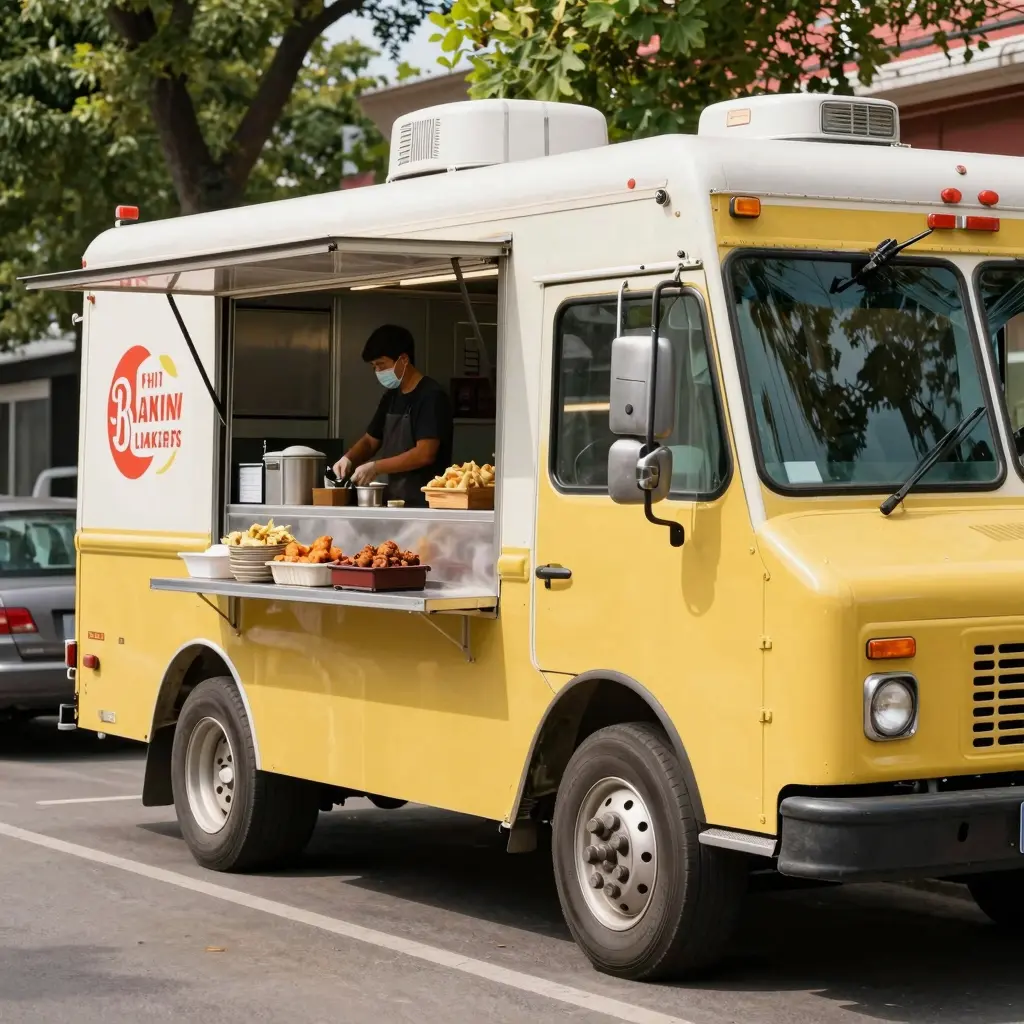
In the fast-paced world of the food truck industry, where every moment counts, maintaining vehicles isn’t just about aesthetics-it’s a matter of safety and operational efficiency. Picture this: a food truck rolls onto a busy street just before lunchtime, only to be sidelined by a mechanical failure due to poor maintenance. This scenario is all too common, owing to a staggering statistic: the National Highway Traffic Safety Administration (NHTSA) estimates that 20% of all vehicle accidents result from maintenance issues. Regular vehicle upkeep ensures not only the longevity of the vehicle but also the safety of employees and customers alike. With the financial burden of repairs and potential liability from accidents, business owners must consider vehicle maintenance as an integral part of their operations. Investing in routine check-ups and preventative measures can lay the foundation for a successful and safe food truck venture. For further insights into effective vehicle maintenance, learn more about vehicle tricks here.
Understanding Employee Vehicle Maintenance
Employee vehicle maintenance is the practice of routinely inspecting, servicing, and repairing company vehicles to ensure they are safe, reliable, and efficient. This is particularly critical for businesses that rely on mobile operations, such as food trucks, where the vehicle is essential to daily operations. Effective vehicle maintenance encompasses a range of tasks, including checking fluid levels, inspecting tires, brakes, and other mechanical systems, and performing routine maintenance like oil changes and filter replacements.
Relevance to Businesses
For businesses such as food trucks, which require mobility to serve customers, maintenance plays a vital role in operational efficiency and safety. Here’s how:
-
Operational Efficiency: Regular maintenance can prevent unexpected breakdowns that could disrupt service. Since food trucks often operate in high-demand areas and need to be present at specific events, any downtime due to vehicle failure could mean lost income. According to Little Trucker Down Under, maintaining food truck vehicles ensures compliance with safety regulations and helps avoid interruptions that can lead to revenue loss.
-
Cost Savings: Proper maintenance improves fuel efficiency and can reduce operating costs significantly. Issues like tire misalignment or low fluid levels can result in increased fuel consumption, which directly affects profitability. Therefore, staying on top of vehicle maintenance can translate to significant savings in fuel costs as highlighted by Barry’s Auto Body.
-
Enhanced Safety: Employee safety is paramount, especially when vehicles are constantly on the move in urban environments. Routine maintenance checks help identify potential hazards, ensuring that vehicles are safe to operate. Drake Law Group emphasizes that thorough vehicle checks prevent hazardous situations that could risk the safety of drivers and customers alike.
Conclusion
In conclusion, employee vehicle maintenance is not just about keeping the vehicle in good shape; it is a critical component of a business’s operational framework, particularly for mobile operations like food trucks. Regular maintenance helps in enhancing operational efficiency, reducing costs, and ensuring safety, ultimately preserving the business’s reputation and service quality. Ignoring vehicle maintenance can lead to dire consequences that could hinder a business’s performance and profitability.
Benefits of Maintaining Vehicles for Employees
Maintaining vehicles is essential for any business that equips its employees with company cars or trucks. The advantages go far beyond just keeping the vehicles in good condition. Here’s a detailed list of benefits:
- Reduced Downtime: Regular maintenance minimizes the likelihood of breakdowns, ensuring that employees can complete their tasks without unexpected interruptions.
- Enhanced Safety: Consistent vehicle inspections and maintenance ensure that all safety systems are functioning correctly, which significantly reduces the risk of accidents on the road. Enhancing the safety of your employees is a legal and moral obligation for any business owner.
- Cost Savings: Proactive vehicle maintenance can lead to significant savings. For example, businesses can avoid costly repairs that arise from neglect and may also enjoy reduced fuel costs due to improved vehicle efficiency. Research shows that proper maintenance can save businesses approximately 10-15% on fuel costs alone. Learn more about how vehicle maintenance saves on gas expenses.
- Extended Vehicle Lifespan: Regular maintenance can help extend the lifespan of vehicles in your fleet. A well-maintained vehicle can serve for years longer than one that is ignored.
- Better Employee Morale: Employees who drive reliable and well-maintained vehicles are generally happier and less stressed. This can lead to improved job performance and overall satisfaction in their roles.
- Improved Company Reputation: Maintaining a fleet of well-kept vehicles reflects positively on the company’s image. It shows that the business values quality and safety, which can be attractive to clients and partners.
By investing in vehicle maintenance, business owners not only protect their assets but also enhance their employees’ productivity and well-being. For more information on vehicle maintenance practices, check out the Vehicle Tricks blog for comprehensive guides and insights.
Vehicle Maintenance Statistics Impacting the Food Truck Industry
As business owners in the food truck industry know, maintaining a vehicle is crucial for operational success. In 2023, several statistics reveal trends in vehicle maintenance that underscore the significance of regular upkeep:
-
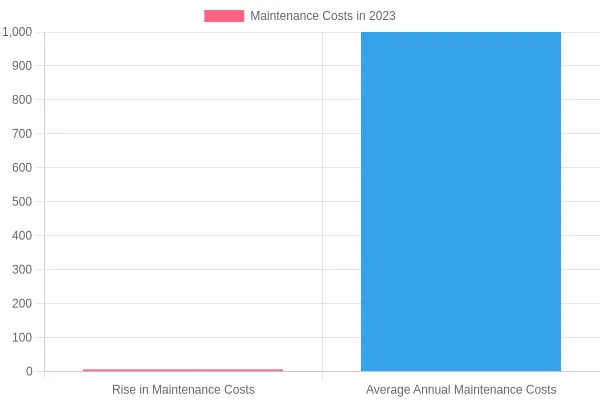
Rising Costs: Vehicle maintenance and repair costs increased by 6.5% in 2023, an effect influenced largely by inflation. This represents a notable financial burden for food truck operations, where vehicle reliability is paramount for daily service.
-
Vehicle Longevity Trends: Consumers are keeping their vehicles longer, which correlates with escalating maintenance costs. As vehicles age, they often require more frequent and expensive repairs, directly impacting businesses that rely on their vehicles for income.
-
Average Maintenance Costs: Food trucks incur an average annual maintenance cost of approximately $1,000. This is critical information for food truck owners who need to budget accurately for operational expenses.
-
Impact of Inflation: The inflation rate affects not just consumer goods but also vehicle parts and services, contributing significantly to higher maintenance costs.
These trends reveal that without a diligent maintenance strategy, food truck businesses could face not only higher costs but also potential disruptions in services due to vehicle downtime. Therefore, consistent vehicle maintenance practices can ultimately result in improved vehicle longevity, better performance, and reduced long-term costs. For more insights on how vehicle maintenance affects operational efficiency, learn more here!
Maintenance Costs Overview for 2023
Source: ConsumerAffairs
Summary of Findings
| Category | Data |
|---|---|
| Year | 2023 |
| Rise in Maintenance Costs | 6.5% |
| Inflation Impact | Significant factor contributing to rising costs |
| Trend of Vehicle Ownership | Consumers are holding onto vehicles longer |
| Average Annual Maintenance Costs | Approximately $1,000 for food trucks annually |
These statistics stress the necessity for food truck owners to embrace effective maintenance regimes to navigate the increasing costs and ensure operational viability.
The Importance of Vehicle Maintenance for Employee Operations
Vehicle maintenance is a crucial element for businesses that rely on employee vehicles for their operations. Not only does regular maintenance ensure the longevity and reliability of the vehicles, but it also reflects on the company’s reputation and efficiency in operations.
“Regular vehicle maintenance is essential for ensuring safety, enhancing performance, and prolonging the lifespan of your vehicle. Neglecting routine checks can lead to costly repairs.”
- A3E Auto
Source
Why Employee Vehicle Maintenance Matters
- Safety: Regular checks on brakes, tires, and fluids prevent accidents and ensure the safety of employees on the road.
- Cost-Effective: Preventative maintenance catches minor issues before they become costly problems, saving businesses money in the long run.
- Reputation: Well-maintained vehicles reflect positively on the company image and foster trust with clients.
- Efficiency: Properly maintained vehicles operate more efficiently, leading to improved fuel economy and reduced downtime.
For more insights on vehicle maintenance, you can learn more about vehicle maintenance.
The Hidden Costs of Neglecting Vehicle Maintenance in the Food Truck Business
For food truck operators, vehicle maintenance is not just a matter of keeping the wheels turning-it’s integral to the overall profitability and success of the business. Neglecting vehicle maintenance can have far-reaching negative impacts that affect both the bottom line and employee performance. Let’s explore these implications.
Increased Accident Rates
One of the most alarming consequences of neglecting vehicle maintenance is the increased risk of accidents. In the food truck sector, where vehicles are often on the move serving customers, the consequences can be severe. Statistics indicate that there can be a 23% increase in truck accident rates due to poor maintenance practices. Accidents can lead to costly lawsuits, insurance claims, and injuries that further impair operational capabilities. For instance, a food truck accident could halt service for days while repairs are made or, worse, lead to hospital bills if an employee is injured due to a vehicle malfunction.
Rising Repair Costs
When basic maintenance tasks are overlooked, they often result in larger, more expensive repairs down the line. An estimated 10-30% increase in repair costs can result from neglect. This means that a food truck that postpones oil changes or tire rotations may eventually face hefty bills for system failures or part replacements. Food trucks are particularly vulnerable as they rely on their vehicles to maintain rigidity in their schedules and inventory management.
Lost Revenue Opportunities
Additionally, food truck operations are often hampered by unexpected downtime. Businesses could face up to a 15% loss in potential profits due to operational shutdowns caused by vehicle issues. If a food truck is out of commission, that translates into lost sales during prime hours and an unmet customer base. For example, if a food truck misses a local festival due to a broken-down vehicle, the lost revenue from that event can be significant.
Employee Performance Issues
Not only do maintenance woes affect financial metrics, but the morale and performance of employees can also suffer. Studies suggest that neglecting vehicle maintenance can lead to a 20% deterioration in employee performance due to inconsistent service quality and scheduling. Employees depend on reliable vehicle operations to perform their duties effectively, and any disruption can lead to frustration and decreased job satisfaction.
Conclusion
In conclusion, food truck operators must prioritize vehicle maintenance to prevent these issues from bubbling to the surface. Not only does comprehensive maintenance save money in the long term, but it ensures operational continuity and, crucially, employee satisfaction. For more tips on vehicle maintenance and how it can affect your costs, check out our blog. To learn about common maintenance errors that could cost you, visit this guide.
Visual Representation of Impacts
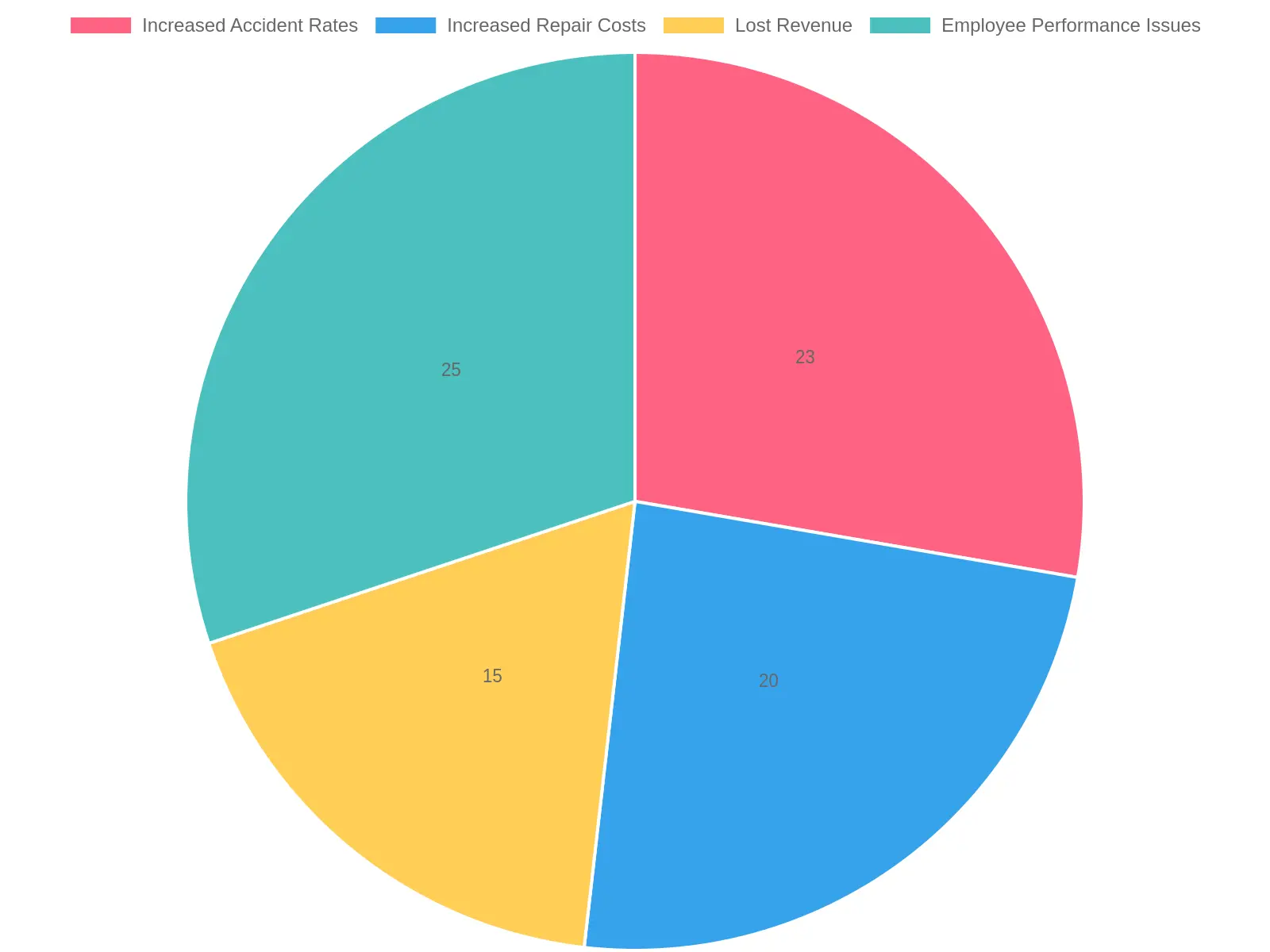
The above chart illustrates the percentage impacts of neglecting vehicle maintenance in various areas of a food truck operation.
It is essential to recognize that vehicle maintenance is a crucial expense and investment for food truck businesses, encompassing not just the vehicle itself but ensuring smooth operation and enhanced customer service.
Comparing Vehicle Maintenance Costs to Savings
| Aspect | Cost of Maintenance (Annual) | Potential Savings from Preventing Breakdowns |
|---|---|---|
| Routine Maintenance (oil changes, etc.) | $500 – $1,200 | $5,000 per breakdown avoided |
| Tire Replacement and Rotation | $400 – $800 | $1,500 on average for tire-related breakdowns |
| Brake System Maintenance | $300 – $600 | $1,200 per unresolved brake issue |
| Transmission Services | $1,000 – $2,000 | $6,000 for major transmission repairs |
| Total Estimated Maintenance Costs | $2,200 – $4,600 | Potential savings of $13,700+ per year |
Key Insights
- Regular maintenance is an upfront cost that can appear burdensome, but it is significantly less than the costs associated with major repairs resulting from neglected vehicle health.
- Investing in routine checks can mitigate unexpected breakdowns, which is crucial for business owners relying on their fleet for efficiency and customer satisfaction.
For more details on the importance of vehicle maintenance in business contexts, it might be enlightening to learn more about vehicle tricks or explore ways operational efficiency elevates profitability in logistics here.
Regulatory Implications of Vehicle Maintenance for Businesses in Food Service
In the food service industry, vehicle maintenance is not just a best practice; it is a legal requirement dictated by various regulatory standards. Businesses depend on the reliability of their vehicles for timely delivery and customer satisfaction, making adherence to maintenance regulations crucial. This segment will discuss the key legal considerations that owners must be aware of, along with the potential risks of non-compliance.
Key Regulatory Standards
-
FDA Regulations: The Food and Drug Administration (FDA) oversees food safety in the United States, which extends to how food is transported. Vehicles must meet sanitary guidelines to prevent contamination, which requires regular maintenance inspections to ensure cleanliness and functionality.
-
OSHA Compliance: The Occupational Safety and Health Administration (OSHA) sets standards that are essential for ensuring the safety of transport vehicles used in food service. Failure to comply with these safety standards could lead to penalties or accidents due to negligence in vehicle upkeep.
-
Department of Transportation (DOT) Regulations: The DOT outlines mandatory maintenance checks and inspections for commercial vehicles. Food service businesses must adhere to these regulations to operate legally. This includes regular safety inspections and necessary repairs.
Risks of Non-Compliance
- Legal Penalties: Failing to meet regulatory standards can expose businesses to significant fines and legal actions. Non-compliance can lead to inspections by regulatory bodies, who may issue penalties for violations.
- Operational Disruptions: Non-compliant vehicles may face shutdowns until they meet the required safety and sanitary standards. This disrupts service delivery and can affect customer relationships.
- Safety Hazards: Poorly maintained vehicles pose a risk to drivers, employees, and the general public. Mishaps due to vehicle failure could lead to accidents, resulting in liability claims against the business.
Conclusion
Business owners in the food service industry must prioritize vehicle maintenance not only to enhance operational efficiency but also to comply with legal requirements. Staying informed about regulations and ensuring that all vehicles meet health and safety standards will mitigate risks and contribute to overall business success. For more information on vehicle maintenance strategies, learn more here. Additionally, understanding the regulatory framework of vehicle maintenance can significantly impact your bottom line; check out this article to explore more.
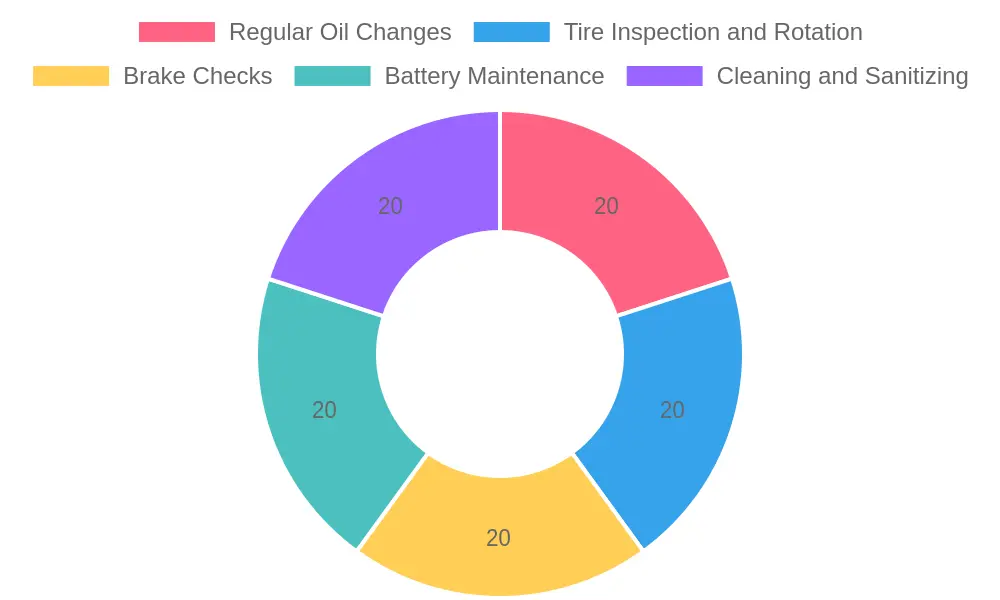
This image illustrates essential tips for effective vehicle maintenance for food trucks, including:
- Regular Oil Changes: Change oil regularly to ensure engine health.
- Tire Inspection and Rotation: Check tire pressure and tread for safety and efficiency.
- Brake Checks: Inspect brake pads and fluid to maintain stopping power.
- Battery Maintenance: Check battery terminals and replace if necessary.
- Cleaning and Sanitizing: Keep the vehicle’s interior clean for hygiene and safety.
In conclusion, maintaining employee vehicles is crucial for any business that relies on its fleet for operational efficiency and service delivery. As we’ve explored, effective vehicle maintenance directly influences reliability, safety, and cost management. Regular maintenance not only prevents costly breakdowns but also enhances the lifespan of vehicles, ultimately saving businesses significant amounts on repairs and replacements in the long run. Businesses that prioritize vehicle upkeep are likely to experience fewer disruptions, leading to improved productivity and happier employees who benefit from safe, comfortable transportation.
As you consider your service options, exploring offerings from truckpizza.net can provide valuable solutions tailored to your needs. Their expertise in maintaining and managing vehicle fleets could be a game-changer for your business. By investing in proper maintenance, you are not just preserving the functionality of your vehicles but are also contributing positively to your bottom line.