

In the fast-paced world of business, the reliability of company vehicles can make or break daily operations. Company vehicle maintenance is not just a routine task-it’s a critical responsibility that ensures safety, efficiency, and cost-effectiveness. Neglecting this essential upkeep can lead to unexpected breakdowns, costly repairs, decreased productivity, and even legal liabilities, which directly impact a company’s bottom line. But who exactly holds the responsibility for this crucial aspect of business ownership? Typically, this duty falls on business owners, fleet managers, or designated maintenance personnel, depending on the company’s size and structure. Understanding who manages the maintenance schedule, oversees repairs, and ensures vehicles comply with safety standards is vital to keeping your fleet roadworthy and your operations smooth. For business owners, staying informed about company vehicle maintenance not only protects assets but also safeguards employees and clients alike. To explore more on how proper vehicle upkeep can influence operational costs, check out this insightful guide on how vehicle maintenance saves on gas expenses.
Starting with clearly defined maintenance responsibilities can prevent many headaches down the road, making it a strategic priority every business owner should embrace.
Key Stakeholders in Vehicle Maintenance
Understanding who is involved in vehicle maintenance is crucial for effective management and optimization of costs. Below is a list of key stakeholders and their responsibilities:
-
Fleet Manager: Responsible for overseeing the entire vehicle fleet lifecycle. Fleet managers purchase or lease vehicles, schedule regular maintenance, manage repair costs, and ensure compliance with safety and regulatory standards. They also analyze data to improve efficiency and reduce expenses. For more on their evolving role, see this source.
-
Drivers: Play a pivotal role by conducting pre- and post-trip inspections, reporting mechanical issues, and following safe driving practices that reduce wear and tear on the vehicles. Their proactive approach can help prevent severe issues later.
-
Maintenance Staff: Responsible for carrying out scheduled servicing and repairs, diagnosing mechanical problems, and maintaining accurate records. They ensure that all vehicles comply with safety standards before returning to service. For insights into vehicle maintenance roles, visit NHTSA’s page.
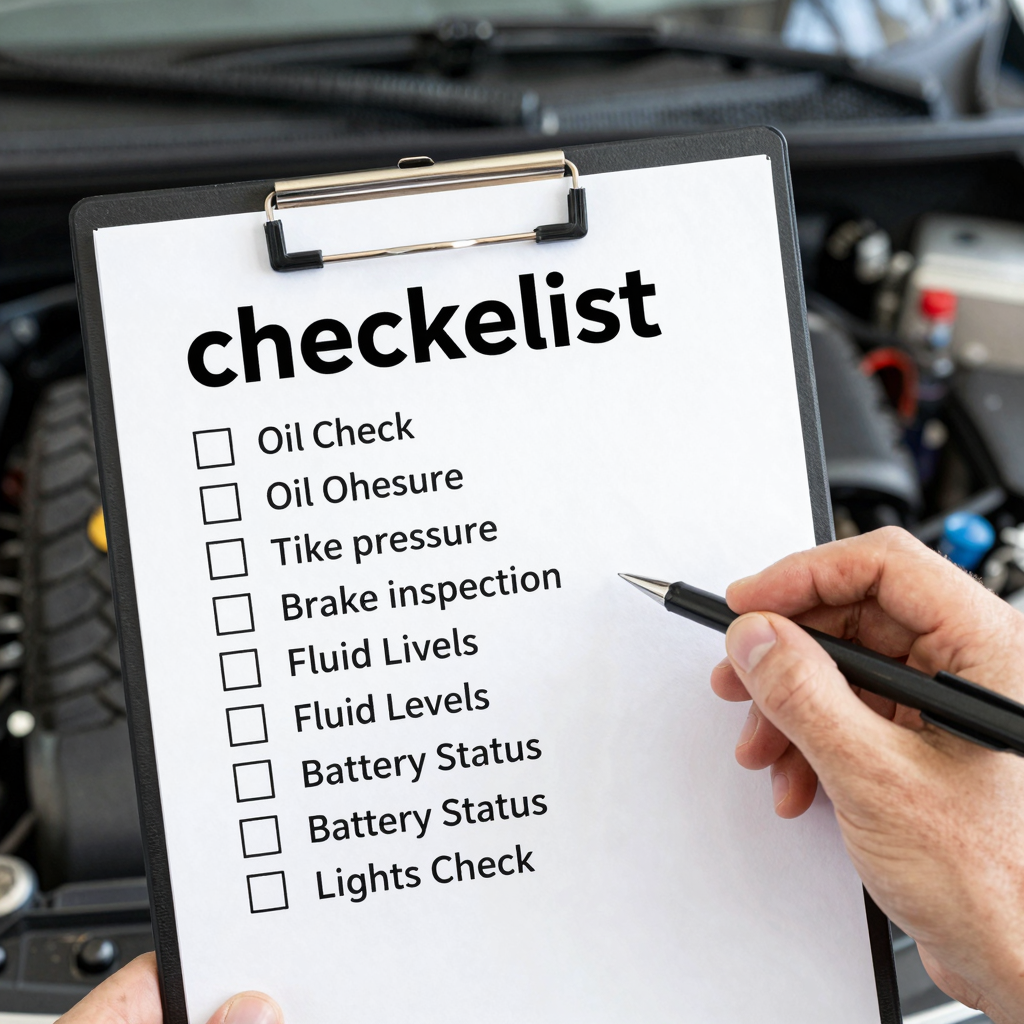
Regular vehicle maintenance is crucial for ensuring safety, cost-effectiveness, and reliability. For business owners managing a fleet, recognizing the importance of ongoing maintenance can lead to significant operational benefits and boost the overall performance of their vehicles.
Improved Safety
One of the primary advantages of regular vehicle maintenance is enhanced safety. According to a study by the National Highway Traffic Safety Administration (NHTSA), approximately 30% of traffic accidents are associated with mechanical failures that could have been avoided through proper maintenance NHTSA Vehicle Maintenance Facts. Routine checks on critical components like brakes, tires, and lights can help mitigate these risks. In fact, vehicles that receive timely maintenance are 40% more likely to pass safety inspections than those that do not NHTSA Vehicle Maintenance and Safety Study.
Cost-Effectiveness
Investing in regular maintenance can save businesses significant funds in the long run. Vehicles that adhere to a scheduled maintenance plan spend, on average, $400 less annually on repairs compared to those without such care Consumer Reports on Vehicle Maintenance Costs. Additionally, preventive maintenance can reduce long-term repair costs by up to 40%. Preventative actions can help avoid costly issues; for example, timely oil changes can increase the lifespan of an engine by up to 30% NHTSA Vehicle Maintenance Facts.
Enhanced Reliability
Reliability is another critical factor enhanced by regular vehicle care. Research by AAA indicates that 80% of vehicle breakdowns can be prevented through routine maintenance AAA Foundation for Traffic Safety. Simple checks and preventive actions, such as monitoring tire pressure and replacing worn-out brake pads, can significantly minimize unexpected failures. Vehicles with consistent maintenance records demonstrate improved reliability and operational efficiency, which is essential for business operations dependent on fleet vehicles.
Conclusion
For business owners, understanding the importance of regular vehicle maintenance is not just about keeping the cars running; it’s about ensuring the safety of drivers, reducing costs over time, and enhancing overall vehicle reliability. By prioritizing maintenance schedules, businesses can promote longevity and efficiency in their vehicle fleet. For further insights, check out our guide on vehicle maintenance.
| Company Size | Responsibilities | Challenges | Potential Solutions |
|---|---|---|---|
| Small | – Regular check-ups | – Limited budget for maintenance | – Partner with local repair shops for cost-effective services |
| – Basic vehicle inspections | – Lack of in-house expertise | – Use maintenance tracking software to schedule services | |
| – Addressing minor repairs internally | – Inconsistent quality from external services | – Develop partnerships with trusted service providers | |
| Medium | – Scheduled preventive maintenance | – Balancing cost with service reliability | – Implement fleet management software for efficiency and tracking |
| – Staff training for basic maintenance practices | – Complexity in managing multiple vehicles | – Employ experienced staff or part-time mechanics to assist with maintenance | |
| – Utilize technology for diagnostics and repairs | – Inconsistent maintenance records | – Invest in AI-driven platforms for analyzing vehicle data and maintenance needs | |
| Large | – Comprehensive maintenance programs across the fleet | – Regulatory compliance across regions | – Centralize maintenance operations to standardize processes |
| – Predictive maintenance with data analytics | – Increased complexity due to diverse fleet types | – Adopt advanced telematics for real-time monitoring and predictive maintenance alerts | |
| – Regular training and compliance for all maintenance staff | – Managing costs while maintaining quality standards | – Leverage economies of scale for bulk purchasing of parts and maintenance supplies |
For further insights into vehicle maintenance, learn more about the costs of vehicle maintenance and the importance of predictive maintenance in fleet management.
The Importance of Regular Vehicle Maintenance
In the context of company vehicles, regular maintenance is crucial not just for operational efficiency but also for safety. As Dr. Elena Rodriguez, a certified automotive engineer, aptly states:
“Regular vehicle maintenance isn’t just about avoiding breakdowns; it’s a critical investment in safety, reliability, and long-term cost savings. Skipping routine checks on brakes, fluids, tires, and the engine can lead to catastrophic failures.”
– Dr. Elena Rodriguez, Car and Driver
learn more about vehicle maintenance tips
This quote emphasizes that adhering to maintenance schedules can enhance vehicle longevity and minimize risks, making it essential for business owners to prioritize regular checks and services for their fleet.
For additional insights, read about how vehicle maintenance saves on gas expenses or find out who pays for maintenance on a leased vehicle.
Common Vehicle Maintenance Practices for Businesses
Maintaining a fleet of company vehicles is crucial for ensuring safety, reliability, and efficiency. Businesses must adopt both preventive and corrective maintenance practices to minimize downtime and extend the lifespan of their vehicles. Here’s a well-rounded overview of these maintenance responsibilities.
Preventive Maintenance Practices
Preventive maintenance involves regular checks and services that help identify and resolve issues before they become serious problems. Here are some fundamental preventive practices:
- Regular Oil Changes: Change engine oil and oil filters according to the manufacturer’s recommendations to keep engines running smoothly.
- Tire Maintenance: Regularly check tire pressure, tread depth, and rotate tires every 8,000 to 10,000 kilometers to ensure even wear. This helps enhance fuel efficiency and extends tire life.
- Brake Inspections: Periodically inspect brake pads and rotors for wear and replace them as needed. This is essential to ensure the safety of drivers and passengers.
- Fluid Levels: Monitor and maintain proper fluid levels for coolant, brake fluid, transmission fluid, and power steering fluid.
- Comprehensive Inspections: Conduct thorough inspections of all vehicle systems, including battery health, lights, and wipers, to prevent unexpected breakdowns.
For a detailed guide on preventive practices, check out this resource.
Corrective Maintenance Practices
In contrast, corrective maintenance focuses on fixing issues once they’ve occurred. Businesses should employ these practices:
- Immediate Response: Address any reported vehicle malfunctions promptly to minimize disruptions to operations.
- Root Cause Analysis: After repairs, conduct a root cause analysis (RCA) to prevent recurring issues in the future.
- Documentation: Keep detailed records of all repairs, which can assist in identifying patterns and planning future services more effectively.
- Training: Ensure technicians are well-trained on diagnostic tools and effective repair protocols, improving the speed and quality of fixes.
For insights on establishing effective corrective practices, refer to this guide.
In conclusion, adopting thorough vehicle maintenance practices not only ensures compliance with safety regulations but also enhances overall fleet performance and reduces long-term costs. Prioritizing both preventive and corrective maintenance can lead to significant operational benefits for any business.

Conclusion
In conclusion, defining clear vehicle maintenance responsibilities within a business is not only an operational necessity but also a strategic advantage. As discussed, the delineation of roles among drivers, fleet managers, and mechanics ensures that daily inspections, routine maintenance, and urgent repairs are handled efficiently. This clarity not only fosters accountability but also enhances safety and compliance, ultimately resulting in lower costs and improved service reliability.
The evidence suggests that businesses with clearly defined maintenance roles experience fewer operational disruptions and lower repair expenses. Regular maintenance schedules, detailed records, and proactive issue reporting lead to a more efficient fleet and a reduced risk of accidents or compliance failures.
As you consider how to enhance the operational efficiency of your business, take the time to assess and clearly outline your vehicle maintenance responsibilities.
Furthermore, if you’re looking to expand your business into mobile services, such as a pizza truck, explore premium pizza trucks to find the perfect vehicle that meets your needs while ensuring top-notch maintenance is feasible.
The Financial Impact of Neglecting Vehicle Maintenance
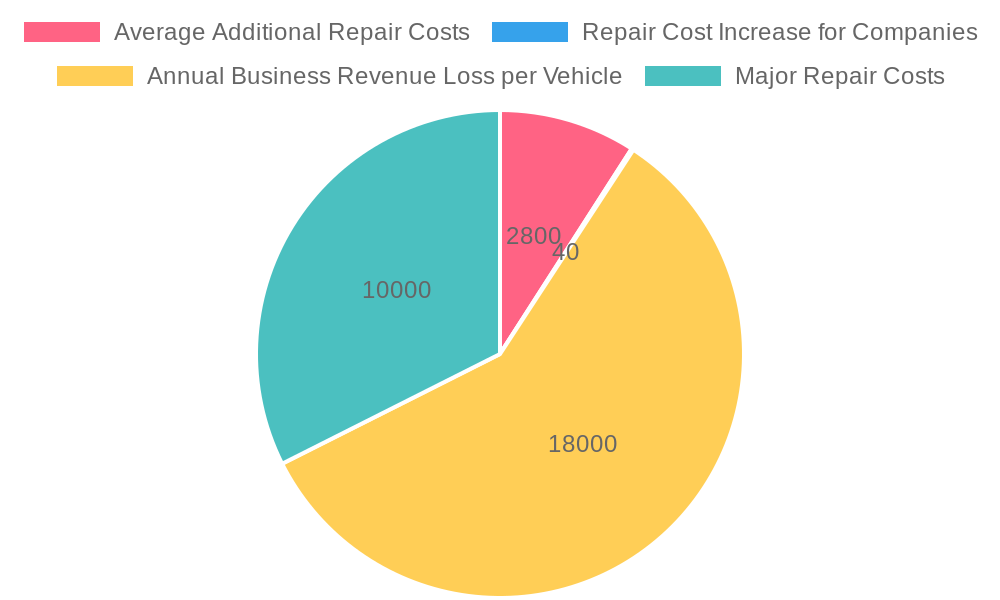
Maintaining a vehicle fleet is not just about keeping the wheels turning; it’s about safeguarding your company’s financial health. Neglecting routine vehicle maintenance can lead to significant costs and lost opportunities. To illustrate this point, the following chart shows the financial ramifications of ignoring maintenance on vehicles:
| Category | Cost Detail |
|---|---|
| Average Additional Repair Costs (5 years) | $2,800 more for drivers who neglect maintenance |
| Repair Cost Increase for Companies | 40% higher repair costs for organizations with poor maintenance practices |
| Annual Business Revenue Loss per Vehicle | $18,000 lost due to unplanned breakdowns |
| Major Repair Costs |
|
As shown in the chart, neglecting vehicle maintenance can result in extraordinarily high costs. For instance:
- Companies may see an average of 40% higher repair costs due to poor maintenance practices.
- $18,000 can be lost per vehicle annually due to unexpected breakdowns and service interruptions.
- Ignoring small maintenance tasks can lead to catastrophic failures, resulting in major repair costs such as transmission failures up to $7,000.
By investing in a proactive maintenance strategy, businesses not only avoid these costs but can ensure smoother vehicle operations and better overall performance. Learn more about vehicle maintenance to understand the importance of regular upkeep.