

Introduction
As a business owner, do you ever wonder how to accurately account for vehicle maintenance in your tax filings? Understanding where to include these expenses on Schedule C can be a crucial yet perplexing aspect of managing your finances. Vehicle maintenance isn’t just about ensuring your wheels keep running smoothly; it’s also a fundamental element that can affect your bottom line. Properly categorizing maintenance costs not only helps you adhere to IRS guidelines but also ensures you maximize your deductions effectively. In this article, we’ll guide you through the essentials of incorporating vehicle maintenance into your Schedule C, providing actionable insights to help you stay compliant and financially savvy. If you’re looking for tips on how vehicle maintenance saves on gas expenses, or simply want to understand the broad implications of maintaining your vehicle, read on!
The Importance of Tracking Vehicle Maintenance for Mobile Business Owners
For business owners, particularly those operating mobile services, the importance of tracking vehicle maintenance cannot be overstated. Regular maintenance is a shield against unexpected breakdowns that could leave drivers stranded or delay service deliveries, ultimately affecting customer satisfaction. With effective tracking, businesses can improve operational efficiency by optimizing service routes and minimizing downtime. According to the U.S. Small Business Administration, proper vehicle upkeep not only minimizes unexpected repair costs but also maintains a professional image through reliable vehicles. Furthermore, preventative measures lead to enhanced fuel efficiency and extended vehicle lifespan, which are crucial for the sustainability of mobile businesses. By implementing a robust maintenance tracking system, mobile business owners can ensure seamless operations, which translates to increased profits and customer loyalty.
Tax Deductibility of Vehicle Maintenance Expenses
For pizza truck owners, vehicle maintenance expenses can significantly cut taxable income, making them a vital consideration for financial management. According to the IRS guidelines, maintenance costs are tax-deductible as long as they are necessary and ordinary for business operations.
What Expenses Are Deductible?
- Repair Costs: Any costs incurred for necessary repairs to keep the pizza truck operational, including engine repairs and brake replacements.
- Routine Maintenance: Regular oil changes, tire rotations, and inspections help ensure safety and compliance, and these expenses are deductible as well.
- Parts Replacements: When parts need replacing, from tires to batteries, these costs directly related to vehicle operation can be deducted.
How to Calculate Your Deduction
When deducting vehicle maintenance expenses, you’ll need to attach the deduction to the percentage of the vehicle’s use for business. For instance, if a pizza truck is utilized 70% of the time for business purposes, then 70% of maintenance costs are considered deductible. Accurate record-keeping, including receipts, mileage logs, and maintenance schedules, is crucial for substantiating these deductions.
This tax benefit helps ensure that business owners can maintain their vehicles while optimizing financial outcomes. For more information on managing vehicle-related costs, you might check out business expense deductions for mobile food vendors.
Common Vehicle Maintenance Tasks for Business Owners
As a business owner, maintaining your vehicle is essential not only for operational efficiency but also for ensuring safety. Here’s a comprehensive list of common vehicle maintenance tasks that you should track regularly:
- Oil Changes: Change the engine oil in accordance with manufacturer guidelines, typically every 3,000 to 5,000 miles.
- Tire Maintenance: Regularly check tire pressure and tread depth; rotate tires and replace them as needed.
- Brake Inspections: Inspect brake pads and fluid levels consistently to ensure they are functioning correctly.
- Fluid Checks: Monitor levels of coolant, brake fluid, and transmission fluid, topping them off when necessary.
- Filter Replacements: Regularly replace air filters and cabin filters to maintain optimal performance and air quality.
- Battery Maintenance: Check battery health, terminals, and charge levels to avoid unexpected failures.
- Light and Wiper Checks: Ensure all lights function correctly and wipers are not worn out for safety.
These checks will help in reducing downtime and preventing costly repairs. To dive deeper into vehicle maintenance, learn more about important tips here. For detailed tracking methods, check this guide on vehicle expenses.
Vehicle Maintenance Checklist
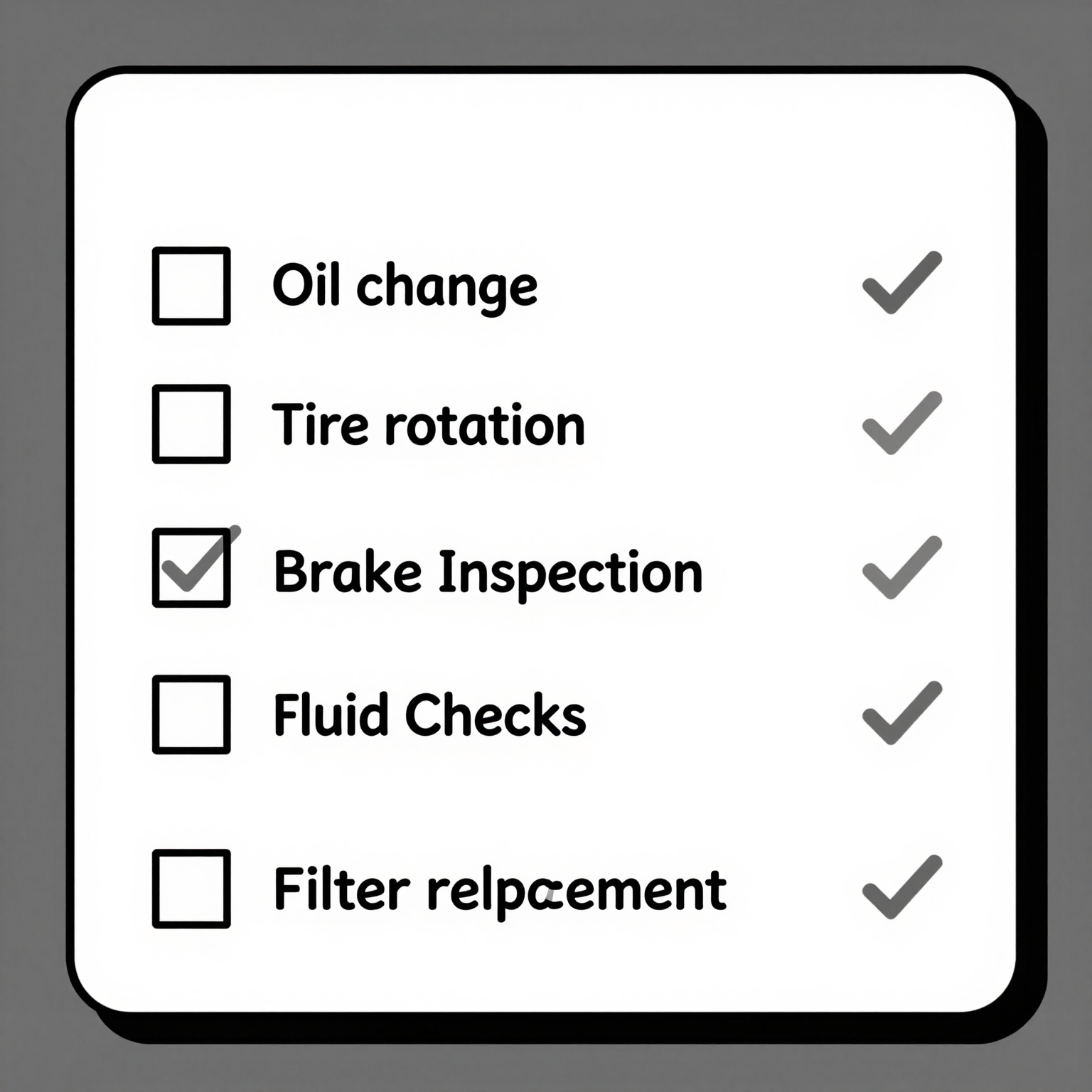
Regular vehicle maintenance is crucial for business owners to ensure the longevity and reliability of their fleet. A simple checklist can help keep track of essential tasks:
- Oil change
- Tire rotation
- Brake inspection
- Fluid checks
- Filter replacement
Here’s a visual representation of a vehicle maintenance checklist:
learn more about vehicle maintenance to optimize your schedule and efficiency.
Best Practices for Vehicle Maintenance Documentation
Documenting vehicle maintenance effectively is essential for business owners file their Schedule C accurately and comply with regulations. Here are some best practices to help you maintain detailed and accurate records:
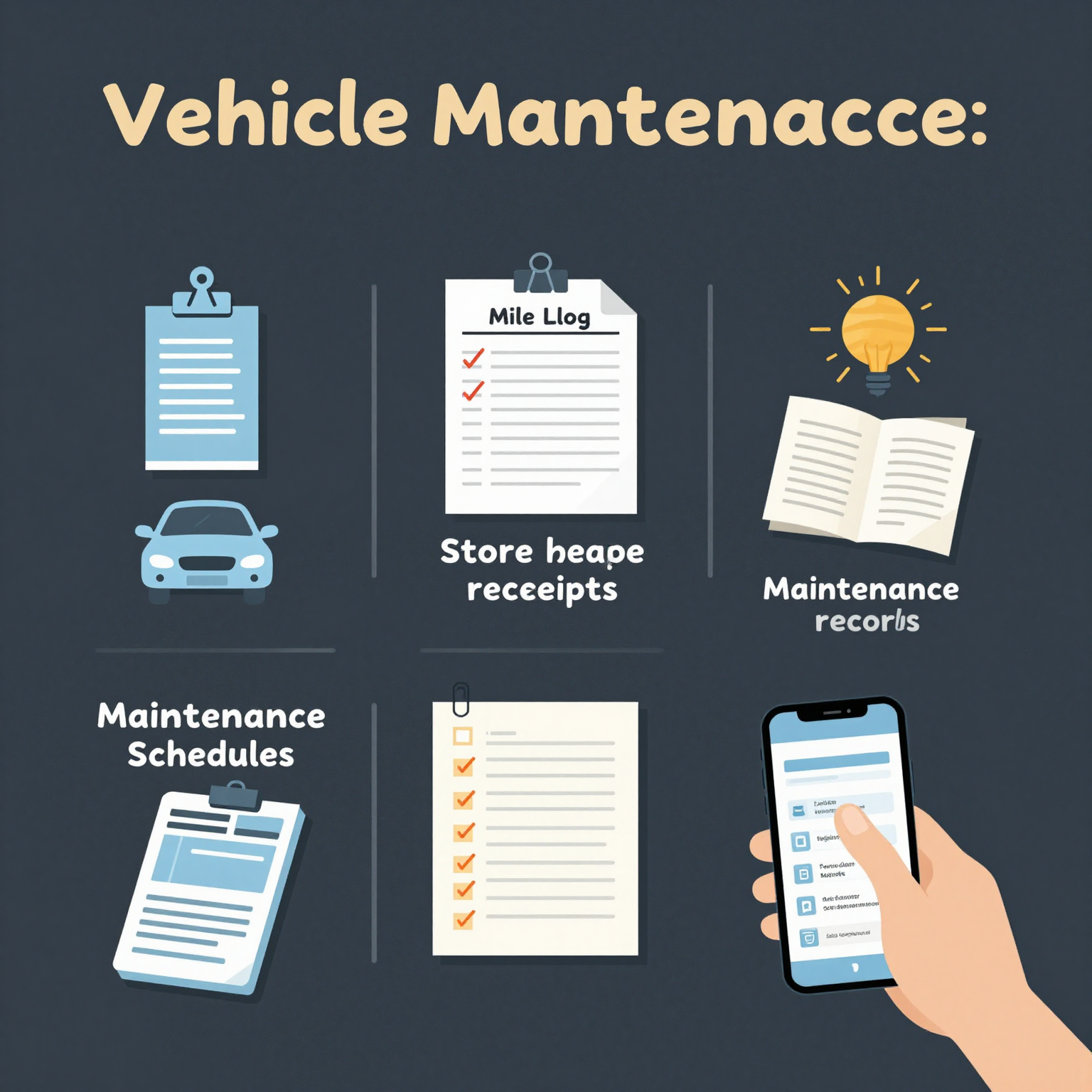
1. Use a Mileage Log
- Track your vehicle’s odometer readings regularly. Record mileage immediately after each trip or service to maintain accurate logs. Apps and spreadsheets can help automate this process.
2. Keep All Receipts
- Retain copies of all invoices and receipts related to repairs, services, and parts. Store them in a labeled physical folder or a digital archive. Make sure each receipt includes the date, service description, cost, and the name of the service provider.
3. Document Maintenance Schedules
- Follow the manufacturer’s maintenance guidelines, noting the recommended schedule for services such as oil changes and tire rotations. Use calendar reminders or maintenance tracking apps to prompt you when these services are due.
4. Choose Between Digital and Paper Records
- Decide whether to maintain digital records (cloud-based services) or a physical log based on accessibility and security. Digital records have the advantage of being more easily organized and searchable.
5. Record Major Repairs
- Document details of significant vehicle repairs, including parts used and the technician’s name. Include before-and-after photos if relevant. This information can be essential for future reference and adds value when selling the vehicle.
Visual Representation of Record-Keeping Preferences
Conclusion
Following these best practices not only enhances your documentation for tax deductions but also ensures compliance and helps in the effective management of your vehicle fleet. For a deeper dive into vehicle maintenance, check out these resources that provide insights on maintaining your vehicle effectively.
Vehicle Maintenance Costs for Pizza Truck Owners
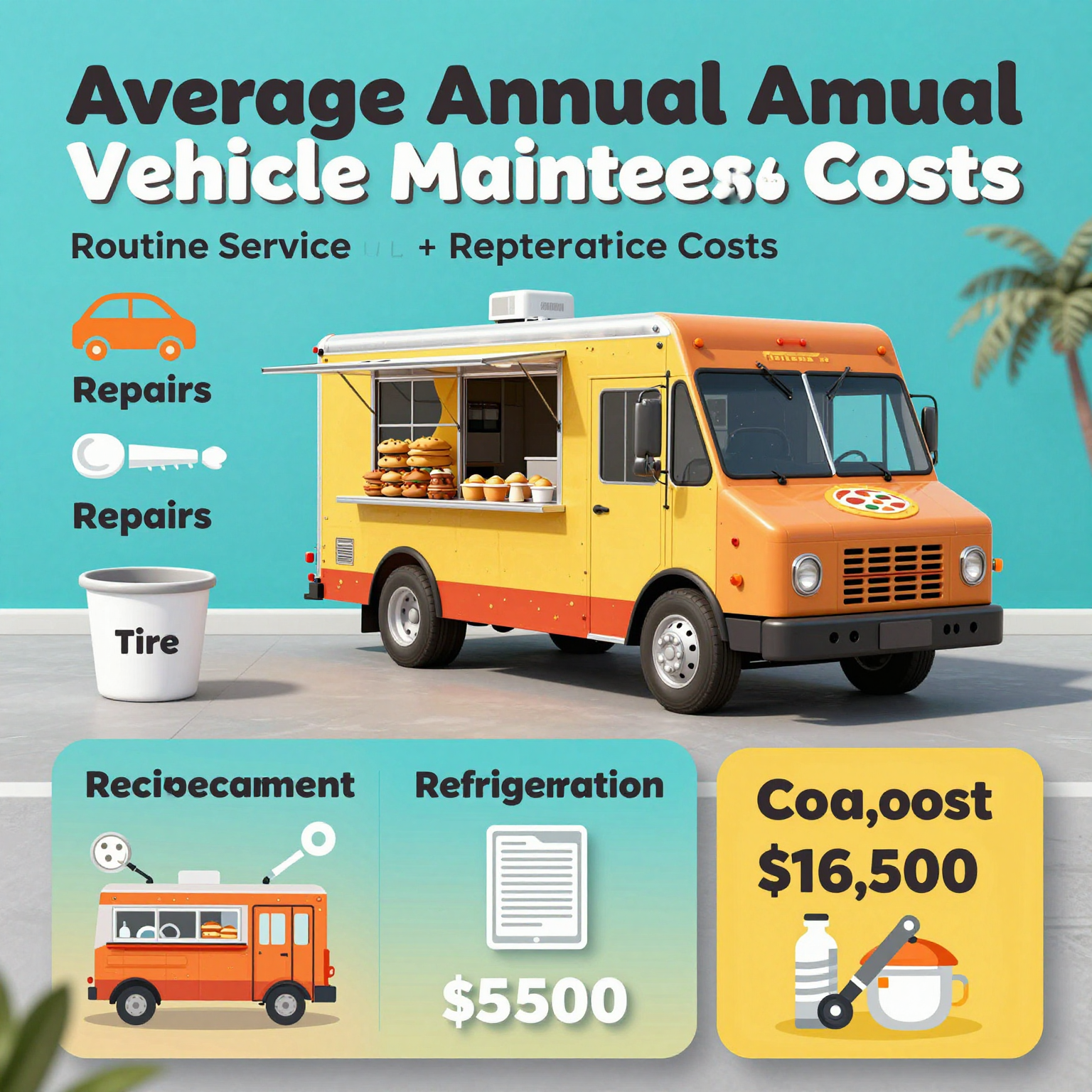
Understanding maintenance costs is crucial for pizza truck owners, as it affects profitability and operational efficiency. Below is a comparison of average annual maintenance costs based on various reports:
| Cost Category | Average Cost | Description |
|---|---|---|
| Routine Service | $1,500 – $2,000 | Regular checks and oil changes, typically needed every 3,000 to 5,000 miles. |
| Repairs | $1,200 – $2,500 | Engine work, brake repairs, and electrical system upkeep. |
| Tire Replacement | $800 – $1,500 | Depends on usage and terrain; urban trucks may require more frequent replacements. |
| Refrigeration Maintenance | $1,500 – $2,500 | Essential for maintaining food safety; includes servicing of cooking and storage equipment. |
| Total Maintenance Cost | $5,500 – $10,000 | Varies based on vehicle age, condition, and usage; older trucks may incur higher costs. |
For more insights on vehicle maintenance, check out this guide on vehicle maintenance.
Conclusion
In conclusion, including vehicle maintenance on Schedule C is a critical aspect for business owners, especially those operating in fields where vehicles are essential, such as food trucks. Proper vehicle maintenance not only ensures compliance with IRS regulations but also maximizes tax deductions related to depreciation and expenses. Keeping meticulous records of all maintenance performed can protect business owners during audits, proving that their expenses are both ordinary and necessary for their business operations. For those looking to embark on a pizza truck journey, understanding the significance of vehicle upkeep can lead to greater financial success and smoother operations.
If you’re ready to make your mark in the lucrative food truck industry, now is the time to start your pizza truck adventure! Begin by researching essential steps to launch your business, from choosing a catchy name and designing a unique menu to navigating local regulations. To dive deeper into the specific strategies for starting a pizza truck, explore this complete guide. With the right preparations, your pizza truck can become a delightful addition to your community and a satisfying source of income.
Explore Premium Pizza Trucks
Are you considering venturing into the mobile food business with a pizza truck? Explore our premium pizza truck options that combine quality, efficiency, and style. Visit our website for more details, and contact us for personalized quotes tailored to your specific needs. Let us help you bring your pizza dreams to life! learn more about topic