

As a self-employed individual, managing your business’s finances can be a daunting task, but understanding tax deductions for vehicle maintenance can make a significant difference in your bottom line. Every mile traveled for work not only contributes to your business’s success but also presents an opportunity for substantial tax savings. Knowing how to accurately claim these vehicle-related expenses can lead to increased profitability by reducing your overall tax burden. For instance, keeping track of fuel, repairs, and maintenance costs can unlock deductions that may otherwise be overlooked. By diligently categorizing these expenses, you can transform what could be a financial drain into a means of saving money that bolsters your business’s growth. Self-employed individuals often navigate diverse situations that require dependability on their vehicles, whether it’s commuting to client meetings or transporting goods. Therefore, understanding where to claim these deductions is crucial to ensure you maximize every aspect of your business’s finances. A proactive approach to vehicle maintenance not only secures the longevity of your asset but also contributes significantly to your financial health. Don’t leave money on the table; take the time to understand the intricacies of vehicle-related tax deductions.
Tax Deduction Eligibility for Vehicle Expenses
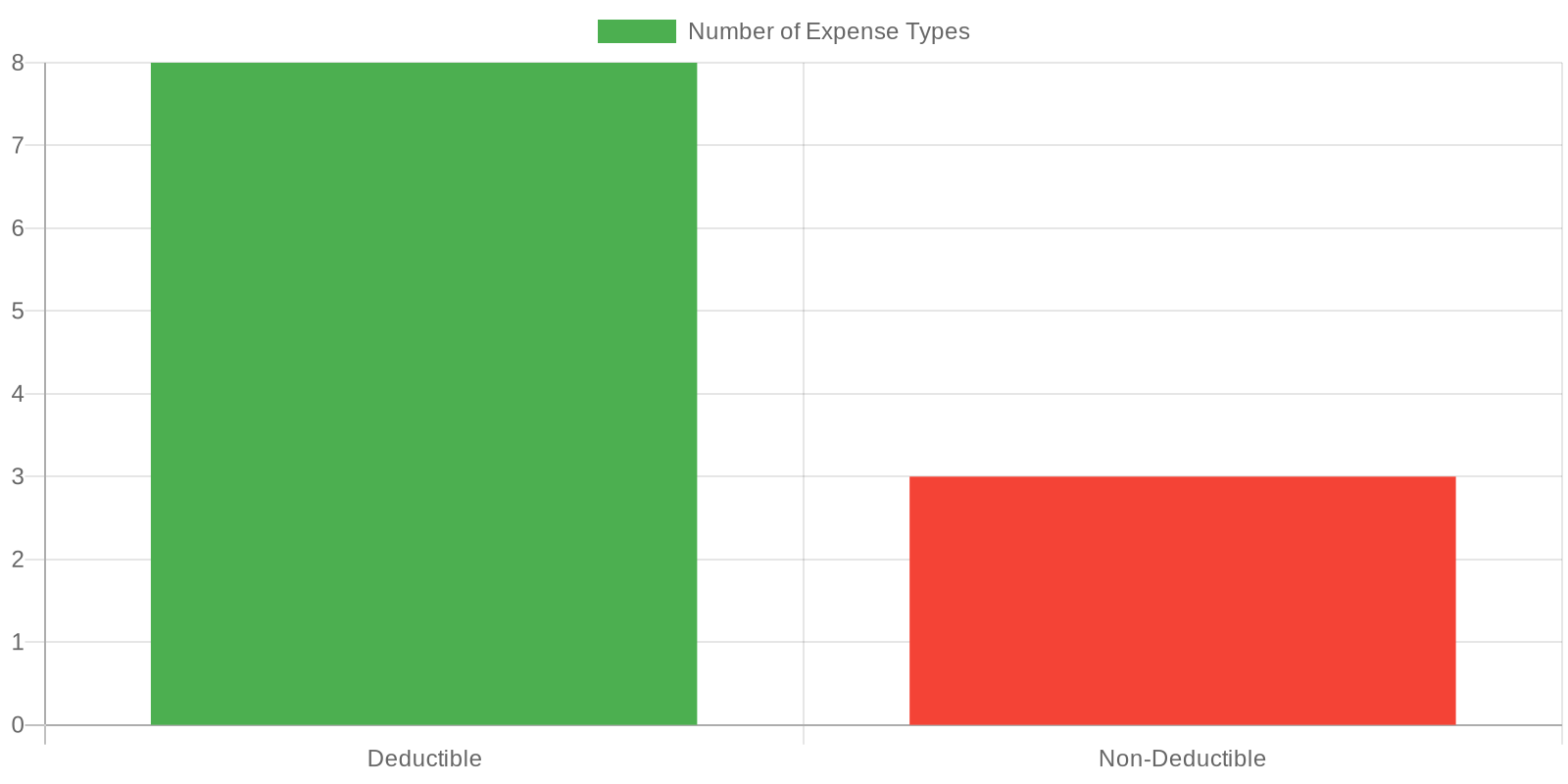
Understanding vehicle expense deductions is crucial for self-employed individuals. Here’s a comprehensive table comparing deductible versus non-deductible vehicle expenses, along with eligibility criteria:
| Expense Type | Description | Deductible? | Eligibility Criteria |
|---|---|---|---|
| Mileage (Standard Rate) | The IRS standard mileage rate for business use of a vehicle. For 2026, this is $0.67 per mile. | Yes | Must be used for business purposes; must keep a log of miles driven for business. |
| Actual Expenses (Direct Costs) | Includes gas, oil, repairs, maintenance, insurance, registration fees, and depreciation. | Yes | Only the portion of expenses attributable to business use (e.g., 40% if 40% of driving is for business). |
| Depreciation | The decrease in value of the vehicle over time due to wear and tear. | Yes | Only the business-use percentage of depreciation is deductible. |
| Lease Payments | Monthly payments for a leased vehicle used for business. | Yes | Only the business-use portion of lease payments is deductible. |
| Interest on Vehicle Loans | Interest paid on a loan taken out for purchasing a vehicle used for business. | Yes | Only the business-use portion is deductible. |
| Parking Fees and Tolls | Costs incurred while driving for business purposes. | Yes | Directly related to business travel. |
| Vehicle Cleaning and Detailing | Costs for cleaning or detailing a vehicle used for business. | Yes | If the vehicle is used for business, cleaning costs are deductible as a percentage of business use. |
| Home Office Use (if applicable) | A portion of vehicle expenses may be allocated if home office is used for business. | No (directly) | Not directly deductible unless it’s part of a broader home office deduction. |
| Personal Use of Vehicle | Driving for personal reasons such as commuting to work, shopping, or family trips. | No | Cannot be deducted regardless of vehicle ownership type. |
| Entertainment-Related Driving | Driving to or from business meals or client entertainment events. | No | While the meal may be partially deductible, transportation is not unless part of a larger business trip. |
| Non-Business Commuting | Daily travel between home and a regular workplace (unless self-employed with no fixed office). | No | Generally not deductible for employees; self-employed individuals may deduct only if they have no fixed office location. |
Sources: Internal Revenue Service (IRS) – Publication 463, 16 Tax Deductions and Benefits for the Self-Employed – TurboTax Blog
By knowing what vehicle expenses are deductible, self-employed individuals can maximize their deductions, reduce taxable income, and ultimately save on taxes. For more tips on vehicle-related expenses, you can learn more about vehicle maintenance and deductions or discover more on vehicle tricks that can help improve your efficiency.
Overview of Vehicle Maintenance Expenses
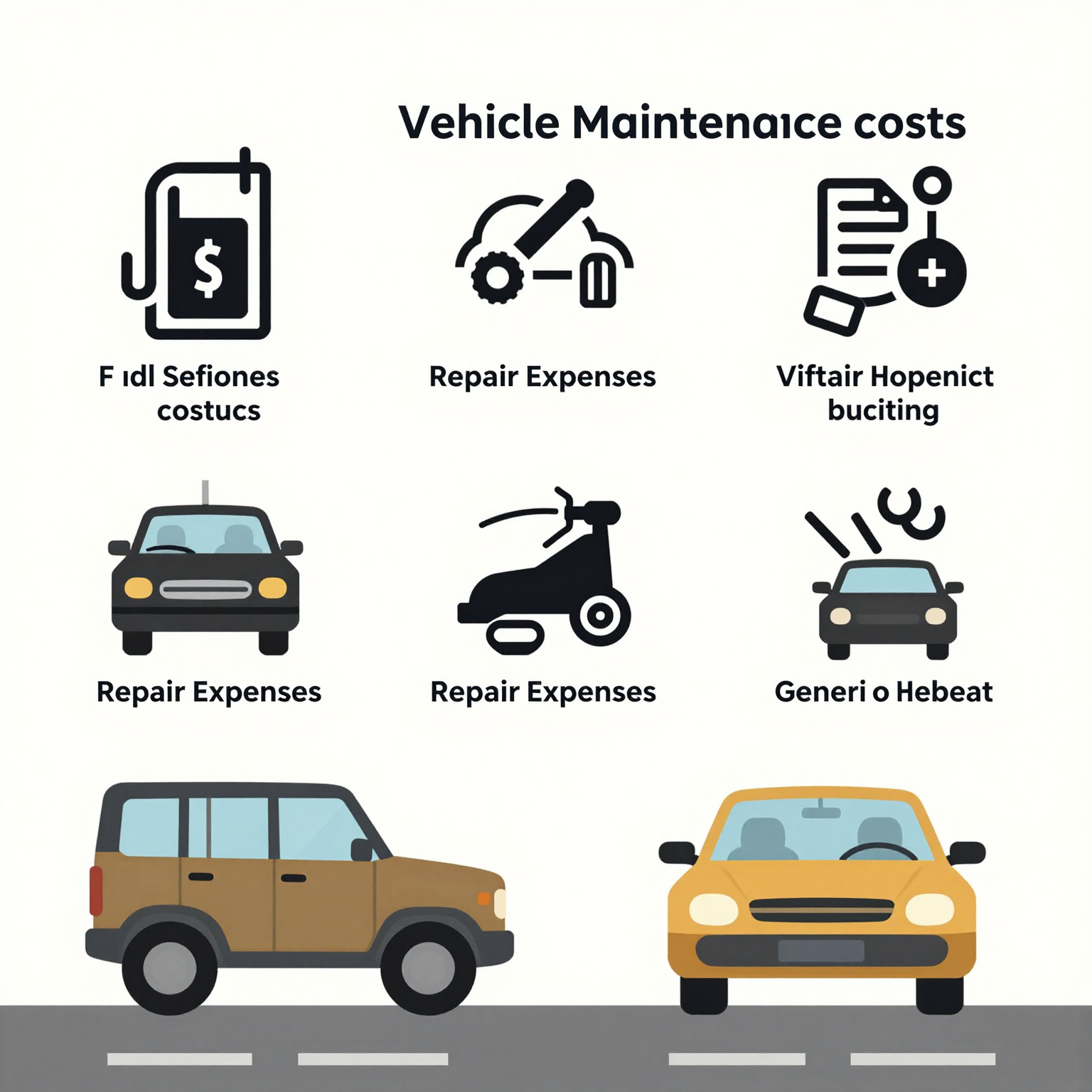
As a self-employed individual, managing your vehicle maintenance expenses is essential not just for the longevity of your vehicle but also for maximizing your tax deductions. Understanding which expenses you can claim helps in reducing your taxable income. Here are some common vehicle maintenance expenses and examples of their relevance:
1. Oil Changes
Regular oil changes are crucial for keeping your vehicle running smoothly. Typically recommended every 5,000 to 7,500 miles, these services usually cost between $50 to $100. By maintaining your vehicle’s oil, you prevent engine wear and ensure optimal performance. Check out more about vehicle maintenance tips here.
2. Tire Replacements
Tires are one of the most critical components of vehicle safety and performance. A good set of tires can cost anywhere between $500 to $800 depending on the brand and vehicle type, lasting between 30,000 to 50,000 miles. Familiarizing yourself with the importance of tire maintenance can lead to better budgeting for replacements.
3. Routine Repairs
Routine repairs, such as brake servicing or minor engine repairs, typically range from $400 to $600 annually. These costs are essential to ensure the vehicle operates efficiently and safely.
4. Total Vehicle Maintenance
On average, you can expect to spend between $950 to $1,500 yearly on overall vehicle maintenance, which includes oil changes, tire replacements, and routine repairs. Keeping detailed records can help you justify these expenses during tax time.
IRS Guidelines on Vehicle Maintenance Deductions
For self-employed individuals, understanding the IRS guidelines on vehicle maintenance deductions is crucial to maximizing business expenses and minimizing tax liabilities. According to the IRS, vehicle expenses incurred for business use are fully deductible if the car is used exclusively for business purposes. However, if the vehicle is also used for personal reasons, only the percentage of its business use can be claimed.
Deduction Options
There are two primary methods for calculating vehicle maintenance deductions:
-
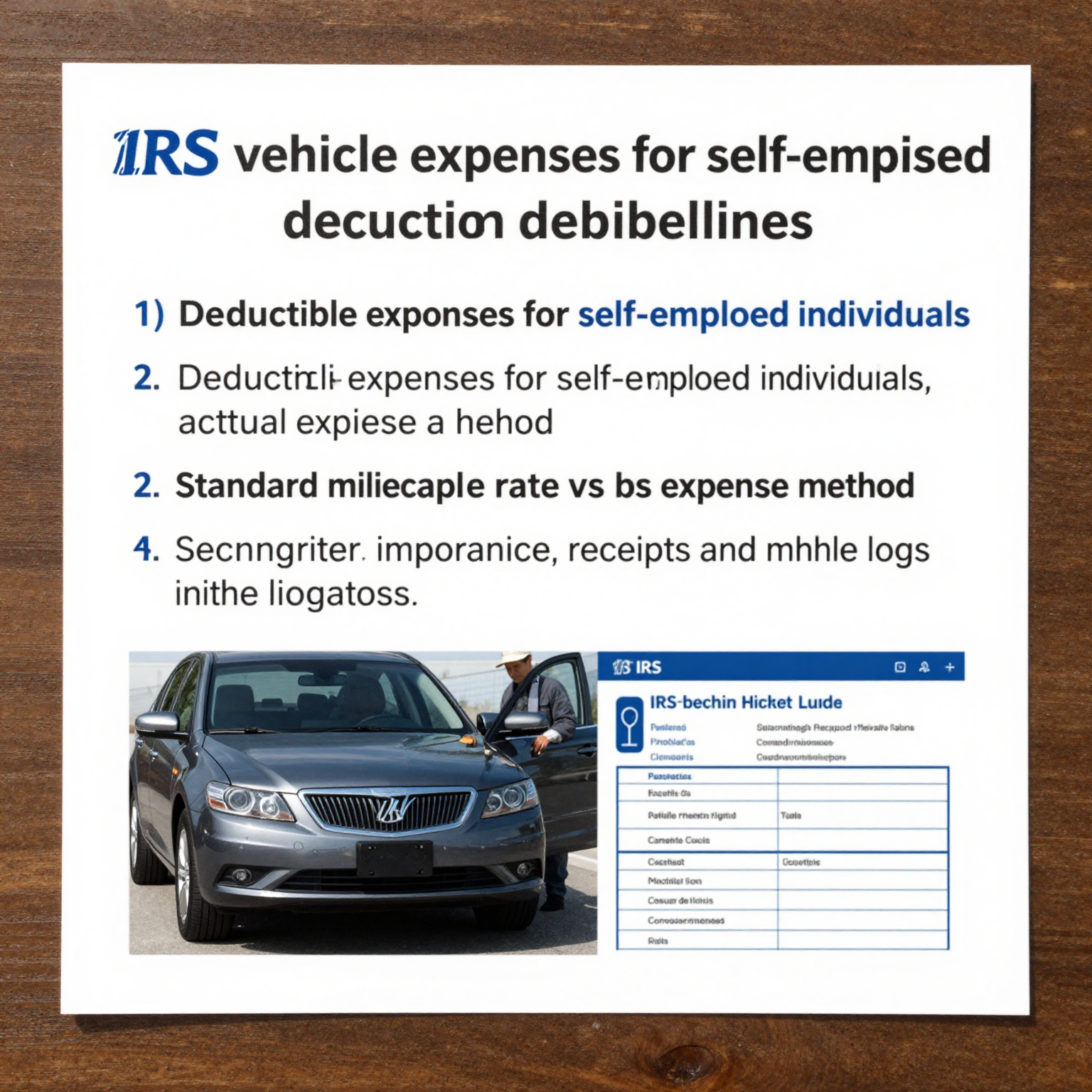
Standard Mileage Rate: For 2024, the IRS standard mileage rate is 67 cents per mile. If you choose this method, you can’t separately deduct actual maintenance costs.
-
Actual Expense Method: This option allows you to deduct actual vehicle maintenance costs-such as repairs, oil changes, tire replacements, and insurance-all proportionate to the business use of the vehicle. This method requires meticulous record-keeping, including receipts and a detailed log of business-driven miles.
Importance of Record-Keeping
Maintaining comprehensive records is essential for substantiating your deductions. The IRS recommends keeping:
- Receipts for all vehicle-related expenses.
- A mileage log documenting business-related trips.
Failure to keep adequate records can result in disallowed deductions during an audit, undermining your potential tax savings. For more information, check the official IRS guidelines on business use of a car.
Record-Keeping Best Practices for Vehicle Maintenance Expenses
Keeping meticulous records of vehicle maintenance expenses is crucial for business owners, especially when it comes to tax claims and reducing operational costs. Here are some best practices to follow:
1. Keep Detailed Documentation
Maintain a record of every expense relating to vehicle maintenance. This should include:
- Receipts: Keep all receipts from service providers to verify expenses.
- Service Invoices: Store invoices from repairs and maintenance work done on the vehicle, as they often detail the services provided.
- Mileage and Usage Logs: Document the date, mileage, and purpose of each trip. This can help differentiate between personal and business use, a key factor in tax deductions.
- Photos: Taking photos of repairs or services can also be helpful for future references or warranty claims.
2. Use Digital Tools and Software
Leveraging technology can simplify the record-keeping process. Consider using:
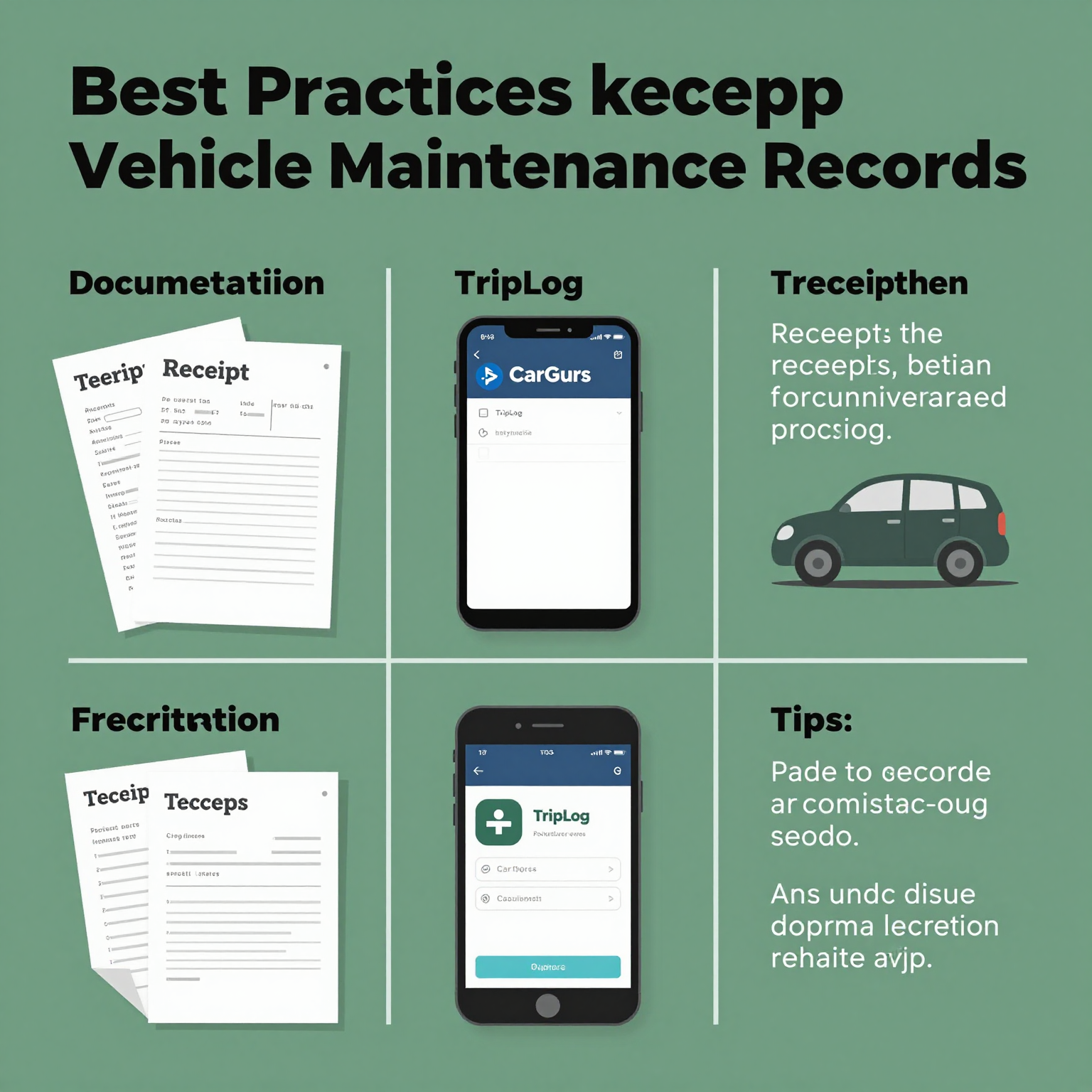
- Apps: Tools like CarGurus and TripLog can automatically log maintenance expenses, track warranty statuses, and generate detailed reports. These applications often allow you to link your vehicle’s VIN, ensuring you have easy access to your vehicle’s repair history.
- Spreadsheets: If you prefer a more hands-on approach, a digital spreadsheet can be customized to track various aspects of your vehicle expenses, including maintenance, fuel, and insurance.
3. Organize Your Records
Create a streamlined filing system, either digitally or physically. You might use:
- Folders for each vehicle: Keep a separate folder for each vehicle containing all maintenance records, receipts, and invoices to avoid confusion.
- Cloud Storage: Store digital copies of documents in a secure cloud service for easy access and backup.
4. Regular Updates and Reminders
It’s essential to update your records after each maintenance service, as it ensures accuracy over time. Setting reminders for scheduled maintenance can help prevent missed services and keep your vehicle in optimal condition. Tools like Google Calendar can assist in maintaining these schedules.
Conclusion
By adopting these record-keeping best practices, business owners can effectively manage vehicle maintenance expenses, improve financial organization, and optimize tax claims. Remember to learn more about vehicle maintenance expenses and how to track them effectively for your business needs.
“Accurate record-keeping and reporting of vehicle maintenance expenses are crucial for ensuring tax compliance and maximizing profits. Regular upkeep, maintenance, and parts replacement can all be deductible expenses. Failing to report these accurately can lead to increased tax liabilities and audit risks.”
- IRS Tax Expert
Common Mistakes to Avoid in Vehicle Maintenance Tax Claims
Self-employed individuals often face challenges when it comes to vehicle maintenance tax claims. Avoiding these common mistakes can prevent issues with the IRS and help you maximize your deductions:
-
Failing to Maintain Accurate Records: Not keeping a detailed logbook of business mileage and the purpose of each trip can lead to denied deductions. The IRS requires documentation that includes date, starting and ending mileage, destination, and business purpose for each trip. For more details on how to manage this, check out this IRS guide.
-
Overstating Business Use: Claiming 100% business use for a vehicle that is also used for personal errands violates IRS guidelines and can trigger audits.
-
Mixing Personal and Business Expenses: Not clearly separating maintenance costs between personal and business use can lead to errors. Only the business-use portion of maintenance costs is deductible.
-
Inconsistent Calculation Methods: Switching between the standard mileage rate and actual expenses without justification is problematic. Consistency is crucial.
-
Not Retaining Receipts: Failing to keep receipts for maintenance and repairs can result in denied claims during audits. Make sure to document every expense clearly.
In conclusion, claiming vehicle maintenance expenses is crucial for self-employed individuals looking to minimize their tax burdens and maximize their deductions. As outlined throughout this article, vehicle maintenance expenses, including oil changes, repairs, and cleaning costs, can be fully deductible if they are necessary for business operations. It’s vital to note that deductions can be claimed using either the actual expense method or the standard mileage rate method, but accurate record-keeping is essential for both. The IRS specifically requires self-employed individuals to maintain detailed logs of business-related vehicle use, including mileage and expenses, to substantiate claims in case of an audit.
Moreover, keeping accurate records not only ensures you are compliant with tax laws but also plays a significant role in successfully handling your tax returns. Learn more about tax deductions for self-employed individuals. Therefore, we encourage all self-employed business owners to invest time in organizing and maintaining meticulous records of their vehicle expenses. This proactive approach can lead to potential savings and peace of mind during tax season. Remember, every dollar counts when it comes to running a successful business!