
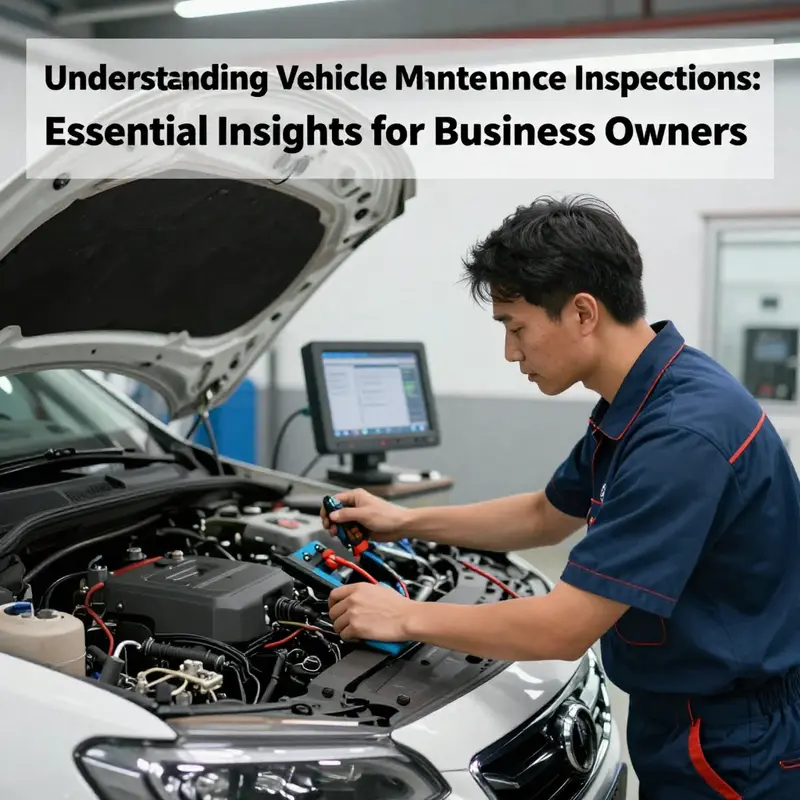
A thorough vehicle maintenance inspection is crucial for any business owner operating vehicles. From ensuring optimal performance to adhering to legal requirements, these inspections serve a multifaceted purpose. By delving into the key components of a vehicle maintenance inspection, understanding the legal requirements involved, and recognizing the numerous benefits of regular inspections, business owners will be equipped to maintain their fleets efficiently and legally. This understanding not only protects investments but also contributes to enhanced safety and performance on the road.
What Inspectors Check: The Essential Components of a Vehicle Maintenance Inspection
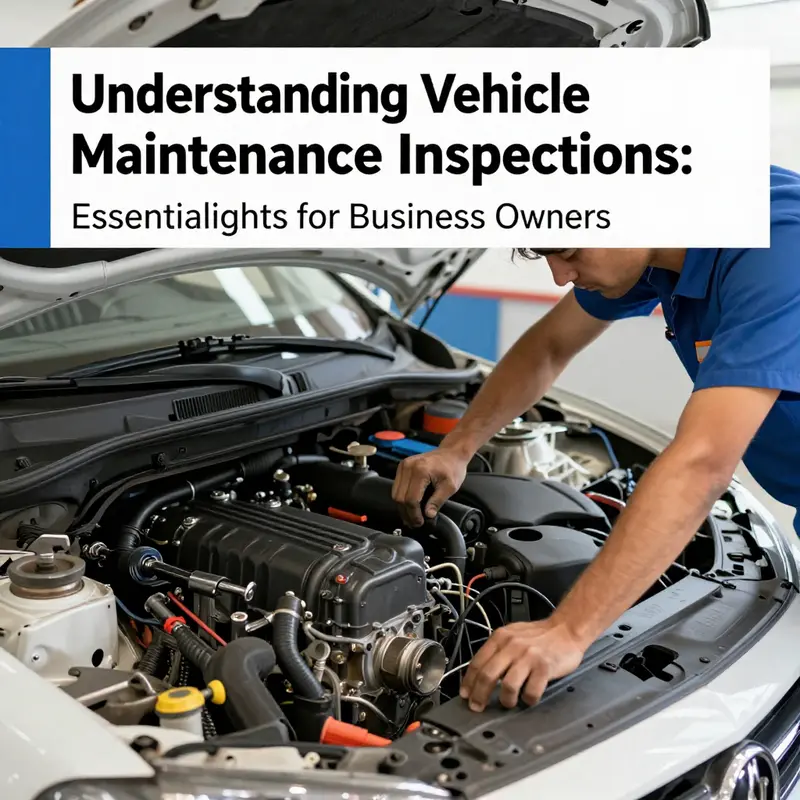
A vehicle maintenance inspection is more than a checklist. It is a deliberate scan of the systems that keep a car safe, reliable, and efficient. When conducted properly, the inspection finds small problems before they become big ones. It also confirms that critical safety features still perform under stress. This chapter walks through the essential components inspectors examine, why each matters, and what common findings mean for everyday drivers.
At the center of every inspection is the braking system. Brakes turn momentum into stop power, and any compromise in that system is immediate danger. Inspectors look at brake pads and shoes for thickness and uneven wear. They examine rotors and drums for scoring, warping, or blueing that signals overheating. Calipers and wheel cylinders are checked for leaks and proper movement. Hydraulic lines and hoses are inspected for cracks or bulging that could cause sudden loss of pressure. Brake fluid condition is verified because contaminated or low fluid undermines pedal feel and increases stopping distance. A squeal, vibration, or a soft pedal during testing leads technicians to dig deeper. These seemingly small signs guide repairs that restore full stopping performance and prevent expensive damage to other brake components.
Lighting systems are often overlooked by drivers. Yet lights are fundamental to safe driving at night and in poor weather. During an inspection, technicians test every external lamp: headlights on both low and high beams, daytime running lights, turn signals, brake lights, reverse lamps, fog lights, and hazard flashers. They check for bulbs that are dim, intermittently working, or completely out. Lens condition matters too; hazed or cracked lenses reduce output and can scatter light unpredictably. Wiring and connectors receive attention because corrosion or loose connections can create intermittent failures. Dashboard indicator lights also get scanned. A non-working bulb or failed module affects visibility for the driver and for other road users, making repairs a safety priority.
The exhaust and emission control system links vehicle performance to environmental outcomes. Inspectors evaluate tailpipe emissions and function of key components like the catalytic converter and oxygen sensors. They look for visible leaks in the exhaust path, damaged heat shields, and rust that could weaken pipes. Poor combustion, caused by faulty sensors or worn ignition parts, raises emissions and reduces fuel economy. Testing may include a computerized emissions readout or a simple visual and olfactory check for excessive smoke. In many regions, emission standards are enforced legally, and a failed emissions test requires repairs to bring the vehicle into compliance. Proper operation of the exhaust system also protects occupants by preventing carbon monoxide ingress.
Suspension and steering are next in line because they directly affect handling and driver control. Inspectors assess shocks, struts, and springs for signs of leaking fluid, broken mounts, or sagging. Worn suspension components allow excessive body roll, reduce traction, and cause uneven tire wear. Steering linkages, tie rods, ball joints, and steering rack boots are checked for looseness or play. Any slop in these parts can make steering vague and reduce the driver’s ability to react. Wheel alignment checks are common because misalignment transfers stress to suspension components and reduces tire life. A vehicle that pulls to one side, experiences a shimmy at speed, or feels unstable over bumps usually points to suspension or steering wear that needs timely attention.
Tires and wheels often tell the story of a vehicle’s overall health. Inspectors measure tread depth and look for inconsistent wear patterns, which may indicate alignment or suspension issues. Tire pressure is checked against manufacturer specifications because under- or over-inflation affects braking, handling, and fuel efficiency. Sidewall damage, bulges, and embedded objects are examined since these problems can cause sudden blowouts. Wheel condition is also important; bent rims or loose lug nuts can lead to vibrations and potential wheel loss. Rotations and balancing history are considered because regular rotation prolongs tire life and maintains even traction.
Fluid levels and their condition form the circulatory system of a vehicle. Inspectors verify engine oil level and color, looking for contamination or rapid degradation that suggests internal wear or leaks. Coolant level and concentration are checked to prevent overheating and corrosion. Brake fluid is inspected for color and clarity; dark fluid often indicates moisture contamination that reduces boiling point and braking performance. Transmission fluid is examined if accessible, with attention to level and odor; burnt or dark transmission fluid signals internal friction or slipping. Power steering fluid and windshield washer fluid are also verified. Low levels can indicate leaks or poor maintenance habits. Fluids reveal the recent history of a vehicle and often point to looming mechanical issues.
Modern vehicles rely heavily on electronics, so the electrical system gets special attention. Batteries are tested for charge and health because a weak battery causes starting and charging problems. Alternator output is measured to ensure the charging system maintains proper voltage. Wiring harnesses and fuses are inspected for signs of overheating or chafing. Technicians will also scan onboard diagnostic systems using a scan tool. Reading fault codes helps pinpoint malfunctioning sensors, misfires, or control module errors. A dashboard warning lamp may seem minor, but a stored fault code often reveals a condition that affects emissions, safety systems, or drivability.
Vehicle identification and documentation are practical but essential elements of a formal inspection. Inspectors verify the Vehicle Identification Number (VIN) against the registration and title. They check license plates and registration status. Any unauthorized modifications—lift kits, oversized tires, or altered lighting—are noted because they can affect safety or legality. Structural damage, like mismatched welds or repaired crumple zones, receives scrutiny because it can compromise crash performance. Proper documentation and identification ensure the vehicle on the road matches official records and meets regulatory expectations.
Safety features extend beyond seat belts and airbags. Modern inspections evaluate seat belt anchors and retractors for wear or damage. Airbag indicator lamps are checked; a persistent warning light usually means a fault exists in the restraint system. Child seat anchor points are reviewed when applicable. Electronic stability control and traction control systems are tested or checked for fault codes. These systems play a crucial role in preventing loss-of-control incidents, especially on slippery surfaces. Ensuring they are functional is part of keeping both occupants and other road users safe.
Many inspections also include a functional road test. This is the opportunity to detect issues that appear only under load or at speed. During the road test, technicians pay attention to acceleration, shifting, steering response, braking behavior, and unusual noises. Heat-related issues may show up after a period of driving, while vibrations can become apparent at specific speeds. A competent road test ties together visual and diagnostic findings and ensures any recommended repairs actually resolve the perceived problems.
Diagnostic testing has grown more central to the inspection process. A scan tool can read real-time data from engine, transmission, ABS, and airbag modules. Testers look for pending and stored trouble codes and evaluate freeze-frame data to understand the conditions that triggered a fault. Emissions-related systems, like EVAP canisters and oxygen sensors, often reveal faults through stored codes before a driver notices a problem. Computerized testing shortens inspection times and increases accuracy, making it possible to address issues proactively.
Frequency and depth of inspections depend on vehicle type, age, and usage. Commercial vehicles usually face stricter annual or semi-annual inspections. Passenger vehicles may follow manufacturer service intervals or legal inspection cycles. High-mileage or older vehicles often need more thorough checks because wear accumulates. Seasonal inspections before winter or summer trips focus on climate-specific needs, such as cooling system performance or battery capacity in cold weather.
Understanding inspection findings empowers owners. A report that flags uneven tire wear points to an alignment need or suspension problem. A yellow brake pad warning suggests upcoming replacement, while a red flag for hydraulic leaks demands immediate attention. Not all findings require immediate repairs, but informed prioritization helps drivers allocate budget and time. Preventive repairs keep small issues from escalating into costly failures.
Recordkeeping matters. A clear history of inspections and repairs increases the vehicle’s resale value. It also helps technicians spot recurring issues. When a new symptom appears, past records guide diagnosis and can prevent redundant parts replacement. Simple things like logging oil changes, tire rotations, and brake services go a long way toward preserving performance and safety.
Inspections also connect to fuel economy and emissions. A well-tuned engine with properly inflated tires and a healthy exhaust system consumes less fuel. Replacing a clogged air filter, repairing a dragging brake caliper, or fixing a faulty oxygen sensor often restores lost efficiency. That link between maintenance and cost of operation is a practical incentive for regular inspections.
For drivers who prefer hands-on checks, several inspection tasks are simple to perform. Checking tire pressure and tread depth takes minutes. Visual inspection of fluid levels, belts, and hoses can reveal leaks or cracks. Functioning lights are easy to test with help from another person. For deeper issues—brake hydraulics, suspension disassembly, or electronic module repair—seek professional technicians with proper tools.
Finally, inspections fit into broader regulatory frameworks. Many jurisdictions mandate annual checks that include emissions and safety testing. Commercial fleet operators must comply with more stringent schedules. Understanding local requirements ensures legal compliance and avoids fines or registration denials. For official guidelines in some regions, consult government resources like the vehicle inspection page at the end of this chapter.
A comprehensive inspection gives a snapshot of a vehicle’s current condition and a roadmap for future care. It covers the braking, lighting, exhaust, suspension, tires, fluids, electrical systems, documentation, and safety systems. Combining visual checks, functional tests, road tests, and diagnostics offers the best chance to catch problems early. Regular inspections protect safety, preserve value, and reduce long-term costs. For an overview of basic vehicle maintenance and how inspections fit into a care plan, see this guide on what is vehicle maintenance: https://vehicletricks.com/blog/what-is-vehicle-maintenance/.
For official inspection requirements and more details on regional testing standards, consult your local vehicle inspection authority: https://www.gov.bc.ca/vehicleinspection
How the Law Shapes Vehicle Maintenance Inspections: Rules, Responsibilities, and Risks
Legal frameworks and what they mean for drivers
A vehicle maintenance inspection sits at the intersection of engineering, public safety, and law. Governments create inspection rules to reduce accidents, limit pollution, and make sure vehicles remain safe over their service life. Those laws rarely look the same from one jurisdiction to another, but they share common aims, methods, and consequences. Understanding how these legal frameworks operate helps drivers and fleet managers meet obligations, avoid penalties, and keep vehicles on the road safely.
At their core, legal inspection regimes define three things: who must be inspected, how often inspections occur, and what items must be checked. Lawmakers balance public safety against practical burdens on owners. For newer vehicles, inspection frequency is often lower. Older vehicles, commercial fleets, and high-mileage cars attract closer scrutiny. In many places, the law also prescribes who may perform inspections. Certified inspection centers and licensed technicians must follow standardized procedures. That ensures results are consistent and trustworthy across locations.
The range of items covered in legally mandated inspections tends to reflect obvious safety risks and environmental concerns. Brakes, steering, suspension, lights, tires, seat belts, and windshield wipers are almost always on the list. Exhaust and emission control systems are checked where emissions law applies. Inspectors look for structural integrity and signs of corrosion when relevant. More modern inspections add diagnostic scans to read fault codes from on-board computers. Where emissions rules apply, tailpipe measurements or OBD-II checks confirm compliance.
Although federal laws can influence inspection policy, much practical regulation happens at state, provincial, or national levels. That creates important differences for vehicle owners who move, buy used cars from other jurisdictions, or operate cross-border fleets. Drivers must know both local rules and any requirements tied to registration or business licensing.
United States: state-driven inspection programs
In the United States, there is no single federal mandate for routine vehicle inspections. Instead, states set their own requirements. That means inspection frequency, scope, and enforcement vary widely. Some states require annual or biennial inspections focused on safety. Others mandate emissions testing in metropolitan areas with air quality concerns. A common division is between safety inspections and emissions inspections. Safety checks emphasize brakes, lights, steering, and tires. Emissions testing targets the exhaust system and diagnostic trouble codes.
California provides a clear example of a strong, state-level emissions program. Vehicles in many California counties must pass a Smog Check every two years. Older vehicles and high-emission models face stricter testing. Failure to pass can block registration renewal until repairs are completed and the vehicle meets standards. Non-compliance can lead to fines and administrative consequences. Across the U.S., other states maintain similar but varied programs, reflecting local air quality priorities and budgets.
When a state requires inspections, it generally specifies who may perform them. Authorized inspection stations must follow standardized checklists. Technicians often complete certification to maintain the station’s authorization. Records are typically logged into state databases, making it easy for registration offices to verify compliance. That system also helps insurers and law enforcement confirm vehicle status when needed.
European Union: harmonized periodic technical inspections
The European Union follows a more uniform approach for its member states. EU-wide directives set minimum inspection standards and intervals. Directive 2014/45/EU, for example, sets out timelines and key requirements for passenger cars. Under that framework, the first inspection typically occurs four years after initial registration, followed by regular annual checks. EU rules emphasize both safety and environmental compliance. Member states implement inspections through national programs, but the inspection content remains aligned across borders.
In practice, these periodic technical inspections—known by local names like MOT in the UK or TÜV in Germany—test brake performance, tire condition, lighting, structural integrity, and emissions. Inspections combine visual checks with functional tests. Non-compliant vehicles can be declared unroadworthy. Legal penalties range from fines to prohibition from driving until problems are resolved. The EU’s harmonized approach helps when cars cross borders, as the inspection standards are broadly consistent between countries.
Canada: provincial responsibility and variation
Like the U.S., Canada delegates inspection authority to provinces. That produces variation in frequency and scope. Ontario, for instance, requires light vehicles to pass a Ministry of Transportation inspection to meet safety standards when certain events occur, such as transferring ownership. Other provinces, like British Columbia and Quebec, have their own schedules and priorities. Inspections often cover brakes, lights, seat belts, windshield wipers, and emissions where local laws require emissions testing.
Because provinces enforce different rules, owners who move between provinces must familiarize themselves with the new requirements. Used car buyers should verify that past inspections and any required repairs are documented. Provincial systems also use authorized shops and official stickers or certificates to signify compliance.
What inspectors actually check and how they do it
Although legal requirements vary, inspection routines follow a predictable logic. Visual inspections identify obvious defects and wear. Functional tests measure whether systems perform to regulatory thresholds. Diagnostic scans read fault codes to reveal hidden electrical or engine problems. Emissions testing uses tailpipe analyzers or OBD monitors to confirm compliance with pollution standards.
Brake systems are examined for pad wear, fluid leaks, and performance in specific tests. Steering and suspension receive checks for play, worn components, and alignment issues. Lighting systems are tested for correct operation and beam aim. Tires are evaluated for tread depth and condition. Seat belts are tested for correct function and secure mounting. Structural inspections look for damage that compromises crash protection.
In many jurisdictions, inspectors follow checklists set by regulatory agencies. Those checklists are part of training and certification programs. States and provinces maintain databases that store inspection results. That creates an auditable record that supports enforcement and helps prospective buyers check a vehicle’s history.
Consequences of non-compliance and how they affect liability
Missing legally required inspections or operating a vehicle that fails and remains unrepaired creates multiple risks. Financial penalties and fines are common. In some places, failure to produce a valid inspection certificate can block registration renewal. Severe or repeated violations may lead to impoundment or criminal charges if the vehicle causes harm.
Insurance implications are significant. Many policies include clauses that reduce or deny coverage if a vehicle is unroadworthy or if required inspections are missing. That can leave owners financially exposed after a crash. From a legal perspective, operating a vehicle known to be unsafe strengthens liability claims against the owner if an accident occurs. For commercial operators, non-compliance can lead to larger fines and loss of operating licenses.
Commercial fleets face higher expectations because of the public safety risks they pose. Laws often require more frequent inspections for heavy trucks, buses, and vehicles used for passenger transport. Regulators may demand detailed record-keeping, timed inspections, and immediate removal from service if critical defects are found. That creates a compliance burden, but it also reduces the probability of catastrophic failures on public roads.
Preparing for an inspection and managing results
Knowing what to expect reduces the chance of costly failures. Regular preventive maintenance keeps common problem areas within acceptable limits. Drivers should maintain basic systems like tires, brakes, lights, and windshield wipers. Keeping service records and receipts helps demonstrate a history of care if questions arise during inspection.
If a vehicle fails an inspection, owners usually receive a written list of defects. Most jurisdictions allow a specified time window to repair the vehicle and return for reinspection. Certified repair shops can correct defects, and reinspection fees are typically lower than the initial test cost. In some systems, minor failures trigger advisories rather than prohibitions, while critical failures require immediate repair before the vehicle can be driven on public roads.
Special cases and evolving trends
Several special cases complicate the legal landscape. Classic or historic vehicles often qualify for exemptions or modified testing schedules. Electric vehicles typically face the same safety inspections as conventional cars, but emissions testing may be different or unnecessary. Low-mileage or kept-off-road vehicles sometimes enjoy reduced oversight. Each exemption is defined in law and must be applied carefully.
Digital trends are changing inspection practices. On-board diagnostics enable remote checks and continuous monitoring. Some jurisdictions experiment with mobile inspection services, where officials visit a vehicle rather than requiring it to travel to a station. Digital records and tamper-resistant databases make it harder to falsify certificates. Still, counterfeit inspection stickers and fraudulent documentation remain problems where oversight is weak.
A practical checklist for legal compliance
- Know your jurisdiction’s inspection schedule and scope. Rules can change; check local agencies regularly.
- Keep service records and receipts. Documentation supports compliance and helps with resale value.
- Perform routine maintenance on brakes, tires, lights, and critical safety systems between inspections.
- Address dashboard warnings promptly. Fault codes often trigger inspection failures.
- Use authorized inspection centers to avoid invalid certificates.
- If you fail an inspection, obtain a detailed report and prioritize repairs that affect safety.
- Fleets should develop a compliance calendar and centralized record-keeping to avoid missed inspections.
Where to find authoritative information
Local motor vehicle departments and transportation agencies publish inspection rules, checklists, and certified station lists. These resources explain timelines and legal consequences. If questions persist, licensed inspection centers and certified technicians can clarify technical details.
If you want a refresher on the basics of vehicle upkeep and what routine maintenance includes, review this primer on what is vehicle maintenance. It outlines the maintenance tasks that keep a car ready for inspection and road use.
Regulatory details and further reading
For policymakers and practitioners seeking the regulatory base used in many discussions of inspection policy, official sources are the best reference. One foundational resource on inspection and maintenance requirements is provided by the National Highway Traffic Safety Administration: https://www.nhtsa.gov/vehicle-safety/vehicle-inspection-and-maintenance-requirements
Why Regular Vehicle Maintenance Inspections Pay Off: Safety, Savings, and Longevity
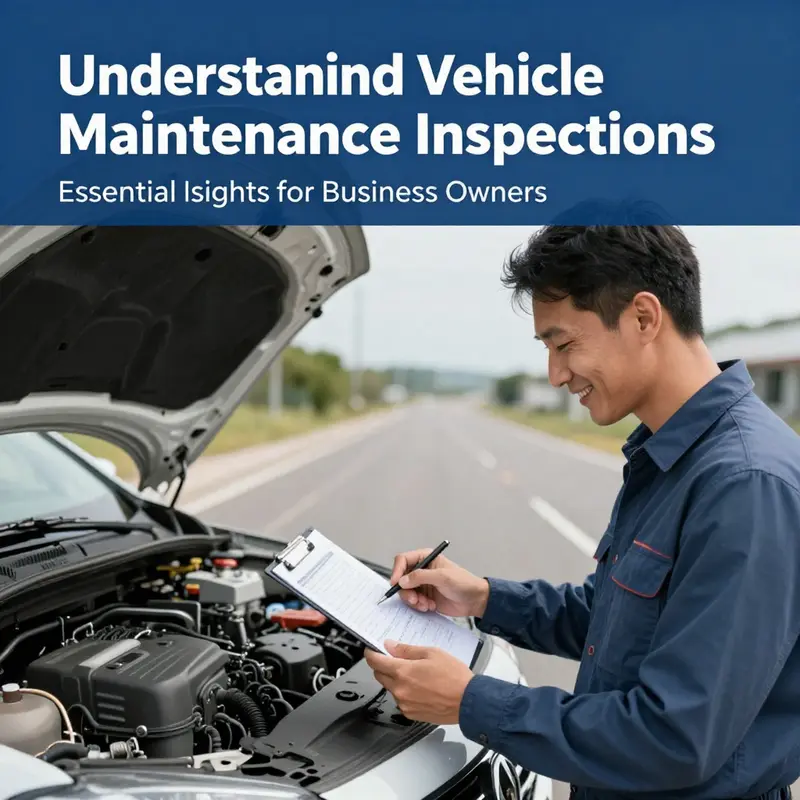
Why regular vehicle maintenance inspections pay off: safety, savings, and longevity
A routine vehicle maintenance inspection is more than a checklist. It is a proactive strategy that preserves safety, performance, and value. When performed consistently, inspections catch small faults early. They prevent sudden breakdowns and reduce the chance of costly repairs later. This chapter explains how those benefits unfold across day-to-day driving, long-term ownership costs, environmental impact, and legal responsibilities.
Regular inspections start by verifying the integrity of systems that matter most in an emergency. Brakes, tires, steering, and lighting are inspected visually and, when needed, measured or tested. Brake pads and rotors are checked for thickness, fluid is examined for contamination, and lines are inspected for leaks. Tires are checked for tread depth, pressure, and unusual wear patterns. Lighting checks cover headlights, brake lights, turn signals, and dashboard indicators. These checks are simple, but they reduce real risks. For example, adhering to recommended brake pad replacements can reduce stopping distance on wet roads by 3.2 to 5.7 meters. That distance can be the difference between avoiding a collision and a serious incident.
Beyond brakes, regular inspections assess steering and suspension components. Worn tie rods, loose ball joints, or degraded bushings can produce unpredictable handling. Servicing the steering system lowers mechanical failure rates by roughly 42 percent. That figure reflects fewer sudden breakdowns and improved control when evasive maneuvers are needed. A well-aligned suspension also reduces driver fatigue. The vehicle responds predictably to inputs and tracks straight on the highway, which helps drivers maintain focus and confidence.
Lighting and visibility systems are often overlooked, yet they play a large role in accident prevention. A malfunctioning headlight or a dim taillight lowers visibility significantly. Inspections identify failing bulbs, corroded sockets, and wiring faults before they create dangerous conditions. Maintaining proper visibility reduces nighttime accident risks by up to 28 percent, a measurable safety gain for commuting and long-distance driving.
Performance and reliability follow directly from these safety checks. Engines that receive timely oil and filter changes resist wear. Changing engine oil every 5,000 to 8,000 kilometers, depending on oil type and manufacturer guidelines, can reduce metal-to-metal wear by 36 to 47 percent. Less wear preserves horsepower, lowers oil consumption, and reduces the likelihood of major engine repairs. Similarly, keeping the cooling system in good condition maintains engine temperature within the ideal range of about 90–115°C. That prevents overheating and the damage that follows, such as warped heads or failed head gaskets.
Fuel delivery and ignition systems are also part of the inspection routine. Dirty fuel injectors and poorly adjusted ignition timing lead to incomplete combustion. This produces rough acceleration, loss of power, and higher emissions. Cleaning injectors, replacing worn spark plugs, and correcting timing restores smooth acceleration and steady power output. When these elements work properly, the engine breathes and burns efficiently, which improves daily driveability and reduces stress on transmission and drivetrain components.
Wheel alignment and tire maintenance offer clear performance payoffs. Misalignment can accelerate tire wear and reduce fuel economy. A periodic four-wheel alignment reduces abnormal tire wear by as much as 60 percent. That slows the pace of tire replacement and preserves ride comfort. Tires that wear evenly maintain traction and handling balance, improving both safety and fuel efficiency. Coupled with correct tire pressures, alignment contributes to a smoother ride and steadier steering.
The economic advantages of regular inspections are substantial. Addressing small issues early avoids major repairs. A slow oil leak fixed promptly prevents low oil levels and catastrophic engine damage. A minor coolant hose replacement avoids a full overheating incident that might require head work or a new radiator. Data shows vehicles that follow manufacturer-recommended service schedules can reduce total maintenance costs over a decade by up to 47 percent compared to neglected vehicles. Those savings are cumulative: pay for small repairs now and avoid large expenses later.
Resale value is another financial benefit. A documented maintenance history signals reliability to buyers and dealers. Cars with complete service records can command residual values up to 15.8 percent higher than similar models lacking documentation. That premium often offsets maintenance expenses and makes regular inspections an investment rather than just a cost. For owners who plan to trade or sell, the inspection record becomes a tool for proving upkeep and justifying price.
Fuel economy is an economic and environmental advantage that inspections help protect. Properly tuned engines, clean air filters, accurate tire pressures, and corrected wheel alignment all keep fuel consumption near factory specifications. Regular maintenance helps vehicles stay within about a ±3 percent range of expected fuel use. That consistency translates into fewer visits to the pump and lower operating costs across the year. For those focused on reducing expenses, this link between maintenance and fuel efficiency is direct and measurable. For a deeper look at how maintenance reduces fuel spending, see the guide on how vehicle maintenance saves on gas expenses.
Inspections also reduce emissions and support environmental goals. Emission control systems are checked and tested during inspections. Sensors, catalytic converters, and exhaust systems are inspected for faults that increase pollutants like nitrogen oxides and carbon monoxide. Early repairs restore proper catalytic function and oxygen sensor readings. Vehicles that pass emission checks emit fewer harmful gases, a benefit for air quality in cities and for public health.
Many regions require formal inspections to maintain roadworthiness and to meet emission standards. Annual tests verify that a vehicle meets minimum safety and environmental requirements. These examinations often include diagnostic checks using onboard computer readings to detect stored fault codes. An inspection helps owners address any failing components before they become legal liabilities. Complying with inspection rules avoids fines, registration problems, and potential insurance complications. For clear guidance on regulated tests, the official government resource provides detailed procedures and requirements: https://www.gov.uk/service/mot-test
Safety, performance, and legal compliance are not the only advantages. Regular inspections improve the subjective driving experience. When a vehicle is maintained, it feels quieter, smoother, and more responsive. Steering drift, vibration, excessive road noise, and jerky acceleration are all symptoms that inspections can find and correct. That comfort matters for daily commutes and long trips. A reliable vehicle reduces anxiety and helps drivers focus on the road, not on looming repairs.
Routine inspections also create predictable maintenance cycles. Predictability simplifies budgeting and scheduling. When owners know what service is due and when, they can plan expenses and avoid emergency repairs. Many maintenance items follow clear mileage or time intervals. Oil changes, filter replacements, brake checks, and fluid top-ups fit into recurring patterns. Those patterns allow owners to spread costs over the year instead of dealing with large, unexpected bills.
There are intangible benefits to a disciplined inspection routine as well. A vehicle that is well cared for reflects responsible ownership. For leased vehicles, regular inspections help avoid end-of-lease penalties. For people who drive commercially, inspections reduce downtime and lost revenue. For families, inspections protect passengers by reducing the likelihood of in-transit failures.
Inspections also help detect hidden issues that otherwise go unnoticed. Electrical faults, for instance, can be intermittent. A technician performing a maintenance inspection is likely to notice early signs such as corrosion, weak battery readings, or intermittent warning lights. Locating wiring problems early prevents failures of essential systems like ignition, lighting, and safety sensors. Similarly, corrosion and rust are subtle at first. An inspection uncovers early corrosion on brake lines or chassis components, allowing targeted treatments that prolong component life.
Modern vehicles include complex electronics that require diagnostic scanning. During inspections, technicians connect scanners to read fault codes, record freeze-frame data, and interpret sensor outputs. This diagnostic capability pinpoints issues that a visual check might miss. It is particularly useful for emissions-related faults and for intermittent faults that trigger warning lights. Interpretation of codes within the inspection context leads to precise repairs, rather than guesswork.
An effective inspection program prioritizes preventive tasks. These tasks include fluid changes, filter replacements, belt and hose inspections, brake pad and rotor wear checks, and battery health tests. Preventive maintenance items are often inexpensive individually. Their cumulative effect is large, because they avoid component failures that require expensive labor or replacement parts. A cooling system flush and a new thermostat are modest expenses compared to repairing a seized engine or replacing a warped cylinder head.
Inspections are adaptable to vehicle age and use. Older vehicles may need more frequent inspections and a different focus, such as rust control and suspension refreshment. High-mileage cars often require attention to wear items like wheel bearings, transmission seals, and engine mounts. Fleet vehicles and those used for towing require more frequent checks of brakes, transmission cooling, and suspension components. Tailoring inspection frequency to vehicle condition maximizes the return on maintenance spending.
Finally, inspections protect against surprises during travel. Nobody wants a breakdown on a remote road at night. An inspection reduces the probability of such events by ensuring systems are in reliable condition before the trip. That peace of mind is especially valuable for long journeys, business travel, and for drivers who depend on their vehicles daily.
When inspections are performed consistently, their benefits compound. Safety improves, major repairs decline, resale value increases, fuel efficiency holds steady, and emissions remain lower. The process rewards attention to detail and timely action. A well-structured inspection routine is, therefore, both a technical necessity and a financial strategy. It preserves the vehicle and protects the people who use it, making regular inspections an essential component of responsible vehicle ownership.
For a clear explanation of the national inspection process and legal requirements, see the official MOT guidance: https://www.gov.uk/service/mot-test
For practical advice on reducing fuel costs through maintenance, see the article on how vehicle maintenance saves on gas expenses: https://vehicletricks.com/blog/how-vehicle-maintenance-saves-on-gas-expenses/
Final thoughts
Vehicle maintenance inspections are not merely a regulatory obligation; they are fundamental to sustaining the productivity and safety of your operations. By understanding the key components of these inspections, adhering to legal requirements, and appreciating their numerous benefits, business owners can safeguard their investments and enhance overall performance. Ensuring that your vehicles are well-maintained through regular inspections not only prolongs their lifespan but also keeps your fleet operational, effective, and compliant with regulations.