

Introduction
For business owners, keeping track of every penny spent is crucial for maximizing potential deductions, especially when it comes to the vehicle maintenance cost. Accurately listing these expenses on TurboTax can significantly impact your tax return, offering savings that can help grow your business. Whether it’s routine oil changes, tire replacements, or other repairs, understanding how to categorize and report these costs is essential for compliance with IRS regulations.
The IRS allows for deductions related to vehicle maintenance, but proper documentation is key. Without clear records, you might miss out on potential savings or worse, face penalties during an audit. It’s not just about logging expenses; it’s about ensuring that every item is correctly classified to take full advantage of the deductions available for business vehicle use. With TurboTax, you can seamlessly integrate your maintenance costs into your overall tax strategy, leveraging features designed for business owners.
In this article, we’ll guide you through how to list vehicle maintenance costs effectively on TurboTax, ensuring you remain compliant while enhancing your bottom line. Learn more about maximizing tax deductions with TurboTax and discover strategies that can significantly improve your financial health.
Common Vehicle Maintenance Expenses for Business Owners
Managing vehicle maintenance costs efficiently can have significant tax implications for business owners. It is crucial to track these expenses correctly to maximize deductions. Here is a comprehensive list of common vehicle maintenance expenses that business owners should keep an eye on for tax purposes:
- Oil Changes: Regular oil changes are essential for vehicle longevity and are a common expense that can be deducted.
- Tire Rotation and Replacement: Keeping tires in good condition ensures safety and performance. Expenses for tire rotations, alignments, and replacements should be logged.
- Brake Repairs: Maintenance and repairs for brakes, including pads and rotors, are essential and tax-deductible.
- Routine Inspections: Fees for annual vehicle inspections or emissions testing can be recorded as maintenance costs.
- Fuel Costs: While this is more of an operating cost, it’s crucial to track fuel spent on business trips or errands using the vehicle.
- Repairs for Unexpected Issues: Unforeseen repairs can happen, such as engine work or transmission fixes, and should be documented.
- Battery Replacement: This essential part can be costly and should be included in your maintenance expenses.
- Windshield Repairs or Replacements: Any work done on the windshield, including chips or cracks, qualifies as a deductible expense.
- Insurance Premiums: Although technically a separate expense, the portion of vehicle insurance related to business use can be deducted.
- Vehicle Registration Fees: Costs associated with registering vehicles, especially if used for business purposes, may be considered deductible.
- Cleaning and Detailing: Regular cleaning and detailing can help maintain the vehicle’s value, which can also be a tax-deductible expense.
- Depreciation: Depending on the method you choose, tracking vehicle depreciation can yield significant tax benefits over time.
It’s important for business owners to maintain detailed records of these expenses, including receipts, invoices, and logs of use, to substantiate any deduction claims made during tax preparation. For more in-depth guidelines on tracking vehicle maintenance costs for tax purposes, refer to this detailed IRS guide and explore how to maximize tax deductions for your business vehicle.
By keeping accurate data on these expenses, business owners can ensure compliance with tax laws while also finding ways to lower their taxable income.
Additional Resources
For more tips on vehicle maintenance expenses, check out our article on how vehicle maintenance saves on gas expenses.
Tax Benefits of Tracking Maintenance Costs for Business Owners
As a business owner, managing expenses effectively is crucial for maintaining a healthy financial state, especially when it comes to tax deductions. One often-overlooked area that can lead to substantial tax savings is the tracking of vehicle maintenance costs. In this section, we’ll explore the benefits of recording these costs and how they can significantly impact your overall business expenses and tax savings opportunities, particularly when using tax software like TurboTax.
Understanding Tax Deductions for Vehicle Maintenance
When you use a vehicle for business purposes, the IRS allows you to deduct various operating costs associated with that vehicle, including:
- Fuel
- Maintenance and repairs
- Insurance
- Depreciation
- Registration fees
For business owners, understanding these deductions can greatly influence the amount of tax owed at the end of the year. Every dollar spent on maintaining your vehicle can translate into tax savings if it is documented correctly.
Impact of Maintenance Costs on Business Expenses
Tracking maintenance costs contributes to a clearer picture of your business expenses. Not only does it provide you with a record to substantiate your tax deductions, but it also helps in:
- Budgeting: Knowing your maintenance costs can help you budget for future repairs and replacements, ensuring you allocate funds appropriately.
- Managing cash flow: Proper documentation allows you to track when your vehicle needs servicing and can help prevent unexpected expenses that can disrupt your cash flow.
- Tax Planning: By understanding your vehicle-related expenditures, you can better plan for tax season and maximize your deductions.
Maximizing Tax Savings Opportunities
According to TurboTax, vehicle maintenance costs are fully deductible when the vehicle is used for business. This includes tracking costs like oil changes, tire replacements, and other routine maintenance.
If you log these expenses within TurboTax, it will help ensure you don’t miss potential deductions. Here are a few tips to maximize your deductions:
- Keep Receipts: Always keep receipts of repairs and maintenance performed on your vehicle. This documentation serves as proof to support your claims.
- Maintain a Log: Document the date, nature of the service, and cost associated with each maintenance task to ensure consistency and accuracy.
- Use Software Tools: Consider using dedicated software or apps designed to track vehicle expenses, as this can simplify the process and ensure you’re capturing all potential deductible expenses.
Conclusion
Tracking vehicle maintenance costs not only impacts your direct business expenses but also opens up various tax deduction opportunities. By being diligent in maintaining records and understanding the nuances of vehicle-related deductions, you can enhance your tax strategy and potentially save significant amounts of money. For those interested in further optimizing their vehicle expenses for tax purposes, read more about the importance of documenting vehicle expenses.
Incorporating effective tracking methods for your vehicle maintenance will yield benefits far beyond just improving your car’s condition-it’s about ensuring that you’re making the most of your tax situation.
Comparing TurboTax Versions for Vehicle Maintenance Cost Tracking
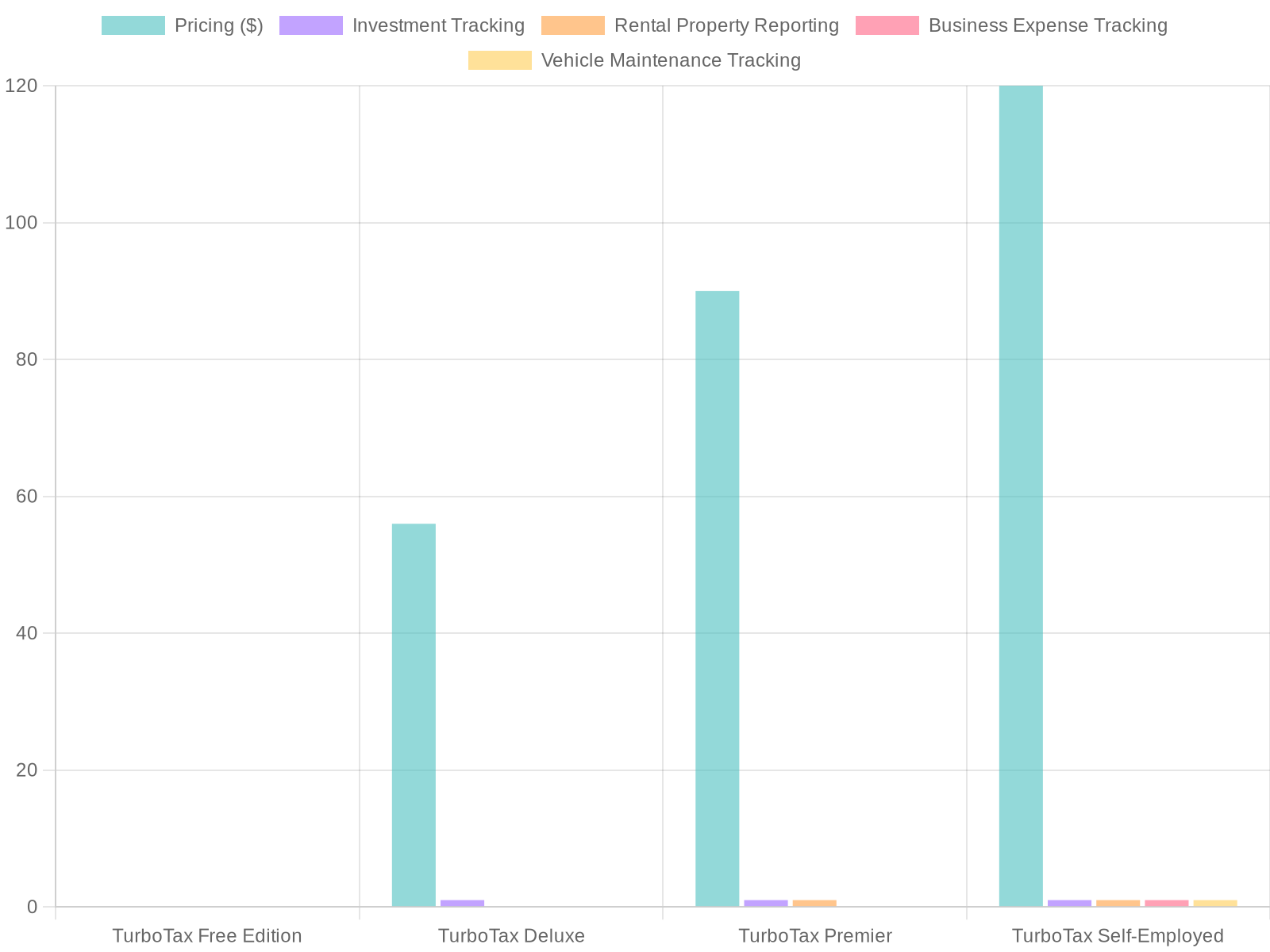
When it comes to selecting a TurboTax version suitable for business owners, especially those needing to track vehicle maintenance costs, it’s essential to understand the features and pricing of the different options available. Below is a comparison table that outlines key features across the TurboTax versions:
| Feature | TurboTax Free Edition | TurboTax Deluxe | TurboTax Premier | TurboTax Self-Employed |
|---|---|---|---|---|
| Best For | Simple returns (W-2, 1099-NEC) | Most taxpayers with standard deductions | Complex returns with investments & rental income | Self-employed individuals and freelancers |
| Federal & State Filing | Yes (one federal, one state) | Yes (one federal, one state) | Yes (one federal, one state) | Yes (one federal, one state) |
| Step-by-Step Guidance | Yes | Yes | Yes | Yes |
| Deductions & Credits Check | Basic eligibility checks | Over 350 tax deductions/credits | Over 350 tax deductions/credits + advanced tools | Over 350 tax deductions/credits + business-specific tools |
| Investment Income Tracking | No | Limited | Yes | Yes (detailed tracking) |
| Rental Property Reporting | No | No | Yes | Yes |
| Business Expense Tracking | No | No | No | Yes (dedicated tools) |
| Vehicle Maintenance Cost Tracking | No | No | No | Yes (integrated into business expense tracking) |
| Price (as of April 2026) | $0 (free) | $55.99 (after 30% off on Amazon) | $89.99 | $119.99 |
| Platform | Web-based | Desktop (PC/Mac) | Desktop (PC/Mac) | Web-based |
Note:
- Pricing reflects current promotional rates from Amazon as of April 22, 2026.
- Vehicle maintenance cost tracking is only available in the Self-Employed version, which integrates it into business expense reporting for qualifying self-employed users.
- All versions support electronic filing when IRS opens (typically early January for the upcoming tax year).
For more information on vehicle maintenance and its implications, you can learn more about vehicle maintenance or check how it saves on gas expenses in our detailed topic how vehicle maintenance saves on gas expenses.
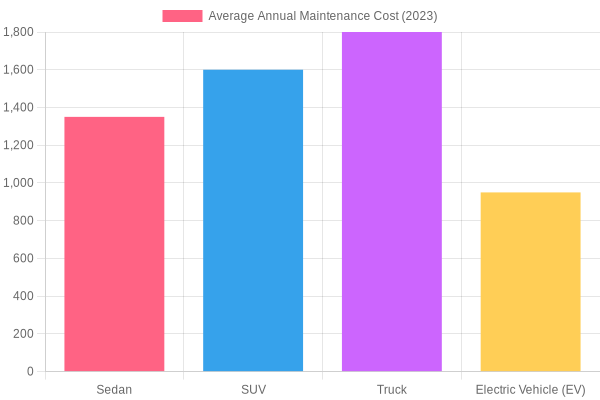
| Vehicle Type | Average Annual Maintenance Cost (2023) | Notes |
|---|---|---|
| Sedan | $1,350 | Based on Consumer Reports 2023 analysis of over 400,000 vehicles. |
| SUV | $1,600 | Higher due to larger size and more complex systems. |
| Truck | $1,800 | Includes heavy-duty components and frequent repairs. |
| Electric Vehicle (EV) | $950 | Lower maintenance due to fewer moving parts; data from RepairPal and YourMechanic estimates. |
Trend Note:
The overall average annual vehicle maintenance cost in 2023 was approximately $1,475, reflecting a 20% increase compared to pre-inflation levels (e.g., ~$1,230 in 2022), driven by rising parts prices, labor costs, and inflationary pressures across the automotive sector.
Sources:
- Consumer Reports – Vehicle Maintenance Costs (2023)
- RepairPal – Average Car Repair Costs (2023)
- YourMechanic – EV Maintenance Trends
- Statista – Personal Transport Maintenance CPI (2023)
TurboTax is one of the most commonly used tax software platforms, especially favored by small business owners and self-employed individuals. Among its features, tracking vehicle maintenance costs can be crucial for users claiming deductions for business-related vehicle use. Here’s a summary of common user experiences regarding this aspect of TurboTax, comprising both positive and negative feedback.
Positive Experiences
-
User-Friendly Interface: Many users appreciate TurboTax for its simplicity and intuitive design. Reviews indicate that the software is easy to navigate, which enables users to efficiently track and categorize vehicle maintenance costs. As noted in a TurboTax review, customers often praise its user-friendly setup, making it easier to manage deductions related to vehicle expenses.
-
Detailed Guidance: TurboTax provides comprehensive support documentation and guides on how to enter vehicle maintenance costs. Users have reported that the guidance helps them to understand what expenses are deductible, such as oil changes, repairs, and gas. For example, the article on maximizing tax deductions for vehicle use elaborates on the deductions available for maintenance, repairs, and related expenses.
-
Flexible Reporting Options: Users are also appreciative of TurboTax’s ability to handle both standard mileage and actual expenses for vehicle use. This flexibility allows taxpayers to choose the method that maximizes their deductions, which is crucial for business owners looking to optimize tax returns. The discussion on standard mileage vs. actual expenses highlights this benefit.
Negative Experiences
-
Complexity for New Users: While many find TurboTax user-friendly, some newcomers report a steep learning curve. Certain users have expressed that understanding all the options concerning vehicle expenses can be overwhelming. They have suggested that more tutorials or step-by-step walkthroughs would be beneficial.
-
Issues with Cost Tracing: A number of business owners noted frustrations while trying to track and categorize maintenance costs accurately. Some users mentioned that while entering detailed costs is possible, the platform may not always effectively relay this information when rerunning calculations or during reviews. Discussions have surfaced on platforms like TurboTax Support that describe how certain entries may not reflect in deductions if not entered correctly.
-
Pricing Tiers: Some users criticized the tiered pricing models for the different versions of TurboTax, arguing that specific functionalities related to vehicle expense tracking are only available in the more costly premium versions. The feedback often alludes to a feeling of being forced into spending more to access necessary features.
Conclusion
In summary, user experiences with TurboTax regarding vehicle maintenance cost tracking present a blend of positive reviews and legitimate concerns. The software is favored for its straightforward user interface and robust support for tax deductions. However, the learning curve, complexity in tracking expenses accurately, and pricing structures pose challenges. For business owners considering TurboTax, it’s essential to weigh these factors alongside its benefits. If you want to learn more about managing vehicle-related expenses during tax season, visit the Vehicle Tricks blog.
For additional details on where to report vehicle maintenance costs on TurboTax, explore the relevant discussions on TurboTax Support.
If you require further insights into the latest features or updates of TurboTax for your business, ensure to keep up with recent user guides and reviews.
“Tracking vehicle maintenance costs is crucial for business owners. Not only does it ensure compliance during tax filing, but it also maximizes potential deductions that can significantly contribute to overall financial health. Accurate records allow businesses to distinguish between personal and business usage, enhancing tax efficiency.” – TurboTax
In conclusion, maintaining accurate records of vehicle maintenance costs is not just a best practice; it is essential for business owners who want to ensure compliance with tax regulations and maximize their deductions. By diligently tracking these costs, you provide yourself with the necessary documentation for potential audits and simplified tax filing processes. Tools like TurboTax greatly simplify this task by offering features specifically designed for business expenses, including vehicle-related costs. Using TurboTax, you can easily categorize and input your vehicle maintenance expenses to optimize your tax return. This ensures that you take full advantage of available deductions, which can ultimately save your business money.
As you navigate the complexities of tax filing and understand your eligibility for deductions, don’t forget the wealth of resources available to assist you. For more information on optimizing your vehicle management and expenses, visit TurboTax’s business expense guide.
Finally, when it comes to enhancing your overall business operations, consider exploring additional resources that can help you make informed decisions. For expert insights and guidance, check out truckpizza.net, where you can find valuable information about optimizing your vehicle use and logistics.
Frequently Asked Questions about Vehicle Maintenance Costs in TurboTax
As a business owner, you may have questions about how to accurately list vehicle maintenance costs on your taxes, particularly when using TurboTax. Below are some frequently asked questions that can clarify this process and help you maximize your deductions.
1. What types of vehicle maintenance costs can I deduct in TurboTax?
You can generally deduct various vehicle maintenance expenses if the vehicle is used for business purposes. This includes:
- Oil changes and lubricants
- Tires and tire repairs
- Brakes and brake repair
- Mechanical repairs and parts
- Routine maintenance services (like washing and detailing)
These expenses can be reported under the actual expenses method if you choose not to use the standard mileage deduction. For more detailed guidance, visit Maximizing Tax Deductions for the Business Use of Your Car.
2. How do I enter vehicle maintenance expenses in TurboTax?
To enter vehicle maintenance costs in TurboTax, follow these steps:
- Open your TurboTax application and find the section for business deductions.
- Navigate to the area for vehicle expenses.
- Select the option to enter actual expenses.
- Input each type of maintenance cost under its respective category.
Be sure to provide accurate records and receipts to support your claims. If you want to learn more about specific reporting requirements, check this IRS guide on business vehicle expenses.
3. Can I deduct vehicle maintenance costs if my vehicle is leased?
Yes, if your leased vehicle is used for business purposes, you can deduct the maintenance costs incurred during the lease period. However, it’s crucial to keep excellent documentation proving that the maintenance was necessary for business operations. As outlined in Are Vehicle Repairs Tax Deductible? + FAQs, proper record-keeping will support your deductions during tax season.
4. What if I use my vehicle for both personal and business purposes?
If you use your vehicle for both business and personal purposes, you can only deduct the portion of expenses that relates to the business use. This can be calculated based on mileage. Keep track of your mileage for business trips and personal trips distinctly.
5. Are there any common mistakes to avoid when listing vehicle maintenance expenses?
Here are some common mistakes business owners might make:
- Not keeping receipts: Always keep receipts for all maintenance costs.
- Mixing personal and business expenses: Clearly distinguish which expenses are for business use only.
- Neglecting to track mileage accurately: Keep a detailed log of business vs personal mileage.
These tips can enhance your effectiveness in filing your taxes. If you need further information, references, or an overview of vehicle maintenance costs and how they relate to tax deductions, consider visiting the TurboTax Tax Tips about Business Use of Vehicles page.