
Maintaining vehicles is fundamental for business operations, not just for legal compliance but to ensure safety, reliability, and cost-efficiency. Neglecting this crucial aspect can lead to dire consequences, impacting performance, safety, and the longevity of the vehicles that drive your business forward. Each chapter will delve into the potential ramifications of unmet maintenance needs, exploring how performance declines, increased safety hazards, accelerated wear, reduced vehicle lifespan, and environmental concerns all stem from routine neglect. Understanding these risks equips business owners to prioritize maintenance in their operations effectively.
Slipping Power, Sputtering Fuel: The Hidden Costs of Skipping Vehicle Maintenance
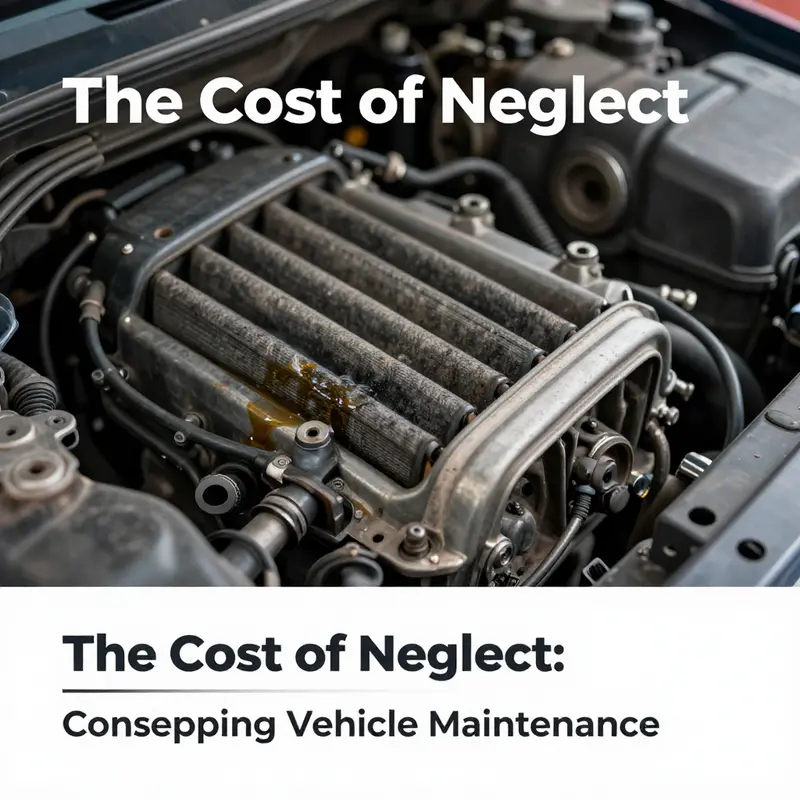
A quiet, almost unnoticeable decline in how your car feels can be more telling than it appears at first glance. You might notice slower acceleration, a thirstier fuel economy, or a reluctance to respond when you press the pedal. The core of this experience isn’t magic; it’s the result of neglecting maintenance that keeps a vehicle running smoothly. When a car misses routine service, several linked systems begin to work harder than they should. The engine has to compensate for degraded lubrication, restricted air, and aging components. The result is not just a drop in performance; it is a chain reaction that touches safety, reliability, and the long-term cost of ownership. The air you breathe in the cabin also carries the consequences of a neglected system, and the car you’re driving daily becomes less predictable in moments you can least afford it to be. In short, skipping maintenance isn’t simply inconvenient; it quietly chips away at power, efficiency, and safety in ways that compound over time.
One of the most direct threads in this fabric is the air intake system. An air filter’s job is straightforward: it lets clean air into the engine while keeping dust and debris out of delicate components. When the filter is dirty or clogged, the engine faces a narrowing passage for air. The result is a leaner, less efficient burn. The engine must work harder to pull the same amount of air, and fuel injectors compensate by delivering more fuel as the air supply dwindles. Power drops, throttle response lags, and fuel consumption climbs. The effect isn’t always dramatic in the moment; it unfolds as a slower-simmering drag on performance. This is why even a basic maintenance step—inspecting and replacing a dirty air filter—can restore a noticeable portion of the vehicle’s original responsiveness and efficiency. A trusted industry perspective notes that clean air filters are essential for optimal engine function and fuel economy, underscoring how a small, routine action can have a meaningful payoff. For a practical breakdown of how maintenance translates into gas savings, see how-vehicle-maintenance-saves-on-gas-expenses. (Internal link) The idea is simple: when the path from air to combustion is clear, the engine breathes easier, burns fuel more efficiently, and the car moves with a smoother, more predictable rhythm.
The oil that coats the engine’s moving parts is another crucial variable in the performance equation. Fresh, properly formulated oil minimizes friction, dissipates heat, and reduces wear on pistons, bearings, and camshafts. Over time, oil oxidizes, thickens, and loses its film strength. When lubrication falters, internal components rub more aggressively against one another. This not only elevates wear but also raises operating temperatures, which can cascade into a broader range of issues—from reduced power to overheating in extreme conditions. Regular oil changes are among the most cost-effective safeguards a vehicle owner can provide. The idea is not to chase perfection in a vacuum but to preserve the engine’s ability to perform consistently under real-world demands. In a practical sense, neglecting oil changes increases the odds of engine noise, rough idle, and, in worst cases, catastrophic failure. The link between maintenance and performance isn’t abstract; it is evidenced by the simple physics of lubrication and heat management at the heart of any internal-combustion engine.
Another layer of the performance story involves exhaustively simple, yet sometimes overlooked, components like the fuel system and sensors. As filters, lines, and injectors age, the engine’s ability to deliver precise fuel quantities falters. The result is not merely more fuel usage but inconsistent combustion, which can manifest as rough running, misfires, and a drop in calculated power output. While a single clogged injector might not cause a dramatic failure, the cumulative effect of multiple aging parts can erode performance in meaningful ways. The car’s onboard computer relies on a tapestry of sensor data to optimize timing and air-fuel ratios. When maintenance gaps widen, the calibration that once kept the engine efficient becomes a little less reliable, nudging miles per gallon downward and diminishing the instant responsiveness drivers expect.
Beyond the engine itself, the cooling system is a quiet but essential ally of sustained performance. Coolant acts as the lifeblood of temperature regulation, carrying heat away from the engine to prevent overheating. Old coolant loses its protective properties and can become acidic, corroding passages and reducing heat transfer. If the engine overheats, you don’t just lose performance in the moment; you invite longer-term damage to head gaskets, seals, and the cylinder head itself. A well-maintained cooling system maintains consistent operating temperatures, enabling the engine to perform at its best across the range of driving conditions. The consequences of neglect—overheating, reduced efficiency, and the risk of sudden, high-stress failures—are not theoretical; they are predictable outcomes when the system’s fluids and components age without attention.
The broader picture is one of a car that must work harder to do the same job. The incremental costs of neglect accumulate in ways that aren’t immediately obvious on the dashboard. You might fix a symptom without addressing the root cause, only to discover a more expensive problem later. The friction of aging parts, restricted airflow, depleted lubricants, and heat buildup works against you every mile you drive. The guest appearance of a single warning light can become a chorus of indicators if maintenance remains out of reach. In this sense, the chapter’s core message is a reminder: maintenance isn’t a luxury; it is the daily discipline that preserves the car’s performance envelope, keeps fuel use reasonable, and helps you avoid the unpredictable costs that come with skipping service.
The cost of neglect also extends into the realm of safety, a domain that is inextricably linked with performance. When your car’s engine struggles, braking systems and steering can be indirectly affected by how the vehicle delivers power and handles heat. Brake systems, for example, rely on components that must operate within safe thermal thresholds. If the engine is fighting to deliver clean, efficient combustion, the car’s overall energy budget shifts, and even small slowdowns in response can affect how promptly you can maneuver in a tight traffic situation. Tires, too, respond to the car’s overall health. A vehicle that requires more frequent acceleration to achieve the desired speed ends up applying uneven loads to the tires over time. This can accelerate wear, reduce grip, and increase the risk of a sudden tire event on the highway. The chain of effects is not purely mechanical; it ripples into the driver’s confidence in the car’s reliability, influencing how you drive and how you anticipate your vehicle’s behavior in critical moments.
It is worth noting that the link between maintenance and emissions is not incidental. When air and fuel systems are out of balance, combustion becomes less complete, and emissions rise. A dirty air filter, degraded oil, and aging cooling fluids all contribute to higher levels of pollutants escaping the exhaust. The environmental dimension is another reason to view maintenance as a routine investment rather than a discretionary chore. It’s not only about performance and safety; it’s about minimizing the car’s ecological footprint and preserving the air quality that surrounds you and your family.
There is also a practical, everyday dimension to this conversation: peace of mind. A car that runs consistently well reduces the cognitive load of daily life. You aren’t constantly worrying whether a small symptom will become a costly repair. You aren’t forced to alter your schedule because a transient issue has escalated into a breakdown. The value of consistent maintenance is not just the absence of trouble; it is the predictable, dependable performance that allows you to plan your weeks without the shadow of breakdowns looming over your routine. The math behind this is straightforward: regular service reduces the probability of expensive, unexpected repairs and improves fuel efficiency, which in turn lowers operating costs over time. The outcome is a more confident, less stressful driving experience, grounded in a simple habit that pays dividends across miles, seasons, and decades of ownership.
As this narrative unfolds, it becomes clear that the relationship between maintenance and performance isn’t a single cause-and-effect doorway. It is a network of small, daily checks that keep a complex machine functioning as intended. A clean air filter and fresh oil don’t just keep the engine happy; they restore the car’s ability to deliver the power you expect, with the efficiency you rely on for everyday trips and longer journeys alike. The slow erosion of performance is, in truth, the cumulative sum of many small neglects, each adding up to a tangible decline in power, responsiveness, and fuel economy. Reversing that trajectory is not a matter of heroic, dramatic interventions; it is a matter of steady, consistent care—an approach that keeps your vehicle aligned with the demands of the road and your life.
For readers who want to anchor these ideas in a practical action plan, the focus should be on core maintenance habits: seasonal checks, timely air-filter replacements, regular oil changes, and a straightforward cooling-system tune-up. These steps are not one-off tasks but part of a discipline that sustains performance, safety, and value. The link between maintenance and fuel efficiency is not a sales pitch; it is a documented dynamic, one that presents a clear return on the effort and cost invested in taking care of a vehicle. In short, the better you care for your car, the more it will care for you on the road ahead. This is the most reliable path to preserving the power, efficiency, and reliability that make driving a pleasure rather than a burden.
External resource: https://www.aersltd.com/vehicle-maintenance-tips/. The insights from industry professionals reinforce the premise that simple, timely maintenance acts as a shield against performance decline and excessive fuel consumption, especially in scenarios where a vehicle already shows subtle signs of wear and inefficiency. By prioritizing routine inspections and timely replacements, drivers can maintain smoother operation and avoid the escalating costs associated with neglect.
The Hidden Safety Toll: How Skipping Vehicle Maintenance Undermines Brakes, Tires, and Control on the Road
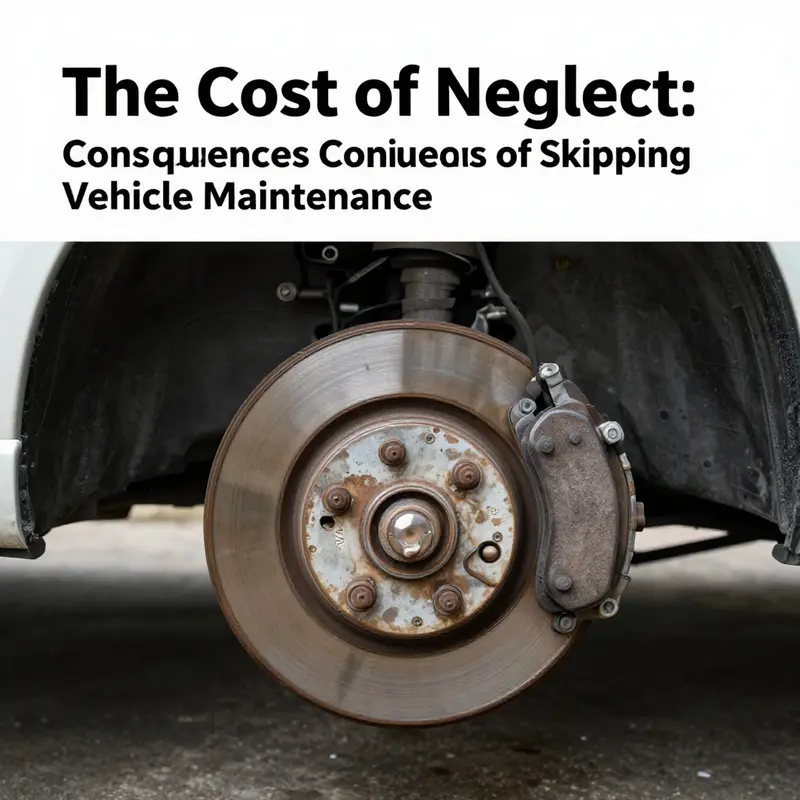
Neglecting regular vehicle maintenance does far more than increase repair bills or reduce fuel economy. It quietly erodes the baseline safety that keeps every trip from becoming a catastrophe. When routine checkups, timely part replacements, and simple fluid top‑ups are skipped, the car you rely on every day becomes a compliance issue you must confront in the worst possible moment. A diligent maintenance habit is not a luxury; it is a practical form of risk management that protects your life, the lives of passengers, and the drivers around you. The road is unforgiving of small neglects, and a single lapse can turn a routine drive into an emergency. Reading this as a warning or a reminder is not enough; the idea must translate into a steady, predictable practice. The goal is to understand how routine care translates into real-world safety benefits long before a failure happens. For those who want a concise starting point, a clear definition of maintenance offers the needed frame: it is the ongoing care that keeps a vehicle operating safely and reliably in all conditions. What is vehicle maintenance.
When maintenance is deferred, the brake system becomes the most critical area where danger can escalate quickly. Brakes are the vehicle’s primary safety feature, and their performance depends on timely attention to a few simple, predictable factors. Worn brake pads reduce stopping power in imperfect ways. They can cause pulsing sensations in the pedal, a sign that material is failing to do its job as designed. Low brake fluid, often a silent indicator of a leak or worn seals, lowers the fluid’s capacity to transfer force accurately, which erodes predictability during a stop. In the most severe cases, leaks or moisture intrusion can lead to vapor lock in high stress situations, where heat and pressure push the braking system toward temporary failure. The stakes are obvious when traffic suddenly demands a fast, controlled stop; the margin for error narrows as maintenance slips. Even a slight degradation of braking performance increases the likelihood of a collision in emergency braking and increases damage in any crash scenario. The practical takeaway is simple: regular inspection of brake pads, fluid levels, and overall system integrity is not optional; it is essential safety practice.
Tire maintenance follows closely in importance because tires are the car’s only contact with the road. The tires’ condition directly shapes steering response, cornering stability, and braking effectiveness. Underinflation harms fuel economy and accelerates wear on the outer edges; it also makes tires run hotter, increasing the risk of a blowout on the highway. Overinflation, by contrast, can reduce the contact patch, weakening grip and making the vehicle more prone to skidding in wet or icy conditions. Worn tread depth compromises traction, especially in rain or snow, dramatically extending stopping distances. Regular checks of tire pressure and tread depth are a simple, lifesaving habit, and the official guidance from safety authorities emphasizes monthly checks as a baseline for safe operation. When tires are not monitored, the likelihood of a sudden failure rises, turning a routine trip into a riskier venture. The road does not forgive neglect in this area.
A vehicle’s engine and cooling system are the beating heart of safe operation. Regular maintenance ensures the engine receives clean air, proper lubrication, and effective cooling. A dirty air intake or clogged filter restricts airflow, hindering combustion and increasing fuel consumption while reducing power. But the cooling system is where neglect can become dramatic. Radiators, coolant hoses, and thermostats are designed to regulate temperature and prevent overheating. Coolant leaks, a failed thermostat, or a damaged hose can cause the engine to overheat, leading to accelerated wear, warped components, or in the worst cases, an engine seizure. Driving with an overheated engine is not just a performance problem; it creates a real fire risk and can strand a vehicle in traffic or at a highway speed, where cooling system failures become an immediate safety concern. This is why coolant levels and hose integrity deserve routine attention, even when the car otherwise feels fine.
Electrical reliability is another cornerstone of road safety. A weakening battery may fail to start in suboptimal conditions, leaving a driver stranded. The alternator belt, if worn or broken, can suddenly strip away power to essential systems such as headlights, power steering, or the instrument cluster. Nighttime driving, fog, or heavy rain magnifies the danger posed by sudden electrical failure. Poor lighting, dimmed signals, or a dead battery can transform a routine drive into a high‑risk situation with limited visibility and compromised control. Modern vehicles depend on an array of electrical components to react to the environment, warn the driver of hazards, and keep steering and braking responsive. When maintenance slips in this area, the likelihood of unexpected stalls or systemic failures rises, reducing reaction time and increasing the possibility of misjudgments in critical moments.
Steering and suspension health is the final link in the chain that determines how well a vehicle responds to driver input and road irregularities. Worn ball joints or loose tie rods can introduce play in the steering mechanism, making it harder to steer accurately at the exact moment safety matters most. Deteriorated shock absorbers or worn bushings degrade ride quality and stability, allowing the car to sway or bounce in response to pavement imperfections or crosswinds. On rough surfaces, poor suspension reduces the driver’s ability to maintain a steady path, which can escalate into loss of control, especially during evasive maneuvers or in emergency situations. The suspension system also influences tire contact with the road; if jitter and misalignment creep in, even a well‑maintained engine cannot compensate for the lack of stability. In short, the ability to steer smoothly and maintain predictable handling hinges on the ongoing care of these components.
The consequences of neglect stretch beyond the vehicle’s own parts. A compromised braking system, failing tires, an overheating engine, erratic electrical performance, or unstable steering all interact in a feedback loop that elevates risk for everyone on the road. A driver may notice minor warning signs—a longer stopping distance, a softer pedal, or a vague feel through the steering wheel—but those signs are easy to ignore when life is busy and schedules are tight. Yet those small signs are the early signals that something is not functioning as designed, and acting on them promptly is the choice that separates a routine maintenance routine from a dangerous breakdown. A maintenance mindset reframes the car as a dependable partner rather than a ticking time bomb. It moves safety from a reactive response to a proactive discipline in which small, affordable checks save lives and prevent costly failures down the line.
There is also a broader, human dimension to maintenance neglect. The risk is not solely about an individual collision or a single odometer reading. It is about the potential harm extended to families, coworkers, and pedestrians. A breakdown on a busy highway not only creates a hazard for the vehicle’s occupants but also disrupts traffic, diverts emergency resources, and can have ripple effects far beyond a single trip. When routine maintenance becomes a habit, the likelihood of those dangerous scenarios drops, and the road becomes a safer space for everyone who shares it. The logic is straightforward: care taken now yields safety later, while postponing it multiplies risk in unpredictable ways.
If readers carry one insight forward from this chapter, it should be that maintenance is a cumulative safety investment. The more regularly you inspect brakes, tires, cooling, electricals, and steering, the less likely a small problem will erupt into a major crisis. This is not merely about avoiding breakdowns; it is about preserving the car’s ability to perform reliably in the moments that demand it most. It also helps protect your wallet in the long run, because preventive care prevents expensive, urgent repairs that arise from ignored wear and neglect. The practical approach is to schedule routine inspections at manufacturer‑recommended intervals and to address any anomaly as soon as it appears. This reduces risk and keeps the vehicle performing in a safer, more predictable manner.
For those who want a concise starting point, remember that maintenance is not vague or abstract. It is a measurable, repeatable set of actions designed to preserve the car’s safety systems in their most critical roles. It is also something you do with intention, not something you hope will happen by accident. The path to safer roads starts with a commitment to predictable care: simple checks, timely replacements, and a willingness to act on warning signs before they become failures. The road rewards such discipline with steadier handling, shorter stopping distances, and the confidence that comes from knowing your vehicle will respond when it matters most. If you would like to explore the concept further, the resource linked above offers a clear overview of what vehicle maintenance involves and why it matters so much in everyday driving. And for readers seeking a broader safety framework, the following external resource provides authoritative guidance on braking system safety and vehicle performance. https://www.nhtsa.gov/vehicle-safety/brake-systems-and-vehicles
When Neglect Takes the Wheel: How Skipping Maintenance Accelerates Engine Wear and Premature Failure
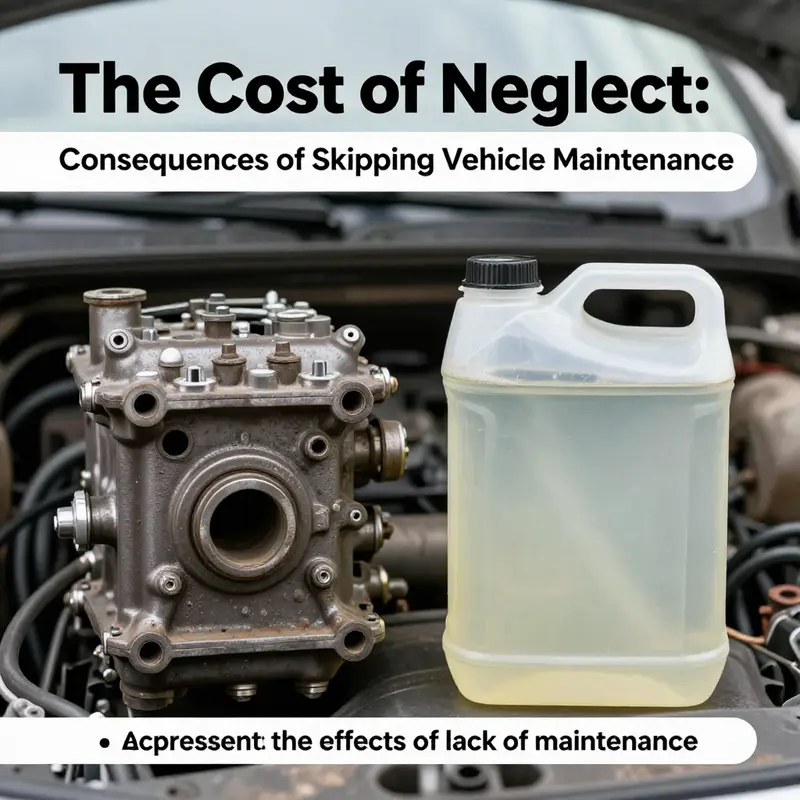
Maintenance is more than a routine chore; it is the quiet discipline that keeps an engine from becoming a furnace of wear. When you routinely service a vehicle—changing oil, replacing filters, checking fluids, and assessing the cooling system—you are actively policing the microscopic theater inside the engine where metal meets metal, air meets fuel, and heat tests every seal. When that discipline vanishes, the engine begins a steady, almost merciless procession toward accelerated wear and, ultimately, failure. The science behind this is both straightforward and sobering: neglected maintenance allows contaminants to accumulate, lubricants to degrade, and cooling systems to fog up or seize. The result is a cascade of friction, heat, and chemical attack that slowly erodes the components that define an engine’s life. Over time, pistons, cylinder walls, and bearings bear the brunt of this neglect, and the lifespan of the engine shortens accordingly, with the risk of catastrophic failure looming ever larger.
The most immediate and tangible consequence of neglect is the deterioration of lubrication. Engine oil is not a mere fluid; it is a lifeline for moving parts. Fresh oil forms a protective film that cushions the bearings, cam lobes, and piston rings from direct metal-on-metal contact. As oil ages, it loses its viscosity and its ability to suspend and carry away heat. Contaminants—metal fragments from wear, dirt, and combustion byproducts—settle into the oil, forming abrasives that grind away at the very surfaces they are meant to protect. When routine oil changes are skipped, the oil cannot perform its job with the same efficacy, and friction increases. The engine must work harder to overcome this resistance, producing more heat and accelerating wear. The pistons and cylinder walls begin to lose their precise fit; rings can no longer seal efficiently, leading to higher oil consumption and a loss of compression, both signs of deeper trouble. This isn’t an abstract risk: the increased friction wears away at the tolerances engineered into the engine, gradually widening gaps that degrade power, efficiency, and reliability.
Auxiliary fluids are the second line of defense against wear, and they are easily neglected as part of the maintenance ritual. The essential fluids—transmission fluid, coolant, brake fluid, and fuel in its various forms—each have a lifespan and a role in shaping how the engine and its supporting systems operate. Old or degraded transmission fluid can cause rough, sluggish shifting and eventual transmission wear. Coolant, if not refreshed at appropriate intervals, loses its protective properties and becomes ineffective at transporting heat away from the engine. Without proper cooling, the engine runs hotter, accelerating the breakdown of seals and gaskets and increasing the risk of head gasket failure or warped components. Brake fluid is hygroscopic; it absorbs moisture from the air, lowering its boiling point. In high-stress braking, this moisture-laden fluid can cause vapor lock, dramatically reducing braking efficiency. All of these effects indirectly contribute to engine wear by imposing extra strains on cooling, lubrication, and control systems that keep the engine within safe operation boundaries.
Air intake cleanliness and fuel delivery are another axis along which neglect accelerates wear. A neglected air filter allows dust and debris to slip past the intake path, hindering airflow and causing the engine to burn fuel less efficiently. This lean-to-rich misbalancing of the air-fuel mixture raises exhaust temperatures and fosters carbon buildup on valves and piston crowns. The engine becomes more prone to knocking and heat-related stress, which over time wears away the surfaces of piston rings and valve seats. Similarly, fuel delivery components that are not inspected and maintained can contribute to incomplete combustion. Unburned fuel can wash lubricating oil from cylinder walls, further elevating friction and accelerating wear. The combined effect of contaminated air and imperfect combustion is a slow but steady acceleration of wear on critical surfaces—piston skirts, rings, cylinder walls, main bearings, and crankshaft journals.
This wear does not occur in isolation. It is a cumulative process that compounds with each mile driven and each heat cycle endured. Bearings, which tolerate heavy loads and rotation at high speed, begin to suffer when oil film integrity declines. The journal surfaces can pit and score, and the small deviations that once went unnoticed become the seeds of more serious failures. A worn bearing can permit excessive side-to-side movement or misalignment of the crankshaft, which cascades into rough idling, vibrations, and ultimately engine failure if unchecked. The piston rings, crucial for sealing the combustion chamber and controlling oil consumption, rely on precise surface finish and effective lubrication. When wear progresses, pistons lose their ability to seal, resulting in reduced compression, higher oil burning, and more contaminants circulating through the lubrication system. The cylinder walls themselves, once smooth as glass, begin to micro-wear and glaze, which magnifies ring sealing problems and creates a downward spiral of efficiency loss and heat production.
The research behind these dynamics emphasizes that the engine’s interior is a complex ecosystem where small disturbances produce outsized consequences. Contaminants from poor filtration or degraded oil promote chemical corrosion as well as mechanical abrasion. Incomplete fuel combustion introduces byproducts that can degrade lubricants and form varnish on metering components, choking the precision that modern engines depend on for efficiency and longevity. The combination of chemical attack, physical wear, and thermal stress accelerates the aging process in the engine’s core components: pistons, cylinder walls, and bearings. In the long arc of neglect, what begins as a minor performance dip or a slight increase in oil consumption can mature into a major reliability problem, with the risk of total engine failure becoming increasingly plausible as miles accumulate. The underlying truth remains simple: regular maintenance keeps wear at bay by preserving clean lubrication, effective filtration, and proper thermal management. When these systems are neglected, wear accelerates and lives shorten.
From a practical standpoint, this means a vehicle that receives little attention will gradually exhibit a widening set of symptoms. You may notice a drop in power and a drop in fuel economy as the engine strains to maintain performance with compromised lubrication and inefficient combustion. You may hear increased engine noise—knocking, ticking, or a louder rumble—as tolerances loosen and components shift under pressure. The transmission may begin to feel rough or slow to respond as the fluid ages and loses its lubricating and hydraulic properties. Over time, the cooling system’s inefficiency can push temperatures into ranges that confuse the engine’s control systems and prompt alarms or limp-home modes. Each of these symptoms is a whisper of deeper, accumulating wear that, if ignored, becomes a louder, more expensive problem.
The broader implications extend beyond the engine itself. A worn engine consumes more fuel, producing higher emissions and contributing to environmental burdens that maintenance helps mitigate. A failing engine can also compromise safety by increasing the likelihood of sudden breakdowns in traffic or during critical driving moments. Reliability worsens, and a vehicle’s remaining useful life shortens as wear compounds. In practical terms, the consequence is not just a malfunction but a cascade of consequences that ripple through the vehicle’s overall performance, safety, and value. The maintenance habit, therefore, is not merely about keeping parts intact; it is about preserving the engine’s health, protecting the rest of the drivetrain, and safeguarding the owner’s investment.
For readers seeking a deeper, more technical dive into why improper maintenance translates to accelerated wear, a thorough source on engine wear provides detailed explanations of chemical and mechanical processes at work. This further reading highlights how minor lapses in maintenance policies and schedules can turn into meaningful, measurable differences in engine life and durability. If you want to connect this science with practical cost considerations and preventive steps, you can explore related topics on the maintenance landscape and how it translates into real-world savings and risk reduction. How Vehicle Maintenance Saves on Gas Expenses offers a perspective on how regular servicing aligns with efficiency and longevity in daily driving.
Ultimately, understanding the science behind accelerated wear reframes maintenance from a discretionary task to a preventive investment. The choice to adhere to a maintenance schedule is a decision to protect the engine’s integrity, extend its life, and maintain the vehicle’s value. Skipping maintenance is not a mere inconvenience; it is a change in the engine’s operating environment that invites wear, reduces efficiency, and increases the probability of costly and preventable failure. The path to avoiding these outcomes is straightforward: commit to routine oil changes, timely filter replacements, and regular checks of fluids and cooling systems. This is the discipline that allows engines to run cooler, cleaner, and longer, preserving performance and reliability for the miles ahead. For those who want to see the broader implications beyond the engine itself, keep in mind that the maintenance habit also reduces emissions and protects health by supporting cleaner combustion and better air quality inside the vehicle. In short, the cost of neglect is paid not just in maintenance bills but in performance, safety, and the genuine enjoyment of driving.
External reading for further technical context on engine wear and its causes is available here: https://www.autool.com/common-causes-of-engine-wear-in-cars
The Slow Toll: How Skipping Maintenance Shortens Life and Slashes Value
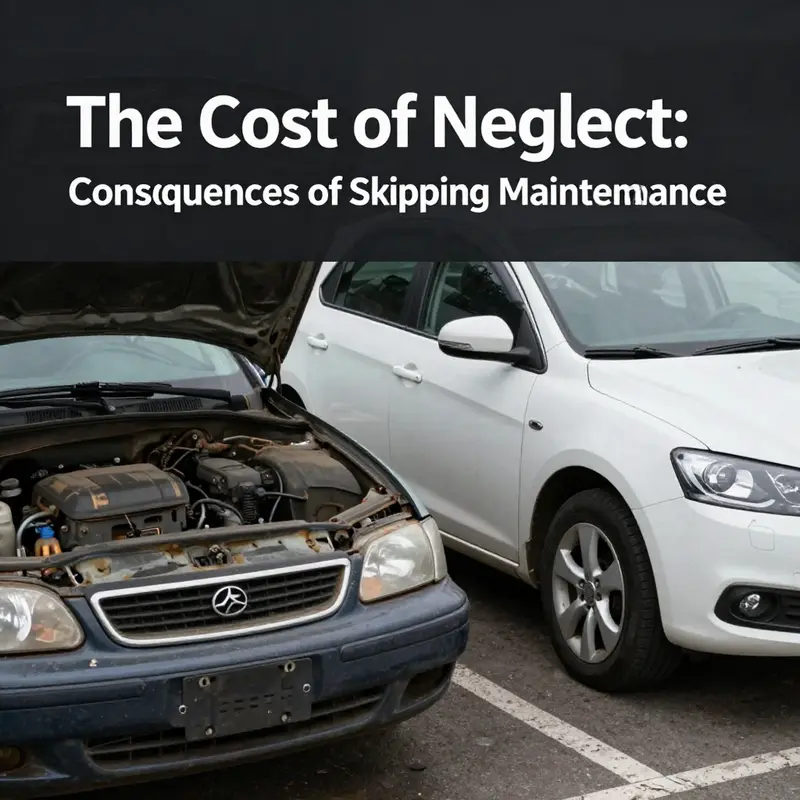
Neglecting maintenance isn’t just a missed appointment with the mechanic. It is a quiet, steady erosion of a car’s core systems, a slow transfer of potential life into costly repairs and dwindling resale prospects. When the routine care that keeps a vehicle healthy is ignored, wear compounds in ways that are easy to overlook at first but become impossible to ignore as miles pile up. The story of a car that ages on schedule becomes, in reality, a narrative of accelerated aging. Engine oil that no longer lubricates properly, filters that fail to trap grime, cooling systems that can’t shed heat efficiently—each symptom might seem small in isolation. Taken together, they rewrite the whole lifecycle of the vehicle, shortening its useful life and diminishing the value you can recover when you’re ready to sell or trade in.
At the heart of this pattern is the simple truth that maintenance is a form of investment in reliability. Regular oil changes, fluid replacements, brake inspections, and tire rotations aren’t cosmetic touches; they are strategic interventions that preserve tolerances and prevent wear from turning into failure. When you skip these steps, you invite friction, heat, and contamination to do the hard work for you. Engine oil, once a protective bath, degrades into a sludge that doesn’t flow as freely. Its diminishing lubrication creates more resistance inside the engine, forcing components like pistons, camshafts, and valve trains to work harder. The result is not only reduced performance and higher fuel consumption, but also a faster rate of wear that compounds over time. It’s a subtle cascade: less efficient lubrication leads to hotter operation, which accelerates material fatigue and can push a healthy engine toward misfires, rough idling, or, in worst cases, catastrophic failure.
The transmission is one area where neglect often shows its true cost. Fluid loses its effectiveness with age and use; it becomes dark, sludgy, and less able to protect gears from wear. Drivers may notice harsher shifts, slipping, or delays in engagement. Left unchecked, these symptoms aren’t just annoying; they can escalate into expensive transmission repairs or even a complete replacement. The cooling system follows a parallel trajectory. Coolant breaks down and loses its anti-corrosive properties, while the radiator, hoses, and water pump endure ongoing stress. Over time, the risk of overheating climbs, which weakens gaskets, warps metal, and creates a fragile engine that’s far more likely to overheat on a hot day or during a demanding drive. The consequence isn’t only diminished performance; it’s a shortening of the engine’s lifespan and a higher likelihood of long, costly downtime.
Brakes and tires serve as another anchor for the argument that maintenance preserves lifespan and value. Worn brake components don’t just compromise stopping power; they also indicate broader neglect that can extend into the suspension and steering systems. If brake fluid has absorbed moisture and its boiling point drops, emergency stops can become dangerous as vapor locks form and the pedal feel becomes unreliable. This is a direct reminder that a failure in one system often signals trouble in another. Meanwhile, tires with uneven wear due to misalignment, improper inflation, or irregular rotations not only reduce traction on slick roads but also foreshadow uneven loading on other components, including the suspension and wheel bearings. These issues compound over time, increasing the likelihood of roadside problems and expensive repairs that could have been avoided with timely maintenance.
As these mechanical chains react to neglect, the car’s overall health declines, and with it the practical horizon of how long the vehicle will comfortably serve its owner. A well-maintained car is capable of delivering consistent performance, predictable fuel economy, and a lower total cost of ownership because the risk of unforeseen, high-cost failures remains comparatively contained. Conversely, a neglected vehicle becomes a rolling reminder of deferred maintenance. The earlier minor quirks—an occasional rough idle, a faint metallic clink, or a longer-than-usual warm-up—can morph into a pattern of recurring, escalating problems. This is not merely inconvenient; it is a signal that the parts and systems are aging in a environment they were never meant to endure without regular care. The outcome is a vehicle that ages faster than its peers, a machine that reaches the end of its useful life sooner than it should, and a platform that commands far less confidence in the hands of a buyer who relies on a clean maintenance history to assess risk.
The link between maintenance and resale value is stark, but not mysterious. A vehicle’s asking price often reflects not only its current condition but also the confidence a buyer has in its future performance. When a prospective purchaser sees a complete and documented history of service, that person interprets it as a proxy for reliability and predictable maintenance costs. The opposite impression is created by gaps in service, inconsistent records, or untracked repairs. In practice, this translates into a pricing reality: cars with thorough maintenance histories tend to command stronger offers, while those with patchy or absent records are more likely to attract negotiations that reflect higher anticipated risk. The financial arithmetic is straightforward enough to be persuasive. A 2024 report from J.D. Power found that cars with complete maintenance records sell for, on average, about 15% more than those without. That difference is not a mere curiosity; it is a quantifiable premium tied to trust in the vehicle’s longevity. Buyers are not just buying a car; they are buying a ledger of care that reduces uncertainty about future repairs and downtime. The owner who keeps receipts and routines is, in effect, paying less for risk over time.
This dynamic has practical implications for the way people think about maintenance budgets. The up-front cost of routine servicing may seem like a recurring expense, but it is a hedge against larger, unpredictable costs. A belt of oil changes, coolant flushes, brake checks, and tire inspections buys a broad insurance policy against breakdowns that could derail travel plans, disrupt work, or strand a family vehicle far from home. It also preserves the car’s character and identity in the eyes of a buyer—the story of a car that has been cared for, rather than a machine that has simply run out the clock. In the world of used-vehicle markets, a consistent record is a form of credibility. It signals that the owner has treated the car with respect, that issues have been addressed before they explode, and that future maintenance costs are likely to follow a known, manageable trajectory rather than a surprise budget buster.
For readers seeking a concrete way to anchor this idea in their own car, the message is not to chase a flawless history, but to cultivate a credible, traceable one. Document every service, save every receipt, and share it with the next owner or the dealership that might assess trade-in value. In many cases, that practice translates into tangible financial rewards, especially when the maintenance aligns with manufacturer-recommended intervals and proven repair histories. It’s also worth recognizing that maintenance isn’t a one-and-done effort; it’s an ongoing discipline that evolves with the car’s age, usage, and the climate in which it operates. A late-model vehicle with modest miles might benefit from a slightly different cadence than an older, high-mileage example. The underlying principle remains constant: predictable care produces predictable outcomes, and predictable outcomes yield value.
The broader takeaway is that neglect diminishes more than a car’s mechanical life. It erodes the confidence buyers place in a vehicle, weakens the likelihood of maximizing resale value, and quietly adds to the total cost of ownership. The investment logic is clear. Preserve the car’s health with timely oil changes, fluid replacements, brake inspections, tire care, battery checks, and a well-documented service history. The payoff is not only a longer lifespan but a stronger position when you decide to part with the vehicle. When future buyers weigh risk and reliability, a history of consistent care becomes a powerful differentiator.
For readers curious about how to translate this understanding into actionable steps, there are practical routes to reinforce the message without overhauling life routines. Regularly review the owner’s manual for maintenance intervals, establish a simple log for every service, and schedule reminders ahead of time to avoid lapses. Small, disciplined actions compound into decades of dependable service, preserving both the road-ready life of the car and the value you can recapture at sale. And when the time comes to explore the market, remember that a vehicle with a transparent, complete maintenance history is not just another car; it is a trusted bet on reliability, a bet that pays off as a higher resale price and lower post-purchase risk.
Internal link: How vehicle maintenance saves on gas expenses. How vehicle maintenance saves on gas expenses
External resource: https://www.jdpower.com/articles/automotive/vehicle-reliability-and-resale-value-2024
Breathing Uneasy: The Environmental and Health Costs When Vehicle Maintenance Slips
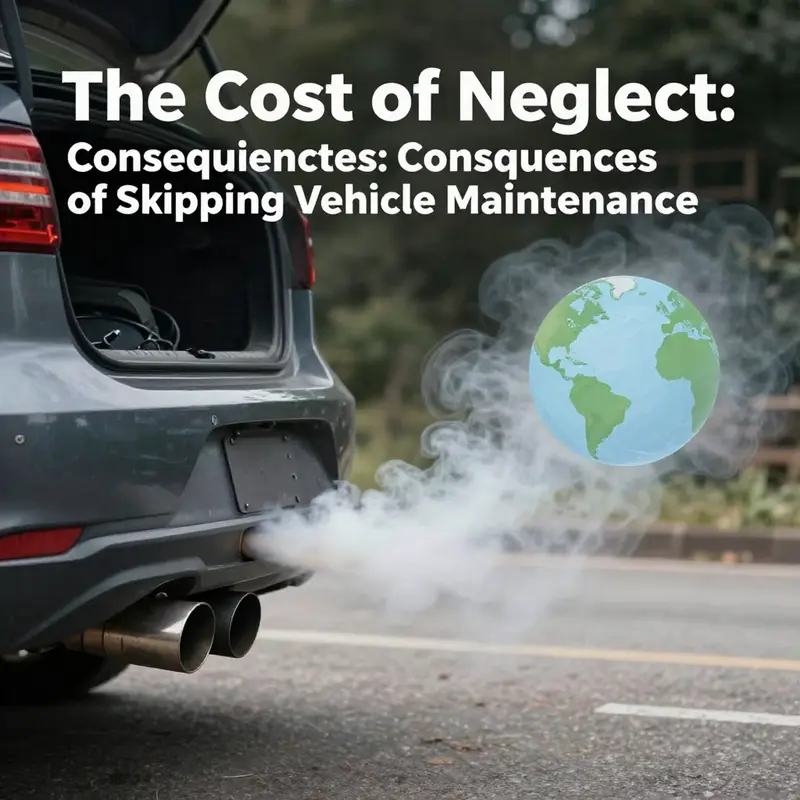
Neglecting routine vehicle maintenance does more than threaten the smoothness of a drive or the reliability of an engine. It quietly increases the footprint a single car leaves on the air we breathe and on the health of people who share crowded streets and public spaces. When maintenance falls behind, engines run less efficiently, exhaust systems accumulate wear, and catalytic converters shed their effectiveness. The result is not just a louder idle or a rougher acceleration; it is a cascade of emissions that compounds urban air pollution, contributing to a cycle of respiratory and cardiovascular stress for city dwellers. In densely populated areas, this connection between mechanical neglect and environmental health becomes especially visible. The air may seem clean enough on a sunny day, yet minute, chronic exposures to pollutants from poorly maintained vehicles accumulate in ways that harm the most vulnerable among us—children, the elderly, and people with preexisting heart or lung conditions. The link between mechanical upkeep and public health is not a vague concern; it is grounded in measurable chemistry and epidemiology. When an engine cannot burn fuel completely or when exhaust components degrade, pollutants such as carbon monoxide, nitrogen oxides, and particulate matter escape at higher rates. These pollutants are not abstract numbers; they are the airborne stressors that inflame airways, trigger asthma attacks, and contribute to the development of chronic respiratory diseases over a lifetime. The chain is straightforward enough to outline, yet complex in its local consequences. A city block where a sizable portion of vehicles are overdue for maintenance becomes, in effect, a small, diffuse source of pollution. Traffic corridors with suboptimal maintenance practice experience higher average emissions per mile driven. In turn, pedestrians and cyclists on those routes face elevated exposure, especially during rush hour when background pollution already peaks. The cumulative impact is not limited to the immediate neighborhood; air streams carry emissions farther, interacting with weather patterns and urban heat islands to alter atmospheric chemistry in ways that can worsen air quality on a regional scale. The science behind this is supported by peer-reviewed work that specifically ties inadequate mechanical maintenance to increased vehicle emissions. Worn engines, aging exhaust systems, and degraded catalytic converters lose the precision of modern pollution control. As efficiency declines, fuel burns less cleanly, and the byproducts of imperfect combustion—CO, NOx, PM—are emitted more freely. The public health implications are not abstract; they translate into higher risks of respiratory infections, aggravated asthma, and cardiovascular complications for those who live or work near congested streets. The more the maintenance schedule slips, the higher the odds that emissions begin to drift beyond what is tolerable for urban lungs, especially when meteorological conditions trap pollutants near the ground. It is not merely about a car failing an inspection once in a while; it is about a pattern that changes the air around us in ways we notice only when health effects surface or when weather patterns reveal stubborn pollution pockets. The importance of timely maintenance becomes clear when you consider the role of inspections and accountability in driving down emissions. Periodic checks that identify highly polluting vehicles can have a meaningful, measurable effect on community air quality. When authorities and the public invest in consistent inspections, there is a direct incentive to address issues that would otherwise escalate into chronic pollution. This is where policy, science, and everyday responsibility intersect. Maintenance is not a private luxury; it is a public health measure with environmental consequences that extend beyond the driveway and into the neighborhood, the school, and the workplace. The practical picture is consistent with the broader research on vehicle emissions. An engine that is well-tuned, with clean air filters, fresh oil, and a properly functioning exhaust system, operates with a higher combustion efficiency. This means fewer unburned hydrocarbons and less incomplete combustion, resulting in lower emissions of CO and NOx per mile. A well-maintained cooling and fuel system also helps the engine avoid overheating and excessive fuel consumption, which, in turn, reduces emissions associated with excessive fuel use. In short, maintenance helps the engine do what it was designed to do: burn fuel cleanly and efficiently, with the exhaust system capturing and minimizing the release of pollutants. The theoretical benefits are complemented by real-world evidence. Regular service keeps the catalytic converter in peak condition, ensuring it can transform harmful gases into less dangerous emissions before they escape to the atmosphere. It also preserves the effectiveness of the exhaust aftertreatment system, which is specifically designed to mitigate the environmental impact of combustion byproducts. The cumulative effect is a vehicle that, when properly cared for, contributes far less to the ambient burden of air pollutants. The personal implication is straightforward. If you want to minimize environmental impact while protecting your own health, keeping up with maintenance is a key lever. It is not an either/or choice between performance and responsibility; it is a practical convergence where better vehicle care yields cleaner air and healthier communities. This is one of the reasons many experts advocate for proactive maintenance as part of responsible urban living. It aligns with broader public health goals and environmental stewardship, translating practical car care into a cleaner, safer environment for all who share the roads. For drivers seeking a concise, practical understanding of what maintenance entails, consider reading about the fundamentals of vehicle upkeep. A straightforward resource explains what maintenance covers, from oil changes to air filter replacements and system diagnostics. What is vehicle maintenance? This reference is especially useful for those who want to anchor their personal routines in a broader picture of how maintenance influences emissions and health outcomes without getting lost in technical details. It also serves as a bridge to more technical discussions for readers who are curious about how small upkeep choices translate into meaningful environmental benefits. The connection between maintenance and emissions should not be framed as a mere inconvenience; it is a practical path to reducing a car’s environmental footprint and protecting public health. The considerations extend beyond the individual car owner. When thousands of vehicles on a city’s streets run with suboptimal maintenance, the aggregate emissions can meaningfully alter local air quality, increasing population exposure and magnifying health risks in vulnerable neighborhoods. The environmental costs of neglect are not confined to the vehicle’s engine bay; they cascade into air, climate, and community health. The same logic applies to climate change, where higher emissions contribute to greenhouse gas levels that exacerbate weather extremes and long-term environmental stress. While the distinction between personal car care and policy action is important, the two are not mutually exclusive. Personal maintenance habits contribute to a larger culture of environmental responsibility that can support, reinforce, and justify robust inspection regimes and public health campaigns. The study highlighted in the detailed research results emphasizes that systematic detection and maintenance programs can reduce vehicle emissions on a broad scale. It is a reminder that everyday choices, when scaled across an urban population, have the potential to alter the air we breathe and the health outcomes we experience. The takeaway is practical and hopeful: by treating maintenance as a public health and environmental priority, drivers can protect not only their engines but also the air in their communities. This reframing helps connect the act of visiting a mechanic or performing a DIY check with the larger arc of environmental justice and urban health. As you navigate maintenance intervals, remember that attention to the little things—oil quality, air filtration, spark timing, coolant condition, brake fluid integrity—collectively lowers the number of harmful emissions released into the city’s atmosphere. It is a chain reaction with visible benefits. Cleaner exhaust means less exposure for pedestrians and cyclists who share the streets with you. It means fewer spikes in respiratory symptoms for kids playing near busy corridors and for older adults who are more sensitive to air pollutants. It also signals a preventive approach to human health that acknowledges the air as a shared resource. If you are seeking broader evidence, the academic literature points to measurable improvements in emissions when maintenance becomes systematic and enforced. The International Journal of Environmental Research and Public Health publishes analyses that show how periodic detection of highly polluting vehicles can reduce overall emissions, underscoring the practical value of inspections and targeted maintenance. This line of research reinforces the real-world value of routine care as a public health intervention rather than a mere mechanical obligation. For readers who want to explore this more deeply, the study linked here offers a rigorous examination of emission reductions tied to periodic checks of polluting vehicles and is a useful companion to the everyday decisions people make about maintenance. External resource: Assessment of the Reduction in Vehicle Emissions by Periodic Detection of Highly Polluting Vehicles. Understanding these connections helps frame maintenance as a proactive, responsible choice that benefits not just the vehicle owner but the wider community and the environment we all share.
Final thoughts
Vehicle maintenance transcends mere upkeep; it is a pivotal factor in ensuring safety, performance, and reliability in business operations. By understanding the detrimental effects stemming from neglect—ranging from performance decline to heightened safety hazards and greater environmental repercussions—business owners can make informed decisions to prioritize regular maintenance. This proactive approach safeguards not only their investments but also the well-being of employees and clients alike. Avoid the costly repercussions of neglecting vehicle maintenance and commit to regular servicing for optimized performance and longevity.