
For business owners relying on vehicles for daily operations, understanding the intricacies of vehicle maintenance is essential. One of the most important indicators on your dashboard — the ‘Maintenance Required’ light — is often misunderstood. It’s vital to know that this light acts as a scheduled maintenance reminder, not a fault indicator. This guide will discuss what this light signifies for your maintenance schedule, the consequences of ignoring it, how to reset it after service, the importance of regular maintenance, and how it compares to other warning lights. Each chapter will provide valuable insights that could help in the effective management of your business’s vehicle fleet.
When the Maintenance Required Light Comes On: What It Really Means and What You Should Do
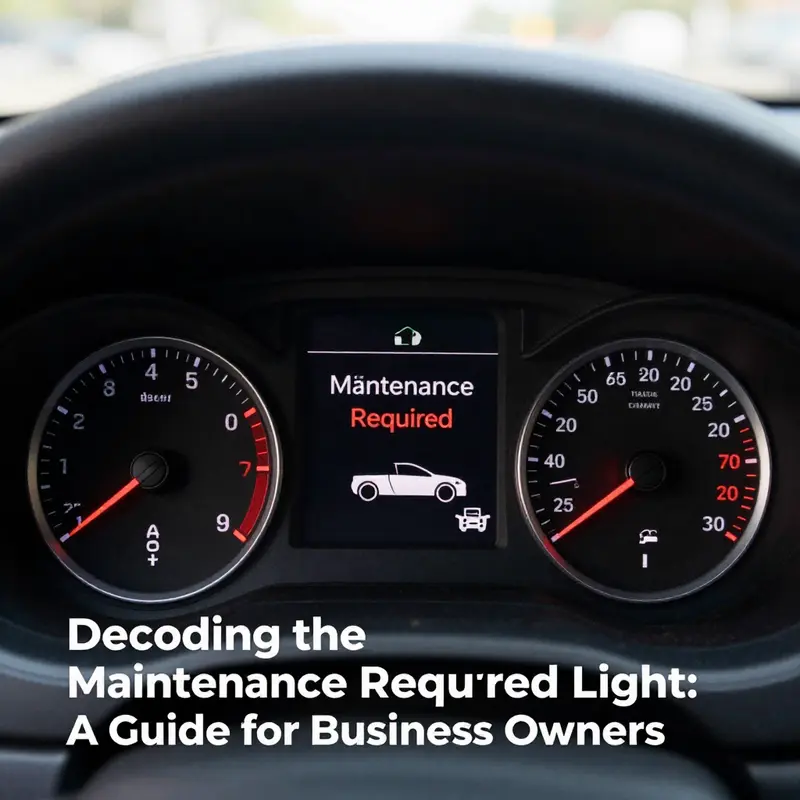
The maintenance required light is a timed reminder built into many cars to prompt routine care. It is not an engine fault warning. Instead, it signals that the vehicle has reached a preset interval since the last scheduled service. That interval is set by the manufacturer and is tracked by the vehicle’s onboard system, which counts miles or time. When the light appears, it is a straightforward nudge: perform the recommended maintenance tasks, then reset the reminder so it can begin tracking the next interval.
Understanding that distinction matters. A fault indicator signals a problem that could leave you stranded or damage components immediately. The maintenance reminder simply says the vehicle is due for recommended upkeep. Typical items associated with this reminder include oil and oil filter replacement, inspection and possible topping or replacement of critical fluids, and basic safety checks. These tasks preserve engine health, maintain braking performance, and keep essential systems operating as intended.
Engine oil and filter changes are the most common reason the light comes on. Fresh oil lubricates moving parts, reduces friction, and helps control temperature. Over time oil breaks down and becomes contaminated, losing its protective properties. Changing the filter removes trapped particulates and prevents them from circulating. Both actions reduce wear and extend engine life. Other fluid checks that often occur during the required service include transmission fluid, brake fluid, power steering fluid, and coolant. Each fluid supports a different system; neglect can lead to poor shifting, reduced braking effectiveness, harder steering, or cooling failures.
Alongside fluids, a routine service prompted by the reminder typically includes general safety inspections. Tires are checked for tread wear and correct pressure. Brakes are visually inspected for pad thickness and rotor condition. Exterior and interior lights are tested. Belts, hoses, and mounts receive a look for signs of cracking or looseness. These inspections catch small problems before they grow into expensive repairs or unsafe conditions.
How the system decides when to light up varies by vehicle. Many systems use a simple mileage counter that triggers the light at fixed intervals, commonly between 5,000 and 10,000 miles. Others factor in elapsed time, so a car driven rarely will still get reminders. A few more advanced systems use oil life monitors that estimate degradation based on driving habits, engine temperature, and other factors. Regardless of method, the message is the same: scheduled upkeep is due.
Two common reasons the light appears are reaching the maintenance milestone or forgetting to reset the reminder after a service. If you recently had maintenance but the light remains on, the service counter likely wasn’t reset. Reset procedures differ between makes and models. One common method involves turning the ignition to the accessory or run position and holding down the trip meter or reset button until the light blinks or clears. Other vehicles require navigating a dashboard menu to the maintenance or settings screen and clearing the alert there. Consult your owner’s manual for the exact steps to avoid accidentally disabling other warnings.
When the light illuminates, what should you do first? Start with a quick check. Verify your maintenance records to see which service items were last performed and when. Check the oil level visually and with the dipstick; if oil is low, topping it up temporarily can protect the engine until a full service. Look for obvious leaks underneath the car after it has been parked. If any dashboard warning lights are present alongside the maintenance reminder, treat the combination with additional caution and consider having the vehicle inspected as soon as possible.
Next, schedule the recommended service. For many drivers, the most sensible choice is to visit a qualified mechanic or dealership. A trained technician will perform the required oil and filter change, inspect essential fluids, and complete the safety checks. They can also reset the maintenance reminder properly. If you prefer to handle some tasks yourself and you have the skills, follow the service checklist from the owner’s manual. Be sure to follow the manufacturer’s specified oil viscosity and filter type, and use approved fluid grades when topping or replacing fluids.
Resetting the reminder without performing the service defeats its purpose. If you reset the light but skip the oil change and inspections, the vehicle will be unprotected and may suffer accelerated wear. Also, resetting the reminder repeatedly can mask poor maintenance practices and cause confusion during resale or warranty inspections.
There are practical reasons to take the light seriously beyond routine care. Regular maintenance saves money over time. Fresh oil and correct fluid levels maintain fuel economy and reduce the likelihood of major repairs. Safety inspections can reveal worn brake components or compromised suspension parts that affect handling. For leased vehicles, following the scheduled maintenance can avoid penalties. For vehicles with warranty coverage, keeping up with recommended service can protect warranty claims.
Ignoring the maintenance reminder can lead to several negative outcomes. Engine oil left too long can form sludge, which restricts oil flow and increases wear. Old brake fluid can absorb moisture, lowering boiling point and reducing braking performance. Neglected coolant can allow corrosion and overheating. These failures escalate repair costs and can create an unsafe driving situation.
If you find the light stays on after a proper service, troubleshoot methodically. Confirm the technician reset the reminder. Review the owner’s manual procedures and try resetting it yourself if appropriate. If the system still won’t clear, there may be a fault in the maintenance reminder system itself or in the vehicle’s battery and electrical system. In that case, a diagnostic scan at a repair shop can reveal stored codes or system issues.
Choosing between DIY maintenance and professional service depends on your confidence, tools, and time. Oil and filter changes are commonly handled at home, but proper disposal of used oil and filters is required. Many other recommended checks—fluid flushes, brake services, and detailed inspections—are best left to professionals with the right equipment. A service technician may spot less obvious issues, like a failing alternator or a worn suspension bushing, during routine checks.
Finally, use the maintenance reminder as a simple organizing tool. Keep a written or digital log of service dates, mileage, and what was performed. That habit prevents missed services, supports resale value, and helps you track long-term trends, like steady oil consumption or accelerating tire wear. If you want a refresher on the full range of preventive tasks a car needs, see this guide on what vehicle maintenance covers: https://vehicletricks.com/blog/what-is-vehicle-maintenance/.
The maintenance required light is a low-pressure but important prompt. Treat it as a cue to preserve performance, safety, and value. Follow the recommended checklist, let a qualified technician handle complex tasks, and reset the reminder only after service is complete. For model-specific reset instructions and maintenance schedules, consult the manufacturer’s owner resources: https://www.toyota.com/owners/manuals
When the Maintenance Required Light Stays On: Hidden Costs, Safety Risks, and Practical Next Steps

What the maintenance reminder really warns about and why ignoring it costs more than you think
The maintenance required indicator is a reminder, not a fault flag. It marks a scheduled service milestone based on mileage or time. Drivers often treat it like a minor nuisance. That mistake turns small, routine tasks into bigger problems. The light is designed to prompt basic upkeep: oil and filter changes, fluid checks, and quick safety inspections. If those items are skipped, the consequences unfold in predictable and costly ways.
At first, the effects are subtle. Oil ages and loses viscosity. Filters clog. Brake pads thin. A single delay rarely causes an immediate breakdown, but repeated delays compound wear. Engines running on old oil generate more friction. That friction reduces power and dulls throttle response. You may notice slower acceleration or a rougher idle. The vehicle consumes more fuel because the engine must work harder to produce the same power. Over months, fuel economy drops measurably, and the monthly cost at the pump rises.
The environmental fallout accompanies the performance decline. Engines out of spec emit more pollutants. That can lead to failed emissions inspections in jurisdictions that require them. A failed test forces unplanned repairs and possibly repeat inspections. In short, a blinking reminder meant to preserve performance can, when ignored, saddle you with repair bills and compliance headaches.
The most expensive consequences are internal. Oil lubricates and cools engine components. When oil becomes contaminated or depleted, bearings and pistons endure increased wear. Tiny particles act like abrasives. Heat builds in places not designed for it. Over time, this accelerates component fatigue and can lead to severe damage. A neglected oil change might start as increased engine noise. Left unchecked, it can progress to seized bearings or warped cylinder walls — failures that require major engine work or a replacement. Those repairs are an order of magnitude more costly than routine service.
Maintenance neglect affects systems beyond the engine. Transmission fluid, for example, also needs inspection and service. Dirty or low fluid can cause hard shifting, slippage, or internal transmission wear. Brake fluid that is dark or low compromises braking performance and safety. Power steering fluid in poor condition makes steering heavier or less predictable. Cooling system checks identify leaks and aging hoses that, if missed, can lead to overheating. Each overlooked fluid or minor inspection increases the odds of a roadside failure.
There is also a warranty dimension. Manufacturer warranties and some extended coverage plans require proof of routine maintenance. If a mechanical failure occurs and records show service was skipped, a warranty claim can be denied. That turns what might have been a covered repair into a cash expense. For people considering resale or trade-in value, a history that suggests spotty maintenance lowers the price buyers will pay. A persistent maintenance light can appear on inspection reports or in buyer disclosures, prompting lower offers.
Practical confusion is another cost. When a maintenance indicator remains lit because the interval was reached but the counter never got reset, it complicates future diagnostics. A lit reminder may be mistaken for an active fault by a buyer, inspector, or technician. This can lengthen diagnostic time and lead to unnecessary part replacements if the issue is misinterpreted. Keeping a clear service log and resetting the reminder after actual service prevents that confusion.
Safety risks, while less dramatic than engine failure, are immediate. Worn brake pads, low tire pressure, and faulty lights are all items checked during routine maintenance. Skipping those checks increases accident risk. The maintenance reminder is an opportunity to verify braking performance, tire tread and pressure, lights, and suspension components. Treating the light as optional reduces your margin for safe operation.
There are behavioral costs as well. Drivers who ignore the maintenance reminder often develop a pattern of deferred care. Small neglect begets more neglect. That habit raises the probability of unexpected breakdowns and the associated stress and inconvenience. Roadside tow bills, rental car costs, and missed appointments add up. The cumulative financial and emotional toll of deferred maintenance typically dwarfs the cost of timely service.
Yet the light does not mean you must stop driving immediately. In most cases, it’s safe to drive short distances to a service center. The important part is not to assume the reminder is meaningless. If the light appears, schedule service within a reasonable window. Use the time to gather any service records and note oil change dates, recent repairs, or other observations about vehicle behavior. If the light returns right after a service, verify that the technician reset the maintenance indicator. Many systems require a specific reset procedure, and skipping that step leaves the light on.
Addressing the reminder promptly can turn an annoyance into an advantage. Regular maintenance preserves engine efficiency and extends component life. It keeps fuel consumption low and emissions in check. It reduces the chance of costly repairs and helps maintain resale value. When service is performed, insist on a clear record and a properly reset maintenance reminder. That paper trail supports warranty claims and offers peace of mind to future buyers.
For owners who prefer to handle basic tasks themselves, many maintenance items are accessible. Oil and filter changes, air filter replacement, tire pressure checks, and basic fluid top-offs are routine home jobs for many owners. Even for DIYers, keeping a log and learning the vehicle’s reset procedure is important. When the light remains on after a proper service, a manual reset often resolves it. The correct reset routine varies by make and model and is documented in the owner’s manual or the manufacturer’s online resources.
If you lease the vehicle, the stakes can be higher. Lease agreements commonly require regular maintenance and may penalize missed services at lease end. Keep receipts and records to demonstrate compliance. That avoids unexpected charges when you return the car. Whether owned or leased, consistent care helps you avoid surprises.
In short, the maintenance required light is a low-cost early-warning system. It lets you maintain performance, safety, and value through small, inexpensive interventions. Ignoring it transforms predictable service into unpredictable repair costs. It also complicates warranty coverage, confuses future diagnostics, and degrades safety margins.
If you need a starting point on what routine care covers, review guidance on what vehicle maintenance includes for a clear checklist. For step-by-step instructions on resetting a maintenance reminder after service, consult the manufacturer’s official reset procedure here: https://www.toyota.com/support/vehicle-maintenance/light-reset-tacoma. That resource shows the exact sequence most technicians follow to clear the indicator. Combining timely service, a maintained record, and the appropriate reset will keep that reminder working as intended: a simple signal that enabled long-term reliability and lower lifetime costs.
The Maintenance Required Light Demystified: What It Signals, Why It Matters, and How to Reset It Safely After Service
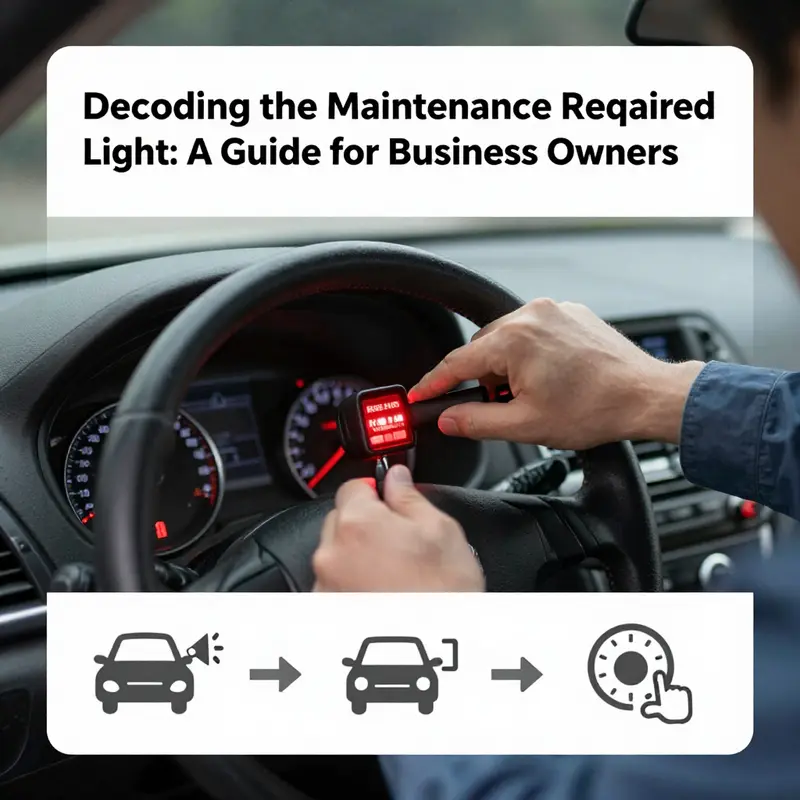
The maintenance required light, often labeled MAINT REQD on many vehicles, is not a fault indicator. It is a scheduled maintenance reminder. It lives in the car’s brain to prompt service at sensible intervals based on mileage and time since the last visit. The light is a helpful nudge that keeps essential systems in good shape. By design, it is meant to help you avoid surprises on the road rather than signal a looming breakdown. When you see it, you are being told that a routine service is due or overdue. This generally means your engine oil and oil filter are ready for replacement, but it may also cue a broader review of fluids, safety components, and general wear and tear that accrue over time behind the wheel. The reminder is a practical tool that translates complex maintenance schedules into an easily understood signal you can act on without digging through a service manual every week.
The tasks that typically fall under the maintenance umbrella are straightforward, yet crucial. Fresh engine oil keeps moving parts lubricated, minimizes friction, and reduces wear. An oil filter keeps contaminants out of the oil as it circulates through the engine. Beyond the oil change, the service window often includes a check of transmission fluid, brake fluid, coolant, power steering fluid, and other vital fluids. It also invites a broader safety sweep: brake pads and rotors, tire tread and pressure, lighting, wipers, belts, hoses, and the overall integrity of underhood and undercarriage components. The goal is not to chase a checklist but to maintain a baseline of reliability, performance, and safety that protects both the vehicle and the people who use it every day. When kept current, routine maintenance supports efficient fuel use, steadier idling, smoother starts, and predictable performance in a wide range of conditions. It is a long term investment in the vehicle’s health, not merely a quarterly annoyance tied to the dash light.
Two situations can trigger the MAINT REQD reminder. The first is straightforward: the vehicle reaches a scheduled maintenance milestone. Manufacturers often set these reminders around commonly recommended intervals, such as every five thousand to ten thousand miles or after a certain period of time since the last service. The exact cadence depends on the make, model, and even the year. The second trigger is equally common but a little less intuitive: the maintenance counter was not reset after a recent service. In that case, even if the work is completed, the car believes the task is still outstanding and keeps the light illuminated. In either case, the light is a sign that a professional checkup is due, not a signal that something is catastrophically failing.
Knowing what to do when the light comes on helps you take control. The first and most important step is to schedule service with a qualified mechanic or dealership. Share the maintenance history and any symptoms you may have noticed, such as changes in engine sound, performance, or fuel economy. The technician will verify that the scheduled work has been performed according to the manufacturer’s guidelines and that fluids are at proper levels and concentrations. If you have any doubts about whether the work was completed, bring receipts or a service log so the technician can align the vehicle’s maintenance history with the current reminder. After the service is performed, the reminder light must be reset. Resetting is what turns the light off and allows the car to begin a fresh maintenance cycle with a new countdown timer. Ignoring the light does not make the reminder go away. It will continue to glow until the system recognizes that maintenance has been performed and the counter has been reset.
Resetting the MAINT REQD light is a small but precise procedure that varies from one vehicle to another. In many cars, the process is centered on dashboard controls and can be done without specialized tools. The general pattern is simple: get the ignition to the ON position without starting the engine, locate the reset or set button in the cluster or steering wheel area, and engage the sequence long enough for the display to indicate a reset. In some models the light will flash or change messages as the reset occurs, and then a second press confirms the reset. A typical example you might encounter in common brands involves accessing the vehicle information section with the steering wheel controls, selecting maintenance, and choosing reset. The exact button labeling can vary, with terms such as SET, OK, RESET, or MENU used across different brands. If done correctly, the light should turn off or indicate that the maintenance interval has been reset to begin a new countdown.
Some brands require a more exacting sequence. For example, a brand that blends precise ignition states with button presses may ask you to turn the ignition off, hold a specific button while turning the key to ON, and release at a precise moment. Then you might need to confirm the reset by pressing another button within a short time window. It sounds fiddly, but many owners perform it without a trip to the shop. If the method you try does not work, do not persist risking leaving the light on indefinitely. Instead, move to the third option: an OBD II diagnostic tool. A professional-grade scanner can access the service reminder functions and clear the flag after verifying that maintenance is complete. This route is especially common for newer or more technologically advanced vehicles whose systems are tightly integrated or have complex service logic. A trained technician performs the reset to ensure no other fault codes are inadvertently cleared in the process.
It is important to underscore a fundamental point: resetting the light should always follow the completion of the scheduled maintenance. Resetting without service is a recipe for trouble. The reminder is not a warranty loophole or a substitute for a proper service. Skipping actual maintenance because you plan to reset the light can lead to degraded lubrication, overheating, degraded braking performance, or other issues that compromise safety and reliability. If the service is overdue, consider delaying resets until the service is performed. If for some reason the service was completed only partially, discuss with the technician and proceed with the appropriate follow up before attempting to reset the indicator. In short, the reset is a bookkeeping action, not a repair, and it should reflect the true state of the vehicle’s maintenance needs.
The cadence of maintenance reminders is a conversation between your car and your calendar. Keeping a consistent service schedule makes the most sense for most drivers. If you track maintenance in a log or a notebook, you will have a clear record of when fluids were changed, when tires were rotated, or when filters were replaced. This approach helps you estimate and plan for upcoming services, rather than chasing a moving target every time the light glows. When the work is complete and the system is reset, you regain the confidence that the reminder will provide meaningful guidance again, rather than acting as a perpetual alarm.
For a broader understanding of why maintenance matters and how it fits into responsible vehicle ownership, you can explore the concept of vehicle maintenance in more depth through resources that explain the role of routine care in preserving performance and efficiency. For more context on maintenance as a holistic practice, see What is vehicle maintenance. What is vehicle maintenance.
If you need precise, brand specific steps, and you want to verify the exact sequence for your model year, consult the official maintenance reset documentation provided by the manufacturer. When in doubt, a quick visit to a dealership or a trusted shop can save time and avoid potential mistakes. The point of the MAINT REQD light is simple: it keeps you informed about the health of your car and helps you stay ahead of small issues before they become big problems. The light is not a verdict of doom; it is a practical reminder that routine care, performed at the right times, keeps your vehicle dependable and safe.
External reference for more technical specifics on brand level reset procedures can be found in official maintenance documentation. External reference: https://www.hyundai.com/owners/manuals
Beyond a Warning Light: How the Maintenance Required Indicator Guides Your Vehicle’s Longevity and Safety

When the maintenance required light flickers on the instrument panel, it is not a fault code telling you something has broken. It is a measured nudge from the vehicle’s onboard logic, a reminder that your car’s routine service is due or has just been completed but not yet acknowledged by the system. This light—often seen on many modern cars, including mainstream brands—functions as a practical contract between the machine and its owner. It signals that the next chapter of care is due, and that continuing to drive without that care may begin to erode the vehicle’s efficiency, reliability, and safety. Understanding what this indicator means, how it is triggered, and why timely action matters can transform a routine maintenance appointment from a chore into a cornerstone of long-term vehicle health.
The trigger behind the maintenance reminder rests on two simple factors: mileage and time. Manufacturers program maintenance intervals into the vehicle’s brain based on how long the car has been in use and how far it has traveled. In practical terms, many vehicles remind owners every few thousand miles or roughly every six to twelve months, depending on the model and the exact service plan. Those reminders are calibrated to align with typical service needs: fresh engine oil, filters to trap wear particles, checks of critical fluids, and inspections that help catch safety concerns before they become serious problems. The reminder can also illuminate if the system detects that a service has been completed but the counter has not been reset—an important nuance that underscores why the light should not be ignored, even if the car seems to be running smoothly.
At the heart of routine maintenance is the engine oil and its filter. Fresh oil lubricates the moving parts that control compression, fuel delivery, and exhaust, reducing heat and wear that would otherwise shorten the engine’s life. But the oil alone is not the village chief; it works in concert with a fleet of other fluids whose health keeps transmission, steering, braking, and cooling operating smoothly. Transmission fluid needs to stay at the right level and viscosity to protect gear surfaces; brake fluid must resist moisture that could lower its boil point; coolant requires a stable balance to prevent overheating; power steering fluid, if present in the system, also benefits from regular checks. Beyond fluids, the light’s prompt extends to a broader safety net: brake pads and rotor wear checked for performance, tires inspected for tread depth and pressure, lighting and signaling examined for reliability, and the suspension and steering systems reviewed for any play or abnormal noise. Taken together, these checks are not luxury add-ons; they are essential components of safe and efficient operation.
Ignore the reminder, and several ripple effects can unfold. Fuel efficiency tends to dip as the engine labors with degraded oil and underperforming filters. Emissions can rise because incomplete combustion and restricted exhaust flow alter the way the engine breathes. The risk of unscheduled downtime increases as wear compounds, deposits form, and fluid levels drift away from ideal specifications. In the worst case, basic maintenance gaps can contribute to accelerated engine wear or overheating, jeopardizing reliability and, in some circumstances, leading to more expensive repairs down the line. The point is not to alarm drivers but to emphasize that maintenance is not a one-off event. It is a continuous, preventive habit that preserves performance and reduces the chance of surprise failures on the road.
The upside of embracing regular maintenance is multifaceted. Reliability is the most tangible benefit: a well-maintained vehicle is less likely to leave you stranded and more likely to perform predictably across a wide range of driving conditions. Resale value can benefit too; vehicles with a documented maintenance history often command more confidence in the used-car market because buyers see that the owner cared for the essentials. Safety stands at the core of this practice as well. Routine inspections can catch developing issues—like worn brake components, degraded tires, or dim lights—before they become safety hazards. In short, proper maintenance translates into a steadier, safer drive and a smarter ownership experience.
Seasoned drivers know that the maintenance reminder is more than a message about oil. It is a chance to calibrate a long-term plan for the vehicle’s wellbeing. And even when the car seems perfectly fine, the cadence of routine service aligns with how the vehicle consumes wear and how its components age. The maintenance reminder invites a proactive mindset: schedule a service appointment with a qualified technician, bring the vehicle’s service history, and use that visit to address both the items that are explicitly due and any components that show minor wear that might not yet trip a warning but would benefit from attention. In practice, this often means a concise service that centers on oil and filter changes, a fluid level check, a systems inspection, and the replacement of consumables at the manufacturer’s recommended intervals. It is a simple equation: care today reduces complexity tomorrow.
For readers seeking a concise primer on what maintenance means in a broader sense, a quick reference can be found in the general maintenance overview what is vehicle maintenance. The idea is to ground the reminder in a practical framework: the light governs a schedule, not a diagnosis. It is not an indicator that something has suddenly failed but a signal that a routine service is timely and prudent. The moment service is completed, the system must be reset to reflect the new baseline. Resetting is a technical step that varies by model year and trim level, and it is best handled through the owner’s manual guidance or with the help of a professional diagnostic tool at a dealership or reputable shop. The reset is the bridge that restores the vehicle’s maintenance timeline to zero, allowing the indicator to resume its role in guiding future service intervals rather than persisting as a perpetual badge of the last missed appointment.
This approach—viewing the maintenance reminder as a constructive habit rather than a nuisance—changes how owners experience the light. It becomes a routine checkpoint, a natural rhythm that mirrors the way an engine requires fresh oil and associated inspections to maintain optimal performance. The light’s presence also underscores the importance of a well-kept maintenance log. Keeping track of service dates, mileage, and what was done helps you understand when the next service should occur and reduces the chance that a future counter-reset will be mishandled or forgotten. A simple record-keeping habit—journal entries, a digital note, or a service receipt filed in one place—can provide a clear narrative of a car’s care, which not only helps you stay on schedule but also serves as a persuasive document if you ever decide to sell.
The decision to service should be guided by a combination of the reminder, the current health of the vehicle, and the upcoming plans for ownership. If you drive in severe conditions—dusty environments, frequent short trips, extreme temperatures, or heavy payloads—the maintenance interval may be more aggressive. In contrast, routine highway cruising with long, steady drives often places less stress on the engine and its fluids, although regular checks remain essential. In either case, the message remains the same: the maintenance light exists to protect your vehicle and your safety, not to complicate your day. The key is to treat it as an actionable signal that invites you to act, to partner with your vehicle as it partners with you in daily travel.
As you prepare to address the light, it is worth noting that the reset process is deliberately model-specific. The exact steps to clear the MAINT REQD indicator depend on the vehicle’s year and trim. This is where the owner’s manual becomes your most reliable guide. If you choose a dealership or a certified technician for the service, they will perform the maintenance and reset the system correctly, ensuring the reminder period begins anew from that moment. If you opt for DIY checks in the interim, you should still be mindful of not only the oil and filters but also the broader scope of fluids and safety-critical components. The goal is to support a balanced, full-spectrum approach to maintenance rather than a narrow focus on a single element.
In sum, the maintenance required light is a practical tool that embodies preventive care. It recognizes that small, timely service keeps the engine clean, the fluids stable, and the vehicle prepared for whatever the road may bring. It also respects the realities of ownership—that time, miles, and climate patterns all shape how a car ages. By embracing the light, staying on a steady service cadence, and using the reset as a fresh starting point after every service, you can maximize reliability, preserve value, and ensure safety for you and others who share the road. The message is straightforward: respond before the system urges you to respond more forcefully, and you will experience fewer interruptions, lower costs over the life of the vehicle, and greater peace of mind on every trip. For official guidance on resetting and maintenance intervals, consult the dedicated support resources provided by the vehicle’s manufacturer, such as their official support pages.
Why the Maintenance Required Light Is Different — How It Compares to Urgent Warning Lights
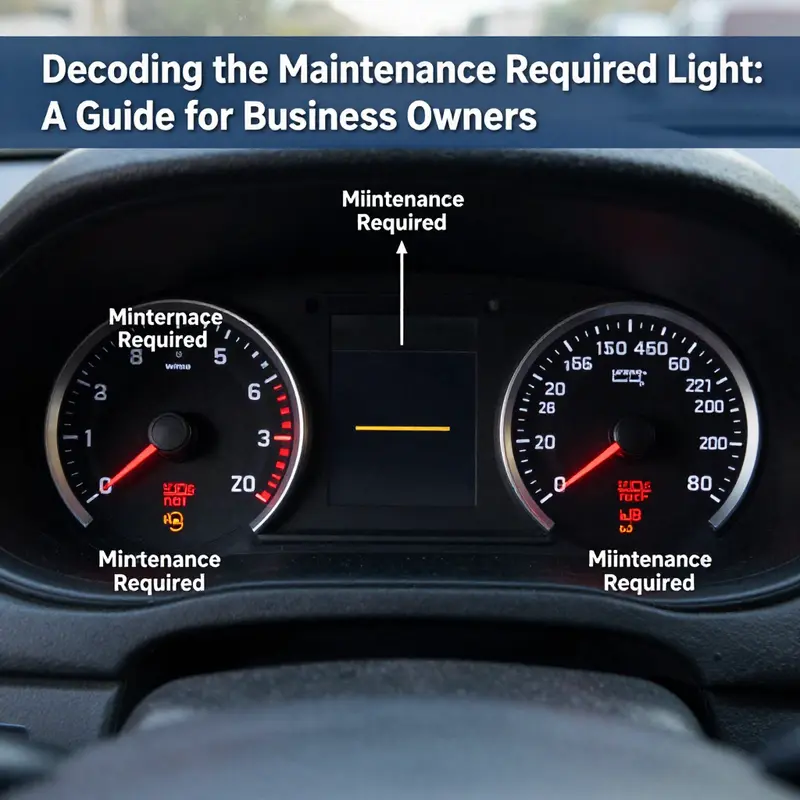
A vehicle’s dashboard can feel like a compact control center. Lights flash, icons glow, and one small indicator can change how you drive. Among these, the maintenance required light plays a different role than most warning indicators. Understanding that difference helps you respond appropriately, avoid unnecessary panic, and keep the car in good long-term condition.
The maintenance required light is a scheduled reminder, not a sign of immediate failure. It illuminates when the vehicle reaches a mileage or time milestone the manufacturer set. Think of it as a calendar alert for routine care. Typical tasks tied to this reminder include engine oil and filter changes, inspection of fluids, tire rotation, brake checks, and replacement of basic filters. These tasks protect the car’s longevity and efficiency, but the light itself does not indicate a current mechanical breakdown.
By contrast, most other dashboard lights warn of active faults or conditions that could affect safety or drivability. A check engine light points to emissions, sensor, or engine management issues that may cause poor performance or damage. A low oil pressure or temperature warning signals conditions that can rapidly damage the engine if ignored. Brake system and battery charge warnings alert you to systems whose failure can make the vehicle unsafe or leave you stranded. Those lights generally require immediate attention or at least a prompt inspection.
This difference in meaning leads to different responses. When a maintenance reminder appears, the sensible action is to schedule routine service within a reasonable window. You can often delay a short time without immediate risk, though long delays increase wear and reduce protection. For safety and warning lights, stop driving as soon as it is safe and investigate, or seek a professional diagnosis. Treat them as potential emergencies.
Another important distinction is how the lights behave. Fault indicators usually trigger a diagnostic trouble code stored in the vehicle’s computer. Those codes help technicians pinpoint the root cause. They often stay on until the fault is repaired and confirmed by the car’s systems. The maintenance reminder, however, is usually a simple mileage- or time-based counter. After service, it must be reset either through a specific dashboard button sequence or a service tool. If the counter isn’t reset, the reminder remains even after the work is done, which can cause confusion.
Because the maintenance required light is preventive, it sometimes gets mistakenly treated as an urgent fault. That confusion commonly happens when people see any illuminated icon and assume their car needs immediate repair. The difference is subtle but important: one light says “schedule routine care,” while another says “diagnose and fix now.” Knowing which is which reduces stress and helps you prioritize repairs and inspections.
There are practical scenarios that highlight the difference. Imagine a long road trip: the maintenance reminder comes on just before you leave. You can usually continue driving, but plan service soon. If, instead, a low oil pressure warning appears during the trip, you should stop and check immediately. In another example, a reminder might appear months after a service if the reset didn’t happen. That’s an administrative issue, not a mechanical one, but it still nudges you to confirm the vehicle’s maintenance history.
Sometimes both types of lights can appear simultaneously. This can complicate decisions. If a maintenance reminder and a fault light come on together, treat the fault light as the priority. Address the urgent issue first, then perform the scheduled service. A technician can often reset the maintenance counter during the visit. If you take the car to a dealer or an independent shop, mention both lights so the technician can run diagnostics and clear any false positives.
It helps to understand how the maintenance reminder is triggered. Most systems count miles traveled or days since the last reset. Some advanced systems factor in driving conditions, but the simpler counters use fixed intervals like every 5,000 or 10,000 miles. This fixed-interval approach aims to ensure routine replacements and inspections happen at sensible points. Because it does not monitor real-time system health, the reminder can’t tell you if your oil has burnt or if a fluid level is low between services.
Resetting the reminder is straightforward in many vehicles. The owner’s manual contains the exact steps—often a sequence of turning the ignition and pressing a dashboard button. If you had service performed at a shop, they usually reset it for you. If the light stays on after maintenance, check whether the reset was done correctly. If the system refuses to reset, a service technician can use a diagnostic tool to clear the counter and confirm proper operation.
The maintenance reminder also plays a role in long-term value and reliability. Keeping up with scheduled care prevents premature wear. Regular oil changes, fluid checks, and inspections catch small problems before they become big ones. A car with consistent maintenance records often has better resale value and fewer unexpected issues. For people who lease a vehicle, following scheduled maintenance is often a contract requirement and can prevent charges at lease return.
However, the preventive nature of the maintenance indicator does not mean it is unimportant. Ignoring routine service for extended periods increases the risk of component failure and can void certain warranties. Scheduled care is the baseline for reliable performance. Use the reminder as a prompt to verify when the last service occurred and to plan the next one.
Drivers can reduce confusion by learning their dashboard’s symbols and how each behaves. A short review of the owner’s manual clarifies which icon is a reminder and which signals a problem. For those who want a broader overview of symbols and what they mean, a dashboard symbols guide can be a useful reference.Jeep dashboard symbols explained This helps separate routine reminders from urgent warnings.
When service is due, choose technicians who follow recommended maintenance schedules and perform the basic tasks tied to the reminder. Ask that they reset the reminder before you leave. If you handle maintenance yourself, follow the manual’s reset steps after completing the work. Keep records of services performed, including dates and odometer readings. These notes remove ambiguity and provide an audit trail if a reminder appears unexpectedly.
Finally, understand that electronics and sensors are not infallible. A maintenance reminder may malfunction rarely, illuminating at odd times due to a software glitch or an issue with the counter. Conversely, a warning light could be intermittent, caused by a loose connector or a failing sensor. If anything appears inconsistent—such as a reminder flashing or a warning light that comes on and off—have a technician inspect the vehicle. They can determine whether the issue is electronic, mechanical, or simply a reset oversight.
Knowing the difference between a scheduled maintenance reminder and an urgent warning improves decision-making. The reminder helps you stay proactive, preserving performance and value. Warning lights protect you from immediate risks. Treat each accordingly: schedule routine service for reminders, and get prompt diagnostics for active faults. This balanced approach keeps the vehicle safe, reliable, and cost-effective over time.
For an in-depth explanation of how some owners communities handle maintenance reminders and reset procedures, see the following resource:
https://www.toyotanation.com/threads/toyota-maintenance-required-light-what-it-means-how-to-reset.1234567/
Final thoughts
Understanding the significance of the ‘Maintenance Required’ light in your vehicle is vital for successful business operations. By respecting this reminder and scheduling regular maintenance, you not only extend the lifespan of your vehicle but also ensure optimal performance, reliability, and safety. Ignoring this light can lead to costly repairs and vehicle downtime, ultimately impacting your business. Equip yourself with the knowledge to manage your fleet effectively and maintain seamless operations.