
Effective vehicle maintenance is crucial for business owners who rely on their vehicles for daily operations or logistics. Keeping track of maintenance is not just about compliance; it ensures safety, minimizes downtime, and extends the lifespan of your fleet. This guide explores the most effective methods for tracking vehicle maintenance, focusing on a combination of personal logs and third-party history platforms, as well as modern technology integration. Each chapter will provide actionable insights to help you manage your vehicle maintenance proactively and more effectively.
Tracking with a Personal Maintenance Ledger: A Practical Path to Longevity, Cost Control, and Confidence
A well-kept vehicle ledger can do more than remind you when to change the oil. It becomes a silent partner in safety, reliability, and value. Too often, owners treat maintenance as an afterthought, recording only the broad strokes of service when prompted by the service interval or a mysterious check light. Over time, gaps appear. Missing receipts, vague notes about parts, and rough estimates of labor costs accumulate into a blind spot. A personal maintenance ledger, approached with care, turns that blind spot into a clear map. It gives you a running history of what the car has needed, what was done, and why. It lets you project future needs with more accuracy and guard against surprise expenses. The ledger is especially powerful when you begin with the basics and then layer in depth as your vehicle ages and the number of service locations grows. In practice, it becomes less about chasing perfection and more about building a durable, transparent record that serves you and the vehicle alike over many miles and years.
The core idea is simple: record every service, repair, and check in one trusted place. You want to capture the date and mileage for each entry, the exact task performed, and the parts replaced—ideally with part numbers or specifications. Track the labor time and cost, but also note the condition of the vehicle before the work and any issues that were found or resolved. If a mechanic spots wear that isn’t yet critical, note it too. These details matter when you review the history months or years later. They also help you corroborate a seller’s claims if you ever consider buying or selling a used vehicle. A thorough ledger answers questions like when the brakes were last inspected, whether the battery has shown signs of age, or if a thermostat failure led to overheating. With such data, you can spot patterns, anticipate failures, and budget more accurately for upcoming parts and services.
You have two broad pathways for keeping this ledger: a digital approach and a traditional, paper-based one. A digital method offers convenience, searchability, and reminders. A physical logbook—whether a dedicated notebook or a simple binder—serves as a durable, low-tech backup. The smart move is to use a digital log as the primary system and maintain a physical one as a portable companion. A digital log lets you attach receipts or invoices as image files, drop in photos of worn parts, and tag entries by vehicle, maintenance type, or service center. It also enables quick summaries that show total maintenance spend over a year or track average costs per mile. A physical log, meanwhile, can ride along in the glovebox or trunk and serve as a reliable, offline reference when digital access isn’t convenient. The blend of both formats builds resilience against data loss and ensures you’re never locked out of your own history.
When you design the ledger, keep it lean at first. Record basic fields: date, mileage, service performed, parts replaced (with part numbers when possible), labor cost, and a brief note about the vehicle’s condition or any issues found. Then expand gradually. Add a field for the service center or technician, especially if you rely on multiple shops. Include a column for next due maintenance based on the manufacturer schedule or your own assessment. A simple tagging system—oil, brakes, tires, cooling system, electrical—can help you filter entries later without complicating the core chronology. If you store digital copies, create a consistent naming scheme for receipts, like YYYY-MM-DDSVCcenterServiceTypeReceipt.pdf. With time, you’ll see a complete arc of care that makes maintenance decisions clearer and more grounded in history rather than memory.
The benefits expand beyond personal organization. A robust ledger makes maintenance behavior more proactive, not reactive. When you review entries tied to mileage milestones, you can align parts life with actual wear rather than generic timelines. This alignment is especially helpful as vehicles age and complexity grows. You’ll notice patterns such as front-end components wearing faster on certain driving surfaces or certain models exhibiting coolant expansion tank issues after a specific mileage range. Even if a repair is common and well within standard practice, documenting it in detail helps you track the reliability of your parts supply chain and the performance of the shops you visit. It also makes it easier to plan ahead for proactive replacements, which can be cheaper and safer than urgent fixes. The ledger becomes a living argument for a smarter maintenance budget, a tool for risk assessment, and a passport of the car’s character and care history.
To maximize usefulness, couple your ledger with a broader ecosystem of records. In addition to your own entries, maintain a habit of periodically verifying records against third-party histories for your vehicle. These platforms aggregate data from multiple sources, providing a comprehensive view that includes official repair and maintenance records, insurance claims, and title status. For buyers and sellers, such reports can reveal discrepancies between claims and reality, flag potential hidden problems, and increase confidence in a vehicle’s condition. The value is not in erasing gaps in your own ledger but in filling them with verified external data when appropriate. After all, a car has a life that often travels through many hands, shops, and states. A personal log gives you continuity, while a trusted history report fills in the broader story and reduces the risk of surprises.
Of course, the most authoritative data is still tied to the vehicle’s actual service history where it was repaired. Visiting a brand-owned service facility often yields the most granular repair data for that specific location. Yet, this data is rarely complete when the vehicle has moved through multiple shops over its life. The practical takeaway is simple: use your own meticulous log as the baseline, and supplement it with broader, verified insights from a reputable third-party platform. The combination offers the best of both worlds—the precision and personal knowledge of your own records, plus the breadth and verification of aggregated history. This balanced approach safeguards you whether you are maintaining the car for your own use, managing a fleet, or evaluating a used vehicle for purchase.
In practice, the rhythm of maintenance tracking should feel natural and sustainable. After each service, take a moment to enter the essentials into your ledger. If you collect receipts, take photos and attach them to the relevant entry. Set reminders for upcoming services that are due by date or mileage, depending on which cue you trust more. When you rent or retain a vehicle for family use or a ride-share scenario, the ledger becomes a shared asset—an easy reference for everyone to understand what has been done and what remains on the to-do list. A well-structured log also improves resale value. A prospective buyer who can review a clear maintenance history with consistent upkeep across years will feel more confident about the vehicle’s condition and future reliability.
For readers who want a practical touchstone, imagine your ledger as a living document that travels with the car through time. It grows more informative as you accumulate entries, gradually revealing subtle patterns that a casual glance would miss. The data you capture today—oil changes, tire rotations, brake pad wear, battery health, minor electrical fixes—becomes the backbone of informed decisions tomorrow. When a new issue arises, you can quickly reference past related events to assess whether it is a new trend or a one-off occurrence. In this way, the ledger becomes not just a record of what has been done, but a tool for forecasting what will be needed next, with greater certainty and less stress.
If you want to explore related ideas about how to interpret maintenance signals and warning indicators, you can read a detailed piece on dashboard indicators here: What does the check engine light mean on a Jeep Compass. This entry helps connect the dots between the practical notes in your ledger and the messages the vehicle communicates through its alerts.
As you move forward, the next step is to think about how to leverage this ledger for budgeting and risk management. A consistent, reliable record not only guides you through routine upkeep but also informs financial planning for major services, preventive replacements, and fleet-level considerations if you manage more than one vehicle. In the chapters that follow, we will translate ledger data into a practical maintenance budget, identify trends that reduce risk, and outline methods to price and schedule care that keeps your vehicle dependable without breaking the bank. The ledger is more than a tool; it is a philosophy of care that treats maintenance as a measurable, manageable part of ownership rather than an afterthought.
External resource on maintenance logging practices can be found here: https://apps.apple.com/us/app/servicememo-your-personal-auto-moto-maintenance-log/id1589376474
Beyond the Logbook: Harnessing Third-Party History Platforms to Strengthen Vehicle Maintenance Tracking
A robust approach to maintaining a vehicle’s health uses two complementary instruments: a personal maintenance log under your control and a trusted third party history platform that aggregates data from multiple sources. This two-layer approach creates a durable, data-rich picture of a car’s life, from routine servicing to major repairs that no single shop or source can provide alone. The logbook is the foundation because it puts you in charge of the record-keeping process. It allows you to customize what gets recorded, capture granular details, and build a narrative of the car’s maintenance journey. You can log service dates and mileages as well as the exact parts replaced, with part numbers, the labor hours billed, and the cost breakdown. You gain the ability to note technician contacts, any issues that surfaced during service, and how they were resolved. This granularity matters because it provides a precise baseline for future decisions, a resource you can consult when a warning light appears or when planning a major repair. In practice, a well-kept log supports proactive management: it nudges you toward the manufacturer maintenance schedule, helping you avoid over- or under-servicing, and it preserves continuity of care that might be lost if you switch shops or move. Modern tools make this easier than ever. You can use dedicated apps designed for maintenance tracking, or a simple, well-structured Google Sheet, as long as you commit to consistency. A log that is easy to update and search becomes almost as valuable as the car itself. The best logs are those that capture receipts and invoices as digital copies, which saves time and reduces the chance of losing critical documentation. When you attach a repair invoice, you preserve a reference for future work that might require a warranty claim or a part recall notice. The personal log anchors your ownership experience in a transparent, repeatable process you can rely on across years and miles. Yet a standalone log has its limits, especially when you consider a vehicle’s history across multiple owners, service centers, or brands. This is where third-party history platforms play a crucial role. They aggregate data from disparate sources and stitch together a broader story that individual shops cannot provide. The value lies in compiling official repair records from dealerships and authorized service centers, insurance claims, accident history, lien and title status, and, increasingly, battery health data for electric vehicles. For someone evaluating a used car, a report from a reputable history service can illuminate patterns or red flags that a seller might not disclose, such as recurring issues that recurred across different service providers or hidden impacts of a prior accident. When the goal is not merely to document but to verify, these platforms become fast, reliable screening tools. Accessibility is a key benefit. Instead of contacting a string of shops to reconstruct a vehicle’s past, you can obtain a comprehensive view with a few clicks. This efficiency matters when you are evaluating several candidates or conducting due diligence before a purchase. The breadth and depth are enhanced as platforms compile data from multiple sources to present a holistic snapshot that includes routine maintenance, core component repairs, and even battery health for EVs. The synthesis is especially valuable for buyers, but remains useful for owners who want to confirm the accuracy of their own records or to detect gaps that the personal log might have missed. The combined approach—your meticulous log plus a broad third-party view—offers a resilient, cross-checked record system that stands up to scrutiny over time. It is a two-layer defense against misremembered maintenance dates, missing invoices, or unexplained gaps in history. To illustrate how third-party platforms function in practice, imagine a service that operates through a popular digital channel and is accessible via a mini-program or official account. Such platforms aggregate data from a network that includes official repair histories from dealerships, insurance claims, and checks on the vehicle’s legal status. They can also provide specialized information for electric vehicles, such as battery health reports, which are increasingly relevant as EV adoption grows. The practical workflow is simple: you enter the vehicle’s VIN, or in some cases upload a plate image, and the platform returns a concise, time-stamped history that covers maintenance intervals, core replacements, and notable events. This efficiency is especially appealing when you are weighing the purchase of a used car, as it saves days of calls and visits. The broader implication is clear: third-party platforms are not a substitute for a personal log, but rather a powerful companion that broadens the lens through which you view a vehicle’s reliability and care. They can confirm or challenge claims made by a seller, help identify items that may require future attention, and provide peace of mind about the vehicle’s overall trajectory. In this context, the role of official channels remains important, but it should be understood as part of a layered verification strategy. Brand-specific 4S service history is often authoritative and detailed for work performed at that location, yet it cannot capture the totality of a vehicle’s life if work has occurred at independent shops or across multiple brands. The final picture is strongest when you merge your personal, self-curated log with the broad, verifiable insights offered by a respected third-party platform. This approach reduces the risk of surprises when you sell or trade in the car and equips you to negotiate from a position of knowledge rather than memory. For readers who want to explore the basics of vehicle maintenance as a foundation for this strategy, a concise primer is available at the linked article, which outlines core maintenance concepts and the kinds of data that matter most over time. In practice, you might begin by establishing your log with essential fields—dates, mileages, part numbers, labor details, and receipts—and then layer in third-party checks as the vehicle ages or as you prepare to buy used. The synergy emerges when you steadily compare your logs with the reports, resolving discrepancies, and maintaining a living record that reflects both personal stewardship and verified history. When you use such a dual-system approach, you cultivate a maintenance habit that is proactive, transparent, and resilient. You create a narrative of care that you can present to a future buyer, an insurer, or a warranty provider with confidence. The value is not merely in storing data; it is in turning data into actionable knowledge that guides preventive maintenance, informs decisions about parts and services, and optimizes the total cost of ownership over years of driving. As the landscape of vehicle maintenance tracking evolves, the core principle remains clear: guard your history with care, and let trusted, cross-checked sources complement your own records. The practical outcome is a maintenance discipline that travels with the car, one you can trust, revisit, and update without friction. External reference: 后车可鉴 – 车辆维保记录查询, which exemplifies the kind of comprehensive history aggregation discussed here, is widely cited for its speed and breadth of data. https://weixin.qq.com/s/3kR5Z2wKjXqN9PvLmJQY
null
null
The Backbone of Reliability: Manufacturer Service Records as the Core of Maintenance Tracking
The most reliable way to understand a vehicle’s health over time is to treat official service histories as the backbone of your maintenance tracking. Manufacturer service records are not merely a ledger of dates and stamps; they are standardized, official evidence of the care a vehicle has received under warranty or at authorized service centers. When you collect and compare these records with your own notes, you gain a trustworthy narrative of maintenance that transcends scattered receipts. This narrative helps you see patterns, such as whether the vehicle consistently met factory-recommended intervals or if certain systems required attention beyond routine service. The value is twofold: it provides verifiable accountability for what was done, and it anchors future decisions in a framework endorsed by the maker. In practice, you can trace exactly when an oil service occurred, what miles were on the odometer, which parts were replaced, and who performed the work. The result is a transparent, auditable history that supports both everyday maintenance and longer-term planning. If you want your tracking to be precise, you begin with this official record as the foundation, then layer your own notes and third‑party records on top of it for a complete picture.
Think of manufacturer records as a high‑resolution map drawn by the vehicle’s creator. They record not just what was done, but when it was appropriate to do it. They capture dates, mileage, and the precise scope of work. They note parts used, their part numbers, and the technician or service identifier who performed the job. This level of detail matters because it avoids guesswork later. For example, a warranty issue may hinge on whether a specific service was done within the required interval or whether a particular component had maintenance performed with the correct parts. Such specifics are not always easy to verify from scattered invoices or generic maintenance summaries. When you have a complete manufacturer history, you reduce ambiguity. You can defend a warranty claim with confidence and communicate with future buyers with clarity about what was done and when. The documentation also helps you anticipate future needs. If the record shows a repeat pattern of wear on a particular component, you can schedule preemptive service before a fault arises.
From a practical standpoint, these records are designed to be integrated into a broader maintenance workflow without becoming overwhelming. The core elements—service date, mileage, task description, parts used, and technician information—form a compact yet rich data set. When you add this to a personal log, you gain a dual axis: the official, objective record and your subjective notes about how the vehicle performed between visits. It is easier to notice deviations from the norm, such as a service that happened slightly earlier or later than suggested, an unusual labor note, or a part that was replaced with a non‑standard variant. The manufacturer’s documentation can guide your interpretation by providing the standard maintenance cadence for your model. If you want to explore how such maintenance guidelines are framed, you can reflect on the broader maintenance knowledge that underpins every manufacturer’s approach to longevity and reliability.
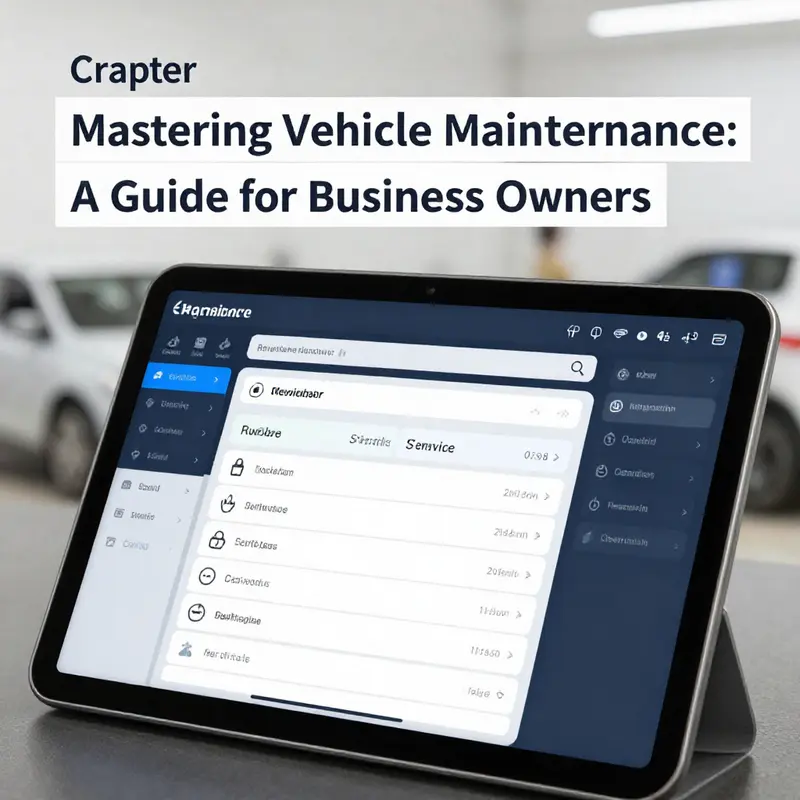
Digital access to manufacturer records, where available, further strengthens your tracking system. Many automakers offer portals or apps that let owners view service histories in a structured, searchable format. This digital access keeps records centralized and tamper‑resistant, reducing the risk of lost paper documents. It also simplifies updating your log whenever a new service is performed. An important note here is to verify that every service entry aligns with the official record. When the service date or mileage diverges from what the manufacturer shows, you have a prompt to investigate. Perhaps there was a service at an independent shop that did not upload into the maker’s file, or maybe there is a discrepancy in odometer readings. These are not red flags in isolation, but signals to cross‑check and harmonize across all data sources. The digital access feature turns what used to be a scavenger hunt into a straightforward audit process. In the broader ecosystem of maintenance records, the manufacturer’s data sits alongside third‑party histories and your own logs, each contributing a piece of the truth. This triad is what makes tracking robust and trustworthy. It is not about relying on a single source but about creating a coherent, multi‑source narrative that supports maintenance decisions now and long into the vehicle’s life.
Integrating these official records into a modern maintenance workflow is straightforward, yet it requires a thoughtful approach. A well‑structured plan begins with a dedicated repository for the manufacturer records—whether a digital folder in a secure app or a dedicated section in a physical binder. The goal is accessibility and durability: you want to be able to retrieve a service record by vehicle, date, or service type with minimal friction. Once the manufacturer records are in place, you layer in your own entries, such as informal notes about driving conditions, observed symptoms between visits, or receipts for non‑factory components that were installed. The personal log remains the space where you translate the formal language of service notes into actionable insights for daily driving. It is here that you translate a service item like “software update” into a note about whether it improved throttle response or fuel economy in your specific use case. The result is a hybrid record that respects the official provenance while capturing your lived experience with the vehicle.
Digital access to manufacturer records is also helpful for owners who want to share maintenance history with prospective buyers or service providers. External resources can augment this understanding, offering deeper insights into accessing service histories across brands and platforms.
This is how you move from reactive fixes to proactive, lifecycle-minded maintenance that preserves value and safety across years of use.
A Lifeline for Your Car: The Art and Science of Tracking Vehicle Maintenance Records
A well-kept record of your vehicle’s maintenance is more than a ledger of past service. It is a living map that guides decisions, guards safety, and preserves value. When you own a car for years, the calendar and the odometer become as important as any dashboard gauge. The best approach to maintenance tracking blends two complementary strands: a personal maintenance log you control, and a reliable third-party history platform that aggregates verified data from multiple sources. This duet creates a durable archive you can trust across ownership changes, service locations, and even depreciation cycles. It turns routine upkeep into measurable, actionable knowledge instead of guesswork. In this light, keeping records is not a bureaucratic chore but a practical, evolving tool for longevity, safety, and financial sense.
The foundation of smart maintenance is a personal log that you curate and grow over time. You gain practical control over what gets recorded, from routine oil changes to nuanced notes about part numbers, labor costs, and even subtle symptoms observed during inspections. This is where proactive management begins. A detailed log helps you follow the manufacturer’s recommended maintenance schedule with fidelity, catching small issues before they become costly failures. It also serves as a personal knowledge base: you learn which components wear at what intervals, how a particular vehicle responds to a given fluid type, and where your vehicle tends to develop issues. The modern toolkit makes this approach accessible and persistent. You can use a dedicated maintenance app, a cloud-based notebook, or a simple spreadsheet—whatever fits your tech habits—so long as the system is reliable, searchable, and backed up. The point is not complexity but consistency: every service, every inspection, every refill of essential fluids should have a home, a date, and a mileage marker.
Within that personal log you should capture the granular details sometimes overlooked in quick-service receipts. For example, when you inspect suspension components, you should note inspection dates, any observed wear, and the replacement timeline if a part is due or has already been upgraded. This includes shocks, struts, coil springs, control arms, and stabilizer bars—areas that directly affect ride quality and handling. If a leak appears in a hydraulic component, or if you notice a clunking noise over bumps, record those findings alongside the repair history. A record set that includes such notes is invaluable when you seek quick diagnostics, plan preventive maintenance, or evaluate the vehicle’s performance as it ages. It also makes it easier to compare wear patterns from one year to the next, allowing you to anticipate when certain components will likely need attention.
Another thread in the personal-log fabric is the brake system. Brakes sit at the heart of safety, and their maintenance is not merely a service item but a safety-critical archive. You should document every brake inspection, every adjustment, and every part replacement, along with the reasons for those actions. The brake history often reveals performance trends more clearly than miles driven alone, especially if your driving style or environment leads to accelerated wear. By maintaining a thorough brake record, you can better forecast pad and rotor life, plan for possible caliper work, and defend against warranty ambiguities should different shops or manufacturers be involved later.
Digital tools expand the reach and resilience of your log without turning maintenance into a chore. Digital storage makes receipts, invoices, and diagnostic reports easy to photograph and attach to each service entry. Cloud storage ensures you do not lose critical documents if a device fails, and it enables you to share relevant records with a mechanic, a prospective buyer, or an insurer with a simple link. Reminders are another major advantage. A well-designed system can alert you when service is due by mileage or by time, helping you stay ahead of service windows and avoid the last-minute scramble that often leads to missed or rushed jobs. The ease of adding entries, plus automatic reminders, turns maintenance logging from a periodic task into a seamless habit that integrates into your routine.
No maintenance plan exists in a vacuum, and third-party vehicle history platforms add a crucial dimension to the record-keeping equation. These platforms aggregate data from multiple sources to provide a broader, verifiable view of a vehicle’s past. They can pull official repair records from dealers and authorized centers, insurance claims, and accident histories, along with lien and title status. For electric vehicles, battery health reports may also be included. This consolidated perspective is especially valuable when buying or selling a used car. A clean, verified report reduces the buyer’s uncertainty and can influence price and negotiation dynamics. For sellers, it strengthens credibility and reduces the chance of undetected issues surfacing after the sale. Importantly, the third-party view is complementary: it validates your own records while filling gaps that may exist if a vehicle has seen service at multiple independent shops. The combined approach—your meticulous log plus a rigorous external record—offers the most complete and credible maintenance narrative across a vehicle’s life.
It remains useful to acknowledge the edge cases. Visiting a brand’s official service network provides the most authoritative data for repairs performed at that location, but no single shop can capture every service a vehicle has undergone over its lifetime. Cars are often serviced at independent garages, quick-lube outlets, or fleet facilities, and each place adds a fragment to the history. The practical takeaway is clear: don’t rely on one source alone. Your personal log captures what you know and control, while third-party platforms deliver breadth and verification. This synthesis creates a robust, portable history that travels with the vehicle, regardless of ownership or location. When used together, these records become a shield against ambiguity, a compass for preventive care, and a persuasive asset at resale.
To keep this system coherent over years, adopt a simple, repeatable structure. Organize entries by date, mileage, and type of service. Maintain a consistent format for each entry so you can rapidly scan for what matters most—date, mileage, service performed, parts replaced (with part numbers where available), labor details, and any notes about observations. Attach digital copies of receipts and invoices whenever possible, and keep a small set of critical documents in a separate, easily accessible folder. Periodic reviews matter as well. Set aside time every six months or so to review the log for recurring problems, overdue preventive items, and any patterns that suggest a shift in maintenance priority. This practice helps ensure that preventive maintenance—such as fluid changes, filter replacements, and alignment checks—stays aligned with the vehicle’s actual wear rather than an abstract schedule.
The narrative of maintenance is ultimately about value. A well-maintained history preserves the car’s reliability and safety while sustaining resale value. Buyers increasingly demand verifiable maintenance stories, and lenders may view complete maintenance records more favorably when assessing a loan or insurance terms. Those who maintain a thoughtful, data-rich history also gain a clearer sense of when a vehicle’s economics begin to shift from routine care to significant investment. The record, thus, becomes a conversation starter—a transparent account of care that reduces buyer skepticism and facilitates smoother transitions of ownership.
For readers seeking a deeper grounding in the concept itself, a concise overview of maintenance definitions can be helpful. See What is vehicle maintenance for a clear articulation of what belongs in a robust maintenance log and why each entry matters. When your own log aligns with that standard, you create a narrative that travels as well as your car does. And as you expand your approach to include third-party verification, you gain a more complete, trustworthy picture of your vehicle’s health over time. In practice, this means fewer surprises, more planned interventions, and a confidence that your maintenance choices are guided by both personal experience and external validation. As you integrate these practices, you will find that the habit of recording becomes not a burdensome duty but a reliable compass for the road ahead.
External resources can offer additional depth and standards to align with professional guidelines. For authoritative guidance on maintenance standards and best practices, consult ASE resources: https://www.ase.com/.
Final thoughts
By implementing the strategies outlined in this guide, business owners can ensure that their vehicle maintenance records are comprehensive, accurate, and actionable. Using a combination of personal logs, leveraging third-party vehicle history platforms, and utilizing modern applications creates a robust system that enhances operational efficiency and vehicle longevity. The key takeaway is simple: proactive maintenance tracking can save time, reduce costs, and keep your business moving forward.