
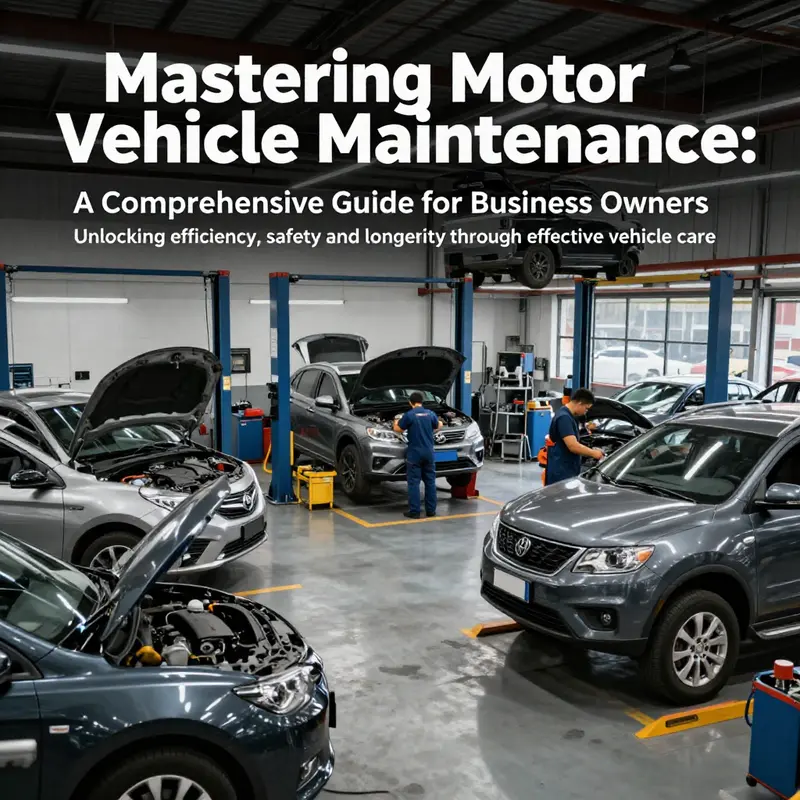
Motor vehicle maintenance is a vital aspect of managing a fleet or offering vehicle services. Business owners must understand its significance, not only for preventing breakdowns and extending vehicle life but also for ensuring safety and compliance with regulations. In the following chapters, we will explore essential tasks involved in vehicle maintenance, emphasize the importance for safety, discuss economic benefits, delve into technological advancements, and highlight practices for environmental compliance. By understanding these facets, business owners can enhance operational efficiency and reduce costs associated with vehicle management.
Maintaining Motion: Essential Tasks for a Safe, Efficient Car
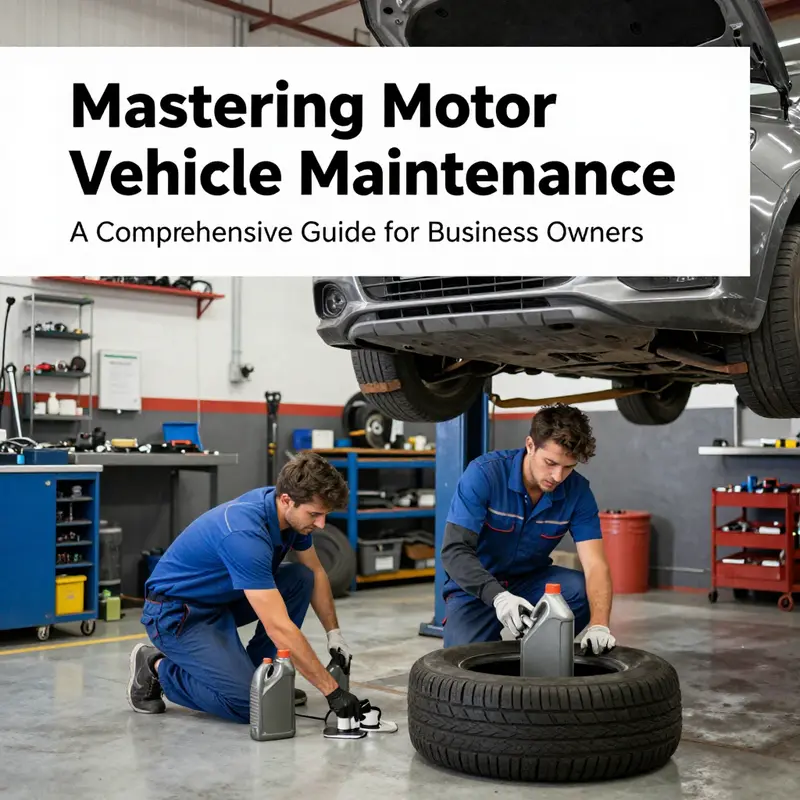
A car is more than a collection of clever components; it is a system built for reliability, safety, and predictable performance. The idea of maintenance may evoke long bills or tedious checklists, but at its core it is a practical, preventive discipline. It is the ongoing care that keeps engines turning smoothly, tires gripping the road, brakes responding reliably, and electronics communicating with a driver in a trustworthy language. When this becomes a habit, the drive becomes reassurance rather than risk, a steady relationship between person and machine rather than a hopeful guess about starting or stalling on a planned trip. The chapter that follows treats maintenance as a cohesive practice, not a patchwork of tasks, and it leans on the idea that regular, manufacturer-informed care forms the backbone of safe driving, efficient operation, and long vehicle life.
A central truth in maintenance is to respect the manufacturer’s recommended schedule. Vehicle makers design maintenance intervals around wear patterns of the engine, transmission, cooling system, and other critical subsystems. These schedules translate the mechanics of a model into a structured approach: when to drain and replace fluids, which filters to swap, and how often to inspect tires, brakes, and suspension components. Following these guidelines gives drivers a predictable rhythm, a clockwork of services that catches wear early and prevents it from becoming failure. Beyond the schedule itself, keeping a detailed log of every service performed creates a personal health record for the car. The log makes it easier to spot patterns, anticipate what might come next, and validate maintenance history for warranty compliance or resale. A well-kept log is also a quiet source of peace of mind, a timeline of care that proves the vehicle has been looked after rather than ignored.
The most familiar maintenance tasks are also among the most consequential. An oil change is not merely a ritual of topping up a reservoir. Engine oil forms a protective film that lubricates moving parts, carries away heat, and prevents metal surfaces from scuffing under load. When oil becomes dirty or breaks down, viscosity degrades and friction climbs, nudging toward reduced efficiency or, in the worst case, accelerated wear. A skipped oil change can turn a minor service into an expensive rebuild, so the routine becomes a simple insurance policy on engine health. Tire care, too, is foundational. Rotating tires distributes wear evenly, preserving grip and extending tire life. Pressure checks are small rituals with outsized payoffs: proper inflation reduces rolling resistance, which directly improves fuel economy and handling, while preventing uneven tread wear that can undermine braking performance and cornering stability.
Brakes sit at the heart of road safety, and regular inspection is not optional but essential. The pads, rotors, and even the hydraulic or electronic components of the braking system degrade gradually with use. Early detection of thinning pads, warped rotors, or fluid leaks is a matter of safety rather than convenience. The same logic applies to the battery and electrical system. A failing battery can leave a driver stranded, and electrical faults can manifest as malfunctioning lights, balky sensors, or warning indicators that require diagnosis. Routine checks of battery health, charging systems, and electrical integrity keep a vehicle responsive to the signals it sends and to the driver’s expectations. Equally routine but often overlooked are the fluid levels inside the cooling system, the power steering circuit, and the transmission. Coolant, brake fluid, and transmission fluid are more than colors in a reservoir; they are lifelines that cushion high temperatures, maintain hydraulic pressure, and ensure smooth shifting. The simplest checks—level, color, and clarity—often reveal problems long before they become visible on a dashboard warning light.
Filters, often inexpensive, do the painstaking work of keeping air, fuel, and ventilation clean. An air filter blocks dust and debris from entering the engine, maintaining combustion efficiency and protecting intake valves. A clogged fuel filter can restrict fuel flow to the point of hesitation and poor performance, forcing the engine to work harder and burn more fuel. The cabin air filter, meanwhile, protects the interior environment from dust and contaminants, preserving comfort and even the integrity of sensitive components like sensors that rely on clean air for optimal operation. These replacements look modest on a bill but pay dividends in performance, economy, and comfort over the life of a vehicle.
Lights and signaling systems are the visible safety net of driving. Crisp headlights illuminate the road at night, while functional tail lights and turn signals communicate intent to other road users. Regular checks for bulbs, wiring, and fuses reduce the risk of a sudden blackout in adverse conditions. Suspension and steering components support stable, predictable driving feel; worn bushings, worn shock absorbers, or loosened linkages can quietly erode handling, increase tire wear, and undermine passenger comfort. A vehicle that tracks straight on a smooth surface but exhibits on-center play or vague feedback during cornering may be signaling a hidden need for inspection. In practice, most of these checks are straightforward on a routine service visit, but they have outsized effects on daily safety and long-term reliability.
Yet maintenance is not only the detection of problems; it is also the management of no-problem days. Diagnostic checks using onboard systems have evolved from specialized tools to commonplace practice. Modern vehicles constantly monitor dozens of sensors, with the onboard computer standing ready to flag deviations from normal ranges through warning lights or messages. A diagnostic session might reveal a fault code that points to a sensor or actuator that is drifting out of spec, a stubborn transmission adaptation, or a cooling circuit issue that would be easy to overlook in a casual inspection. Addressing these signals early keeps performance optimized, emissions in check, and repair costs predictable. It is not a matter of chasing every code, but rather of inviting a professional to interpret what the system is trying to say and to confirm whether action is necessary or if a reset and monitoring period is enough.
As the world of mobility changes, so too does the scope of preventive care. Internal combustion engines still require the core maintenance listed above, but electric and hybrid systems introduce new maintenance contours. Batteries in electric vehicles demand attention to thermal management and charging practices that prolong life, while high-voltage safety protocols shape how technicians approach service and how owners think about charging behavior and thermal conditioning. Even as some routine tasks differ, the philosophy remains the same: anticipate wear, act early, and preserve the functional integrity of the vehicle’s powertrain and supporting systems. The overarching aim is to encourage a proactive mindset rather than a reactive one, so that the car remains a reliable means of transport rather than a source of uncertain expense.
In practice, maintenance happens across a spectrum of service points. A vehicle can receive routine care at independent garages, dealership service departments, or broad service networks that offer a mix of diagnostic tools, genuine parts, and trained technicians. The specifics of where you take your vehicle may depend on the model, the local labor market, and the availability of specialized equipment for advanced systems. What matters most is consistency, transparency, and a clear understanding of the service performed. Building that trust is part of the value proposition of maintenance: a vehicle that has been tended to in a structured way tends to perform predictably, retain value more effectively, and deliver a safer driving experience over many miles.
To anchor these ideas in practical action, consider the routine of a typical vehicle owner who follows a manufacturer’s schedule, maintains a clean service log, and uses common-sense checks between visits. When a routine service is completed, the owner notes the date, odometer reading, and the services performed. If a professional alerts the owner to a potential issue—say, a brake pad nearing the wear limit or a tire showing uneven wear—the next step is to schedule the needed service promptly rather than wait for a failure. This approach minimizes risk and keeps the vehicle performing at its peak.
The broader payoff of this disciplined approach is not just safety or reliability, but also efficiency and environmental responsibility. Proper tire inflation and regular tire maintenance reduce rolling resistance, lowering fuel consumption and emissions. A clean air intake and an efficient combustion process contribute to better mileage and fewer pollutant byproducts. Fluids replaced on schedule protect the integrity of the system and prevent wasteful, unscheduled repairs that would increase both the vehicle’s lifetime cost and its environmental footprint. Seen in this light, maintenance becomes a practical expression of respect for the machine, for the planet, and for the people who depend on it daily.
For readers seeking further guidance aligned with established best practices, consider official maintenance tips offered by recognized energy and transportation authorities, which translate complex engineering into accessible recommendations. To explore more about vehicle maintenance practices in a detailed and authoritative context, refer to resources such as the U.S. Department of Energy’s practical maintenance tips. Vehicle maintenance tips from the U.S. Department of Energy.
Internal links can help readers connect concepts while staying within a shared ecosystem of guidance. For a concise overview that complements this discussion, you can learn more about the fundamentals of vehicle upkeep through a dedicated overview article hosted on a practitioner-focused blog. A relevant resource that distills maintenance essentials into relatable terms is available here: What is vehicle maintenance. This reference complements the broader discussion with accessible, everyday language about how routine care translates into real-world benefits.
Together, these threads—the disciplined schedule, the careful logbook, the core maintenance tasks, and the evolving landscape of electrified propulsion—form a coherent picture of why maintenance matters. It is not about chasing a perfect car, but about cultivating a reliable, efficient, and safe machine that serves as a stable platform for daily life and long journeys alike. In the chapters that follow, the discussion expands to the practicalities drivers face when coordinating service, choosing trustworthy technicians, and understanding how fleets can optimize maintenance for cost, reliability, and compliance. The chapter you have read up to this point is designed to sit beside those practical explorations, providing the conceptual backbone that makes every service appointment purposeful rather than routine. Remember: maintenance is a continuous partnership between vehicle and driver, and the health of that partnership is reflected in every mile traveled.
Guardians on the Road: How Regular Motor Vehicle Maintenance Safely Powers Every Trip
Safety on the road starts with routine maintenance rather than dramatic maneuvers. Regular upkeep keeps critical systems aligned, preserves performance, and reduces the chance of a preventable failure at a dangerous moment. When maintenance becomes a habit, braking, steering, and handling feel more predictable and you gain confidence in your car.
At the heart of safety is two broad maintenance categories: keeping critical systems in good condition and the ongoing monitoring that keeps them within safe ranges. Brakes and tires are obvious priorities: brake fluid quality, pad and rotor wear, tire pressure, and tread depth all affect stopping distance and steadiness in wet or slippery conditions.
Engine health matters, too. Regular oil changes, clean filters, and inspection of ignition components help ensure smooth power delivery and reduce the risk of stalls or hesitations during merges or lane changes.
Beyond these core areas, a broader mindset includes coolant and other fluids, battery health, lighting, and electrical systems. Maintaining fluids helps prevent overheating and loss of power; good lighting keeps you visible and aware of vehicle health via warning indicators.
A practical maintenance cadence can be simple: monthly checks of fluids and tire pressures, plus a quarterly or semiannual professional inspection. The goal is not to chase every fault but to catch issues before they become safety risks. Regular servicing also supports efficiency and can lower long-term costs by avoiding urgent repairs.
Technology and safety continue to evolve. Hybrid and electric vehicles introduce high-voltage and thermal management considerations that require specialized knowledge, but the same safety principle applies: keep the car properly maintained for the technology you drive. Diagnostic tools can reveal issues early, guiding targeted maintenance instead of costly trials.
Maintenance is a shared responsibility among vehicle owners, technicians, and regulators. Accessible standards, proper parts, and informed service help ensure roadworthiness while minimizing emissions and breakdown disruption. By making maintenance a practical habit, drivers stay in control of safety and reliability on every trip.
Maintaining Money: The Real Economic Value of Regular Motor Vehicle Care
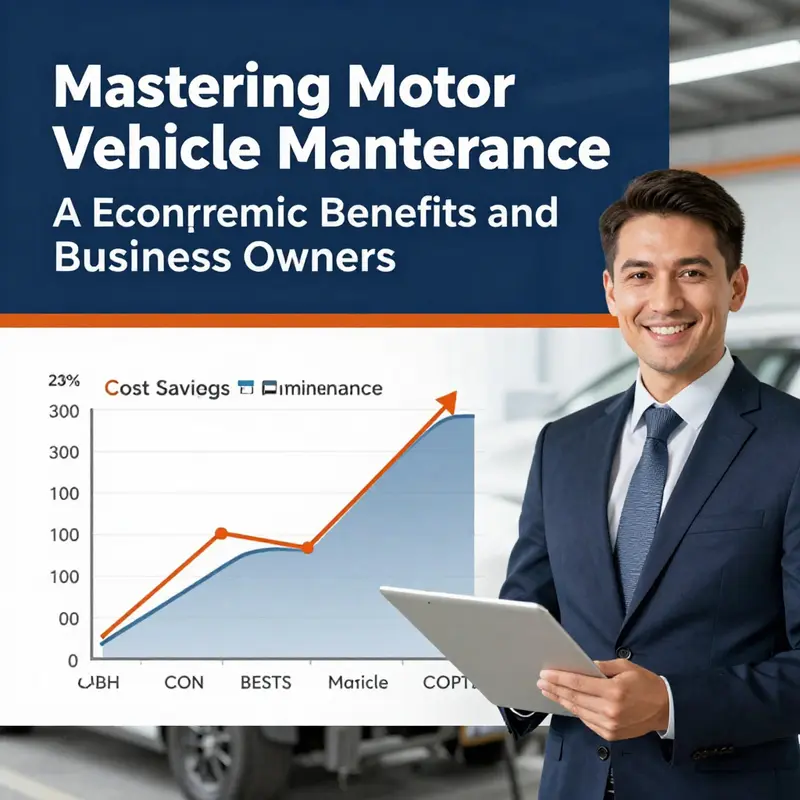
Maintenance is often seen as a set of routine tasks. Yet when you frame it as a financial decision, routine care reveals its true power: it guards safety, sustains reliability, and lowers the total cost of ownership over the life of a vehicle. Regular inspections, timely oil changes, tire care, and proactive part replacements do more than keep a car running. they prevent the cascade of failures that can start with a small fault and end in costly repairs, wasted downtime, and higher insurance or towing expenses. In this view, maintenance becomes a strategic investment rather than a monthly expense, a shift in mindset that aligns vehicle stewardship with long term financial health. The logic is simple but compelling: small, preventive actions today avert big, disruptive costs tomorrow. When a driver keeps lubrication at the right level, tires properly inflated, brakes in good condition, and fluids topped up, the odds of unexpected breakdowns drop sharply. The engine runs with proper lubrication, the cooling system avoids overheating, and the drivetrain finds its rhythm without strain. It is not a guarantee against every fault, but it is a disciplined approach that markedly reduces risk. The payoff is felt in multiple dimensions, and the most immediate is the avoidance of breakdown costs. A single missed oil change, for instance, opens the door to accelerated wear and possible engine damage. The cost of repairing a damaged engine can run into thousands of dollars, easily eclipsing the price of routine maintenance over several years. That contrast is at the heart of the economic case for maintenance. Alongside the direct cost avoidance, routine care also sharpens fuel efficiency, the second major pillar of financial savings. When routine maintenance keeps the air intake clean, the fuel system in good order, and the tires properly inflated, the engine works more efficiently. Even modest improvements in miles per gallon accumulate into meaningful savings over time. The cumulative effect matters, because fuel is a recurring expense for every vehicle owner, and small percentage gains multiply with miles driven. Reading maintenance as a fuel economy strategy naturally leads to practical actions that are easy to implement: replace clogged air filters, service fuel and emission control components as recommended, and keep tires at the correct pressure. The impact of these steps on fuel economy can be surprisingly durable, especially for vehicles that cover a lot of highway miles or rely on efficient engines designed for modern efficiency standards. For drivers who track costs, the pattern is clear: spend a little now on preventive care, and you reduce the likelihood of higher expenditures later on fuel, repairs, and downtime. To illustrate, consider long-term ownership analyses that show the financial edge of well-maintained vehicles. In some broad market analyses, ten-year maintenance costs can average several thousand dollars, a figure that frames maintenance as a prudent hedge against more volatile repair bills. Meanwhile, certain segments of the market demonstrate how design choices and simple maintenance routines can yield notably lower annual costs. In practice, entry-level or simplified-architecture vehicles in some regions show annual maintenance outlays that stay well under a couple of hundred dollars for routine items like basic fluids, filters, and tire care. While that level of cost is not universal, the underlying principle remains: maintaining components while they are still healthy prevents them from failing later when the price tag for replacement parts and labor is much higher. The economic argument strengthens when maintenance records become part of the vehicle narrative. A documented service history signals to buyers that the car has been cared for and that potential issues have been addressed in a timely fashion. This history can translate into a higher resale price or a lower negotiation risk for buyers and sellers alike. It is a quiet but tangible financial asset, turning routine care into a form of value preservation. The broader business case for maintenance is even more pronounced when fleets or multi-vehicle operations are involved. In these contexts, uptime becomes a direct driver of revenue and efficiency. Regular maintenance reduces unscheduled downtime, minimizes safety and compliance risks, and helps ensure that vehicles operate within environmental and safety standards. For fleet managers, preventive maintenance translates into predictable maintenance budgets and improved asset productivity. The narrative extends beyond the vehicle and into the economics of ownership and operation. Consider the resilience of maintenance planning in the face of uncertainty. When markets are volatile, and repair costs can spike due to supply chain disruptions or labor shortages, those who adhere to disciplined maintenance programs often ride out volatility more smoothly. Routine checks create a proactive shield, lowering the chance that a minor issue becomes a major setback. The practical rhythm of maintenance—oil changes, tire rotations, brake inspections, and fluid level checks—fits neatly into a recurring budget cycle. It enables drivers and owners to allocate modest, regular sums rather than facing large, sporadic bills. In that sense, maintenance is not only a technical discipline but a financial habit. The human element further reinforces its value. A well-maintained vehicle is safer, more dependable, and more predictable to operate. The reduced risk of sudden failure can lower perceived risk for drivers, passengers, and, in the case of commercial fleets, for customers who rely on timely service. It also contributes to environmental compliance and safety, reducing the likelihood of emissions violations or unsafe operating conditions that could trigger penalties or costly repairs. Empirical data underpin these observations, though the precise costs vary by market, vehicle type, and driving patterns. Analyses that aggregate maintenance costs across brands suggest that long-term ownership can be significantly influenced by how regularly maintenance is performed. In some market segments, the long-term maintenance burden may be modest, while in others it remains higher but more predictable when a structured maintenance plan is followed. A common thread across this landscape is the recognition that preventive care shapes the cost trajectory of vehicle ownership. For readers weighing the economics of maintenance, a practical takeaway is to view maintenance not as an optional expense but as a foundational element of financial planning around a vehicle. Establishing a maintenance fund, adhering to service intervals, and keeping detailed service records can transform maintenance from a cash outlay into a predictable, controllable cost with a clear return in safety, reliability, and resale value. The knowledge that good upkeep helps preserve resale value is a subtle but important dimension of the economics of maintenance. Vehicles with documented service histories typically command stronger resale prices and can shorten the time on the market. This effect compounds with the age and mileage of the vehicle, reinforcing the idea that early and consistent care pays off in the long run. When a car has been consistently serviced, buyers perceive reduced risk, which can translate into a better selling price. In short, the economic benefits of routine motor vehicle maintenance flow through several channels: it reduces the likelihood of expensive breakdowns, improves fuel efficiency, sustains resale value, and enhances safety and reliability for drivers and fleets alike. The effect is cumulative, and even small daily or weekly maintenance actions contribute to a larger financial story over years of ownership. As this chapter moves forward, the emphasis remains on translating maintenance into money saved, while also underscoring that responsible care supports safety and reliability for everyday driving. For readers seeking a concrete illustration of how maintenance translates into savings, consider exploring practical guidance on how maintenance affects fuel expenses. how vehicle maintenance saves on gas expenses. External resources can provide additional data and contextual benchmarks for cost comparisons across vehicle types and markets. For deeper reading on maintenance cost patterns, you can consult external analyses at https://www.yourmechanic.com/vehicle-maintenance-costs
Smarter Servicing: The Tech-Driven Transformation of Motor Vehicle Maintenance
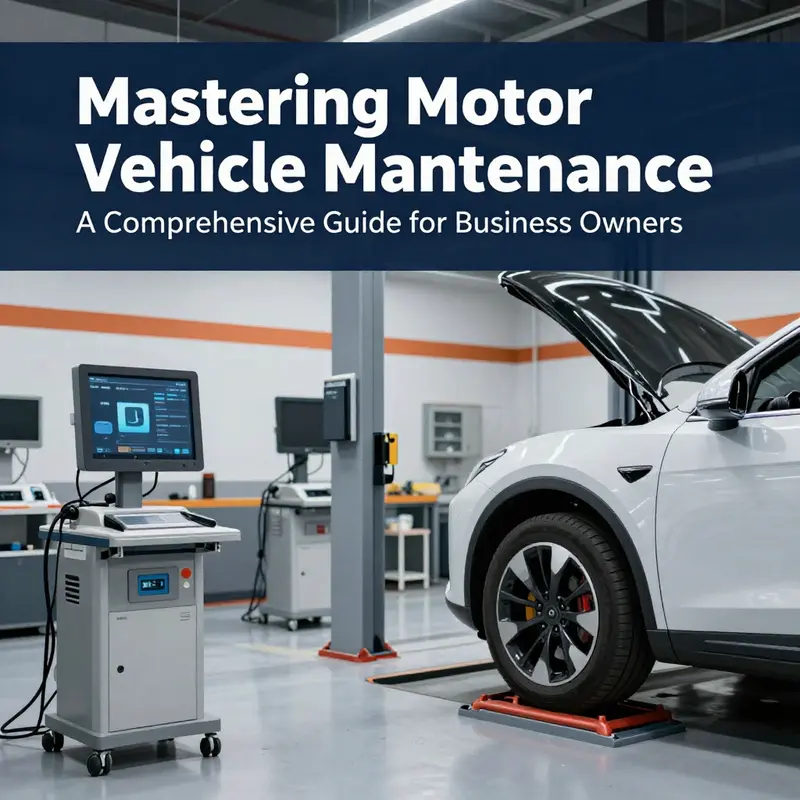
Technological advances have shifted motor vehicle maintenance from a reactive sequence of repairs to a proactive, data-driven discipline that continuously judges a vehicle’s health. The change is not merely about adding gadgets to the shop floor; it is about reframing maintenance as a living conversation between vehicle, driver, and method. At its core lies the realization that modern cars are rolling computers, saturated with sensors, algorithms, and connectivity that translate minute, often imperceptible symptoms into actionable insights. This reconceptualization matters for everyone who owns, drives, maintains, or fleets vehicles. It promises safer roads, reduced downtime, and longer lifespans for machines that increasingly power economies and daily life. To appreciate this shift, it helps to trace how the landscape has evolved from routine oil changes and tire rotations to systems that anticipate failure before it happens and communicate that anticipation with precision.
The backbone of contemporary maintenance is the electronic control unit, or ECU, and the dense network of sensors that feed it. Engines, transmissions, brakes, tires, cooling systems, and even climate controls constantly monitor themselves and report back in a language that technicians and, increasingly, owners can understand. This is not just about locating a fault code; it is a continuous narrative of performance. A single random fluctuation in an ignition coil, a slightly rising tire temperature during a long highway stretch, or a subtle drift in brake rotor wear can be flagged early because the ECU correlates data from multiple subsystems. The On-Board Diagnostics standard, particularly OBD-II, provides a common vocabulary so that diagnostics tools can retrieve specific fault codes, run calibrated tests, and, in some cases, apply software repairs remotely. The result is not simply faster diagnostics; it is a more complete, real-time view of health across the vehicle’s lifecycle.
This real-time awareness lends itself to predictive maintenance, a concept once confined to the realm of heavy industry but now widespread in passenger cars and fleets alike. Predictive maintenance uses historical data and live sensor streams to forecast when a component will fail or degrade beyond an acceptable threshold. This shifts maintenance from a fixed interval—every 5,000 miles or six months—to a more individualized schedule based on actual use, environment, and wear patterns. The practical effect is fewer unexpected breakdowns and more efficient use of service resources. For owners, predictive alerts can arrive as push notifications or in-dash prompts, offering a window to plan service before a problem requires towing or emergency repairs. For fleets, predictive maintenance translates into higher uptime, better route planning, and more reliable service levels for customers who depend on timely deliveries and responses.
Advances in diagnostic tools have also redefined how technicians interact with vehicles. Diagnostic interfaces connect directly to the vehicle’s computer through standardized protocols, enabling technicians to retrieve detailed fault codes, view live data streams, and conduct system calibrations without disassembly. These tools have become more sophisticated, offering remote access to software updates and even guided repair workflows that augment the technician’s experience with data-driven recommendations. In practice, this means a car can be diagnosed with a degree of accuracy that was previously possible only after physical teardown. It also means more consistent service outcomes because a standardized diagnostic approach reduces variation in how problems are identified and resolved. Yet the most transformative leap may lie in the infusion of artificial intelligence into diagnostic platforms. AI and machine learning sift through enormous datasets drawn from millions of vehicles to detect patterns that human technicians might miss. Normal vibrations, subtle sensor drifts, or incremental battery health declines can surface as early as they would in the most vigilant service center, enabling preemptive actions that keep a car on the road rather than in a shop.
AI’s role extends beyond diagnosis to maintenance planning itself. By correlating driving conditions, climate factors, load patterns, and historical repair data, AI can tailor maintenance schedules to the actual life of a vehicle rather than to a generic timetable. For example, a vehicle rarely driven in extreme heat might require less frequent brake fluid refreshes than one that routinely endures high-temperature commutes. This approach helps drivers optimize maintenance costs and time, while ensuring essential systems stay within safe operating parameters. The consequence is a shift toward a maintenance culture that is more individualized, more informed, and more transparent to the owner. It also invites a broader ecosystem of data collaboration among manufacturers, service networks, and vehicle owners, all working from shared, anonymized insights that improve overall reliability and safety.
Training and repair practices are equally reshaped by tech-enabled realities. Augmented reality, for instance, is moving from a novelty to a practical tool on the shop floor. Mechanics equipped with AR-enabled devices can view digital overlays that align with the physical components they are servicing, providing real-time guidance, torque specifications, and wiring diagrams superimposed over the actual parts. This reduces guesswork, shortens repair times, and raises the consistency of outcomes across technicians with varying levels of experience. AR-supported training accelerates the transfer of complex knowledge, making it possible for apprentices to acquire proficiency more quickly while maintaining high standards of quality throughout the learning curve.
Remote diagnostics and over-the-air updates further expand the maintenance boundary beyond the dealership or the independent garage. Some automakers now push software updates directly to vehicles, addressing bugs, refining performance, or reconfiguring systems without a visit to a service center. This is a two-way street: as vehicles become more connected, they also become more responsive to the needs of both drivers and fleets. Preventive maintenance alerts can arrive on owners’ smartphones, offering reminders for fluid checks, tire rotations, or battery health checks timed to actual usage rather than to a calendar. For fleet operators, telematics systems deliver a holistic picture of vehicle health, driver behavior, and fuel efficiency. The combination of telematics with predictive maintenance creates a proactive discipline that scales gracefully across large networks of vehicles, turning maintenance from a costly, disruptive event into a manageable, data-informed process.
The implications for electric and hybrid vehicles are particularly instructive. EVs reduce many traditional maintenance tasks because they have fewer moving parts than internal combustion engines. Yet they concentrate risk around the battery and powertrain systems, which demand specialized knowledge and careful handling. Maintenance professionals now need to understand battery chemistry, thermal management, and high-voltage safety protocols, while also leveraging predictive tools to monitor battery health, state of charge, and charging efficiency over time. The shift here is not to minimize maintenance but to reallocate expertise toward the most critical components and the most efficient ways to preserve them. As a result, technician training is becoming more modular and continuous, with ongoing education tied to the evolving software and hardware ecosystems. This is essential, because the line between maintenance and software engineering blurs as software updates can alter performance, efficiency, and even the recommended service intervals.
Beyond the shop floor, the maintenance ecosystem is migrating toward more secure, auditable data practices. Digital maintenance records, cloud-based analytics, and even blockchain-inspired concepts for record integrity promise to reduce disputes about what work was performed and when. While these ideas are still taking shape, they reflect a broader trend: maintenance is increasingly a data-centric practice that requires careful attention to privacy, security, and data governance. The practical upshot is that vehicle owners can expect a more transparent history of service, better diagnostics, and a stronger foundation for resale value, while technicians and service networks gain the ability to optimize workflows, certify work, and demonstrate accountability in a way that benefits everyone involved.
To connect these ideas to everyday practice, consider the way a typical service interaction unfolds in a technology-rich environment. A driver might receive a notification of a tire pressure anomaly and an estimated wheel alignment suggestion based on dynamic driving data. A service technician can access a live data stream that shows brake wear trends and battery health, cross-referenced with maintenance history and environmental exposure. The technician then follows AI-guided repair steps, updates firmware if needed, and schedules a follow-up diagnostic to confirm that the issue is resolved. All of this happens with a light footprint on the vehicle’s downtime and a clear trail of what was done, why it was done, and when it should be revisited. Such a scenario was unthinkable a couple of decades ago, and today it is increasingly routine across a broad spectrum of vehicle types and service models.
For readers seeking a concise starting point, a foundational overview of what vehicle maintenance entails remains useful. See what is addressed in the guide what is vehicle maintenance for a grounded explanation that complements this broader, technology-driven view. While technology accelerates and refines maintenance, the core aim endures: to keep people safe, cars reliable, and journeys predictable. The most powerful aspect is not a single gadget or software package but the orchestration of data, methodology, and human expertise into a coherent maintenance strategy that adapts to the vehicle, its use, and the environment. As connectivity and automation continue to advance, the future of maintenance will likely include deeper cloud-based analytics, smarter autonomous diagnostic systems, and even more robust mechanisms for preserving vehicle health across fleets and households alike. The result will be fewer surprises, better performance, and a smoother path from service intake to road readiness.
External resources can illuminate this trajectory further. For those who want to explore the evolution of maintenance concepts and their practical implications, see the SAE technical paper linked here: https://www.sae.org/technical-papers/2023-01-1478. This body of work provides a technical counterpart to the narrative above, detailing how connectivity, data analytics, and software-defined maintenance are converging to shape the field. Fleet managers, workshop owners, and individual drivers alike can benefit from understanding these trends as they plan investments in diagnostic tools, training, and data governance. The path forward is not a retreat to older practices but a progressive integration of technology with stewardship, ensuring that maintenance remains a reliable, affordable, and accessible part of vehicle ownership.
Maintaining What Matters: Environmental Compliance in Vehicle Upkeep
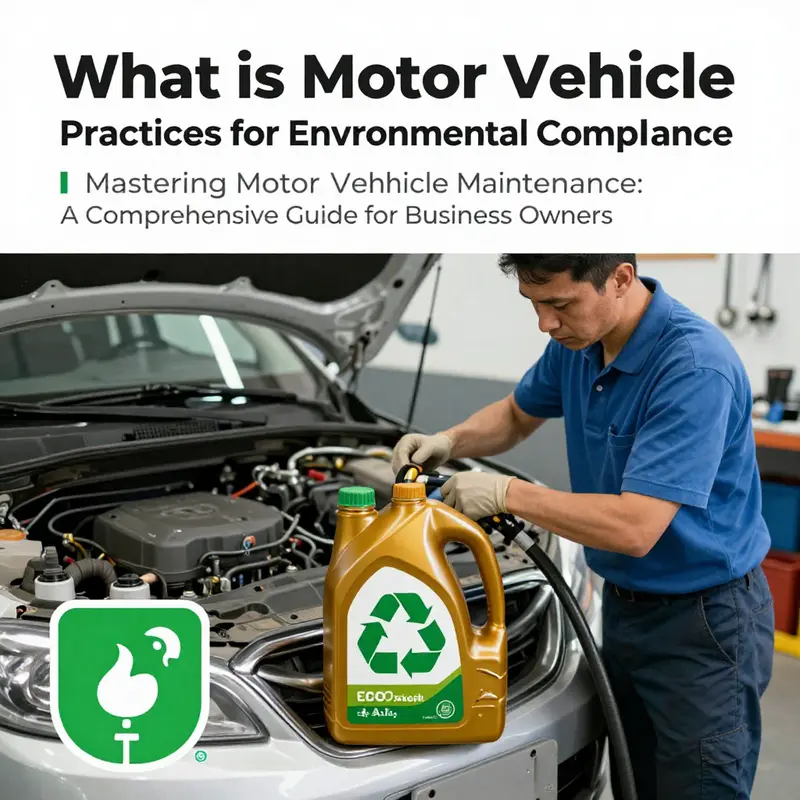
Every motor vehicle carries a footprint beyond its steel frame and glass. Maintenance, read as a daily practice rather than a chore, is the frontline defense between a machine that runs smoothly and a system that quietly contaminates the air we breathe. Environmental compliance in vehicle upkeep is not merely about ticking boxes for regulatory checks; it is about preserving engine efficiency, protecting exhaust systems, and ensuring the fuels and lubricants we choose lead to fewer emissions over the life of a vehicle. Emissions of nitrogen oxides, carbon monoxide, hydrocarbons, and particulate matter are not abstract numbers on a certificate of conformity. They translate into real-world air quality, public health concerns, and urban climate effects. When we treat maintenance as an environmental commitment, we align personal responsibility with broader societal needs. This approach makes maintenance decisions meaningful, practical, and measurable for individual owners and fleets alike.
At the core of environmental compliance in maintenance is a disciplined attention to the engine’s health. Regular inspection and servicing of emission control systems—catalytic converters, exhaust gas recirculation valves, and PCV systems—are not decorative upgrades. They are functional barriers that prevent the engine from dumping unprocessed pollutants into the atmosphere. A well-tuned catalytic converter, for instance, can dramatically reduce the amount of NOx and HC that would otherwise slip into the air. EGR valves, when they function properly, temper combustion temperatures and curb NOx formation. PCV systems, by venting crankcase fumes back into the intake, prevent a buildup of hydrocarbons that would otherwise contribute to smog formation. Every inspection that confirms these components are working correctly translates into cleaner exhaust and better overall efficiency. This is not merely compliance for compliance’s sake; it is a direct investment in air quality and engine longevity.
Alongside these critical systems, practical maintenance actions play a significant role in reducing emissions. Tire pressure and alignment are often overlooked, yet properly inflated tires reduce rolling resistance, which improves fuel efficiency and lowers CO2 and other emissions. Misaligned wheels or worn suspension components create drag and require the engine to work harder, sending more pollutants into the atmosphere. Routine checks for tire tread depth, balanced wear, and correct alignment are inexpensive, quick wins that compound over time. In this way, a few minutes spent on tire health becomes a meaningful contribution to environmental outcomes while also improving safety and handling.
Lubricants and fluids represent another daily inflection point for environmental impact. The selection of high-quality, appropriately formulated lubricants and fluids can minimize friction, temperatures, and wear, all of which influence emissions indirectly. Environmentally friendly or low-evaporation formulations reduce evaporative losses and the potential release of hydrocarbon vapors. The philosophy is straightforward: choose products that meet the manufacturer’s specifications and carry favorable environmental profiles, then dispose or recycle fluids properly. Fuel and oil systems are interconnected; poorly maintained fuel injectors or leaky seals can lead to incomplete combustion and higher emissions. A thoughtful approach to fluids supports both engine performance and air-quality goals.
Oil changes and air filter replacements, when performed on schedule, keep exhaust gases as close as possible to the engine’s designed combustion efficiency. Fresh oil provides superior lubrication, maintains optimal viscosity, and helps prevent sludge buildup that can suffocate the engine. Dirty or degraded oil can cause higher operating temperatures and increased fuel consumption, both of which drive up emissions. Likewise, a clean air intake ensures the engine receives the right air–fuel mix, maximizing combustion efficiency and reducing unburned hydrocarbons. The maintenance calendar, often provided by manufacturers, is not arbitrary. It embodies engineered tolerances and expected wear patterns. Following it is an act of stewardship to ensure the vehicle remains clean in its operation, not just in its cosmetics.
With the integration of diagnostic tools, the maintenance process gains a forward-looking edge. On-board diagnostics (OBD) and related modern tools allow technicians to monitor engine sensors, catalytic converter health, oxygen sensors, and exhaust leaks in real time. Rather than waiting for a warning light, proactive diagnostics can spot trends—emerging misfires, gradual oxygen sensor drift, or subtle fuel-air ratio deviations—that will slowly erode efficiency and raise emissions if left unaddressed. A data-driven approach to maintenance translates into earlier interventions and fewer emissions spikes over the vehicle’s lifespan. This proactive stance aligns well with environmental regulations that emphasize preventative care and early problem detection.
Periodic emissions testing remains a cornerstone of regulatory compliance in many regions. While the details vary by jurisdiction, such testing serves as a practical checkpoint that aligns vehicle condition with legal standards. Regular testing can reveal issues that routine maintenance might miss, such as catalysts losing effectiveness or exhaust leaks that escape notice during casual inspections. This is not about chasing penalties; it is about confirming that the vehicle continues to meet the environmental commitments it made when first brought to the road. The aim is to prevent routine operation from becoming a source of excess pollution rather than a testament to responsible engineering.
Beyond the technical components, the maintenance ecosystem itself matters for environmental outcomes. Maintaining records of service intervals, part replacements, and diagnostic results builds a transparent trail that supports accountability and future decision-making. For fleets, data-driven maintenance plans can optimize routes, schedules, and repair wait times, reducing idle time and fuel consumption across the board. The same logic applies to individual owners who rely on reminders and digital logs to stay on track. The discipline of documentation reinforces a culture of stewardship, where every service entry is a step toward cleaner operation and longer vehicle life. Such practices also simplify compliance during inspections and audits, because the vehicle’s environmental performance is traceable and demonstrable.
A complete environmental compliance program in maintenance must acknowledge the changing landscape of vehicle technology. Hybrid and electric powertrains introduce different emissions concerns, but the underlying principle remains intact: maintain the system so it operates as cleanly as possible. For internal combustion components still present in hybrid and plug-in configurations, attention to emission control devices, cooling systems, and battery management continues to support efficiency. For fully electric vehicles, the emphasis shifts toward battery health, thermal management, and charging efficiency, yet the same dedication to regular inspection and timely interventions helps minimize energy losses and extend the vehicle’s operational life. Across these technology generations, the thread is consistent: informed, proactive care reduces environmental impact while preserving performance and safety.
The broader benefits are tangible. When maintenance emphasizes environmental compliance, it often translates into improved fuel economy, safer operations, and longer vehicle lifespans. It becomes easier to identify and fix issues before they escalate into costly repairs or unsafe conditions. In this sense, environmental compliance is not a barrier to enjoyment or utility; it is a pathway to consistent performance and long-term value. For owners who manage a fleet, the environmental dimensions blend with economic considerations. Reduced fuel spend, lower emissions penalties, and better resale value all flow from a disciplined maintenance regime that keeps emissions within expected bounds. The convergence of safety, reliability, and environmental responsibility creates a compelling case for maintenance as a practical form of stewardship rather than a burdensome obligation.
For readers seeking a practical touchstone, this approach aligns with the baseline idea of vehicle care described in What is vehicle maintenance. The focus is not only on preventing breakdowns but also on sustaining the conditions that keep engines efficient and emissions within regulated limits. Maintaining emission control systems, ensuring tire health, choosing appropriate fluids, and leveraging diagnostics are not isolated tasks. They are interconnected actions that collectively shape how cleanly a vehicle operates in its daily life. The habit of regular checks, timely replacements, and informed decisions creates a culture of responsible ownership—one where the car you drive becomes a cooperative partner in protecting air quality and public health, while still delivering the reliability and performance you expect.
In closing, environmental compliance in motor vehicle maintenance is a multi-layered practice that integrates engineering insight with everyday care. It asks for vigilance and patience, but the payoff is substantial: a vehicle that runs more efficiently, emits fewer pollutants, and lasts longer. It is an invitation to treat every service, every check, and every diagnostic readout as a step toward a cleaner environment and safer roads. The road to cleaner air begins with the maintenance routine you choose today, practiced consistently tomorrow, and refined through continued learning and timely action. External resources like the U.S. Environmental Protection Agency offer guidelines and broader context for how vehicles interact with air quality policies, encouraging drivers and operators to adopt maintenance strategies that align with evolving standards. https://www.epa.gov/vehicles
Final thoughts
In summary, understanding motor vehicle maintenance is crucial for business owners who aim to enhance their operational efficiency, ensure safety, and remain compliant with regulations. By focusing on essential maintenance tasks and recognizing the economic and safety benefits, along with embracing technological advancements and environmental practices, businesses can thrive in today’s competitive automotive landscape. Prioritizing vehicle care is not just a cost—it’s an investment in your business’s longevity and success.