
As a business owner, the efficiency and reliability of your vehicles are pivotal to your operations. Understanding automotive terminology, particularly concepts like ‘maintenance required vehicle,’ is crucial for keeping your fleet in optimal condition. This article delves into what the maintenance required indicator truly signifies, underscores its importance for routine care, and examines the repercussions of ignoring these alerts. Through this exploration, you will gain insights that not only facilitate smoother business operations but also enhance the longevity of your vehicles.
MAINT REQD: Understanding the Maintenance Required Light and Its Role in Vehicle Longevity
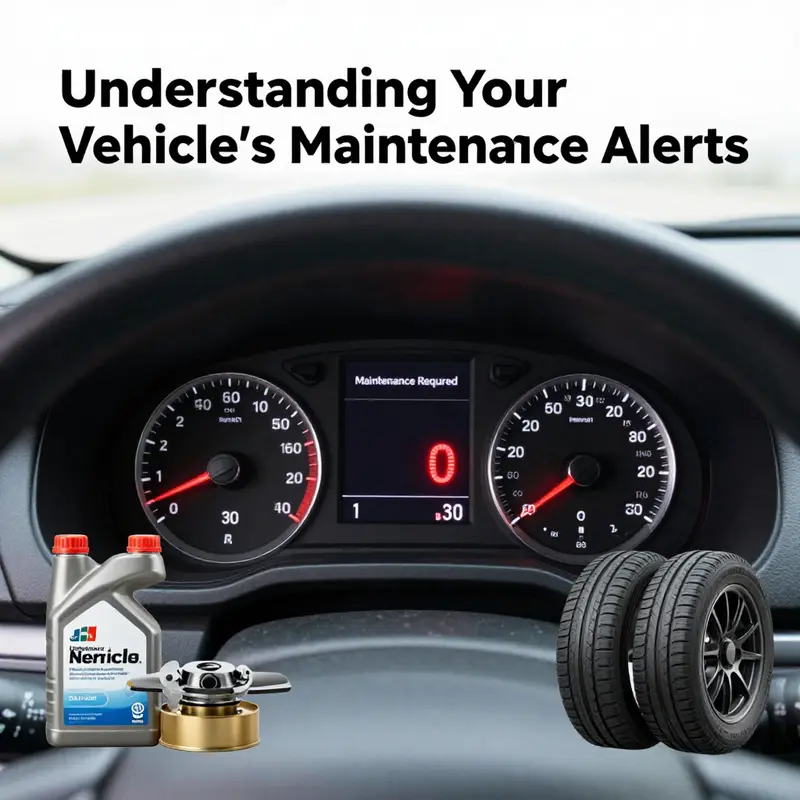
A maintenance reminder is not a fault; it’s a prompt that your car needs routine service. The MAINT REQD indicator, commonly abbreviated as MAINT REQD, signals that the manufacturer’s maintenance schedule has reached a due threshold. It is a proactive nudge to perform scheduled upkeep—such as an oil change, filter replacement, brake inspection, and tire check—to help keep the engine clean, fluids at proper levels, and components in good condition. It is not an indicator of a current malfunction or imminent breakdown. The goal is to encourage timely care and prevent problems before they arise. Different makes and models implement the reminder in slightly different ways, and the exact triggering criteria can vary between mileage since last service, time since last service, or a combination of both. The key idea is cadence: it marks when upcoming maintenance is due, not when something is broken.
Resetting the indicator after service is model-specific: typically you perform a service then reset the count so the reminder reflects the next due interval. In older vehicles you might use the ignition, trip meter, and button presses; in newer cars you may use the dash menu or a touchscreen path labeled Service or Maintenance. Always consult the owner’s manual for the correct procedure for your vehicle. Importantly, you should not reset the light until the scheduled service has actually been performed, because resetting ahead of maintenance can hide wear and lead to deferred upkeep.
Viewed this way, MAINT REQD is a practical tool for preventive care. It helps drivers keep maintenance at the forefront, supports vehicle reliability and efficiency, and preserves resale value by encouraging a regular service cadence. It is not a fault light or a danger signal; it is a reminder that upkeep matters and that a booked service helps sustain performance over time. For readers seeking more context, you can explore general guidance on maintenance reminders and why they exist, and how to interpret them in the broader framework of vehicle care.
null
null
The Keeper of the Clock: Why Ignoring Maintenance Reminders Undermines Your Vehicle’s Health and Your Safety
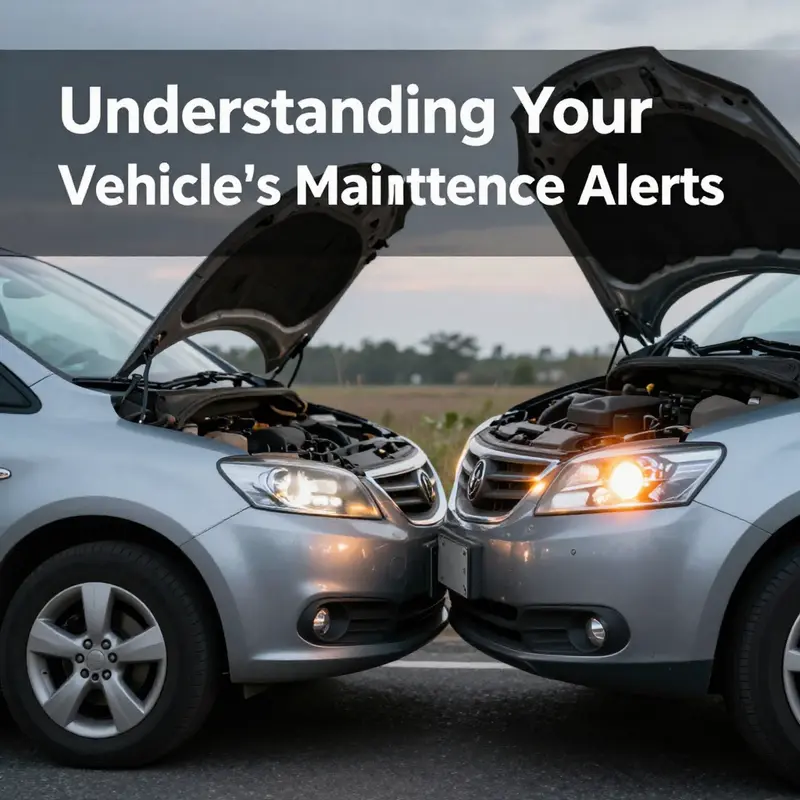
A dashboard light labeled MAINT REQD may seem humble, even ignorable. Yet it sits at the intersection of technology and responsibility, a small beacon telling you that a carefully tuned machine needs a pause in its routine to stay reliable. The phrase maintenance required vehicle is, in truth, a misnomer for most drivers who confront it; there is no category of car that inherently requires maintenance, but every vehicle carries a schedule of care that must be followed to preserve its performance and safety. This distinction matters because the reminder light is not signaling a malfunction. It is not a fault code that points to a broken part. It is a calendar and a mileage tally, a preventive prompt that the next service window has opened and you are invited to step into the service bay before symptoms become serious. Treating the MAINT REQD indicator as a warning of impending doom is not only unnecessary; it is counterproductive to the long-term health of the car and, by extension, to the safety of its occupants.
To understand why this matters, one must first grasp what maintenance does for a vehicle. Modern cars are sophisticated ecosystems of engines, transmissions, cooling circuits, lubrication systems, brake hydraulics, suspensions, electrical networks, and software that monitors all of the above. Each system has its own wear patterns and its own maintenance cadence, driven by hours of operation, miles traveled, and the evolving condition of fluids and components. Oil and filter changes, air and fuel filtration, brake inspections, tire rotations, coolant refills, and belt checks are not arbitrary rituals; they are interventions that minimize friction, heat, and contamination. When performed on schedule, they act like regular medical checkups for a living, moving machine. When neglected, the benefits of that orchestration begin to erode, often in small, nearly imperceptible ways at first, then in a cascade of consequences that spell trouble on the road and in the wallet.
What makes maintenance reminders effective is their design: they are not about fault-finding or surveillance; they are about prevention. The reminder is built on an assumption that maintenance needs accumulate, and the system tracks the vehicle’s mileage and the time elapsed since the last service. If the light comes on, you have crossed into the interval where a routine check becomes prudent. Importantly, the light can be reset after the maintenance is performed, which is a reminder that the interval starts anew. The reset process is a small administrative step that reinforces the idea that care happens in cycles. Understanding this cycle helps drivers shift from viewing maintenance as an interruption to seeing it as a critical component of ongoing reliability. In a sense, the MAINT REQD light is a calendar, an odometer, and a personal trainer in one, nudging you toward the steady discipline that keeps a vehicle performing as intended.
The spectrum of consequences when these reminders are ignored is wide. It begins with subtle performance shifts that drivers may chalk up to weather, fuel type, or aging parts. But the underlying mechanism is straightforward: late oil changes, overdue brake inspections, and skipped tire rotations permit wear to accumulate in areas that were designed to tolerate normal use only when managed through regular service. Engine oil is a lifeblood that reduces metal-to-metal contact, carries away heat, and prevents contaminants from building up. When oil changes are deferred, oil breaks down faster, filters get clogged sooner, and the lubricating film can thin, increasing friction and temperature. Over time, this can accelerate wear on bearings and pistons, reducing efficiency and potentially shortening engine life. A light, a light that once seemed like a mere nudge, can become the loud whisper of trouble, followed by a concerning siren if the neglect continues.
Even when there are no obvious signs of trouble, the consequences are not merely theoretical. The maintenance schedule is designed to align with the vehicle’s engineered tolerances. Tire rotations help maintain even wear, prolong tread life, and sustain predictable handling. Skipping rotations can result in uneven tire wear, which undermines grip and increases the risk of blowouts in extreme conditions. Brake systems rely on a balance of pads, rotors, and fluid. When inspections are postponed, brake components can wear beyond the point where the system can operate safely without more significant repair. A momentary dip in braking performance may not be dramatic, but it is a predictor of diminished stopping power in emergencies. In this way, the reminder light is, paradoxically, a guardian of safety, insisting that the car’s most critical systems remain within safe, tested limits.
Beyond performance and safety, there is an economic dimension that often gets overlooked. Routine maintenance is an investment with a clear payoff: lower risk of major failures, better fuel economy, and longer vehicle life. The cost of a single overdue service can pale beside the expense of an unanticipated breakdown, towing, and emergency repairs. A manager of a household budget who tracks maintenance as a disciplined expense tends to spend less on catastrophic, unplanned events. When the maintenance reminder is ignored, the car’s subsystems begin to age together, amplified by heat and vibration, and a minor issue may morph into a larger, more expensive repair. This dynamic is not dramatic in the moment; it unfolds as a slow erosion of reliability, like a battery gradually losing capacity or a belt fraying over miles of use. The sticker price of preventative care is a fraction of the price of emergency fixes, and the value of reliability—particularly for those who rely on their vehicles for daily commutes, errands, or family responsibilities—cannot be measured purely in dollars. It lies in the assurance that your car will perform when you need it most.
The safety dimension deserves particular emphasis. When maintenance steps are delayed, wear can outpace the system’s capacity to compensate. Brakes that are not inspected at the designed intervals may reveal issues only when the need for urgent stopping arises. Tires with uneven wear can lose grip on wet roads or in cornering, elevating the risk of hydroplaning or flats. Fluid levels—brake fluid, transmission fluid, coolant—play crucial roles in heat management and hydraulic responsiveness. Low or degraded fluids can lead to spongy pedals, inconsistent shifts, or overheating, all of which degrade control. The light that prompts service is, in effect, a third set of eyes on the road, a reminder that your vehicle is a complex machine with many vulnerable points that require human attention at regular intervals. To treat this reminder as optional is to gamble with the most trusted tool you have on the road: your own ability to control a safe journey.
A practical way to think about maintenance reminders is to translate them into a simple rule: if the light is on, plan a service appointment within a reasonable time frame. The length of that window may vary by vehicle design, driving conditions, and climate, but the principle remains constant. The reminder is not a verdict on a specific fault; it is an invitation to verify that the systems are healthy and that the car’s performance is aligned with the manufacturer’s expectations. If a person drives in a region with extreme temperatures or a heavy stop-and-go commute, the interval can be tailored to reflect harsher operating conditions. Conversely, for a light, well-maintained vehicle used in mild conditions, the window may be a bit longer, though not by much. The important factor is consistency: consistency in how you monitor, schedule, and complete the maintenance tasks. This consistency protects the vehicle’s performance envelope, ensuring that the car remains within its intended operating parameters rather than drifting away from them over time.
To borrow a metaphor that helps many drivers grasp the concept, consider the maintenance schedule as a treaty between you and your vehicle. The car agrees to deliver a predictable level of performance, efficiency, and safety, while you agree to provide timely services, inspections, and clean fluids. When either side keeps their end of the bargain, the partnership thrives. When one side neglects, the balance shifts and long-term costs accrue. The MAINT REQD light is not the culprit; it is the reminder of a pact that should be renewed at regular intervals. The reminder’s purpose is noble: to keep your vehicle performing at its best and to preserve your peace of mind as you navigate roads, weather, and traffic. If you listen to the light, you honor that pact; if you ignore it, you risk turning a routine moment into a costly interruption down the line.
From a behavioral perspective, the decision to act on maintenance reminders often hinges on cognitive biases and competing priorities. People may delay service due to expenses, inconvenience, or a belief that “it hasn’t caused any problems yet.” Yet the absence of symptoms is precisely why these reminders are so valuable. Cars are built with layers of redundancy and safety margins, but those protections are designed to operate within the intended maintenance schedule. When a driver waits for a problem to present itself, the margin shrinks and the likelihood of surprise failure grows. The maintenance reminder is an ally in the cognitive process, reducing the need to guess whether the next service interval is upcoming and helping ensure that the vehicle’s health is monitored in a proactive, not reactive, manner. It is a small investment of time and money that pays dividends in reliability, safety, and resilience on the road.
The consequences of ignoring maintenance reminders are not limited to mechanical components. They extend into the driving experience itself. A vehicle that has not received timely oil changes or air-fuel system checks can exhibit reduced responsiveness, slower acceleration, and impaired cooling efficiency. The engine may run hotter under load, the transmission may hesitate during shifts, and the overall feel of the car can become uncharacteristically loud or thrashy. These changes are often attributed to “just getting old,” but they frequently signal that minor, addressable maintenance tasks have been deferred too long. In a modern vehicle, the computer systems, sensors, and actuators are interdependent. When a single subsystem drifts, it can trigger a chain reaction that degrades efficiency and increases the risk of failures. The light is a cue to pause, assess, and intervene before the cascade begins.
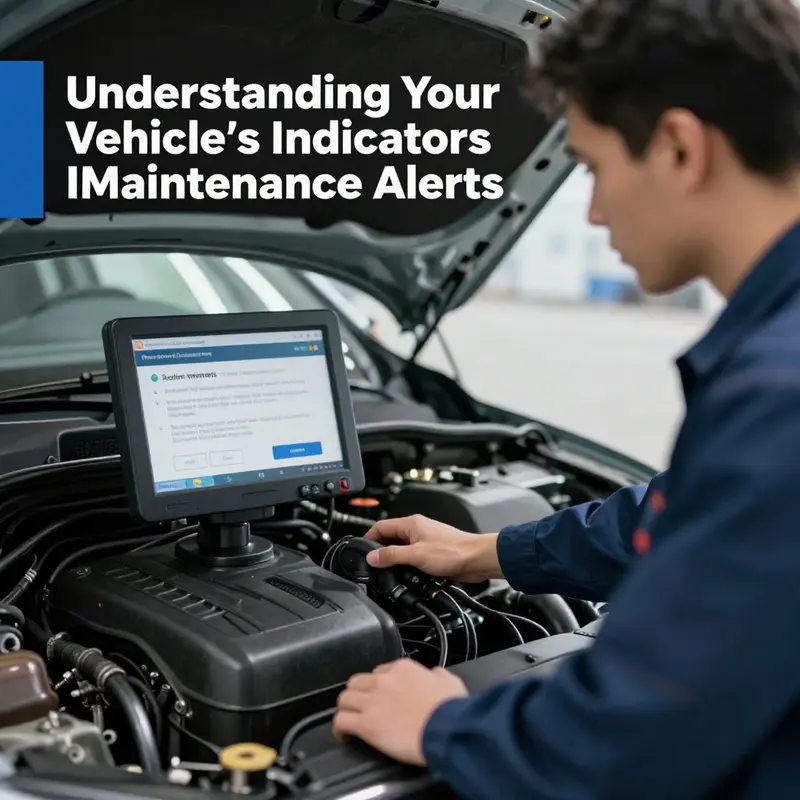
To appreciate the full scope of what maintenance really safeguards, it helps to consider the end-to-end path from a scheduled service to the moment you slip behind the wheel again. A routine service visit typically includes a seasoned technician evaluating fluid levels, inspecting belts and hoses, checking braking components, measuring tire tread depth, and verifying the performance of cooling and charging systems. After completing these checks, the technician resets the maintenance timer, ensuring the light will illuminate again at the appropriate future interval. The act of resetting is more than a formality; it marks a reset in the vehicle’s internal calendar, a fresh start for the clock that governs the next round of care. The effect is practical as well: once maintenance is performed, most systems return to their designed operating tolerances, and the car’s efficiency, safety margins, and responsiveness regain their intended levels. The difference between a car that receives timely attention and one that does not is often found not in dramatic moments but in the quiet, incremental improvements in how the car feels and performs on a typical drive.
Within the broader context of the article’s central question—what is maintenance required vehicle—the MAINT REQD indicator is a reminder that maintenance is an ongoing, necessary process rather than a one-time fix. The concept helps separate the idea of a vehicle that can be trusted to go the distance from one that requires vigilance and routine care to stay in serviceable condition. A maintenance-required mindset is one that recognizes service as an investment in reliability, safety, and long-term value, not as an optional expense or an annoyance. When applied consistently, it shifts the burden from emergency repairs to planned, almost predictable upkeep, a transformation that aligns with sound vehicle ownership and responsible road use. The reminder thus becomes a practical tool, not a symbol of deficiency. It is one part of a larger system that includes driver habits, maintenance literacy, and an accurate understanding of a vehicle’s needs over time.
In closing, the maintenance reminder light can be a powerful ally if treated with purpose rather than hesitation. It embodies a straightforward truth: regular care preserves what matters most—the car’s ability to perform when you need it, the safety of passengers, and the confidence that comes from knowing you are not ignoring warning signs but actively managing the vehicle’s well-being. The next time you see MAINT REQD, resist the impulse to dismiss it as just another dashboard quirk. Acknowledge that maintenance is a proactive practice that protects your mobility, your finances, and your safety. When you respond promptly, you are not merely meeting a routine requirement; you are affirming a responsible relationship with a machine that, in turn, carries you through your days. For readers who want a quick reference on the broader nature of vehicle upkeep, a concise overview of what constitutes regular maintenance can be found at what is vehicle maintenance. This resource helps connect the everyday actions of a driver with the larger framework of keeping a vehicle dependable across miles and seasons, a connection that lies at the heart of the topic explored in this chapter.
For further reading that anchors these ideas in practical behavior and proven outcomes, consult external guidance that emphasizes avoiding neglect of warning indicators and treating them as actionable cues for care. The point remains clear: the small, timely steps you take to address maintenance reminders today can prevent large, disruptive, and costly problems tomorrow. The maintenance clock is not a punitive instrument; it is a steward’s tool—one that asks simply for timely attention, honest assessment, and a commitment to keeping your vehicle in its best possible condition. As you continue through this article, remember that the question is not whether a vehicle is maintenance capable; it is whether you are prepared to meet the day-to-day responsibilities that sustain that capability over time. The long view rewards that discipline with smoother drives, fewer surprises, and a vehicle that proves its reliability mile after mile.
External resource: https://www.parisautosales.com/blog/why-you-shouldnt-ignore-warning-lights
Final thoughts
In summary, while the concept of a ‘maintenance required vehicle’ may not exist in the automotive lexicon, understanding the implications of the maintenance required indicator is critical. For business owners who rely on a fleet, recognizing when your vehicles are due for service can dramatically influence performance, cost-efficiency, and safety. Regular maintenance not only avoids future complications but also extends the life of your vehicles, ensuring your business runs smoothly and effectively.