
For business owners, especially those managing a fleet, vehicle maintenance is more than just a regulatory obligation; it’s a key driver of operational efficiency and safety. Understanding the holistic landscape of vehicle maintenance can significantly impact a company’s bottom line, enhance vehicle reliability, and ensure compliance with legal requirements. This article delves into crucial aspects of vehicle maintenance, highlighting preventive and scheduled maintenance, the integration of diagnostic technologies, and essential safety checks. Each chapter addresses fundamental expectations and practices that every business owner should consider to maximize their investment in vehicle assets and maintain a competitive edge in their industry.
Proactive Care on the Clock: The Essential Role of Preventive and Scheduled Maintenance in Vehicle Longevity and Safety
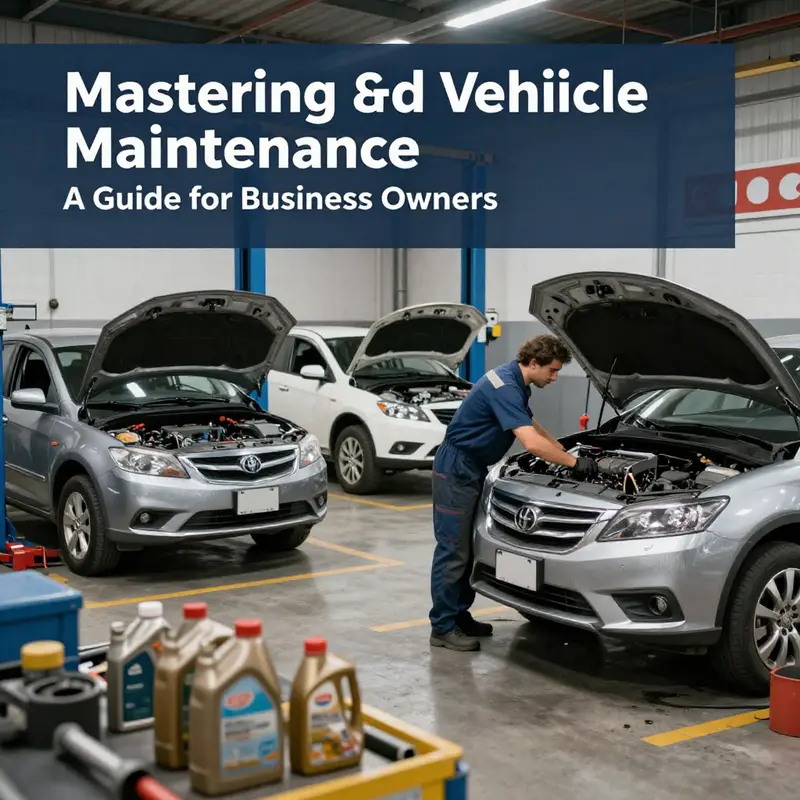
Vehicle maintenance sits at the nexus of safety, reliability, and efficiency. It is not a reaction to failures but a disciplined practice of care that keeps thousands of moving parts in harmony. When approached with foresight and consistency, preventive and scheduled maintenance becomes a quiet but powerful driver of longevity, fuel economy, and roadworthiness. It transforms the relationship drivers have with their machines from episodic problem solving to a steady, purposeful partnership. This is the backbone of what is expected in modern vehicle maintenance.
At its core, preventive maintenance rests on a simple premise: you can reduce the likelihood and impact of failures by identifying wear and deterioration before they become visible symptoms. The expectation is not merely to fix when something breaks but to anticipate and prevent breakdowns through regular inspection, timely part replacement, and routine servicing. This shift from reactive to proactive care is reinforced by the practical realities of driving today, where vehicles are increasingly complex systems of sensors, actuators, and software. Every component—whether you can see it or not—depends on careful attention, and the maintenance cycle is the cadence that keeps all those pieces doing their job well.
One of the clearest ways this approach manifests is through adherence to fixed intervals. Service schedules are established around miles traveled, hours of operation, or calendar time, with the goal of creating consistent service behavior. These intervals act as predictable milestones that remind owners and technicians to check critical systems before wear accumulates unchecked. In different jurisdictions, these intervals can be codified differently. For instance, standardized procedures and intervals exist within national or regional frameworks, such as the Chinese GB/T 18344-2016, which outlines standardized procedures for periodic maintenance based on predefined intervals. While the exact cadence may vary by vehicle model and market, the principle remains constant: maintenance should occur on a predictable timetable so that care is not left to happenstance. This principle, often summarized as prevention first, mandatory maintenance, is the throughline that runs from everyday drivers to fleet managers and service centers.
The practical expression of preventive maintenance is a comprehensive, multi-point inspection coupled with targeted service tasks. The inspection begins with a visual sweep and a set of measurements, but it is anchored in the habit of looking beyond the obvious to detect subtle signs of wear or deterioration. A well-structured service will routinely address several core categories: fluid status, filtration, tires and brakes, batteries and electrical systems, and the wear items that connect the chassis to the road. Each category is a chapter in the same story—the story of a vehicle kept reliable through attention to detail and a plan that outpaces the unpredictable nature of driving.
Fluid checks and changes stand as a fundamental pillar. Engine oil is the lifeblood of the internal combustion process, and its condition tells a larger tale about engine health. Cabin and evaporative system fluids, including coolant and windshield washer fluid, are more than convenience; they are essential to preventing overheating, corrosion, and degraded visibility. Transmission fluid, brake fluid, and cooling system coolant all require periodic evaluation to maintain hydraulic performance, thermal stability, and proper lubrication across temperature swings. A scheduled maintenance event is the moment to confirm fluid levels, inspect for leaks, and replace fluids in accordance with manufacturer recommendations. This systematic approach helps ensure that the engine and related subsystems operate within their designed temperature and viscosity windows, reducing friction, wear, and the risk of catastrophic failures.
Filtration is another cornerstone of preventive care. Air filters, cabin air filters, and fuel filters each perform a concrete, tangible task: keep contaminants out of the intake and the passenger environment, and ensure clean fuel reaches the engine. A dirty air intake can mask performance issues, reduce fuel efficiency, and accelerate component wear. Similarly, a clogged cabin filter can degrade interior air quality and climate control performance. Fuel filters, depending on design, protect the fuel system and ensure the engine receives a steady blend of air and fuel. Regular filter replacement during scheduled maintenance is a straightforward, affordable step with outsized returns in efficiency, performance, and comfort.
Tire and brake systems are the safety linchpins of the vehicle. Tire maintenance, including pressure checks, tread depth assessment, and wear pattern analysis, is not cosmetic. Properly inflated tires optimize grip, braking response, and fuel economy, while worn tread can dramatically increase stopping distances and reduce cornering stability. Likewise, brake components—pads, rotors, and fluid—are the direct interface between the vehicle and the road. A scheduled inspection monitors pad thickness, rotor wear, and hydraulic integrity. Early detection of uneven wear, pulsing brakes, or changes in braking feel can prevent larger, more expensive repairs and, more importantly, prevent accidents.
The battery and the broader electrical system receive careful scrutiny as part of preventive maintenance because modern vehicles rely extensively on electronics for performance, safety, and comfort. Battery health, terminal cleanliness, charging rates, and alternator performance are routinely checked. Electrical systems govern critical subsystems—from lighting and sensors to engine management and safety features. A weak battery or corroded terminals can cascade into elusive drivability issues, erratic electronics, or unexpected outages. Proactive checks here reduce the risk of roadside failures and ensure the vehicle remains responsive in all conditions.
Suspension, steering, drive belts, and hoses are the connective tissues of ride quality and control. A scheduled service evaluates control arms, ball joints, tie rods, struts or shocks for wear, and the integrity of belts and hoses that carry power, coolant, and air. Subtle signs—play in the steering, clunking over bumps, or fine cracking sounds in belts—are red flags that merit immediate attention. The goal is to detect wear before it translates into poor handling, vibrations, or sudden belt failures that could strand a driver. This category of checks reinforces the broader aim: maintaining predictable, confident control of the vehicle under a broad range of operating conditions.
Across these technical checks, the use of standardized procedures matters as much as the checks themselves. Vehicle maintenance professionals rely on established guidelines to ensure consistency, safety, and quality. Standards provide a common language that service providers can follow, reducing variation and improving outcomes. This is not about rigidly following a checklist to the letter; it is about applying a reliable framework to guide care, while still honoring the vehicle’s unique specifications and the owner’s usage patterns. In practice, standardized procedures translate into repeatable results, clearer maintenance histories, and stronger warranties and assurances for owners and fleets alike.
Record keeping is where preventive and scheduled maintenance truly earns its value. A well-kept maintenance history is more than a file; it becomes a living map of the vehicle’s life. It documents service dates, odometer readings, tasks completed, parts replaced, and any anomalies observed along the way. These records facilitate future planning, enable smooth warranty claims, support insurance requirements, and ease regulatory audits in commercial or industrial contexts. When a vehicle is needed for work, the data behind its upkeep becomes a credential of reliability and safety, reassuring drivers, operators, and stakeholders that the machine has been cared for with discipline and transparency.
As the transportation landscape evolves, preventive maintenance also embraces diagnostic and technological integration. Onboard diagnostics (OBD-II) and a suite of sensors generate continuous data about engine performance, emissions, and component health. Maintenance shifts from a purely schedule-based exercise to a data-informed practice. Technicians can read fault codes, interpret sensor trends, and evaluate whether a recommended service interval should be accelerated or extended. This fusion of tradition and technology helps ensure maintenance remains both proactive and precise. It also supports environmental stewardship by keeping emissions control systems in their optimal operating window and promoting fuel economy through well-timed adjustments.
From the perspective of safety, the directed focus on regular inspection and servicing of brakes, suspension, steering, lights, and tires cannot be overstated. These are the systems most closely linked to crash avoidance and survivability. Routine checks identify wear before it produces a dangerous condition, reducing the likelihood of failures that could lead to accidents. The emphasis is particularly strong for fleets and commercial operators, where the consequences of downtime and safety lapses carry broader implications for people, schedules, and budgets. In any setting, the disciplined practice of inspecting and maintaining safety-critical systems reinforces the duty of care that all drivers owe to themselves and others on the road.
A further dimension of preventive maintenance is its environmental and efficiency focus. When engines, exhaust systems, and emission controls stay in top condition, fuel economy improves and emissions stay within regulatory bounds. Clean air and sound energy efficiency are not only regulatory expectations; they are practical gains that owners experience as lower operating costs and more reliable performance. This alignment of safety, economy, and environmental responsibility represents a holistic view of maintenance, one that transcends the traditional view of maintenance as a cost to be minimized. Instead, maintenance becomes a pragmatic investment in performance, longevity, and trust in the vehicle’s ability to meet daily demands without surprising failures.
For organizations managing multiple vehicles, the principles of preventive and scheduled maintenance acquire strategic scale through fleet and asset management. Fleet maintenance programs formalize scheduling, tracking, and compliance across a diverse set of units. They rely on centralized maintenance histories, standardized service tasks, parts inventory management, and performance dashboards. This approach reduces downtime, extends asset life, and improves operational efficiency. By coordinating maintenance across many vehicles, fleets can optimize parts supply, standardize service intervals, and assure consistent safety and compliance across all units. The same principles apply to non-public fleets—such as boats, aircraft, or industrial equipment—where disciplined maintenance planning yields comparable gains in reliability and cost control. In all cases, the core message remains: a proactive maintenance regime reduces unpredictable failures and preserves value over time.
The ethos that underpins preventive maintenance is crisp and memorable: prevention first, mandatory maintenance. This maxim underlines a cultural expectation that care should precede failure and that maintenance is not optional but essential for safety, reliability, and efficiency. When owners and operators adopt this mindset, maintenance becomes a routine part of vehicle ownership and operation, not a burden to be endured. The payoff is a smoother ownership experience, fewer disruptions, and a longer, healthier life for the vehicle. In practical terms, this means integrating maintenance into planning: scheduling service visits, budgeting for parts, and maintaining clear records that tell the story of the vehicle’s care over time. The result is a vehicle that remains dependable, responsive, and safer for longer, even as ages and miles accumulate.
For readers seeking formal guidance on the technical requirements and standardized procedures that underlie these practices, the Chinese national standard GB/T 18344-2016 offers a detailed framework. It illustrates how standardized maintenance procedures are designed to ensure quality, safety, and consistency across service providers and vehicle types. While the exact intervals and tasks may vary by model, the standard embodies the spirit of preventive maintenance: systematic care that anticipates wear and protects performance. Those who want to connect general concepts to a rigorous, auditable process can consult this standard for a concrete reference point. The standard serves as a bridge between everyday practice and formal compliance, supporting both individual ownership and institutional operations that depend on documented maintenance.
To ground these ideas in a practical definition and to see how they translate into everyday driving, consider the broad consensus that maintenance begins with a clear understanding of what needs attention and when. For a concise conceptual anchor, you can explore the article What is vehicle maintenance, which explains how maintenance responsibilities and expectations translate into real-world practice. This resource provides a readable synthesis of the core elements discussed here and helps readers orient themselves before engaging with a service provider. What is vehicle maintenance
As readers move from theory to application, the emphasis should shift toward building a maintenance habit that fits their vehicle’s usage and their personal or organizational goals. A routine that aligns with the manufacturer’s recommendations and the vehicle’s operating environment can create a sustainable rhythm. Drivers who operate in harsh climates, for example, may need more frequent coolant checks, battery testing, or brake inspections due to temperature extremes and road conditions. Fleets operating in urban settings may emphasize brake wear and tire life because of frequent stop-and-go cycles, while those with longer highway stretches may focus on oil and filter changes and emissions system diagnostics to optimize efficiency. In every case, the core objective remains: to keep the vehicle performing as intended, with minimal surprises near the edge of reliability.
This approach also invites a thoughtful dialogue between vehicle owners and service providers. Certainty about what is included in a scheduled maintenance—what fluids will be checked, which filters replaced, what tests will be run, and how the results will be interpreted—helps build trust and sets reasonable expectations. It makes the maintenance process collaborative rather than adversarial, with both sides aligning on the path to a safer and more economical drive. A well-structured maintenance plan communicates not only what will be done but why it matters, linking each task to the vehicle’s performance, safety, and lifecycle costs. It also offers a framework for prioritization when resources are limited, helping determine which items require immediate attention and which can be scheduled for the next service interval without compromising safety or reliability.
One notable advantage of preventive maintenance is its impact on long-term cost of ownership. Although routine service involves upfront expenditures, it is often more cost-effective than paying for emergency repairs after an unplanned failure. Regular filter changes, fluid replenishment, and belt replacements reduce the risk of major damage to engines, transmissions, and cooling systems. The peace of mind that comes with routine maintenance—knowing that the vehicle is operating within its designed parameters—has value that extends beyond dollars saved. It translates into more predictable maintenance costs, reduced downtime, and enhanced resale value, since a well-documented maintenance history adds credibility to a vehicle’s condition and care.
In sum, preventive and scheduled maintenance is a disciplined, future-facing practice. It embodies a philosophy of care that values consistency, quality, and responsibility. By combining fixed interval servicing with comprehensive multi-point inspections, standardized procedures, diligent record-keeping, and an openness to diagnostic data, vehicle owners and service professionals create a robust defense against sudden failures. The result is a vehicle that remains safer, more reliable, and more efficient over time—the kind of reliability that allows drivers to focus on the road and on the possibilities of the journey ahead.
External resource for standards and procedures: GB/T 18344-2016, official documentation outlining standardized maintenance procedures and intervals. https://std.samr.gov.cn/gb/search/gbDetailed?id=9A8C7F5D7B8E4F7FB8D9A2C4D8F1C7D6
Reading the Health Signals: Diagnostic Intelligence and the New Expectation of Vehicle Maintenance
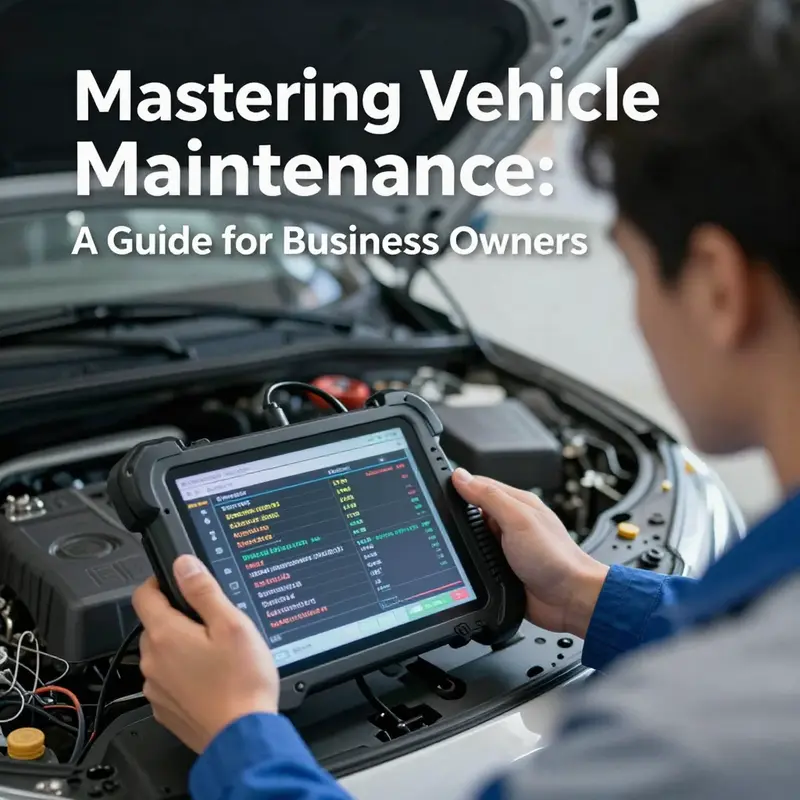
Diagnostic and Technological Integration has become the living nervous system of modern vehicle maintenance. What used to be a mostly reactive set of repairs, guided by symptoms and after the fact failures, has shifted toward a proactive discipline driven by data, analytics, and increasingly automated insight. At the heart of this shift lies the onboard diagnostic framework that most drivers barely notice until a warning light flickers. In truth, those signals are part of a larger conversation about how a vehicle speaks to its handlers, how maintenance teams interpret that speech, and how the entire practice evolves once every subsystem is continually monitored rather than checked at a few distant service intervals. The transformation is not merely about adding gadgets. It is about changing the expectations that owners, technicians, and fleet operators bring to the care of an asset that now generates, transmits, and interprets its own health data with a level of fidelity that would have seemed almost magical a generation ago.
The foundational layer in this narrative is the onboard diagnostics system, most commonly the standard that operates under OBD II and its regional iterations. This architecture is more than a code library. It is a real time, cross subsystem monitoring network that aggregates data from multiple electronic control units across the vehicle. Each ECU watches its domain, from the engine and transmission to the exhaust, emissions controls, fuel systems, and beyond. When readings drift outside established boundaries, the system stores fault codes and flags the issue to the driver or technician. Modern practice treats those fault codes not as scattered alarms but as a structured map indicating the most likely cause, a prioritized list of potential failures, and, increasingly, recommended next steps. The result is a diagnostic pathway rather than a guessing game. Practitioners no longer rely solely on experience; they read patterns across data streams and use those patterns to anticipate what might fail next and when.
Alongside fault code reading, real time health monitoring has become the norm. A vehicle today can reveal engine vibration spectra, turbocharger performance, sensor calibrations, fuel trim values, air flow rates, exhaust temperatures, and a host of emissions-related indicators. This continuous telemetry supports a practice known as predictive maintenance, where maintenance tasks are scheduled not strictly by mileage or time, but by the actual observed condition of critical components. The practical benefit is immediate and tangible: fewer unscheduled downtimes, less invasive interventions, and better alignment of service with actual wear rather than assumed wear. For owners and operators, this translates into greater confidence that maintenance will stabilize performance, preserve efficiency, and extend service life.
A natural extension of real time diagnostics is the broader concept of Integrated Vehicle Health Management, IVHM. IVHM collects data not in isolation but as a system that spans multiple control units and, increasingly, multiple vehicles. It uses built in algorithms to look for correlations that may indicate upcoming failures. In highly wired or connected fleets, IVHM can synthesize information from a vehicle with telematics data and even external environmental data to forecast reliability trends. The promise is a more holistic view of vehicle health that enables proactive interventions rather than reactive fixes. A single car can become part of a larger ecosystem where maintenance decisions are informed by pattern recognition and world knowledge about how similar models have aged in similar duty cycles.
The role of artificial intelligence in this space cannot be understated. AI can sift through immense streams of data far faster than any human technician, identifying subtle correlations that escape manual analysis. It can flag anomalies, assign risk levels to potential faults, and even suggest optimal maintenance windows. Digital twin concepts take this a step further. A digital twin creates a living virtual representation of a vehicle that mirrors its real time state. With a digital twin, technicians can run simulations, stress test anticipated failures, and explore the effects of different maintenance strategies without touching the actual machine. The result is an experience of maintenance that feels almost anticipatory, where the service plan is guided by a forecast of what is likely to occur rather than what has already occurred.
Telematics and fleet management platforms amplify these capabilities beyond a single vehicle. For organizations that supervise dozens or hundreds of units, the ability to centralize fault data, service histories, and readiness indicators makes maintenance into a synchronized operation. Fleet teams can schedule routine services in concert with driver schedules, budget for parts and labor, and minimize downtime by staggering service windows. The same data pipelines support regulatory compliance, warranty management, and asset tracking. In this light, maintenance becomes a strategic function, not a scattered series of repairs performed when a light glows green with urgency. The most progressive operators view maintenance as an ongoing, data driven program that protects uptime, safety, and total cost of ownership.
All of these innovations rest on the core principle that prevention has priority over cure. The saying prevention first, mandatory maintenance, echoes through modern practice. When data shows a component trending toward a fault, the aim is to intervene early, replace or recalibrate before a failure becomes costly or risky. This principle also reframes the time dimension of maintenance. Time on the calendar is no longer the sole driver; time under operational load and time since last meaningful diagnostic readout are equally important. Detailed documentation of every health check, every fault code interpretation, and every maintenance action becomes more than an administrative task. It becomes the traceable record that supports warranties, insurance, and audits, especially in commercial settings where fleet operations are subject to stringent regulatory scrutiny.
For the broad audience of DIY diagnostics and curious enthusiasts, the diagnostic story may sound abstract, yet it remains intimately practical. Entry level diagnostic tools have become accessible enough to read fault codes and interpret basic statuses. Yet the temptation to leap from code reading to repair without a proper understanding remains a risk. The landscape invites a gentle reminder that reading a fault code is only the starting point. Codes require context, which often comes from looking at sensor data trends, the vehicle’s operating state, and the conditions under which the fault first appeared. A code indicating a misfire, for example, might point to spark plugs, ignition coils, or fuel delivery, but the right fix depends on whether the misfire is recurring under load, at a particular engine temperature, or in a specific RPM range. Here the human operator still matters as the critical interpreter who couples data to practical action. Tools like VCDs or other diagnostic interfaces can provide entry points for deeper analysis, but proper use demands training and careful interpretation to avoid misdiagnosis. The risks of false positives, miscalibrations, or misreadings underscore the need for ongoing education and disciplined practice.
As diagnostic intelligence grows, so too does the need for accessible knowledge sharing. A practical reference point for readers seeking a grounded overview of what maintenance means in the digital era appears in general maintenance primers that explain the scope and intent of preventive care. The idea is not to replace hands on experience but to supplement it with a data driven framework. For readers who want a concise primer on how to translate these ideas into everyday care, a helpful anchor is the concept that a well kept vehicle benefits from consistent data in the form of fault history, service histories, and calibrated decisions about when to service what. The practical implication for drivers and technicians is that maintenance planning becomes a collaborative process between the vehicle and the human stewards. The vehicle contributes data and insights, while the human team applies judgment, experience, and professional standards to translate those insights into effective care. To explore these ideas further, readers can consult more general explanations of vehicle maintenance such as what is vehicle maintenance.
The promise of diagnostic and technological integration is matched by the challenges that come with it. Retrofitting IVHM and advanced analytics into older, legacy vehicles is not always straightforward. It often requires hardware updates, software integration, and substantial calibration work. The cost of such upgrades must be weighed against the potential benefits in reliability and downtime reduction. There is also the organizational burden. For a fleet, collecting, storing, securing, and processing vast streams of data demands robust information systems, clear data governance, and trained personnel who can interpret analytics and translate them into operational actions. Small shops may find it difficult to keep pace with the speed at which software environments evolve, which means ongoing education and a culture of continuous learning become essential components of the maintenance discipline. Then there is the matter of connectivity itself. Many of these advanced systems rely on persistent data links and cloud services, creating vulnerability surfaces that must be mitigated through cybersecurity best practices, secure update mechanisms, and careful access control. A calibration error, a misconfigured sensor, or a compromised data stream can generate false positives or mask real faults, creating a different kind of risk that must be managed just as prudently as traditional mechanical failures.
End users, particularly those who engage in preliminary diagnostics at home or in the field, face a learning curve. The allure of quick fixes can be strong when a fault code seems straightforward, but the path from reading a code to performing a repair is paved with nuance. Basic screening can reveal a misfire, a sensor out of range, or an emissions fault, but turning that information into a sustainable repair demands an understanding of the system context. This is where education and safe practice come into play. For enthusiasts, the possibility to deepen knowledge is energizing, yet it must be matched with guidance that emphasizes when to consult a professional, especially for issues that involve high pressures, fuel systems, or safety critical subsystems such as brakes or steering. The chapter recognizes the value of entry level diagnostics while underscoring that responsible maintenance means knowing the boundary between analysis and actuation.
The narrative also expands to the organizational plane. In the realm of fleets and asset management, diagnostic and technological integration translates into operational discipline. Service histories become a living record of how each asset aged, which interventions proved effective, and where intervention windows best align with production cycles. Inventory management follows suit, as spare parts strategy is informed by predictive signals about component wear, enabling better planning and fewer last minute delays. The integration of data, analytics, and maintenance rituals helps reduce downtime—a critical factor in industries where vehicle availability directly impacts service delivery, safety, and customer satisfaction. In this context prevention becomes a measurable capability, supported by data streams, governance, and a clear line of sight from sensor to service decision.
This evolution is not purely technical. It reshapes the relationship between people and machines. Technicians grow more like data interpreters who can translate a flood of digital signals into precise, actionable steps. Operators and drivers become active participants in a shared maintenance journey, empowered to report anomalies, track service histories, and understand how their daily operations influence the vehicle’s long term health. The user experience changes as well. When predictive insights surface, maintenance scheduling can be personalized around usage patterns, driven by a philosophy that favors convenience, reliability, and safety over rigid adherence to a calendar that may be out of step with actual wear. The result is a maintenance ecosystem that feels more intelligent, more responsive, and more aligned with the realities of how people use vehicles today.
The future pathway suggests not a single invention but a convergence of trends. Cloud based analytics will allow diagnostic data to be aggregated across diverse models and duty cycles, revealing broader patterns that individual vehicles cannot reveal in isolation. AI will not just predict failures; it will help personalize maintenance plans that reflect a specific driver profile, climate exposure, and duty cycle. The evolution toward wireless OBD updates and even autonomous reporting could push maintenance beyond human promptness toward automated, location aware, and regulatory compliant operation. Standards development, such as evolving frames around OBD II and OBD III, promise to formalize how data is captured, shared, and reported, reducing ambiguity in maintenance tasks and increasing the reliability of automated interventions. This trajectory depends on continuous collaboration among engineers, technicians, policymakers, and vehicle owners to ensure that innovation improves safety and reliability while respecting privacy, security, and practical constraints.
In the current moment, the practical implications for maintenance practitioners and vehicle owners are clear. Diagnostics provide a roadmap that begins with data collection and ends with a disciplined maintenance plan. The plan is not static; it adapts as new data arrives, as conditions change, and as technology itself evolves. The work of maintenance becomes more precise, measured, and strategic because it is informed by real time signals and validated by outcomes. Yet the human dimension remains essential. Engineers and technicians bring judgment to the interpretation of data, drivers contribute contextual information about how a vehicle behaves in daily use, and fleet managers translate insights into schedules, budgets, and performance guarantees. The chapter surveys this landscape not as a prediction of a distant future but as a snapshot of where maintenance is today and where it is heading in the near term. It invites readers to recognize that the signals a vehicle emits are not merely diagnostics for a single moment but a continuous dialogue about health, performance, and responsibility.
For those seeking a deeper dive into the structural and regulatory backdrop of diagnostic integration, the field offers standards and guidelines that shape how data is captured and used. An external reference that captures the technical breadth of diagnostic integration is the SAE International standard for OBD systems, which anchors the interoperability and reliability expectations across manufacturers and service providers. This standard provides authoritative guidance on diagnostic integration and its role in maintaining emissions and performance within regulatory boundaries. Readers interested in the formal specifications can explore the official publication at the SAE standards portal. In practice, this means that the maintenance ecosystem borrows a common language for data, fault codes, and reporting, which helps ensure consistent interpretation and a clear path from data to service action.
Within the broader maintenance conversation, a single link can illuminate the practical realities for readers who want to connect theory to everyday care. For those who wish to explore foundational concepts of maintenance in a concise, grounded way, the general overview of what maintenance means can be a helpful starting point. Consider reading the article at what is vehicle maintenance, which frames core ideas that underpin more advanced diagnostic practices without losing sight of the need for clear, actionable steps in day to day care. As readers progress, they will see how the diagnostics driven approach aligns with these foundational ideas, turning data into reliable service and vehicles into more predictable partners on the road.
In sum, diagnostic and technological integration marks a pivotal expansion of what maintenance can be. It reframes maintenance from a schedule to a strategy, from a set of fixed tasks to a living system of care that evolves with technology, data, and usage. The result is safer roads, more reliable vehicles, and a maintenance culture that treats prevention as a proactive, data informed discipline rather than a purely reactive obligation. The chapter emphasizes that while the tools and methods are growing more sophisticated, the core aim remains constant: to protect people, preserve performance, and extend the useful life of one of our most essential everyday assets. External standards and ongoing education will continue to guide this evolution, ensuring that the benefits of diagnostic intelligence are accessible, responsible, and sustainable for drivers, technicians, and organizations of all sizes. For those seeking deeper standards context, the discussion aligns with the ongoing development of diagnostic norms such as those captured in industry publications and standards portals, including the reference noted earlier. See the external resource for more detail on diagnostic specifications and testing requirements.
External resource: SAE International standard for OBD systems: https://www.sae.org/standards/content/j2012_2023/
Guardians Under the Hood: Understanding Safety-Critical System Checks in Modern Vehicle Maintenance
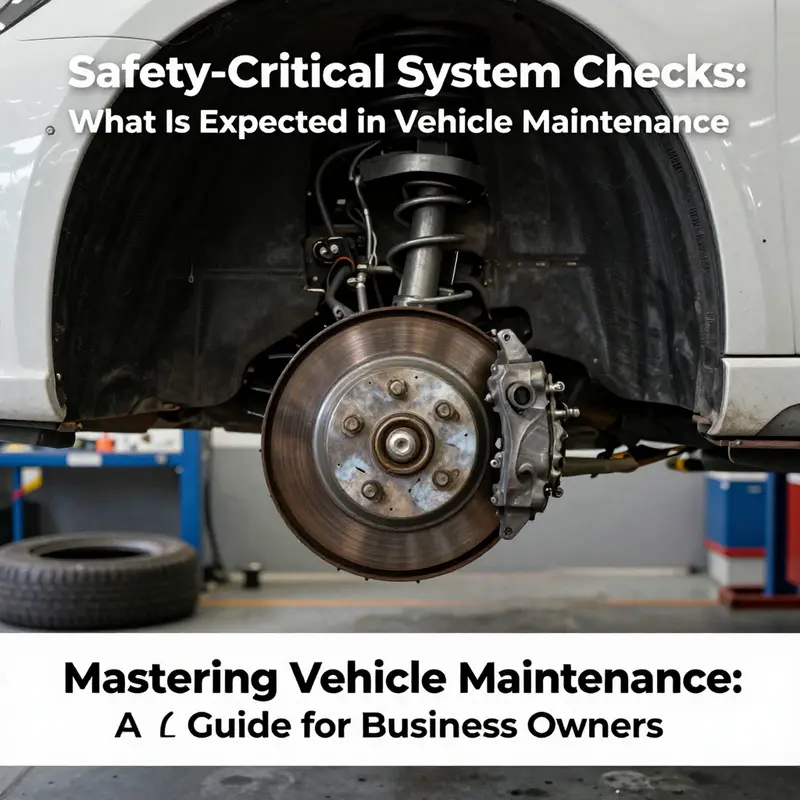
Every journey begins with a decision to trust the machine you drive, and that trust rests on the invisible work happening beneath the hood and behind the dashboards. Safety-critical system checks are more than routine tasks; they are the precise, purposeful actions that keep a vehicle operable under all conditions and for all drivers. When maintenance planners, technicians, and even conscientious owners align with the idea that prevention comes first, the road becomes a safer space for everyone who shares it. This chapter dives into what those checks look like in practice, how they fit into a broader maintenance philosophy, and why they matter not only for safety but for reliability, efficiency, and the long arc of a vehicle’s life.
At the heart of modern maintenance lies a simple, powerful principle: the systems that keep a car on the road are also the systems most likely to fail in a way that endangers occupants. Brakes that fade or grab unpredictably; steering that develops play or stiffness; suspension that lets a wheel lose contact with the road; tires that show uneven wear or insufficient tread; lights that fail to illuminate or communicate properly; and the electronic brains—the ECUs and sensors—that govern engine performance, emissions, stability, and advanced driver-assistance features. When any of these pieces falter, the chance of an incident rises, and not just the chance of a camera catching a near-miss, but the chance of a real, physical consequence. The idea of vehicle maintenance as a safety practice, therefore, is not merely about avoiding breakdowns. It is about protecting life on the road, preserving the vehicle’s ability to respond to sudden hazards, and ensuring drivers are not lulled into complacency by shiny dashboards and smooth idling.
Across fleets and families alike, the predictable cadence of preventive maintenance acts as a sentinel for safety. Modern vehicles rely heavily on sensors, actuators, and on-board diagnostics (OBD-II) to monitor the health of critical subsystems. The diagnostic tools that technicians use read fault codes, track performance metrics, and verify that emissions controls and safety features are functioning within design parameters. In practice, that means a routine check might begin with a scan for diagnostic trouble codes, followed by a physical inspection of components, and then targeted service to address any abnormalities. The steps may seem routine, yet they form a continuous feedback loop that catches issues before they escalate into safety risks. This integration of technology with hands-on inspection marks a shift from reactive repair to proactive care, a shift that aligns with regulatory expectations and with the broader goal of extending vehicle life while reducing environmental impact.
The most visible assembly of safety-critical checks centers on six domains that directly influence a vehicle’s ability to operate safely: brakes, steering, suspension, tires, lighting, and the electronic control systems that knit everything together. Each domain is not a standalone code to check once in a while; it is a system of systems that must be understood as a dynamic, evolving constellation. Brakes must deliver predictable stopping power in a range of temperatures and loads; steering must preserve precision under steering inputs, on uneven surfaces, and during emergency maneuvers; suspension must keep tires in contact with the road so steering and braking commands translate into actual vehicle response; tires must provide traction and stability even when pressures fluctuate and tread wears down; lighting must illuminate and communicate intent clearly to other road users; and ECUs must process sensor data, control subsystems in real time, and communicate failure indications when something drifts out of spec. When any one of these systems is compromised, the vehicle’s response to a driver’s input can deteriorate, and the consequences can range from uncomfortable to catastrophic.
The brakes are the most tangible sanctuary of safety. Worn pads reduce stopping power and can lead to reduced control during hard braking or in wet conditions. The triggers for attention are wear indicators, unusual noises, and vibrations transmitted through the brake pedal. But braking is not limited to pads alone. The brake fluid, as a hydraulic medium, must remain stable and free of moisture; as moisture accumulates in the fluid, the boiling point drops, increasing the risk of brake fade under heavy demand. A common maintenance guideline calls for a brake fluid flush every couple of years to maintain predictable braking performance. The rest of the braking system—the rotors, calipers, lines, and ABS components—also demands periodic inspection for scoring, overheating, leaks, and corrosion. In high-stress environments, like city driving with frequent stops or heavy loads on a truck, the threshold for service may be lower. The aim is simple: detect wear or degradation before a consensus about “good enough” becomes a decision about a failed system.
Steering, like braking, is a master key to vehicle control. A vehicle with a loose wheel or a stiff, unresponsive steering rack can respond unpredictably to driver input, especially in emergency maneuvers. Regular checks focus on play in the steering wheel, the condition of tie rods and steering joints, and the power-assist system’s health. In hydraulic or electric power steering, subtle signs—grinding noises, unusual heat, inconsistent assist at low speeds—can indicate developing wear or hydraulic leakages, which require attention. A steering issue, if left unchecked, can escalate into a loss of lane control at highway speeds, turning what should be a routine trip into a risk scenario. The best practice is a combination of visual inspection for leaks or damaged boots, tactile assessment for free play, and functional tests that confirm the system returns smoothly to center and tracks with precision.
Suspension performance is the friend of predictable handling. The suspension system—comprising springs, dampers, control arms, and bushings—keeps the tires in firm contact with the road surface, absorbing imperfections and maintaining tire alignment. When components show signs of wear or damage, the vehicle can exhibit excessive body roll, bouncing, or a degraded ability to absorb shocks from potholes and ruts. Regular checks examine shock absorbers or struts for leaks and wear, bushings for cracking, and components like ball joints and control arms for play. The safety case for suspension is not just comfort; it is about stability and tire contact under braking and cornering loads. An unsupported or degraded suspension transfers forces into the steering system and can alter braking trajectories, making a careful, integrated evaluation essential.
Tires are the closest link between the vehicle and the road. They carry the load, provide traction, and determine how well the vehicle responds to steering, braking, and acceleration. Tire maintenance is both routine and crucial. Tread depth is a direct indicator of grip, especially in wet or snowy conditions. Tire pressures must reflect load, speed, and ambient temperatures; underinflation or overinflation alters handling characteristics, wear patterns, and fuel efficiency. The decision to replace tires is not purely aesthetic; it is a safety calculation that weighs traction, braking distance, and resilience to blowouts. Rotational patterns, alignment checks, and inspection for sidewall damage or punctures all contribute to a defensible, proactive maintenance posture. In the context of safety, tires are not a luxury; they are the most immediate line of defense against loss of grip and failure to decelerate when it matters most.
Lighting and visibility frame the vehicle’s ability to communicate with others on the road. Headlights guide the driver through darkness, dusk, and poor weather; taillights and turn signals coordinate with other road users to prevent misinterpretation and collisions. A routine inspection covers bulbs, wiring harnesses, fuses, and the alignment of headlights to ensure the beam is directed appropriately and does not blind oncoming drivers. Visibility goes beyond illumination; it includes the adequacy of exterior lighting and the legibility of interior displays under bright sun and dark conditions. If lights fail, the vehicle becomes a moving invisible if not a hazard to others, especially at night or in bad weather. The check, therefore, includes a functional test of all lighting circuits and a careful audit of lamp housings for moisture intrusion, which can degrade performance and signaling clarity.
The electronic side of safety—ECUs, sensors, and software—represents a more recent but no less critical frontier. Today’s vehicles rely on a network of electronic control units coordinating everything from engine timing to braking and stability systems. Fault codes stored in the OBD-II system illuminate when a subsystem drifts from expected behavior. Routine diagnostic checks translate into insights about misfires, emissions irregularities, sensor degradation, or actuator faults. More sophisticated maintenance now includes recalibration and testing of advanced driver-assistance systems (ADAS) after repairs or component replacements. ADAS features such as automatic emergency braking, lane-keeping assist, and adaptive cruise control demand that the underlying sensors and cameras operate within precise tolerances. When a tire, wheel alignment, or windshield washer is replaced, for instance, a recalibration may be necessary to ensure the camera system continues to interpret the road accurately. Fallen behind in recalibration, and the car’s safety suite may misread a lane line, misjudge a vehicle’s distance, or misinterpret a pedestrian, which defeats the purpose of having these features in the first place.
This interplay between mechanical systems and electronic intelligence shapes how maintenance teams plan and execute checks. It is a reminder that a modern vehicle is not merely a mechanical artifact but a dynamic computer on wheels. As a result, the diagnostic picture is increasingly data-driven. A technician will typically begin with a scan for fault codes, then review live data streams from sensors to ascertain whether readings fall within expected ranges. If something is outside tolerance, the next steps may involve physical inspection, component replacement, or software updates. The SDT (static diagnostic test) and dynamic driving tests provide complementary lenses: the first reveals latent conditions not always apparent in motion, the second confirms how the vehicle responds under real-world loads and conditions. The process is iterative, evidence-based, and oriented toward preventing issues rather than chasing after a breakdown when time and traffic pressures are against you.
With that diagnostic foundation, maintenance regimes align with regulatory and safety expectations in meaningful ways. On the regulatory front, safety inspections are codified through guidelines that emphasize regular checks of critical systems and the ability to verify roadworthiness before each journey. The National Highway Traffic Safety Administration (NHTSA) frames these expectations as part of a broader commitment to road safety, including inspections that support safe operation and environmental compliance. In commercial settings, the Federal Motor Carrier Safety Administration (FMCSA) underscores the importance of upkeep for vehicles that move people or goods on a schedule. The commercial maintenance requirements involve documenting service histories, verifying compliance across fleets, and ensuring that parts inventories and maintenance planning are aligned with regulatory expectations. The practical upshot is that the maintenance practice is not only about avoiding a breakdown; it is about meeting a standard of safety that protects drivers, passengers, and other road users, while also reducing risk to the organization through better asset reliability and controlled downtime.
A central thread in this safety tapestry is the discipline of documentation. Detailed records of maintenance activities support warranty claims, insurance coverage, and regulatory audits. They also enable better decision-making for future interventions. When a brake fluid flush is performed, the technician notes the mileage, the fluid type, and the condition of the old fluid, which informs the recommended interval for the next service. If a tire rotation reveals uneven wear, the record should specify wheel alignment status and any corrective actions taken. In fleet environments, the practice scales: service histories move from single-vehicle records to a unified database that reveals patterns in parts usage, labor time, and recurring issues across hundreds of vehicles. The ability to demonstrate proactive care in audits and claims is a powerful incentive to keep meticulous logs, and it reinforces the message that prevention is not a best practice but a legal and financial necessity in many cases.
The safety-critical system checks also intersect with broader environmental and efficiency goals. When brakes, tires, and suspension work in harmony, fuel economy improves, because the vehicle can accelerate and decelerate more efficiently, with less rolling resistance and reduced energy losses. Clean engine operation—supported by proper maintenance of filters, emissions controls, and fuel delivery systems—reduces pollutants and helps manufacturers and regulators meet environmental standards. This synergy between safety and efficiency shows how a robust maintenance program serves multiple masters: it keeps people safe, preserves the vehicle’s performance envelope, and minimizes resource waste. As a driver or fleet manager, recognizing that these checks are interdependent helps prioritize investment in maintenance and fosters a culture of ongoing attention to the vehicle’s condition rather than episodic attention only after something breaks.
The practical cadence of safety-critical checks should feel familiar, even though it may look different across contexts. For individual vehicle owners, a monthly or quarterly review—visual inspections of tires for wear and punctures, tire pressure checks, exterior and interior lighting tests, and a quick glance at the dashboard for warning lights—builds a habit that aligns with the vehicle’s designed service intervals. The engine bay invites a more careful assessment during every oil change window: fluid levels, the integrity of hoses and belts, and the absence of leaks. Yet even these owner-level checks benefit from a technician’s confirmation, particularly for the more subtle signals that only a trained eye or a precise diagnostic readout can reveal. In fleet settings, the cadence is formalized into scheduled maintenance windows, with discrete tasks assigned to technicians, mechanics, and parts staff. The goal is to reduce downtime, optimize the use of spare parts, and ensure that every unit moves through the maintenance cycle with minimal disruption to operations.
An important dimension of the safety-critical check is the need for calibration and testing after any repair or component replacement. This is where the line between mechanical maintenance and software management blurs. ADAS and other driver-assistance technologies rely on sensor arrays, cameras, radar, and lidar where available. Replacing a sensor or recalibrating a camera after a wheel alignment, tire change, or windshield replacement is often necessary to maintain the intended performance of these systems. The calibration process itself can involve specialized equipment and procedures, which means a simple service might transition into a diagnostic and configuration exercise. That reality challenges maintenance teams to integrate service knowledge across disciplines, ensuring that updates to software, hardware, and vehicle configuration are harmonized in a way that preserves safety margins and driver trust. It also reinforces the case for keeping service manuals, calibration procedures, and test drive checklists up to date, and for ensuring technicians have access to the latest guidance and tools.
To speak less in abstractions and more in action, consider how a typical preventive-maintenance cycle maps to the checks described here. A routine service appointment may begin with a diagnostic scan to read fault codes and to confirm that there are no pending issues in critical subsystems. The next phase involves a careful visual and functional inspection: brakes for pad wear and rotor condition, steering for play and responsiveness, suspension for bounce and integrity, tires for tread depth and pressure, and lights for brightness and signaling clarity. The technician may then perform wear-based replacements—pads, rotors, filters, fluids—and conduct necessary recalibrations for sensors or ADAS components. If a battery shows signs of reduced capacity or cold-weather vulnerability, it receives testing and, if needed, replacement. After the service, the team verifies system operation through road testing or dynamic checks, ensuring that the vehicle behaves as expected under typical driving scenarios. The record that follows captures the outcomes, the parts used, the service time, and any recommendations for future attention. In this way, maintenance becomes a looped discipline of inspection, action, verification, and documentation, a rhythm that keeps safety at the center while embracing the realities of modern vehicle technology.
The cultural and organizational aspects of safety-critical checks should not be underestimated. A maintenance program that values prevention and mandatory maintenance creates a culture in which drivers, technicians, and managers alike recognize the costs of letting safety drift. Regular, thorough inspections reduce the likelihood of unexpected breakdowns that trap a driver in a hazardous location or create legal liability after an incident. They also support warranty coverage and insurance eligibility by providing a demonstrable history of proactive care. In commercial contexts, fleets that invest in robust maintenance practices often experience lower downtime, higher vehicle availability, and more predictable operating costs. The economic argument strengthens the ethical one: investing in safety today reduces the potential for harm tomorrow, while also protecting the organization’s assets and reputation.
In closing, the safety-critical system checks are not merely a checklist to be ticked off; they are a living practice that reflects the evolving interface between mechanical engineering and digital diagnostics. They embody a philosophy of care that recognizes the potential of every component to fail in a way that endangers life if left unchecked. The checks demand knowledge, discipline, and a willingness to act when data or signs of wear point to risk. They require technicians to read complex signals, engineers to design smarter diagnostics, and drivers to engage with their vehicles as partners in safety rather than passive observers. And they bind together the everyday acts of maintenance with a broader imperative: to sustain the vehicle’s safety, reliability, and efficiency across the complex, hazardous, and ever-changing environment of real-world driving. For readers seeking to sharpen their practical understanding, a quick primer on dashboard alerts can be a valuable starting point. See the resource that explains common dashboard symbols and warning indicators in practical terms: Jeep dashboard symbols explained.
The road also invites attention to standards and guidelines that shape how maintenance is conducted, recorded, and audited. For broader regulatory context and formal guidance, professionals look to established sources that codify best practices in vehicle safety inspections and maintenance management. These sources help align daily work with the expectations of safety regulators, industry groups, and manufacturers, ensuring that maintenance remains a credible and enforceable commitment rather than a vague aspiration. As these standards continue to evolve with new technologies—electrification, connectivity, and advanced driver assistance—the core principle remains unchanged: prevention first, mandatory maintenance. When that principle anchors the routine care of every vehicle, the safety of drivers and the integrity of the vehicle’s performance become less a matter of luck and more a predictable outcome of deliberate, well-executed maintenance.
For practitioners and owners alike, the takeaway is clear. Safety-critical checks are not optional extras; they are essential, ongoing work. They demand attention to detail, willingness to invest in the right tools and training, and a disciplined approach to documentation. When they are done well, they produce a vehicle that not only runs reliably but also participates actively in the driver’s safety—providing predictable braking, precise steering, stable handling, secure tires, clear signaling, and a reliable electronic brain that correctly interprets the road. It is a comprehensive, forward-looking view of maintenance that respects the complexity of the modern vehicle and the shared responsibility of everyone who uses it. In the end, safety is a discipline that travels with the vehicle—through every inspection, every service, and every road—because the best way to protect life on the road is to treat safety-critical checks as a continuous, collective obligation rather than an episodic precaution.
External resource for further context: https://www.nhtsa.gov/vehicle-safety
Final thoughts
In summary, effective vehicle maintenance is essential for business owners aiming to protect their investments and ensure the safety of their fleet. By embracing preventive maintenance, implementing advanced diagnostic tools, and prioritizing safety checks, businesses can enhance vehicle performance and reliability. This proactive approach not only minimizes unexpected breakdowns but also contributes to long-term operational efficiency. It’s vital to stay updated with evolving maintenance standards and practices to effectively manage your vehicles. Prioritizing these aspects will not only safeguard your fleet but also foster sustainable business growth.