

For business owners, vehicle maintenance is critical not just for the safety and reliability of their fleets, but also for optimizing operational efficiency. A well-maintained vehicle can lead to cost savings, improve fuel efficiency, and enhance safety features, protecting both assets and people. This guide delves into the essential maintenance practices every business owner should adopt, including daily checks to ensure safety, scheduled and periodic maintenance to keep performance in check, seasonal adjustments for environmental challenges, and comprehensive inspections for long-term reliability. Each chapter focuses on pivotal maintenance tasks, ensuring business owners have a holistic understanding of vehicle upkeep.
Daily Vigil: The Essential Morning Checklist That Keeps Your Vehicle Safe, Reliable, and Efficient
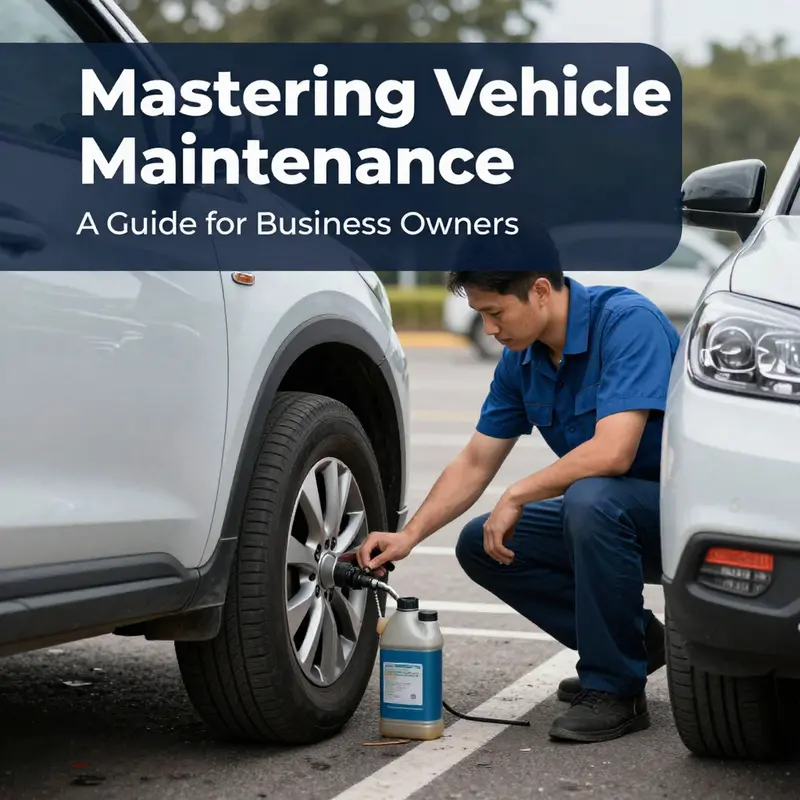
Every day, as you approach your car, you perform a small ritual that pays dividends in safety, reliability, and peace of mind. It isn’t a grand overhaul or a flashy feature update; it’s a concise, disciplined set of checks that fits into a few minutes yet guards against the small issues that can snowball into bigger problems. Think of it as the vehicle’s daily heartbeat, a quick survey that tells you whether everything is ready for the road. When you treat this routine as a habit, you extend the life of tires, fluids, and brakes, reduce the chances of a sudden breakdown, and improve fuel efficiency because the car is operating in its optimal window. The beauty of the daily checks lies in their simplicity and their immediacy. You don’t need special tools, and you don’t need a full service bay. What you do need is a calm, deliberate approach and a commitment to quick, honest assessments before every trip, along with a cursory glance during and after you return home.
A practical place to start is with tires, the only contact point between the vehicle and the road. Tire safety is non negotiable because underinflation or excessive wear can compromise handling, braking, and ride comfort. A quick tire pressure check should become a monthly habit, and it should accompany any planned long drive. The target pressure is typically posted on the driver’s door jamb, in the owner’s manual, or sometimes inside the fuel filler cap. Most passenger cars sit in the range of about 2.2 to 2.5 bar when cold, though your vehicle may have a different specification. If you find a tire that runs visibly low, or if the tread shows uneven wear, cuts, or embedded debris, make a note to inspect it more closely or replace it promptly. Tread depth is as vital as the pressure itself because it governs grip and water displacement. A simple gauge can confirm whether tread depth remains above the legal minimum. If you sense vibration at highway speed or notice bulges or cords showing, do not drive on it even a short distance—address it immediately. These are not cosmetic concerns; they are potential precursors to a dangerous blowout or a blowout in the middle of a lane change.
As you approach the fluids, you begin to read the engine’s health in a language of levels and colors. The engine oil, the lifeblood of the engine, should be checked on a level surface after the engine has cooled for a few minutes. Pull the dipstick, wipe it clean, reinsert it fully, and pull it out again to observe the level against the marked minimum and maximum indicators. Oil should appear amber and relatively clean; a dark or milky hue or a gritty texture can signal contamination or an internal problem. If the oil level sits near or below the minimum, a tertiary clue to a leak or consumption issue may appear during a post-run inspection. The same vigilance translates to the coolant in the expansion tank, which should stay between the MIN and MAX marks when the engine is cold. Low coolant can lead to overheating, a risk that compounds on hot days or when climbing grades. It is worth noting that coolant and anti-freeze are formulated to protect the engine at temperature extremes; maintaining their level is not merely about keeping the engine cool but about protecting the entire cooling system from corrosion and scale buildup.
Brake fluid is another critical check point because this fluid operates under high pressure and transmits braking force from the pedal to the wheels. A reservoir with a level that falls below the recommended range can be a sign of a leak, air in the lines, or worn seals. If you notice a soft brake pedal, changes in stopping distance, or a moaning or squealing noise when braking, treat it as a priority issue. A failure in the brake system is not a matter to postpone. The windshield washer fluid reservoir deserves its own small moment in the ritual, particularly in seasons when grime, salt spray, or insect residue accumulate. Keeping this reservoir topped up ensures you can maintain visibility, which is essential for safe driving. In cold weather, consider winter-grade washer fluid to prevent freezing in the lines and nozzles. These fluid checks are deliberately simple, but they are powerful indicators of the car’s readiness and your own safety margin for the road ahead.
The daily lighting and electrical check is a safeguard for visibility and communication with other road users. Before you depart, switch on the ignition and inspect exterior lights; headlights, tail lights, brake lights, turn signals, and hazard lights should illuminate without hesitation and flash in the correct sequence. A quick outside-the-vehicle check, perhaps by stepping to the front or rear and seeing that the lights are operating as expected, helps you identify bulb failures that may not be obvious from the driver’s seat. After starting the engine, pay attention to the dashboard. Most modern vehicles perform a brief self-test that lights up a cluster of warning indicators. If any light remains on after the self-check, it signals a problem that requires investigation before you continue. This moment of attention can prevent a lot of confusion later—a blown fuse, a sensor fault, or a minor electronic hiccup could otherwise become an unwelcome surprise during a busy commute.
Beyond the mechanical and electrical checks, a general visual survey completes the daily ritual. An exterior walk around the car helps you spot new dents, scratches, or fluid leaks that may have begun to appear after parking or brief contact with a curb. A quick interior scan—adjusting the seat and mirrors to fit your body, confirming that the windshield is clean, and checking that seat belts retract smoothly—promotes good driving posture and effective restraint in the event of an incident. This is not a cosmetic exercise; it is a personalized safety protocol that helps you maintain control and reduce the chance of subtle hazards slipping into your routine. By combining attention to the tires, fluids, lights, and visibility, you create a comprehensive snapshot of the vehicle’s condition in a matter of minutes. This routine becomes second nature, so you can perform it with your eyes closed and still catch obvious red flags that warrant a trip to a professional service bay.
The value of this daily discipline extends beyond the immediate safety of the driver and passengers. Vehicles that receive consistent, careful attention tend to perform more smoothly, burn fuel more efficiently, and, over time, resist the wear and tear that can erode resale value. When you detect a minor issue early, you often avoid more expensive repairs down the line. The discipline of daily checks also fosters a deeper understanding of your car’s personalized behavior. You begin to notice how the engine sounds during warmup, how the ride quality shifts with tire pressure, or how headlight performance changes with weather conditions. This familiarity translates into quicker decision-making on the road, which is a priceless asset when every second counts for safety.
To place these practices within a broader context, consider how a holistic approach to maintenance supports the daily checks. The daily routine is not a replacement for periodic service; rather, it is the first line of defense that keeps you out of trouble until a professional can diagnose more complex issues. The daily checks feed into a larger maintenance philosophy that includes scheduled service, seasonal considerations, and deep inspections every few years. When you commit to this integrated approach, you align your driving life with a standard that emphasizes reliability and safety over time. For a broader framework, read What is vehicle maintenance. You can explore the topic here: What is vehicle maintenance.
As you return from each trip, it is useful to perform a final, brief wrap-up. A post-drive visual check helps confirm that nothing obvious has changed during the journey—no new leaks under the car, no overheating signs, and no unusual noises that persisted while driving. If you find anything out of the ordinary, set a reminder to have it inspected promptly. The beauty of this nightly or post-trip practice is that it closes the loop: you preempt problems by catching them while the car is still in a familiar environment, and you protect your own time and safety by avoiding unexpected breakdowns on the road. The daily ritual thus becomes a quiet, persistent ally—an uncomplicated sequence that yields meaningful returns in safety, reliability, and efficiency.
The core message to carry forward is straightforward. Daily maintenance is not a tedious chore; it is a practice that maintains trust between you and your vehicle. The checks are not designed to catch every possible failure, but they are highly effective at catching the kind of issues that would otherwise disrupt your day. When you invest a few minutes each day, you preserve the car’s essential systems, ensure optimal performance, and maintain a level of preparedness that makes every journey safer. In this light, your daily checks become a modest yet powerful routine that any driver can adopt, regardless of the vehicle’s age or make. It is a small, reliable ritual with big, long-term dividends for safety, performance, and value.
External resource: For a broader, official perspective on vehicle maintenance practices, see the Department of Energy’s Vehicle Maintenance Guide: https://www.energy.gov/eere/vehicles/articles/vehicle-maintenance-tips
Scheduled and Periodic Vehicle Maintenance: Keeping Performance on Track Across Every Mile
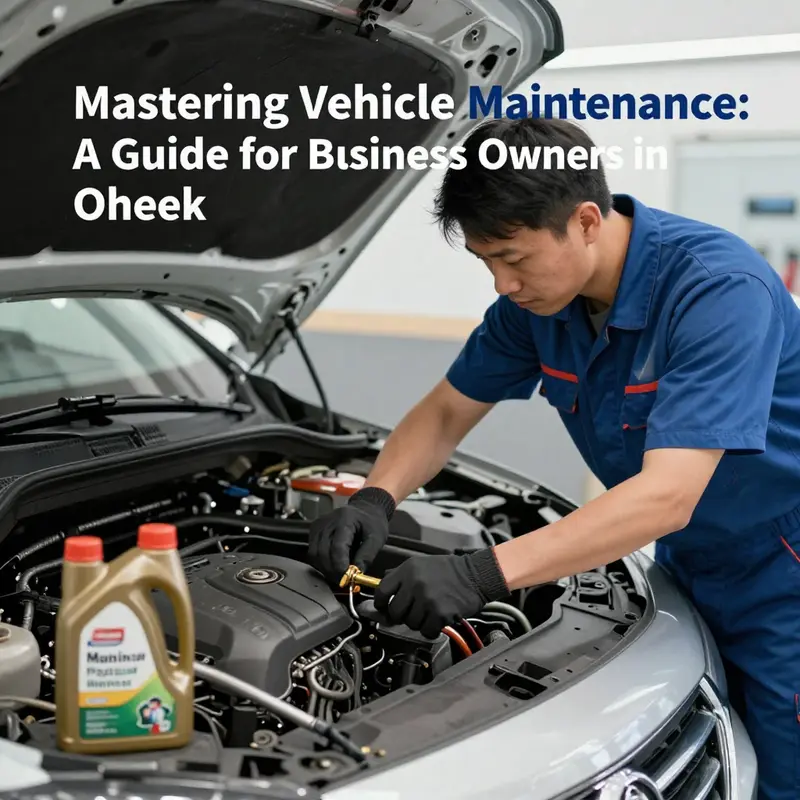
A vehicle is more than a collection of parts that move together. It is an operating system for the road—the sum of reliability, safety, and efficiency that your daily choices keep in balance. When you treat maintenance as a steady discipline rather than a set of occasional fixes, the car becomes a partner you can trust across months and miles. Scheduled and periodic maintenance is the backbone of that trust. It is not a chore designed to drain your time or your wallet. It is a proactive program that preserves safety, protects value, and minimizes surprises on the highway. The rhythm may vary by model, climate, and how you drive, but the principle remains universal: follow a plan, not just a list of tasks you perform when something feels off. In practice, this means aligning your vehicle care with manufacturer recommendations, integrating quick daily checks with professional service at intervals that reflect the car’s design, and keeping a simple record so nothing slips through the cracks. The result is a smoother ride, better fuel economy, and a vehicle that ages gracefully rather than breaking down abruptly when you least need it.\n\nMaintenance schedules exist for a reason. They codify years of engineering knowledge about which parts wear, when fluids degrade, and how environmental conditions accelerate or slow that wear. The cadence typically spans routine checks you can do at home, routine service performed by professionals, seasonal adaptations, and more extensive overhauls every few years or beyond a certain mileage threshold. If you listen to the car’s operations—the way it responds to start-up, the feel of the steering, the smoothness of acceleration—you can often tell when a component is entering a less-than-ideal state. But the most effective approach is to combine that sensory awareness with a formal maintenance plan. This combination minimizes the chance of small issues growing into large, costly problems. It also makes the car safer to drive, because critical systems like brakes, tires, and steering are kept within their designed performance ranges.\n\nA well-structured maintenance routine begins with the basics: fluid levels, brake system health, air intake cleanliness, and a tire condition check. Fluid levels—engine oil, coolant, brake fluid, transmission fluid, and power steering fluid—are the lifeblood of the vehicle’s systems. When these fluids are low or degraded, lubrication falters, cooling becomes insufficient, and hydraulic or hydraulic-assisted components struggle. Regular checks catch leaks early and prevent overheating or insufficient lubrication. The brake system, by contrast, is the emotional center of driving safety. Pads, rotors, and fluid all tell a story about how you stop, how quickly you can regain control in a sudden situation, and how much margin you have left before a critical component requires service. Air filters perform a quieter but equally important role. A clogged air filter reduces engine efficiency and performance, while bad cabin air filters impact comfort and posture for focus during long trips. Then there are tires, which are the only contact your car makes with the road. Pressure that’s too high or too low changes handling, braking distance, and tire wear. A routine inspection for wear patterns, cuts, bulges, and even tread depth can avert blowouts and unpredictable dynamics in wet or icy conditions. Each of these tasks is not merely mechanical maintenance; it is a care plan that preserves the car’s designed balance between power, efficiency, and safety.\n\nBeyond the daily and weekly checks lie the scheduled intervals that most owners encounter on a calendar or a mileage clock. Oil and filter changes, for example, are among the most familiar maintenance items. Modern engines rely on clean oil to minimize friction and heat, and changing it at the recommended intervals prevents sludge buildup and wear that shortens engine life. The corresponding filter removal is not a cosmetic replacement but a critical step to ensure the new oil can do its work unimpeded. Air filters, again, deserve attention at regular milestones because cleaner air means better combustion efficiency and fewer contaminants reaching sensitive engine components. The same logic applies to the cabin air filter, which protects the air you breathe inside the vehicle. Tire rotation is a perceptible maintenance task with tangible benefits: even wear and an extended tire life, along with more predictable handling across turns and braking. Battery health is also a common checkpoint. The battery provides the energy for starting and for running electrical systems; at regular service visits, technicians test its voltage, inspect terminals for corrosion, and verify charging performance to prevent unexpected no-start situations.\n\nThe cooling system is another cornerstone of periodic maintenance. Coolant level and condition matter for temperature control and protection against corrosion inside the radiator and engine. Over time, coolant can lose its protective properties, and a professional flush and refill at the recommended interval helps prevent overheating and costly repairs. Transmission fluid, if applicable, plays a distinct role in ensuring smooth gear shifts and long-term transmission health. In many vehicles the service interval for this fluid is longer than for oil, yet neglecting it can lead to sluggish shifts, unexpected slips, or thermal stress on the transmission. Suspension and steering components deserve routine attention as well. Worn shocks, struts, or alignment changes can degrade ride comfort, handling, and tire wear. A professional inspection during periodic maintenance can spot issues like loose ball joints, worn bushings, or drift in wheel alignment that would otherwise go unnoticed until they affect safety and performance.\n\nSeasonal maintenance adds another layer of protection tailored to climate realities. In cold weather, the emphasis shifts toward battery reliability, antifreeze strength, and proper function of the defrost system. Winterizing a vehicle often means confirming that the battery can deliver a cranking current in low temperatures, that the coolant and antifreeze mix remains robust, and that heating performance remains adequate for occupant comfort. In hot weather, attention turns to keeping the cooling system and air conditioning in peak form, preventing overheating under heavy loads, and ensuring that belts and hoses can withstand higher ambient temperatures. Seasonal checks are a reminder that driving conditions evolve with the calendar, and so should the care you give your vehicle. After long trips or off-road use, for example, a thorough diagnostic check can identify hidden stress: slight loosening of undercarriage fasteners, aspirated dust in the intake, or signs of fluid leaks that develop only after extended or unusual driving patterns. Post-accident inspection, even after minor bumps, should be considered a prudent precaution, because even a small collision may cause misalignments or frame distortions that only a professional assessment can reveal.\n\nA more comprehensive, long-horizon form of maintenance occurs every several years or beyond a high-mileage threshold. This deep maintenance often involves more meticulous inspections and component replacements. Engine cleaning and performance checks can remove carbon buildup that gradually erodes efficiency and combustion stability. A full electrical system diagnostic is another cornerstone, using specialized tools to detect hidden faults that do not produce immediate warning lights but can undermine reliability. Drivetrain and differential services, when applicable, ensure that lubrication remains adequate in elements where friction and heat can degrade performance over time. A complete suspension and brake overhaul may be warranted for vehicles with substantial wear, providing renewed control and stopping confidence. Body and undercarriage inspections look for rust, corrosion, or frame damage that could compromise structural integrity. Taken together, these deep maintenance efforts are designed not to prolong life indefinitely but to extend the useful life of essential systems, maintaining performance while signaling when more costly interventions might be needed.\n\nTo make scheduled and periodic maintenance truly effective, motorists should treat it as a continuous practice rather than a single event. It starts with knowing and understanding the manufacturer’s recommended maintenance schedule, which is typically stated in the owner’s manual. Those guidelines are grounded in rigorous testing and real-world data about how a given model behaves over time and how specific components age under different operating conditions. The contract between you and your car is simple: you invest in care at the right times, and the vehicle returns the favor by staying reliable and efficient for longer. Keeping a service log, whether in a notebook or a digital app, helps you track what was done and when, and it serves as a reliable memory when you decide to sell or trade in the vehicle. It also enables you to plan ahead for the more transformative service events that come with higher mileage or extended usage. When possible, try to consolidate maintenance visits with other routine trips to reduce downtime and keep costs predictable. And remember that not every task requires a dealer or shop visit. Many owners can perform basic checks at home—checking oil level, tire pressure, and windshield washer fluid—while leaving more involved tasks to trained technicians. By integrating self-checks with professional service, you create a practical, durable maintenance pipeline that preserves your car’s safety margin, efficiency, and resale value.\n\nFor readers seeking a concise primer on how to begin, a quick entry point is available in the article What is vehicle maintenance. This resource offers a compact overview of the core practices and why they matter, helping you anchor your own routine in a broader framework of responsible ownership. What is vehicle maintenance.\n\nIn sum, scheduled and periodic maintenance is not merely a set of tasks. It is a disciplined approach to vehicle care that translates engineering insight into everyday reliability. Following a manufacturer’s schedule, performing the essential checks, and investing in deeper services at appropriate intervals keeps performance on track across every mile. The payoff appears in safer drives, better fuel efficiency, and the steady confidence that your vehicle will do what you expect, when you expect it, without unexpected interruptions. The pattern of care you establish today is the foundation for tomorrow’s drive, ensuring that the journey ahead remains smooth, and worthy of the trust you place in your vehicle.\n\nExternal resource: DOE Vehicle Maintenance Tips
Seasonal Vehicle Care: Adapting Maintenance to Weather, Roads, and Reliability
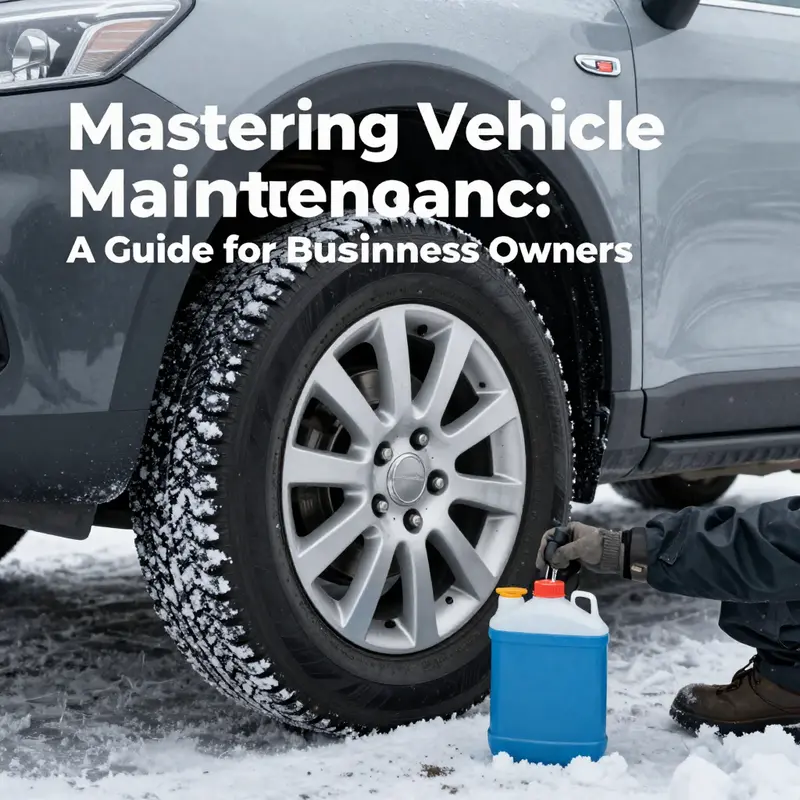
Seasonal vehicle care unfolds like a practical ritual that keeps a machine responsive, safe, and efficient as the world around it changes. The main maintenance of a car is not a single checklist but a living practice that reads the weather as a signal for what to check, adjust, and renew. In this sense, maintenance becomes a dialogue between driver, environment, and the vehicle’s own systems. When you view maintenance through the lens of seasons, you gain a clearer sense of how to distribute your attention across the year so that safety, reliability, and resale value all rise in tandem. The core idea is simple: treat your car as a living system that responds to temperature, moisture, road conditions, and use patterns, and plan your care accordingly. This approach does not replace the standard, frequent checks that should become routine for every driver; it simply adds a seasonal rhythm to the ongoing work of keeping a vehicle in good health.
Winter arrives with a different set of demands than summer, and the way a car handles cold air, cold starts, and slick surfaces hinges on decisions you make now. In the cold months, the battery becomes more vulnerable to depletion because chemical reactions slow down in low temperatures. A routine battery test before the coldest stretch can reveal a marginal charge that might otherwise fail when you need the car most. The coolant system, often taken as a background component, must be understood as a heat-transfer partner rather than a mere liquid inside hoses. In winter, the balance between antifreeze and coolant is not a cosmetic adjustment but a shield against freezing, engine damage, and costly breakdowns. Tire performance becomes critical as well; winter weather demands more than tread depth. Proper inflation, appropriate winter tires where possible, and a careful inspection of the tire walls and bead area help maintain grip and steering control when salt, snow, and ice are present. The windshield, lights, and wipers take on heightened importance because visibility is a driver’s first line of defense against hazards. In short, winter maintenance asks you to verify and bolster the car’s readiness so that an attempt to start or drive does not become an episode of stress or risk. The driver’s preflight check is the first practical expression of seasonal care: fluids at the proper levels, tires with adequate pressure and sufficient tread, lighting systems that illuminate and signal clearly, and a wiper system that clears ice or slush with reliable performance. This is the season where proactive checks save both money and time, and where neglect often becomes a chain reaction that ends in a roadside emergency.
Spring and fall represent a quieter cycle by comparison, yet they carry their own subtle demands. After winter, you may discover a leaky hose, a cracked belt, or a cooling system that has endured repeated thermal cycling. A thorough inspection that looks beyond the obvious will reveal the potential trouble spots before they become real failures. In the fall, as temperatures oscillate and road conditions shift with rain and falling leaves, the transition from heat to chill can highlight battery aging, air and cabin filters that have collected dust and pollen, and tires that have lost some of their previously robust grip. For this reason, the seasonal rhythm emphasizes not just component replacement but also a diagnostic mindset: listening for new noises, noticing unusual handling, and acknowledging changes in fuel economy that might signal a wear pattern beginning to show itself. Across these transitional months, the vehicle’s cooling system, brakes, and tires deserve particular attention because these systems directly affect safety and performance in variable weather. When you approach these periods with a plan for light maintenance—minor top-offs, a quick inspection of belts and hoses, and a scan for warning lights—you create a reserve of reliability that reduces the chance of a breakdown and preserves the vehicle’s value.
Summer tests a different set of stressors. Heat can undermine cooling capacity, accelerate chemical aging in fluids, and tax tires as they flex and heat up on hot pavement. The radiator, hoses, and coolant must be in good condition to prevent overheating during long trips or even routine daily driving in hot climates. A clogged radiator or degraded coolant can magnify the risk of engine heat buildup, particularly if the vehicle is carrying a full load or repeatedly climbing grades. Tire integrity becomes a summer priority as well, because heat increases the rate of wear and can amplify the consequences of underinflation. Regular checks during warm months should extend to the air conditioning system, where a cooling deficit may not only reduce comfort but also encourage moisture buildup inside the cabin, which can breed mold and mildew if left unchecked. The A/C’s function is more than comfort; it is a humidity management system that can affect your mental focus during long trips and hot commutes. The interplay among cooling, air quality, and climate control invites a broader evaluation of how the car’s thermal management and environmental controls support occupant safety and well-being. The message for summer is not to chase a single fix but to review the whole cooling and climate chain, ensuring that the radiator, hoses, coolant, fans, and the AC compressor operate in harmony and that tires maintain the correct pressure and tread depth under higher ambient temperatures. This reduces the risk of local overheating, brake fade, or tire blowouts that might otherwise catch a driver off guard on a sun-baked highway.
These seasonal patterns echo a broader, year-round truth: the most important maintenance habit is a continuous habit of observation. The vehicle’s manual provides the baseline sequence for fluid replacement, filter changes, and major service milestones, but actual care unfolds as you translate that blueprint into seasonal actions. The year-round practices are not a replacement but a reinforcement of the core idea that consistent checkups, timely fluid changes, and the use of season-appropriate components are the practical levers that sustain performance and safety. Even as you embrace the seasonal schedule, the underlying discipline remains universal. Regular check-ups, timely fluid changes, and a commitment to using season-appropriate components—such as antifreeze formulations, tire choices, and filter types—form the backbone of dependable operation. This approach helps to safeguard fuel efficiency, safety, and resale value, and it aligns with the guidance you would find in authoritative maintenance resources.
One of the most valuable insights a driver can adopt is to see seasonal maintenance as a cumulative investment rather than a set of episodic chores. Each season offers a chance to confirm that the car’s critical systems—the engine’s lubrication path, the cooling circuit, the braking hydraulics, and the electrical network—are operating within their expected ranges. When you approach maintenance with this mindset, you become less reactive to problems and more proactive in preventing them. This is a practical philosophy for daily life with a vehicle: you build safety and reliability by weaving small, timely actions into a recurring routine rather than waiting for a problem to force a decision. In this context, the weather becomes more than a backdrop; it becomes a driver’s calendar that helps allocate attention where it is most needed, when it is most needed. The result is a vehicle that feels more predictable, performs more consistently, and remains a sound investment over time.
To anchor these ideas, consider a practical moment from a typical year. Before winter, you test the battery, top off the coolant, inspect the tires for tread and pressure, and ensure the windshield system is ready for snow and ice. As spring arrives, you recheck filters and examine belts, then prepare for the increased rain and road debris by assessing brake wear and tire grip. In the heat of summer, you confirm that the cooling system is robust, the tires can handle heat-induced wear, and the A/C system delivers reliable comfort while also preventing moisture buildup in the cabin. Come autumn, you revisit fluid levels and readiness for the wet, variable conditions that light rain and falling leaves bring. Throughout these cycles, you keep a close eye on warning lights and sensor indicators, and you schedule professional inspections at the manufacturer’s recommended intervals. This ritual of seasonal care creates a continuous, cohesive maintenance narrative rather than a scattered set of repairs that may appear only after a breakdown.
A practical reminder within this narrative is to follow the vehicle manufacturer’s recommended maintenance schedule, a source of disciplined guidance that reflects the design and materials of the car. While the seasons offer a framework for timing and focus, the owner’s manual remains the ultimate authority because it encodes the specific engineering choices and service intervals for your particular model. Respecting those intervals—especially for fluids like engine oil, transmission fluid, and coolant—helps preserve lubrication, heat management, and overall system integrity. In addition to these mechanical considerations, it is worthwhile to integrate a consideration of the cabin environment for year-round comfort and health. Cabin air quality matters, particularly when the weather forces you to seal the interior against the elements. Regularly replacing the cabin air filter, in addition to the engine air filter, supports better airflow and reduces the burden on the HVAC system during peak seasons. When you combine adherence to the manufacturer’s schedule with a disciplined seasonal review, the car’s capacity to perform reliably across a full year grows substantially.
The seasonally informed maintenance mindset is also a practical pathway to economic savings and safer driving. Regular maintenance reduces unexpected breakdowns, which translates into lower emergency repair costs and minimized downtime. It also helps maintain fuel efficiency because engine wear, clogged filters, and degraded fluids impede performance and efficiency. The relationship between care and economy becomes especially clear when you consider how seasonal wear affects tires and brakes. Proper tire inflation and tread depth impact handling and braking performance, while well-maintained brakes deliver consistent stopping power that reduces the likelihood of sudden, costly interventions. Keeping fluids clean and within the recommended ranges minimizes friction and energy loss inside the engine and powertrain, which in turn supports steady, predictable fuel economy across seasons. In this sense, seasonal maintenance is not about chasing novelty; it is about safeguarding the fundamentals that keep a vehicle dependable and efficient in the long run.
For readers who want a concrete, action-oriented cue, imagine your next pre-season ritual as a narrative that begins with a calm, methodical inventory of key components. Visualize the engine bay as a map of the car’s lifelines: the oil path, the cooling loop, the brake réseau, the electrical arteries, and the air pathways that feed the engine and the cabin. Each season asks a different question. In winter, are the battery and antifreeze ready to sustain cold starts and steady heat management? In summer, is the cooling system free from hose cracks and coolant deterioration that would invite overheating? In spring and autumn, are filters and belts free from wear that could fail with sudden temperature swings or rain-soaked roads? The answers come by routine checks, measured by a calm attention to details rather than by dramatic emergencies. In this light, maintenance becomes a form of responsible stewardship rather than a chore to be endured.
The cumulative effect of this approach is a vehicle that is more predictable in its behavior and more resilient to the quirks of the environment. It also fosters confidence in the driver, which translates to safer driving and more efficient use of time and resources. The practice of seasonal maintenance, when embedded in daily life, becomes a quiet certainty that supports every journey—the commute, the road trip, the family errand run, and the unexpected detour. And while modern cars bring advanced diagnostics that alert you to problems, the seasonally informed routine remains a powerful first line of defense. It is not simply about replacing parts on a calendar; it is about aligning care with climate, road wear, and the realities of use so that the vehicle remains a reliable partner across the changing landscapes of the year. To reinforce the practical dimension of this approach, you can rely on authoritative, year-round guidance that emphasizes consistent upkeep and prudent timing for fluid changes and component inspections. A key takeaway is that regular maintenance is a preventive investment—one that pays dividends in safety, fuel efficiency, and the preservation of value over time.
As a closing thought that fits naturally into a broader article about the main maintenance of vehicle, seasonal care is not an afterthought but an essential framework. It guides when and how you engage professional services and which components deserve the most attention at different times of the year. The rhythm is logical: address the urgent, weather-facing needs first, then schedule preventive actions that support long-term integrity. The result is a car that feels less like a fragile machine buffeted by the weather and more like a robust partner that responds consistently to your care. And above all, this approach keeps you connected to the broader purpose of vehicle maintenance: safety for you and your passengers, reliability in every season, and the lasting value that comes from thoughtful, proactive care.
For readers seeking a practical anchor in this seasonally aware approach, consider how the winter readiness mindset translates to any vehicle, including those with rugged capabilities. If you own a vehicle designed for challenging conditions, it is worth exploring how winter performance unfolds for that platform. See Are Jeep Wranglers Good in the Snow for a perspective on how drivers think about winter traction and preparedness in a specific class of vehicles. This inquiry can enrich your own seasonal routine by offering a concrete example of how winter readiness translates into everyday practices such as battery health checks, antifreeze levels, tire inspection, and visibility system readiness. Are Jeep Wranglers Good in the Snow.
In summary, seasonal maintenance is a practical framework built on universal maintenance fundamentals. It emphasizes proactive checks, timely fluid maintenance, and the deliberate selection of season-appropriate components. It aligns with the broader goal of keeping a vehicle safe, efficient, and dependable while protecting its value over time. By integrating this seasonal rhythm with the manufacturer’s recommended schedule and with vigilant observation of how the car behaves through cold and heat, you create a maintenance practice that is both economical and effective. The seasons are not enemies of your car; they are signals that help you care for it with discipline, foresight, and care. For those who want more structured guidance, a trusted external resource offers detailed tips and a broader framework for vehicle maintenance throughout the year. External resource: https://energy.gov/eere/vehicles/articles/vehicle-maintenance-tips
null
null
Final thoughts
Vehicle maintenance is not merely a routine activity; it is a vital component of running a successful business. Through diligent daily checks, scheduled maintenance, seasonal adjustments, and comprehensive inspections, you can enhance the safety, reliability, and performance of your vehicles. Investing in maintenance today not only ensures the longevity of your fleet but also translates into significant cost savings and improved operational efficiency for your business. By adhering to these practices, business owners can achieve peace of mind, knowing their vehicles are well cared for.