
In the ever-evolving automotive landscape, hybrid vehicles stand out as a compelling option for business owners seeking both eco-friendliness and cost efficiency. However, while hybrids offer numerous benefits, they also come with unique maintenance needs that require careful attention. This guide will delve into essential maintenance considerations for hybrid vehicles, specifically focusing on four critical aspects: battery pack maintenance, regenerative braking system care, specialized servicing for electric components, and cooling system maintenance. Understanding these areas is vital for maximizing operational efficiency, extending vehicle lifespan, and minimizing unforeseen repairs. By being well-informed, business owners can make strategic decisions that enhance their hybrid fleet’s performance and ensure sustainable growth.
Protecting the Heart of Your Hybrid: Practical Battery Pack Maintenance for Longevity and Safety
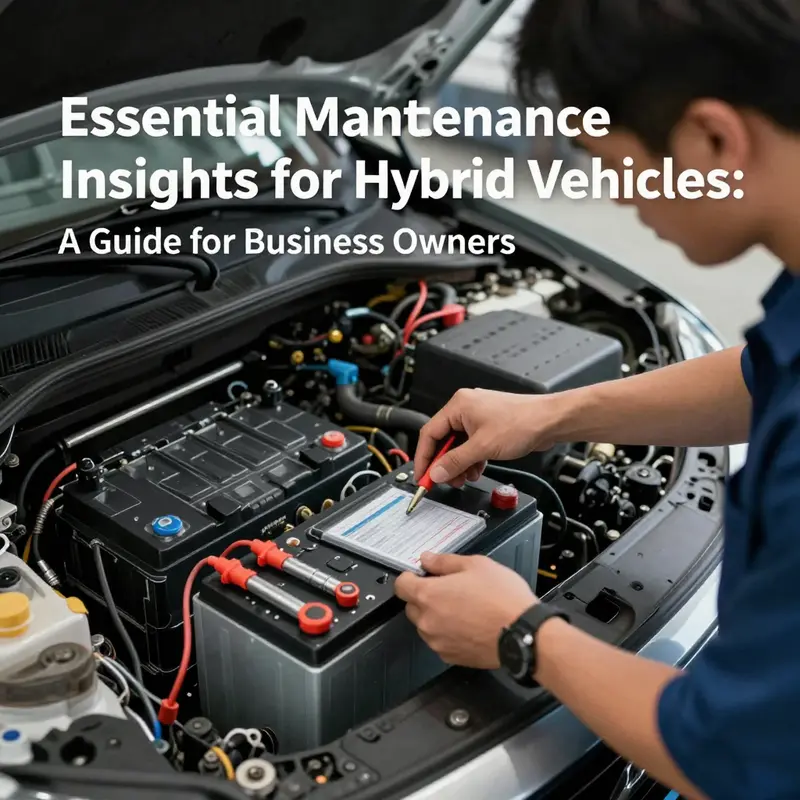
A hybrid vehicle’s battery pack is its most critical and complex component. It stores energy, manages power flow, and underpins nearly every hybrid-specific advantage—fuel economy, reduced emissions, and smooth regenerative braking. Because it works differently from a conventional 12‑volt battery, it demands a different approach to care. This chapter walks through the maintenance habits, preventive checks, and safety practices that keep the battery pack healthy over years and tens of thousands of miles.
Begin with a clear mindset: hybrid battery maintenance is largely about managing temperature, cleanliness, and system health. Heat and contamination degrade cells. Electrical faults and poor connections reduce efficiency and may trigger expensive repairs. Regular observation and simple preventive steps will go a long way toward preserving capacity and avoiding surprises.
First, pay close attention to the battery enclosure and its surroundings. The pack and its electronics are usually housed in a sealed case or compartment. Dirt, debris, and corrosive grime can collect on the case and around cooling intakes. When debris blocks airflow, the pack can run hotter than designed. Clean the battery case carefully during routine vehicle washing. Use soft brushes and low‑pressure water. Avoid spraying connectors or control modules directly. Minor cleaning keeps heat dissipation efficient and prevents buildup that accelerates wear.
Cooling is central to battery longevity. Hybrid batteries and power electronics generate heat during charging and heavy discharge. Most hybrids use dedicated cooling systems for the pack that include fans, ducts, and coolant circuits. Keep vents and fans unobstructed. During scheduled service, request inspection of the pack cooling components. Technicians should verify fan operation and airflow, check coolant levels where applicable, and test coolant condition. Replace coolant at the intervals recommended by the manufacturer. Old or contaminated coolant loses thermal capacity and increases thermal stress on battery cells.
Never underestimate the importance of managing temperature extremes. High ambient heat shortens battery life, and prolonged cold reduces immediate performance. Park in shade or a covered area whenever possible. When long trips or sustained high loads are anticipated, allow the vehicle time to cool between heavy drives. Some hybrid systems offer battery thermal management that preconditions the pack before extreme use; learn whether your car has that feature and use it to reduce stress.
Monitoring system health should be routine. Modern hybrids include onboard diagnostics that log battery performance and fault codes. Pay attention to dashboard indicators and any unusual messages. If a battery warning light appears, schedule diagnostics without delay. Small issues escalate quickly when they involve high‑voltage systems. Many garages lack the specific tools to read hybrid battery management system data. Seek service at shops that have certified tools and technicians trained for high‑voltage hybrid systems.
Advances in battery monitoring have made proactive care easier. Specialized diagnostic devices and software now provide detailed state‑of‑health readings, cell balancing metrics, and predictive alerts. These systems help spot a failing module before the whole pack loses capacity. When available, use authorized diagnostic updates and checks during major service intervals. They deliver a clearer picture of long‑term degradation and help plan repairs economically.
Storage practices impact battery condition, too. If you plan to store the vehicle for 30 days or more, follow a few simple rules. Turn off radios, lights, and accessories that could drain the auxiliary battery. Consider disconnecting the negative terminal of the 12‑volt auxiliary battery to prevent parasitic drain. This protects both the auxiliary and hybrid systems from a slow discharge that may lead to degrading states of charge. Before storage ends, reconnect power and let the vehicle complete a normal charge cycle to bring the pack back to its nominal range.
Routine driving habits influence battery life. Avoid repeated deep discharges and full charge cycles when they are unnecessary. Unlike some consumer electronics, hybrid battery packs benefit from moderate state‑of‑charge ranges. Frequent extremes—empty to full—can accelerate capacity loss. When possible, maintain the battery within the mid‑range during regular use. Regenerative braking helps by capturing energy and reducing net cycling stress, but it does not eliminate the need for sensible charging behavior.
Pay attention to charging and accessory loads. Some hybrid designs allow external charging, while others rely solely on regenerative systems and the internal combustion engine to recharge the pack. If your hybrid has a plug‑in feature, use a proper charging routine that follows manufacturer guidance. Avoid nonstandard chargers or adapters that can deliver improper voltage profiles. For non‑plug hybrids, be mindful when using high‑draw accessories while the engine is off; heavy auxiliary loads can force frequent cycles and add thermal burden.
The relationship between the hybrid pack and the auxiliary 12‑volt battery deserves special mention. Hybrid systems use the 12‑volt battery to boot electronics and safety systems. If the auxiliary battery fails, the hybrid system may enter a limp or disable mode. Keep the auxiliary battery healthy and replace it according to service intervals. If you encounter start‑stop readiness or charging issues, consult targeted resources on auxiliary systems to troubleshoot them quickly. For practical troubleshooting tips related to auxiliary battery and start‑stop issues, see this guide: Start-stop not ready: battery charging & boost tips.
Inspection of electrical connections and fasteners is a simple, high‑value habit. Vibration and corrosion can loosen or contaminate high‑voltage and low‑voltage terminals. During scheduled maintenance, have a trained technician inspect battery interconnections, busbars, and ground points. Loose connections can cause localized heating and uneven cell stress that shortens life. Technicians can also check insulation and protective covers to ensure they meet safety standards.
When unusual symptoms appear, know the signs that point specifically to the hybrid battery. Noticeable loss of fuel economy under normal driving, frequent ‘check hybrid system’ warnings, reduced electric‑only range, or sudden shifts in power delivery are red flags. Small capacity losses are normal with age, but abrupt changes or multiple indicators together indicate the need for a professional diagnostic. A qualified shop will perform high‑voltage tests, measure module voltages, and evaluate the battery management system logs.
Decisions about repair versus replacement arise as packs age. Packs usually consist of many modules or cells. Often, a failing module can be replaced or reconditioned less expensively than a full pack swap. However, balancing new modules with older modules requires care. Mismatched modules can cause the system to work inefficiently and shorten life. Always use compatible replacements and let certified technicians rebalance and program the management system.
Warranty and lifespan expectations matter for planning. Most manufacturers design hybrid packs for long service life, often with coverage for eight to ten years or a set high mileage. Review your warranty terms and maintain service records. Routine maintenance and documented diagnostics may be necessary to keep warranty coverage valid. If the vehicle is out of warranty, consider extended warranty options or planned reserving for eventual refurbishment.
Safety is nonnegotiable when working near high‑voltage systems. Never attempt high‑voltage repairs without proper training and protective gear. Even seemingly low‑risk tasks can expose connectors to dangerous voltages. If you perform light service, such as cleaning the case or checking exterior vents, avoid touching electrical connections. When in doubt, defer to certified service centers.
Environmental responsibility is also part of maintenance. When a battery reaches end of life, it must be recycled through approved channels. Battery packs contain valuable metals and hazardous materials. Proper recycling recovers materials and prevents contamination. Consult local recycling programs and authorized service providers for safe disposal.
Finally, keep documentation and routine service records. Note cooling system checks, diagnostics, and any battery pack work. A clear maintenance history helps technicians make informed decisions. It also enhances resale value by showing the battery was cared for correctly.
Maintaining a hybrid battery pack is not about one dramatic action. It’s a pattern of small, sensible habits: keep it clean, manage temperature, monitor health, use qualified technicians, and follow storage rules. These practices preserve capacity, prevent avoidable failures, and maintain the hybrid’s benefits through the vehicle’s life. For a technical overview of hybrid systems and best practices, consult the EPA’s resources on hybrid electric vehicles: https://www.epa.gov/vehicles-and-fuels/hybrid-electric-vehicles-technology-basics.
Regenerative Braking: Maintaining the System That Saves Your Brakes and Fuel
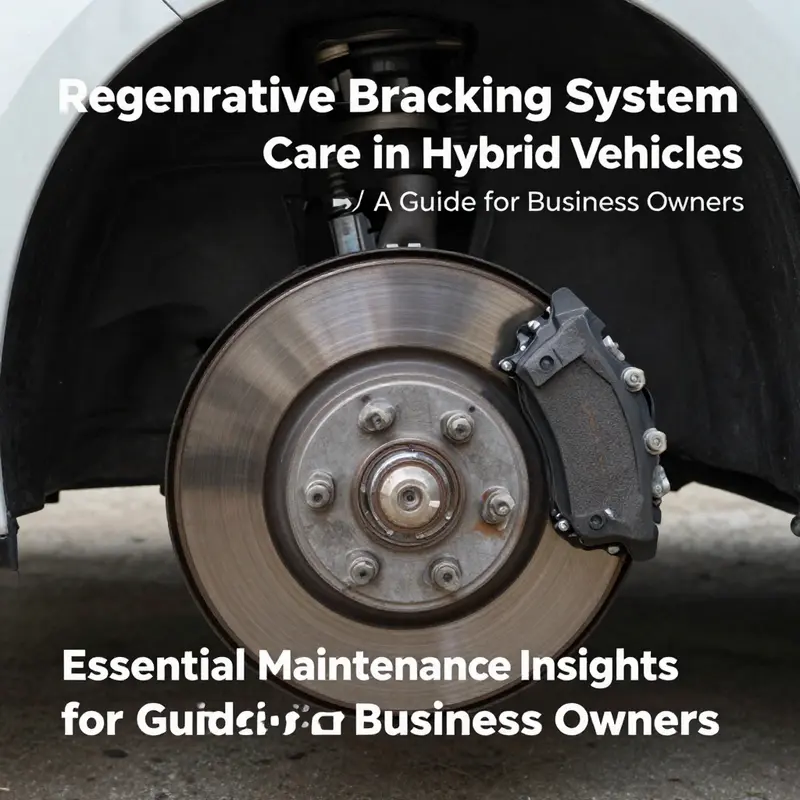
Regenerative braking is one of the defining features of hybrid vehicles, and caring for it requires a blend of traditional brake knowledge and attention to electrical systems. This system captures kinetic energy during deceleration and redirects it into the battery. That captured energy improves fuel economy and reduces reliance on friction brakes. The net result is less mechanical wear, lower long-term brake costs, and smoother city driving. Yet the technology introduces new maintenance considerations. Understanding what to watch for and how to act keeps the braking system safe, efficient, and durable.
At its core, regenerative braking uses the electric motor as a generator when the vehicle slows. The motor reverses roles and converts kinetic energy into electrical energy. That energy flows into the hybrid battery, topping off charge during normal driving. The vehicle control systems blend regenerative and friction braking. Under light deceleration, regen provides most or all stopping force. Under heavier braking, conventional friction brakes engage to deliver strong, predictable deceleration. The interplay between these systems is controlled by software, sensors, and electronic actuators. That means maintenance is both mechanical and electronic.
One immediate benefit of regen is the reduced frequency of pad and rotor replacement. Since regeneration absorbs a significant portion of braking energy, wear on pads and rotors is often slower than in conventional vehicles. Many hybrid owners report pad life measured in tens of thousands of miles more than typical. But reduced frequency does not mean no maintenance. Pads and rotors still age from occasional heavy stops, environmental corrosion, and uneven wear. Surface rust on rotors from infrequent use can degrade braking feel. Brake hardware and calipers still require inspection. A thoughtful maintenance plan treats the entire system as an integrated whole.
A good maintenance mindset starts with routine inspections. Technicians should check the condition and thickness of brake pads, the run-out and surface condition of rotors, and the caliper operation. Brake fluid must be inspected for level and contamination. Even though regen reduces friction brake use, the fluid still ages. Old or contaminated brake fluid can lead to poor pedal feel and reduced performance. Many manufacturers recommend replacing brake fluid at specified intervals. Follow those recommendations rather than assuming less use means less attention.
Regenerative systems are sensitive to calibration and software. After any repair or major service on the brakes or drivetrain, the regeneration system may need recalibration. This process ensures the control algorithms blend regenerative and friction braking smoothly. Without recalibration, drivers can experience abrupt transitions, reduced regenerative capture, or uneven braking. Recalibration often requires manufacturer-specific tools. Rely on technicians trained in hybrid systems to perform such work. Proper calibration preserves safety and the energy-recovery advantage.
Diagnostics play a central role in modern maintenance. Hybrid vehicles monitor many subsystems and flag faults when sensors report irregular behavior. Warning lights, unusual braking sensations, or unexpected reductions in regenerative capture should prompt diagnostic scans. The vehicle’s onboard computer records fault codes that point to problems in sensors, the motor-generator, or control electronics. Timely diagnostics prevent small issues from escalating into costly repairs.
Beyond pads, rotors, and fluid, technicians must inspect anti-lock braking system components and wheel speed sensors. Regen depends on accurate speed data to modulate electrical braking. A faulty wheel sensor can confuse the control logic and reduce regeneration. Corrosion, wiring damage, or sensor misalignment causes frequent ABS faults in many vehicles. Technicians should verify sensor operation and wiring integrity during routine service.
Brake hardware condition affects pedal feel and evenness of wear. Guide pins, caliper slides, and pad retainers must move freely. Sticky hardware can create uneven pad contact and accelerate wear on one side. Even with less friction braking overall, sticking calipers can create vibration and reduced fuel efficiency. Lubricating guide pins and replacing worn hardware are inexpensive steps that prevent more complex failures.
Another area often overlooked is cabin/performance feel. Regenerative braking changes pedal feel compared to conventional brakes. Many systems use a pedal simulator or software mapping to create a familiar pedal response. If the simulator or mapping is out of tune, drivers may sense a soft or grabby pedal. That perceived inconsistency can lead to heavier use of friction brakes and negate regen benefits. Technicians trained in hybrid systems can adjust pedal profiles through software updates or recalibration.
The thermal environment matters. Regeneration and the friction brakes both produce heat. Batteries and power electronics also need thermal management. In extreme driving or towing conditions, heat can build up in the braking system and the hybrid components. Manufacturers design cooling and venting for typical use, but heavy duty or spirited driving can push systems harder. Monitoring brake temperature indicators, where available, and allowing components to cool after repeated heavy use preserves material life.
Road conditions and environment change maintenance needs. Salt and grit accelerate corrosion. In regions with heavy road salt, rotors and hardware corrode faster, leading to noisy brakes and reduced effectiveness. Regular washing of the wheel area and inspections in cold seasons help detect corrosion early. Also note that regen behavior can change in slippery conditions. To preserve stability and traction, regen may be reduced or disabled on low-traction surfaces. Drivers should be accustomed to these dynamics in winter driving.
When replacing brake components, use parts and fluids that meet the manufacturer’s specifications. Pad chemistry, rotor design, and fluid ratings affect system performance. Some hybrids use low-dust or specially formulated pads that pair well with the regeneration system. Using the wrong pad type can change modulation and noise characteristics. Similarly, improper fluid or contaminated reservoirs can compromise hydraulic operation. Keep records of the parts used and service performed, to maintain warranty compliance and to aid future diagnostics.
A less-visible maintenance area is the software that governs regeneration. Control logic receives updates from manufacturers to improve blending, increase efficiency, and address bugs. Regular software updates at service intervals can improve regenerative capture and eliminate odd behaviors. Ask your service provider to check for control module updates as part of scheduled maintenance. Integrated systems that receive updates preserve both safety and energy efficiency over the vehicle’s life.
Training and equipment matter. Hybrid-specific training ensures a technician understands the interaction of electrical and mechanical subsystems. Proper tools and safety equipment protect both the technician and the vehicle. High-voltage systems in hybrids require lockout procedures, insulated tools, and diagnostic tools calibrated for hybrid electronics. Confirm that your service provider follows safety standards and has experience with hybrid braking systems.
Driver behavior influences maintenance intervals. Smooth driving, anticipatory braking, and steady speeds increase regenerative capture. Avoiding repeated hard stops preserves both pads and regenerative efficiency. Educate drivers about how to modulate the pedal to maximize regeneration, especially in urban driving. Over time, better driving habits reduce the need for early component replacement.
Be aware of warning signs that demand immediate attention. A glowing brake warning light, unexpectedly low regenerative capture, grinding noises, pulsation in the pedal, or brake pedal sinking are all red flags. Do not delay diagnosis. A minor hydraulic leak or sensor failure can rapidly worsen. Early fixes are cheaper and safer.
Cost considerations are often a reason owners choose hybrids. While regenerative braking reduces wear and lowers some maintenance costs, specialized repairs can be more expensive. Repairs involving the motor-generator, inverter, or control modules require specialized labor and parts. Balance the maintenance savings on pads and rotors with potential higher costs for electrical diagnostics. A proactive inspection regime minimizes surprise expenses.
Finally, keep an open channel with your service provider. Ask for a simple checklist of regen-related items inspected at each oil or service interval. Request written notes about pad thickness, rotor condition, fluid condition, and any fault codes found. That documentation builds a maintenance history, helping future technicians pinpoint patterns before they become serious problems. Clear communication reduces misdiagnosis and ensures the regenerative braking system continues to deliver efficiency and safety.
For a practical primer on how regenerative braking affects brake life and when to seek professional inspection, consult this useful article that outlines common hybrid maintenance topics. A detailed hybrid maintenance guide
If you want to read broader coverage on whether electric vehicles generally need less maintenance, this related post offers relevant comparisons and maintenance expectations: do electric vehicles require less maintenance.
In summary, regenerative braking reduces mechanical wear but does not remove the need for careful brake system maintenance. Treat the system as an integrated electrical and hydraulic assembly. Schedule regular inspections, monitor warning lights, use qualified technicians, and follow manufacturer guidance. Those steps keep regenerative braking working effectively and safely, while preserving the fuel and maintenance benefits that make hybrids appealing.
Guardians of the High-Voltage Heart: Mastering Maintenance for Hybrid Electric Components
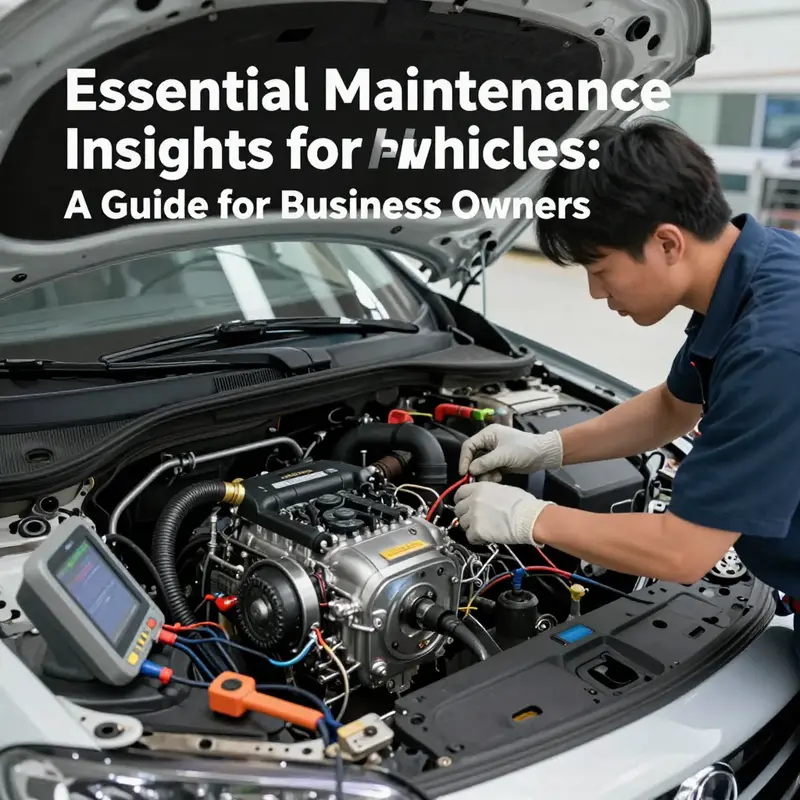
Hybrid vehicles fuse two powertrains into one compact, interdependent system: an internal combustion engine that cooperates with an electric motor and a high-voltage battery pack. This design brings remarkable fuel efficiency and clean performance, but it also shifts the maintenance equation. The chapter you’re about to read is less a catalog of fixes and more a narrative about what truly keeps the hybrid’s electric heart beating smoothly over years of daily use. It is a story of careful attention to the electric side of the drivetrain, balanced with practical care for the traditional engine, because the two are now parts of a single, interwoven ecosystem. In this space, maintenance becomes a discipline—one that hinges on specialized knowledge, disciplined procedures, and the disciplined discipline of choosing the right technicians and tools. When a driver understands that dual-powertrain systems demand a different kind of care, the car’s efficiency, reliability, and longevity rise in direct proportion to the quality of that care.
At the core of this new maintenance landscape is the high-voltage battery pack. Modern hybrids rely on a battery system that is designed to last many miles, often well over the 100,000-mile mark, but its health is not something to be taken for granted. The battery is not a conventional starter battery; it is a sophisticated module composed of many cells, a battery management system, and a thermal system that keeps it within safe operating temperatures. Regular health checks are essential. These are not merely routine inspections; they are diagnostic sessions conducted with an eye toward how the battery communicates with the vehicle’s computer. If a dashboard warning lights up, or if the system logs a fault code related to temperature, voltage, state of charge, or cell balance, the maintenance plan should adjust accordingly. The diagnostic mindset matters as much as, if not more than, the number on the battery’s discharge readout. What matters is not just the current state of health, but how that health evolves over time and under a variety of operating conditions. The goal is to catch emerging issues before they become expensive or unsafe, to preserve battery life, and to safeguard the vehicle’s overall performance.
The cooling system for the hybrid’s powertrain adds another layer of importance. The battery, the inverter, and the electric motor generate heat that must be managed with a purpose-built cooling circuit. Coolant levels, coolant condition, and the integrity of hoses and seals all demand attention on the maintenance schedule. A coolant that ages or leaks can invite overheating, which compromises battery health and can trigger protective shutdowns. The maintenance routine, then, includes not merely topping off fluids but verifying flow rates, testing for leaks, and ensuring that the cooling pump operates as designed. This is not a case of replacing a component at a set interval; it is a case of confirming that the thermal management system continues to function as the warranty and the manufacturer’s guidance intend. In practice, that means a technician checks the cooling loop during battery diagnostics, ensuring the front-line defense against heat remains uncompromised. In the hybrid, heat is the enemy of longevity, and proper cooling is the quiet guardian that keeps the system reliable across seasons and miles.
Battery health and cooling are complemented by a vigilant approach to the power electronics that connect the battery to the electric motor and the rest of the drivetrain. The inverter, the converter, and related power electronics are sensitive to temperature, electrical noise, and software calibration. Servicing these components requires specialized tools and trained hands. Insulated diagnostic equipment protects technicians and the vehicle while enabling accurate measurements of voltage, current, and thermal conditions. Battery management system testers—and the calibrated, torque-specific tools used to secure high-voltage connectors—are not optional luxuries; they are the core instruments of modern hybrid maintenance. Technicians must be trained to interpret data beyond the numbers, reading how the software negotiates energy flow in real time, how it manages regenerative braking, and how it coordinates with the engine’s operation. This is critical not just for diagnosing faults, but for ensuring optimal performance and the longevity of the entire powertrain. A careful, methodical approach to servicing power electronics helps avoid inadvertent damage and protects warranty coverage by adhering to the precise procedures that manufacturers prescribe.
Alongside battery and power electronics, the regenerative braking system deserves deliberate attention. The unique braking dynamics of hybrids—where energy is recovered during deceleration and converted into usable electrical energy—place different demands on the braking system than conventional cars. While regenerative braking reduces wear on the friction brakes, it also calls for specialized inspection routines. The calculation of brake fluid health, the assessment of pads and rotors for unusual wear patterns, and the verification that the regeneration function is delivering power correctly are all part of a comprehensive brake inspection. The technician assesses the interaction between the friction brakes and the regenerative system, looking for signs that the system’s software is properly coordinating with the mechanical components. This holistic view helps ensure reliable stopping power and preserves the system’s ability to harvest energy efficiently. It is easy to overlook, but the regenerative system can be subtly affected by things like unequal tire wear, suspension geometry, or even dash warnings that point to an electrical fault somewhere in the drive chain. A thorough inspection, therefore, requires both mechanical acumen and electronic diagnostic proficiency.
The “specialized servicing” banner for electric components also carries a clear message about the people who perform the work. The modern hybrid technician needs targeted training that emphasizes high-voltage safety protocols and diagnostic procedures tailored to electric drivetrains. It is not enough to have the skills of a traditional mechanic; the job demands an understanding of lithium-ion battery behavior, stringent electrical isolation practices, and an ability to read the vehicle’s software-driven logic. Certification and ongoing education are not optional; they are the baseline for working on these systems. In practice, the technician learns how to handle high-voltage systems safely, how to use insulated testing tools, and how to interpret complex fault codes that relate to the battery, inverter, or e-motor. This training translates into better service quality, safer operations, and more consistent results for drivers who rely on these advanced powertrains every day.
Tools and diagnostics play a central role in this maintenance narrative. Specialized tools—insulated diagnostic gear, BMS testers, and torque wrenches calibrated for high-voltage fasteners—are the quiet workhorses of the service bay. The presence of such tools signals a shop’s readiness to address the electric side of the hybrid with confidence. The right equipment makes it possible to measure battery temperature, voltage distribution, cell balance, and cooling performance with precision. It also enables safer disassembly and reassembly of electrical components, reducing the risk of damage and protecting the battery system from contamination or improper torque. This is not about hardware salesmanship; it is about ensuring that the mechanics have the means to do the job correctly, and that customers receive results that stand the test of time and miles.
Marketing has become an important, visible part of the maintenance ecosystem as shops compete to attract drivers who want reliability and technical competence. A facility that emphasizes its high-voltage training programs, its certified technicians, and its access to the latest diagnostic tools sends a clear signal to potential customers: this shop understands hybrids, and it can keep them running cleanly and efficiently. The message resonates with drivers who depend on their vehicles for daily commuting, family travel, or long road trips, and who want assurance that any service involving the hybrid’s electric components is performed by professionals who truly understand the system. In practice, marketing these capabilities is less about hype and more about credibility—evidence of a disciplined approach to the unique maintenance demands of electric drivetrains and their integration with conventional engines.
To bring some of the broader implications together, consider the overall maintenance strategy of a hybrid. The engine-side routines—oil changes, air filters, spark plugs—remain important for optimal combustion efficiency and fuel economy. Yet the complementary maintenance on the electric side is what protects the dual-powertrain investment. The battery’s health, the cooling system’s integrity, and the reliability of power electronics form the backbone of long-term performance. Regular checks on the cooling system help prevent overheating, which is particularly critical in climates with temperature extremes or heavy stop-and-go traffic. Battery diagnostics, when performed consistently and interpreted by trained technicians, can reveal trends that inform preventive actions, reducing the likelihood of unexpected failures. Brake system oversight, including both regenerative and friction components, preserves safe operation while maintaining energy recovery efficiency. Across all these elements, the guiding principle is integration: every part of the system affects the others, and maintenance should reflect that interconnected reality rather than treating the components in isolation.
An implicit thread running through this approach is a respect for the vehicle’s software-driven nature. Modern hybrids are highly dependent on software to manage energy flow, temperature regulation, and system health. Diagnostic workflows increasingly involve software updates, calibration procedures, and data interpretation that only trained technicians can perform with confidence. The result is a service experience that blends mechanical skill with digital literacy, where a technician’s ability to read the vehicle’s evolving logic matters as much as their hands-on ability to repair or replace parts. In practice, this means a shop must invest not only in tools and training but also in time—time to run comprehensive diagnostics, to test after maintenance, and to confirm that the electrical and thermal systems are operating in harmony with the mechanical components. The payoff is a hybrid that sustains high efficiency, consistent performance, and an enduring sense of safety for drivers who depend on their vehicles for daily life.
For drivers seeking a broader sense of how hybrid maintenance compares to other forms of propulsion, a growing body of discussion emphasizes that electric powertrains can entail lower routine maintenance in some areas while demanding higher attention in others. The conversation often centers on whether electric vehicles require less maintenance overall, a topic that invites nuanced consideration. To explore this, readers may consult discussions that frame maintenance as a portfolio of tasks across the vehicle’s life. The question itself—whether electric propulsion reduces upkeep—reflects a shift from calendar-driven maintenance to condition-based service grounded in diagnostics and monitoring. It is in this context that the hybrid maintenance narrative makes the most sense: preventive care becomes the most effective strategy when it acknowledges both the benefits and the complexities of the dual-powertrain. For readers curious about that broader question, a concise explainer can be found here: https://vehicletricks.com/blog/do-electric-vehicles-require-less-maintenance/.
As the industry evolves, the maintenance ecosystem for hybrids continues to tilt toward skilled expertise, precise tooling, and rigorous adherence to manufacturer intervals and procedures. Shops that embrace targeted training, certify their personnel, and stay current with diagnostic advances will be best positioned to serve the next generation of hybrid owners. Specialized servicing is not a marginal advantage; it is a necessary condition for performance, safety, and longevity in these vehicles. The narrative here is not about chasing novelty but about preserving the integrity of a technology that blends two very different philosophies of propulsion. When a driver trusts that the high-voltage heart is tended by technicians who respect its sensitivity and its potential, the hybrid remains a reliable, efficient, and forward-looking choice for daily mobility. The maintenance journey, then, is a partnership among the vehicle, the technician, and the owner—a partnership that sustains energy efficiency and peace of mind mile after mile. The road ahead for hybrids depends on this shared discipline: a careful balance of battery vigilance, cooling confidence, electronic stewardship, brake harmony, and routine engine care—all woven into a single, coherent maintenance philosophy.
Keeping the Battery Cool: The Hidden Maintenance Demands of Hybrid Cooling Systems
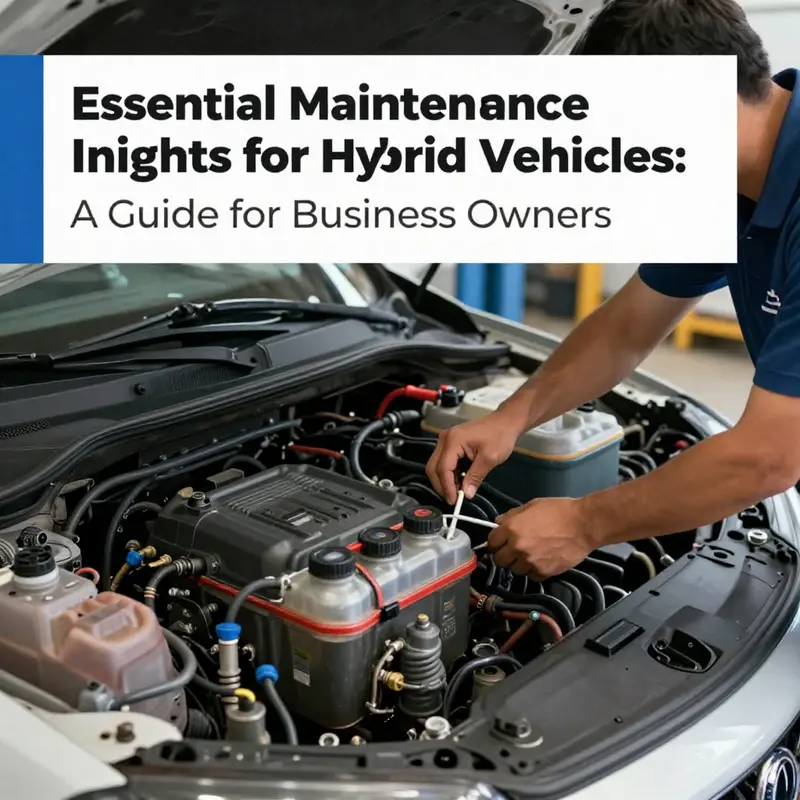
Hybrid vehicles bring a compelling blend of efficiency and performance, but they also introduce a layer of thermal complexity that isn’t always obvious to drivers. The cooling system in a hybrid electric vehicle is not merely a comfort feature or a safeguard against a single overheated component. It is the lifeblood of the powertrain, tasked with keeping the battery, the inverter, and the electric motor within their optimal temperature ranges. These parts operate at high power density and in continuous or near-continuous duty cycles. When heat builds up beyond what the cooling system can tolerate, efficiency slips, battery life can shorten, and even the risk of sudden faults rises. The maintenance implications are real, and they ripple through the entire hybrid’s performance. Understanding these cooling dynamics helps explain why maintenance beyond the traditional oil-and-brake checkups matters so much for hybrids. It is not simply about preventing leaks or replacing fluids at intervals; it is about sustaining a thermal environment that supports both the gas engine and the electric subsystem in harmony over the life of the vehicle.
The core components that rely on cooling in a hybrid are interconnected. The high-voltage battery pack, the inverter that converts DC to AC power and back, and the electric motor all generate significant heat when the vehicle is cruising, accelerating, or climbing hills. Even when a vehicle operates in full electric mode, the battery remains active, and its thermal management system must respond immediately to any surge in power demand. The heat generated inside these components is not just a factor of immediate load; it also reflects the inherent inefficiency and resistance that come with high-power operation. Over time, repeated thermal cycling can lead to degradation, reduced capacity, and, in some cases, safety concerns if temperatures stray outside safe bounds. This is why the cooling system in HEVs requires attentive maintenance that goes beyond the routine checks most conventional vehicles need.
To appreciate the maintenance implications, it helps to picture the cooling network as a living system with its own demands. The liquid cooling circuits that service the battery and power electronics must stay in balance. Coolant must remain at the right level, the right viscosity, and free of contaminants that could impede heat transfer. A small leak or a slow loss of coolant can create hot pockets within the battery pack or inverter, forcing the system to work harder just to maintain safe temperatures. This is where regular inspection and fluid replacement come into play. Unlike a traditional engine cooling loop, which may primarily protect the engine and radiator, hybrid cooling loops must contend with multiple heat sources and a more complex choreography of pumps, valves, and sensors that orchestrate cooling across different subsystems. Keeping this orchestra in tune requires attentive service intervals and a clear understanding of the vehicle’s thermal map as published by the manufacturer.
Another layer of sophistication comes from the advanced cooling concepts that some hybrids employ. In recent designs, phase change materials (PCMs) and heat pipe technologies are integrated into the thermal management strategy to improve response times and to stabilize temperatures during peak power draws. PCMs absorb heat as they change phase, effectively acting as a tiny thermal battery that buffers temperature spikes. Heat pipes, with their high-capacity, passive heat transfer capabilities, help shuttle heat away from hot spots to more efficient areas of the system. While these ideas promise improved performance and efficiency, they also raise the bar for maintenance. PCM-based systems require monitoring for long-term material degradation that could diminish their heat-absorption capacity. Heat pipes must be checked for blockages, leaks, or vacuum integrity that might impair their ability to transfer heat. Such checks require specialized tools and knowledge, reinforcing the message that hybrid cooling care is not a cosmetic or incidental service but a technical discipline.
The practical maintenance steps for cooling in HEVs begin with regular inspection and fluid management. The coolant circulated through the battery and power electronics should be assessed for color, clarity, and contamination. The levels should be checked against the manufacturer’s specifications, and the condition of the coolant itself matters as much as the amount in the reservoir. Over time, coolant can degrade, lose its protective additives, or become less effective at handling heat transfer. When this occurs, the system’s thermal margin shrinks, increasing the risk of overheating under load. Replacing coolant at the intervals specified by the vehicle’s service manual is a straightforward but essential protective measure. The routine task is not about replacing an aging fluid for the sake of cleanliness alone; it is about preserving the chemistry that keeps heat from accumulating in critical components.
Beyond fluid changes, attention must turn to the hardware that carries and dissipates the heat. The cooling fans, radiator cores, hoses, and clamps must be checked for integrity and performance. Over time, fans can wear or become obstructed by debris, reducing air flow and the capacity to move heat away from the battery and electronics. Radiator cores may suffer from micro-cracks or external damage that can compromise cooling efficiency. Hoses can crack, leak, or become brittle, especially where they bend near joints or heat sources. A minor hose leak may seem inconsequential, but in a system designed to operate within tight temperature windows, even small losses in cooling capacity can create a cascade of performance issues. During service, technicians will inspect for leaks, listen for abnormal fan operation, and verify that coolant pathways remain free of kinks and blockages. These checks, while routine, are foundational to maintaining thermal stability.
For hybrids that incorporate PCM-based thermal management or advanced heat pipe networks, maintenance takes on a quasi-diagnostic character. PCM monitoring is not just about ensuring there is coolant in the system; it is about confirming that the phase change behavior remains within expected parameters. If the PCM degrades, its heat absorption capacity diminishes, and the system can no longer buffer spikes effectively. Diagnostically, this may appear as higher battery temperatures during rapid accelerations or repeated hill climbs. In heat pipe configurations, technicians may look for changes in heat transfer performance, such as uneven temperature readings across the battery surface or a noticeable drop in cooling efficiency when the system is under heavy load. These signs demand a more nuanced assessment than a standard coolant flush. They require interpretation of sensor data, thermal maps, and sometimes additional testing to determine whether the PCM or heat pipe components are nearing the end of their useful life. In practice, this means service teams must stay current with evolving cooling strategies and the maintenance implications of newer materials and configurations.
The diagnostic ecosystem inside a modern HEV supports proactive maintenance in meaningful ways. Many hybrids are equipped with real-time thermal monitoring that tracks temperatures, flow rates, and cooling system fault conditions. Vehicle control units will log temperatures across the battery, inverter, and motor, and will alert the driver or technician when readings breach predefined thresholds. This capability underscores a broader shift toward predictive maintenance. Rather than waiting for a heat-related failure, maintenance can be scheduled in response to concrete temperature data and trend analysis. The challenge for technicians is not only to read the data but to translate it into appropriate service actions. This requires access to the right diagnostic tools, software updates, and training so that engineers can interpret thermal signatures with confidence and make informed maintenance decisions that protect both performance and longevity.
As technology progresses, the landscape of hybrid cooling concepts is likely to evolve further. Aluminum plate systems, optimized PCMs, and liquid cooling approaches for fast-charging scenarios are currently pushing the boundaries of what is feasible in thermal management. Each of these innovations brings with it new maintenance requirements. Aluminum plates can offer superior heat transfer but may present corrosion considerations or surface finish concerns that influence long-term reliability. PCM-enhanced systems demand more sophisticated monitoring to detect degradation over time. Liquid cooling loops introduce their own set of potential failure modes, including pump wear, coolant circulation anomalies, and small leaks that may be difficult to detect without specialized equipment. The core takeaway remains consistent: as cooling technology advances, the maintenance playbook will need to adapt. This adaptation entails updated training, new diagnostic tools, and a willingness to follow manufacturer guidelines that reflect the latest design intentions.
In navigating these complexities, following the manufacturer’s guidelines is non-negotiable. The service manual for each model specifies the exact coolant type, replacement intervals, and inspection procedures that are appropriate for that vehicle’s thermal system. Deviations can not only compromise performance but may also affect warranties and safety certifications. Qualified technicians who understand high-voltage safety, battery management systems, and the peculiarities of hybrid cooling are essential. While it is possible for a curious owner to perform some basic checks, many aspects of cooling system maintenance—especially those involving PCM integrity or heat pipe performance—should be handled by trained professionals with access to the correct tools and protective equipment. The careful observer will balance hands-on maintenance with professional assessments to ensure the system remains within its designed operating envelope.
All these considerations connect directly to the broader picture of hybrid maintenance. The cooling system does not exist in isolation; it supports the battery health, which in turn supports overall efficiency and longevity. The regenerative braking system, which reduces wear on traditional friction brakes, still depends on well-cooled and well-maintained power electronics to convert energy smoothly and safely. If the thermal system falters, the powertrain’s ability to harvest energy efficiently is compromised, and fuel economy can suffer as a result. This interconnectedness explains why maintenance on hybrids has a different rhythm from conventional vehicles. It also suggests why drivers should build maintenance plans that account for the thermal subsystems as much as the mechanical ones. The goal is not merely to avoid a breakdown but to sustain a level of performance that justifies the environmental and economic promises that hybrid ownership offers. In practice, that means a disciplined approach to coolant management, component inspections, and timely diagnostics that recognize the warning signs of emerging heat-related issues.
For readers who are curious about how this broader conversation about maintenance compares to other vehicle technologies, a concise comparison can be found in the article Do Electric Vehicles Require Less Maintenance? This piece lays out the general expectations for maintenance across electrified powertrains and helps place the hybrid cooling challenge in a wider context. While hybrids do carry unique demands—especially around the battery and its thermal management—the underlying principle remains clear: staying ahead of heat is a key to reliability and efficiency. The driving takeaway is that the added maintenance for a hybrid vehicle is not a burden but a strategic investment in performance longevity. By appreciating the cooling system’s role and adhering to manufacturer-recommended service intervals, owners can enjoy the benefits of hybrid efficiency without sacrificing the assurance that comes with a well-maintained powertrain.
In closing, the cooling system is a silent workhorse within the hybrid. Its maintenance demands are a natural extension of the dual-power architecture, a reminder that high-performance electrified systems depend on meticulous thermal stewardship. The ongoing evolution of cooling concepts—from PCM-enhanced strategies to advanced heat pipes and liquid cooling for fast charging—promises even greater efficiency and resilience. As these technologies mature, the responsibility falls to technicians and informed owners alike to stay engaged with maintenance schedules, to seek professional assessment when indicators appear, and to treat thermal health as a central criterion of overall vehicle reliability. Doing so ensures that hybrids continue to deliver their hallmark blend of economy and capability, while keeping the system at the proper temperature where it can operate cleanly, safely, and for many miles to come. For further exploration of the maintenance landscape across electrified powertrains, see the external reading linked here: https://www.sciencedirect.com/science/article/pii/S0360544626001234.
Final thoughts
Proper maintenance of hybrid vehicles goes beyond routine checks; it requires an understanding of the unique systems at play. By concentrating on battery pack maintenance, regenerative braking care, specialized servicing for electric components, and cooling system upkeep, business owners can significantly boost the longevity and efficiency of their fleet. Implementing these practices is not just about avoiding repairs; it’s proactive management that enhances overall performance and cost-effectiveness. The investment in specialized knowledge and maintenance strategies positions businesses for sustainable growth and a competitive edge in their respective markets.