

In an era where technology governs efficiency and security, the importance of key fob management cannot be understated. For business owners who rely on key fobs, understanding the implications of a key fob left outside the vehicle is paramount. The automatic locking features, backup phone keys, and the necessity of keeping the key fob within reach are essential aspects that affect daily operations. This article will delve into the implications of leaving a key fob outside the vehicle, outline crucial steps to take in such scenarios, and offer long-term solutions for effective key fob management.
When the Fob Walks Away: Navigating Lockouts, Safety, and Security When the Proximity Key Leaves the Vehicle

The moment a proximity key—the little fob that watches your car as you walk away—slips from the reach you expect, the vehicle responds with a set of built‑in safeguards. These responses aren’t just quirks; they are deliberate security and safety protocols designed to deter theft, prevent accidental entry, and protect occupants. In many modern designs, the sensors that detect the fob use a defined range, usually a few steps or a short distance from the vehicle. When the fob leaves that range, the car negotiates a transition from an open, ready state to a locked, guarded one. The result can be as subtle as a soft click of a door lock or as dramatic as a system-wide wake‑up of security measures if the car is already in motion and senses the fob has disappeared. The exact behavior is shaped by regional settings and by the configuration choices the owner made, but the underlying logic is consistent: proximity matters, and the vehicle treats the absence of the fob as a potential sign of risk. This logic is at the core of why a fob that has left the vehicle isn’t merely a minor annoyance; it triggers a cascade of consequences that affect access, ignition, and even the safety of the occupants inside.
To understand what happens when the fob leaves the vehicle, it helps to picture the system as two interlocking layers. The first layer is access control, which governs whether doors can be opened and the engine can be started. The second is operational continuity, which keeps the vehicle safe and controllable once it’s already underway. When the fob is detected outside the vehicle, the access layer can lock the doors to prevent entry from the outside, or, in some configurations, lock them after a short time if you have begun to move away. This is the Walk‑Away Door Lock concept: a feature that aims to prevent casual opportunistic theft by ensuring that a key that has wandered away from the car cannot be used to re-enter or steal the vehicle without near‑perfect timing. In practice, this means drivers may find themselves locked out if the fob slips into a bag or pocket and remains in the vicinity but out of reach as they approach from a distance. The security logic is straightforward, yet its effects can ripple through daily life in surprising ways. A momentary misplacement can become a reminder that your car, like a trusted companion, relies on a precise sense of where your keys are at all times.
The most immediate implication of the fob leaving the vehicle’s sensed area is often a lock action. Depending on where you are and how your system is configured, the doors may automatically secure themselves once the fob moves beyond a defined radius. For some, that automatic lock is a helpful safeguard when you step away with a plan for later, but for others it can feel abrupt if you intended to return quickly and re-enter without disturbance. It is essential to understand that this locking behavior is not arbitrary theater; it serves a dual purpose: it makes stealing more difficult and reduces the chance that a curious passerby or a would‑be thief will exploit a moment of proximity to manipulate entry. Yet the flip side is that if you end up locked out, you may be left standing at the curb with your plans interrupted. The balance between security and convenience is delicate, and it hinges on where the fob really is and whether your phone key is active and within range. In many cases, the phone key can work in tandem with the fob, providing a convenient backup path back into the vehicle, but if the phone is out of range or inaccessible, the physical fob remains the final lifeline. This is why many drivers keep a mental note about keeping the fob on their person or in a designated spot when they exit.
Beyond simple access, there are scenarios where the fob’s absence while the vehicle is in motion becomes a safety feature. If the car detects that the fob is not present while moving, it may initiate a controlled deceleration to a stop or switch the engine to a fail‑safe state after a short distance. While this sounds like a dramatic safety net, it is designed to reduce the risk of theft or unintended vehicle use. In practice, the timing of such actions is calibrated to avoid sudden harm to occupants yet assert enough control to prevent the car from continuing a journey without the authorized fob nearby. The exact distance at which this can occur varies by model and configuration, but it is commonly in the range of several tens to a few hundred feet. The result is a phase where your car could be momentarily unpredictable, especially if you do not realize the fob has already left the vehicle’s immediate reach. You may experience a sequence of cues—from dimmed indicators to audible alerts—as the system transitions from normal operation to its secure mode.
The security implications of a fob left behind inside a vehicle deserve particular attention. A thief who gains access to an interior that still contains an active fob could potentially start the vehicle if the fob’s presence isn’t immediately disabled, or use the vehicle’s proximity features to their advantage. This is why many manufacturers implement layered protections: after a vehicle detects the fob is no longer in the near vicinity, the doors may lock and the ignition system may be gated behind the fob’s presence in the car or within a safe proximity. The concern deepens when the fob is in a bag or pocket that remains near the vehicle but not directly in the user’s possession. In those moments, a quick movement can create a window of opportunity for mischief, especially in high‑traffic areas or places with more risk of theft. The consensus among security-minded drivers is clear: treat the fob as a critical asset. It is not merely a convenience item; it is a key to the vehicle’s life-supporting systems and its protective perimeter. As a result, habits surrounding the fob must be deliberate and disciplined, much like safeguarding a house key in a busy neighborhood.
What compounds this dynamic is the evolving landscape of proximity access technologies. Some configurations pair the car’s fob with a smartphone key, a system that can provide seamless entry or start the engine when the phone is in range. In such setups, the fob’s absence from the detected range may not necessarily block entry if the phone key remains active nearby, offering a redundant pathway. Conversely, if the phone itself is out of range or the app is not functioning, the fob must be within reach to regain access and resume operation. This redundancy is both a blessing and a complication: it can make life easier on ordinary days, but it can also create a confusing or fragile state if one component fails or is misplaced. Drivers should cultivate a simple rule of thumb: when you step away from the vehicle, keep the fob on your person or in a single, known location, and ensure your phone key is prepared to function as a backup rather than a replacement for the fob’s role. This approach preserves access while maintaining a robust layer of security.
The practical consequences of the fob leaving the vehicle extend into daily routines and planning. For example, if you’ve stopped at a store and you’re ready to leave, the moment you walk away with the fob not in your pocket or bag, the car’s beeps, lights, or lock sequences may cue you to the misplacement. The experience can be jarring if you assumed you had the fob with you. The best antidote is a quick, consistent exit routine: check your pocket, bag, or attachment point the moment you step out, and perform a quick scan of your immediate surroundings to confirm the fob’s presence. In some cases, a small, dedicated spot—think a console pocket or a specific hook in your bag—serves as a reliable home for the fob during every trip. The same habit can be extended to other critical items in the vehicle ecosystem, such as a spare key or a backup phone if one device unexpectedly fails. The goal is to reduce the cognitive load on memory by creating physical anchors that you can trust.
When the fob leaves the vehicle, there is also an opportunity to think about resilience and monitoring. Many owners turn to trackers or app‑based location services to keep tabs on where their fob is, especially if they frequently misplace small devices. A tracker can provide a precise signal that helps the user retrieve the fob before it triggers a lock or a shutdown sequence. The idea is not to rely on a single safeguard, but to layer protections in a way that supports consistent, safe behavior. If a tracker is out of range or battery life is low, the user can still rely on the instinct to perform a quick physical check or to return to the vehicle with the fob in hand. Additionally, some newer models and apps offer features that can help monitor the fob’s location or even remotely intervene if an anomaly is detected. For instance, if a fob is detected in a remote location or left behind in a place where it could be vulnerable, the system may alert the owner or even allow a remote lock to be applied to the doors to mitigate risk. While the reliability of these features can vary by model and software version, the underlying principle remains constant: proactive awareness of the fob’s location reduces stress and increases safety.
Even with robust safeguards, misplacing the fob inside the vehicle can result in a stranded moment if you try to depart with the fob still inside the cabin. The car’s design usually expects the fob to be within the immediate reach of the driver for entry or starting the journey. If you walk away and leave the fob behind, you may find yourself unable to unlock or start the car as you had planned. That not only disrupts your day but also raises questions about how to regain access swiftly and safely. A practical approach is to familiarize yourself with the fallback options offered by your car’s system. Some vehicles permit you to unlock the doors using a hidden sensor or a backup contact method, such as a mobile app, before the car locks down. Others may rely on the fob’s presence for entry and require that you return to the vehicle with the fob to re‑establish access. In any case, the best plan is to minimize the likelihood of being locked out by maintaining consistent habits and avoiding placing the fob in places that are likely to be forgotten or left behind during a busy exit.
Finally, the topic isn’t just a matter of convenience or a momentary annoyance. It touches on broader questions of user responsibility, site conditions, and the ethics of smart‑car security. The car’s systems exist to deter theft, protect occupants, and preserve the integrity of the vehicle’s powertrain and electronic networks. When the fob leaves the vehicle, the system responds with a set of actions that reflect that purpose. The driver’s role is to manage the proximity relationship with the fob deliberately, to use available backup mechanisms when possible, and to adopt a consistent routine that minimizes the chance of being caught off guard. A thoughtful, repeatable habit—keep the fob on your person, in a designated spot, or in a tracker’s safe zone, and verify its presence before departing—transforms a potential vulnerability into a predictable, manageable part of driving. It is a small discipline with outsized returns in security, reliability, and peace of mind. If you want to explore practical mechanics of what happens when you drive off without your key fob, you can consult a detailed industry analysis that examines the behaviors of proximity keys and their impact on everyday driving. For a detailed overview, see the article linked at Car and Driver: What Really Happens If You Drive Off Without Your Key Fob.
Internal link note: For a model that highlights how proximity features can align with everyday convenience, you can read about remote start and easy access in the Jeep Wrangler context here: Jeep Wrangler remote start: effortless convenience at your fingertips. This link offers a concrete example of how proximity systems can work in practice and helps illustrate the balance between ease of use and security in modern vehicles.
When the Key Fob Has Left the Vehicle: A Practical Guide to Unlocking, Reentering, and Securing Your Ride
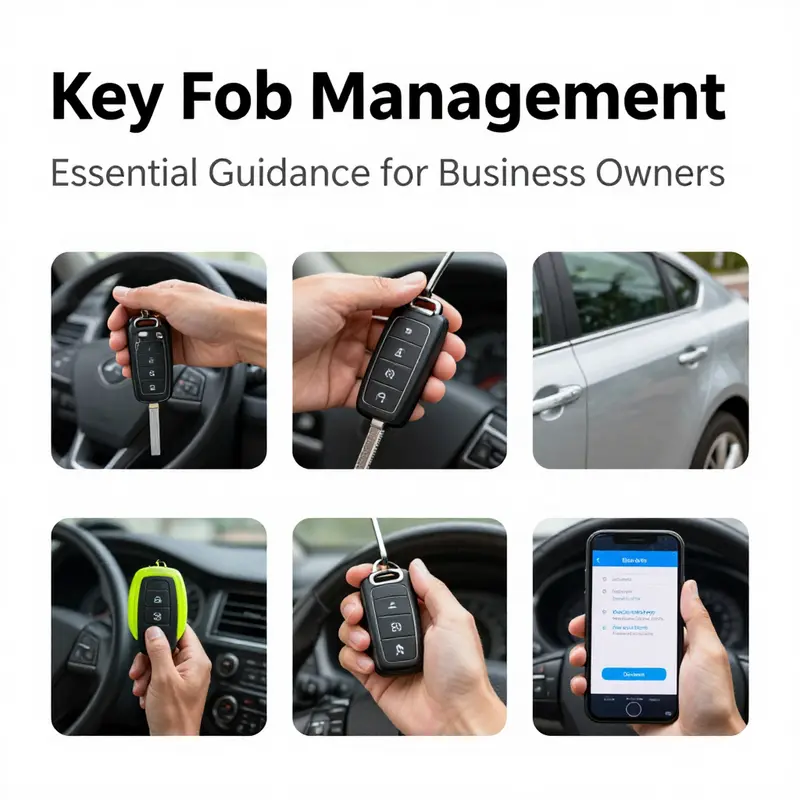
The moment you realize the key fob has left the vehicle can feel like a small panic in the middle of a routine errand. The doors may lock as the fob moves beyond reach, and the car’s security stance shifts. Modern cars balance convenience and protection by using the fob as a signal for access. Walk-Away Door Lock is a common regional feature that locks doors when the fob is away. It helps protect you but can cause frustration if you need to reenter without the fob nearby.
The fob is also a backup to phone-based access. If you carry both, you have a layered path to entry. If both are unavailable, you must use a back-up method to regain control. Know your spare access points and how to use the smartphone app, if supported, to unlock remotely. The goal is to stay calm and follow a safe sequence that preserves security while restoring mobility.
In simple terms, there are two frequent scenarios: the fob is outside and doors lock, or the fob is inside and you cannot reach a door that will unlock. In the first case, explore methods that do not require bringing the fob to the car, such as remote unlock through the app while your phone is online. In the second case, you may need to rely on a spare mechanical key or professional help to regain entry without damage.
If the app or remote method is unavailable, the spare mechanical key remains the most reliable option. Some cars hide the key in a concealed slot or under a cover near the driver door. If you can access it, you can unlock the door and regain entry.
When a spare key is not immediately accessible, contact a licensed locksmith or an authorized service center. Be prepared to prove ownership with documents. A professional can open the vehicle without causing harm in many cases, though response times vary by location.
Trunk access may offer another path if the vehicle supports it and the system can unlock the trunk remotely. Use this only if you understand the configuration and the risks involved. Do not force doors or bypass sensors, as this can cause damage and void warranties.
Finally, practice preventive steps: verify spare keys work, keep your phone app linked and updated, and periodically test remote entry so you know how the system behaves when you need it. You may also consider roadside assistance options and keeping a trusted spare key in a secure location. For more general tips on key management, see Vehicle Tricks at https://vehicletricks.com/blog/vehicle-tricks/. If you need official guidance on how your vehicle’s remote control and entry work, consult the manufacturer’s support page, such as Tesla’s remote control guide at https://www.tesla.com/support/remote-control.
Beyond the Curve: Crafting a Resilient, Long-Term Strategy for Key Fob Management After It Leaves the Vehicle
When a key fob leaves the car’s proximity, a driver can feel a blend of relief and unease. Relief, because the doors may automatically secure themselves when a proximity-based feature detects the fob moving away; unease, because that same feature can lock out access if the fob is left behind or misplaced. This tension lies at the core of a new reality in vehicle security and access: the need to move from reactive measures to a deliberate, long-term approach to key fob management. The immediate instinct is simple but powerful—avoid being locked out and avoid leaving the fob in the car. But as cars become more connected, as access becomes digital, and as fleets and households rely on multiple fobs or digital keys, the practical answer shifts. The answer is not a single gadget or a one-time fix. It is a structured shift toward smart, connected, and auditable key management that anticipates loss, speeds recovery, and minimizes risk without sacrificing convenience. In this broader frame, the fob is less a mere remote and more a component of a larger security and accessibility system that blends hardware, software, and policy into a cohesive whole. A long-term strategy starts with recognizing the fob as a living element of your vehicle ecosystem, not as a standalone token to be tucked away and forgotten. The shift is gradual but meaningful: evolve from basic remotes to smart, connected solutions; from isolated incidents to centralized oversight; from generic assurances to explicit, auditable procedures. This is how owners, operators, and households can keep control even when a fob has left the vehicle, and how a modern approach protects both property and people without eroding the ease of use that makes these systems appealing in the first place.
A practical starting point lies in the integration of advanced, Bluetooth-enabled or GPS-equipped fobs with cloud-based access management systems. Such fobs are designed to communicate in real time with a central service that can verify identity, grant or deny access, and provide a historical record of when and where a fob moved. The value of this approach is multifold. Remote locking and unlocking becomes feasible even when the driver is out of range, provided there is a secure channel and appropriate authentication. Real-time location tracking expands the ability to locate a misplaced fob, or to confirm whether a fob has indeed moved beyond a legal perimeter. Geofencing adds a protective layer by issuing alerts whenever the fob crosses a designated boundary. In a fleet context, the ability to see historical routes, monitor driving patterns, and enforce geofenced zones becomes an operational advantage, transforming concern over a missing fob into a supervised, recoverable event rather than a crisis. Of course, every technology solution requires connectivity. Cellular or satellite links are the lifeblood of these capabilities, and with them come ongoing costs that organizations must budget for. The promise is not merely convenience; it is accountability, with a clear trail of who had access to the vehicle when and from where. It is also a promise of resilience: a system that continues to function even if a single device fails, because multiple layers of verification and alternate entry methods can compensate for a missing fob.
Yet, the long-term answer cannot rest solely on hardware and connectivity. A robust, cloud-based access framework should be complemented by central management for organizations that use multiple vehicles, facilities, or access points. This is especially true for mid-sized gyms, community centers, gated communities, and other facilities where the same staff or residents require controlled, auditable entry. A centralized system can map each user to the doors, gates, or vehicles they are authorized to access, update permissions in real time, and provide automated reminders or alerts when a fob is left out of range or has not been used for a defined period. The administrative benefits are tangible: reduced risk of unauthorized entry, streamlined onboarding and offboarding, and simplified billing and subscription management for any facility that relies on access control as part of its daily operation. The shift toward centralized management also invites a broader view of security. It becomes possible to tie vehicle access to other digital identities within the organization—employee badges, resident credentials, or member accounts—creating a layered, multi-factor access strategy that remains user-friendly. The result is a security posture that is both stronger and more adaptable than the old, siloed approach in which a fob stood alone as the sole gatekeeper.
A further, compelling dimension of long-term strategy lies in the custom development of smart fobs. In regions with vibrant electronics ecosystems, developers and manufacturers can prototype smart fobs with tailor-made firmware to meet specialized needs. These devices can embed advanced cryptographic features, integrate tightly with enterprise software, and support firmware updates over the air to keep security policies current. For organizations that handle high-value assets or face complex access requirements, this custom route offers a level of flexibility that off-the-shelf devices may not provide. Custom development enables scenting out specific use cases—granular role-based access, time-based permissions, or event-triggered alerts—that align with the unique rhythms of a facility or fleet. It also invites a careful approach to security: embedded encryption, robust authentication, and encrypted data transmission are not optional add-ons but baseline requirements when access control becomes part of a digital ecosystem. The opportunity to collaborate with regional hardware hubs and specialty fabrication centers can accelerate development cycles and tailor devices to regional regulatory environments, while still maintaining a forward-looking architecture that scales as needs evolve.
All of this points toward a broader conclusion: the best long-term strategy is to transition from simple, discrete keys to a suite of smart, connected, and auditable key fob systems. These systems should offer remote monitoring and control, encrypted communications, and centralized digital management that makes it possible to act swiftly when a fob leaves the vehicle or falls behind. They should also preserve the convenience that makes modern access systems compelling, balancing friction with reliability rather than eliminating it entirely. A well-designed long-term plan must recognize the trade-offs involved—the cost of ongoing connectivity, the need for robust data protection, and the potential for feature creep if many subsystems are not well coordinated. It is not enough to purchase a high-tech fob or subscribe to a cloud service; the value emerges only when the entire lifecycle of the fob is planned and governed, from provisioning and rotation to revocation, recovery, and replacement. This lifecycle approach is where resilience lives. When a fob is left behind, or when someone misplaces it, the system should respond with clarity, speed, and a clear record of what happened, why it happened, and what steps were taken next.
From the individual driver to the fleet manager, the leap toward this mature model begins with thoughtful policy and practical steps. It starts with a basic inventory—knowing how many fobs exist, who has them, and what each fob is permitted to access. It continues with a risk-based policy that assigns different levels of protection based on the value and sensitivity of the assets being protected. A smart policy also anticipates the scenario where a fob is lost in transit or inadvertently left in a vehicle, defining the procedure for remote lockdown and revocation, as well as the timeline and process for replacement. Such policies should be revisited regularly as part of an overall risk assessment and security posture review. They should also include clear communications to users about their responsibilities, the steps to take if a fob goes missing, and the channels through which to request support or replacements. When people understand the process and their role within it, the probability of panic-driven, improvised action drops significantly, and so does the risk of a compromised entry event.
The narrative above is not a call to abandon the familiar joys of convenience. It is a call to embed the virtues of agility, control, and transparency into the everyday life of vehicle access. The fob, after all, is a point of contact between the owner and the car, and the way it is managed reflects the broader relationship to technology: it should empower, not overwhelm. This is not about mastering a single gadget; it is about orchestrating an ecosystem where hardware and software work in concert, where security is a discipline as much as a feature, and where a missing fob is a solvable incident rather than a catastrophic failure. In practice, that means embracing three pillars—advanced fob integration, centralized management for organizations, and customized, security-forward development of smart fobs—and weaving them into a coherent, end-to-end approach.
For individuals, the path is practical and incremental. Start by reviewing your current setup and identifying which devices act as keys to your car or fleet. Map which vehicles each fob can access and where those vehicles live in your daily rhythms. Consider how you might add a digital layer to your access plan—whether that means a companion app with secure authentication, or a secondary method to trigger a remote lock if you realize a fob has been left in a vehicle. If your ecosystem supports it, enable proximity-based auto-locking as a default, but pair it with explicit override procedures for manual entry if you forget a fob or if a fob is temporarily unavailable. Such steps will reduce the risk of accidental lockouts while preserving the speed and convenience of modern access.
Organizations and households that manage multiple vehicles or entries will want to look beyond individual devices to a continuum of control. A centralized system can provide a single pane of glass for access rights, with role-based policies that reflect the responsibilities of different users—from maintenance staff who need occasional access to full-time drivers who require routine entry. By leveraging real-time alerts and dashboards, administrators can respond to anomalous patterns, such as a fob exiting a geofenced area at odd hours, and can revoke permissions quickly if a device is reported missing. This is not solely about reducing risk; it is about reducing friction in daily operations. When a facility knows who has access, to what, and when, it can operate with precision and confidence, and it can scale its security controls in step with growth or shifts in usage patterns.
The most forward-looking dimension remains the capacity to tailor fob technology to the needs of a specific environment. Custom firmware and hardware configurations can yield fobs that align with unique access hierarchies, integrate with existing facility management software, and support future upgrades without wholesale replacement. In practice, that means working with developers who can craft encryption practices that meet current standards, implement robust over-the-air update mechanisms, and ensure that data transmissions respect privacy expectations and regional regulations. The outcome is not a one-off upgrade but a durable platform that accommodates evolving security challenges—without locking you into a single vendor or a single technical path.
In closing, the long-term strategy for key fob management when a fob has left the vehicle rests on a simple premise: anticipate, protect, and adapt. Anticipation means deploying smart fobs and geofenced alerts that give you early warning and options before a situation becomes urgent. Protection means centralizing access control and encrypting communications so that a missing fob cannot be misused without traceability. Adaptation means maintaining a flexible, upgradeable system capable of integrating new capabilities as technology, usage patterns, and regulatory landscapes shift. The practical effect is a safer, more reliable, and more convenient approach to vehicle access that holds steady even as the fob travels, or fails to travel, where it should. A future where the fob is just one piece of a broader, controlled access puzzle is not a distant ideal; it is a set of tangible steps that readers can begin taking today, weaving together policy, technology, and everyday practice into a resilient, trusted framework that supports both personal mobility and collective security.
As a touchstone for practical understanding, consider how a broader ecosystem of smart access features could be integrated into everyday life. For readers looking to explore related insights and concrete use cases, a well-timed example is captured in practical guidance about remote convenience features for vehicles—an example that illustrates how remote control can be balanced with secure governance. Jeep Wrangler remote start—effortless convenience at your fingertips.
For a deeper, industry-wide perspective on real-time tracking and geofencing, an external resource offers a broader view of how GPS-enabled fobs function within cloud-based management. Real-Time Tracking & Geofencing with GPS Key Fobs – How It Works. https://www.automotive.com/gps-key-fob-tracking-geofencing-explained
Final thoughts
In conclusion, effective key fob management is vital for business owners, not only for maintaining access to vehicles but also for ensuring security within their operations. Understanding the implications of a key fob left outside the vehicle and following the appropriate steps in such situations is crucial. Moreover, implementing long-term solutions can minimize risks and streamline your access control processes. Keeping your key fob secure results in smoother day-to-day operations and contributes to the overall security of your business environment.