
In the world of off-road adventure, few elements are as iconic as the Jeep Wrangler soft top. This versatile feature provides drivers with the freedom to embrace the open air while also offering protection from the elements. For business owners involved in the automotive sector, understanding the ins and outs of soft tops can influence customer satisfaction and vehicle sales. By exploring key features and benefits, performing comparative analyses of leading brands, maintaining soft tops, and custom options available, readers will be equipped with the necessary insights to guide their purchasing decisions or enhance their understanding of Jeep Wrangler soft tops. Every chapter offers a distinct perspective that collectively helps to navigate the choices available for these essential accessories.
Jeep Wrangler Soft Tops: A Flexible Gateway to Open-Air Adventure and All-Weather Versatility
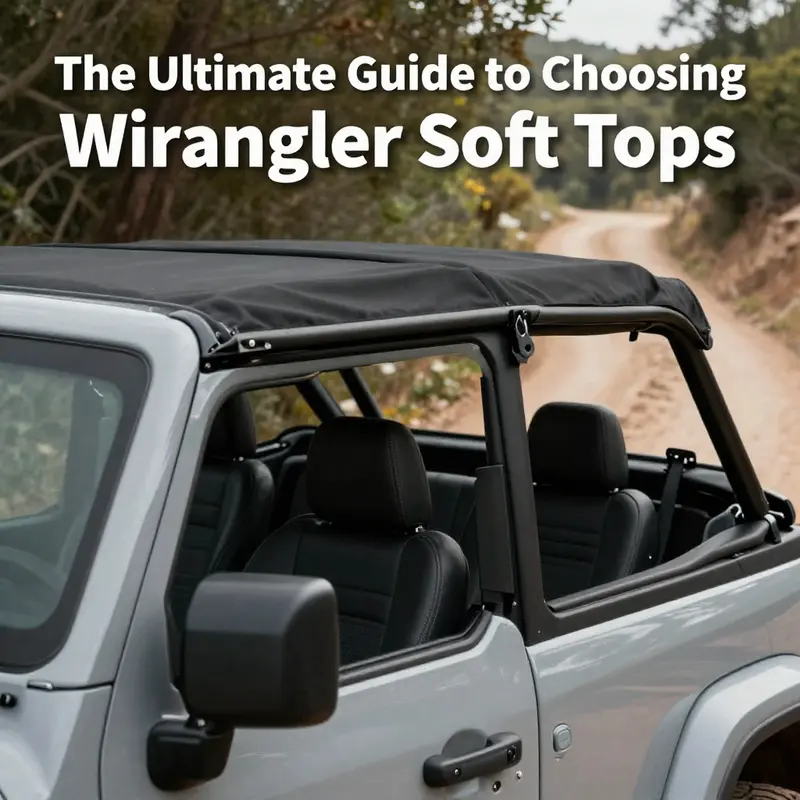
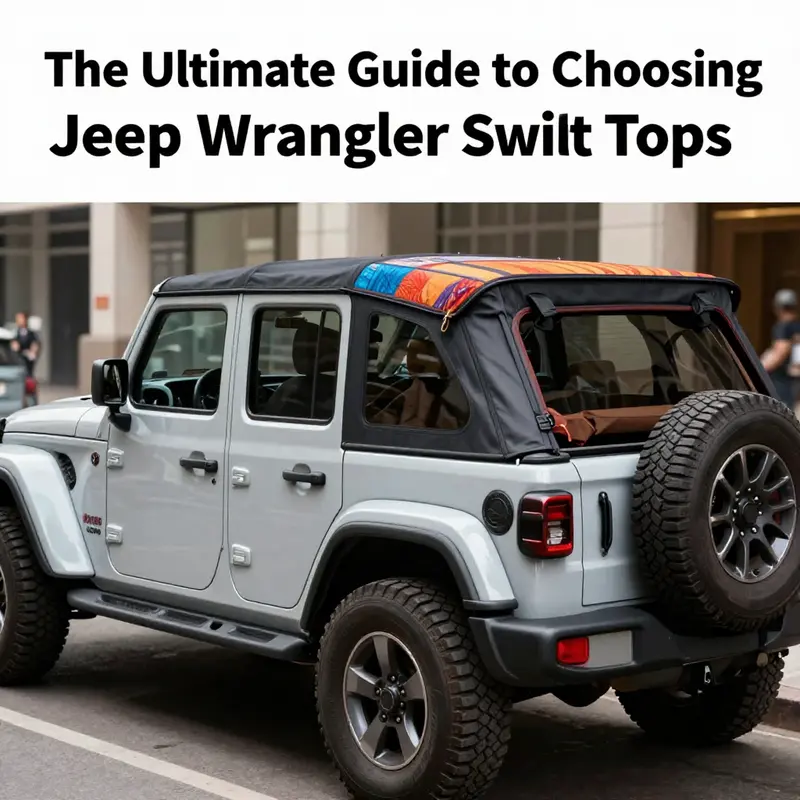
The Wrangler’s soft top is more than a cover; it is a philosophy that blends utility with a sense of freedom while staying practical for every drive. It can be removed quickly to turn the cabin into an open-air space where the wind and sounds of the road become part of the experience. The fold-down windshield and removable doors further amplify immersion, offering panoramic sightlines and a direct conversation with the environment. Modern soft tops use weather-resistant fabrics that balance protection with agility, though they cannot match a hardtop’s insulation, making them well suited to milder or transitional climates. The lighter weight and compact storage of a soft top improve weight distribution and ease of handling, and the modular nature of the system supports easy stowage and seasonal changes. Trade-offs include greater wind and temperature swings, more exposure to noise, and the need to manage fabric wear and potential UV exposure; yet many Wrangler enthusiasts value the flexibility to adjust exposure to fit mood, weather, and terrain. Materials like vinyl-coated fabrics and canvas blends offer different balances of durability, breathability, and maintenance, and buyers should consider fit for their model year, trim, and whether features such as sun visors or removable panels matter to them. Ultimately, choosing a soft top is choosing a versatile toolkit that scales from full openness to partial shelter, aligning the drive with the driver’s climate, routine, and wanderlust. For readers evaluating options, consider climate, how often you plan to remove the top, storage space, and how much wind protection you want; think of the soft top as a flexible system rather than a single product.
Choosing the Right Wrangler Soft Top: A Practical Guide Through Brand Approaches
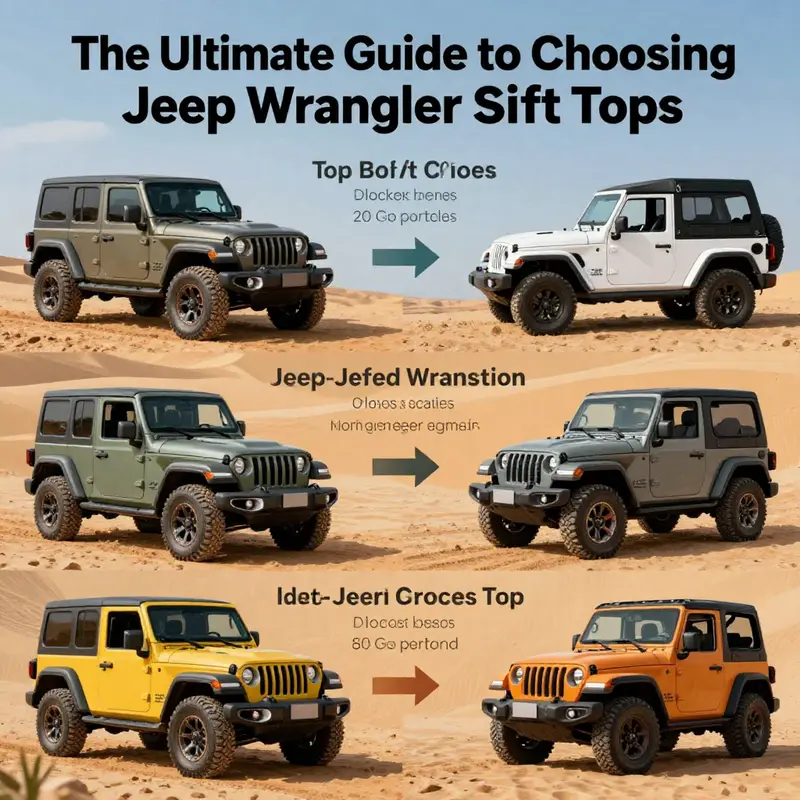
Open-air driving is not just a feature on a Jeep Wrangler; it is a philosophy. A soft top turns a single vehicle into an adaptable platform that can match the day’s weather, the rhythm of the trail, and the mood of the driver. It is a dynamic component that shapes the entire experience, shifting from shelter to openness with a few deliberate moves. The soft top is not only about protection from wind and sun; it is about the connection between the driver, the outdoors, and the elements. When you consider a top for your Wrangler, you are choosing a system that balances weight, protection, ease of use, and the demands of your adventures. The ultimate guide to top choices emphasizes that the best option is the one that aligns with climate, terrain, and schedule as much as with budget or aesthetics. The right top should feel like a natural extension of the vehicle, not a bolt-on afterthought, and it should invite exploration rather than complicate it.
In the marketplace, four archetypes tend to shape the conversation about soft tops. Each describes a cluster of design priorities and use cases, helping you navigate compatibility with your Wrangler model year, trim level, and conditions. The first archetype centers on precision engineering and an OEM like fit. Tops in this category are celebrated for meticulous cut, reinforced stitching, and materials engineered to stay sturdy under sun and rain alike. They prioritize a seamless seal against wind and water and often integrate wind deflectors that quietly reduce buffeting at highway speeds. The second archetype is the heavy-duty, off road ready option. These tops lean into tougher fabrics and robust zippers, with designs that tolerate grit, dust, and rapid exposure to the elements. They frequently feature roll-up or detachable side windows, secure tie-down systems, and weatherproofing elements that stand up to harsh conditions while still delivering a manageable removal process. The third archetype represents premium craftsmanship. This is where aesthetics meet practicality—magnetic closures or cleverly engineered latching systems, thoughtful interior pockets, and hidden storage that keep the cabin clean and uncluttered. The fourth archetype offers a value-driven, straightforward solution. These tops are compatible with a broad swath of Wrangler generations, emphasize ease of installation, and prioritize dependable performance without demanding a premium price. While these archetypes help with initial screening, the reality is that many tops blend elements from multiple categories. The best choice often sits where your needs, your climate, and your daily rhythms intersect.
Compatibility matters as much as any stylistic preference. A top that fits perfectly on a modern JK or JL may not align cleanly with older YJ or TJ configurations. The core considerations go beyond fit: weatherproofing, UV resistance, and texture of the material matter, but so do the nuances of closure systems, window options, and ventilation. For warm weather explorations, ventilation becomes essential, while for shoulder season cruising, insulation and wind protection rise in importance. The ability to partially unzip or remove the top entirely remains appealing for those who want to pivot quickly between the cabin and the open air. For many enthusiasts, the appeal lies in the flexibility to switch from a fully enclosed cabin during a sudden rain shower to an almost unobstructed cockpit for a sun drenched coastal drive. In practice, the best top for your Wrangler is the one that integrates smoothly with your ownership rhythm—how often you remove or reinstall, how you store the top when off, and how you manage maintenance in dusty or wet environments.
From a durability perspective, materials and construction deserve careful attention. Heavier fabrics tend to weather harsher environments with greater resilience, while lighter blends offer easier handling and lighter weight, which can contribute to better fuel efficiency and agility. UV resistance is more than a marketing bullet; it matters because prolonged exposure can degrade color and fabric integrity, especially when the top sits atop a sunlit, open vehicle for extended periods. Stitching quality, reinforced seams, and the presence of wind deflectors all influence long-term performance. Manufacturing touches such as vented panels and removable sunroofs can dramatically improve comfort on hot days or during cross ventilation while driving with the top partially open. The design philosophy behind each option shapes how well it ages, how easy it is to maintain, and how much effort is required to reinstall after a trip. Those who drive with the top off the majority of the warm season naturally lean toward configurations that minimize wind intrusion and noise, while those who live where weather changes quickly may prioritize a secure seal and simple, repeatable setup.
The decision-making process also benefits from a practical approach to installation and upkeep. Some tops come with comprehensive installation kits that guide owners through alignment, fastener checks, and weatherproof sealing. Others rely on a more modular approach, requiring a touch more hands-on handling but delivering greater customization. Regardless of path you choose, anticipate a brief learning curve. The best installations occur when the top is properly aligned with the door frames, weather-stripping is intact, and zippers glide smoothly without hesitation. Regular maintenance—cleaning, conditioning, and inspection of fasteners—extends the life of the top and preserves its fit. A well-maintained soft top is not just a comfort feature; it is a critical line of defense against wind and water intrusion, which, over time, can affect interior materials and the overall experience inside the cabin.
As you weigh options, consider how often you plan to use the top in its most exposed mode. If you anticipate frequent removal, a top that offers a straightforward detachment mechanism and intuitive folding or rolling process will save time and reduce wear. If you expect to depart on a weekend trip with varying weather, a top with reliable rain protection and solid edge sealing is worth prioritizing. Some drivers also factor in the aesthetics of the top—how cleanly it integrates with the current Wrangler styling, how unobtrusive its framework appears when closed, and how the color and texture complement the vehicle’s paint. In the end, the best choice balances performance with practicality, ensuring that the top supports the kind of adventures you value most while remaining within budget and maintenance expectations.
For readers curious about winter and shoulder-season performance, there is value in exploring how different tops handle cold wind and snow. The snow and cold bring a test of wind resistance, insulation, and the potential for moisture to seep in through seams. A top built with robust fabrics and well-sealed seams tends to perform better in these conditions, maintaining interior warmth and reducing the need for interior heating. If winter readiness becomes a deciding factor, it is worth reviewing the long-term behavior of each option in cooler climates, along with how easy it is to seal gaps and prevent drafts along the sides. To dive deeper into winter performance, you can read Are Jeep Wranglers Good in the Snow.
In presenting a spectrum of options, the narrative remains true to the core purpose of the Wrangler soft top: to offer flexibility without sacrificing reliability. The contrast among archetypes is not a condemnation of any single approach but a map of trade-offs. If your priority is a robust all-weather shell that stands up to dust and rain and remains loyal to the Wrangler’s rugged heritage, you will lean toward the heavy-duty, off-road oriented design with reinforced components. If you crave a refined, premium experience that emphasizes ease of use, clever closures, and thoughtful storage, a premium craftsmanship approach will likely resonate. If budget is the primary constraint and you still want a dependable, capable top that won’t complicate maintenance, the value-focused option becomes appealing. If you demand a precise, factory-like fit and are chasing the smoothest possible interaction between top and frame, the OEM-inspired path deserves attention.
The practical outcome of this comparative lens is clear: the optimal top is not a one-size-fits-all mandate but a tailored choice shaped by climate, driving style, and frequency of top removal. The ultimate guide to top choices is less about declaring a single champion and more about helping you identify your operating envelope—the moments when the wind is welcome, the rain is rare, or the dust is persistent. It is about understanding which materials endure the longest, which features deliver the most value, and which installation strategies keep everything secure and straightforward. The chapter on brand approaches invites you to weigh the intangible qualities—the feel of the fabric, the ease of fold, the crispness of the seal—alongside the tangible metrics of fit and durability. In other words, it invites you to experience the top not as a fixed accessory but as a dynamic ally for each expedition.
In closing, the soft top landscape for Wranglers is a spectrum rather than a binary choice. The best fit aligns with how you live with your vehicle—the routes you chase, the weather you tolerate, and the time you want to invest in setup and teardown. As you move through the evaluation process, remember that the right top enhances the open-air tradition of the Wrangler rather than diminishing it. It makes the cabin feel more versatile, more purposeful, and more attuned to the outdoors. The ultimate guide to top choices aims to illuminate that balance, guiding you toward a top that complements your adventures, your climate, and your budget, while preserving the enduring, quintessential Wrangler spirit.
Guarding the Open Sky: Longevity Through Thoughtful Care for Jeep Wrangler Soft Tops
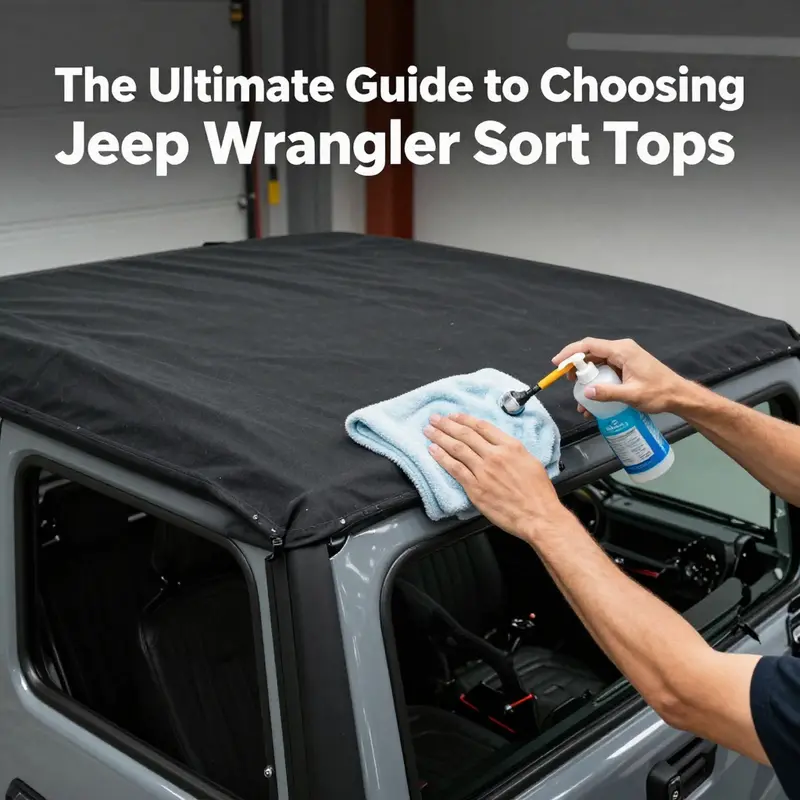
The Jeep Wrangler soft top is more than a roof; it’s a commitment to a way of driving that embraces weather and terrain as part of the adventure. A well-maintained soft top keeps that ritual intact, preserving both the look and the feel of open-air freedom while protecting the cabin from the elements. When you invest in a soft top, you’re choosing a balance between flexibility and durability. The goal of this chapter is not to overwhelm with maintenance minutiae but to weave a practical, repeatable routine into daily life with the Wrangler. In doing so, you’ll extend the life of the top, maintain its weather resistance, and keep the vehicle’s character intact across seasons and miles. The tale of care begins with acknowledging the materials at play. Most Wrangler soft tops use a vinyl or canvas fabric stretched over a sturdy frame. Vinyl tends to shed moisture and resist wear a bit more aggressively, while canvas offers a classic look with a different feel under UV exposure. Neither material is a magic shield, and both require attention to prevent UV fading, seam failure, or stitching fatigue. Understanding these nuances helps you tailor care to your top’s composition and your local climate, which in turn supports a longer service life and a more consistent driving experience.
Maintenance starts with a simple rhythm. Regular cleaning is the foundation. Dirt, dust, and road grime are not cosmetic nuisances; they are abrasive agents that can degrade coatings, seams, and zippers over time. The recommended approach is straightforward: use mild soap and water and a soft brush or sponge. Avoid harsh chemicals or abrasive cleaners, which can strip away protective coatings or degrade fabric fibers. Wash from top to bottom to prevent debris from migrating into creases or along seams. Rinse thoroughly to remove all soap residues, which can attract new particulates and, if left, contribute to mold and mildew under damp conditions. After cleaning, let the top air dry completely before folding, zipping, or storing. Trapped moisture invites mold, mildew, and odor issues that can be stubborn and costly to remediate. A dry top also helps keep the zipper tracks free from moisture-induced stiffness, which translates to smoother operation when you need to vent or seal.
Alongside routine cleaning lies the duty of UV stewardship. The sun is unforgiving to fabric at any price point. Over time, prolonged exposure can fade color, weaken fibers, and make seams more brittle. A dedicated UV-protective spray designed for automotive fabrics can be a valuable preventive tool. Apply it according to the manufacturer’s instructions, focusing on exposed panels and along the seams where fiber can begin to fatigue. UV protection is not a one-and-done remedy; it’s part of a proactive schedule. For many Wrangler owners, a seasonal reapplication aligns with other maintenance cycles, such as tire rotation or engine oil changes, helping ensure that the top remains supple and visually consistent as miles accumulate.
Regular inspections are the next pillar of longevity. Treat inspection as a precautionary check rather than a crisis management exercise. Periodically examine the seams for fraying or loose stitching, and inspect the zipper track for stiffness or misalignment. Hardware such as clamps, fasteners, and frame joints should be tested for play or corrosion. Early signs—frayed thread, a zipper that catches intermittently, or a loosened strap—signal small issues that can escalate into more expensive repairs if ignored. When a minor problem is detected, address it promptly. Small repairs are far more cost-effective and quicker than letting tension gradually weaken a seam or a zipper. In some cases, you may need a technician to reseal a seam or replace a zipper strip. The investment in timely repair is a direct path to preserving the top’s weather seals and retaining the open-air experience. Even with careful use, components wear at different rates depending on climate and driving style. A humid coastal climate can accelerate mildew growth if moisture management isn’t thorough, while harsh desert winds can test the stitching and edge seals more aggressively. Understanding how your region interacts with your top helps set a realistic maintenance cadence.
Storage, perhaps the most overlooked element, deserves thoughtful attention. When you’re not using the soft top, storage becomes a shield against damage. If possible, store the top in a clean, covered space rather than in direct sun or damp environments. A high-quality car cover designed to accommodate a Wrangler’s dimensions helps protect against dust, debris, and incidental moisture while the top is not in use. If you must store indoors, keep the top in a cool, dry area that avoids freezing temperatures and drastic humidity swings. For owners who rotate their tops seasonally or who frequently transition between fully closed and vented configurations, consider the logistics of removing and storing the top components properly. A common misstep is leaving the top in a partially installed state during storage, which can stress zippers and seals. A clean storage process—wipe down surfaces, ensure all panels are completely dry, and loosely fasten any straps to prevent creasing—helps maintain shape and fit when it’s time to reinstall.
Beyond routine cleaning and storage, many Wrangler enthusiasts explore durability upgrades that align with their usage patterns. Soft-top extenders, additional sealing strips, and reinforced stitching are among the aftermarket options that can enhance weatherproofing and reduce wear on periodic stress points. The decision to pursue upgrades should be guided by how you use the vehicle. If your life includes frequent exposure to gusty winds, heavy rain, or off-road debris, these modifications can deliver meaningful gains in protection and longevity. It’s important, though, to ensure compatibility with your exact model year and trim, because installation nuance matters as much as the upgrade itself. Every enhancement should be weighed against potential impact on resale value, warranty terms, and ease of reconfiguration when you return to factory setups. The takeaway is practical: upgrades should improve reliability without complicating routine maintenance or diminishing the Wrangler’s original character.
Seasonal considerations deserve a thoughtful section in their own right. In climates with extreme temperature shifts, winter storage becomes more than a recommendation; it’s a preservation strategy. Before freezing conditions arrive, store the top indoors or in a climate-controlled area to minimize the hazards of repeated freezing and thawing cycles that can stress fabric and seams. If indoor storage isn’t feasible, a high-quality outdoor cover that breathes can still offer meaningful protection, provided it fits well and doesn’t trap moisture against the fabric. Summer heat, dust, and UV exposure also demand action. A reapplication of UV protection, a meticulous cleaning before the peak driving months, and ensuring vent windows and sunshades are functioning properly help maintain comfort inside the cabin and the top’s structural integrity. Even the wind itself calls for practical awareness. When you know you’ll be driving with the top partially removed or fully removed, secure the remaining hardware and window zippers to prevent wind damage or flapping, which can overstress seams and mounts. Seasonal cycling—switching between a fully closed top for cold fronts and an open-air setup for sunny days—should be treated as a controlled ritual rather than a quick grab-and-go change. This disciplined approach keeps the top aligned with the Wrangler’s overall philosophy: adaptable, resilient, and ready for whatever the road or the weather brings.
In all of this, the manufacturer’s guidelines remain a compass. Each model year and trim can present subtle differences in how the top is installed, tensioned, and serviced. Adhering to the official care recommendations helps ensure the top’s attributes—water resistance, fabric integrity, seal reliability—remain at peak performance. The generic advice you follow should always be cross-checked with the specifics in your owner’s manual or the official support resources. This careful alignment between general best practices and model-specific instructions reduces the risk of inadvertent damage and supports a consistent ownership experience over many seasons. The result of this careful, informed approach is a Wrangler that continues to feel like a doorway to the outdoors rather than a barrier to it.
In the broader arc of the Wrangler’s lifestyle, soft-top maintenance is more than a checklist. It is a commitment to preserving the sensory joy of open-air driving—the way sunlight slides across the dash, the breeze lifting the fabric, the sound of the frame settling into place as you lock the top down for a rocky trail. The point is not perfection, but reliability. A well-maintained soft top makes it possible to seize every moment the weather allows without hesitation. It keeps your vehicle adaptable to the unpredictable rhythms of road and off-road, while preserving the aesthetic classicism that has defined the Wrangler for decades. The care routine outlined here—cleaning, UV protection, inspection, mindful storage, considered upgrades, and season-specific planning—provides a coherent rhythm that fits naturally into the ownership life. It allows the top to endure the mileage, the exposure, and the occasional rough treatment that come with real-world use, while preserving the integrity of the cabin and the vehicle’s unmistakable character.
As with any automotive component that blends function with form, the key is consistency. A few minutes of attention now can prevent hours of work later. By treating the soft top as an important, living part of the Wrangler—and not merely as a removable accessory—you invest in the long-term enjoyment of the open-air lifestyle that so many Wrangler owners cherish. The road ahead will surely bring sun, rain, and wind, but with a disciplined care routine you’ll keep the top in good repair, you’ll preserve its appearance, and you’ll continue to experience the freedom that makes the Wrangler feel like an extension of the landscape itself.
External resource for further reference: https://www.jeep.com/wrangler/care-and-maintenance/soft-top-care.html
null
null
Final thoughts
Understanding Jeep Wrangler soft tops is crucial for business owners in the automotive field. The chapters presented here elucidate the essential features and benefits, compare top brands, offer maintenance strategies to promote longevity, and explore customization options to cater to diverse consumer preferences. With this knowledge, dealers, service providers, and enthusiasts alike can make informed decisions when it comes to stock choices, customer consultations, and personal acquisitions. With the right soft top, every Jeep experience is maximized, fostering joy and adventure while driving.