
For business owners, especially those relying on vehicles for daily operations, understanding vehicle warranties is paramount. While a standard manufacturer’s warranty promises protection against defects in materials and workmanship, it does not cover routine vehicle maintenance—a detail that can lead to significant long-term costs if overlooked. This article provides a comprehensive exploration of what is included in standard warranties versus the day-to-day maintenance responsibilities you’ll need to manage. Each chapter will delve into critical aspects: from understanding warranty coverage and key exclusions to highlighting the importance of adhering to your vehicle’s maintenance schedule, distinguishing warranty protections from maintenance responsibilities, and the dire consequences of neglecting routine maintenance on warranty claims. By the end, business owners will be equipped with the essential knowledge needed to safeguard their vehicles and investments.
Where Warranty Ends and Your Responsibility Begins: The Real Line Between Coverage and Maintenance
A manufacturer’s standard vehicle warranty and routine maintenance live on the same page of your owner’s manual, yet they serve very different purposes. The warranty is a promise against manufacturing defects — flaws that show up despite normal use. Routine maintenance is the work you do to prevent problems and preserve performance. Understanding this distinction is not academic. It determines who pays for what, what you must document, and whether a valid warranty claim will succeed.
Think of the warranty as protection against unexpected failures that stem from how a vehicle was built. If a sealed component fails because parts or assembly were defective, the warranty typically covers diagnosis and repair. That often extends to major systems: engine internals, the transmission, the drivetrain, the suspension and steering components, braking hydraulics, and core electrical modules. These are expensive, complex parts that buyers do not expect to fail under normal service. By contrast, items that wear down through regular use are considered maintenance items. Oil, filters, brake pads, wiper blades, tires, and tune-up parts fall into that category. They need periodic replacement and are therefore excluded from coverage.
This separation can seem clear on paper but gets blurry in practice. A single failure can involve both wear and a defect. For example, poor-quality assembly might allow oil contamination, which accelerates wear and damages the engine. In such mixed cases, the manufacturer will examine the cause. If improper maintenance caused the damage, a warranty claim may be denied. If testing shows a factory defect led to the failure, the warranty may cover repairs, even if worn parts are involved. That is why who proves what becomes crucial.
Maintaining the manufacturer’s recommended schedule is not optional if you want warranty protection. The warranty typically includes a maintenance clause requiring you to follow the service intervals and use approved fluids and parts. Missed oil changes, incorrect fluid use, skipped inspections, or failure to fix small problems promptly can be used to justify a warranty denial. The rationale is simple: manufacturers want to prevent avoidable damage. If neglect or improper maintenance caused the failure, covering it would be unfair and expensive.
Documenting maintenance is your most powerful tool. Keep receipts, service logs, and any work orders that specify mileage, date, and the services performed. Use a dealer or a reputable independent shop and ask for itemized invoices. If work is done by a DIYer, record parts with dates and odometer readings, and keep photos when practical. When a warranty claim arises, this paper trail shows you met your obligations. Without it, you face an uphill battle proving routine care was performed, even if it was.
Not all labor related to a covered repair is excluded. If a warranty repair requires replacing worn parts to reach the defective component, the manufacturer may cover part or all of the labor and parts needed to complete the repair, while still excluding the cost of the routine item itself. For instance, if a covered engine defect forces removal of the timing belt, and the belt is routinely scheduled for replacement, the manufacturer’s policy may pay for the engine repair but not the belt if it was due for service. Policies vary, so ask your dealer how they handle such overlaps before work starts.
Extended warranties and service plans complicate the picture. These aftermarket or manufacturer-offered extensions sometimes include more coverage, and some plans bundle routine maintenance. Read the fine print: extended coverage can expand component lists but often still excludes normal wear. If a plan advertises included maintenance, confirm which services and at what frequency. Many plans only include a limited set of maintenance tasks or require that services still be performed at authorized facilities.
For leased vehicles, the dynamics are different but related. Lease agreements usually make the lessee responsible for routine maintenance. The lease contract often requires proof of scheduled service and may specify authorized service centers. Failure to comply may result in charges at lease-end for excessive wear or mechanical failure that could have been prevented. If you are leasing, check the lease terms carefully and keep every invoice.
There are practical steps to protect your warranty while managing maintenance costs. First, follow the manufacturer’s schedule exactly. Use recommended oil grades, filters, and specified fluids. Second, get service records stamped or sign-dated and keep originals. Third, if a repair is needed, ask for a written explanation of the suspected cause before work begins. If the dealer attributes the failure to a defect, request an authorization for warranty repair. If they say maintenance caused the problem, ask how that determination was reached. Fourth, when possible, use authorized service centers for warranty claims; they communicate directly with the manufacturer and understand claim documentation.
If a warranty claim is denied, you have options. Ask for a written denial that explains the specific reason. You can then request a second opinion, such as an independent inspection or review by the manufacturer’s regional office. Many manufacturers have formal appeal processes. Keep all documentation and be prepared to show maintenance records and photographs. In some places, consumer protection laws require reasonable dispute resolution procedures and may help if a denial appears unjust.
Understanding which items are considered routine and which are covered helps set realistic expectations. Routine maintenance prevents damage and ensures the warranty remains in force. Warranty coverage addresses defects that should not occur during normal use. Your part is simple in concept but demanding in practice: perform regular maintenance, document it carefully, and communicate clearly with service providers. Doing so keeps the warranty a safety net rather than a source of dispute.
For a concise explanation of what routine maintenance entails, and why it matters for warranty coverage, see this primer on what vehicle maintenance involves: what is vehicle maintenance?. For specific warranty terms and the official explanation of coverage, consult the manufacturer’s warranty support page: https://www.ford.com/support/warranty/.
Warranty Boundaries: What Vehicle Maintenance Doesn’t Cover—and Why It Matters
When a vehicle is purchased, the standard warranty is framed as a factory reassurance that defects in materials and workmanship will be addressed for a certain period or distance. But this assurance has clear boundaries. The warranty is intended to shield you from surprises caused by faulty parts or shoddy construction, not from the wear and tear that comes with regular use. The critical distinction is simple in theory, yet easy to overlook in practice: coverage applies to manufacturing defects, while maintenance is your ongoing responsibility as the vehicle’s owner. Understanding this distinction is essential, because it determines how you plan for costs, how you document care, and how you communicate with service centers when something goes wrong.
In practical terms, the standard warranty typically guards the core mechanical systems that are integral to the vehicle’s operation and safety. This includes the engine and its associated components, the transmission, the drivetrain, the suspension and steering systems, and the braking and electrical systems that are central to reliability. These parts are expensive to repair or replace, and their failure can render the vehicle unusable or unsafe. The warranty’s logic is that when these major parts fail due to a manufacturing flaw, the manufacturer should bear the repair cost rather than the owner. This is the promise behind the coverage and the reason most drivers expect a safety net when something goes wrong with the vehicle’s core architecture.
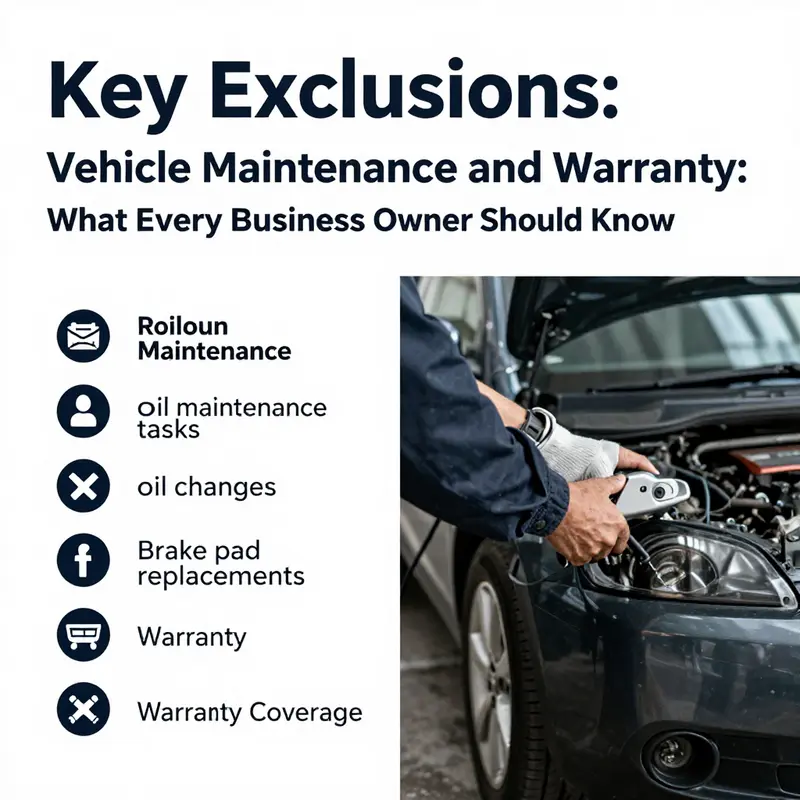
Yet there is a clear and explicit counterpoint to that promise. Routine maintenance tasks—oil changes, filter replacements, spark plug changes, tire rotations, brake pad or rotor replacements, windshield wiper blade changes, and similar services—are not covered under the standard warranty. These are considered wear and tear parts, things that degrade through normal operation and time. They require regular attention to keep the vehicle running smoothly and safely, but their costs are borne by the owner. This separation is not just about what costs appear on a bill; it reflects a deeper philosophy about ownership and long-term care. A well-maintained car is less likely to encounter preventable failures, but when a problem does arise, it is addressed under the warranty only if the issue traces to a defect rather than to neglect or regular usage.
The conditional line between maintenance and defects is where the warranty’s power and its limits meet reality. The manufacturer will inspect a failure to determine whether it stemmed from a fault in materials or workmanship or from routine wear that should have been addressed through maintenance. If the latter is the case, a warranty claim may be denied, even if the underlying problem could have been prevented by timely service. This principle is not merely theoretical. Owners who neglect oil changes or fail to replace worn tires and brakes can find themselves facing repair bills that would otherwise have been covered if the failure had been solely a defect. The maintenance schedule, as outlined in the owner’s manual, is not just a guideline; it is a guardian of the warranty’s validity. Missing a required service could open the door to claim denial because the manufacturer can argue that ignoring the prescribed maintenance interval contributed to the failure.
In addition to the engine, transmission, suspension, and electrical systems, many warranties specifically address the state of the cooling system, battery health, and related subsystems. For example, high voltage battery maintenance in electric or hybrid vehicles—such as keeping the cooling system functioning properly and monitoring cell health—may be critical for long-term performance. Yet these items are frequently excluded from warranty coverage when they fail due to regular wear or aging rather than a manufacturing defect. The same logic applies to cooling fans, sensors, and auxiliary systems that support battery operation. The emphasis remains unchanged: maintenance tasks are essential for reliability and longevity, but they belong to the owner’s budget and responsibility, provided the vehicle is serviced according to the manufacturer’s schedule.
The consequence for owners is straightforward but meaningful. Adhere to the maintenance timetable, keep thorough service records, and ensure that any maintenance is performed by qualified technicians using the recommended parts and fluids. This disciplined approach preserves the warranty’s protective shield for the parts that the manufacturer guarantees. Conversely, neglecting scheduled maintenance can undermine even the promises that remain intact, because a failure caused by skipped service may be seen as a result of owner responsibility rather than a defect. Documentation matters here. Detailed service records—dates, mileages, services performed, and the credentials of the service provider—become critical evidence if a warranty claim ever arises. Such records help establish that the vehicle was cared for in line with the manufacturer’s expectations and that the failure is unrelated to avoidable wear.
The distinction between maintenance and warranty coverage also has real implications for budgeting and decision-making. For most drivers, maintenance costs are predictable and incremental: oil changes every few thousand miles, air and cabin filters at recommended intervals, tire rotations to even tire wear, brake inspections to detect wear before it becomes a safety issue, and battery health checks to forestall unexpected failures. These routine services cost money, but they offer the benefit of keeping the vehicle operating efficiently and safely. The warranty, meanwhile, offers a form of protection against unexpected, costly failures of major components. The two together form a framework for ownership that rewards ongoing care while reducing the financial impact of manufacturing defects.
To make sense of this framework, it can help to reframe the question: maintenance is a separate contract between you and the vehicle’s maker, one that guarantees your vehicle remains safe and efficient through your proactive care. The standard warranty is a separate guarantee that covers repairs when a defect emerges in the core systems. The two do not cancel each other out; they operate in parallel, each with its own purpose and scope. This parallel arrangement means you should not wait for a problem to appear before you start thinking about maintenance. Regular service is the best way to minimize the chance of a warranty dispute, because it demonstrates that you followed the terms that help keep the warranty valid. By sticking to the recommended maintenance plan, you are doing more than protecting a claim—you are sustaining the vehicle’s reliability and preserving its resale value, fuel efficiency, and overall safety.
For readers seeking a clearer sense of what maintenance encompasses in broader terms, resources that discuss the concept of maintenance help illuminate the boundary between everyday care and covered repairs. What is vehicle maintenance provides a useful overview of routine tasks, their purpose, and how they fit into the larger lifecycle of a vehicle. This context helps distinguish maintenance from defects and reinforces the responsibility each owner bears for keeping the car in good operating condition. While the emphasis here is on general principles, the underlying message is universal: the warranty protects against manufacturing flaws, but it does not replace the ongoing, practical care that preserves a vehicle’s health over time.
The practical takeaway is straightforward. Treat maintenance as your obligation, not a negotiation point with the warranty. Follow the manufacturer’s schedule, use the recommended fluids and parts, and keep meticulous records. If a failure occurs, a clearly documented maintenance history strengthens your position that the problem may be a genuine defect and not a consequence of deferred service. This approach minimizes the risk of denied claims and, more importantly, supports the vehicle’s long-term performance and safety. Wear items such as tires and brake components will generally be addressed during service, but their replacement is considered ordinary maintenance unless a defect is proven. In those cases, a claim might still fall under the warranty if the failure is due to a manufacturing issue rather than wear. The nuance remains critical: the line between wear and defect, maintained through diligent service, is where many warranty disputes are settled or avoided altogether.
Ultimately, the standard warranty and routine maintenance work together to shape a responsible ownership experience. The warranty offers protection for the unexpected, while maintenance lays the groundwork for dependable operation and longevity. Neither aspect should be neglected. The warranty becomes meaningful only when paired with disciplined care. And disciplined care, in turn, is the most reliable path to avoiding unnecessary costs and ensuring that when a genuine defect emerges, the path to resolution is clear and straightforward.
External resources can provide further guidance on official maintenance expectations and how they interact with warranty terms. For an in-depth look at official guidance on vehicle maintenance, see the external resource linked here: https://www.tesla.com/support/vehicle-maintenance
Keeping Your Warranty Intact: Why Following the Maintenance Schedule Matters
Why the maintenance schedule is more than a recommendation. A vehicle warranty is a promise about defects in materials and workmanship. It is not a promise to cover wear and tear. To enforce that promise, manufacturers require owners to perform regular maintenance. This requirement links prevention to protection. If you skip scheduled services, a covered failure can be denied as neglect. That simple connection explains why following the maintenance schedule matters.
A manufacturer’s maintenance schedule lists specific tasks and intervals. These include oil and filter changes, fluid checks and replacements, spark plug inspection, brake service, tire rotation, and system diagnostics. Each task addresses predictable wear. Completing them reduces the chance of premature failure. It also creates a documented trail showing you cared for the vehicle. Without that trail, warranty administrators can reasonably conclude poor upkeep caused the problem.
Beyond the list of tasks, the schedule sets acceptable methods and approved intervals. Use the right type and grade of oil. Replace filters at the recommended miles or months. Inspect belts and hoses on the suggested timetable. These details matter because warranty reviewers evaluate whether a failure resulted from a manufacturing defect or from improper maintenance. Following the exact guidance removes ambiguity.
Documentation is the bridge between performing maintenance and preserving warranty rights. Keep receipts, service records, and log entries. Have every service entry note mileage, date, and a description of the work performed. If a dealer or authorized facility performed the maintenance, keep the stamped service book or invoice. If an independent shop completed the work, ask for a detailed invoice listing parts, fluids, and labor. Many warranties allow independent servicing so long as the work meets manufacturer specifications and is recorded correctly.
Electronic records are increasingly important. Modern vehicles store service codes and require calibrated diagnostics. Some manufacturers accept digital maintenance logs when they include clear invoices and technician notes. Others expect service history in the official book or the dealer’s database. When in doubt, request a written confirmation that the service was recorded in the vehicle history. That reduces friction when you submit a warranty claim.
There are common pitfalls owners should avoid. First, delaying basic services like oil changes and brake inspections invites denial of related claims. An engine failure after skipped oil changes can be denied because lubrication neglect caused the damage. Second, using incorrect fluids or aftermarket parts without documentation of equivalence can raise questions. Third, performing partial maintenance or skipping mandatory inspections weakens your position. Treat the maintenance schedule as a checklist for warranty protection, not just a recommended habit.
Authorized service centers play a specific role. They understand manufacturer expectations and know how to document work for warranty review. Using them simplifies the process. But authorized service is not always required. Many warranties permit independent shops to perform maintenance, provided the work meets the manufacturer’s specs and is properly recorded. When choosing an independent shop, confirm they follow the exact service procedures and can produce invoices that match the warranty’s needs.
Preventive maintenance also protects safety and functionality. Routine checks keep brakes sharp, steering responsive, and emissions systems operating correctly. Safety failures often have immediate legal and financial consequences. If a safety-critical component fails because of neglected maintenance, the warranty may not cover the repair, and you face higher risks on the road. Regular service reduces both the chance of failure and the potential liability.
There are practical strategies to ensure compliance. First, read and follow the owner’s manual. It contains the official maintenance schedule and acceptable materials. Second, set reminders for service intervals, not just for mileage but also for time. Some maintenance tasks are time-based, like fluid changes and inspections. Third, create a single place for records, physical or digital, and upload copies to cloud storage. Fourth, ask technicians to write clear, itemized invoices. A vague entry saying “routine service” is less useful than an invoice listing exact parts and fluids.
When a warranty claim is denied, documentation is your best defense. If you can show timely maintenance, correct parts, and valid invoices, you can appeal the denial. Start by asking for a written explanation. If that explanation cites inadequate maintenance, provide your records and a service letter from an authorized technician. In many cases, a clear paper trail resolves disputes. If necessary, escalate to consumer protection agencies or third-party arbitration that handles warranty disagreements.
Some owners worry that following the schedule means unnecessary cost. The opposite is true for most cases. Regular maintenance prevents expensive failures that warranties might otherwise deny. A modest investment in routine service preserves both vehicle performance and warranty protection. It can also maintain resale value. A well-documented maintenance history proves to future buyers that the vehicle was cared for.
This principle extends beyond cars. Industrial equipment, medical systems, and IT infrastructure often carry similar maintenance clauses. Those warranties require scheduled inspections and preventive visits. Missing them can void coverage. The logic is the same: manufacturers limit liability when owners accept responsibility for routine care. The preventive work keeps systems safe and reliable, while the warranty covers faults that good maintenance cannot prevent.
In short, the maintenance schedule is a contractual tool. It prevents avoidable failures and creates a clear line between owner responsibility and manufacturer responsibility. Follow it precisely. Document every service. Use authorized or competent shops and secure detailed invoices. Treat maintenance as an investment in protection, not just an expense. If you do, you preserve the warranty and protect the vehicle’s performance and value.
For a basic overview of those routine services and why they matter, see this guide on what vehicle maintenance covers: what is vehicle maintenance.
For official device service guidance that illustrates how regular maintenance supports warranty coverage, refer to this resource: official device service guidance.
Warranty Promises vs. Routine Upkeep: Navigating Coverage and Maintenance
A clear distinction separates warranty coverage from routine maintenance. A warranty typically protects against defects in materials and workmanship for major components during a defined period or mileage, while maintenance covers the ongoing service—oil changes, filter replacements, inspections, and other scheduled care—that keeps the vehicle operating safely and efficiently. Maintenance is generally not included in the warranty, and neglecting required maintenance can complicate or void warranty claims. Keeping timely service records and following the manufacturer’s maintenance schedule helps preserve eligibility for covered repairs. Practically, you pay for maintenance out of pocket, but staying on schedule reduces the risk of unexpected failures and helps protect the vehicle’s value over time.
When Maintenance Becomes the Benchmark: How Skipping Service Shapes Warranty Outcomes

Neglecting routine maintenance can feel inconsequential in the moment, a skipped oil change or delayed filter replacement. Yet the way a manufacturer views these choices can dramatically reshape the fate of a warranty claim. The standard warranty, at its core, is designed to protect against defects in materials and workmanship in major components. It is not a maintenance plan. This distinction matters because the same schedule that keeps a car running smoothly also acts like a gatekeeper, determining whether a problem that emerges during the warranty period will be treated as a defect or as damage caused by neglect. When owners understand this boundary, they gain a clearer sense of both responsibility and leverage. Maintenance is the owner’s obligation; warranty coverage is the manufacturer’s obligation. The line between the two is not a mere formality; it is the practical filter that determines who pays when a failure occurs.
The most immediate and widely recognized consequence of skipping maintenance is the risk of a voided warranty. A vehicle is expected to operate within certain reliability parameters because it has been serviced according to the manufacturer’s guidelines. When those guidelines are not followed—whether due to skipped oil changes, ignored air filters, or neglected fluid checks—the potential for failure increases, and with it the risk that a claim will be denied for reasons tied directly to improper care. This is not a vague or hypothetical risk. It is a consistent, documented outcome in many warranty terms, where the warranty explicitly links coverage to adherence to the prescribed maintenance schedule. If the failure that triggers a claim has its roots in irregular maintenance, the manufacturer can point to that noncompliance as the reason the problem falls outside the scope of the warranty.
Even when a failure occurs that would otherwise qualify under a traditional defect clause, denial of coverage is a distinct and plausible outcome if maintenance has been neglected. Take, for example, an engine problem that begins as a result of low oil level or dirty oil—a scenario that is plausible if oil changes have been skipped or delayed. In such a case, the manufacturer can argue that the root cause is maintenance-related rather than a manufacturing flaw. If that argument succeeds, the repair costs can fall to the owner or to a maintenance plan outside the warranty. The critical nuance is that a defect does not automatically become a covered repair when maintenance has not been performed as required. The maintenance history, or the lack thereof, can be the decisive factor in determining whether the warranty applies to the repair.
This is why the explicit terms of many warranties matter so much. The documents that accompany a new vehicle often state, in precise language, that failure to perform required maintenance can invalidate the warranty. It is not a matter of policy preference; it is a contractual condition. The negotiation of this boundary has real financial consequences. If a car fails within the warranty period due to a neglected service interval, the owner may be left facing the bill for parts and labor that would otherwise have been covered. This reality underscores a practical point: the manufacturer’s warranty protects the vehicle when care has been taken to keep it in good operating condition, but it does not substitute for that care.
A less visible but equally important consequence is the burden of proof. In the event of a dispute, the ownership must demonstrate that service intervals were met according to the manual. This burden falls on the owner, and it often requires keeping meticulous service logs, receipts, and records of every maintenance visit. When records are incomplete or missing, a claim can be subject to rejection, not merely on technical grounds but on the practical one of proving compliance. The weight of this burden means that routine administration—the act of maintaining and organizing records—becomes a central part of preserving warranty protection. It is not a neutral task; it is a shield against future arguments over coverage.
Documentation, therefore, becomes both insurance and a guide. A detailed service history shows not only that maintenance was performed, but that it was performed in the manner and at the intervals recommended by the manufacturer. It is a narrative a technician can review, a date-stamped ledger that aligns with the intervals described in the owner’s manual. In situations where a claim is challenged, a thorough maintenance record can support the argument that any failure was a defect unconnected to maintenance, or conversely, that the maintenance lapses contributed to the issue and thus fall outside warranty coverage. The point is not to sculpt records for deception but to create an honest, traceable trail that clarifies what occurred and when.
The practical reality is that many owners learn these lessons only after a costly encounter with a denied claim. The costs extend beyond a single repair bill. They include the time spent arguing with a service department, the frustration of navigating warranty terms, and the possibility of higher repair bills that could have been mitigated by timely maintenance and careful documentation. In a broader sense, neglecting maintenance can erode the long-term reliability of the vehicle, increasing the likelihood of subsequent, more expensive failures that may, but for proper upkeep, have been preventable. The vehicle’s health becomes a story of choices. Routine tasks—oil changes, filter replacements, spark plug swaps, and tire rotations—are not glamorous, but they are the quiet guardians of performance and value. Skipping them creates a cascade of risk: diminished efficiency, degraded engine health, and a steeper path to potential warranty disputes.
For readers navigating this landscape, a sharp reminder stands out: adherence to the maintenance schedule is not optional if warranty protection is to be preserved. It is the foundation upon which coverage rests. The owner’s manual is not merely a guide to optimal performance; it is a contract with practical consequences. This is why a well-ordered maintenance routine is more than a preventative habit—it is a legal and financial strategy. The emphasis on routine care should not overshadow the core purpose of a warranty, which is to address genuine manufacturing flaws that emerge despite proper care. But the most common and avoidable claims of denial arise precisely when care has not been performed as required.
To connect this discussion back to the broader topic of how maintenance relates to warranty, consider the simple truth: while you pay for maintenance, your warranty’s vitality depends on compliance with the prescribed program. The two obligations sit side by side, but they operate on different terms. A maintenance visit helps prevent damage and prolongs the vehicle’s life; failing to schedule and document those visits can undermine the warranty at the moment a fault is presented. In short, maintenance is the buyer’s responsibility, and warranty coverage is the seller’s obligation—yet the two are inextricably linked by the conditions of that obligation. This linkage is what makes the question of maintenance so central to discussions about warranty legitimacy and cost.
For further context on how the maintenance requirement shapes warranty outcomes, you can explore more on the broader topic of vehicle upkeep in the article about maintenance basics: What is vehicle maintenance?. This resource highlights the scope of routine servicing, the typical intervals, and the rationale behind keeping a precise record of services performed. Understanding these elements helps an owner see maintenance not as a promise to the manufacturer, but as a prudent, ongoing commitment to the vehicle’s reliability and value.
Beyond personal diligence, a responsible approach to preserving warranty coverage involves choosing service providers who understand the significance of detailed records. A reputable shop will keep a clean, timestamped service history that can be readily retrieved when needed. When you present your case for warranty coverage, having a coherent log—oil changes at the manufacturer-recommended intervals, filter changes, and fluid checks—translates into a credible demonstration of compliance. It is easy to underestimate how much of an impact well-organized records can have on a claim, but history often carries more weight than the current moment. It can differentiate a denied claim from a smooth repair, or a costly out-of-pocket expense from a covered fix. In this sense, maintenance discipline serves as both preventive care and practical insurance against needless expenditure.
Ultimately, the consequences of neglecting maintenance on warranty claims are not abstract considerations. They reflect a tangible balance between responsibility and protection. A buyer who follows the maintenance schedule not only supports the vehicle’s longevity and performance but also preserves the warranty framework that underpins financial protection when a genuine defect arises. Conversely, neglect can reshape a warranty from a safety net into a contention point, pushing owners to shoulder costs that could have been mitigated with timely service and careful documentation. The path forward is clear: treat maintenance as a continuous, recorded practice, align it with the manual, and view the warranty as a complementary layer of security rather than a substitute for care.
In the chapters that follow, we return to the central question of whether maintenance is included in standard warranty and explore practical strategies for ensuring that your vehicle remains both well cared for and properly protected. The aim is not to persuade readers away from maintenance costs but to illuminate how thoughtful adherence to service schedules preserves value, reliability, and the integrity of warranty coverage over the life of the vehicle. The guidance offered here builds on the premise that proactive maintenance is a prudent investment, one that aligns with the expectations embedded in warranty terms and minimizes the risk of disputes when a covered defect eventually surfaces.
External reference for broader context on warranty voiding: https://www.kevinfaulk.com/what-can-void-a-car-warranty/
Final thoughts
In conclusion, understanding the nuances of vehicle maintenance and warranty is essential for business owners to protect their investments. The warranty safeguards against manufacturing defects, but it does not cover the routine upkeep that ensures vehicle longevity and performance. Therefore, adhering to maintenance schedules is not just a best practice; it’s a necessity to maintain warranty validity and avoid costly repairs. Each chapter emphasized the importance of separating warranty protections from maintenance responsibilities, showcasing the consequences of neglect, ultimately empowering you to make informed decisions regarding your vehicle care strategies. Prioritizing timely maintenance not only ensures your vehicles are in optimal condition, but also secures the full benefits of warranty coverage, safeguarding your business’s operational integrity.