
Managing a fleet requires visibility into every vehicle’s maintenance needs. A well-structured maintenance log helps you reduce downtime, extend asset life, control costs, and make informed decisions. This guide provides a clear, implementable approach tailored for business owners who must balance safety, compliance, and profitability.
Choosing the Right Method: Building a Robust Vehicle Maintenance Log that Fits Your Life and Fleet
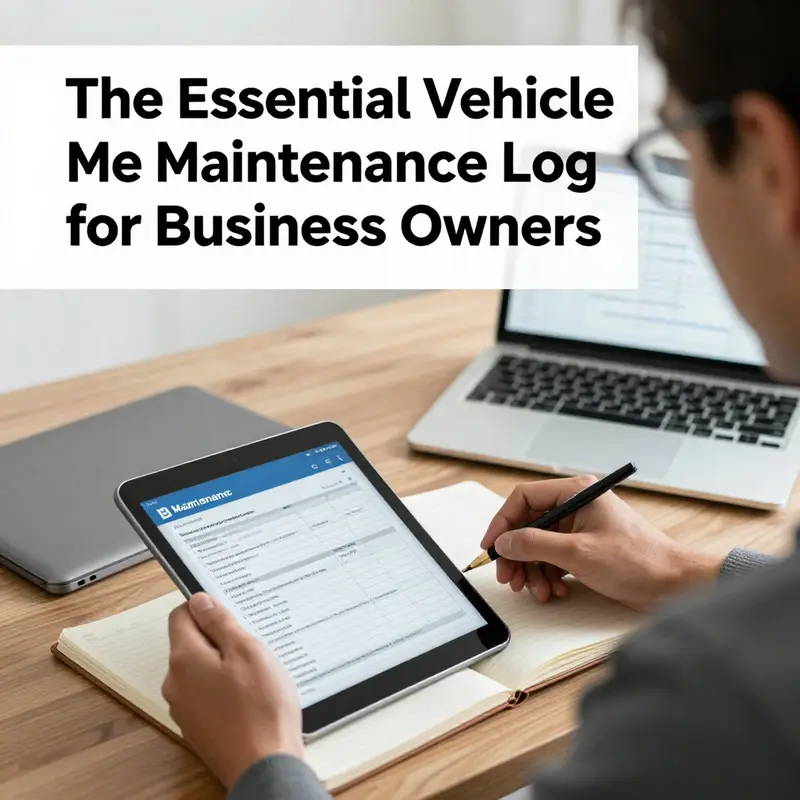
Selecting the method to create a vehicle maintenance log is more than a bookkeeping choice; it is a decision that shapes how reliably you protect the life of your vehicle, how smoothly operations run if you manage a small fleet, and how confidently you can demonstrate upkeep during resale or insurance processes. The best method, in other words, blends accuracy with accessibility, and it should align with your habits, budget, and technical comfort. A well-chosen approach acts like a diagnostic tool for your ownership routine, revealing patterns that keep you ahead of failures and surprises. When you start from that premise, you begin to see that the conversation about methods is really a conversation about workflow, not just the format of a log. The aim is to create a system that you will actually use, day after day, mileage after mileage, so maintenance becomes habit rather than a forgotten task on a calendar alert. With that mindset, the question becomes less about perfection and more about practicality that sticks over time.
The simplest way to frame the decision is to think in three broad categories: digital apps and cloud platforms, traditional spreadsheets, and paper-based logs. Digital options cover a spectrum from vehicle-management apps that sync with your car’s data stream to generic cloud notes that you can tailor. A digital approach promises automatic reminders, centralized storage, and easy sharing with a shop or insurer. It also offers the security of cloud backups and the convenience of attaching receipts and photos in a single place. Even without naming brands, you can rely on a system that automatically logs when you reach certain mileages, stores service notes, and consolidates your records for quick retrieval. The spreadsheet path provides a high degree of customization without locking you into any single vendor ecosystem. A well-structured sheet can be designed to mirror the exact data you care about, from service type and parts used to labor hours and costs. It shines when you want detailed cost analysis, long-term budgeting, or cross-vehicle comparisons across a small fleet. But it requires some discipline to maintain formulas and consistent data entry. Finally, the paper-based option remains valuable for those who want a tactile, offline record-keeping method or who operate in environments with limited internet access. A well-kept binder can be immediately legible and portable. The tradeoffs are clear: durability and searchability favor digital formats, while simplicity and offline access favor paper. The key is not to choose one path and worship it, but to consider a hybrid model that leverages the strengths of each approach while minimizing their weaknesses.
In practice, many drivers and small fleet operators discover a hybrid approach works best. Start with a primary digital system that can auto-log data and remind you when maintenance is due. Then use a secondary tool—such as a spreadsheet—for deeper analysis, trend spotting, and budgeting. Finally, maintain a lightweight offline record, like a scanned copy of essential receipts, to protect against any service interruption to digital access. This layered strategy creates redundancy, which is essential for reliability. If a phone is lost or a cloud service experiences downtime, you still have a dependable trail of maintenance information. The hybrid approach mirrors the way most professionals manage fleet health: automation for routine, scalable data capture; structured spreadsheets for analytics; and a durable, retrievable archive for audits and claims.
To make this approach work, you need a consistent data structure that travels across methods. A minimal, universal set of fields helps keep your records readable and comparable regardless of the entry method. At the core, capture the VIN, the vehicle’s make, model, year, and a current odometer reading. Include the date of service and the mileage at service, the service type (for example, oil change, brake inspection, coolant flush), and the specific parts used when applicable. Recording the exact part type and manufacturer can be invaluable later for warranty claims or resale. Attach receipts, invoices, and photos of worn components or installed parts whenever possible. Photos before and after a repair can dramatically strengthen future claims or a potential resale appraisal. Consider also adding a brief notes field for observations such as “brake fluid dark, replaced with OEM pads” or “tire wear uneven; alignment needed.” The consistency of these inputs makes the later analysis meaningful and scalable as your log grows.
When you choose a digital method, you should look for features that align with practical ownership realities. Automatic vehicle data sync is a powerful ally, especially when it connects reliably with the car’s onboard diagnostics. A capable system should translate mileage and time into actionable reminders, nudging you to schedule tire rotations, fluid flushes, belt replacements, or brake inspections before issues become urgent. A robust digital log also supports attachments—receipts, images, and scanned documents—so your digital vault mirrors the completeness of a well-kept paper file. Importantly, cloud-backup is not a luxury but a necessity for modern ownership; losing a phone or a single device should not erase years of maintenance history. A well-integrated platform may also offer a dashboard that highlights upcoming services by vehicle and provides a quick view of last service dates, average spend, and parts that tend to wear first. While naming specific apps is discouraged here, the general expectation is a tool that automates data capture, centralizes history, and scales with your needs as you add vehicles or fleet units.
A sophisticated spreadsheet system, by contrast, rewards users with explicit control over structure and formulas. Design a master data-entry table that captures the essential fields and links to a separate “Vehicle Information” sheet to prevent inconsistencies in vehicle identifiers. Use data validation to standardize Vehicle IDs and service categories, reducing the risk of typos that fragment records. Take advantage of formulas to flag upcoming maintenance based on mileage thresholds or time since last service. A simple example is highlighting records where oil changes are overdue by a set number of miles or months. Conditional formatting keeps the attention focused on what matters most. A linked, dynamic summary tab can show all vehicles that require attention, turning a sprawling log into a navigable maintenance map. If you work with multiple technicians or shops, a shared spreadsheet—secured and accessible in the cloud—ensures everyone contributes in a uniform format. The beauty of this route lies in its adaptability: you can tailor the columns to reflect your shop’s conventions, your company’s reporting needs, or your own preferences for cost tracking and budgeting without being tied to a single vendor or platform.
Even with a hybrid setup, there is practical value in a careful approach to backups and data governance. Schedule a quarterly review to identify patterns—such as recurring brake wear on a particular vehicle or a cluster of small fixes that foreshadow a larger service event. Establish a weekly backup routine, copying the digital logs to a secure cloud location or, at minimum, exporting a reproducible data snapshot. Paper-based entries deserve a scanned backup, ideally stored alongside your digital copies in a secure online repository. These habits are not merely protective; they are diagnostic. Over time, the data reveal how a vehicle ages, how driving conditions influence wear, and where your maintenance budget is best allocated. You may discover, for instance, that a certain vehicle requires more frequent fluid flushes, or that a particular oil type yields longer intervals before maintenance is needed. These are the practical payoffs of disciplined record-keeping.
The ultimate value of a maintenance log arises when you apply it beyond the garage. A well-documented history makes a compelling case during a vehicle sale, where buyers and dealers scrutinize service intervals and component health. It helps support insurance claims by providing a transparent service timeline that corroborates your narrative of the vehicle’s condition. Most importantly, it equips you to anticipate costs rather than react to surprises. By aggregating data across time, you can forecast expenses, plan preventative actions, and optimize your repair budgeting. You can also identify recurring issues early, potentially sparing yourself from sudden breakdowns and costly downtime.
The final recipe for an effective maintenance log leans on a hybrid architecture that captures the best of each method while reducing their weaknesses. Use a carmaker’s official or primary digital app as the backbone for auto-updated records and official timestamps, then pair it with a flexible spreadsheet that supports detailed cost analysis and vehicle-specific dashboards. Keep a scanned copy of essential paper records for archival safety. This triad—automated data capture, customizable analytics, and archival redundancy—creates a resilient system that grows with you, no matter how large your fleet becomes. For a deeper dive into practical maintenance concepts and to explore a broader discussion of how records shape vehicle health, you can read about related topics such as What is Vehicle Maintenance. What is Vehicle Maintenance.
In the bigger picture, the right method is not a single tool but a workflow. It should reduce friction, not add it. It should empower you to review and act, not merely store information. It should scale from one car to many without turning maintenance into a bottleneck. It should also remain accessible and understandable to anyone who shares responsibility for a vehicle’s care. When you design your log with that patient, systemic view in mind, you will find the method gradually reveals itself as the most effective path: a method that saves time, extends vehicle life, and preserves value. As your fleet grows or your personal needs evolve, this adaptable structure will serve as a stable backbone for all future maintenance decisions. And that is the core purpose of a maintenance log: to translate routine care into dependable performance, predictable costs, and lasting peace of mind. For further reading on fleet maintenance practices and practical tracking approaches, consult external resources such as Best Practices for Fleet Maintenance Tracking.
The Quiet Precision of a Clean Log: Standardizing Vehicle Maintenance Entries
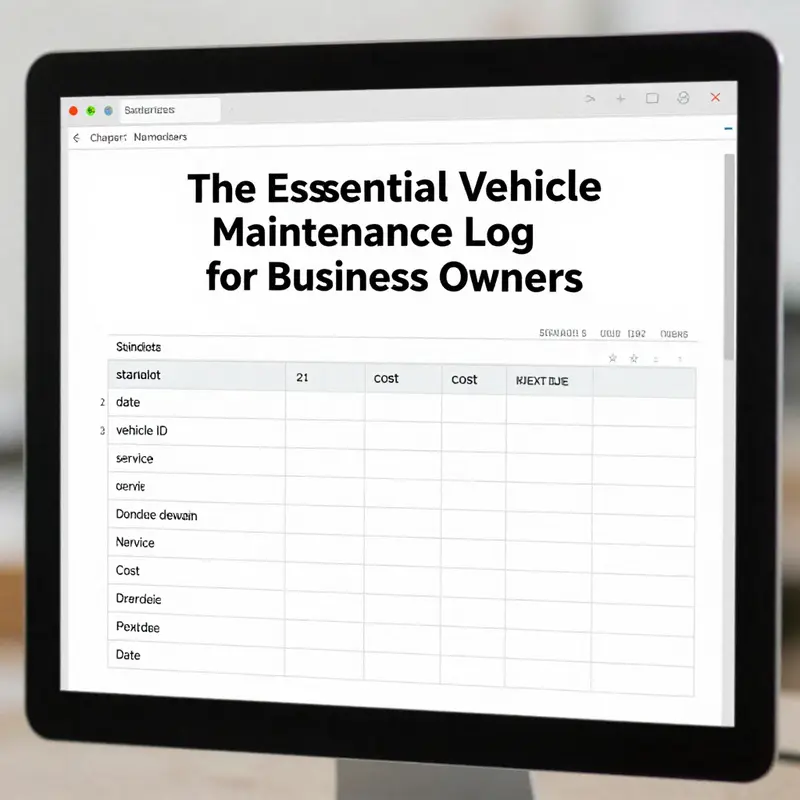
A vehicle maintenance log is more than a ledger of repairs; it is a living record that becomes more useful when entries follow a consistent format. Standardization turns scattered notes into a navigable archive that can be searched, filtered, and analyzed. The goal is to capture a complete snapshot of each visit with the same fields every time: date of service, odometer reading, service performed, parts replaced with brand and part number if known, labor cost, parts cost, total cost, service provider, location, and a brief notes field. Consistency lets you compare years, forecast maintenance, and present a clear history to buyers, insurers, or service providers.
Format a minimal enduring template and apply it uniformly. For example: 2025-03-18; 54320 miles; Oil change synthetic 5W-30; Oil: brand name 5W-30; Pads replacement front OEM; Labor: 40; Parts: 28; Total: 68; Maple Auto Supply Springfield IL; Notes: no leaks observed. This structure supports fast scanning, reliable exports, and accurate budgeting.
Develop a glossary of standard terms to avoid ambiguity, decide how to handle partial or staged services, and use a unique service ticket ID to link related entries. Attach receipts and work orders as clearly named files, and consider storing digital copies in a cloud system to prevent loss. When possible photograph before and after shots of components that were replaced and attach them to the entry as visual evidence for future reference.
Automation and careful human input should work hand in hand. Automated data capture from dealer records can reduce manual entry, provided you retain control over what is recorded. A well structured log supports trend analysis, helps you identify patterns, and strengthens the evidence you can present during resale or claims. In short, standardized entries create a trustworthy, actionable history that supports maintenance decisions and protects your investment.
Pulse and Precision: Setting Up Automated Reminders to Keep Your Vehicle Maintenance Log on Schedule
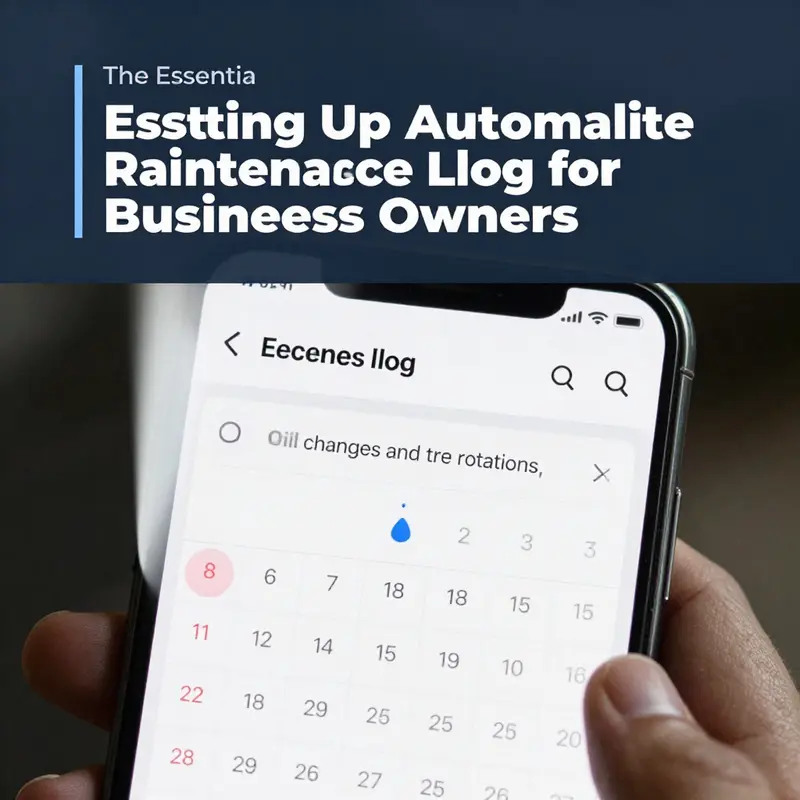
A maintenance log functions best when it feels like a living partner, not a static file tucked in a folder. The heartbeat of this partnership is automated reminders. They keep you on track, protect your vehicle from avoidable wear, and turn a scattered history of oil changes, tire rotations, and part replacements into a disciplined, proactive record. When reminders are properly configured, you receive timely nudges that align with real-world wear, not just the calendar. The result is clearer cash flow, fewer surprise repairs, and evidence of diligence when you sell or insure the vehicle. Automating reminders isn’t a substitute for human vigilance; it’s a force multiplier that helps you act before small issues become expensive problems.
To set up reminders effectively, begin with the maintenance intervals recommended by your vehicle’s manufacturer. Most modern cars track mileage and elapsed time, and they expose a setting or menu option to trigger alerts as those thresholds approach. The exact path varies by model and year, but the logic is consistent. The car’s system typically lives under a Vehicle Settings or Care/Service area. In that space, you’ll often find a Service Intervals or Maintenance tab where you can tailor when you want reminders to fire. The core choice is simple: base alerts on mileage, time, or a combination of both. If your daily routine involves a lot of short trips, the engine and fluids may accumulate more stress per mile than a highway commute; in that case you might favor more frequent, mileage-driven reminders or a hybrid configuration that errs on the side of caution.
Once you’ve located the maintenance interval setting, the configuration becomes a sequence of practical, almost hands-free decisions. Decide whether you prefer reminders at every milestone, such as 5,000 miles or every six months, or a more lenient schedule that combines both metrics. In practice, many drivers opt for a mileage threshold that aligns with a broad service category—oil changes, for example—paired with a time-based check that ensures the car is not neglected during long stints of idle or little use. After choosing the trigger points, save the settings and verify that the vehicle’s dashboard confirms the new schedule. A successful setup should present a countdown or a clear indicator of the remaining distance or time until the next service. If the system allows, enable both audio and visual alerts to catch your attention in different contexts, whether you’re driving or parked in a lot.
Beyond the built-in reminders, third‑party tools provide flexibility that can be a boon for mixed fleets or vehicles that see irregular use. A broad category of digital tools exists to read diagnostic data and translate it into personalized reminders. These tools connect through Bluetooth or a wired adapter and can monitor engine performance, battery health, tire pressures, and fluid levels, among other indicators. The practical value is twofold. First, you get health-based prompts that reflect the actual condition of components, not just miles or months elapsed. Second, you gain an external log that complements the vehicle’s internal tracker, creating redundancy that protects your data if one system falters. When you consider this option, think of it as an additional safety net rather than a replacement for the car’s native reminders. A robust reminder strategy blends the reliability of the built-in system with the nuanced insights of a health-oriented app, especially if you own multiple vehicles or drive in challenging conditions, such as frequent short trips, harsh climates, or heavy towing.
An important discipline to adopt when enabling automated reminders is verification. After you activate a reminder, take a moment to confirm the countdown updates correctly on the dashboard or in the companion app. If a reminder fires, note what prompted it and whether the suggested service was performed. If not, set a personal follow-up to address the gap. Remember that automated alerts are a guide, not a guarantee. A strange noise, a vibration, or a dashboard warning should trigger a separate inspection, regardless of the schedule. Your log should reflect both scheduled maintenance and unscheduled events so you can identify patterns over time. This approach makes the log a narrative of the vehicle’s health, not a simple ledger of dates.
For readers building a long-term maintenance habit, consider pairing automated reminders with a minimal but structured logging habit. A simple note in your digital log about why a service was performed, what parts were replaced, and what the technician recommended creates a richer record than a bare date and mileage. It also supports future budgeting by revealing the true cost of ownership across cycles. Standardization matters here. Try to keep entries consistent: date, odometer reading, service type, parts or fluids replaced, and a brief note about the vehicle’s condition. This consistency is what makes filters and searches powerful when you revisit the log a year later or evaluate it for a sale or insurance claim.
The value of a well-tuned reminder system extends beyond personal convenience. When you present a clean, accurate service history to a potential buyer, you help establish credibility and potentially improve resale value. Insurance providers may view a documented maintenance routine as a sign of responsible ownership, which can influence premiums or claims processing. The peace of mind that comes with knowing you’ve reduced the odds of missed maintenance is itself a kind of return on investment. If you’re managing more than one vehicle, the same principles apply. Create a uniform reminder framework that can be applied across the fleet, ensuring each vehicle receives its due attention on a predictable cadence. A centralized approach makes it easier to coordinate service appointments, track overlapping schedules, and maintain an auditable history that spans years.
As you weave automated reminders into your maintenance log, keep in mind the value of guidance from established sources. The broader concept of vehicle care—why regular maintenance matters, what to track, and how to interpret service records—complements the practical steps of setting alerts. For a broader look at maintenance concepts, see What is vehicle maintenance. This resource offers a contextual backdrop that helps you understand the why behind your reminders and how to translate them into durable ownership value.
In practice, the most resilient reminder strategy is hybrid rather than singular. Let the car maker’s native reminder system handle core intervals and trusted schedule baselines. Let a general-purpose log provide the detailed, day-to-day trace you’ll rely on for budgeting, resale, and claims. Then, for an extra layer of assurance, add a health-focused third-party tool that reads sensor data and flags unusual readings early. This layered approach is a guardrail for age, climate, and mileage realities. It ensures you’re alerted to emerging issues long before they become emergencies, while your log captures the full context of every service decision.
When you complete a service, don’t forget a simple but powerful practice: photograph or scan receipts and warranty documents and attach them to the corresponding log entry. Attachments turn scattered slips into an organized archive. They support future audits, whether for resale, insurance, or warranty claims. The act of digitizing receipts also creates a portable, cloud-backed backup that protects you against physical loss or damage to a paper trail.
The beauty of automated reminders lies in their quiet, steady reliability. They reduce cognitive load, letting you focus on driving and daily life while maintaining a disciplined maintenance path. They also give you a concrete, auditable trail that clarifies how you kept the car in good order across years and seasons. This clarity is invaluable when lines of argument are drawn for resale value, insurance coverage, or a lender’s due diligence. A well-tuned reminder system does not erase risk; it reframes risk into manageable, scheduled action, which is exactly what a maintenance log should do: convert intention into demonstrable, ongoing care.
If you’re building your system from scratch, start with the simplest path that reliably works for you. Configure the built-in reminders for your baseline intervals, then add a basic digital log or spreadsheet that records the core details of each service. Once that foundation is solid, explore optional health-oriented tools or cloud backups to layer in redundancy. The goal is not perfection in one week, but steady improvement in how you monitor, record, and respond to your vehicle’s needs. In time, your log will become more than a record of maintenance; it will be a trusted companion that helps you drive smarter, safer, and more economically.
External resource: Hyundai Support
Guarding the Mileage Ledger: Regular Review and Rock-Solid Backups for a Living Vehicle Maintenance Log
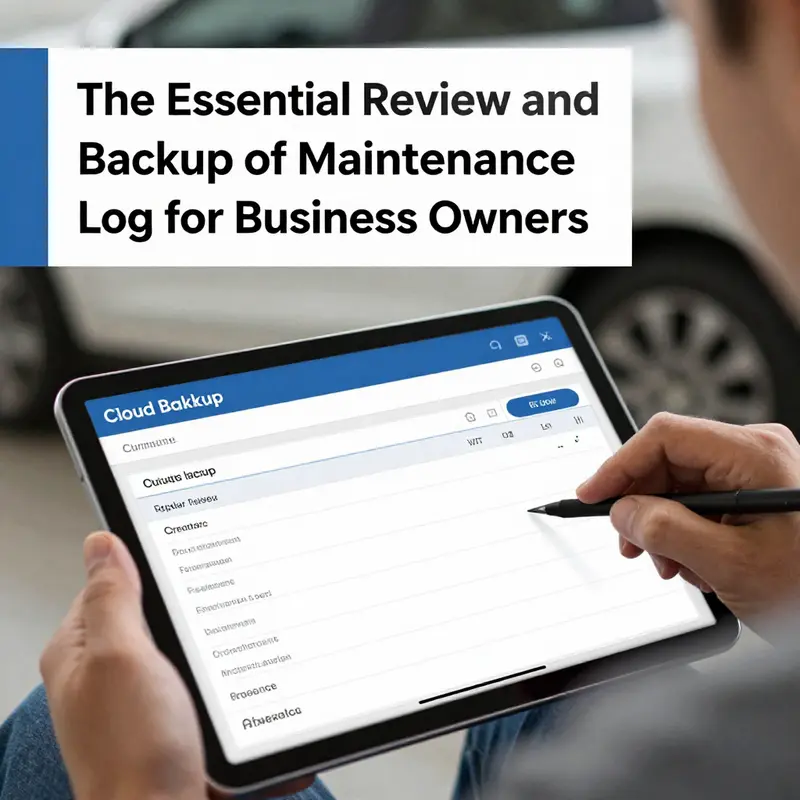
A vehicle maintenance log is more than a file tucked in a drawer or a database tucked away on a phone. It is a living record of your car’s health, a history you can read in the future to understand wear, performance, and what your ownership journey has cost and saved you. The most practical way to keep that history trustworthy is to make regular review and disciplined backups a habit. When you treat your log as a dynamic companion rather than a static file, you gain a reliable spine for maintenance decisions, a transparent trail for resale or insurance, and a sense of control over long-term ownership. The cadence matters as much as the method. Quarterly checks, or at least semi-annual ones, give you the opportunity to catch patterns early—things like accelerating tire wear, recurring noise, or fluid changes that drift from recommended intervals. The goal is not to chase flawless perfection but to sustain a steady, evidence-based record that can be trusted when it matters most. The practice starts with how you organize the data day to day and extends into how you back it up and archive what you no longer need for day-to-day use but might want for posterity. In this light, the maintenance log becomes a tool that curbs chaos and amplifies clarity, a foundation for smarter budgeting and for negotiations with mechanics or dealers who value a transparent upkeep history. If you already use a maker’s app as your core repository, you are halfway persuaded toward a robust, future-proof system. The app’s real-time sync with your vehicle’s diagnostics gives you the most current baseline, and its reminders help prevent skipped services. Yet no single tool is perfect for everyone. To protect against data loss, to enable deeper analysis, and to preserve a formal record for insurance or resale, you should layer your approach. Consider this layered approach as a narrative you write over time rather than a single snapshot you store once. It rests on three pillars: primary digital access, secondary structured tracking, and archival backups that survive even the worst-case scenario of device loss or damage. In practice, this means keeping your core log in the carmaker’s app or a trusted digital platform, complementing it with a structured spreadsheet that you customize to your own questions, and maintaining a scanned or photographed archive of receipts and notes that you can store securely online. As you implement this triad, you might find it helpful to think of your log as a living document that speaks to both current reliability and future value. For readers who want a broader perspective on the nature of vehicle maintenance as a concept, you can explore foundational ideas about what maintenance entails and why it matters. A good starting point is the general notion of maintenance in vehicle ownership: What is vehicle maintenance. That page lays the groundwork for why you keep records in the first place and how those records support trust between you, your vehicle, and any third party involved in service, claims, or sale. See the discussion here: What is vehicle maintenance. From there, the specifics of your log process can be tailored to your car, your driving style, and your comfort with technology. It is not necessary to abandon one method for another; the strongest approach is almost always a hybrid one that blends automation with personal organization, much like how many seasoned drivers already manage their data. The digital core should be your primary access point because it’s where updates arrive automatically and where reminders can be scheduled and synchronized with your calendar. The convenience is real: automatic mileage-based prompts, time-based alerts, and the ability to attach photos of receipts or service notes with a few taps. A strong digital backbone reduces the risk of incomplete histories, which can otherwise undermine resale value or complicate insurance claims. But you should not rely on a single digital stream alone. A well-designed log embraces redundancy. A simple spreadsheet provides a light, fast, portable way to view and analyze data without the overhead of an app’s interface. It is especially useful for long-term budgeting, filtering by service type, or calculating cumulative costs across years. A spreadsheet can be customized to show total expenditure by category, average cost per service, or the gap between suggested maintenance intervals and actual practice. And then there is the archival layer—the scanned copies of receipts, technician notes, and before/after photos. Paper documents may be less convenient to access than digital files, but they offer a durable backup that survives device failure, platform shutdowns, or service provider transitions. Scanning or photographing every receipt and attaching those images to the corresponding log entry ensures you have a tangible witness to what was done, when, and by whom. It also reduces the likelihood that a tiny, easily misplaced receipt will vanish and cause a gap in your narrative. The triad of core log, structured secondary log, and archival backups does not need to be rigid or complicated. It can be implemented gradually as you become comfortable with each layer. Start with the primary digital record in your preferred app, and then create a simple Google Sheet or Excel workbook configured to mirror the key fields you care about. The fields themselves are straightforward: date of service, mileage at time of service, service type, parts replaced with brands and part numbers if available, labor and total costs, shop name and location, and any notes from the technician. Consistency is the secret. If you adopt a uniform format, you can perform meaningful analysis later without wrestling with inconsistent phrasing or missing data. Think of your log like a diary you intend to read years from now. When you include a brief note such as “engine knocking detected,” you’re not merely recording a problem; you’re creating context for future service decisions. A practical habit is to snapshot before-and-after photos of critical components, such as brakes or belts, especially if you notice wear that might progress. These visuals offer persuasive evidence in disputes over warranty claims or maintenance schedules, which improves both your peace of mind and your leverage with service providers. Once the system is in place, the cadence of review becomes the rhythm that keeps everything alive. Schedule a recurring reminder every three months to skim recent entries, verify entries against receipts, and check for missing data. Use this time to spot patterns: Are you visiting the shop more often for the same issue? Do you see a drift in fluid levels that calls for a flush earlier than expected? Patterns are not reasons to panic; they are signals that your log is doing its job—telling you when to consider adjusting driving habits, maintenance intervals, or even the way you source parts. The benefits extend beyond maintenance. A well-kept log can support insurance claims by providing a precise service history, a documented trail of repairs, and a clear record of scheduled maintenance that demonstrates responsible ownership. It also helps you articulate value during a sale; a buyer will feel more confident if the log shows consistent servicing and a transparent history of components replaced. In this sense, the log becomes a narrative of care enacted over time, a tangible asset that travels with the vehicle. To maximize durability, back up digital data weekly to a cloud storage service. Even if your phone is lost or damaged, the log remains accessible, searchable, and ready for sharing with a new mechanic, an insurer, or a prospective buyer. If you have a paper log, the backup rule still applies: convert it to a digital PDF, file it securely, and preserve the original in a fireproof or organized binder as a last resort. The idea of a backstop is not to imply distrust of modern technology but to recognize that technology can fail, and a well-constructed archive reduces risk and increases confidence. In addition to recurring reviews and backups, consider the value of an archival strategy that spans several years. Keep a separate long-term archive for records beyond a typical five-year window. It can be a larger, less frequently accessed repository that preserves major service milestones, major component replacements, and any accident-related repairs. This longer arc complements your routine quarterly checks and keeps a comprehensive history intact for future reference. When you weave together primary digital access, secondary structured tracking, and archival backups, you create a resilient log that serves you across ownership phases. It becomes a resource you consult when budgeting for upcoming maintenance, a reference when negotiating with a dealership or independent shop, and a strong ally when you evaluate the car’s resale value years later. The practice is not complicated, but it does require commitment. The payoff is a clearer picture of your vehicle’s health, less ambiguity in maintenance decisions, and a record you can rely on in moments that demand accuracy and accountability. If you ever doubt the value, imagine needing a precise maintenance history after a major repair, or when facing a claim with an insurer, or when negotiating a sale. A robust log makes those moments smoother and more straightforward. As you continue to refine your system, you will likely find your own tweaks that suit your vehicle, your schedule, and your tech comfort level. The beauty of the hybrid approach is its adaptability: lean when you need simplicity, richer when you want deeper insight, and always backed by the security of a layered recovery plan. For further reading on building a thorough maintenance record, consult established guidance on how to keep vehicle maintenance records comprehensive. External resources can offer additional perspectives and deeper dives into best practices. For a detailed exploration, see: How to Keep Your Vehicle Maintenance Records Comprehensive. https://www.motortrend.com/cars/vehicle-maintenance-records-guide/.
Turning Logs into Value: How a Vehicle Maintenance Log Delivers Real-World Benefits
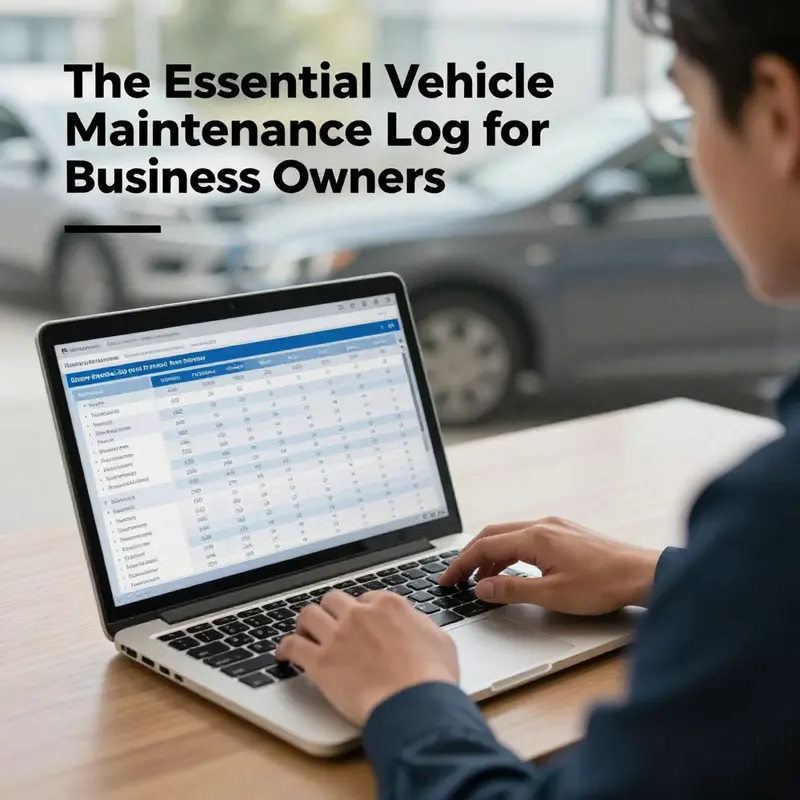
A vehicle maintenance log is more than a ledger of dates and dollar signs. When treated as a living map of a car’s health, it becomes a practical tool that informs decisions, protects your investment, and adds a layer of clarity to every interaction with service providers. The chapter that follows builds on the idea that consistent, well-organized records transform routine upkeep into measurable advantages. It is not about chasing perfection; it is about turning ordinary maintenance into strategic leverage that supports longevity, resale value, and everyday peace of mind. The path to those benefits is not a single method but a thoughtful blend of tools, discipline, and foresight.
First, consider longevity and performance. A well-kept log helps you adhere to manufacturer-recommended intervals without falling prey to well-meaning but excessive or insufficient service recommendations. Oil changes, for instance, are not merely a price tag—they are a safeguard for engine longevity. When you log the date, mileage, and the exact service performed, you create an evidence trail that makes it obvious when a service is overdue and when a suggested procedure is likely overkill. This precision is especially valuable when mileage drifts higher or when a dealer or independent shop proposes work that may be unnecessary. The ability to cross-check mileage against interval guidelines empowers you to say no to premature maintenance and yes to timely care. In practical terms, a precise mileage log can contribute to extending the vehicle’s useful life by a few years, with conservative estimates suggesting an improvement of roughly three to five years under diligent maintenance.
A complete log also sharpens budgeting. By recording not just the service type but the parts, parts brands (where available), labor hours, and total costs, you begin to see patterns in your spending. Over several years, those patterns reveal whether you’re paying premium prices for certain components or if your maintenance needs cluster around specific systems. This awareness allows for smarter decisions, such as choosing the most cost-effective parts and negotiating clearer quotes with shops, all while preserving the vehicle’s integrity. The financial clarity that stems from long-running records reduces surprises and makes planning for future repairs more predictable, which is especially valuable when handling a vehicle that might stay in service for many more years.
Resale value is where the log’s tangible impact becomes striking. A complete maintenance history—verifiable, transparent, and easy to audit—provides potential buyers with confidence that the car has been cared for. Industry data consistently shows that full, verifiable records can command higher prices, sometimes as much as ten percent more than comparable units with patchy histories. For buyers, the presence of a clean, well-documented log reduces perceived risk and builds trust. As a seller, presenting a neatly organized dossier of service receipts, manufacturer-recommended intervals, and notes from technicians can help justify a higher asking price. Preparing the log with an eye toward resale—such as highlighting near-term maintenance that aligns with a planned sale—can translate into a few thousand dollars of additional value in the right market.
Beyond value, the log serves as a persuasive tool when disputes arise. No one plans a service dispute, yet they happen. A well-documented log provides a clear chronology of what was done, when, and with what results, making it easier to resolve disagreements about workmanship or warranty coverage. A real-world example from a recent case abroad illustrates the point: a transmission issue surfaced soon after a service, and the record showed discrepancies in how the service was performed, including underfilling a critical fluid. Armed with that documentation, the vehicle owner pursued a corrective remedy and compensation, ultimately turning a potential loss into a fair resolution. The lesson is straightforward: a precise, dated record can transform vague claims into concrete, actionable evidence that supports your rights and expectations.
Technology has reshaped how we collect and interpret these records, elevating a maintenance log from a static file to a dynamic tool. Modern approaches blend automation with human oversight, using digital platforms that connect with the vehicle’s diagnostics, upload receipts automatically, and remind you when actions are due. Rather than relying on memory or scattered paper, you gain a centralized, auditable history that travels with the car through its lifecycle. Some platforms even consolidate data from multiple service providers, creating a fuller picture of the vehicle’s past. At the same time, AI-driven insights can highlight patterns that warrant attention—such as recurring suspension repairs or repeated fluid-related issues—providing a heads-up before minor problems become significant failures. Even with these advanced capabilities, the value of a log rests not only in the data, but in the diligence with which you capture and organize it. Clear entries, consistent terminology, and legible receipts are the foundation of lasting usefulness.
A practical maintenance log also helps safeguard warranty coverage and minimize post-sale risk. In many cases, warranty terms require proof of regular service with authorized providers and approved parts. Gaps or gaps in documentation can complicate claims and, in some situations, lead to coverage denial. By maintaining a continuous, clearly documented history—with receipts from authorized centers and notes that align with the owner’s manual—you protect the right to service under warranty and avoid unexpected out-of-pocket expenses. The principle is simple: when a manufacturer or dealership can trace a clear maintenance timeline, they are more likely to honor coverage and less likely to scrutinize your claims.
Given the strengths of a modern log, the recommended approach is hybrid in nature. The most effective strategy combines automated data capture with structured record-keeping and a digital backup that survives the loss of a device. Start with your vehicle’s official app or a platform that can auto-sync with on-board diagnostics, ensuring a solid baseline history that stays up to date with minimal manual effort. Supplement this with a simple, highly customizable spreadsheet that makes it easy to perform cost analyses, aggregate parts data, and run long-term projections. Finally, maintain a scanned or photographed archive of every paper receipt or printed service report. This three-tier system provides redundancy, accessibility, and clarity, so you never have to question the integrity of your records.
For readers seeking to deepen their understanding of maintenance fundamentals, a solid reference is available online. It’s worth exploring how a well-structured maintenance narrative supports decisions beyond the obvious seven-thousand-mile oil change cycle. See what is vehicle maintenance for a concise, accessible overview of maintenance concepts and why consistent care matters across the vehicle’s life. what is vehicle maintenance
When you assemble your system, think about the practicalities that drive long-term adherence. A user-friendly app that automatically logs service events and stores digital copies can drastically reduce the friction of record-keeping. A spreadsheet offers powerful sorting and analysis capabilities, letting you compute total expenditures, track parts replacements, and visualize repair clusters over time. A paper log, kept as a backup, anchors your record in the event of a digital outage. The real strength, however, lies in the continuity of use. If you make the log a habit—recording every service with date, mileage, and a short description—you cultivate a discipline that pays dividends in the long run. You gain a clearer picture of when routine maintenance is due, you build confidence in your vehicle’s reliability, and you gain negotiating leverage with service providers who respond to well-documented histories rather than vague claims.
As you cultivate this habit, you begin to notice how your log intersects with broader ownership goals. It guides you in budgeting for maintenance, planning ahead for major repairs, and choosing the right time to trade or sell. It also helps you avoid the emotional cost of being surprised by a repair bill or of receiving unsolicited recommendations that may not align with your car’s actual needs. The maintenance log is not a silver bullet, but it is a steadfast companion that translates data into understanding and understanding into smarter choices. When you view it through this lens, the log becomes a practical instrument for smarter, safer, and more economical ownership.
External resource: For verification of standards and archival history, see National Automotive Repair Electronic Archive. https://www.nara.gov.cn/
Final thoughts
A robust vehicle maintenance log is a powerful tool for any business owner. By choosing an appropriate logging method, standardizing entries, automating reminders, and regularly reviewing and leveraging data, you can reduce downtime, lower costs, and extend the life of your fleet. Implement these practices to achieve safer operations and stronger bottom-line results.