
As a business owner, maintaining a dependable fleet can significantly impact your operations and bottom line. Regular vehicle maintenance checks are essential to ensure safety, reliability, and longevity in your vehicles. This guide provides a structured approach to evaluating vehicle maintenance, highlighting the importance of reviewing maintenance records, conducting visual inspections, inspecting the engine bay, and performing test drives. Each chapter delves into these critical activities, enabling you to make informed decisions about your fleet’s upkeep.
Reading a Vehicle’s Memory: What Maintenance Records Reveal About True Care
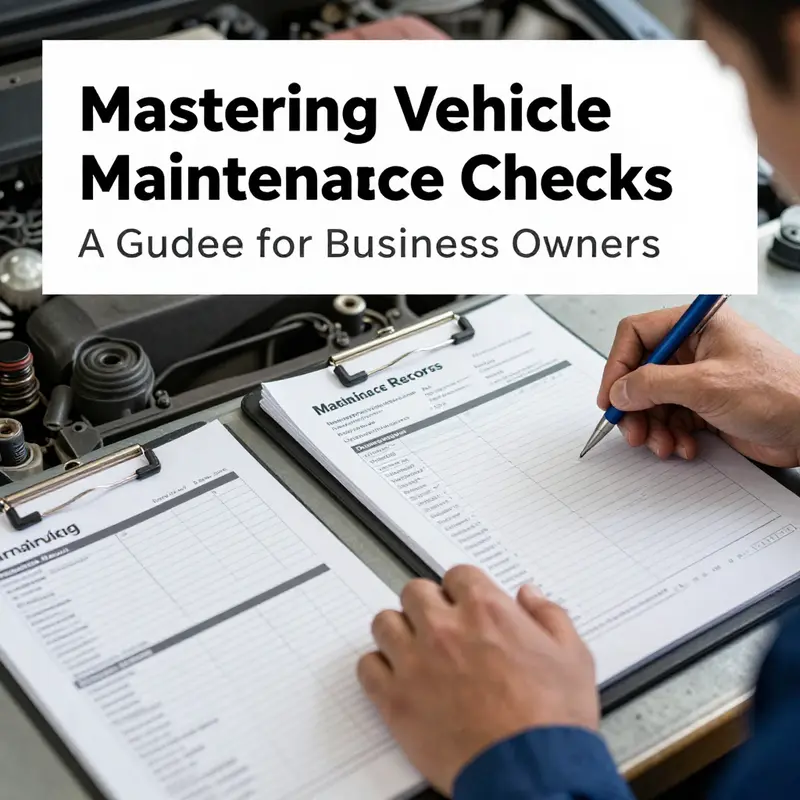
A vehicle’s maintenance history serves as its memory. Rather than a single inspection finding, the records show a pattern of care—dates, mileages, parts replaced, and services performed. Regular, complete records from reputable shops at manufacturer-recommended intervals strongly support reliability, while gaps or inconsistent entries warrant deeper checks through physical inspection and test drive. The most useful entries identify key services such as oil changes, filter replacements, belt and hose checks, and fluid top-offs, all aligned with the vehicle’s age and usage. When the log is complete and coherent, it becomes a powerful predictor of future resilience; when it is sparse or irregular, it should prompt careful verification rather than a final judgment. A practical approach is to extract dates, mileages, tasks, and parts, compare them to manufacturer guidance, and cross-check with the current condition of the car. And while no history can guarantee future success, a strong, transparent maintenance ledger is a reliable compass for assessing overall care.
The Visual Audit: How to Confirm Vehicle Maintenance Through a Thorough Visual Inspection

A careful visual audit can reveal maintenance health more by what you notice than by glossy cosmetics. The visual inspection is the first, and often most honest, barometer of a car’s upkeep. It invites you to read the story the vehicle tells through signs on the exterior, interior wear, engine bay, tires, and fluids. Read the signs against the car’s age, mileage, and service history to form a grounded view of maintenance discipline.
Exterior cues include consistent paint texture, panel gaps, and trim condition. Scratches, dents, misaligned doors, or seal wear can hint at past mishaps or repairs. Tires are particularly telling: even or uneven tread wear, sidewall cracks, or blisters can point to alignment, suspension, or inflation practices. A simple tread depth check, approximately 1.6 mm as a typical minimum, provides a baseline for evaluating tire maintenance.
Interior wear and cleanliness reflect lived-in care. Seats, the steering wheel, dash, and upholstery reveal regular cleaning and habit, while excessive grime or unusual odors can signal neglect or moisture issues. Odors such as mustiness may indicate leaks; strong chemical smells can signal aggressive cleaning or fluid exposure. These cues should be weighed alongside other data points.
In the engine bay, look for a tidy appearance, minimal oil or fluid seepage, and clean, well-maintained hoses and belts. Check fluids: oil color and clarity, coolant level and clarity, and brake fluid condition can reveal service history and diligence. Leaks, frayed belts, or cracked hoses can be early warnings that merit closer inspection.
The power of the visual audit grows when you connect what you see with documented service. A clean engine bay with recent maintenance aligns with a complete service history; mismatches raise questions worth pursuing with invoices or diagnostics. The goal is to gather evidence, ask informed questions, and avoid jumping to conclusions.
This practice is not a substitute for professional testing, but it provides a practical baseline for ongoing ownership or for evaluating a used car. Used together with service records, a test drive, and targeted inspections, visual cues help you form a rational assessment of maintenance risk and potential future costs.
Engine Bay as Evidence: Reading Maintenance Health From a Vehicle’s Core
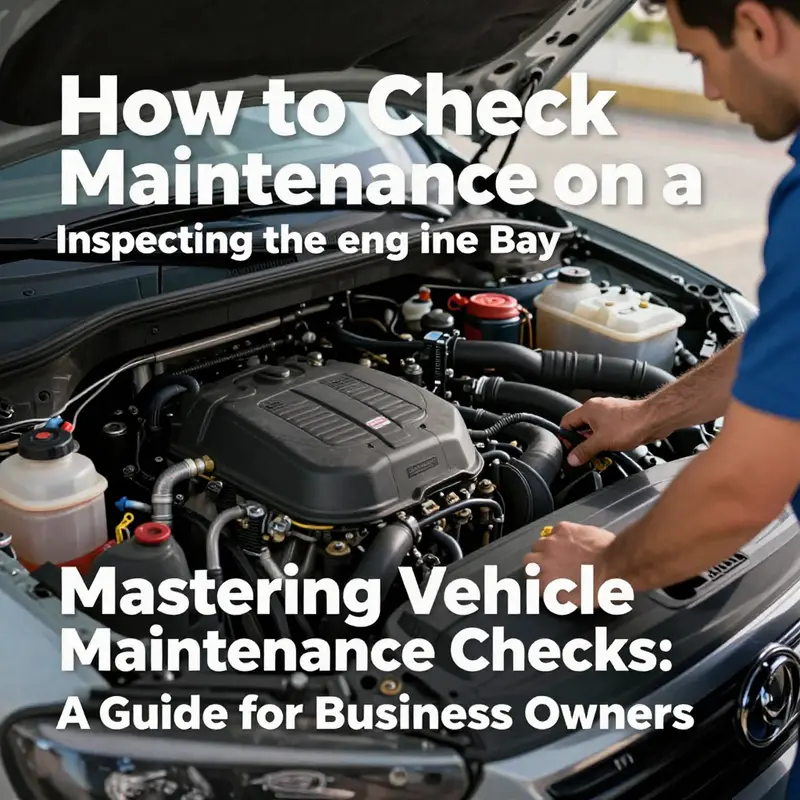
Opening the hood and focusing on the engine bay is more than a quick glance; it is a disciplined practice of reading a car’s maintenance health from its core. The bay holds the system’s lifeblood: fluids, belts, filters, and hardware that together reveal service history, driving style, and attention to detail. A clean, orderly bay often signals that the owner or technician cares for the vehicle with a consistent routine. Conversely, a bay crowded with dirt, dried residues, and signs of seepage can expose gaps in maintenance. For buyers and current owners alike, this inspection is one of the most honest, practical ways to assess how well a vehicle has been cared for over time. The logic is simple: components are designed to operate reliably only when they receive regular, proper care. When someone skips that care, the clues accumulate here first. Yet the engine bay is not a final verdict on the car’s entire maintenance story; it is a strong, tangible prompt to verify what the history shows. The engine bay mirrors the broader principle of maintenance and serves as a tangible bridge between what has been documented and what is experienced behind the wheel. If you want to anchor this approach within a broader framework of car care, you can explore the general concept of maintenance at What is vehicle maintenance, which provides a principled backdrop for the checks that follow.
Moving past the first impression, acknowledge that a bay can tell a precise story when you read it carefully. Start with cleanliness as a baseline. A bay that looks like it has been wiped down recently, with minimal oil stains and little grime, often indicates routine upkeep. This perception aligns with a practical rule of thumb: regular oil changes, clean cooling systems, and timely fluid replacements contribute to a tidy engine space. A spotless appearance does not guarantee flawless performance, but it does corroborate the presence of a maintenance habit. On the other hand, a bay sprinkled with oil droplets, crusted grime in the corners, or a smear of residue around gaskets is a flag that warrants closer scrutiny and cross-checking with the vehicle’s service records. In the world of vehicle maintenance, the engine bay is where expectations meet evidence, and it is a natural doorway to more detailed checks that follow.
Reading a Vehicle’s Health in Motion: The Test Drive as the Final Maintenance Check
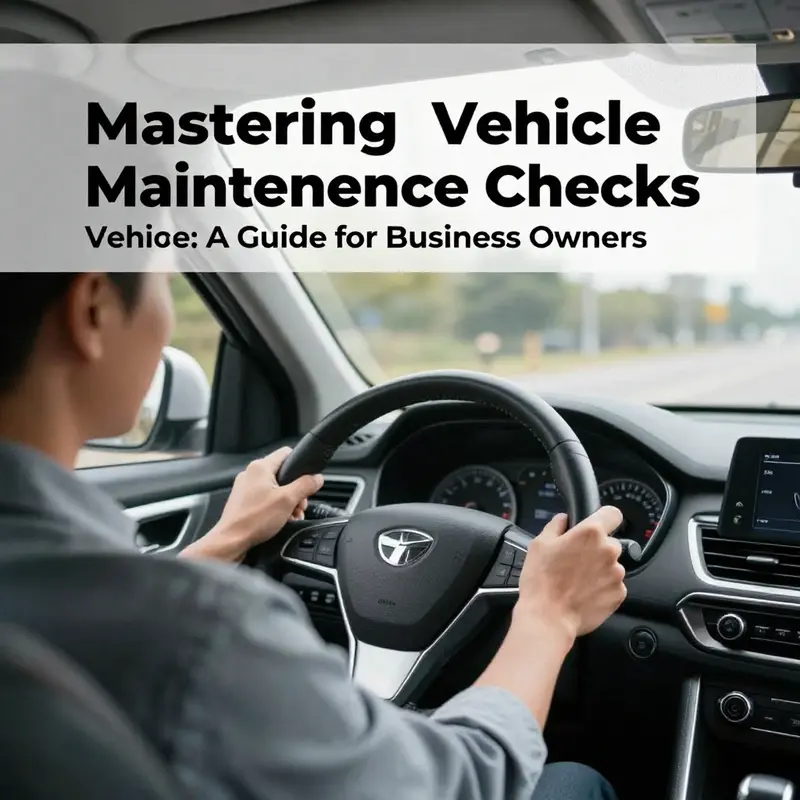
A vehicle’s maintenance history provides the outline, but a test drive reveals the living, breathing status of that upkeep. The test drive is not merely a ritual to confirm that an engine starts and that brakes still function. It is the moment when every prior check—the maintenance records, the visual inspection, the engine bay scrutiny—meets real-world performance. A well-maintained car should feel predictable and effortless to drive, as if it is telling you that all the doughnut-style maintenance that kept it running is paying off in quiet confidence on the road. When the car speaks in smoothness and restraint, it confirms a story told by records and observations. When it doesn’t, the test drive becomes a bridge to a deeper diagnostic conversation with a qualified mechanic. This chapter treats the test drive as a critical diagnostic moment, one that closes the loop on maintenance and points toward the next steps needed to preserve safety, efficiency, and longevity.
The path to a trustworthy evaluation begins with the awareness that a car’s performance never lies entirely in a single moment. It is the accumulation of consistent care, the result of timely oil changes, clean air and cabin filters, and the integrity of belts, hoses, and fluids. When you approach a test drive with that mindset, you transform a routine ride into a thorough health check. You are listening for a quiet engine that revs without strain, asking the vehicle to respond crisply to throttle input, and paying attention to the feel of braking, steering, and suspension across a familiar route. The test drive is the final, practical test that the paperwork and the tactile inspections lead you toward. It is where the abstract notion of “maintenance” becomes something you can witness in real time, through sensation, sound, and subtle feedback from the vehicle’s chassis.
Acceleration, for instance, is more than speed; it is a barometer of engine health, transmission health, and fuel delivery. A smooth, surge-free acceleration indicates that the engine is drawing air and fuel evenly, the ignition is firing reliably, and the powertrain is delivering torque without hesitation. If the car hesitates, stumbles, or screams before it gains momentum, there may be a chain of maintenance issues lurking behind that delay. It could be a tired fuel system needing a clean or a spark plug regime overdue for replacement; it might be a transmission that’s rearward in its shifts or a throttle control that has lost calibration. In a well-maintained vehicle, acceleration unfolds as a seamless continuum, a quiet force that asks for more gas and gives it with equal measure.
Braking offers a direct, undeniable report card. The brakes should feel firm and progressive, with a linear response that does not require excessive pedal travel or unusual force. Listen for squeaks, grinding, or pulsing through the brake pedal; these are not merely noises but messages about pad wear, rotor condition, or hydraulic system health. A spongy brake pedal or a pedal that sinks toward the floor is a red flag that demands immediate attention. Braking is intimately connected to maintenance because the components involved—pads, rotors, calipers, lines, and fluid—demand regular inspection and timely replacement. If a past oil change or air-filter service slipped on the schedule, the risk of compromising braking effectiveness rises as well. The test drive makes those risks tangible, requiring you to weigh the cost of potential maintenance against the peace of mind of safe, dependable stopping power.
Steering and handling deserve equal attention in a maintenance-minded test drive. The steering should respond with a precise, direct feel and minimal play. A vehicle that pulls to one side, wanders on a straight road, or requires constant minor corrections signals misalignment, uneven tire pressures, or worn suspension components. Any vibrations felt through the steering wheel at certain speeds can indicate issues with wheels, tires, or steering linkage. A well-kept car responds to steering input without delay and maintains a steady course, even when encountering minor road imperfections. This steadiness is not only a matter of comfort; it is a matter of safety, with a direct tie to the maintenance schedule that keeps alignment, tires, and steering assemblies in harmony.
The suspension is the quiet ambassador of maintenance health. A smooth ride across bumps, potholes, and railroad tracks is the natural expression of properly functioning shocks, struts, bushings, and springs. Listen for rattles or clunks that arise when you traverse rough surfaces or transition from highway to city streets. These sounds often indicate worn components that degrade ride quality and handling. A car that remains composed over imperfect pavement is delivering the result of diligent maintenance: components that have aged, but have been kept within acceptable limits through timely inspections and replacements. Conversely, if the ride becomes unsettled or harsh, the underlying maintenance story should be revisited with a critical eye toward suspension wear, bushings, ball joints, and tie rods, all of which are often addressed in a disciplined maintenance regimen.
The dashboard is a cockpit of warnings and signals. Any illuminated warning light during or after a drive deserves careful follow-up. The engine light, the battery/charging indicator, or the brake system warning light should be treated as invitations to run a diagnostic check rather than mere notifications. In a well-maintained vehicle, these lights either stay off or switch off promptly after a diagnostic is cleared. A light that remains on, or, worse, one that flickers intermittently, is a sign that a fault has been identified and needs professional attention. The test drive offers a practical test of how the vehicle’s onboard systems are tracking with the maintenance and service you’ve performed. A clean electrical dashboard often mirrors a clean service history; a lit or blinking dashboard often mirrors where that history may be incomplete or where a fault has proven persistent enough to require diagnostic attention beyond routine maintenance.
Noise and vibration are not cosmetic concerns; they are signals of how well components age in concert. The transmission and exhaust system, the engine mountings, the driveshaft, and even the tires contribute to a composite ride that, when healthy, remains low in noise and high in predictability. Any new or unusual sounds—harsh clunks from the rear end when going over a bump, a metallic rattle near idle, a grinding echo when decelerating—should be investigated. These cues can align with specific maintenance items that may have fallen behind, such as irregular timing alignment, worn engine mounts, or a need for bearing inspection. If the noise is not easily traceable or disappears after a single mile, it may require a controlled diagnostic with a professional who can replicate the condition under a service window and confirm the precise maintenance action required.
The environment you drive in matters, too. A car that behaves differently on hot, humid days versus cool mornings or on dry pavement versus wet surfaces may reveal conditional maintenance needs. Tires with uneven wear, misalignment, or improper inflation show up more clearly under varying loading and weather conditions. Engine performance can also reveal subtle maintenance gaps; for example, a car that requires more throttle in humid heat might suggest a fuel or air intake system that is drifting out of calibration. The test drive invites you to observe not just how the car runs in perfect, dry conditions, but how it responds across the spectrum of conditions you typically encounter. This is where maintenance culture meets real world usage: the record is clear, the visual inspection is thorough, the engine bay presents no obvious problems, and the drive confirms that those preparations translate into dependable, repeatable performance.
What to do with all these observations is as important as the observations themselves. Bring a notebook and a careful ear, and translate impressions into a maintenance narrative. If the acceleration is crisp but the brakes show signs of wear, you may have a case for itemizing a brake service in the near term, while continuing to monitor the rest of the drive. If the steering feels right but you notice a slight drag on one side during a turn, schedule an alignment check. If dashboard lights flicker in cold weather but not in warm, note it as a temperature-dependent symptom and plan a diagnostic that accounts for thermal effects. The key is not to panic at the first sign of an issue, but to translate every clue into a thoughtful maintenance plan that respects the vehicle’s overall health.
When a test drive confirms the maintenance story told by records and the engine bay, the next steps are straightforward: celebrate the reliability, and then maintain a disciplined schedule to preserve it. If issues emerge, treat them as opportunities to prevent larger problems, prioritizing the most impactful maintenance tasks first—brakes, tires, engine components, and transmission health. The test drive is the practical finale of a thorough maintenance ritual, a moment where you verify that what you’ve invested in has produced tangible, road-going results. It is not a hard boundary but a flexible gauge: if concerns arise, a professional diagnostic should be scheduled promptly; if the ride feels consistently solid, you have earned a precise, data-backed confidence that the vehicle remains a dependable companion for your daily travels.
In the broader arc of vehicle care, the test drive sits at the intersection of record-keeping and hands-on inspection. It reaffirms that maintenance is not merely a periodic event but a continuous conversation between a car and its owner. The more you trust that conversation, the more you can rely on your vehicle’s performance to be steady and predictable. As you integrate the test drive into your standard maintenance routine, remember that the objective is not perfection but consistency: consistent lubrication, consistent filtration, and consistent evaluation of wear components before the wear becomes a risk. The best drivers embed this mindset into every journey, treating each drive as a diagnostic loop that strengthens the bond between human and machine.
To reinforce the connection between care and performance, consider the broader benefits of consistent maintenance on fuel efficiency and overall running costs. A vehicle that has a well-tuned engine, clean filters, and properly inflated tires tends to operate with less resistance and waste less energy. The results show up in smoother acceleration, steadier braking, and a quieter cabin—all tangible rewards of disciplined upkeep. For readers seeking to anchor this idea in a broader context, the concept of how routine maintenance influences fuel economy is explained in What You Can Learn About Vehicle Maintenance and Gas Expenses, which offers practical considerations on how keeping up with maintenance translates into real-world efficiency. How Vehicle Maintenance Saves on Gas Expenses
After a thorough, well-prepared test drive, the maintenance narrative becomes clear: a vehicle that passes this final test with flying colors has earned its status as a well-kept machine. The absence of alarming noises, the reliability of control systems, and the absence of warning lights all point to consistent care. The presence of issues—whether minor or significant—points to a maintenance path that should be followed before long. Either way, the test drive is the decisive moment to translate intention into action and to convert maintenance philosophy into practical, on-the-road confidence.
As a closing reflection, the test drive is more than a check; it is a synthesis. It binds the history, the physical state, and the lived experience of the vehicle into a coherent assessment. It invites you to recognize maintenance as an ongoing partnership between owner and machine, a partnership that thrives on careful observation, timely intervention, and a readiness to engage professional expertise when needed. The path from record to road, from inspection to execution, is what separates a merely functional vehicle from a reliably maintained companion. The test drive, then, is not just the last step in a checklist. It is the moment when maintenance becomes measurable, predictable, and, most importantly, actionable—so you can keep the drive smooth, the journey safe, and the miles ahead confidently within reach.
External resource: For broader guidance on conducting a thorough test drive, see the NHTSA resource at https://www.nhtsa.gov/vehicle-safety/testing-vehicles.
Final thoughts
Thoroughly checking vehicle maintenance is paramount for any business owner managing a fleet. By routinely reviewing maintenance records, performing visual inspections, inspecting the engine bay, and conducting test drives, you can ensure that your vehicles remain in optimal condition, minimizing the risk of breakdowns and safety issues. Prioritizing these assessments leads to better vehicle performance and reliability, ultimately enhancing your business operations and success.