

In today’s business landscape, sustainability is no longer just a buzzword—it’s a necessity. Vehicle maintenance plays a crucial role in mitigating environmental impact, particularly in reducing harmful emissions. By ensuring each component of a vehicle operates at peak efficiency, businesses can contribute to cleaner air while adhering to regulations. This article will delve into the specific ways vehicle maintenance aids in decreasing emissions: through enhanced engine efficiency, improved fuel combustion, the functionality of the exhaust system, and compliance with stringent environmental standards. Understanding these aspects not only fosters responsible ownership but also aids in long-term cost savings and regulatory compliance.
Engine Care as a Path to Cleaner Air: How Maintenance Elevates Efficiency and Cuts Emissions
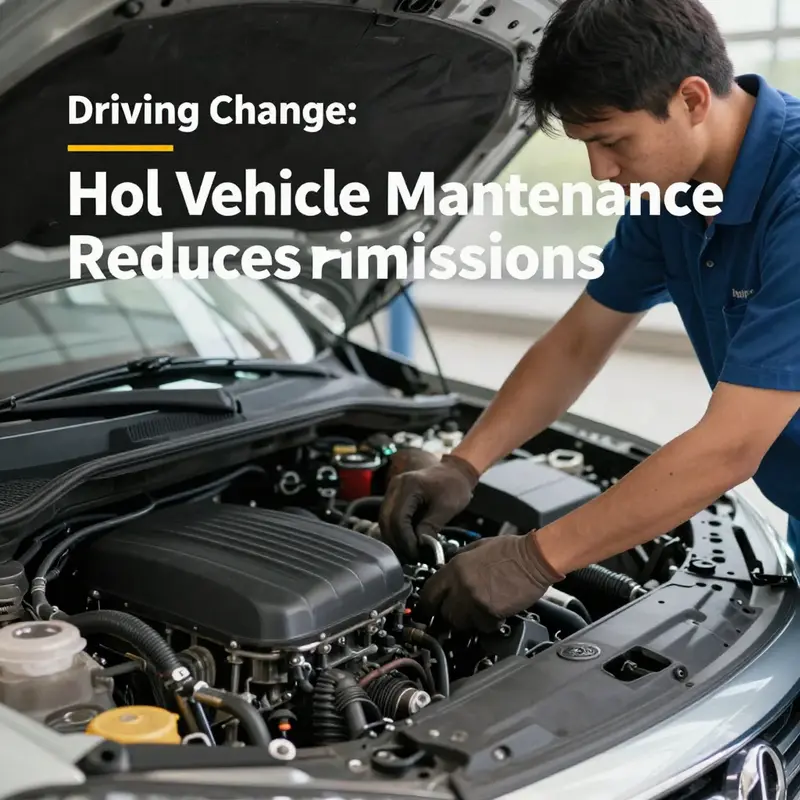
Maintaining a vehicle is often framed as a hassle to endure for reliability and safety. Yet a deeper truth lies beneath the routine tasks of oil changes and filter swaps: maintenance is a powerful lever for reducing the pollutants that cars emit into the atmosphere. The idea that cleanliness inside the engine translates into cleaner air outside is not merely intuitive; it is supported by a body of research that connects mechanical precision with environmental performance. When a vehicle is kept in tune, it breathes more efficiently, consumes fuel more wisely, and releases fewer unburned fuel components and combustion byproducts. This chapter follows that thread, weaving together the science of engine efficiency with the practicalities of upkeep, and showing how each maintenance action contributes to lower emissions while preserving vehicle longevity and performance. As the environmental policy landscape tightens emission standards, the continuity between technology and maintenance becomes not just desirable but essential. Even the most advanced drivetrains depend on regular care to sustain the low emission levels that modern regulations seek to enforce.
At the heart of emission reductions lies complete combustion. An engine’s ability to convert every drop of fuel into usable energy hinges on the precise orchestration of air, fuel, and ignition. When air filters become clogged, or fuel injectors accumulate deposits, the air entering the cylinder is less than optimal. The result is a mixture that is either too lean or too rich for ideal combustion, which elevates emissions of hydrocarbons, carbon monoxide, and nitrogen oxides. Spark plugs, too, wear down with time and heat, losing their crisp, reliable spark. The consequence is misfires or delayed ignition, again pushing the engine toward less efficient combustion. Regular maintenance ensures these components operate in harmony, restoring the conditions for clean burning. In practical terms, this means that a well-tuned engine can achieve more complete combustion cycle after cycle, turning fuel into motion with fewer leftovers to pollute the exhaust.
Empirical findings reinforce this link between maintenance and emissions. When the engine runs at peak performance, the exhaust stream carries lower concentrations of pollutants. The logic is straightforward: fewer variations in combustion translate into steadier, more predictable exhaust chemistry. A well-tuned engine minimizes unburned hydrocarbons, reduces carbon monoxide, and curtails the formation of nitrogen oxides. In other words, the cleaner the burn, the cleaner the exhaust. This isn’t merely a theoretical claim but a practical outcome that drivers experience as smoother idling, more consistent acceleration, and, importantly, lower tailpipe emissions. The takeaway is clear: maintenance disciplines the combustion process, producing a direct environmental dividend without requiring any fancy new technology beyond what is already on most vehicles today.
Quantifying the environmental payoff helps translate maintenance into actionable decisions. A growing chorus of analyses suggests that regular upkeep can translate into tangible emission reductions, and one authoritative projection points to as much as a twenty percent decrease in emissions when maintenance is performed consistently and appropriately. While real-world results will always depend on vehicle type, age, and driving patterns, the principle remains robust: keeping the engine and its support systems in good condition reduces the amount of fuel discarded as waste and lowers the amount of pollutants that escape the exhaust. This improvement is not an isolated event but a cumulative effect. Oil stays viscous enough to cushion moving parts, reducing frictional losses. Spark timing remains aligned with the firing cycles. Fuel injectors deliver precise amounts at precise times. Each adjustment minimizes the engine’s “work” to burn fuel, which in turn reduces the fuel burnt per mile and the emissions produced per mile. The broader implication is that maintenance is a cost-effective, practical strategy for fleets and individuals alike to meet evolving emissions targets without sacrificing performance.
Another critical dimension of maintenance is the management of tire health and rolling resistance, a factor that often sits alongside engine performance in discussions of fuel efficiency and emissions. Proper tire pressure is a simple, verifiable maintenance item with outsized effects. Under-inflated tires increase rolling resistance, compelling the engine to exert more power to maintain speed. That extra effort translates into higher fuel consumption and, inevitably, more emissions. The relationship is straightforward but often overlooked: a small, recurring maintenance task—checking and maintaining tire pressure—can yield meaningful reductions in fuel use and pollutant output. When combined with a tuned engine, the benefits compound. The car travels farther on the same amount of fuel, and the tailpipe puts out fewer pollutants for each mile. It is a reminder that the chain linking maintenance to emissions does not end at the engine bay; it extends to the tires, brakes, and suspension, all of which influence how much energy is needed to move the vehicle forward.
The integrity of the exhaust system itself is another pivotal factor. Leaks or damaged components alter back pressure and can degrade engine performance. A well-sealed exhaust system prevents the loss of back pressure that can otherwise distort the air–fuel mixture and exhaust gas composition. A compromised exhaust pathway may allow unregulated emissions to escape or cause the catalytic converter to operate outside its optimal temperature range. Regular checks on exhaust hangers, pipes, gaskets, and the catalytic converter help maintain the converter’s ability to transform harmful NOx, CO, and HC into less harmful species. When the catalytic converter is functioning properly, it is a first line of defense against elevated emissions. Conversely, a failing exhaust system forces the engine’s control systems to compensate in ways that often increase fuel consumption and emissions. The maintenance narrative therefore encompasses more than engine internals; it requires vigilance across the entire exhaust continuum to preserve environmental performance.
Engine performance and fuel management provide another lens on the emission equation. Vehicles with failing components tend to run richer than ideal, meaning more fuel is introduced into the combustion chamber than air can efficiently burn. This mismatch wastes fuel and increases emissions, even when the vehicle’s emissions control hardware is in good condition. Regular inspections and timely replacements—of oxygen sensors, mass airflow sensors, and other sensors critical to fuel calibration—help the engine maintain an efficient air–fuel ratio. When these sensors are accurate, the engine can adjust timing and fuel delivery with precision, supporting complete combustion. The result is fewer hydrocarbons and CO in the exhaust and reduced NOx formation. In essence, the mechanical health of the engine and the accuracy of its sensing systems work in concert to keep emissions in check. The broader message is that maintenance is not a single act but a system of checks that preserve the engine’s ability to burn fuel cleanly and efficiently across a wide operating range.
A maintenance schedule provides the rhythm that sustains engine efficiency over time. Vehicle owners manuals codify the recommended cadence for oil changes, air filter replacements, fuel system cleanings, and periodic inspections. This cadence exists because components wear in predictable patterns, and the cumulative effect of neglect can be substantial. Oil that thickens or breaks down increases friction and energy losses inside the engine. As friction climbs, the engine must work harder, burning more fuel and producing more emissions. Air filters, when clogged, choke the engine’s intake and destabilize combustion. Regularly replacing filters and changing oil helps maintain clean air intake and smooth engine function. When drivers follow the schedule, they prevent the gradual drift away from optimal performance, ensuring that the emission-reducing advantages of maintenance accumulate rather than dissipate.
The environmental significance of maintenance expands beyond the engine and exhaust. It intersects with broader policy and technology trends identified by international and regional bodies. The European context, for example, emphasizes that both vehicle technology and ongoing maintenance are essential to achieve sustained low emission levels. This perspective aligns with the energy and environmental rationale that maintenance supports the long-term viability of cleaner transport. It underscores a practical reality: even the most advanced powertrains rely on consistent upkeep to meet stringent standards over the vehicle’s life. In the end, maintenance is a bridge between design and real-world performance, ensuring that what is engineered in the factory continues to perform as intended on the road.
As drivers and policymakers alike seek solutions that balance reliability, cost, and environmental stewardship, the narrative of maintenance as an emissions reduction strategy gains urgency. It is not enough to design engines that burn fuel more efficiently or to rely on high-performance catalytic converters alone. A vehicle’s emissions profile evolves as wear and contamination accumulate, and maintenance is the countermeasure that holds emissions in check. Beyond the technical, maintenance cultivates a proactive mindset among vehicle users: a routine check here, a filter swap there, a verification of tire pressure, and a periodic diagnostic scan are all investments in a cleaner air future. The cumulative effect of thousands of individual maintenance decisions is a widespread reduction in emissions that translates into measurable improvements in urban air quality, public health, and climate outcomes.
The practical takeaway for drivers, fleets, and policymakers is straightforward. Prioritize regular maintenance as a central component of emissions strategies. Recognize that the engine does not operate in isolation; it lives within a network of systems—the intake, the fuel path, the exhaust, the electrical sensors, and the tires—that together determine how efficiently a vehicle uses fuel and how cleanly it emits. Emphasizing maintenance does not require new technologies or expensive interventions. It requires consistency, attention to detail, and a willingness to view upkeep as an environmental action. When maintenance becomes a habit, the result is a smoother-running vehicle and a cleaner environment, a convergence of personal responsibility and public good.
For readers seeking a concise summary of the maintenance-emissions link, a practical example helps illustrate the idea in everyday terms. Consider a commute where a driver keeps up with oil changes, replaces a clogged air filter, and checks tire pressure monthly. The car begins to operate near its optimal efficiency, with reduced engine friction, steadier idle, and accurate fuel calibration. The outcome is fewer trips to the gas pump for the same mileage and, importantly, lower emissions per mile. This is not fantasy but a repeatable pattern observable in everyday driving, backed by research and policy guidance. The same logic applies to fleets that standardize maintenance across dozens or hundreds of vehicles. Collective adherence to maintenance schedules yields pronounced reductions in emissions, as engines stay tuned and exhaust systems stay intact. The environmental payoff scales with the number of vehicles and the consistency of maintenance practices, creating meaningful air-quality benefits in cities and regions where transportation systems are most dense.
To connect the narrative to ongoing public discourse, it is worth noting a widely cited point: maintaining a vehicle is not just a lifestyle choice but a practical, policy-relevant action. Regular maintenance aligns with broader strategies to reduce fuel consumption and emissions without sacrificing mobility. It complements investments in cleaner vehicle technologies and infrastructural improvements, forming part of a holistic approach to sustainable transportation. In this sense, maintenance is both a personal practice and a public duty, one that supports cleaner air, lower energy use, and a more resilient transportation system. It is a reminder that the path to lower emissions is paved with ordinary, repeatable acts that add up across millions of vehicles and millions of miles.
In closing, the case for maintenance as a tool for emissions reduction rests on a convergence of engine science, practical upkeep, and policy relevance. Regular maintenance sustains engine efficiency, improves fuel economy, and reduces the release of NOx, CO, and HC. It preserves the integrity of the exhaust system and catalytic converter, ensuring that emissions control technologies function as designed. It reinforces the link between tire health, aerodynamic efficiency, and on-road energy use. And it fosters a culture in which drivers understand that small, regular actions can have large environmental payoffs. The chapter thus ties together the threads of engine performance, emissions science, and everyday care, illustrating how maintenance serves as a practical route to cleaner air and a more sustainable transportation future. For readers who want to explore the topic further, a detailed discussion of how maintenance affects gas efficiency is available here: how vehicle maintenance saves on gas expenses. For broader context on policy-relevant maintenance and emissions, see the U.S. Department of Energy resource on how maintenance reduces emissions: https://www.energy.gov/eere/vehicles/articles/how-regular-vehicle-maintenance-can-reduce-emissions.
Refining Combustion: How Routine Vehicle Maintenance Reduces Emissions by Improving Fuel Burn
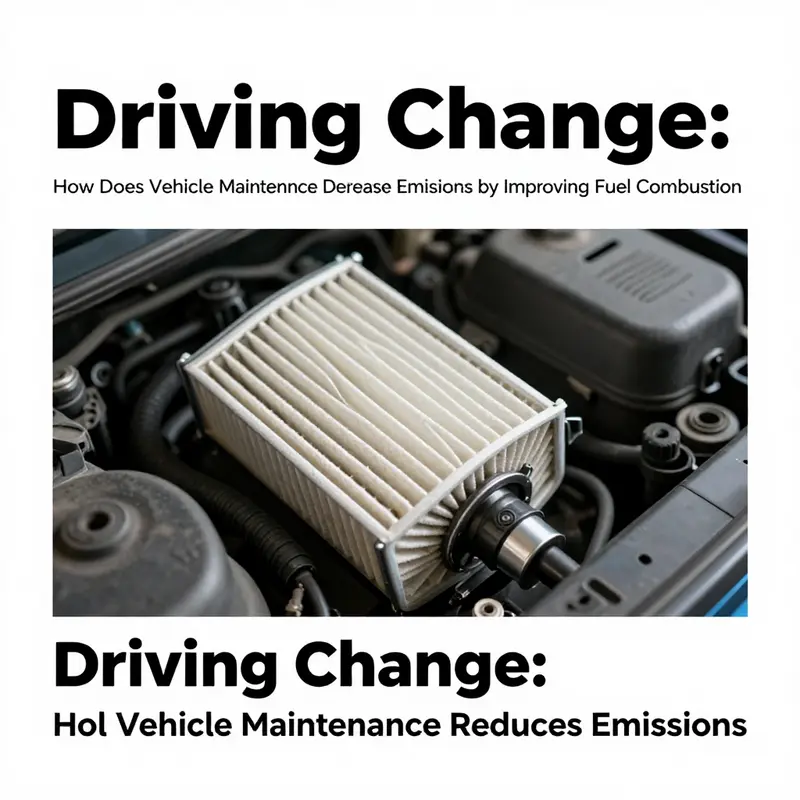
When we talk about reducing vehicle emissions, it’s tempting to focus only on advanced exhaust aftertreatment or turbocharger efficiency. Yet the quiet engine of emission reduction sits in plain sight: regular maintenance that keeps the combustion process clean, balanced, and repeatable. A well-maintained vehicle does not merely run smoothly; it breathes more efficiently, burns fuel more completely, and releases fewer pollutants into the air. The connective thread through every emission reduction claim is combustion efficiency—the degree to which the fuel’s energy is transformed into work without leaving unburned fuel or partially combusted byproducts in the exhaust. This is where routine checks and timely replacements become powerful environmental actions, not just acts of car care. When a driver follows a maintenance schedule, they are, in effect, tuning a complex chemical orchestra so that each component supports the same song instead of fighting it. The result is lower emissions per mile and quieter contention with air quality standards that now frame nearly every responsible driving choice.
To understand how maintenance translates into cleaner combustion, we can trace the path from air intake to exhaust. The engine needs clean, sufficient air to mix with fuel in a precise ratio. The air filter is the gatekeeper in this process. A clogged or dirty air filter restricts airflow, forcing the engine to compensate by drawing in more fuel to maintain power. That extra fuel can become a source of increased hydrocarbon (HC) emissions if combustion cannot keep pace with delivery, while the extra mixture can skew the air-fuel balance toward a rich condition. A rich mixture—more fuel than necessary for complete combustion—produces not only higher HC and carbon monoxide (CO) emissions but also reduces overall efficiency. A simple, routine air filter change, therefore, is not just a maintenance item; it is a direct intervention that helps preserve the intended stoichiometric ratio and the prospect of clean, complete combustion.
The oxygen sensor—often tucked within the exhaust stream—acts as a real-time regulator of the air-fuel balance. It reads the exhaust gas composition and tells the engine control unit when the mixture is too rich or too lean and needs adjustment. When this sensor functions properly, the engine can adapt to small changes in air temperature, fuel quality, or intake cleanliness, maintaining an optimal burn. If the sensor drifts or fails, the engine can veer into conditions that yield incomplete combustion, manifested in higher emissions of CO and HC and, in some cases, elevated NOx due to altered combustion temperatures. Regular diagnostic checks ensure the sensor remains responsive, protecting both emissions performance and fuel economy. In practical terms, it is not one big fix but a chain of small, timely corrections that keep the combustion chamber performing as designed.
Ignition and fuel delivery are equally critical. A misfiring spark plug disrupts the precise moment of ignition, allowing fuel to escape as unburned HC and producing higher CO. A clogged or malfunctioning fuel injector can also create pockets of rich or lean mixture, depending on where fuel misses or concentrates. The engine’s able timing and uniform distribution of fuel rely on spark and injector components working in harmony. Maintenance visits that include spark plug inspection and injector cleaning or replacement help avoid the subtle degradations that accumulate into meaningful emissions increases. When combustion remains consistent, fuel economy also improves, which translates into fewer greenhouse gas emissions per mile. The EPA’s perspective aligns with this understanding: maintaining your vehicle can reduce emissions by a meaningful margin, underscoring maintenance as one of the most effective personal actions for environmental sustainability. It is a reminder that emissions control is not solely about high-tech parts but about keeping every link in the chain robust.
Lubrication and wear are quiet but powerful partners in combustion efficiency. Fresh oil reduces friction within the engine, allowing piston rings to seal more effectively and reducing the energy lost to internal drag. When the engine operates with minimal friction, less energy from the fuel is diverted to overcoming resistance, and more energy is directed toward productive work. The side effect of this efficiency is less heat and fewer wasted hydrocarbons as a byproduct of incomplete combustion. Oil quality and oil changes matter because degraded oil can impair cooling and lubrication, pushing the engine toward inefficiency and the potential for higher emissions. The maintenance schedule often blends oil changes with filter checks; this rhythm not only preserves mechanical longevity but also sustains the engine’s ability to burn cleaner over time.
The exhaust system, and particularly the catalytic converter, is the crucial environmental gatekeeper at the tail end of combustion. The catalytic converter is designed to transform harmful pollutants into less harmful substances through chemical reactions facilitated by high-temperature catalysts. When the exhaust stream passes through a properly functioning converter, NOx is reduced, CO and HC are converted to carbon dioxide and water, and overall tailpipe emissions are diminished. However, catalytic converters are sensitive to design and operating conditions. If the engine runs with chronic misfires, improper air-fuel balance, or oil leaks that contaminate the exhaust, the converter can become overwhelmed or damaged, reducing its ability to filter pollutants. Regular checks on the exhaust system and, if needed, catalyst replacement keep the emission-control function aligned with the engine’s combustion performance. In this way, maintenance preserves not just the mechanical soundness of the car but also the integrity of the emission-control architecture engineered into modern vehicles.
Beyond the primary engine and exhaust pathways, maintenance helps manage emissions that originate from fuel system and evaporative losses. The fuel system relies on tight seals, intact hoses, and properly functioning purge valves to prevent fuel vapors from escaping into the atmosphere. Vacuum leaks around intake gaskets, hoses, or seals can create lean running conditions that stress the engine and increase NOx formation under certain operating conditions. Routine inspections help identify these leaks before they translate into higher emissions. Meanwhile, the evaporative emission control system, designed to capture fuel vapors during refueling and operation, depends on the integrity of charcoal canisters and associated lines. Any failure in this system allows hydrocarbons to seep into the air, bypassing the engine’s combustion process altogether. By keeping these subsystems in good order, maintenance ensures that emissions originate from the combustion process rather than from avoidable leaks or bypasses.
The impact of maintenance on emissions is not merely a theoretical calculation. Real-world data underscore the magnitude of this effect. As noted in credible regulatory and policy assessments, routine maintenance, by keeping the engine and aftertreatment systems functioning near design specifications, can produce meaningful reductions—emissions per mile drop when vehicles remain within serviceable ranges. The EPA has emphasized that conscientious maintenance remains one of the most effective individual actions drivers can take to support environmental sustainability. The arithmetic behind this claim is straightforward: cleaner air intake, more precise fuel-air mixtures, consistent ignition timing, reduced engine friction, and an intact exhaust-cleaning system together produce a cleaner burn that releases fewer NOx, HC, and CO per mile. The narrative is not about a single silver bullet, but about a sustained pattern of checks and replacements that preserves the engine’s calibrated chemistry over time.
To connect these mechanics to a broader consumer practice, consider the behavioral and logistical aspects of maintenance. Scheduling regular inspections, following suggested service intervals, and responding promptly to fault codes or unusual symptoms all contribute to preserving combustion efficiency. When a driver respects the maintenance cycle, they are less likely to encounter sudden, large emissions spikes caused by neglected parts. This translates into steady improvements in fuel economy as well, because the engine is consistently operating under near-optimal conditions. The link between maintenance and economy is not incidental; it is a natural outcome of maintaining the engine’s combustion environment in a state that favors complete fuel burning rather than wasteful byproducts. For readers seeking practical guidance, there are accessible resources that discuss how vehicle maintenance can yield tangible gas-saving benefits, reinforcing the idea that emission reductions and cost savings can be achieved in parallel through disciplined upkeep. See, for example, the discussion on how vehicle maintenance saves on gas expenses, which highlights the everyday value of keeping a vehicle’s performance aligned with its environmental goals. how vehicle maintenance saves on gas expenses.
The broader implication of this maintenance-emissions nexus is that environmental policy and personal responsibility reinforce one another. Stricter emission controls and environmental standards, as reflected in policy discussions and international reports, rely on a combination of advanced vehicle technology and routine maintenance to sustain low emission levels over the vehicle’s life. Even the most sophisticated powertrains require consistent attention to their ancillary systems—the sensors, filters, seals, and catalysts that ensure a clean burn. When maintenance is neglected, the effectiveness of these systems diminishes, and emissions creep upward. Conversely, a culture of proactive maintenance sustains the integrity of emission-control configurations across a vehicle’s lifetime, helping to keep fleets cleaner and cities healthier. In this sense, maintenance becomes a practical, everyday form of environmental stewardship that ordinary drivers can enact with predictable results. It is not a separate activism; it is an operational discipline embedded in the daily rhythm of vehicle ownership.
The science behind these processes is robust enough to support clear messaging for drivers and policymakers alike. The combustion process is sensitive to small perturbations in air, fuel, and timing; even minor disruptions can cascade into measurable shifts in emissions. The good news is that many of these perturbations are addressable through straightforward maintenance actions. Replacing a clogged air filter, calibrating the oxygen sensor, replacing misfiring spark plugs, cleaning or replacing clogged fuel injectors, ensuring proper lubrication, and maintaining exhaust and emissions-control systems—these steps, taken together, offer a pooling effect on emissions. The chain of cause and effect is direct: each maintenance action reduces the likelihood of incomplete combustion, helps the catalytic converter do its job more effectively, and preserves the engine’s ability to achieve the target fuel economy. In turn, this chain translates into fewer pollutants in the atmosphere and a more efficient, economical vehicle experience for the owner.
As we advance in understanding and policy, it becomes clear that maintenance is a practical complement to technology. High-performance engines and catalytic systems are designed to minimize emissions. Yet the durability of their environmental benefits depends heavily on what happens between scheduled services. The message for drivers is simple and actionable: treat maintenance as a first line of defense against emissions, not a secondary concern. Each visit to the shop or each home-based check is a chance to reaffirm the engine’s health, the purity of the air entering the engine, and the reliability of the post-combustion cleanup. In the larger arc of climate-conscious transportation, routine maintenance stands out as a cost-effective, low-risk strategy that can scale across individual drivers and entire communities. Proper upkeep reduces the probability of emission-control failures and keeps real-world emission levels closer to those achievable in controlled testing environments. It is a practical, everyday practice with outsized environmental returns when performed consistently.
In sum, the route from maintenance to cleaner air runs through combustion. A healthy air intake, accurate fuel metering, reliable ignition, smooth lubrication, and an intact exhaust aftertreatment system each play a decisive role in how completely fuel is burned and how cleanly exhaust is processed. The synergy among these components means that diligence in one area amplifies the benefits of maintenance in another. The layers of protection—air filtration, sensor feedback, fuel delivery precision, combustion stability, lubrication efficiency, and catalytic transformation—work together to minimize HC, CO, and NOx emissions while supporting better fuel economy. This is why environmental advocates and automotive engineers emphasize routine maintenance as a practical and essential path to reducing emissions in everyday driving. The science affirms that emissions reductions are achievable through disciplined maintenance, and real-world practice confirms that these actions are affordable, accessible, and impactful for drivers across the spectrum of vehicle ownership. To readers seeking a credible baseline for policy and practice, official guidance on emissions and vehicle maintenance is available through public resources, underscoring that the relationship between upkeep and cleaner air is both scientifically grounded and pragmatically achievable. For further authoritative information on official emissions standards and vehicle performance, consult the EPA resources: https://www.epa.gov/vehicles.
Guardians of the Exhaust: How Routine Maintenance Keeps Emission-Control Systems Working
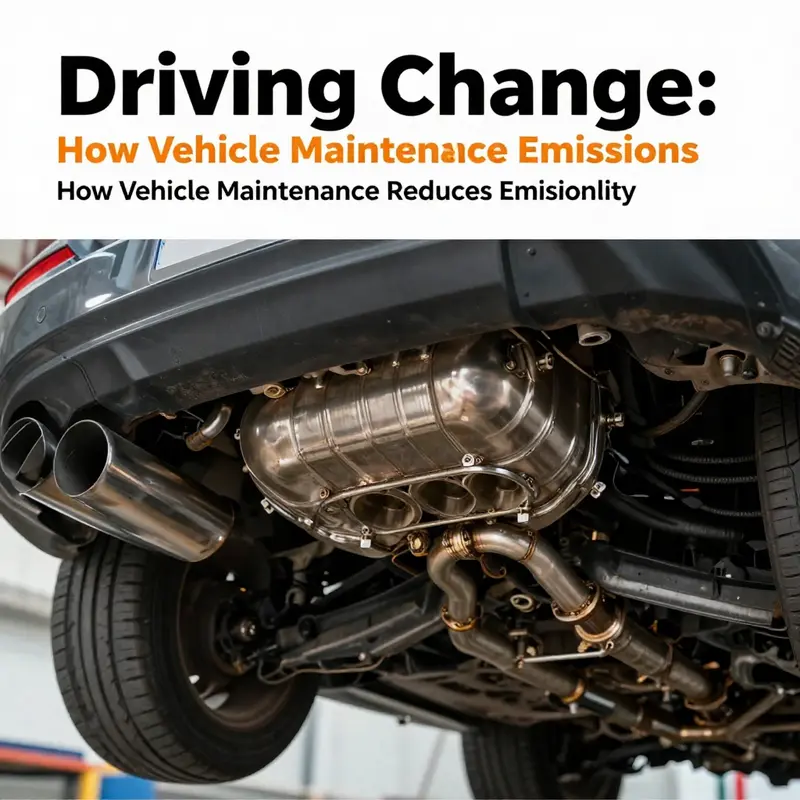
The exhaust system is more than a pipe that carries away engine byproducts. It is a carefully engineered sequence of safety and cleanup devices designed to capture, treat, and reduce the pollutants that racing through the tailpipe would otherwise unleash into the atmosphere. When maintenance routines are skipped or rushed, the system loses its precision, and the emissions that reach the outside world rise accordingly. The central point is straightforward: well-maintained exhaust systems can dramatically lower the amount of nitrogen oxides, carbon monoxide, and unburned hydrocarbons released during every mile driven. In practical terms, this means cleaner air, better compliance with environmental regulations, and a vehicle that remains efficient over time. The modern exhaust system is not a single component but a collaborative network that includes a catalytic converter, a diesel particulate filter, and, in many diesel engines, a selective catalytic reduction system. Each plays a specialized role, and each depends on regular care to function at peak performance. When these parts work in concert, they convert harmful emissions into substantially less harmful substances, and they do so in a way that aligns with real-world driving conditions rather than laboratory test cycles alone. Maintenance makes that alignment possible by keeping the devices clean, intact, and properly calibrated to engine operating conditions, all of which are essential for the functions of the exhaust system to stay within environmental standards. This is not merely a matter of keeping a car running smoothly; it is about preserving the integrity of the emission-control technology that stands between the engine’s exhaust and the air we breathe. The science behind the exhaust system is both elegant and exacting. The catalytic converter, for example, promotes chemical reactions that transform nitrogen oxides into nitrogen and oxygen, carbon monoxide into carbon dioxide, and unburned hydrocarbons into water and CO2. The process is most efficient when the converter reaches and maintains its operating temperature, which in turn depends on consistent engine performance and clean exhaust flow. A clogged or contaminated catalyst loses its efficiency, and the emissions that pass through the system rise quickly. Regular maintenance helps prevent that loss of efficiency by ensuring the converter remains free of contaminants, remains properly sealed, and does not experience damaging heat cycles from upstream faults. In parallel, diesel engines rely on a diesel particulate filter to trap soot particles before they escape into the atmosphere. A clean DPF allows exhaust flow to remain smooth and prevents excessive backpressure that can degrade engine efficiency and fuel economy. When the DPF becomes clogged, the engine compensates by injecting more fuel or running richer than necessary, which paradoxically can increase both emissions and fuel consumption. Routine checks and timely regeneration or cleaning of the DPF keep this trap effective, ensuring particulates do not become a source of higher emissions later in the vehicle’s life. The selective catalytic reduction system, used on many modern diesel applications, adds a different layer of control by transforming NOx through a chemical reaction that requires precise dosing of a urea-based solution. The SCR system’s performance depends on stable exhaust temperatures, accurate sensors, and a steady supply of reductant. Any interruption in dosing, sensor fault, or leak in the SCR circuit can reduce NOx conversion efficiency, letting higher NOx levels escape. The takeaway is simple: maintenance is the invisible guardian of these technologies, ensuring they are clean enough and properly integrated to do their job. When maintenance activities are performed on a regular schedule—inspecting seals, replacing worn parts, and verifying that the entire exhaust chain remains intact—the likelihood of peri-rail failures decreases markedly. Leaks in exhaust manifolds, pipes, or gaskets are more than a nuisance; they disrupt the precise air-fuel balance that the engine and emission-control devices rely on to function correctly. Oxygen from the surrounding environment can leak into the exhaust stream, altering the chemical conditions within the catalytic converter, the DPF, or the SCR system. Such leaks can cause the engine to run too rich or too lean, shifting the engine’s exhaust composition away from the optimal operating window for emissions control. The result is not only elevated tailpipe pollutants but also a potential decline in fuel efficiency, as the engine compensates for the mismatch with compensatory fuel adjustments. Therefore, keeping the exhaust system sealed and intact becomes a practical environmental measure as well as a performance concern. Sensor systems are another critical piece of the maintenance puzzle. Oxygen sensors monitor the exhaust gas composition and feed this information to the engine control unit, which adjusts fuel delivery to maintain the optimal air-fuel ratio. When sensors become fouled or drift out of specification, the engine may run too rich or too lean, reducing catalyst efficiency and increasing emissions. Faulty sensors can also trigger warning lights and mislead drivers into thinking the engine is performing well when it is not. Regular inspection and cleaning of sensors, along with timely replacement when necessary, sustain the precise feedback loop that keeps aftertreatment devices working in harmony with the engine’s actual operating conditions. The long-term benefits of this approach extend beyond emissions control. Proper maintenance extends the life of the catalytic converter, DPF, SCR components, and the sensors themselves. Replacing worn seals and gaskets, addressing leaks early, and controlling backpressure through clean exhaust pathways reduce the risk of premature failure. Emission-control devices wear out more gracefully when they are supported by a clean and well-managed exhaust system, which translates into lower repair costs and more reliable compliance with evolving environmental standards. In a broader sense, the relationship between maintenance and emissions control reflects a principle of engineering stewardship: sophisticated technology is most effective when it is not neglected. The European and OECD governance contexts referenced in the initial research overview underscore this point. Stricter emission controls and planned reductions in fuel sulfur levels create an enduring incentive to preserve the integrity of emission-control systems. Even as vehicle designs become more advanced and efficient, their environmental performance will degrade without consistent maintenance. A well-maintained exhaust system is a living system, one that adapts to the rigors of daily driving—traffic stops, short trips, cold starts, and highway cruising—while preserving the chemistry and physics that transform pollutants into safer outputs. The practical implication is clear for drivers and technicians alike: routine maintenance is a decisive, though often undervalued, action in the quest for lower emissions. If the catalytic converter or DPF is not functioning correctly, tailpipe emissions can increase sharply and tests designed to certify compliance with emission standards can fail. This has real consequences beyond environmental impact, affecting insurance, ownership costs, and even resale value. The maintenance act becomes a preventive measure that preserves the system’s integrity, protects performance, and sustains environmental benefits over the vehicle’s lifetime. The narrative is reinforced by real-world observations: clean and intact exhaust pathways enable the engine to operate closer to its ideal operating window, keeping combustion efficient and pollutants well contained. Through routine inspections that target the exhaust pathway, technicians can identify signs of fatigue or damage—cracked manifolds, corroded clamps, loose connections, or degraded gaskets—before they become critical. The value of these checks lies not only in reducing emissions but also in maintaining fuel economy. When exhaust restrictions accumulate, engines must work harder to push exhaust gases through, consuming more fuel and producing more emissions per mile. Regular maintenance keeps backpressure at healthy levels, helping to preserve both performance and environmental performance. The internal mechanisms that make this possible are not static; they require a dynamic relationship between the engine, the exhaust components, and the control systems that regulate them. This relationship is where the concept of maintenance as environmental stewardship becomes most tangible. It is a daily practice that drivers and technicians share, one that translates into fewer smog-forming precursors and a cleaner urban air basin. The connection to fuel economy should not be overlooked. Efficient exhaust flow reduces pumping losses, and stable operation of the catalysts ensures that a vehicle uses fuel more effectively. A well-tuned exhaust system therefore serves a dual purpose: it lowers emissions while helping the vehicle conserve fuel. That dual benefit resonates with drivers who want to lower operating costs and reduce their environmental footprint at the same time. The broader policy context supports this view. When regulators and industry bodies emphasize emission reductions across vehicle fleets, they implicitly recognize maintenance as a cost-effective, practical lever for achieving those goals. It is not enough to design engines that meet stringent standards; those designs must be supported by consistent care to preserve the performance envelope that those standards assume. In this sense, maintenance is not a maintenance task alone; it is a policy-compatible practice that aligns everyday driving with long-term environmental objectives. For readers who want to explore the maintenance–emissions link further in a practical, driver-focused way, there is value in considering how these principles translate to real-life routines. The simple act of scheduling periodic inspections and being attentive to unusual exhaust sounds, warning lights, or a noticeable drop in fuel economy can avert escalating emissions problems. Regular checks for leaks, faulty seals, or a degraded exhaust bracket can prevent small issues from becoming system-wide failures. Over time, keeping the exhaust system intact helps sustain the performance of catalytic converters, DPFs, and SCR units, ensuring that the vehicle stays within emissions limits and continues to contribute to cleaner air rather than undermining it. This is the core idea behind the chapter: maintenance as a practical pathway to emissions reductions. It is not only about preventing breakdowns; it is about preserving the chemistry that turns fuel into energy with minimal environmental impact. The broader takeaway connects to daily practice and policy alike. By recognizing maintenance as an active contribution to environmental protection, drivers, technicians, and policymakers can align expectations and incentives toward sustained low emissions. The results are tangible in communities where vehicles routinely operate with clean exhaust signatures, and they are tangible for fleets that rely on predictable maintenance to meet regulatory timelines and performance targets. In short, routine maintenance keeps each link in the exhaust chain honest and effective. When the catalytic converter, the DPF, the SCR system, the seals, and the sensors all perform as intended, the exhaust system fulfills its design promise: to transform the engine’s high-velocity, high-heat exhaust flow into a cleaner, more controlled outflow. The outcome is a lower environmental impact per mile driven, a more efficient engine, and a more reliable basis for meeting evolving emission standards. The practical implication for readers is straightforward. Prioritizing maintenance is an affordable, impactful step toward cleaner air and greener driving habits. It does not require immediate technological upgrades or costly retrofits; it requires consistent attention to the health of the exhaust path and its control components. That attention pays off not only in the present but also in the long run, as emission controls age and climate policies tighten. For a deeper dive into the technical overview of how exhaust-system components work together to reduce emissions, see the external resource linked below. And to connect maintenance reasoning to everyday driving and cost savings, consider the more driver-focused discussion available at how vehicle maintenance saves on gas expenses. how vehicle maintenance saves on gas expenses. External resource: Exhaust Product – an overview at ScienceDirect provides a comprehensive technical grounding for the mechanisms described here, including catalytic reactions, filtration, and selective catalytic reduction processes. https://www.sciencedirect.com/topics/engineering/exhaust-product
Maintenance as the Engine of Clean Air: How Routine Servicing Slashes Emissions While Keeping Standards in Reach
The moment a vehicle rolls off the line, it carries the promise of efficiency and cleaner air, but that promise is not sealed in steel alone. It depends on regular, attentive maintenance that keeps the machine operating as the engineers intended. When a car is serviced on a schedule that aligns with the vehicle’s design and regulatory expectations, the engine breathes easier, the exhaust comes under tighter control, and the vehicle stays within the limits set by environmental standards such as Euro 6 or China VI. This chapter follows that logic into a practical, integrated understanding: maintenance is not a cosmetic add-on to emission control; it is the operational backbone that makes advanced emission technology work as designed over the life of the vehicle. In a world where policies tighten and fuel compositions shift, the simple act of consistent service is a reliable, accessible lever for reducing pollutants and limiting climate impact.
A core premise is straightforward: a well-tuned engine uses fuel more completely. When every component works in harmony, combustion produces fewer unburned hydrocarbons and less carbon monoxide. The air we breathe depends on it. A clean, unrestricted air intake is not a luxury; it is a first line of defense against rich mixtures that waste fuel and spew excess HC and CO. A clogged air filter exemplifies the opposite outcome. It starves the engine of air, forcing the fuel system to compensate and often delivering a fuel-air ratio that is too rich for proper combustion. The result is not just higher fuel use, but emissions that rise in tandem with that inefficiency. Replacing air filters on schedule ensures that clean air enters the engine, enabling more complete combustion and a cleaner exhaust.
Equally central are the spark plugs, the small devices that spark precision into combustion. Worn or fouled plugs disrupt ignition timing and flame propagation, increasing the probability of incomplete combustion. This manifests as elevated emissions of CO and HC, and in some engine configurations, even NOx can be affected by altered combustion temperatures. Regular inspection and timely replacement keep ignition timing crisp and combustion smooth, which translates into steadier operation, steadier fuel economy, and a cleaner exhaust. In a modern powertrain, where engineers labor to optimize combustion across a wide range of speeds and loads, the small, often overlooked spark plug becomes a big performance and emissions lever over the vehicle’s lifetime.
But the most visible link between maintenance and emission control lies in the exhaust system, especially catalytic converters. The catalytic converter transforms the most noxious gases in the exhaust—carbon monoxide, hydrocarbons, and nitrogen oxides—into substantially less harmful substances before they leave the tailpipe. The efficiency of this conversion hinges on the converter’s condition. A damaged or clogged catalytic converter loses much of its effectiveness, and no amount of fuel reformulation or engine calibration can fully compensate. Regular maintenance ensures the converter remains physically intact, free from blockages, and kept within the temperature and flow ranges where the catalytic chemistry works best. Without that protection, even a well-built engine can drift from regulatory limits and from the cleaner emissions profile that modern vehicles are designed to deliver.
The fuel system itself deserves a careful, continuous check. Fuel injectors, lines, seals, and the fuel pump all contribute to how consistently fuel is delivered to the engine. Leaks or dirty injectors disrupt the delicate balance of air and fuel, creating irregular combustion patterns that raise HC and CO emissions and can destabilize ignition timing indirectly. Maintenance work—whether cleaning injectors, resealing lines, or replacing worn seals—reduces waste and ensures that the engine operates as the control systems expect. The result is not merely a smoother ride; it is a more predictable emission profile and better energy efficiency. In this sense, routine service becomes a safeguard against the cascade of inefficiencies that begin with a small leak or a clogged injector.
Beyond the mechanical dance of pistons and pipes, the vehicle’s brain—the onboard diagnostic system—plays a pivotal role in keeping emissions within prescribed limits. OBD-II systems monitor a constellation of sensors and controllers that manage ignition, fuel delivery, and the emission control devices themselves. When a component drifts out of spec, the system can illuminate a warning light or store fault codes, signaling that an emission-related fault is present. Prompt servicing in response to these signals prevents minor problems from escalating into compliance failures during inspections. This feedback loop—sensors speaking to software, and software guiding maintenance decisions—transforms daily driving into a form of environmental stewardship. Regularly addressing diagnostic trouble codes keeps the entire emission control system honest and functioning as intended, which is especially critical as standards grow stricter over time.
In the broader context, research from leading bodies underscores how central routine maintenance is to compliance and to real-world emission reductions. A 2025 ICCT study highlights that vehicles that receive routine maintenance are markedly more likely to pass emission tests than those that do not. The study points to a practical, policy-relevant insight: maintenance is not a secondary concern but a primary predictor of a vehicle’s ability to meet evolving emission regulations. The study also notes that improper maintenance remains a leading cause of inspection failures, even among newer vehicles that embody advanced emission technology. Taken together, these findings suggest that the gap between latent technology and real-world outcomes narrows when regular maintenance is prioritized. The implication for drivers, fleets, and regulators is clear: maintenance is a cost-effective, accessible strategy to sustain clean performance across a vehicle’s life cycle.
The maintenance narrative also interacts with fuel quality and the environment in which driving occurs. As fuels incorporate lower sulfur content and engines continue to be designed to minimize fuel volatility and emissions, the role of maintenance remains to guard the engine and exhaust aftertreatment system against the drift that can accompany aging components. A well-kept engine does not merely conserve fuel; it sustains the efficiency of the catalytic converter and other emission controls, which can degrade over time if the engine’s operating conditions become imbalanced. This is why maintenance is so tightly coupled with regulatory compliance: it preserves the conditions under which both the engine and the aftertreatment systems operate at peak effectiveness. The takeaway is not simply to perform repairs but to maintain the ecosystem of components that collectively determine a vehicle’s environmental footprint.
A practical lens through which to view maintenance is to consider the specific tasks that most directly affect emissions. Replacing air filters is a simple, tangible step with outsized impact on combustion quality. Spark plug maintenance protects ignition quality, a prerequisite for clean combustion. The catalytic converter, the central aftertreatment device in most passenger vehicles, requires attention to remain efficient; neglect can erode the very feature that converts CO, HC, and NOx into more benign molecules. The fuel system benefits from regular cleaning and leak checks to prevent drips and dribbles that waste precious fuel and skew combustion. Taken together, these tasks form a coherent maintenance framework that aligns with emission control goals. Each task has a direct line to reduced emissions and improved fuel economy, reinforcing the idea that emission reductions are achievable through disciplined, practical servicing rather than only through advances in vehicle technology alone.
For those who track the environmental and public health dimensions of driving, this integrated approach has added resonance. When engines run cleanly, exhaust streams contain lower concentrations of pollutants that health studies link to respiratory and cardiovascular risks. The connection between maintenance, air quality, and public health is not abstract; it is a chain of cause and effect that starts with a service appointment and ends with improved local air quality. This perspective makes maintenance a platform for broader societal benefits while also offering immediate, tangible rewards for drivers: less fuel spent on the road and fewer trips to the emissions testing station due to routine compliance. It also helps fleet operators meet corporate sustainability goals without resorting to expensive overhauls or dramatic changes in vehicle technology.
An important nuance in this story is the interaction between maintenance schedules and the natural aging of vehicles. Even with meticulous service, components wear, and environmental conditions vary. The trajectory toward higher emissions with age is not inevitable, but it can be slowed dramatically through timely tune-ups, sensor calibrations, and replacement of worn components. This reality makes maintenance not only a buffer against regulatory drift but a dynamic process that adapts to the vehicle’s life stage. Fleets, in particular, can leverage this approach by aligning maintenance windows with inspection cadences, ensuring that the vehicle remains compliant at predictable intervals rather than reacting to sudden failures. In practice, this means adopting a lifecycle perspective on maintenance that tracks emissions-related health indicators alongside traditional performance metrics. An integrated program recognizes that emissions compliance is not a one-time checkpoint but a continuous target that evolves as the vehicle ages and as environmental standards tighten.
The social and policy implications of routine maintenance are worth noting as well. Stricter emission controls and planned reductions in fuel sulfur levels across regions like Europe mean that cleaning the engine and its exhaust aftertreatment chain is more important than ever. Proper maintenance makes it possible to sustain lower emissions even as vehicles accumulate miles and as automotive technology advances. It also supports the policy objective of cleaner air by ensuring that every mile driven translates into less environmental impact. The synergy between maintenance and environmental standards is not a theoretical ideal; it is a practical pathway to achieving cleaner urban air, lower greenhouse gas intensity, and healthier communities. When drivers understand that maintenance protects both performance and compliance, they gain a credible, actionable means to contribute to a broader environmental agenda.
To bring these threads together, consider the maintenance routine as a living contract between the vehicle and the environment. It is a contract that begins with the choice of schedule and ends with the emission outcomes observed on tests and in real-world driving. In this view, maintenance becomes a universal, accessible tool for all drivers to reduce emissions, not a niche activity limited to enthusiasts or policymakers. The chapter’s evidence, including the ICCT findings, supports the practical claim: routine maintenance reduces the probability of failing emission tests and helps preserve the environmental benefits engineered into modern vehicles. The chain of outcomes—from a clean air filter to a cleaner exhaust—highlights how the discipline of maintenance translates to measurable environmental gains without requiring dramatic behavior changes from drivers.
For readers seeking a concrete takeaway, the message is simple but powerful. Regular servicing aligns with the vehicle’s emission-control architecture, sustaining the conditions under which this architecture can perform. The air path, the ignition system, the fuel system, and the catalytic converter all rely on clean, consistent operation. When any one component falters, the system compensates imperfectly, and the emissions profile shifts. Routine maintenance minimizes those imperfections and keeps the emissions within established standards, helping both individuals and communities breathe easier. In a world of diverse driving patterns and changing fuel landscapes, maintenance remains a stable, low-cost, high-impact practice. It is one of the few piloted, scalable actions that can deliver steady progress toward cleaner air and better public health while supporting the integrity of environmental standards over time.
As we broaden our view to include policy, technology, and habit, the central truth stands out: maintenance is not a mere afterthought but a foundational element of environmental stewardship in transportation. It is the practical bridge between engineering, regulation, and daily life. The chapters that follow will build on this foundation by exploring how different maintenance strategies translate into real-world outcomes for individuals and fleets, and how emerging diagnostic tools and policy frameworks can sharpen this instrument for cleaner skies and healthier communities. For those who wish to explore the empirical underside of these claims, a deeper dive into the ICCT study offers a rigorous, data-driven account of how routine maintenance shapes emissions compliance in practice. The chapter’s argument remains deliberately grounded in the everyday acts of servicing—the checks, replacements, and calibrations that keep engines clean and compliant across the miles ahead.
Internal link for practical insights: How vehicle maintenance saves on gas expenses.
External resource for further reading: For a deeper dive into policy-oriented assessments of maintenance and emissions, see the ICCT report at https://theicct.org/publications/impact-routine-vehicle-maintenance-emissions-compliance-jan2025
Final thoughts
In summary, routine vehicle maintenance is not merely about ensuring operational efficiency; it’s a fundamental practice for reducing emissions and promoting sustainability. Each aspect of maintenance—from optimizing engine performance to ensuring the exhaust system functions properly—contributes significantly to lower emissions and compliance with environmental regulations. Business owners have the opportunity to lead by example, prioritizing maintenance practices that protect the environment while simultaneously benefiting their operations. By investing in proper vehicle upkeep, you play a critical role in the collective effort to foster a greener future.