
Maintaining Can-Am recreational vehicles like ATVs and UTVs is crucial for business owners looking to optimize performance and safety. By following a proactive maintenance regimen, you can enhance the longevity of your fleet while minimizing downtime and repair costs. This article will delve into regular maintenance practices, key mechanical inspections, the importance of adhering to official schedules, and seasonal care specific to Can-Am vehicles, providing a comprehensive guide to keep your operations running smoothly.
Trail-Ready and Trouble-Free: Regular Maintenance Practices for Can-Am Recreational Vehicles
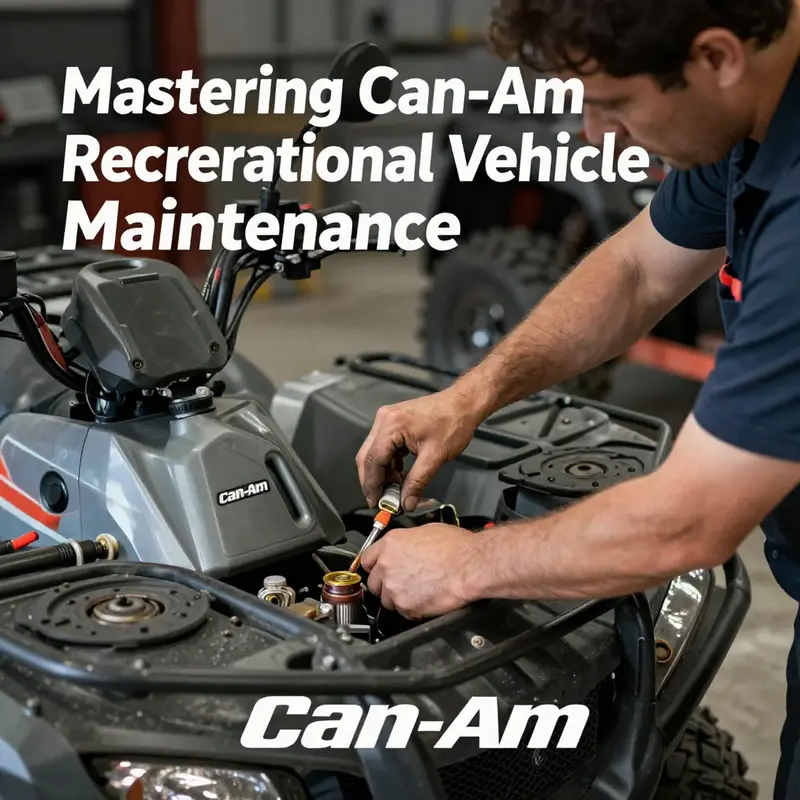
Every ride into the wild is a conversation between rider and machine. The engine’s purr, the tires gripping stubborn dirt, the suspension soaking up rocks and ruts—these cues come from a vehicle kept in steady, deliberate care. Regular maintenance is not a chore meant to catch you in trouble; it is the quiet discipline that preserves performance, safety, and the curiosity-fueled joy that motivates off-road adventures. When you commit to a thoughtful maintenance routine, you are choosing reliability in demanding conditions. You are also choosing to protect the time, money, and planning that go into every excursion. The premise is straightforward: follow a sensible schedule, address wear before it becomes failure, and treat every service as an investment in the next trail, the next season, and the next story you’ll tell around the campfire. The framework that underpins this approach is not mysterious. It rests on a few core tasks—oil management, braking integrity, tire health, and the quiet stewardship of the machine’s moving parts—that together keep your Can-Am recreational vehicle responsive and safe, hour after hour, mile after mile. The emphasis here is preventive, not reactive. A professional tune-up every fifty hours of operation—or as the manufacturer recommends—acts as a safety net, catching issues while they’re small and affordable to fix. This cadence aligns with the realities of demanding off-road environments, where engine heat, mud intrusion, and suspension stresses take their toll. Yet maintenance is more than a service interval. It is a mindset that begins with pre-ride checks, continues through routine fluid and component inspections, and culminates in careful cleaning and protection that extend the life of the vehicle and the memories it helps create. As with any complex machine, context matters. Conditions of use, climate, and terrain shape the frequency and focus of each maintenance session. A rider who spends long days in dusty desert washes faces different wear patterns than someone who navigates cold, muddy forests. The manufacturer’s official maintenance schedule remains the authoritative compass, but the practical rhythm of care can be tailored to the realities of your riding life. This is not a call for rigid ritualism; it is a call to intelligent consistency, a habit that blends observation with procedure to keep the machine aligned with your expectations for power, control, and reliability. At the heart of successful maintenance is attention to the essentials: engine health, cooling and lubrication, drivetrain integrity, braking effectiveness, and the ability of the chassis to absorb terrain without compromising safety. Each category supports the others. The engine needs clean oil and proper cooling to avoid overheating. The cooling system requires a fluid with the right properties to handle heat exchange under load. The transmission and differential demand clean fluids of the right specification to prevent slip, overheating, and wear. Brakes depend on properly functioning hydraulics, pads with adequate thickness, and rotors free of warping. Tires need the correct pressure for load and terrain and must show tread that can grip without risking punctures or hydroplaning on wet surfaces. The suspension system, including shocks and control arms, should not leak or exhibit excessive play. A single neglected area can cascade into a broader issue. The disciplined maintenance routine is a safeguard against such cascades, preserving not only performance but the machine’s ability to respond predictably in difficult situations. The practice of maintenance also extends beyond the engine bay. It embraces cleanliness as a protective measure. Dirt, mud, and especially road salt or corrosive grime are more than unsightly; they can accelerate wear and degrade electrical connections. Regular washing—focusing on the undercarriage, wheel wells, and spots where mud can collect—removes abrasive residues that would otherwise cause corrosion or misalignment over time. Protective measures, such as applying appropriate lubricants to moving joints and ensuring that exposed fasteners do not loosen due to vibration, reinforce this protective layer. When maintenance is approached as a comprehensive, ongoing process, it becomes a rhythm that informs everyday riding choices. Pre-ride checks become a habit: tires inspected for proper pressure and tread, brakes tested for responsive stopping power, a quick look at fluid visibility and levels, and a careful scan of electrical connectors for moisture or corrosion. This habit reduces surprises and makes the ride safer from the moment the key is turned. It also makes longer maintenance windows more productive. The engine oil, for instance, is not merely a routine replacement; it is a lifeline for an engine that must work hard in dusty air and high-temperature conditions. Following manufacturer recommendations for oil type and change interval helps prevent overheating and minimizes engine wear over thousands of miles of trail. The oil level should be checked with the engine cold and the machine on level ground, and the filter should be replaced according to the service schedule. In some environments, where dust is pervasive, more frequent changes may be prudent. The coolant system deserves the same careful treatment. Coolant not only transfers heat; it protects cooling passages from boil-overs and helps prevent degradation of hoses under harsh temperatures. Regular checks for leaks, proper concentration, and a clean radiator cap are prudent. The transmission and differential fluids deserve equal respect. These fluids are the lifeblood for components that endure heavy loads and multi-directional forces. Low fluid levels, contamination, or degraded viscosity can lead to overheating and accelerated wear. Regularly inspecting the fluid color and level, and replacing it per the schedule, helps maintain smooth power delivery and predictable gear engagement. The brakes deserve ongoing evaluation because stopping power is a rider’s primary safety feature. A routine brake pad inspection should verify thickness and look for glazing or uneven wear. If the pads approach their wear limit or if the rotors display scoring or heat warping, timely replacement or resurfacing is essential. Hydraulic systems demand clean lines and secure connections; any signs of leakage or air intrusion should prompt maintenance attention before performance degrades or a safety margin is compromised. The tires, too, require disciplined care. Correct inflation not only improves fuel efficiency and grip; it also influences steering accuracy and tire longevity. Uneven wear patterns tell a story about alignment, suspension health, or improper load distribution. Rotating tires at recommended intervals helps equalize wear and extend tread life. The moving parts within the drive system—chains or belts—need inspection for tension, wear, and alignment. A slipping belt or a stretched chain can reduce efficiency, create heat buildup, and shorten component life. While this chapter speaks generally, the essence is that all these elements are interconnected. A minor issue in one area can ripple through the system, reducing performance and, in the worst cases, compromising safety. The maintenance ethos thus emphasizes monitoring, early detection, and timely action. It also recognizes the practical reality that not every rider has the same resources or time. Some tasks can be performed in a home workshop, while others are best handled by a skilled technician with access to specialized tools and the manufacturer’s proprietary service information. The decision to engage a professional comes down to the complexity of the job, the potential impact on safety, and the availability of model-specific service guidance. Yet even when using a dealer or independent shop, the guiding principle remains the same: do not defer lubrication and inspection tasks. A refusal to perform routine maintenance invites a slow erosion of reliability and safety, which, on the trail, can turn a great ride into a disappointing or dangerous experience. Part of the value of maintenance is its resale—an often overlooked benefit. Vehicles that show a documented history of regular service retain higher value because buyers understand the care that has gone into preserving essential systems. A clear maintenance log demonstrates due diligence and provides confidence that the vehicle is less likely to require sudden, costly repairs. For readers who want a structured framework, starting with a baseline inspection and building toward a tailored schedule is wise. Begin with a comprehensive pre-ride checklist that covers fluid levels, battery condition, visible leaks, and tire integrity. Then plan longer service intervals aligned with hours of operation and typical riding conditions. The notes from each session should feed the next. As conditions change or as the vehicle ages, adjust the cadence accordingly. If you are curious about the broader context of maintenance philosophy, a helpful primer is available online under the title What is vehicle maintenance. This resource frames maintenance in terms of planning, execution, and documentation, reinforcing the idea that care is a deliberate practice rather than a set of isolated tasks. See the linked resource for a concise overview of how preventive care translates into reliable performance on and off the trail. What is vehicle maintenance. In addition to the routine checks and scheduled services, the Can-Am maintenance framework emphasizes keeping to manufacturer specifications and adhering to model-specific nuances when they exist. The official maintenance schedule—provided by the parent company—offers precise intervals for oil changes, filter replacements, fluid checks, and system inspections, all calibrated to the engine type and drivetrain architecture of the machine. While this chapter keeps the discussion model-agnostic, readers are encouraged to consult the manufacturer’s guidance to confirm exact hours or time-based intervals, especially if the machine operates in extreme temperatures, high dust, or sustained heavy use. The habit of consulting the manual before performing a service cannot be overstated. The manual not only lists procedures but also highlights cautions, torque specifications, and torque sequence diagrams that help protect fasteners and threaded components from over-tightening or misalignment. When in doubt, the prudent path is to seek professional service—particularly for tasks that involve the drive belt, primary drive assembly, or intricate electrical connectors that require diagnostic tools and knowledge of the vehicle’s fault codes. Beyond the mechanical specifics, maintenance carries a cultural dimension. It rewards discipline, patience, and attentiveness. The rider who respects service intervals and who keeps a clean, organized workspace is more likely to notice unusual noises, vibrations, or performance changes before they escalate into failures. This attentiveness turns the vehicle into a dependable partner, capable of returning the rider to the same trail season after season with consistent performance. And there is a personal dimension as well. Regular maintenance invites a deeper connection with the machine. It becomes a routine of learning—watching the way a belt wears, listening for subtle changes in engine note, noting how the brakes respond under varying load. This knowledge translates into safer riding, because it makes you more responsive to warning signs and more capable of making informed decisions under pressure on the trail. The value of this approach is not purely technical. It is practical, too. Maintenance planning reduces the likelihood of unplanned downtime, replacement parts that arrive late in the riding season, and the stress of touring with a machine that isn’t performing at its best. It also spreads the cost of care more evenly over time, rather than confronting a pile of repairs after a breakdown. Finally, maintenance is about longevity. A vehicle that receives consistent care can outlast several seasons of hard use, remaining capable and enjoyable long after a casual neglect would render it tired and unreliable. The best riders view maintenance as an ongoing investment in their future riding experiences rather than as a fixed cost. They understand that the more consistently they honor the basics—oil, fluids, brakes, tires, and a clean undercarriage—the more consistently the vehicle will respond to throttle, steering, and terrain with the confidence the rider expects. In the end, the mechanics of maintenance are a map that guides you toward safer, more dependable, and more enjoyable off-road exploration. Following manufacturer-recommended schedules, performing thoughtful inspections, and maintaining a clean, protected machine collectively create a trail-ready partner that respects the terrain and the rider alike. For those seeking deeper practical guidance, the Can-Am official maintenance schedule remains the definitive reference, and it should be consulted regularly to ensure alignment with model-specific requirements and updates. External resource: Can-Am Official Maintenance Schedule: https://www.can-am.com/en-us/support/maintenance.html
null

null
Mindful Maintenance for Can-Am: A Habit for Every Ride
Maintenance is more than a checklist; it is a habit that keeps your Can-Am ready for every trail, dune, and backcountry crossing.
Treat it as an ongoing conversation with your machine: observe, log, and act on small clues before they become costly failures.
The official maintenance schedule, hours of operation, and environmental exposure guide you toward reliable performance and preserved value.
Post ride checks, tire pressures, oil and filter care, brake inspection, drive system tension, cooling, battery health, and suspension deserve regular attention.
By aligning your routine with real world use, you gain confidence, safety, and a longer life for your machine.
Maintain a simple log, use the right tools, respect torque specs, and consult model specific guidance for intervals.
When you ride with this mindset, maintenance becomes part of the ride itself, not a separate task.
Seasonal Stewardship: Year-Round Maintenance for Can-Am Recreational Vehicles
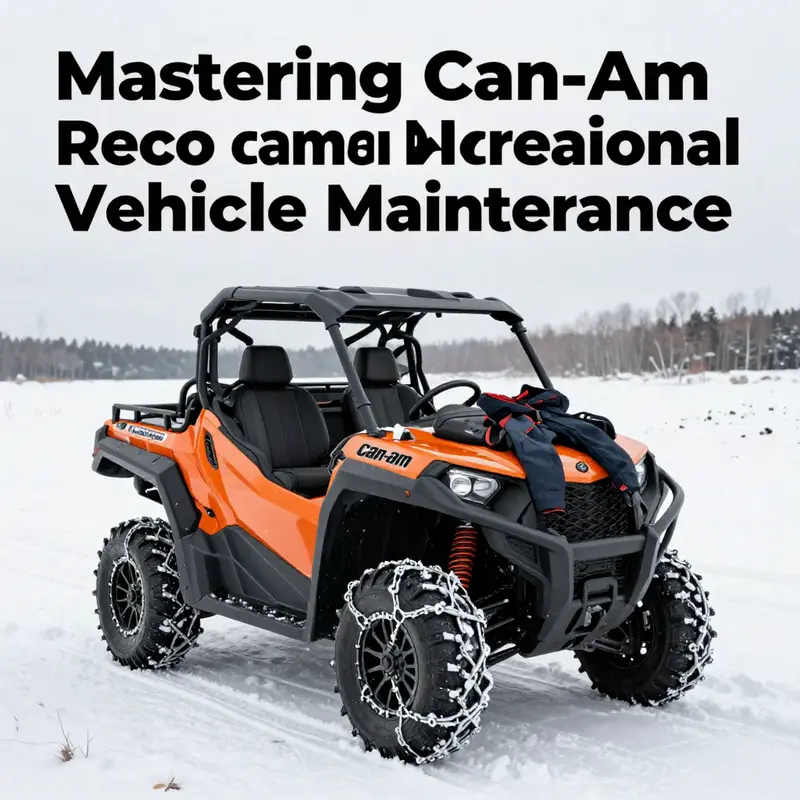
Seasonal stewardship is more than a ritual; it is a mindful approach to keeping your Can-Am recreational vehicle ready for the next off-road chapter. The calendar itself becomes a tool for safety, reliability, and longevity. Environmental swings—from the chill of late winter to the glare of mid-summer—press on components in different ways. A disciplined seasonal routine helps identify wear before it becomes a failure, preserves performance, and protects the investment you’ve made in your vehicle. Think of maintenance as a quiet partner to adventure: when you respect the seasons, the vehicle respects you back with steadier starts, steadier power, and a more predictable ride. This chapter weaves a cohesive year-long practice that transcends single-sentence checks and offers a framework you can fit into the realities of your climate and riding schedule. It begins with a fundamental premise: regular, season-aware care supports safety and resale value while reducing surprise downtime. A solid baseline understanding of how maintenance works—and why it matters—comes from resources that outline the core responsibilities of vehicle care, such as this explainer on what maintenance encompasses. What is vehicle maintenance. With that grounding, the year unfolds as a sequence of attention moments that align with the changing environment and with the vehicle’s own wear cycles.
When spring arrives, it is not merely a return to riding but a careful reawakening of systems that bore the cold, moisture, and inactivity of winter. The battery emerges as a central focus. Cold temperatures can sap a battery’s capacity, so begin with a thorough charge check and a readiness test. If the battery is weak or fails a load test, replace it before the first ride of the season, rather than discovering it after you park at the trailhead. Electrical connections, too, deserve a meticulous inspection. Corrosion on terminals or loose cables can masquerade as a bigger electrical problem, and cleaning contacts restores clean, reliable connections that feed the ignition, lighting, and power to accessories. Tires, which may have suffered from long storage, require close scrutiny for cracks, dry rot, and uneven wear patterns. Even with proper storage, tires can lose elasticity or develop flat spots after a season of inactivity. Confirm the inflation pressures recommended by the manufacturer for the load you carry and the riding conditions you expect. A spring inspection should extend to fluids: engine oil and coolant should be evaluated for level and condition, with an eye toward a change if you’re approaching or past the recommended interval. But beyond the fluids, a broader, post-storage check is wise. Brakes should be tested for response and feathering; the suspension should be inspected for signs of leaks, damaged seals, or unusual stiffness; and the drivetrain—whether belt or chain driven—should show no unusual play or binding. A 360-degree visual scan is a useful habit after winter storage; look for loose bolts, damaged skid plates, or fresh fluid leaks. This kind of comprehensive post-storage assessment helps ensure that when you head back into the season, you’re addressing issues while they’re still small and affordable. It is a period where the vehicle is particularly receptive to preventive maintenance because unscheduled downtime is more disruptive as the riding season ramps up.
Summer brings its own demands, most of which center on heat management and the constant exposure to dust, mud, and debris. The cooling system is the heart of performance during high-temperature operation, making it essential to keep airflow unimpeded. Radiator fins, cooling lines, and hoses should be free of leaves, mud, and other debris that can insulate heat and raise operating temperatures. Overheating is not just about a single harsh ride; it can occur after a long climb or during a day filled with back-to-back excursions. A quick mid-season check of the cooling system, along with a visual inspection of hoses and clamps, can prevent a heat-related setback. Tires again require attention, with attention to pressure and tread depth, especially when traversing rough, hot terrain. Temperature can affect traction and wear, so maintain tire pressures per the manufacturer’s guidance and adjust for load and terrain. After each ride, a brief post-ride clean is a surprisingly effective habit. Cleaning removes dirt that can trap moisture and accelerate corrosion, particularly on exposed metal surfaces and fasteners. In addition to cleanliness, consider applying a protective coating to exposed metal surfaces to shield against UV exposure and moisture, which can be more aggressive when the sun is strong and the days are long.
As autumn arrives, the focus shifts to preparing for a cooling cycle and, for many riders, storage ahead of winter. Engine coolant becomes a central concern, with the need to replace it with a mix suitable for freezing temperatures if you anticipate cold snaps. The fuel system deserves careful attention as well. Ethanol in fuel can cause varnish buildup in carburetors or injectors over time, so drain and replace fuel—or introduce a stabilizer designed to limit varnish formation—before the season changes. The drivetrain’s belt or chain requires a conservative yet deliberate approach: clean thoroughly to remove grit, inspect for wear, and lubricate as appropriate to your system. These steps help maintain efficiency and reduce the risk of belt glazing or chain rust that could compromise performance in cold weather later. Fall also nudges riders toward storage preparations if the vehicle will spend extended time in a dormant state. A high-quality cover and a dry, climate-controlled environment are ideal for storage, and you should disconnect the battery or connect a reliable maintainer to prevent discharge.
When winter settles in, the vehicle becomes more of a resident than a traveler. Storage remains the central condition for preserving components, but winter also invites a proactive approach to preventing moisture-related damage, particularly in communities with significant humidity or temperature swings. In this season, periodic battery maintenance remains essential because batteries can lose charge even while not in use. If you have a safe window, starting the engine every few weeks—when permissible and safe—helps circulate oil, keep seals lubricated, and reduce the risk of fuel gum buildup that can accompany storage. Moisture control becomes a practical discipline: ensure the storage area is clean and dry and avoid placing the vehicle directly on concrete, which can trap moisture against metal and promote corrosion. Regular checks during winter also include re-evaluating tire condition and inflation if your climate imposes seasonal tire pressure variations. If you live in an area with significant snowfall or salt exposure, consider additional protective steps for undercarriage components and fasteners to prevent rust and wear.
These seasonal practices harmonize with a broader maintenance rhythm that rewards consistency. The theme across spring, summer, fall, and winter is simple: treat each season as a steward of different systems, and your vehicle will thank you with consistent starts, steady power, and predictable handling. The routine extends beyond the seasonal calendar. A professional tune-up every 50 hours of operation—or as recommended by the manufacturer—is a practical anchor that helps catch issues before they escalate. A well-planned tune-up can reveal engine wear, winding down as components reach their service life, and it provides an opportunity to verify the integrity of the suspension, brakes, and fluid systems. Such checks complement the seasonal milestones and offer an additional safety net to catch problems that seasonal care alone may not fully reveal. The overarching aim is reliability in the toughest conditions and longevity that honors the investment in a Can-Am recreational vehicle.
To understand that broader philosophy of maintenance—and to keep your routine aligned with factory specifications—consult the official Can-Am Maintenance Schedule. The schedule provides model-specific intervals and procedures, ensuring you follow factory-recommended intervals and procedures for optimal performance and safety. This resource is a reliable compass as you balance seasonal care with more frequent checks tied to operating hours, climate, and riding frequency. The maintenance mindset you cultivate—careful inspection, methodical attention to wear, and disciplined record-keeping—also supports resale value. A vehicle that has clearly been cared for according to a thoughtful maintenance plan generally commands a stronger resale position because buyers recognize a history of preventive care rather than deferred fixes.
In practice, turning this philosophy into a daily habit means more than ticking boxes on a calendar. It means logging every inspection, every weight that you’ve added to the tires, every fluid change, and every adjustment to the drive system. A log becomes a narrative of the vehicle’s health and a guide for future planning. It helps you gauge when a component is approaching the end of its service life and when a professional tune-up is due. The value of such record-keeping is not merely in avoiding breakdowns; it is in building a trail of evidence that the vehicle has been treated with respect and purposeful care. When you ride with confidence, you ride with a clearer sense of when to pause, assess, and address a potential issue before it becomes a break in the rhythm of your adventures.
The seasonal approach also invites a practical consideration of climate nuances. In harsher environments—where cold starts, salt exposure, or dusty trails are common—these routines gain greater emphasis. In milder climates, the same principles apply, though the timing may be less compressed, allowing for a longer window between checks. Regardless of location, the core concept remains the same: seasonal care is a structured, proactive discipline that aligns the vehicle’s health with the rider’s schedule. It respects the boundary between enjoyment and risk, ensuring that the vehicle remains a dependable partner on every trail, dune, or muddy path.
Finally, the guidance offered here is designed to sit alongside, not replace, the specific instructions in your owner’s manual. The can-do spirit of maintenance is complemented by adherence to the model-specific schedule and procedures published by the manufacturer. If you ever doubt the exact interval for a given service, refer back to the official Can-Am Maintenance Schedule and the owner’s manual, and align your practice with those precise recommendations. The intention is to create a coherent, fluid chapter in your riding life, one that respects the seasons, respects the vehicle, and supports every moment of the ride.
For further context on the foundations of maintenance, you can explore broader vehicle care resources and see how they relate to your Can-Am practice. Keep in mind the value of a dependable information base that translates well from general concepts to specific maintenance steps for your vehicle. Official factory guidance remains your most trusted source for model-specific intervals and procedures, and it is the best compass for long-term ownership. For direct access, consult the Can-Am Owner’s Manual available through the manufacturer’s site.
External resource for further reading and official guidance: https://www.can-am.com/owners/manuals/
Final thoughts
By investing time in comprehensive maintenance practices, performing key mechanical inspections, adhering to manufacturer schedules, and preparing for seasonal changes, business owners can ensure their Can-Am recreational vehicles deliver reliable performance and safety. This proactive approach not only mitigates unexpected breakdowns but also elevates the overall value of your vehicles, securing your investment for the long term.