

The ‘Maintenance Required’ light on a vehicle’s dashboard serves as a vital communication tool, alerting business owners to essential maintenance needs of their fleet. Recognized as a standard feature in most vehicles, this indicator can appear after a predetermined mileage, typically between 7,500 to 10,000 miles. For business operators reliant on vehicles for operations, addressing this light promptly is crucial. Ignoring it not only risks reduced performance but may also lead to higher repair costs over time. This article will delve into four pivotal chapters: first, we will explore the function and significance of the maintenance light; then, we will identify common issues that can trigger the alert; followed by a discussion on preventive maintenance strategies to promote vehicle longevity; and finally, we will outline the best practices for resetting the maintenance light to keep your fleet in peak operation.
The Dashboard’s Quiet Alarm: How the Maintenance Required Light Guides Preventive Care

The Maintenance Required light on a vehicle’s dashboard often arrives with a quiet certainty of routine care. It is not a siren announcing a dramatic failure, but a steady prompt from the car’s built-in watchdog that time, miles, or both are nudging the owner toward service. Reading it rightly is reading the health of a machine that depends on regular care, not dramatic fixes. The light embodies a simple philosophy: prevention is cheaper, safer, and more reliable than urgent, last-minute repairs. When you see it that way, the light becomes a trusted companion on the road rather than a nuisance. It sits within the broader preventive maintenance system that keeps an engine healthy, tires safe, and fluids topped up, and it does so without fanfare, almost like a quiet co-pilot reminding you to schedule the next visit to the shop.
The core function of the indicator is straightforward and rests on a bit of engineering. The vehicle’s Engine Control Unit (ECU), the central nervous system of modern powertrains, tracks how far you’ve driven since the last maintenance event. At a manufacturer-defined mileage interval – often around five thousand to ten thousand miles – the ECU turns on a reminder. It is not a diagnosis of a fault; it is a reminder that routine tasks are due. Oil changes, filter replacements, tire rotations, brake inspections, and fluid level checks are the usual lineup of tasks that keep the system running smoothly and safely. Oils degrade in viscosity, filters catch particles, tires wear, brakes fade, and fluid levels drift. Regular attention to these items helps preserve performance, efficiency, and safety. The light’s presence is therefore a signal of stewardship rather than a verdict of damage.
What makes this signal meaningful is that it is part of a system designed to prevent deterioration before it becomes noticeable to the driver. The ECU’s mileage counter integrates with the maintenance schedule to deliver timely prompts, aligning mechanical needs with real-world driving. The reminder exists to ensure drivers do not rely on the car’s current performance as a guarantee that everything remains perfect. A drop in fuel economy, a slight shift in throttle response, or an oddly consistent vibration may not scream a crisis, but when paired with a missed service window the risk of avoidable wear increases. The light does not replace the mechanic’s eye, yet it complements it by providing a visible, regular cue that routine upkeep is due.
The practical reality behind the light is not a single fault code but a suite of tasks that the owner’s manual outlines for each model. Because the precise service schedule depends on the vehicle’s design and the manufacturer’s recommendations, the tasks can vary modestly from one make to another. The light acts as a prompt to consult the owner’s manual and the service schedule, not as a substitute for expertise. In practice, once the light appears, a practical step is to locate the scheduled maintenance window in the manual, or consult a certified technician who can interpret the model’s specific recommendations and confirm which tasks are due based on mileage and time since last service.
An equally critical nuance is what happens if the car’s power system loses track of its maintenance history. The maintenance data – odometer-based counters, and sometimes time-based reminders – are stored in the ECU. If the battery has been disconnected or replaced, the ECU may lose its memory. When that happens, the system can revert to showing the reminder even if the vehicle has not yet reached the necessary interval, or it could fail to display the reminder at the correct moment after power is restored. In such cases, the light’s continued presence is not a reliable indicator of service history; instead, it signals that a reset procedure is needed to realign the reminder with the actual maintenance schedule. The reset process itself is not universal; it varies by model. Some vehicles require a specific sequence of steps that engage the instrument cluster menu, while others rely on a particular combination of ignition positions and pedal actions. The principle remains constant: after you complete the due maintenance, you should follow the procedure in the owner’s manual to reset the light so that it reflects the vehicle’s actual maintenance status going forward.
The logic behind the Maintenance Required light also interacts with the broader narrative of vehicle reliability and owner stewardship. When this light is ignored, the consequences are rarely dramatic in the immediate sense, but they accumulate. Engine performance can degrade gradually as oil degrades and contaminants accumulate, exhaust seals and gaskets endure more wear, and lubrication becomes less efficient. Fuel economy can slip as a result of reduced engine efficiency and degraded operating conditions. More importantly, neglect opens a door to preventable mechanical wear. The cost of early and regular maintenance is typically far lower than the price of extended wear, unexpected failures, or accelerated component deterioration that might surface later. The light serves a dual role: nudging the driver toward a routine that protects performance, and supporting the maintenance history that warranties and service records depend upon. It is not an indictment of the vehicle’s current condition, but a proactive step toward long-term reliability.
In practice, drivers benefit from a balanced approach to the reminder. Recognize it as a practical prompt that combines mileage awareness with the vehicle’s built-in memory of service. When the light comes on, it is reasonable to consult the owner’s manual for the model’s specific schedule, and, if in doubt, schedule a service with a technician who can verify the exact tasks required and perform them with checks. The manual often lists the primary maintenance tasks tied to the reminder, such as an oil change, filter replacement, and a tire rotation, but it may also advise the inspection of fluids and belts, brake wear, and applicable filters. This approach helps ensure you do not merely reset the light without addressing the underlying maintenance that is intended to prevent performance loss and safety risk.
For readers seeking a broader understanding of maintenance concepts, it is useful to connect the logic of this reminder to the larger framework of vehicle upkeep. A robust maintenance philosophy treats the light as a guide rather than a mandate, a signal to align driving habits with care schedules rather than a call to chase every possible service item. It also invites a mindful approach to service records, warranties, and the choice of service facilities. In some cases, manufacturers provide model-specific guidance and step-by-step reset procedures that are best followed to preserve warranty coverage and ensure a precise reset that matches the car’s internal memory. In this sense, the Maintenance Required light is a practical embodiment of preventive maintenance – a steady nudge toward reliability, efficiency, and safety rather than a dramatic warning of imminent trouble.
To place the discussion in a broader frame, consider maintenance as a shared responsibility between driver and machine. The light is a reminder that even a well-made vehicle benefits from routine care, and that care need not be expensive or time-consuming when approached with a plan. A scheduled oil change, a timely tire rotation, and a quick system check can contribute to smoother acceleration, more consistent fuel economy, quieter operation, and longer service life. The light’s purpose is clear: it is not a verdict on your car’s health but a reliable cue that routine maintenance is due, and that taking care of it now can prevent costly problems later.
For readers who want to broaden their understanding, a deeper dive into maintenance concepts offers additional context. To explore more about the broader role of maintenance in vehicle performance and efficiency, you can read about how ongoing maintenance saves on fuel costs and supports overall reliability by maintaining proper levels, lubrication, and mechanical tolerances. And for model-specific steps and procedures, consult the official manufacturer documentation and the owner’s portal that provides model-specific guidance and reset instructions. For model-specific steps, refer to the official manufacturer documentation: https://www.toyota.com/ownercenter. Additionally, you can broaden your understanding of maintenance by exploring general guidance on what constitutes vehicle maintenance and how it supports long-term efficiency and performance through routine service. For a practical introduction to maintenance concepts, see What is vehicle maintenance. This internal link provides a helpful starting point for readers who want to connect the idea of maintenance tasks with the reminder on the dashboard, reinforcing the chapter’s message that care is a continuous, proactive habit rather than a reactive fix. In sum, the Maintenance Required light is a small but powerful feature. It encapsulates a forward-looking approach to vehicle health, one that keeps engines lubricated, tires balanced, and systems checked, enabling drivers to rely on their cars with confidence. It is an invitation to stay ahead of wear, to respect the routine, and to treat the dashboard as a practical ledger of ongoing care rather than a static display. When you answer that invitation with a timely service, you protect both the performance you feel on the road today and the reliability of a machine that will keep delivering dependable miles tomorrow.
When the Maintenance Required Light Ignites: Tracing Triggers and Reading the Car’s Quiet Warnings

The Maintenance Required light is one of those quiet guardians on a modern dashboard. It doesn’t roar like a check engine light, and it rarely announces a bleeding radiator or a blown fuse. Instead, it signals that your vehicle’s preventive maintenance schedule is due for attention. It is a heads-up from the vehicle’s onboard computer that a service interval has passed or that a routine check is prudent to maintain efficiency, reliability, and safety. In practice, the light is part of a broader preventive maintenance philosophy: a system that, when followed, keeps a car running smoothly long before a fault becomes a breakdown. For drivers, this is less a dramatic alert and more a steady reminder to pause, consult the manual, and plan a quick service appointment. The light’s emergence is not a verdict on the car’s condition; it is a prompt to verify that the scheduled maintenance has occurred or is scheduled to occur within the next miles or months, depending on the vehicle’s design and the owner’s manual. Understanding this distinction helps avoid both procrastination and unnecessary alarm, two habits that can undermine long-term performance if left unchecked. The maintenance reminder, like many dashboard cues, depends on a blend of time and mileage. A common trigger is a mileage-based threshold—such as every 5,000, 7,500, or 10,000 miles—paired with a time-based check that considers months since the last service. The response should be straightforward: check the manual, determine what actually needs service under the vehicle’s schedule, and complete those services in a timely fashion. Once the work is done, resetting the light is typically required to restore a clean slate for the reminder system. This reset is not a ritual for vanity; it is a reset of the vehicle’s internal service clock, ensuring the ECU’s next alert is accurate and meaningful. The light’s appearance carries a practical message: the car wants you to keep maintenance on track so that oil remains fresh, filters stay clean, and critical wear items are inspected or replaced before they wear out. In many cars, neglecting the reset after service can cause the light to stay on longer than necessary, creating confusion or, worse, a missed service window later on. This is why the manual remains essential—precision in reset procedures and in the defined service intervals helps preserve warranty coverage and the vehicle’s overall performance standards. The maintenance light, however, can also illuminate for reasons beyond routine intervals. It can respond to subtle signals that something in the mechanical or electrical system is either out of spec or trending toward an issue. Oil level and quality are frequent culprits because the ECU gleans information from oil pressure sensors and quality indicators that track contamination, viscosity, and degradation. A low level or oil that has aged beyond its intended life can trigger the alert, serving as a conservative safeguard against a situation that, if ignored, could lead to reduced lubrication, higher wear, and poorer engine efficiency. And while many drivers associate this light with an oil change alone, many vehicles consider a broader maintenance scope, including air filters, belt wear, and fluid levels. The message is pragmatic: routine maintenance is the backbone of reliability, but the icons on the instrument cluster are not random, and they are not meant to confuse. They are the car’s way of inviting you to participate in its care. A deeper look at the most common triggers reveals a consistent pattern. Expired service intervals are, by far, the most frequent reason the light appears. When the maintenance reminder that was never reset after a prior service surfaces again, the ECU interprets it as a new servicing milestone approaching or overdue. But the list of triggers goes further. Engine performance issues—such as faulty oxygen sensors, degraded spark plugs, clogged air filters, or failing ignition components—can prompt the ECU to log a fault or a maintenance notice because these parts influence efficiency and emissions. Even a modest misfire or lean air-fuel mixture can trigger warnings that the system interprets as a prompt for inspection. Fuel system concerns also play a role. Contaminated fuel, clogged filters, or a weak fuel pump can reduce performance and efficiency, nudging the ECU to call attention to the need for service. Electrical or sensor malfunctions add another layer of complexity. When sensors feeding data to the ECU—whether they monitor air flow, crankshaft position, or other critical parameters—deviate from expected ranges, the vehicle can illuminate the maintenance light to indicate that a diagnostic check is prudent. A dying battery or a compromised charging system isn’t always dramatic; it can subtly impact the car’s electronics and power supply enough to trigger the diagnostic logic that culminates in a maintenance alert. The maintenance light may also surface in connection with the brake system or fluid levels. While dedicated warning lamps exist for brake failures and low brake fluid, the ECU can interpret certain thresholds as a broader signal that a basic safety check is warranted, especially if low fluid levels compound wear or if friction material is nearing the end of its life. Given this range of triggers, the light is best understood as a general, preventive signal—a reminder that the vehicle’s health relies on scheduled attention, not on a single symptom. When you respond to the light, a practical, methodical approach is essential. Start with the owner’s manual to confirm the light’s exact meaning for your model, including which services are due and whether a reset is appropriate after work is completed. If the vehicle supports onboard diagnostics, an OBD-II scanner can read stored fault codes that illuminate the light. While not all codes directly indicate a service interval, many point to components that deserve inspection and possible replacement. Reading these codes can save time and guide you toward a targeted inspection rather than a blanket, guesswork-based service. Even without an OBD-II tool, a quick sweep of the basics can be transformative. Check essential fluids—engine oil, coolant, brake fluid, and, where applicable, transmission fluid. Verify tire pressures and tread depth, as underinflation or uneven wear can influence performance and safety. Inspect the air filter, which chores more efficiently when clean; a clogged filter can reduce engine efficiency and trigger maintenance alerts by signaling the importance of intake cleanliness. Consider belts and hoses for signs of cracking or wear, especially if the car has accumulated many miles or lived in harsh climates. Look for abnormal engine noises, rough idling, or reduced power, which may indicate issues justifying a diagnostic check rather than a routine oil change alone. If the maintenance light persists after services, or if you are in a position where you recently serviced the vehicle but did not reset the clock, consult a professional. A certified mechanic can interpret codes, verify service history, and ensure that the system’s preventive framework remains intact. In some cases, the light may be reset incorrectly, or a service interval may be misinterpreted by the ECU due to an unusual driving pattern or environmental conditions. A thorough diagnostic with attention to the vehicle’s service history often resolves such ambiguities and helps prevent premature re-alerts that can erode confidence in the maintenance routine. It is important to separate the maintenance reminder from more urgent warnings. The presence of the maintenance light does not always imply an imminent failure. Yet ignoring it or treating it as an optional signal can compromise efficiency and longevity. Neglecting routine maintenance, particularly those tasks that protect the engine’s life and the drivetrain’s reliability, can lead to degraded fuel economy, higher emissions, and, in the worst case, costly repairs that could have been avoided with timely attention. A thoughtful, disciplined approach to maintenance supports performance, safety, and resale value. The maintenance reminder system is built to help drivers maintain a predictable care schedule, and it works best when approached with consistency rather than fear. There is a subtle but important distinction to keep in mind: the light is a reminder of what has been scheduled, not a verdict on current, ongoing problems. It is entirely possible for the light to appear while the car is performing well, provided the service window has elapsed or the computer has detected a condition that warrants a check. Conversely, a vehicle may be running noticeably poorly yet not illuminate the light if the system’s thresholds have not been crossed yet. In either scenario, engagement with the proper maintenance steps—guided by the manual and reinforced by professional inspection when needed—remains the most reliable path to sustained performance. For readers who want a practical entry point to understanding dashboard indicators more deeply, consider exploring resources that map common symbols and their meanings. This helps demystify the orchestration of lights and gauges that signal the car’s internal health checks. As part of responsible vehicle ownership, building familiarity with these cues makes the maintenance light less intimidating and more actionable. External references from official safety and regulatory sources provide additional context on how these reminders fit into broader vehicle maintenance and safety standards. For official guidance on maintenance intervals, service recommendations, and best practices, you can consult widely recognized authorities, such as the U.S. Department of Transportation’s safety resources. External reference: https://www.safercar.gov. For drivers curious about how dashboards convey information, a practical primer on symbols and indicators can be found in topic-guides and explained dashboards, like the article Jeep dashboard symbols explained: essential guide for drivers, which offers a digestible interpretation of common indicators and helps translate the language of the instrument cluster into concrete actions. Embracing this knowledge empowers you to act decisively when the maintenance light glows, ensuring that preventive care remains a cornerstone of how you operate a vehicle responsibly. In the end, the light is not an adversary; it is a partner in stewardship. It asks you to keep to a maintenance cadence that protects the engine, supports efficiency, and upholds safety for you and every passenger who shares the road. Readiness, rather than fear, defines a well-maintained car. A few dollars spent on timely service and a few minutes of attention to the schedule can yield months, even years, of smoother, more dependable operation. The maintenance required light is less about fear and more about planning—planning your next service visit, organizing your maintenance history, and ensuring your vehicle continues to perform at the level you expect. By embracing that mindset, drivers turn a routine reminder into an ongoing commitment to care, and the vehicle rewards that commitment with reliability, efficiency, and peace of mind.
Reading the Maintenance Required Light: A Practical Path to Proactive Vehicle Longevity
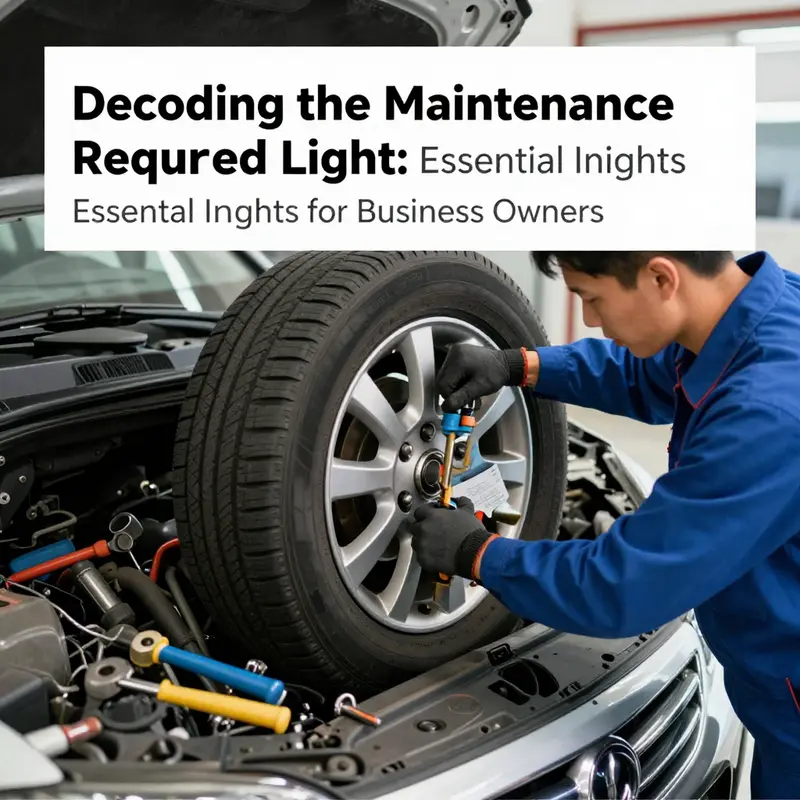
When the Maintenance Required light glows on a dashboard, it signals more than a nuisance. It is a proactive invitation to care for the car you depend on every day. The light is not a diagnosis of a broken part; instead it is a countdown to scheduled service based on miles, time, or both. This distinction matters because maintenance is about prevention, not panic. A car can continue to run with the light on, but ignoring it invites unseen wear that accumulates over months and miles. The maintenance system uses data collected by sensors, the odometer, and the vehicle’s computer to forecast when routine tasks should occur. Respecting this forecast protects engine health, preserves performance, and reduces the risk of surprise failures. The mindset change is simple and powerful: view the light as a careful steward’s nudge rather than a mark of trouble yet to come. That shift makes preventive care approachable rather than intimidating. And it signals that knowledge about your vehicle isn’t something reserved for experts; it is a practical skill that keeps you safer on every trip. By embracing the maintenance signal, you begin to participate in a quiet, ongoing dialogue with the car, one that balances current comfort with future reliability and value. This dialogue, in turn, reduces the friction between day-to-day driving and long-term ownership goals, turning routine service into an asset rather than a burden.
Automotive maintenance is built on a simple principle: small, timely actions beat larger, costly repairs. The light typically triggers after a defined interval since the last service—often around seven thousand to ten thousand miles—or after a certain period of time, whichever comes first. The tasks that follow are not always dramatic; they include oil and filter changes, tire rotation, and basic inspections of brakes, belts, fluids, and lights. When these checks are performed, the car operates with consistent lubrication, proper tire contact with the road, and clear visibility. The goal is efficiency and safety, not mere compliance with a schedule. Behind the scenes, the clock and the odometer work together with wear sensors and fluid analytics to tell a story about how the car is aging under your daily usage. The effect is real: when maintenance arrives at the right moment, you avoid the cascading wear that can turn a minor issue into a major repair bill. With discipline, a vehicle can keep pace with changing road conditions, climates, and driving patterns for years.
Ignorance of the light can erode efficiency and safety. Worn engine oil loses properties that keep metal parts separated and cool. Low brake fluid or contaminated fluids can compromise stopping distances. A neglected tire rotation leaves tires wearing unevenly, reducing grip and increasing the risk of blowouts. The transmission, cooling system, and battery all rely on timely service to maintain performance. In the long run, minor issues may compound into bigger problems that strain your budget and undermine confidence in the vehicle. This is why manufacturers place such emphasis on a predictable maintenance cadence and why many warranties hinge on following it. Regular service also preserves resale value, since evidence of a well-maintained history is a valuable asset to future buyers who weigh longevity and reliability just as much as current features. A consistent schedule reduces guesswork for everyone—a mechanic, a driver, and the family that shares the car.
When the light comes on, the correct response is not to panic but to act with purpose. Start by consulting the owner’s manual to confirm which services are due and how they align with your current mileage and time since last service. The manual also explains whether the light is merely a reminder or tied to a specific maintenance item. If you recently completed the indicated service, the light may need to be reset; if you plan a visit soon, you can still drive cautiously, but you should schedule service promptly. You should log the mileage and the date when reminding services occurred, so you can track future intervals with clarity. If there is any doubt, call your service provider or dealer for guidance. They can interpret the light in the context of your exact make and model, which matters because the maintenance plan varies across brands and engines. In some vehicles, the information is integrated into the central information display, and in others it remains a simple bulb on the instrument cluster. Either way, the principle is the same: treat the light as a reliable prompt rather than a mysterious fault and use it to anchor a practical plan.
For effective preventive care, consider more than the obvious oil change. The light is a reminder to review a broader checklist: tire pressure and tread depth, brake pads and rotors, battery health, fluid levels, wiper blades, and the operation of lights and sensors. Modern cars bring more sophisticated tools into the routine, including condition-based maintenance that triggers services based on actual wear and use rather than only fixed intervals. This approach makes maintenance more efficient because it targets what the car really needs, when it needs it, and it relies on measurable conditions such as oil life estimates, brake wear sensors, and coolant temperatures. When these condition-based systems align with human observations and a sound schedule, the vehicle stays safer, more economical to operate, and more reliable across seasons and miles. The result is not a rigid ritual but a flexible, evidence-based plan that respects the car’s individuality while meeting general safety and performance standards. By merging automated insights with practical human judgment, you create a maintenance rhythm that adapts to your life and the vehicle’s aging curve.
Ultimately, preventive maintenance preserves safety, performance, and value. Regular care supports smoother acceleration, steadier fuel economy, and better overall reliability. It also helps satisfy safety regulations and warranty terms, which often require diligent adherence to the manufacturer’s plan. The value becomes especially clear when you consider the cost difference between routine service and an unplanned repair. A routine oil change is far less expensive than a sudden failure in a critical system in midweek traffic. The maintenance light, therefore, should be treated not as an inconvenience but as a stewardship tool that invites you to protect what you drive, the people who ride in it, and the long-term equity of the vehicle. This stewardship extends beyond the mechanical. It includes awareness of driving conditions, weather, and daily routines that affect wear. A car that travels with regular, informed care experiences fewer disruptions, fewer trips to the shop, and more predictable performance when you need it most. The light is a friendly reminder that preventive care is not optional; it is integral to the life the vehicle can offer.
To make the most of the signal, consider practical habits that translate into lasting benefits. Keep a maintenance log that captures mileage, service dates, and what work was performed. Use reminders in your calendar or the vehicle’s own notification system to prompt the next service window. Keep a small notebook in the glove box or use a digital record that travels with the car. When a service is due, you can prepare ahead: know the recommended tasks, gather the relevant records, and arrive with a clear sense of the work required. A quick pre-visit checklist can save time at the shop and ensure nothing is overlooked. Check tire pressures first, inspect tire wear, look for oil leaks around the engine, ensure coolant levels are adequate, and verify that all lights are functioning. These micro-checks, done with intention, translate into fewer emergent repairs and a smoother path through busy schedules. As the vehicle ages, the maintenance history becomes more valuable, narrating a story of care that prospective buyers read as clearly as a mileage tally.
As you gain confidence, the Maintenance Required light can become a compass rather than a nuisance. It nudges you toward a regular cadence that protects the engine’s lubricating film, the transmission’s delicate seals, and the braking system that keeps you and others safe. It aligns with a growing trend in car care that couples automated diagnostics with human judgment. In this space, maintenance is not a single event but an ongoing practice that adjusts to your driving style, climate, and vehicle age. When you treat the light as a prompt rather than a verdict, you are practicing preventive maintenance in the truest sense: a continuous, informed partnership between you and your car. That partnership is reinforced when you connect with reliable information and trusted practitioners who respect the vehicle’s integrity and your time.
Those who manage their maintenance well also build a bridge between the vehicle’s performance today and its reliability tomorrow. A well-tuned engine responds crisply, consumes fuel more efficiently, and defeats the creeping anxiety of unexpected trips to the shop. The relationship is symbiotic: the car gives signals, and the driver responds with timely care. The result is safer journeys, lower long-term costs, and a stronger sense of stewardship over an asset that serves as a daily means of work, family responsibilities, and leisure. For drivers who feel overwhelmed by the complexity of modern cars, the light offers a straightforward entry point into a broader maintenance philosophy: respect the schedule, understand what is due, and stay engaged with the health of your vehicle. You are not surrendering control to a machine; you are embracing a collaborative system that keeps you moving with fewer disruptions and greater assurance. The approach also pays off in calmer experiences on the road, because the car remains predictable, responsive, and able to meet your needs in realistic timeframes.
To tie the idea back to practical navigation, remember that the Maintenance Required light should be seen as a gateway to reliability rather than a signal of failure. It signals that a service is due and invites you to verify that everything under the hood and beneath the chassis remains in good order. By following the manufacturer’s schedule, checking the basics, and leveraging the vehicle’s diagnostic tools, you extend both the life of the machine and the safety of every trip. The lesson is clear: proactive care beats reactive repairs, and discipline around maintenance sustains value and confidence behind the wheel. For drivers who want a quick roadmap, understanding dashboard signals is a practical first step. See a concise guide that breaks down common symbols and what they mean in everyday driving: Jeep dashboard symbols explained — essential guide for drivers.
In the end, you are not merely waiting for a light to tell you what to do. You are calibrating your relationship with the vehicle so that it serves you better tomorrow than it did today. The Maintenance Required light, when understood and respected, becomes a reliable ally in the ongoing project of keeping a car safe, efficient, and durable. It anchors a practical maintenance culture that suffices for most drivers: regular checks, timely services, a clear maintenance log, and a willingness to learn what each signal means in the language of your particular model. And while it is easy to become overwhelmed by the many moving parts and systems that modern cars contain, the core idea remains simple: treat maintenance as a partnership with your vehicle, not as an endless obstacle to your plans. When you do, the road ahead feels more certain, the car rewards your care with better performance, and ownership becomes a more sustainable, satisfying experience.
For official guidance and more detailed, model-specific recommendations, consult the official safety and maintenance resources provided by the automotive safety authorities at safercar.gov: https://www.safercar.gov/.
The Maintenance Required Light Unveiled: Understanding Signals, Scheduling, and the Care that Keeps Your Car Running
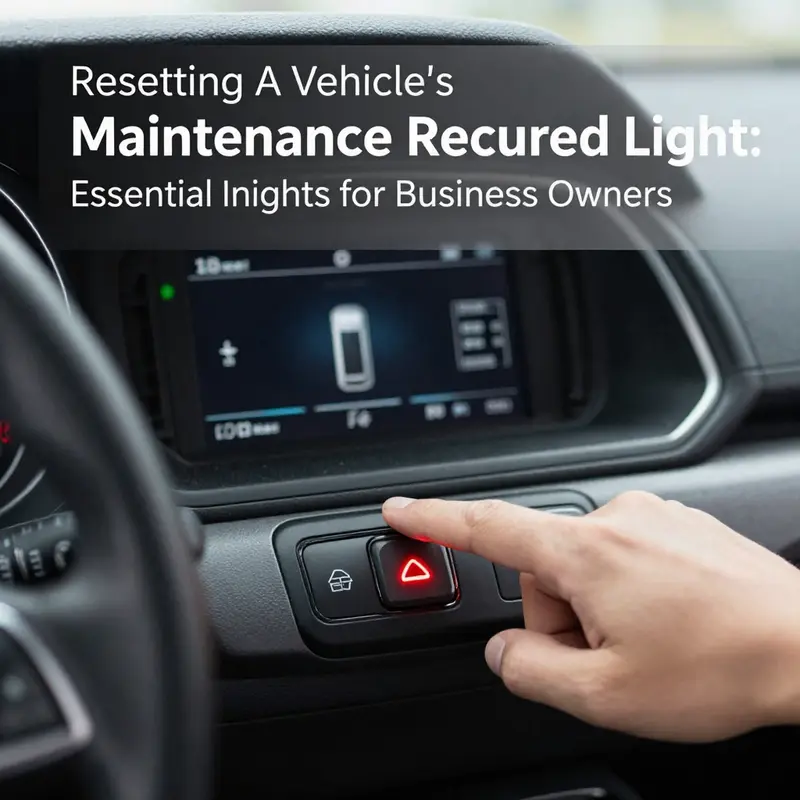
The Maintenance Required light is more than a flashing icon or a momentary nuisance. It is a deliberate, built‑in reminder from a vehicle’s preventive maintenance system, a quiet advocate for consistent care that keeps engines healthy and dashboards predictable. When it flicks to life after a stretch of driving, it signals that a scheduled service—whether an oil change, filter replacement, tire rotation, or another routine check—has moved into its next window. This reminder is not a diagnosis of a looming breakdown; rather, it is a prompt to verify that the fundamentals are in place so the car can continue to perform efficiently, safely, and economically. In practice, that means giving attention to the maintenance plan documented by the manufacturer and the service intervals recommended by the owning manual. The light is a navigation aid, guiding you toward a service visit that preserves the vehicle’s reliability and, in many cases, its warranty protections and resale value.
The way this light behaves and what it demands can vary widely from one vehicle to another. The underlying principle, however, remains simple: a car’s life is a sequence of well‑timed interventions, not a continuous cascade of improvisation. Some cars depend on mileage alone, others on time since the last service, and many use a combination of both. The onboard computer continuously monitors a constellation of operating parameters—oil quality and level, drivetrain fluid temperatures, brake wear indicators, tire pressures, and more—and, when the data indicate a service threshold has been crossed, the system triggers the reminder. This design encourages regular maintenance without requiring a driver to memorize every interval from memory, yet it also asks for diligence. After all, a reminder only helps if you respond to it with actual service.
Ignoring or deferring maintenance beyond the recommended window can create a cascade of less obvious consequences. Engine performance may decline, with slight hesitations or reduced power, and fuel efficiency can slip as friction and wear accumulate. Tires wear unevenly or lose their optimal grip, affecting handling and stopping distances in ways that are not immediately apparent. In the broader picture, skipping services can complicate warranty coverage or lead to more costly repairs down the line. The maintenance light, then, is a safeguard that pushes drivers to treat age and use as variables to be managed rather than mysteries to be ignored. It is also a reminder that a vehicle’s health care is ongoing work, not a single event at the time of purchase.
To interpret the reminder correctly, the owner’s manual remains the most trusted guide. The manual will spell out what triggers the light in that particular make and model, and it will outline which services are typically included in the routine interval. Some vehicles count miles rolled since the last reset, while others add a clock or calendar component, or combine both so that even if you drive fewer miles in a year, time itself can trigger a service reminder. This dual nature means that a service may be recommended at a certain mileage, or at a certain time since the last visit, or at the intersection of both criteria. The exact maintenance items—oil changes, filter replacements, fluid level checks, and safety inspections—will be itemized, along with recommended service intervals, so that you can plan ahead and align your schedule with the vehicle’s expectations. In many cases, the manual also explains how to record completed maintenance and how to reset the indicator after service, which ensures that the reminder remains aligned with the actual care the car has received.
The reset process itself is a topic that invites careful attention. It is essential to reset only after the required maintenance has actually been performed, because the reset is not a trophy for successful avoidance of service. A premature reset can mask an overdue service and invites the risk of driving past the intended maintenance window, with potential safety implications and warranty considerations. This is particularly true for vehicles that use a blended trigger system, where both mileage and time are factors. If the service has been completed, the reset is often a procedural step, a way to re‑synchronize the reminder with the car’s service history. The manufacturer’s instructions may be tucked away in the owner’s manual, but many drivers discover that the reset sequence is embedded in the instrument cluster or accessible through the vehicle’s settings menu.
Across the broad landscape of automobile design, reset methods range from simple button presses to menu navigation within the digital cockpit. A generic pattern you may encounter involves turning the ignition to a simple on position without starting the engine, then engaging a dedicated control—often labeled with terms like RESET or TRIP—and holding it until the indicator acknowledges the reset. In other cases, the sequence is more involved, requiring precise timing or a combination of pedal and button actions. The diversity is part of why consulting the manual remains essential: a single model may require an ignition procedure and a specific sequence for the trip button, while another may rely on a settings path through the information display.
Newer vehicles, with fully digital dashboards and touch‑screen infotainment systems, sometimes simplify or conceal the reset behind an on‑screen journey through menus. Drivers may find a path that begins with Settings, then Vehicle Information or Maintenance, and ends with a clear option to reset or clear the reminder. The shift toward digital interfaces promises convenience, but it also places a premium on ensuring that the actual service has been performed before the reminder is cleared. In some cases, a completed service on the dealership side can automatically clear the reminder through diagnostic tools, which helps preserve an accurate service history and avoids confusion for future maintenance needs.
The practical takeaway is straightforward: when the light appears, verify that the associated maintenance has occurred and use the manufacturer’s recommended method to reset. If you’re unsure, seek the guidance of a qualified technician or a dealership service department. A quick diagnostic check can confirm that the service interval was met and that no additional issues have arisen that the light might be signaling in a different guise. It is also worth noting that the maintenance reminder is sometimes tied to a calendar or mileage window that has passed in the months since the last service, even if the car’s daily use has not dramatically increased. In such cases, the reset remains appropriate after the service, but you may also find that a due date prompts a reminder for fluids or inspections that transcend the basic oil change.
For drivers who want to stay ahead of the curve, a practical habit is to keep a simple record of maintenance performed between visits. A log entries system—date, mileage, service type, and any parts replaced—helps you stay aligned with the manufacturer’s plan and provides a clear trail for warranty claims or resale discussions. This habit is especially valuable for families, fleets, or vehicles with multiple owners, where service histories can become fragmented. It also supports smoother dealership visits, since technicians can quickly review a vehicle’s recent care and confirm that the appropriate intervals have been respected. In this sense, the maintenance light becomes less of a mystery and more of an organized routine, a signal that you are actively managing the vehicle’s health rather than reacting to it after a fault manifests.
If a driver is curious about the broader landscape of dashboard indicators beyond the maintenance reminder, a resourceful approach is to learn the symbols that commonly appear on the instrument panel and what they usually imply. This is where a concise overview of dashboard symbols—without overloading on brand specifics—can empower safer driving and better maintenance decisions. For readers who want a targeted example, a practical chart can highlight the meaning of common indicators and how to respond, enabling you to interpret the maintenance light in the context of your car’s broader status. For further reading on dashboard symbols and their meanings, see the guide linked here: Jeep dashboard symbols explained: essential guide for drivers.
Ultimately, the maintenance light is part of a broader philosophy of vehicle care: a car ages gracefully when its owner treats routine service as a built‑in obligation rather than an optional chore. The light does not diminish the vehicle’s capability; it reinforces the idea that predictable care preserves performance, extends component life, and preserves safety. Resetting the reminder after proper service is a small but meaningful act of stewardship, signaling that the vehicle’s health history remains accurate and that the vehicle is ready for the next leg of its journey. As technology advances, the exact steps may evolve, but the core principle endures: maintenance performed on schedule, followed by correct reset, keeps the car reliable, efficient, and ready for the road ahead.
External knowledge and guidance from established automotive publications consistently emphasize the same caution: do not reset until after service is complete, verify the specific procedure for your make and model, and seek professional help if the steps are unclear. Detailed, model‑specific instructions are best found in the official documentation or through certified service technicians who can safely perform the reset with diagnostic equipment when appropriate. For general context on maintenance and the role of dashboard reminders, see the formal guidance offered by a major automotive information source. External reference: https://www.autocar.co.uk/car-review/.
Final thoughts
Addressing the ‘Maintenance Required’ light effectively is paramount for business owners to ensure their fleet remains dependable and efficient. Regular preventive maintenance, as discussed, not only helps in adhering to operational schedules but also mitigates the risk of unexpected breakdowns and costly repairs. As a critical aspect of managing a healthy fleet, understanding the triggers for the maintenance light, executing timely maintenance, and knowing how to reset it can boost overall operations. Ultimately, a proactive approach to vehicle maintenance embodies responsible stewardship and affirms a commitment to quality service within your business.