

Understanding the Importance of ‘Service Vehicle Soon’
Have you ever found yourself wondering about the financial implications of a looming vehicle breakdown? For business owners, particularly those operating service vehicles like pizza trucks, the phrase ‘Service Vehicle Soon’ can evoke both urgency and stress. Imagine your truck, the heart of your business, flashing that warning light just before the Friday night rush. What does that mean for your operations, your customers, and ultimately, your bottom line? The unexpected downtime of a delivery vehicle can not only cripple your schedule but also lead to a loss of income and customer satisfaction. Managing a fleet of vehicles requires foresight and attention, as effective maintenance is crucial in avoiding costly repairs down the line. Knowing when to service your vehicle can save time and money, ensuring you can focus on delivering delicious meals instead of dealing with repair headaches. Understanding the meaning and implications of the ‘Service Vehicle Soon’ message is essential for maintaining an efficient operation which directly impacts your business success. To delve deeper into vehicle management strategies and optimized maintenance practices, visit our blog for valuable tips.
Understanding ‘Service Vehicle Soon’
The term “Service Vehicle Soon” is commonly used in the context of vehicle maintenance and refers to an alert or notification indicating that a vehicle is due for servicing. This can apply to commercial and personal vehicles alike, with significant implications for business owners who rely on vehicles for their operations. Here’s a breakdown of what this term means and why it matters:
1. What It Indicates
When you see the “Service Vehicle Soon” message, it suggests that the vehicle will soon need attention regarding maintenance tasks such as oil changes, brake inspections, or other important checks. This notification serves as a prompt to address any potential issues before they escalate into more serious problems.
2. Implications for Vehicle Maintenance
- Preventative Care: Understanding that a vehicle requires service soon is crucial for maintaining its health. Addressing maintenance needs promptly can prevent unexpected breakdowns and extend the vehicle’s lifespan.
- Scheduled Maintenance: Most vehicles operate on a service schedule, which could range from a few thousand to tens of thousands of miles. By adhering to these schedules, you ensure that your vehicle is performing at its best.
3. Impact on Business Operations
- Minimizing Downtime: For businesses that depend on vehicles for deliveries or service calls, adhering to maintenance schedules can significantly reduce downtime. This means vehicles are more likely to be available when needed, ensuring that operations run smoothly.
- Cost Efficiency: Regular vehicle servicing can lead to cost savings over time. Small repairs or maintenance tasks are typically less costly than major repairs required after a breakdown.
- Safety Compliance: Keeping vehicles in good condition is not just a good practice; it often aligns with legal and safety regulations. Compliance protects your drivers and reduces liability risks associated with vehicle accidents caused by poor maintenance.
4. Conclusion
In summary, the notification “Service Vehicle Soon” acts as an important reminder for vehicle maintenance. Business owners should prioritize these alerts to ensure operational efficiency, financial savings, and safety compliance. For more insights into vehicle maintenance strategies, check out our article on vehicle tricks to enhance your fleet management.
By understanding the implications of this term, you can better optimize your vehicle use and keep your business running smoothly.
-
Oil Change Required: One of the most frequent triggers for this warning is the need for an oil change, which is essential for engine longevity.
-
Scheduled Maintenance Due: The vehicle might be due for regular maintenance according to the manufacturer’s service schedule, such as tire rotations or fluid flushes.
-
Fluid Levels Low: Critical fluids such as engine oil, coolant, brake fluid, or transmission fluid could be low, affecting the vehicle’s performance and safety.
-
Engine or Transmission Issues: There could be underlying mechanical problems, such as faults in the engine or transmission that need diagnostic attention.
-
Battery Health: A failing battery or issues with the vehicle’s electrical system can trigger this warning to alert drivers.
-
Oxygen Sensor Failure: This could indicate that the vehicle’s emissions system is not functioning correctly, which can lead to increased emissions and reduced fuel economy.
-
Faulty Spark Plugs or Ignition Coils: Problems in the ignition system may result in reduced engine performance, triggering the warning.
-
Check Engine Light Activation: If the check engine light is also illuminated, it may be accompanied by this warning due to various engine management issues.
If you are experiencing this warning, it’s prudent to consult your vehicle’s manual or seek assistance from a qualified mechanic to ensure that the necessary checks and repairs are performed timely. For more information on maintaining your vehicle, you can learn more about vehicle maintenance.
Understanding these conditions can help avoid more significant issues and keep your vehicle running efficiently, maximizing its lifespan for business needs.
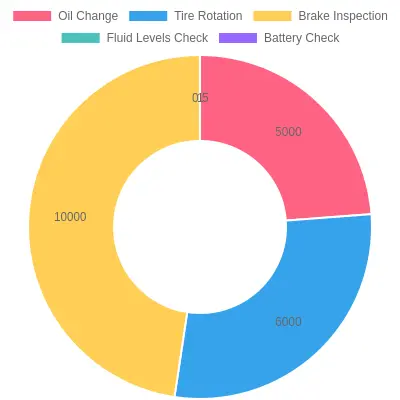
The Importance of Regular Maintenance for Vehicle Longevity
For business owners who rely on vehicles, understanding and addressing the importance of regular maintenance is crucial. Not only does it prevent the dreaded ‘Service Vehicle Soon’ warning, but it ensures the longevity of vehicles and promotes peace of mind in everyday operations.
What Does ‘Service Vehicle Soon’ Mean?
The ‘Service Vehicle Soon’ warning is normally an indicator that your vehicle needs attention. Ignoring such warnings can lead to significant issues, including breakdowns that disrupt business operations. Regular maintenance, however, helps to prevent these warnings from popping up unexpectedly, thereby ensuring your vehicles operate at peak performance.
Preventing Warnings and Extending Vehicle Longevity
Investing in regular maintenance is akin to investing in your business’s stability. Here are some key benefits of maintaining a regular service schedule:
- Avoid Unexpected Repairs: Routine checks can catch small problems before they escalate into major expenses, preventing delays and unplanned downtime.
- Enhanced Fuel Efficiency: Well-maintained vehicles consume fuel more efficiently. This not only helps the environment but also reduces operational costs significantly.
- Improved Resale Value: Keeping detailed records of maintenance enhances the resale value of your vehicles, a valuable consideration if you decide to upgrade your fleet. Learn more about the benefits of maintenance.
- Safety and Compliance: Maintenance checks ensure compliance with safety standards, giving you peace of mind that your vehicles and employees are safe.
Peace of Mind for Business Owners
Regular vehicle maintenance inherently brings a sense of security. For business owners, the risk of vehicle breakdown is a direct threat to productivity and profitability. You can sleep easier knowing you have taken the steps necessary to avoid inconvenient disruptions. Moreover, the emotional toll of sudden repairs-both in terms of finances and operational efficiency-can be alleviated through proactive maintenance.
In conclusion, the importance of regular maintenance cannot be overstated. For businesses that rely on vehicles, committing to this practice is essential, not just for the health and longevity of the vehicles, but also for ensuring smooth operations and enhancing peace of mind. By acting before the ‘Service Vehicle Soon’ warning appears, you’re not only protecting your investment but also solidifying your business’s reputation for reliability and efficiency.Explore more about vehicle upkeep.
Comparison of Maintenance Costs vs. Potential Repair Costs
Understanding the financial implications of regular vehicle maintenance compared to the costs of ignoring it can significantly impact business owners. Below is a table that presents an overview of typical maintenance costs against potential repair costs resulting from neglected maintenance tasks:
| Maintenance Type | Average Annual Cost | Potential Repair Cost (Neglecting Maintenance) | Notes |
|---|---|---|---|
| Oil Changes | $60 – $120 | Engine replacement: $3,000 – $5,000 | Regular oil changes prevent engine wear. |
| Tire Rotations | $30 – $60 | Tire replacement: $400 – $800 | Rotating tires extends their life and helps avoid uneven wear. |
| Brake Inspections/Repairs | $100 – $300 | Brake system failure: $1,000 – $2,500 | Regular inspections prevent serious brake failure. |
| Fluid Checks/Replacements | $50 – $150 | Transmission repairs: $1,500 – $3,000 | Neglecting fluids can lead to major transmission issues. |
| Air Filter Replacement | $20 – $50 | Decreased fuel efficiency leading to higher costs | Dirty filters can affect engine performance and fuel economy. |
| Total Annual Maintenance Estimate | $500 – $1,000 | Potential total repair costs: $7,000 – $12,000 | Proactive maintenance is significantly cheaper than neglect. |
Conclusion
This table illustrates that regular maintenance costs are relatively low compared to potential repair costs that can arise from neglect. Business owners should prioritize vehicle maintenance to avoid high expenses that could arise from serious vehicle issues. For more tips on vehicle maintenance, explore our blog on vehicle tricks.
“Ignoring alerts such as ‘Service Vehicle Soon’ can lead to more serious problems down the road. Regular maintenance is not just about performance; it significantly affects safety and longevity.” – Automotive Expert
Vehicle Maintenance Tips for Small Business Owners
-
Regular Inspections: Schedule monthly inspections to check fluid levels, brake systems, tires, and lights. An inspection checklist can ensure nothing is overlooked. You can create a simple vehicle maintenance checklist tailored to your specific needs.
-
Oil Changes: Change the oil regularly according to the manufacturer’s recommendations, typically every 5,000 to 7,500 miles. Using high-quality oil can prolong engine life.
-
Tire Care: Maintain proper tire pressure, as under-inflated tires can reduce fuel efficiency and cause premature wear. Rotate tires every 5,000 miles and replace them as needed.
-
Brakes Maintenance: Regularly check the brake pads and rotors for wear. Squeaking sounds or a soft brake pedal may indicate it’s time for service.
-
Battery Checks: Inspect the battery terminals for corrosion and clean them as necessary. A weak battery can lead to roadside emergencies.
-
Windshield Wipers: Replace windshield wipers at least once a year or if they leave streaks, ensuring clear visibility in wet conditions.
-
Fluids Top-Up: Regularly check and refill fluids, including coolant, brake fluid, and transmission fluid, to keep your vehicle running smoothly.
-
Interior and Exterior Cleaning: Regularly wash the vehicle and remove debris from the interior. This helps maintain a professional appearance and prevents rust.
-
Invest in GPS Tracking: Utilize GPS for tracking vehicle performance and maintenance reminders, adding an extra layer of management to your fleet.
-
Documentation: Keep a detailed maintenance log for each vehicle. This assists in troubleshooting and ensures that each vehicle is maintained according to its specific needs.
By following these simple maintenance tips, small business owners can keep their service vehicles in top condition, which can ultimately lead to operational savings and improved customer satisfaction. For an in-depth look at vehicle upkeep, including how to save on gas expenses, you can learn more here.
These tips can help minimize unexpected breakdowns and maintain a professional image on the road. Regular vehicle maintenance is not just about prolonging the life of the vehicle; it’s also crucial for the efficiency and productivity of your business.
Make vehicle upkeep a priority in your business operations!
Consequences of Ignoring ‘Service Vehicle Soon’ Alerts
Ignoring a ‘Service Vehicle Soon’ alert can lead to various immediate and long-term consequences, particularly for business owners who rely on their vehicles for operations. Understanding these consequences is crucial not only for the safety of drivers and passengers but also for the financial health of the business.
Immediate Consequences
-
Mechanical Failure: The most pressing issue is the risk of mechanical failure. A vehicle may experience a breakdown in the middle of a job or on the way to a client. This not only inconveniences the service but can also damage your business’s reputation.
-
Increased Repair Costs: Minor issues often escalate into significant problems if ignored. For example, a simple oil change that is pushed back can lead to engine wear and tear, resulting in much costlier repairs. According to a source, neglecting vehicle maintenance can exceed operational costs significantly, potentially leading to unexpected breakdown expenses totaling over $2 billion annually in the U.S. (Imported Auto CT).
-
Safety Hazards: A neglected vehicle is a safety risk. Issues like brake failure or tire blowouts can lead to accidents, putting drivers and others on the road in danger. This kind of negligence can also increase liability, as businesses may be held responsible for accidents that occur due to lack of maintenance (Kalfus Nachman).
Long-term Consequences
-
Reduced Vehicle Lifespan: Regular maintenance is essential for extending the life of a vehicle. Ignoring routine checks and services can lead to chronic problems that shorten the overall lifespan of the vehicle, costing more in the long run when replacements become necessary.
-
Reduced Resale Value: A poorly maintained vehicle loses its value more quickly than one that has been properly cared for. This can significantly impact the bottom line when it’s time to sell or trade in the vehicle.
-
Impact on Operations: Routine breakdowns and maintenance issues can disrupt business operations, leading to lost revenue and decreased productivity. Vehicles that are regularly serviced are less likely to encounter issues that cause delays in completing work for clients.
Conclusion
Ignoring a ‘Service Vehicle Soon’ alert is a gamble that business owners cannot afford to take. The potential costs – from safety risks to financial burdens of repairs and lost operational efficiency – underscore the importance of regular vehicle maintenance. Prioritizing timely maintenance not only ensures safety and reliability but ultimately supports better business performance.
For more tips about vehicle maintenance, check out our article on how vehicle maintenance saves on gas expenses.
Conclusion
In conclusion, understanding the significance of service vehicle alerts is paramount for business owners. Responding to maintenance alerts proactively can prevent serious issues, enhance safety, and extend the life of your vehicles. Ignoring these alerts can not only lead to costly repairs but may also jeopardize your operational efficiency. Regular maintenance ensures your fleet operates at peak performance, minimizing downtime and maximizing productivity.
Moreover, maintaining accurate records of servicing can bolster the resale value of your vehicles-an essential factor for businesses looking to optimize their asset management.
If you’re considering new avenues to diversify your business, putting a pizza truck on the road could be a great idea! With the growing demand for mobile food services and the benefits of flexibility and lower overhead costs, launching your own mobile pizza business could not only yield profits but also allow you to bring delicious food to your customers directly. For more insights on starting a pizza truck business, visit truckpizza.net.
Take action today and ensure your vehicles are running smoothly while exploring exciting business opportunities like a mobile pizza service!