
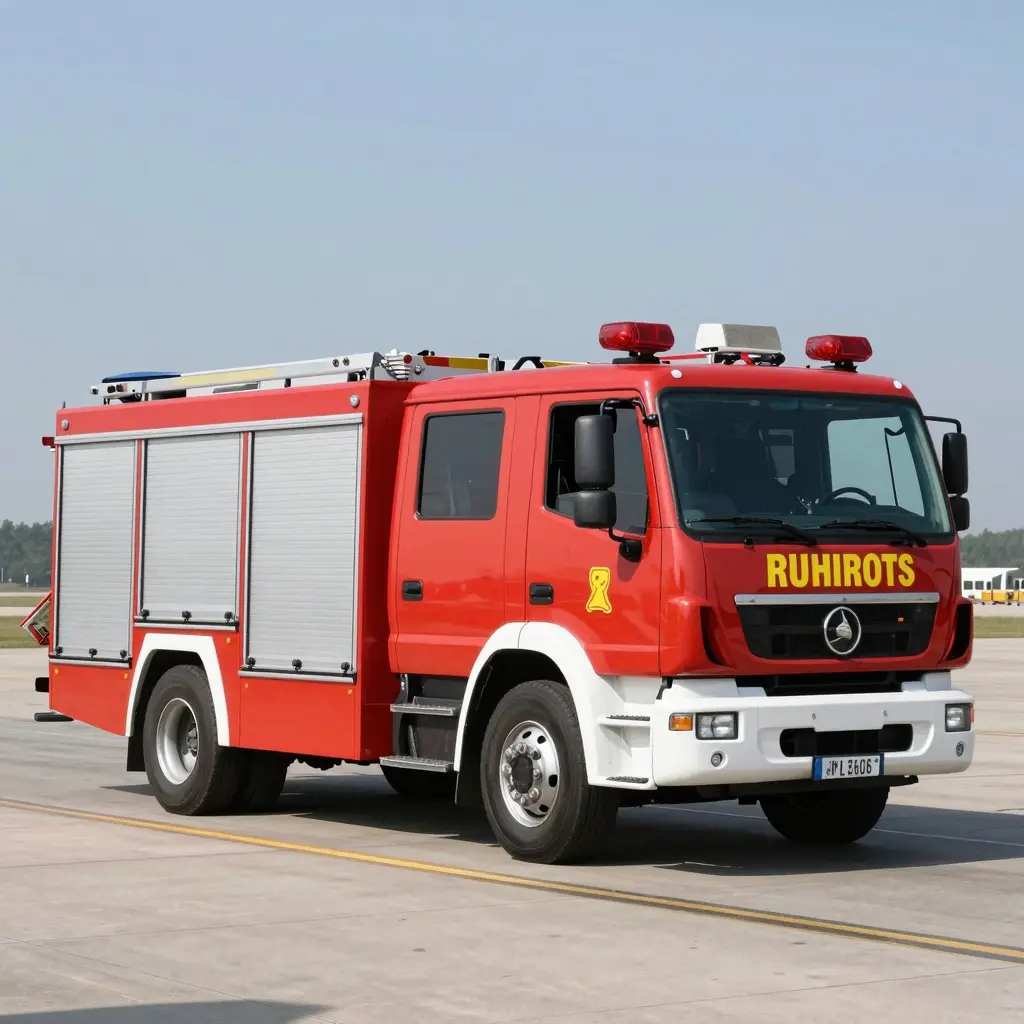
In the bustling world of aviation, ensuring safety is not just an option but a necessity. Airport fire trucks play a critical role in safeguarding lives, aircraft, and property during emergencies. Equipped with sophisticated technology and advanced firefighting capabilities, these specialized vehicles are designed to respond swiftly and effectively to various incidents that can occur at airports, from aircraft fires to hazardous material spills. With an efficient emergency response system in place, airport fire departments significantly enhance overall safety and mitigate potential disasters. Investing in top-tier airport fire trucks is crucial for any airport operation, ensuring that business owners are not only compliant with safety regulations but also prepared for the unexpected. In this article, we delve deeper into the crucial functions of airport fire trucks, emphasizing their importance in promoting safety and efficiency in aviation operations.
Features of Modern Airport Fire Trucks
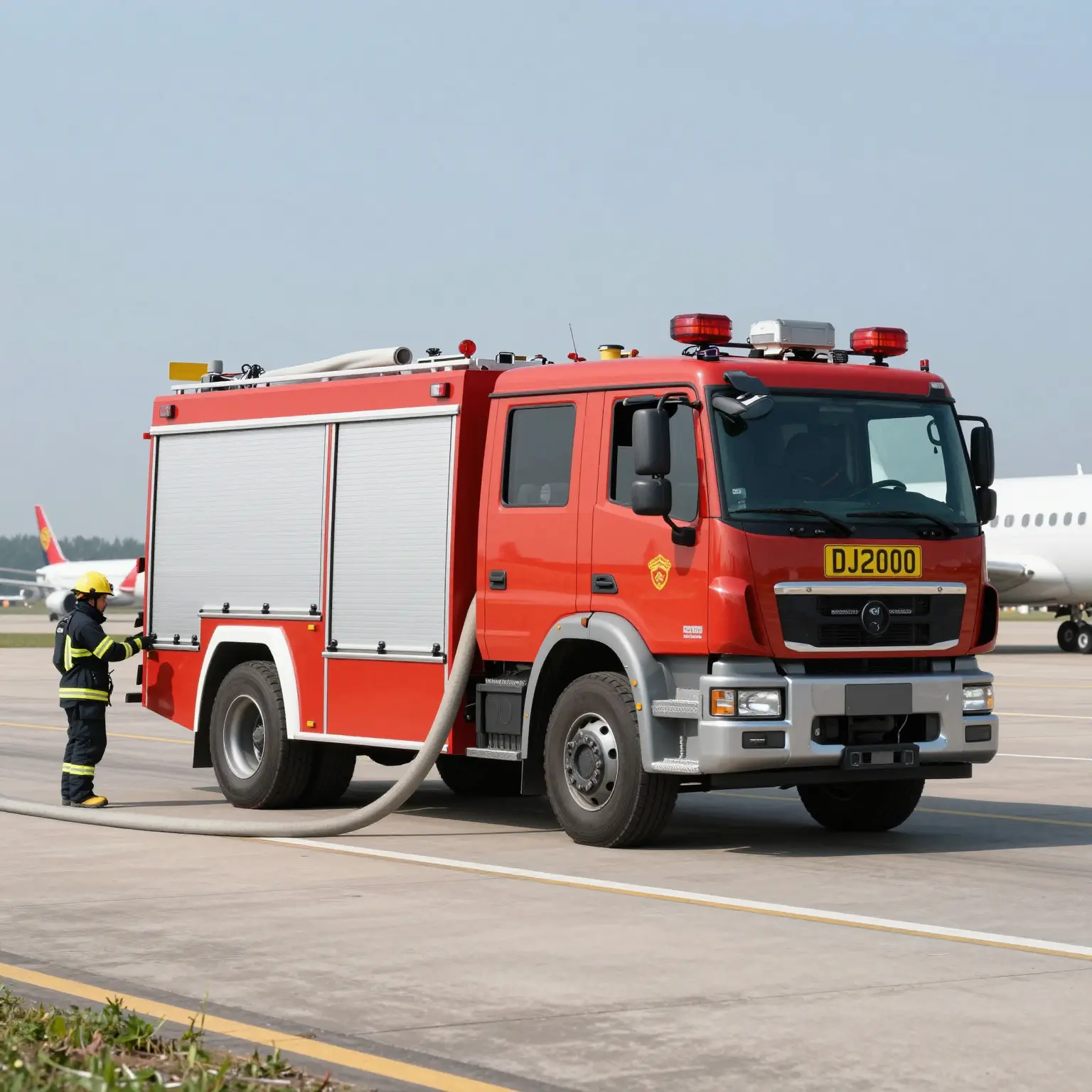
Airport fire trucks, also known as Aircraft Rescue and Fire Fighting (ARFF) vehicles, play a vital role in maintaining safety at airports by responding rapidly to emergencies. These specialized vehicles are designed with numerous advanced features that enhance their firefighting capabilities. Let’s delve into some key attributes:
1. Foam Delivery Systems
One of the most critical features of modern airport fire trucks is their foam delivery systems. These systems are designed specifically to combat fuel fires, which are common in aviation scenarios. Foams, particularly AFFF (Aqueous Film Forming Foam), create a blanket over burning fuels, effectively smothering the fire and preventing re-ignition. This capability significantly improves the success rate of fire suppression in emergency situations, allowing for faster resolution and reducing potential damages.
2. High Water Capacity
Modern airport fire trucks are equipped with substantial water tanks, typically ranging from 6,000 to 10,000 liters. This high capacity allows them to deliver a continuous supply of water during firefighting operations, which is crucial for effective suppression. For example, the Beiben 6×6 airport fire truck boasts an impressive 8,000-liter water tank coupled with a 1,000-liter foam tank, enabling it to tackle extensive fire emergencies effectively. Such high water capacity is vital as aircraft fires can escalate quickly, making prompt and sustained response imperative.
3. Advanced Navigation Systems
To enhance response time, modern airport fire trucks come equipped with advanced navigation and communication systems. These features ensure that the vehicles can quickly and efficiently maneuver through the airport’s complex layout, especially during emergencies. GPS technology, for instance, aids in identifying the quickest routes to the point of emergency, while integrated communication devices allow firefighters to coordinate with airport authorities and other emergency services seamlessly.
4. Enhanced Safety Features
In addition to the firefighting capabilities, many airport fire trucks include safety features tailored for firefighter protection. These may include personnel cabins designed with reinforced structures, fire-resistant materials, and quick-release doors for emergency evacuations. Moreover, with the integration of technology, many vehicles are designed for better visibility under various environmental conditions, enhancing safety markedly.
Overall, modern airport fire trucks are indispensable to the emergency response framework at airports. Their sophisticated features not only enhance firefighting capabilities but also play a crucial role in protecting lives and property during aviation emergencies. If you’re interested in learning more about specific models and products, you can explore our airport fire trucks category. For additional firefighting solutions, check out our industrial fire truck options.
Benefits of Using High-End Fire Trucks in Airports
Utilizing advanced fire trucks in airport operations can significantly enhance safety, efficiency, and responsiveness. Here are some key benefits for airport businesses:
- Improved Response Times: High-end fire trucks are designed for rapid deployment and maneuverability, ensuring quick responses to emergency situations, which is crucial in minimizing potential damage and loss of life.
- Reduced Risks of Fire Spread: With advanced firefighting technology, these trucks can effectively contain and extinguish fires before they spread, protecting aircraft and airport facilities.
- Increased Operational Efficiency: Modern fire trucks are equipped with powerful engines and large water tanks, allowing for prolonged firefighting efforts without the need for frequent refills, thus improving overall operational efficiency.
- Enhanced Safety Features: Many advanced fire trucks come with state-of-the-art safety features, including high-visibility designs, improved stability, and sophisticated communication systems that enhance crew safety during emergencies.
- Cost Efficiency: Investing in high-quality fire trucks can lead to reduced long-term costs by minimizing damage, decreasing insurance premiums, and saving on manpower and resources in emergency situations.
These advantages highlight the importance of investing in airport fire trucks to ensure effective firefighting and rescue operations at airport facilities.
Comparison of Airport Fire Trucks
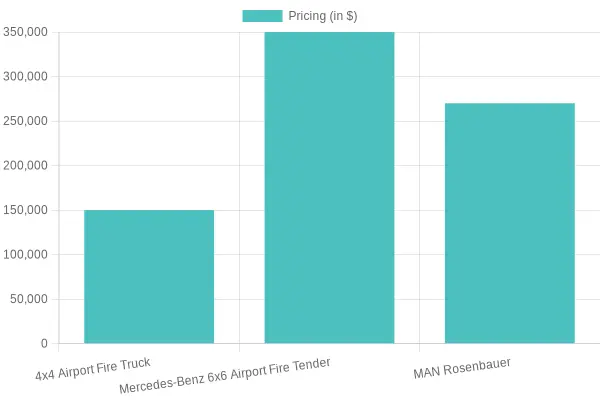
The following table highlights key specifications and features of different models of airport fire trucks, focusing on their capacity, technology, and pricing:
| Model | Capacity | Technology | Pricing |
|---|---|---|---|
| 4×4 Airport Fire Truck | 5000L | 120L/s fire pump | $150,000 |
| Mercedes-Benz 6×6 Airport Fire Tender | 11000L | Advanced operational features | $350,000 |
| MAN Rosenbauer | 8000L | Advanced firefighting technology | $270,000 |
Details on Models:
- 4×4 Airport Fire Truck: This model is capable of carrying 5000 liters of water and features a fire pump that can discharge at a rate of 120 liters per second, making it suitable for quick response times.
- Mercedes-Benz 6×6 Airport Fire Tender: With a capacity of 11000 liters, this fire tender integrates advanced operational features, allowing for comprehensive firefighting capabilities at larger airports.
- MAN Rosenbauer: Sporting an 8000 liter capacity, this truck is equipped with state-of-the-art firefighting technology, designed to handle emergencies effectively.
For more details on specific models, refer to the airport fire trucks section on our website.
Industry Standards for Airport Fire Safety
Airport fire safety is governed by several international standards and regulations that emphasize the necessity of comprehensive response strategies, well-trained personnel, and effective firefighting equipment. Key organizations, such as the International Civil Aviation Organization (ICAO) and the Federal Aviation Administration (FAA), play a crucial role in establishing these standards.
Key Standards and Regulations:
- ICAO Standards:
- The ICAO sets forth fire safety regulations under Annex 14, which focuses explicitly on aerodromes. These regulations often serve as a foundational guideline for fire safety in airports worldwide.
- FAA Regulations:
- The FAA enforces stringent requirements for the Airport Rescue and Fire Fighting (ARFF) program in the U.S. This includes minimum staffing levels, training protocols, and the types of firefighting vehicles required at various airport categories.
- NFPA Standards:
- The National Fire Protection Association (NFPA) also contributes valuable resources, particularly NFPA 414, which outlines the requirements for aircraft rescue and firefighting vehicles (ARFFVs). These vehicles must be equipped to respond to various fire scenarios, including those involving fuel and structural fires.
- European Union Aviation Safety Agency (EASA):
- Similar to ICAO and FAA, EASA establishes safety codes that airports within Europe must follow, ensuring they meet required fire safety measures.
Fire Truck Specifications:
The specifications of fire trucks used in airports vary, but they typically include the following:
- Water Capacity: ARFF vehicles must have a minimum water tank capacity, ranging from 1,500 to 4,000 liters, depending on the airport category.
- Foam Capability: Fire trucks should be equipped with foam systems capable of fighting flammable liquid fires.
- Pump Rate: The minimum pump output generally needs to exceed 2,000 liters per minute, allowing quick firefighting response in emergencies.
- Speed and Maneuverability: Trucks must be able to transit the airport quickly, typically having a top speed of over 80 km/h.
- Equipment: Standard equipment includes high-pressure hose reels, nozzles, and foam tanks tailored for different fire situations.
Conclusion
Adhering to these regulations is vital for ensuring the safety and security of airport operations. Investing in compliant equipment, such as airport fire trucks, can significantly improve response times and overall safety measures in case of a fire emergency.
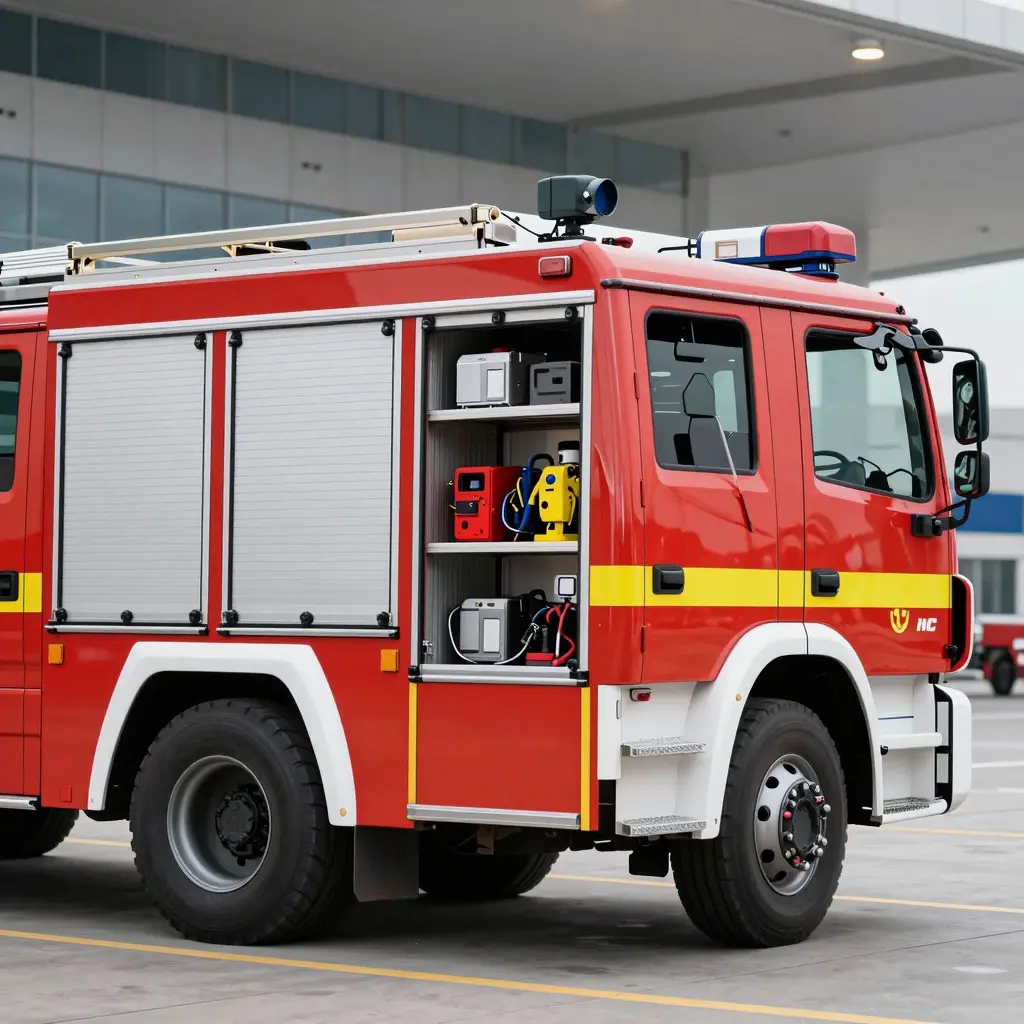
CIMC Tianda’s Contributions to the Airport Fire Truck Industry
CIMC Tianda has positioned itself as a leader in the airport fire truck industry through continuous innovation, a strong global presence, and a commitment to quality. With over 30 years of experience, the company specializes in advanced firefighting and rescue equipment tailored for airport environments. Its designs feature all-terrain capabilities, addressing the unique challenges posed by various airport conditions, enhancing safety for passengers and staff alike.
Innovations
CIMC Tianda has embraced technological advancements, integrating cutting-edge features into their fire trucks. The company has recently collaborated with Daimler Truck to enhance firefighting infrastructures and improve operational efficiencies by incorporating advanced technologies into their vehicles. This partnership is aimed at delivering high-performing fire trucks equipped with the latest firefighting systems, ensuring quick and effective responses during emergencies.
Global Presence
CIMC Tianda’s influence stretches across the globe, with a strong market presence in various countries. The company’s innovations were showcased at the recent China International Fire Show, where it captured attention for its commitment to producing high-quality airport fire trucks capable of performing under extreme conditions. This presence in international trade shows emphasizes their dedication to maintaining leadership in the global firefighting market, targeting the specific needs of airport operations globally.
Dedication to Quality
Quality is at the forefront of CIMC Tianda’s production ethos. The company focuses not only on the performance of their vehicles but also on safety standards, ensuring that all products adhere to international guidelines. Their dedication to quality is reflected in their robust range of products for airport firefighting missions, including specialized equipment for rapid response and hazardous situation management. CIMC Tianda is committed to achieving the highest levels of safety and efficiency, securing its reputation as a reliable supplier in the fire truck industry.
With a comprehensive range of products including airport fire trucks suitable for various needs, CIMC Tianda continues to push the boundaries of what is possible in emergency firefighting and rescue operations.
“We have relied on CIMC Tianda’s airport fire trucks for our operations, and they have proven to be not only reliable but also incredibly efficient in emergency response situations. Their innovative design and robust features give us confidence in our safety protocols.”
- Fire Safety Manager, International Airport
CIMC Tianda stands out in the market with its commitment to quality and excellence. For more information about their airport fire trucks, please check their extensive fire fighting truck lineup.
By prioritizing safety and efficiency, CIMC Tianda continues to set the standard for airport firefighting equipment.
Growth in Fire Safety Technology Adoption in Airports
Fire safety technology adoption in airports has seen significant growth over recent years. This chart illustrates the projected trends in the adoption of various fire safety technologies up to 2030. Factors impacting this growth include increased regulatory pressures and advancements in technology, which organizations must adhere to for enhanced safety measures.

Observations from the Chart:
- Diverse Technology Types: The chart highlights various types of technologies, including integrated safety systems and advanced detection systems.
- Future Predictions: As regulations evolve and technology advances, the adoption rate is expected to rise considerably, emphasizing the importance of these investments for airport facilities.
For more insights into specific fire-fighting trucks tailored for airport safety, explore our diverse product categories.
Investing in advanced airport fire trucks is not merely a regulatory requirement; it’s an essential strategy for ensuring the safety and operational efficiency of modern airports. These specialized vehicles are designed to handle emergencies involving aircraft incidents, equipped with unique features that enable rapid response capabilities. With an increase in air traffic, the need for effective emergency response systems grows more critical, making it imperative for airport management to prioritize the acquisition of high-quality fire-fighting vehicles. As outlined in various studies, airport fire trucks play a pivotal role in aviation safety, marked by their superb maneuverability and advanced technology.
For businesses looking to enhance their airport fire safety protocols, partnering with CIMC Tianda is a smart move. They offer tailored solutions to meet the specific needs of your airport, ensuring that you have the best resources to manage emergencies effectively. Don’t compromise on safety-contact CIMC Tianda today to explore how their specialized airport fire trucks can protect your assets and personnel. Together, we can build a safer aviation environment.