
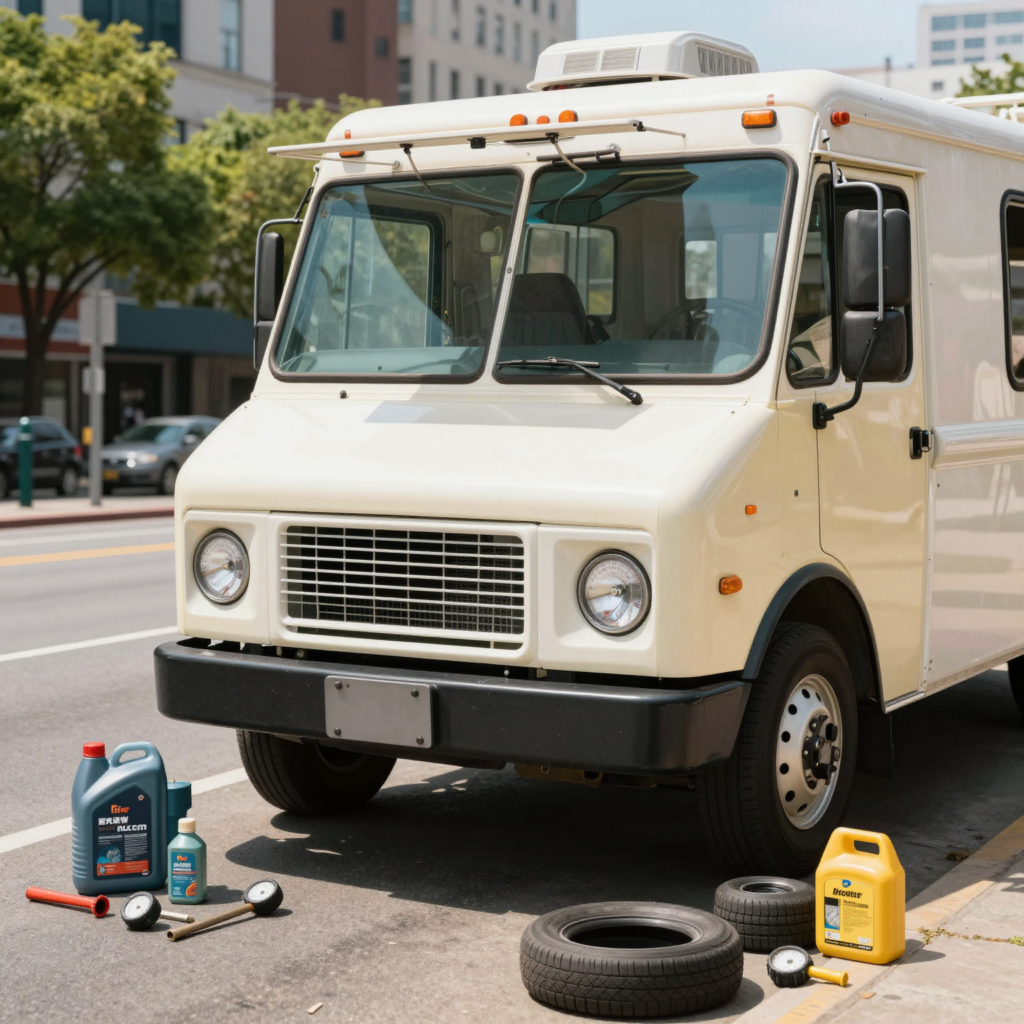
In the bustling landscape of the food truck industry, every penny counts. Business owners often find themselves juggling numerous costs, but one area where significant savings can be realized is in vehicle maintenance. Neglecting regular upkeep can lead to hefty repair bills, which can be avoided with a proactive approach to tracking maintenance costs. By meticulously documenting expenses related to tires, oil changes, and routine inspections, operators can not only ensure their vehicles run efficiently but also prevent costly breakdowns that disrupt operations. Moreover, understanding these expenses provides invaluable insights for budgeting, ultimately leading to lower overall operational costs. As you navigate the road to success, learn more about how vehicle maintenance saves on gas expenses and discover how smart tracking can propel your food truck business forward.
Common Vehicle Maintenance Costs Businesses Should Track
Maintaining a vehicle is both a necessity and a cost that business owners need to track diligently to ensure their operational efficiency and budget management. Below is a list of common vehicle maintenance costs that every business owner should keep an eye on:
- Oil Changes: Typically ranging from $30 to $75, regular oil changes are crucial for engine health. Newer vehicles may have longer intervals, while older ones may require more frequent changes.
- Tire Replacements: Expect to spend between $200 and $600 for a set of new tires, depending on the brand and type. Tire rotations, which can cost $20 to $75, help extend tire life.
- Brake Servicing: Brake repairs can cost anywhere from $100 to $300. Regular inspections are vital, as worn brakes can lead to more pressing safety issues.
- Battery Replacements: Budget for $100 to $250 for replacing batteries, especially in regions with extreme weather conditions.
- Fluid Checks and Changes: Routine maintenance evaluates and replenishes essential fluids like coolant, brake fluid, and transmission fluid, with each service costing around $50 each time.
- Engine Tune-Ups: Tune-ups can run from $100 to $300 and are necessary over time to replace spark plugs and other components that wear out.
- Preventive Maintenance Checks: Regular safety checks can help catch issues before they escalate, averaging around $100 to $200 per visit.
Business owners might also consider utilizing records of maintenance costs for tax deductions. For a detailed guide on vehicle maintenance expenses, learn more about vehicle maintenance costs. Furthermore, tracking these costs diligently can enhance fleet efficiency and save long-term expenses, as noted by various industry reports, such as those from Forbes on average maintenance costs for fleets.
Benefits of Tracking Maintenance Costs
Tracking vehicle maintenance costs is essential for business owners, offering numerous benefits that enhance budgeting, financial forecasting, and operational efficiency. By diligently monitoring these costs, businesses can identify recurring expenses, allowing for more accurate budgeting and the prevention of unforeseen repair shocks, which can disrupt financial planning. Effective maintenance tracking can result in a notable decrease in overall costs; studies suggest it can reduce unexpected breakdowns by up to 45% and annual maintenance costs by 28%.
Moreover, this practice elevates operational efficiency by transitioning from reactive to preventive maintenance strategies. Early identification of mechanical issues promotes longer vehicle lifespans and improves asset utilization. Additionally, it aids in financial forecasting, equipping business owners with the information necessary to make informed decisions about resource allocation and overhead management. For a deeper understanding of maintenance tracking, learn more here.
Embracing this strategic approach ensures stronger cost control and accountability within business operations, fostering a more sustainable financial future as highlighted by various industry analyses (HBR report).
Average Maintenance Costs for Food Trucks
When operating a food truck, understanding vehicle maintenance costs is vital for effective budgeting and business success. Based on the latest research, here is a summary of average costs:
Overview of Costs
The average maintenance cost for food trucks typically falls between $3,000 and $6,000 annually. However, various factors can affect this range, such as the truck’s type, age, usage frequency, and environmental conditions. Below are detailed cost categories:
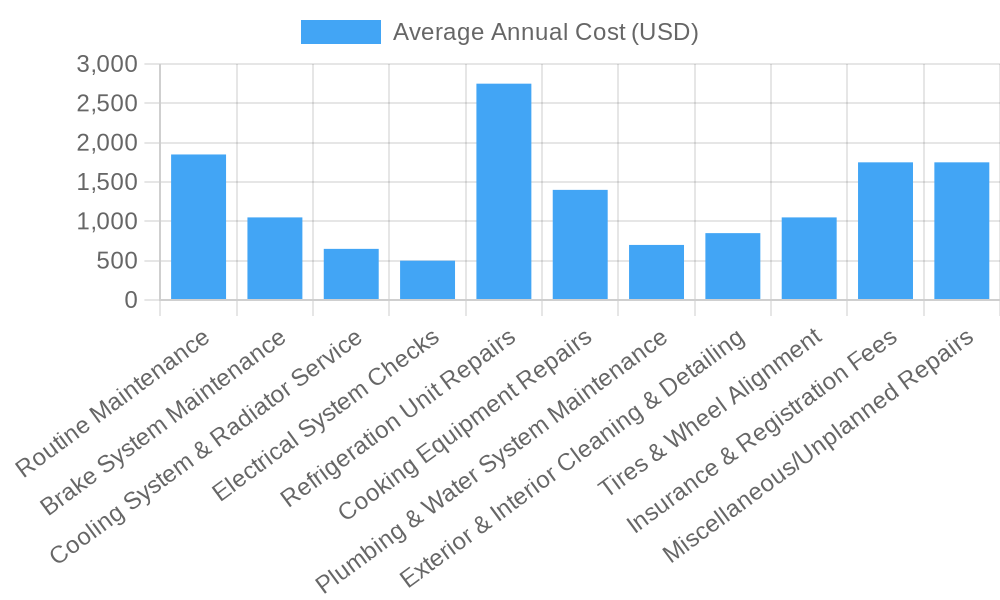
| Category | Average Annual Cost (USD) | Notes |
|---|---|---|
| Routine Maintenance (Oil Changes, etc.) | $1,200 – $2,500 | Standard services performed every 3,000-6,000 miles; varies based on engine type and usage. |
| Brake System Maintenance | $600 – $1,500 | Includes costs for pad/rotor replacement; depends on driving habits and terrain. |
| Cooling System & Radiator Service | $400 – $900 | Critical for preventing overheating, especially in high-usage environments. |
| Electrical System Checks | $300 – $700 | Covers battery health and wiring; higher costs for trucks with complex electrical systems. |
| Refrigeration Unit Repairs | $1,500 – $4,000 | Major upkeep for cold food trucks; periodic maintenance is crucial. |
| Cooking Equipment Repairs | $800 – $2,000 | Frequency of repairs correlates with usage; higher wear increases maintenance costs. |
| Plumbing & Water System Maintenance | $400 – $1,000 | Includes maintenance of water systems and plumbing fixtures. |
| Exterior & Interior Cleaning & Detailing | $500 – $1,200 | Regular cleaning prevents corrosion and maintains hygiene. |
| Tires & Wheel Alignment | $600 – $1,500 | Intensive wear from frequent stops leads to higher replacement needs. |
| Insurance & Registration Fees | $1,000 – $2,500 | Varies by state and truck value; essential for operation. |
| Miscellaneous/Unplanned Repairs | $1,000 – $2,500 | Covers emergency fixes for unexpected issues such as transmission or structural damage. |
Total Estimated Annual Cost
Total Annual Maintenance Cost Range: $9,000 – $18,000 depending on truck type:
- Standard Food Trucks: ~$9,000 – $13,000 annually
- Cold Food Trucks: ~$13,000 – $18,000 annually
- High-End Custom Mobile Kitchens: ~$15,000 – $25,000+ annually
Conclusion
By understanding these costs, food truck owners can create more precise budgets and prepare for maintenance challenges more effectively. For an in-depth discussion about vehicle upkeep, check out our articles on vehicle maintenance and food truck operations.
Comparing Average Vehicle Maintenance Costs
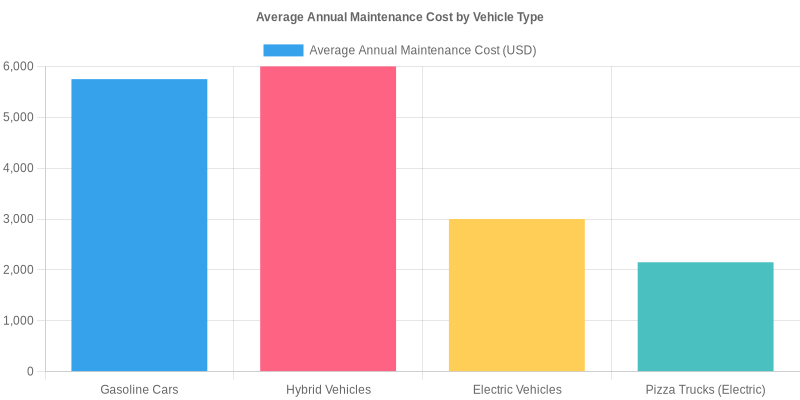
Understanding the cost of maintaining your vehicle is crucial for any business owner, especially those operating specific types of vehicles such as pizza trucks. A variety of factors contribute to these costs, including the vehicle type, fuel type, and usage patterns. Below is a chart that visually compares the average annual maintenance costs for various vehicle types:
Average Annual Maintenance Costs:
| Vehicle Type | Average Annual Maintenance Cost (USD) |
|---|---|
| Gasoline Cars | $3,500 – $8,000 |
| Hybrid Vehicles | $3,500 – $9,000 |
| Electric Vehicles | $1,500 – $5,000 |
| Pizza Trucks (Electric) | $1,800 – $3,500 |
These figures indicate that while gasoline and hybrid vehicles incur higher maintenance costs, electric vehicles and pizza trucks tend to have significantly lower expenses. For more detailed tips on reducing maintenance costs, learn more here.
Business owners can benefit greatly from evaluating these costs to ensure financial efficiency.
Record-Keeping Strategies for Vehicle Maintenance Costs
Keeping accurate records of vehicle maintenance costs is vital for business owners to manage expenses effectively and ensure the longevity of their vehicles. Here are some strategies to help streamline this process:
Utilize Apps and Software
- Vehicle Maintenance Log (VML): This user-friendly app allows business owners to track service records easily. It offers features such as adding vehicle details, logging maintenance with photos, and storing invoices digitally. The app even allows for exporting data in CSV format, making it easier to analyze costs. Learn more about VML.
- Vehicle Maintenance Tracker (VMT): Ideal for fleet managers, this app provides in-depth vehicle information tracking, including VIN and service records while also allowing users to attach photos of receipts. It supports multiple vehicles, making it a robust choice for businesses with several cars. Check VMT features.
Manual Record Keeping
For those who prefer a hands-on approach, maintaining a physical logbook is another practical method. Here are some tips:
- Consistent Documentation: Every service, including oil changes, tire rotations, and inspections, should be noted immediately after the service is completed. This attention to detail helps in tracking wear patterns and scheduling preventative maintenance.
- Organize Receipts: Store receipts in a dedicated folder or envelope categorized by vehicle and date. This organization ensures you have proof of maintenance for tax deductions and warranty claims.
Analyze and Adjust
Periodically review your records to identify patterns. For instance, if brake pads need replacement every few months, it may indicate aggressive driving habits or potential issues with the vehicle. This proactive approach can prevent costly repairs down the line.
For further insights on how to manage your vehicle maintenance effectively, explore Vehicle Tricks for more tips.
| Feature | Vehicle Maintenance Tracker (VMT) | Fleet Maintenance Software | CarWings |
|---|---|---|---|
| Tracking Vehicle Details | ✅ Yes – Includes photo, VIN, license plate, year, make, model, tire size, oil filter type, current odometer, annual maintenance costs | ✅ Yes – Comprehensive vehicle data entry for multiple units | ✅ Yes – Tracks vehicle details including mileage and service history |
| Managing Maintenance Records | ✅ Yes – Oil changes, brakes, tires, batteries, etc., with photo attachment for receipts | ✅ Yes – Full digital log of all maintenance activities across fleet | ✅ Yes – Detailed service records linked to each vehicle |
| Setting Reminders | ✅ Yes – Set, view, and reset due dates for upcoming services | ✅ Yes – Automated alerts based on mileage or time intervals | ✅ Yes – Custom reminders based on schedule or usage |
| Scalability | ⚠️ Limited – Best for individuals or small fleets | ✅ High – Designed for large-scale fleet operations with multi-user access | ⚠️ Moderate – Suitable for personal use and small business fleets |
| Cost | 🆓 Free (with optional in-app purchases) | 💰 Paid subscription – Typically ranges from $20-$100+/month | 💰 Paid – Subscription-based pricing (varies by plan) |
| Platform Availability | 🍏 iOS (iPhone/iPad), iPadOS 12.2+ | 🖥 Web-based, mobile apps (iOS/Android) | 📱 iOS/Android, web dashboard |
| Export & Sharing | ✅ Yes – Export or email data in CSV format | ✅ Yes – Reports and export options for compliance | ✅ Yes – Export service logs and reports |
| Pros | – Simple interface |
- Privacy-focused
- Strong personal use focus
- Good receipt management | – Enterprise-grade features
- Real-time reporting
- Integrates with GPS | – User-friendly interface
- Real-time tracking |
| Cons | – Limited reviews - Not ideal for larger teams | – Higher cost
- Requires training | – Less detailed reporting than enterprise tools |
In conclusion, tracking vehicle maintenance costs is crucial for business owners seeking to optimize their fleet management. Regularly monitoring these expenses not only aids in budgeting but also provides insights into potential areas for savings. A proactive approach to vehicle maintenance can significantly reduce overall operational costs; studies indicate that companies with consistent maintenance programs can see a 35% reduction in operating costs and a dramatic decrease in unexpected downtime, which can lead to catastrophic disruptions in logistics and customer service.
Adopting best practices for maintenance management includes utilizing digital tracking systems that allow for real-time monitoring and data collection. This ensures accurate historical records and helps identify trends in vehicle performance, leading to informed decision-making regarding maintenance schedules. Additionally, neglecting regular maintenance can lead to significant hidden costs, from excessive fuel consumption to escalated repair bills due to minor issues turning into extensive damage.
Ultimately, business owners should prioritize regular maintenance schedules and invest in technology that streamlines this process. Not only does this enhance efficiency, but it also upholds safety standards, reducing the risk of accidents linked to mechanical failures. For further insights on vehicle management, learn more about best practices and how vehicle maintenance saves on gas expenses.
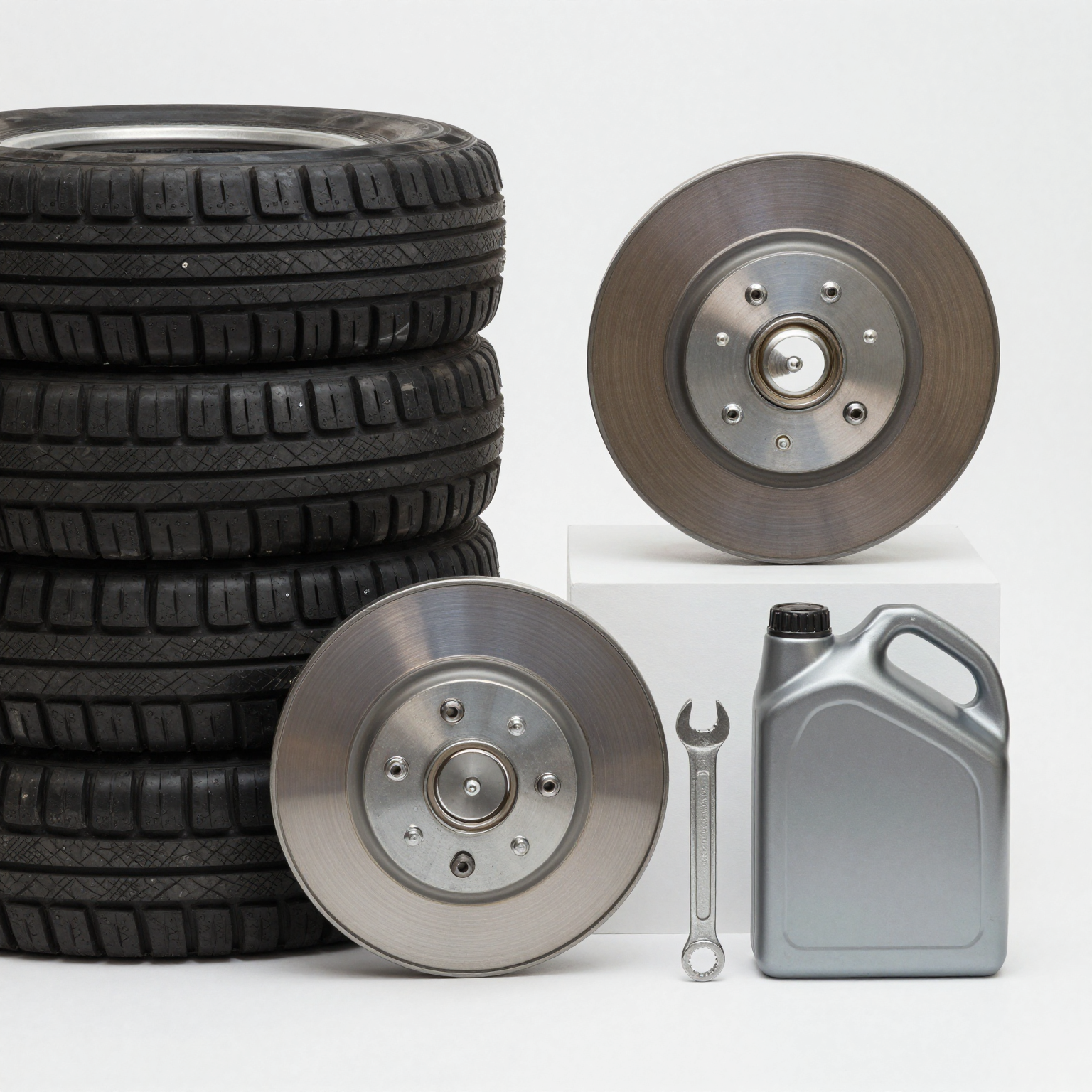
To effectively manage and report vehicle maintenance costs, understanding the vital components of vehicle upkeep is essential. Regular maintenance should include services for tires, brakes, oil changes, and inspections to ensure the vehicle operates efficiently and safely. By keeping track of these costs, business owners can better predict their budgets and enhance their vehicle management strategies.
An effective visual representation of these vehicle parts can aid in understanding their importance. Below is an image illustrating key vehicle maintenance parts:
For more insights on vehicle management, you can learn more about vehicle tricks and read about how vehicle maintenance saves on gas expenses.
Explore the Benefits of Food Trucks for Your Business
Are you a business owner looking to expand your reach with minimal cost? Consider the premium pizza trucks available at truckpizza.net. Food trucks offer an agile and dynamic approach to growing your brand. They allow you to operate in high-traffic areas and engage customers during events, all while keeping overhead low. Many successful small businesses have used food trucks as an effective launchpad before moving to a permanent location.
Don’t miss out on the opportunity to elevate your business. Visit truckpizza.net today to explore a variety of food truck options that can enhance your business presence and sales!