

The Importance of a Vehicle Maintenance Schedule for Business Owners
For business owners who rely on their vehicles for daily operations, maintaining a reliable vehicle isn’t just a matter of convenience; it’s a crucial component of their business’s success. Imagine this scenario: your delivery van unexpectedly breaks down in the middle of a busy Saturday, causing delays for your clients and ultimately damaging your reputation. The fallout from neglecting a simple thing like following a vehicle maintenance schedule can ripple through your entire operation, leading to lost sales, customer dissatisfaction, and increased repair costs.
Establishing and adhering to a maintenance schedule is essential not only for prolonging the longevity of your fleet but also for ensuring safety and efficiency. Regular checks and services can prevent costly emergencies that derail your operations. A well-maintained vehicle performs better on the road, improving fuel efficiency and saving money in the long run.
In this article, we will explore where you can find your vehicle’s recommended maintenance schedule and discuss the benefits of sticking to it diligently. Whether you’re managing a fleet of trucks, vans, or cars, understanding and utilizing these schedules is integral to maintaining the smooth operation of your business.
Be proactive about vehicle maintenance and keep your business running smoothly – after all, a well-maintained vehicle is a key ingredient in your recipe for success.
Learn more about how vehicle maintenance saves on gas expenses and get insights on what you might be missing from your routine processes.
Understanding Vehicle Maintenance Schedules
A vehicle maintenance schedule is a planned routine of inspections, services, and part replacements designed to keep vehicles running efficiently and safely. It typically outlines maintenance tasks based on either mileage or time intervals, ensuring that critical components are regularly checked and serviced. Adhering to a maintenance schedule is crucial for business owners who rely on their vehicles, as it contributes significantly to overall vehicle health and operational efficiency.
Importance of a Vehicle Maintenance Schedule
Establishing a vehicle maintenance schedule is vital for businesses for several reasons:
- Preventative Maintenance: Regular maintenance can anticipate and prevent breakdowns before they occur, allowing for consistent business operations without unexpected interruptions.
- Vehicle Health: Ensuring all systems-such as brakes, tires, lights, and engines-are functioning optimally enhances the longevity and reliability of vehicles.
- Cost Management: By identifying issues early, businesses can avoid costly emergency repairs that disrupt budgets and diminish productivity.
- Safety Compliance: Regular checks ensure that vehicles are compliant with safety and emissions regulations, minimizing the risk of fines or legal repercussions.
Key Elements of a Maintenance Schedule
A comprehensive vehicle maintenance schedule should include:
| Maintenance Task | Frequency |
|---|---|
| Oil Changes | Every 3,500 to 5,000 miles |
| Brake Inspections | Every 15,000 miles |
| Tire Rotations | Every 6,000 to 8,000 miles |
| Fluid Checks | Monthly |
| Battery Check | Biannually |
| Filter Replacements | Every 15,000 miles |
| Safety Inspections | Annually |
By implementing a structured approach to vehicle maintenance, businesses can ensure a smoother operational flow, reduce long-term costs, and maintain high safety standards. For further tips on vehicle maintenance and schedule management, learn more about preventive maintenance and the impact of vehicle health on operations.
Illustrating Vehicle Maintenance Benefits
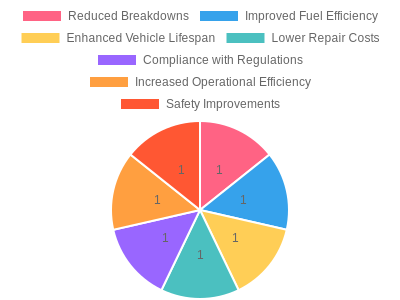
Benefits of a proactive vehicle maintenance schedule
An effective vehicle maintenance schedule not only enhances your fleet’s performance but also plays a crucial role in maintaining your business’s operational health. By prioritizing vehicle upkeep, you safeguard your assets and optimize your company’s efficiency.
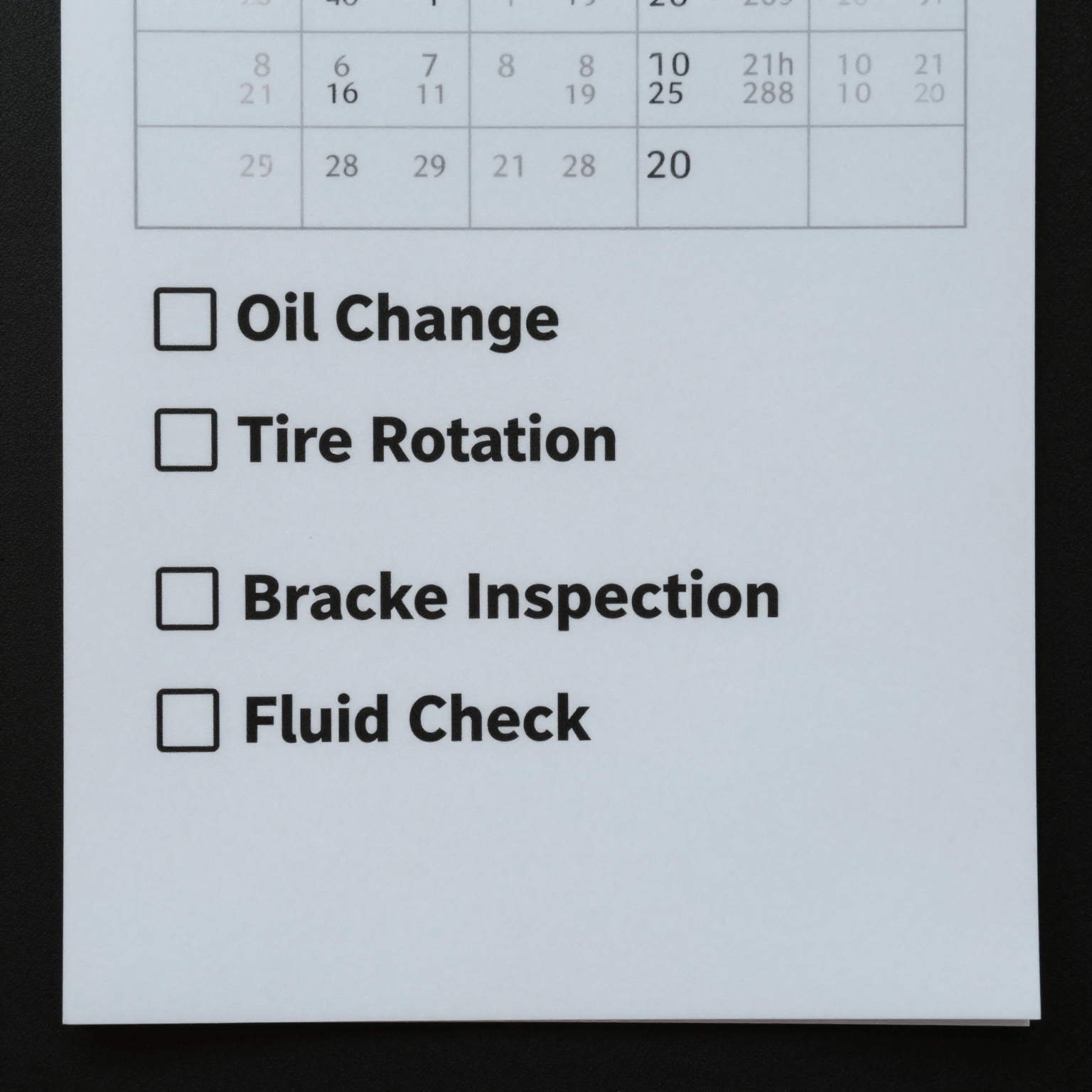
For business owners looking to maintain their vehicles effectively, having access to the recommended maintenance schedule is crucial. Here are some reliable sources for finding vehicle maintenance schedules:
- Manufacturer Websites: The most authoritative source is the automaker’s official website, where you can find maintenance schedules tailored to specific makes and models. For example, Toyota’s maintenance schedule provides essential service intervals.
- Owner’s Manual: Each vehicle comes with an owner’s manual that contains detailed service schedules and guidelines. This helps ensure all necessary maintenance is performed on time.
- Service Centers: Local dealerships often offer printed schedules specific to your vehicle type, making it convenient for maintenance planning.
- Online Resources: Websites like Consumer Reports provide insight into common maintenance practices recommended by experts.
- Vehicle History Tracking Apps: These applications allow users to receive reminders for upcoming maintenance based on their driving habits and the manufacturer’s guidelines.
By utilizing these sources, business owners can keep their vehicles in peak operating condition.
| Resource | Reliability | Ease of Access | Information Provided | Source |
|---|---|---|---|---|
| BMW USA Maintenance Schedule | High (Official manufacturer source) | High (Online portal with ZIP code input for local centers) | Detailed maintenance intervals, service recommendations, and vehicle-specific guidance; includes options to schedule test drives and view certified pre-owned vehicle details | BMW USA – Maintenance |
| European Commission Vehicle Maintenance Guidelines | High (Regulatory authority in EU) | Moderate (Available via official EU website, may require navigating multilingual content) | General best practices, legal requirements for vehicle safety and emissions, recall information, and environmental standards | European Commission – Vehicle Safety |
| Industry Best Practices (e.g., ASE, AAA) | High (Based on professional standards and real-world data) | High (Publicly available through trusted automotive associations’ websites) | Comprehensive maintenance timelines, preventive care tips, common issue alerts, and owner education materials | ASE – Automotive Maintenance |
The Consequences of Ignoring Maintenance Schedules
Ignoring a vehicle’s maintenance schedule can lead to severe financial and operational consequences, especially for business owners who depend on their vehicles for daily operations. Regular maintenance is crucial for ensuring the longevity and reliability of a vehicle, and neglecting it can manifest in several ways.
Financial Consequences
- Increased Cost of Repairs: Neglecting routine maintenance can dramatically increase repair costs. According to Consumer Reports, repair costs for neglected vehicles can be up to 300% higher over a car’s lifetime. Common issues like engine failures due to missed oil changes and brake system damage from deferred pad replacements can create expensive fixes.
- For instance, the AAA Foundation for Traffic Safety found that vehicles lacking regular maintenance incur an average repair cost of $4,200 over five years, nearly double the $2,100 for well-maintained vehicles.
- Higher Operational Costs: Vehicles that are not regularly maintained consume more fuel and are prone to breakdowns. The U.S. Department of Energy indicates that well-maintained vehicles can save up to 40% on fuel costs. This means that businesses operating fleets can suffer significantly higher operational expenses due to inefficient fuel use.
Operational Consequences
- Downtime: Vehicle downtime can severely affect a business’s operational efficiency. A study by Fleet Management Today reported that businesses face average downtime costs exceeding $1,200 for every occurrence. This includes lost time in productivity, delayed deliveries, and potential loss of clientele.
- Furthermore, the Transportation Research Board indicated that neglecting routine maintenance can lead to a 30% increase in breakdown-related incidents, directly impacting service delivery and customer satisfaction. Businesses with frequent downtime may find themselves unable to meet the demands of customers, leading to lost sales and opportunities, as illustrated by their past performance metrics.
- Impact on Employee Satisfaction: Consistent vehicle failures can lead to employee dissatisfaction. If delivery schedules are delayed due to vehicle issues, employees may feel stressed, leading to decreased morale and productivity. Maintaining vehicles not only keeps operations smooth but also fosters a better work environment.
Conclusion
For business owners, the consequences of ignoring maintenance schedules are clear: neglect leads to increased costs and substantial operational risks. Regular maintenance checks and timely care of vehicles can not only save businesses money but also ensure reliability and customer satisfaction. Investing in maintenance is investing in the future efficiency and profitability of your business.
For more information on how to optimize vehicle maintenance, learn more here.
The Importance of Following a Vehicle Maintenance Schedule
Taking care of your vehicle is crucial for ensuring its reliability and longevity. As David H. Murdock famously said,
“We take better care of the maintenance of our cars than we take care of the maintenance of our bodies.”
This quote highlights the importance of following a vehicle maintenance schedule; neglecting it can lead to unforeseen issues and costly repairs.
Furthermore, as an industry expert points out,
“A well-maintained vehicle is a safe, reliable, and cost-effective machine. Skipping maintenance only leads to bigger problems down the road.”
This emphasizes that regular maintenance isn’t just about keeping up appearances-it’s about avoiding serious safety hazards and financial drain. For business owners, keeping your fleet in tip-top shape is essential to maintaining productivity and reducing downtime.
To learn more about why vehicle maintenance is important, click here.
User Reviews of Vehicle Maintenance Apps
With the increasing reliance on technology, vehicle maintenance schedule apps have become instrumental for business owners managing fleets or personal vehicles. User reviews provide insights into their features, user-friendliness, and reliability, which can tremendously impact decision-making.
Key Features
Most users prefer apps with intuitive interfaces that enable easy access to maintenance schedules and reminders. Here are some highlighted features from various reviews:
- Automated reminders: Apps like the Tesla official app provide timely notifications for maintenance tasks like oil changes and tire rotations, enhancing the user experience with real-time tracking of maintenance schedules.
- Comprehensive management: Apps such as “Car” have been praised for their ability to manage fuel expenses, service records, and even parking. Users find the all-in-one functionality beneficial for keeping track of vehicle maintenance without juggling multiple tools.
- User-friendly design: Apps are lauded for their clean interfaces. Applications like “路宝” (Lu Bao) boast simple designs that enhance operability, ensuring that users can quickly locate services and information without hassle.
User-Friendliness and Reliability
User-friendliness remains a common theme across reviews. Business owners demonstrate a preference for applications that require minimal input while providing accurate suggestions. Key findings include:
- Reliability issues: Some apps rely heavily on generic vehicle models, causing occasional mismatches in maintenance schedules. However, apps with adaptive features that factor in specific vehicle behaviors are recommended for long-term use.
- Data accuracy: Users have reported frustration when apps fail to integrate well with specific makes and models, leading to fewer reliable diagnostics and reminders.
Conclusion
In conclusion, while vehicle maintenance schedule apps present various advantages like automating reminders and facilitating service management, their reliability and data accuracy are critical factors for business owners. Engaging with user-friendly applications reduces manual errors and enhances maintenance efficiency, ultimately saving cost and time. To explore more about managing your vehicle’s maintenance, learn more about vehicle maintenance.
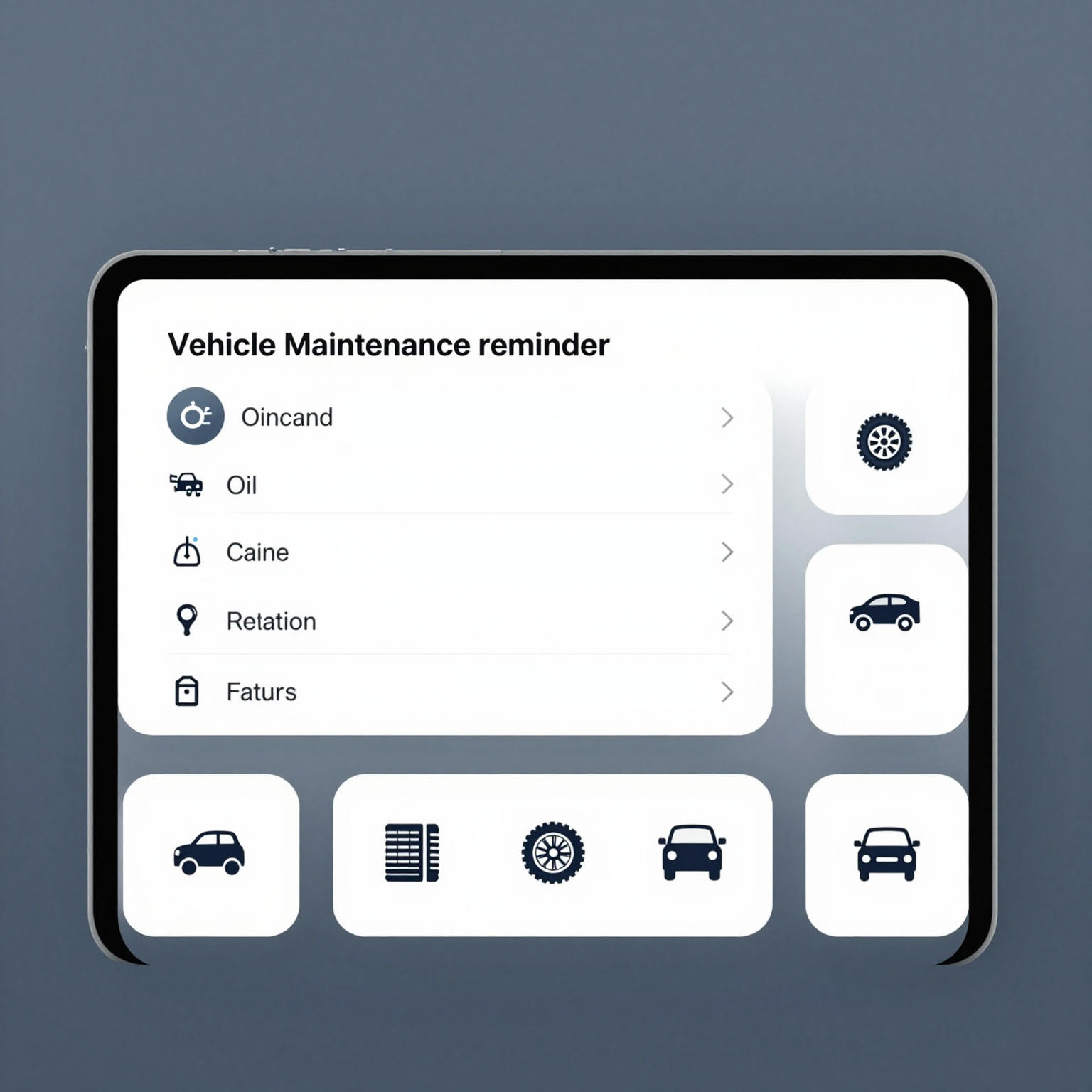
Conclusion and Next Steps
In summary, understanding where to find your vehicle’s recommended maintenance schedule is vital for any business owner. Regular maintenance helps to ensure the safety and performance of your vehicle, ultimately prolonging its life and reducing costs associated with critical repairs. Adhering to the maintenance schedule, as outlined by sources such as Consumer Reports and the AAA Foundation, can lead to significant benefits-such as improved fuel efficiency and fewer unexpected breakdowns.
As a next step, I encourage you to check your vehicle’s maintenance schedule, which is typically found in your owner’s manual or through the manufacturer’s website. Being proactive in your vehicle maintenance can save you both time and money while ensuring your vehicle runs smoothly.
Additionally, if you’re considering starting a mobile food business, like owning a pizza truck, visit truckpizza.net for a variety of options that can complement your entrepreneurial journey. Taking action today will set you up for both operational and culinary success!
Average Maintenance Costs by Vehicle Type (2023)
Understanding the average maintenance costs associated with various types of vehicles can help business owners make informed financial decisions. Below is a chart that visually represents the average maintenance costs for different vehicle categories:
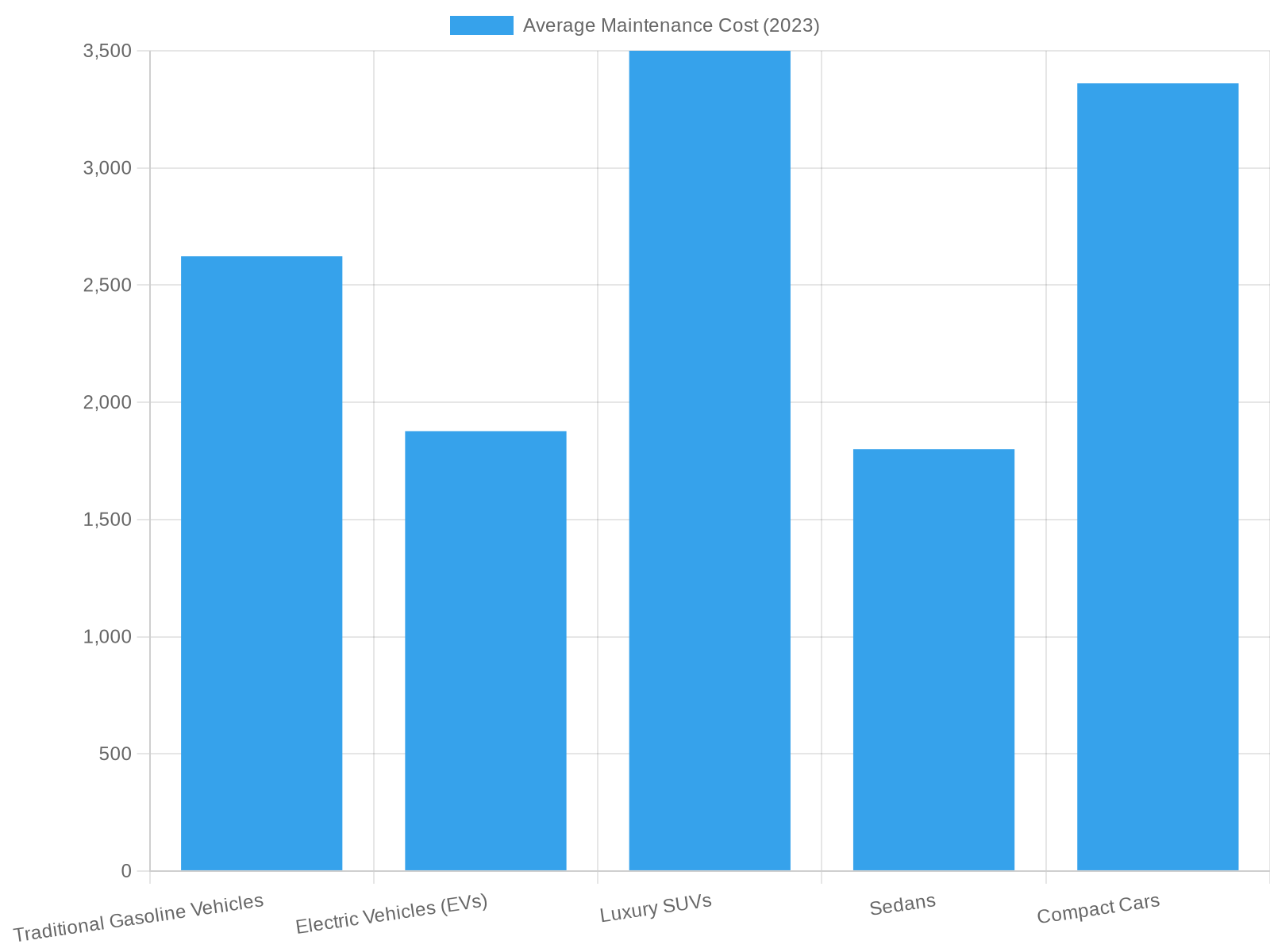
| Vehicle Type | Average Maintenance Cost (2023) | Notes |
|---|---|---|
| Traditional Gasoline Vehicles | $2,623 | Based on 2023 industry report |
| Electric Vehicles (EVs) | $1,877 | Includes all-electric models; lower due to fewer moving parts |
| Luxury SUVs (e.g., BMW X5, Audi Q7) | ~$3,500 | Higher costs due to complex systems and specialized labor |
| Sedans (e.g., Toyota Camry, Accord) | $1,800 | Mid-range cost; low-maintenance models dominate this category |
| Compact Cars (e.g., Hyundai Fiesta) | $3,361 | Higher per-mile maintenance despite smaller size; often budget models |
When planning for vehicle maintenance, keep in mind that electric vehicles often yield lower costs due to their simpler mechanics, whereas luxury vehicles may demand higher investments for upkeep. Learn more about vehicle maintenance trends to better manage your expenses over time!