

For business owners reliant on vehicle operation, understanding the vehicle maintenance light is crucial for long-term efficiency and cost-saving. This light, often signified by a wrench icon, serves as a vital reminder for routine maintenance, ensuring that the fleet remains in optimal condition. This article dives into the variables triggering the vehicle maintenance light, thoroughly exploring the implications of both mileage and time-based alerts. Additionally, we will discuss the significance of adhering to maintenance schedules when this light activates. By the end of this article, you’ll grasp how to maintain your vehicles effectively, avoiding unnecessary downtime and ensuring smooth operational success.
Miles as the Invisible Timeline: How Distance Triggers the Vehicle Maintenance Light
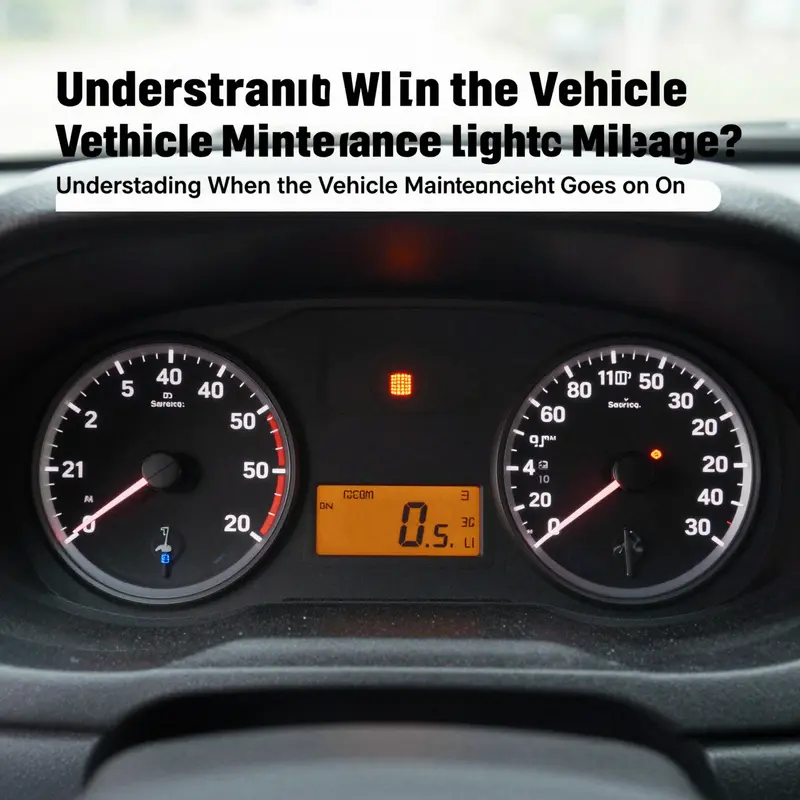
The vehicle maintenance light, often depicted as a small wrench on the dashboard, acts as a steady, practical guardian of your engine’s health. It is not a random flare of warning nor a mere nuisance to press past. Instead, it is a calculated nudge from the car’s brain—the onboard computer, or ECU—that comes alive when certain maintenance milestones are reached. And those milestones are not a single, universal rule; they blend distance with age, and in some vehicles, the results are tuned to your personal driving style and the conditions under which you operate the vehicle. When you first encounter this light, you are reminded that routine service is not optional, but a scheduled part of vehicle ownership designed to prevent wear from spiraling into avoidable repair costs and diminished performance.
At the core, the mileage trigger is the most familiar cue. Manufacturers set a preset mileage threshold, a guardrail that typically falls somewhere between 5,000 and 10,000 kilometers (roughly 3,000 to 6,000 miles). The rationale is straightforward. Engine oil, filters, and other consumables have a finite life, even if the engine itself remains healthy. Oil breaks down, suction lines clog, and microscopic particles accumulate. The maintenance light lights up when your odometer crosses that predefined boundary, signaling that time for a standard checkup—typically an oil change and filter replacement, along with other routine inspections—is due before wear becomes a performance issue.
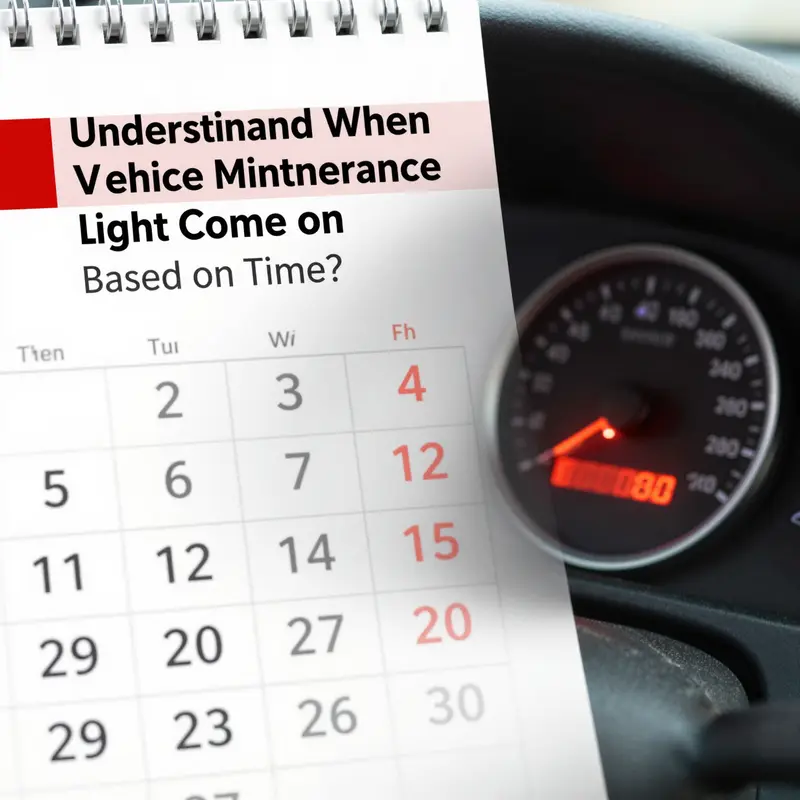
This mileage-centric trigger is the backbone for many drivers. It gives you a concrete target to aim for, especially in an era where busy schedules often lead to delayed service. If you’re the kind of driver who logs longer highway trips or consistently keeps up with service intervals, the light’s message is predictable and easy to plan around. But the system’s wisdom goes beyond a single number. More automakers have equipped vehicles with dual triggers, where time acts as a parallel, age-based signal. In many cars, this means the maintenance light can illuminate not only after you’ve driven a set distance but also after a set amount of time has elapsed—commonly six to twelve months. A car that sits idle for several months will still remind you to service, even if the odometer hasn’t advanced much. The logic here is practical: fluids degrade with time, rubber seals harden with age, and a lack of use can mask issues that would otherwise surface with more miles.
There is also a broader sense in which the light is adaptive. Newer vehicles with sophisticated monitoring systems may adjust the interval. They do this by considering driving conditions, oil quality, and engine load. Short trips that never bring oil to full operating temperature can be harsher on oil than long highway runs, because moisture and particulates aren’t flushed out as effectively. In such cases, the ECU may prompt service a little sooner than the mileage threshold would suggest. Conversely, if you regularly undertake longer journeys in mild conditions with a high-quality synthetic oil, the system might stretch the window slightly. These dynamic elements reflect a shift from a rigid calendar of maintenance to a living schedule that watches how you drive, not just how far you drive.
The practical takeaway is simple: the light’s timing is a blend of distance and time—and in some cars, it’s also a reflection of how you drive. If you notice the light come on around 7,500 kilometers, you shouldn’t be surprised, particularly if it occurs within a similar six to eight-month window. If, however, it pops on before you’ve reached 5,000 kilometers or has happened precisely six months after your last service, you’re seeing a signal that the system may be reading a condition beyond mere mileage. In these cases, a sensor fault or a fault in the maintenance system itself could be at fault, and professional diagnosis becomes prudent. It is worth remembering that the light is not a proxy for a catastrophic failure; it is a reminder that routine checks are due. As with any reminder system, it is only as accurate as the data fed into it, and the data can fail or be misread.
To grasp the practical implications for your daily driving, picture a typical maintenance schedule. The light is giving you a targeted prompt to replace engine oil and the filter, examine air filters, check fluid levels, and inspect brakes, tires, and belts. It’s a cascade of checks designed to preserve engine efficiency, reduce fuel consumption, and extend the life of wear-prone parts. When the interval is set at a higher mileage range, the focus may emphasize oil and filter changes, but with shorter or more frequent intervals, you’ll often see a broader set of inspections to catch a wider range of potential issues before they become costly problems. The essence is that the maintenance light is not an isolated event; it is part of a broader ecosystem of vehicle health that seeks to harmonize your driving with the machine’s needs.
For drivers who crave clarity, the owner’s manual is your most reliable compass. It contains the exact mileage and time intervals used by your car’s maintenance system, along with any model-specific caveats. The manual may also explain whether the vehicle uses a dual trigger, how the system handles severe driving conditions, and what resets after a service will entail. In practice, a few minutes with the manual can spare hours of guesswork if the light seems erratic. If you want a broader perspective on maintenance planning from an industry standpoint, you can refer to external industry overviews that discuss distance-based service planning and the rationale behind service intervals. For a professional perspective, see Autocar’s coverage on current maintenance systems and how manufacturers design service reminders to align with oil life and engine wear. The link below provides a professional reference that complements your hands-on experience with your own vehicle.
To broaden your understanding beyond the vehicle’s own messaging, researchers and drivers alike often seek a general understanding of maintenance concepts. A helpful resource that outlines what constitutes vehicle maintenance at a fundamental level can be found here: what is vehicle maintenance. This broader framework can help you interpret the maintenance light not as a single alarm, but as a structured signal tied to the health of your engine and its supporting systems. In practice, that means paying attention to the light when it comes on, but also listening for changes in oil consumption, unusual noises, or changes in performance that might accompany a reminder.
When the light comes on, there is a sensible sequence to follow. First, schedule service with a trusted technician or dealership if you rely on manufacturer-specific service. Next, perform a quick self-check: ensure the oil level is adequate and clean; look for evident leaks or burning smells; check the coolant level and visibility in the brake fluid reservoir. If your driving pattern includes a lot of short trips, you may want to emphasize air and cabin filter checks, battery health, and tire condition in addition to the standard oil service. If you recently had service and the light reappears unusually soon after a visit, consider a diagnostic check for sensor or monitoring-system issues. It is not uncommon for a fault in a sensor or a calibration hiccup in the ECU to trigger a premature reminder. In those cases, the service technician will typically run a fault code scan to determine whether the issue is procedural or mechanical, and they will reset or recalibrate the system as needed.
An often overlooked nuance is that the maintenance light’s message can be misunderstood if one forgets that it signals the need for routine service rather than a sign of imminent breakdown. Even when the light appears, most cars continue to run normally while you arrange service. This is an important distinction. If you drive past the recommended service window or ignore the reminder for too long, you risk compromising engine efficiency and the reliability of supportive systems such as lubrication, filtration, and cooling. In practice, the reminder should be treated as a proactive prompt to protect your investment, not as a mere inconvenience. The goal is to strike a balance: respond promptly to the reminder, but don’t panic if you can’t service immediately. Keeping a calendar alert and ensuring you have a clear plan for the next service appointment can turn a routine reminder into a straightforward maintenance habit.
As you navigate the rhythm of mileage-based reminders, remember that the system’s design is to adapt to your life behind the wheel. If you drive more aggressively, tow, carry heavy loads, or operate in extreme temperatures, the intervals can shift. If your vehicle’s climate control is on almost constantly or you drive in dusty rural environments, the wear patterns on filters and lubricants shift as well. The maintenance light is asking you to act in step with those realities. The more you reflect on why the light came on in the context of your daily routine, the better you’ll be at interpreting future reminders without overreacting or underreacting.
In summary, the mileage-based trigger for the maintenance light rests on a practical expectation that certain levels of wear and oil degradation are likely after a set distance. The typical window of 5,000 to 10,000 kilometers (3,000 to 6,000 miles) is a common baseline, but many cars also consider time, resulting in reminders every six to twelve months. Modern monitoring systems may adjust these numbers based on actual driving conditions and oil quality, adding nuance to the simple distance rule. Whatever your vehicle’s exact logic, the central message remains consistent: the light is a prompt to protect the engine and ensure the long-term reliability of your vehicle. Treat the reminder as a valued part of your maintenance plan, consult the owner’s manual for precise intervals, and rely on professional diagnostics when something about the signal feels out of the ordinary. For a broader exploration of maintenance concepts that frames this reminder within a larger lifecycle of vehicle care, you can explore the linked resource above and the accompanying external reference from the industry perspective. Autocar’s overview offers context on how service intervals are conceived in modern cars, reinforcing the idea that mileage is just one part of a larger maintenance conversation.
External reference: https://www.autocar.co.uk/car-review/
Internal reference: what is vehicle maintenance
null
null
The Wake-Up Call: Why the Vehicle Maintenance Light Demands Your Attention
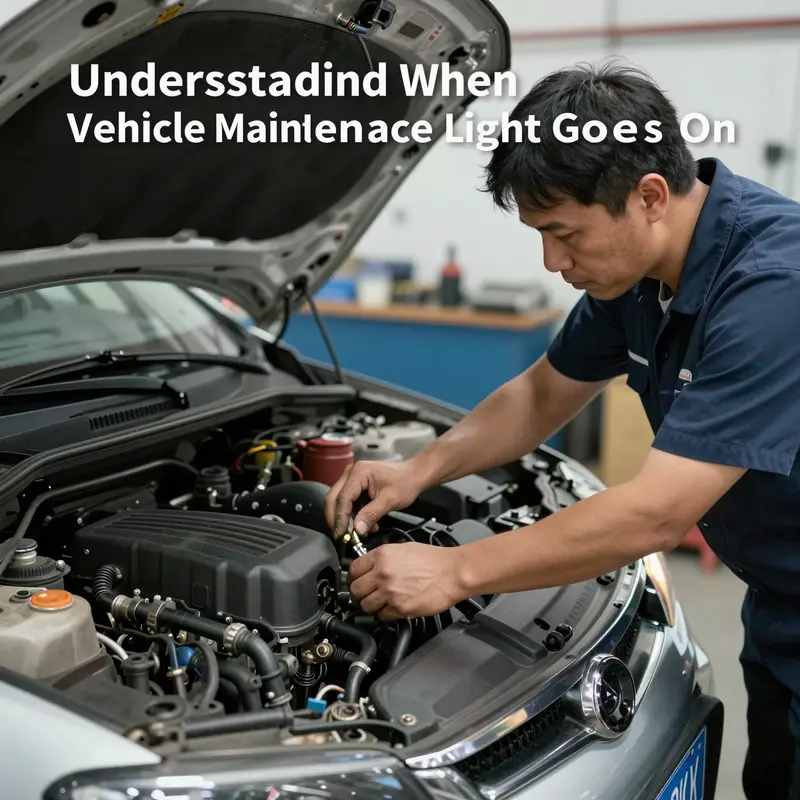
When the vehicle maintenance light illuminates on your dashboard, it’s a clear signal that service is due. It isn’t just a cosmetic cue; it indicates your car’s systems require attention to preserve safety, reliability, and efficiency. The trigger for this reminder is typically a combination of mileage since last service and the amount of time since maintenance was performed. In most cars, thresholds commonly fall around 5,000 to 10,000 kilometers (or miles) and roughly six to twelve months. If either limit is reached, the reminder lights up, prioritizing whichever comes first. Modern vehicles refine this with driving data, so hot or cold conditions, dusty environments, or frequent short trips can advance the alert.
To act: schedule a service within a reasonable window, often within two weeks, so a technician can inspect oil and filter, fluids, brakes, tires, and other critical systems. In many cases the service includes an oil and filter change, fluid checks, tire inspection, and a reset of the maintenance counter so future alerts reflect the car’s current state. Delaying service risks accelerated wear and, in some cases, unexpected failures.
Beyond cost, regular maintenance protects safety, reliability, and resale value, and helps maintain fuel economy. A well-maintained car is less prone to breakdowns and expensive repairs.
Bottom line: treat the maintenance light as a proactive guide rather than a nuisance; use it to plan timely care and preserve your investment.
Final thoughts
Recognizing and responding to the vehicle maintenance light is essential for any business owner operating a fleet. By understanding the specific triggers related to mileage and time, as well as taking timely action on these signals, you can enhance vehicle reliability and reduce unexpected repair costs. Ignoring these warnings may lead to greater issues down the line, which can impact your business’s operations and profitability. Staying vigilant about maintenance not only keeps your vehicles in great shape but also ensures that your business runs efficiently and effectively.