

Owning a fleet of vehicles is a significant investment that can drive your business forward or, if neglected, lead to costly repairs and diminished performance. A structured vehicle maintenance plan is essential to ensure your vehicles run smoothly, efficiently, and safely. This article outlines how to develop a comprehensive maintenance strategy that covers the owner’s manual, a standard maintenance schedule, daily checks, environmental adjustments, and selecting reliable service providers. Each chapter builds on these themes to empower business owners with the knowledge needed to enhance longevity and minimize downtime.
Reading the Owner’s Manual: The Quiet Foundation of Your Vehicle Maintenance Plan
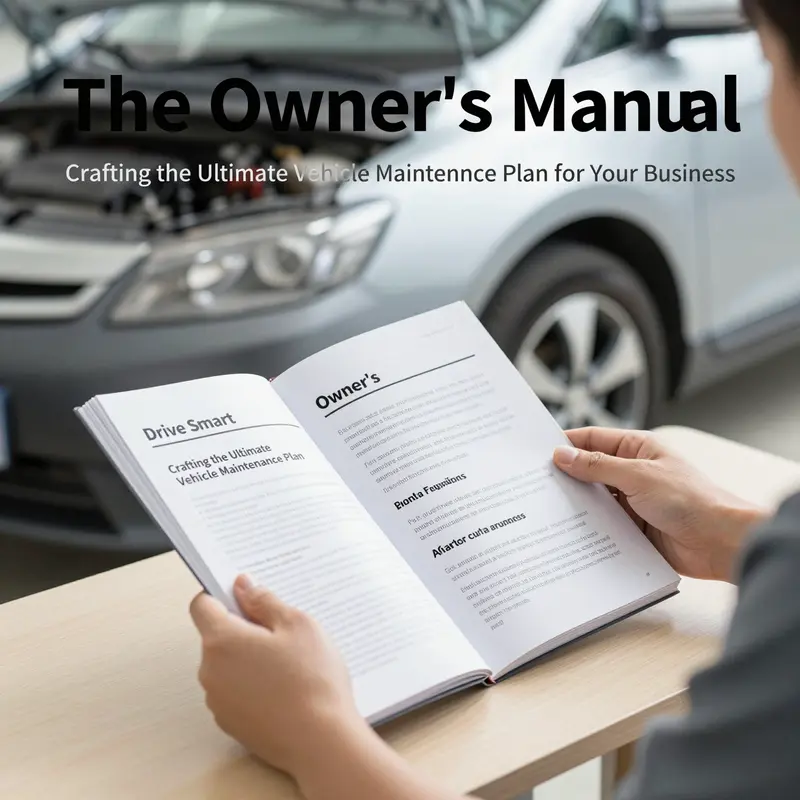
The Owner’s Manual sits at the heart of any thoughtful maintenance approach. It is not a glossy checklist you skim once and forget; it is the calibrated compass that aligns the engineering inside your car with the realities of daily use. Think of it as a concise, data-driven briefing from the people who designed the machine. It translates laboratory testing and field trials into the practical intervals and checks that keep your car performing, safely and efficiently, across the long arc of ownership. The manual’s guidance rests on two simple, enduring ideas: maintenance must be scheduled, and it must be grounded in the vehicle’s specific design. From there, a reliable plan grows, not from guesswork, but from the manufacturer’s tested expectations married to how you actually drive. In practice, this means more than routine service; it means building a proactive rhythm that prevents trouble before it materializes and preserves the vehicle’s core values—reliability, safety, and cost control.
To begin with, most manuals anchor maintenance to two axes: mileage and time. This dual metric system reflects the realities of wear and environmental exposure. Oil breaks down with time and with heat, filters clog with use, and rubber components age even when miles are modest. The manual distills these insights into intervals such as oil changes every few thousand miles or months, whichever comes first, and other services like brake inspections or filter replacements that follow a similar rhythm. The result is a baseline, a trustworthy spine upon which every maintenance decision hangs. Yet the baseline is not a rigid cage. It serves as a starting point, a reference that you adjust for your own journeys, climate, and driving style. A plan that ignores the manual soon wanders into inefficiency or risk; a plan that embraces the manual while honoring real-world conditions stays aligned with both safety and value.
The core content of the Owner’s Manual often unfolds in three seamlessly connected layers. First are the maintenance schedules themselves. These are not mere numbers; they are the distillation of how the vehicle’s powertrain, chassis, and systems interact over time. The schedules tell you when to service tasks like oil changes, tire rotations, and brake inspections, and they point to fluid checks and other essential service items that keep the car performing as designed. The second layer covers basic checks you can perform yourself with minimal tools. The manual explains how to verify tire pressure, monitor coolant and brake-fluid levels, and keep an eye on wipers and lights. These checks are deliberately simple, but they carry outsized importance because they catch issues that could lead to breakdowns if neglected. The third layer orients you to onboard systems—the warning lights, maintenance reminders, and diagnostic indicators that guide you toward or away from certain actions. When you understand what these indicators mean and how to respond, you unlock a much more efficient maintenance journey. The manual’s practical language becomes a kind of operating manual for your own vigilance, turning routine care into an ongoing, informed conversation with your car.
The value of following the manual is tangible. It reduces the likelihood of major failures by catching small problems early and maintaining critical interfaces—engine, transmission, brakes, cooling, electrics—in a condition where they work together rather than in isolation. Consistent maintenance preserves performance, protects fuel efficiency, and extends the vehicle’s lifespan. It also cushions the financial side of ownership. A well-timed service can prevent expensive repairs that often strike when a wear item is allowed to degrade untreated. The more you rely on the manual, the more you protect your investment while maintaining the driving experience you expect: smooth operation, predictable responses, and consistent safety margins.
In today’s connected era, the manual is no longer a paper-only artifact. Manufacturers increasingly offer downloadable PDFs and interactive online portals. Digital copies can be searchable, hyperlinked, and updated as new information becomes available. The convenience of a digital manual is not merely a modern luxury; it is a practical tool that helps you find specific guidance quickly during busy weeks or while planning a complex service. If a manual isn’t accessible online, support portals or legacy collections typically provide a reliable route to the same critical data. The core principle remains unchanged: locate the official, model-specific guidance and apply it as the baseline for your maintenance calendar. This is how you maintain consistency across ownership cycles, preserve resale value, and simplify warranty conversations should they arise.
The practical challenge then becomes translating the manual’s guidance into a living plan that fits your life. That starts with recognizing that your driving habits and environment shape the maintenance needs. Stop-and-go city driving, for instance, tends to contaminate the engine and exhaust system more quickly, sometimes making oil and filter changes feel more urgent than the standard intervals would suggest. Dusty or harsh climates accelerate wear on air filters and cooling components, nudging replacements earlier than the schedule would otherwise require. Long highway trips, by contrast, can be gentler on some systems yet demand comprehensive pre-trip checks for a long journey. The manual provides the baseline, but your plan should adapt to your actual usage. A thoughtful plan is not a strict rulebook; it is a dynamic system that respects both the manufacturer’s tested intervals and the realities of your roads, weather, and workload.
With this adaptive mindset, the next practical step is choosing who performs the service and how you document it. The manual is the starting point for every service decision, but you will often rely on professionals to perform many tasks. A dealership or factory-affiliated shop brings the assurance of factory-trained technicians and genuine parts, and it helps ensure compliance with warranty requirements. Certified independent shops offer a compelling alternative for many owners, especially when cost is a consideration. The key is to select a provider that communicates clearly, uses transparent parts and labor details, and can provide a detailed invoice. Recording every service, every part replaced, and the mileage at the time of service becomes a longitudinal narrative of your car’s life. This documentation is not only practical for maintaining the vehicle but also valuable when you decide to sell. A well-kept service history reassures future buyers and provides a concrete record of how the vehicle has been cared for.
Embedded in this decision-making is a simple yet powerful principle: prevention over repair. Addressing issues when they are small and manageable prevents the cascade of complications that can accompany a neglected car. Each service visit becomes a chance to reset wear items to a known baseline, to check the health of belts and hoses, and to confirm that fluids remain within specification. The manual’s guidance supports this preventative approach by outlining tasks that, while they may seem routine, actively preserve the machine’s integrity. Keeping a thorough log—digital or paper—helps you track deterioration trends, recognize patterns, and adapt the plan as needed. The log becomes the narrative of care, a tool that informs future decisions about replacements, upgrades, or even scheduling tweaks to accommodate life changes, such as longer commutes or more frequent trips with passengers.
If you are seeking a starting point to deepen your understanding of the maintenance philosophy itself, consider the broader perspective offered by resources that frame vehicle upkeep in clear, owner-focused terms. For a concise exploration of what maintenance really entails, you can read about What is vehicle maintenance? at the linked resource. This helps connect the day-to-day tasks with the underlying purpose—the sustained reliability that makes driving less stressful and more enjoyable. The Owner’s Manual anchors this conversation in model-specific detail, while the broader maintenance discourse invites you to refine your plan with clarity and purpose.
In sum, the Owner’s Manual is the quiet architect of a good maintenance plan. It provides the blueprint, the baseline intervals, and the language to discuss care with technicians and with yourself. It invites you to bring your driving life into the conversation, to adjust for conditions, and to commit to a disciplined, documented routine. A well-constructed plan honors the manual while embracing flexibility, ensuring that every mile is comfortable, safe, and economical. And as you navigate the road ahead, you will find that the most practical, enduring maintenance strategy is not a rigid regimen but a thoughtful dialogue between your car’s built-in wisdom and your lived experience behind the wheel.
For authoritative guidance, consult the official owner’s manual portal and the manufacturer’s service resources as your baseline reference. The dynamic balance between these sources, tailored by your driving life, is what turns maintenance from a chore into a trusted, value-enhancing habit. If you’d like a succinct description of the maintenance mindset, you can explore a concise explainer titled What is vehicle maintenance? and then apply that mindset to the model-specific guidance in your manual. What is vehicle maintenance?.
External resource: For a comprehensive, model-specific reference that illustrates how manufacturers curate maintenance content for owners, see the official owner’s manual portal, which provides direct access to downloadable manuals and related guidance. https://www.mercedes-benz.com/en/owners/manuals/
Reading the Standard Maintenance Schedule: Crafting Your Personal Vehicle Care Plan
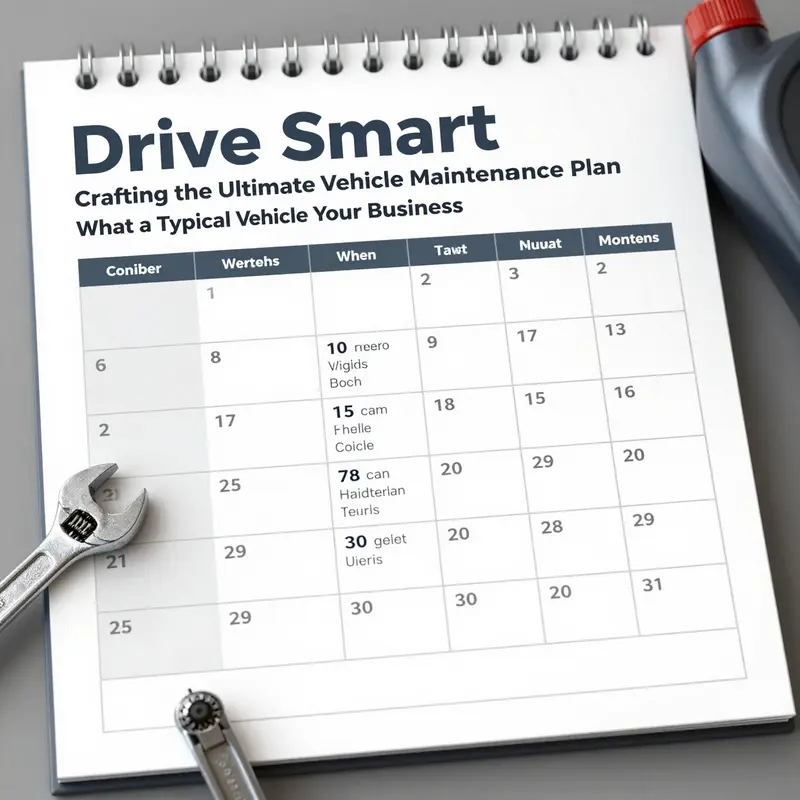
A well-constructed vehicle maintenance plan reads like a map rather than a calendar of chores. It starts with the manufacturer’s guidance, but it becomes personal once you translate that guidance into a routine that matches how you drive, where you drive, and the climate you call home. At the center of this approach sits the owner’s manual, a compact manual of truth about your car’s design, tolerances, and service intervals. It is not merely a checklist but a minimum standard of care grounded in engineering data and tested performance. The intervals you see there—often defined by both mileage and time—are not arbitrary; they reflect how the engine, fluids, filtration, and integrated systems behave over thousands of miles and through seasons of wear. Understanding this foundation is the first step in turning a bare requirement into a proactive, reliable habit that preserves safety, efficiency, and value over years of ownership. If you want a clearer sense of what maintenance means in concrete terms, you can explore resources that frame maintenance as a practical, ongoing responsibility, such as this explanation of what vehicle maintenance is. what is vehicle maintenance.
Beyond the manual, the modern maintenance picture is increasingly formalized through a tiered schedule that acknowledges the realities of today’s driving and the diversity of vehicle propulsion. In 2026, formal standards began to codify how often and what kind of care is expected, with a system that adapts to the vehicle type and its use. For petrol-powered cars, the framework often describes Level I maintenance at a relatively modest interval, with subsequent levels expanding the scope as mileage accumulates. Diesel trucks and heavy-duty machines, by contrast, often measure maintenance by motor hours rather than distance, recognizing that their duty cycles differ from those of private passenger cars. New energy vehicles add another layer of specificity, emphasizing high-voltage system checks alongside the traditional tasks of inspection, lubrication, and component replacement. These distinctions matter because they reflect different stresses: a gasoline engine that runs steadily under moderate loads versus a diesel engine pushing heavy work in a commercial context, or an EV whose battery and power electronics demand careful, specialized checks. The idea is not to replace common-sense checks with a rigid timetable but to align care with the vehicle’s design and its adopted operating profile.
Within that framework, the maintenance schedule becomes a narrative rather than a list. For petrol vehicles, Level I maintenance commonly appears after a few thousand kilometers or months, then Level II after a larger interval, and Level III as the vehicle ages further. Each level expands the scope of tasks: air filtration, cabin filtration, spark plug inspection, fluid checks, belt and hose surveillance, and cooling-system scrutiny, among others. The tasks are not random additions; they are targeted actions that prevent deterioration from minor issues that, if left unaddressed, become costly repairs. For diesel trucks and heavy-duty machines, the emphasis shifts to monitoring wear and hours of operation, recognizing how continuous duty alters lubrication needs and component fatigue. New energy vehicles introduce high-voltage safety checks, insulation integrity tests, and battery-system diagnostics, all performed with specialized tools and strict safety benchmarks. This isn’t merely a checklist you carry in your glove box; it is a disciplined routine designed to catch small problems before they grow into reliability problems or safety hazards. The key idea is to balance thoroughness with practicality, ensuring the plan scales with the vehicle’s use without becoming outmoded or overly burdensome. To stay aligned with official guidance, many drivers reference standard documentation that defines these levels and tasks, while remaining flexible to real-world conditions. The plan is not a one-size-fits-all rule but a living protocol that evolves as you learn your car’s quirks and your own driving patterns.
As you build your plan, the daily, weekly, and monthly checks become the essential rhythm that keeps the larger schedule honest. Before each trip, a quick scan of tire pressures, tread wear, lights, and visible damage can prevent roadside surprises. Weekly checks—oil level, coolant level, and windshield washer fluid—create a steady baseline that helps you notice gradual changes, such as a slow drop in brake fluid or an emerging leak in the cooling system. Monthly assessments take a deeper look at wear, leaks, and the condition of suspension components. These routine touches may seem simple, but they are the teeth of preventive maintenance, the actions that deter corrosion, reduce friction, and keep the vehicle performing as designed. They also supply the real-world data that helps you decide whether you are operating within the recommended intervals or if adjustments are warranted due to your environment, climate, or driving style. For instance, stop-and-go urban driving imposes more frequent oil-conditioning demands and can accelerate brake wear, while dusty or harsh climates hasten air-filter degradation and cooling-system strain. Long highway trips, while gentler on engine wear, still demand pre-trip checks to account for different load and ambient conditions. The cadence of checks thus becomes a practical embodiment of the principle Prevention over Repair, a core tenet of any effective maintenance philosophy.
Choosing how to implement the plan—whether through a dealership’s service network, a certified independent shop, or a hybrid approach—depends on values, costs, and warranty considerations. A dealership often provides access to factory-trained technicians and genuine parts, with a structure that aligns with warranty requirements. Certified independents offer proven expertise, transparent pricing, and the advantage of competition, which can translate into lower costs without sacrificing quality. Regardless of where you service your car, the emphasis should be clear: demand a detailed invoice that itemizes parts, labor time, and the precise services performed. This documentation is not merely administrative; it is the vehicle’s memory, a ledger that proves care was given, supports diagnostics when issues arise, and protects resale value. The practice of maintaining a thorough service log, whether digitally or on paper, makes it easier to track the history of wear items and to anticipate replacement timelines for components such as filters, belts, and fluids. The plan becomes a conversation with your car and your service provider, rather than a static set of reminders. It’s about turning knowledge into action, and action into confidence behind the wheel.
An aligned maintenance plan also recognizes the practical reality that the car is a dynamic system, interacting with fuel quality, driving behavior, and climate. The best plan is flexible: it accepts deviations when conditions demand it and returns to baseline once the environment normalizes. Documentation helps you balance consistency with adaptability. Regularly updated records illuminate patterns—the early onset of exhaust-system noise, the speed with which tire tread wears in a hot climate, or the frequency of brake fluid replacement—that might otherwise go unnoticed. This awareness translates into smoother operation, better fuel economy, and fewer unplanned repairs. It also supports resale, because a well-kept vehicle with a verifiable maintenance history offers buyers a clear sense of how the car has been cared for and how it will likely perform in the years ahead. In short, a maintenance plan is less about ticking boxes and more about creating a predictable, safe, and economical driving experience over the long haul.
As you translate the abstract structure of recommended intervals into a living routine, the motor of the plan begins to hum with regularity. The owner’s manual remains the compass, and the tiered schedule provides the map that adjusts with mileage and usage. The daily and weekly checks become your habit, the monthly checks your diagnostic reflex, and the service visits your professional validation that the plan remains true to the car’s specifications and your expectations for reliability. In all of this, remember that the maintenance plan is not a burden but a shared commitment between you, your vehicle, and the people who care for it. It is, in essence, a practical philosophy of care—a proactive stance that translates expert guidelines into a personal, usable routine that protects safety, preserves value, and steadies performance through the years of ownership.
For those seeking additional context on how such standards are formalized and updated, refer to the official framework that defines the current maintenance intervals and procedures. This external standard offers a structured baseline that can inform your planning while you tailor it to your own needs and conditions: https://www.sac.gov.cn/standard/2025-06/30/117879.html.
Daily Vigilance, Weekly Insight: The Practical Core of a Vehicle Maintenance Plan
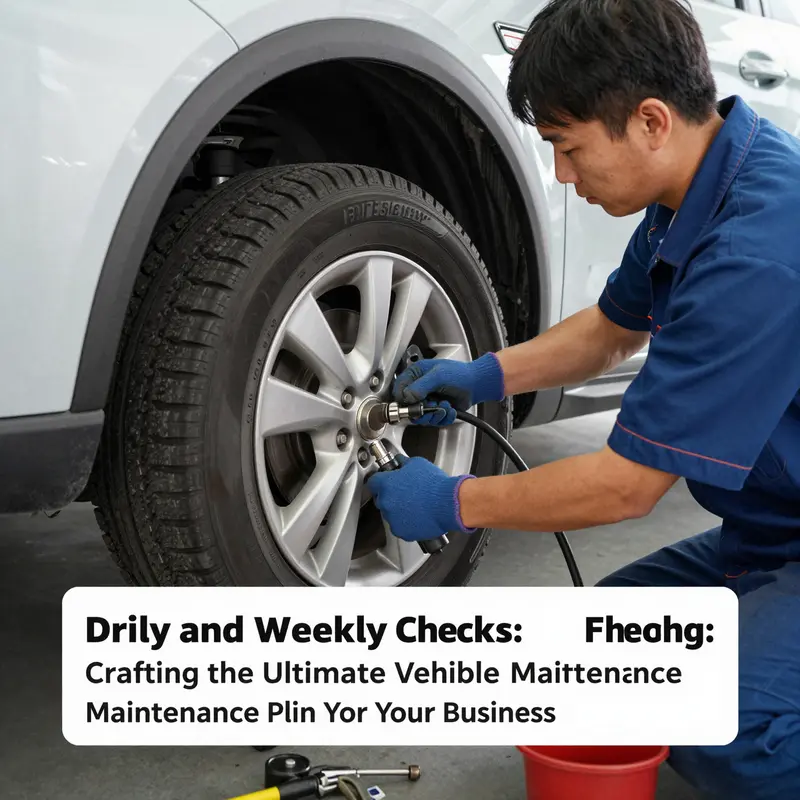
A maintenance plan is a practical framework built on daily routines and weekly checks. Daily vigilance keeps the car safer and more reliable by performing quick, repeatable inspections before every drive: tires, fluids, lights, and safety equipment. Check tire inflation, wear indicators, and any visible damage, then verify fluid levels (oil, coolant, brake fluid, windshield washer), noting low readings or leaks. Ensure all lights work and that warning indicators are addressed. Confirm safety gear is present (first aid kit, reflective vests, warning triangles) where required. These daily checks form a safety-first heartbeat that reduces the chance of surprises on the road and lays the foundation for longer-term maintenance planning.
As daily checks become routine, a weekly cadence adds a deeper look at drive belts, hoses, the fuel system, cooling components, exhaust, and battery connections. A brief hand‑on inspection can reveal wear before it becomes a problem. The weekly rhythm complements the vehicle’s service schedule by highlighting items that benefit from closer attention, without the urgency of a roadside incident. Finally, good maintenance is supported by documentation: keep simple notes of observations and actions to track how the car evolves over time and to inform future care.
null

null
Choosing a Service Provider Within Your Maintenance Plan: Vetting Shops to Safeguard Your Car’s Future

A maintenance plan only works when the people applying it understand both the car and your goals. The plan’s intervals come from the manufacturer, but a shop translates those intervals into real world care that fits how you drive. When you choose a provider, you choose how your vehicle ages, how reliably it runs, and how you feel about the cost and value of upcoming maintenance.
The best shops hire technicians with solid credentials, ongoing training, and hands on judgment. Certifications such as ASE signal a baseline of knowledge across vehicle systems, diagnostics, and repair. Even when working with manufacturer trained staff, practical competence—spotting wear, interpreting a sensor vs actuator issue, and communicating clearly—matters most. A top shop keeps its team current with evolving systems, because modern cars blend mechanical parts with software updates and calibrations. When a technician speaks in both mechanical terms and software readouts, you gain confidence that the plan will be applied accurately rather than guessed.
Part quality matters. Genuine or high quality aftermarket parts help preserve drivability, reliability, and warranty coverage. A reputable shop will disclose the type of parts used and back their work with reasonable warranties. Reading a service report should reveal how the parts, the service performed, and the expected life of those components fit together. The authenticity of parts affects how the car behaves over the next miles and months, so this is not a detail to gloss over.
Documentation and transparency are core pillars. A reputable provider should deliver a detailed maintenance report after each visit, itemizing services, parts, fluids, and costs. Good records become a personal health history for your car and support warranty claims or resale value. When patterns emerge—such as faster wear in your climate—you gain data to guide future decisions and avoid missed services.
Reputation and adaptability matter too. A trusted shop communicates clearly, explains options with their risks and benefits, and treats you as a partner with ownership goals. They offer flexible scheduling, staged replacements if needed, and a long term view that favors prevention over emergency fixes. The right provider helps you balance immediate comfort with future risk and aligns every action with the owner’s manual and your actual driving life.
For a concise anchor, you can consult official guidance on maintenance schedules from manufacturers, and external perspectives on aligned service. For example: https://www.tesla.com/support/vehicle-maintenance. The result is a maintenance plan that remains robust under changing conditions while respecting the vehicle’s design language and your stewardship of it.
Final thoughts
Creating a robust vehicle maintenance plan is not just about keeping your vehicles on the road; it’s about investing in the longevity and efficiency of your business operation. By understanding the foundational role of the owner’s manual, adhering to a structured maintenance schedule, performing daily checks, adjusting for environmental impacts, and selecting a reliable service provider, you set your fleet up for success. As you implement these strategies, remember that diligence and proactivity will yield significant returns, ensuring that your vehicles remain safe, efficient, and ready to go at a moment’s notice.