
For business owners, maintaining a fleet or personal vehicles can be a daunting task. A dealership that excels in long-term vehicle maintenance can greatly alleviate this burden, ensuring that vehicles remain reliable, efficient, and on the road longer. This entails not only the technical aspect of repairs but also a seamless, customer-focused experience. In the forthcoming chapters, we will delve into the essential elements that define a good dealership for long-term vehicle maintenance. From the importance of professionalism and standardized processes to exceptional after-sales service, trained staff, and the use of genuine parts, this comprehensive analysis will guide business owners in selecting the right dealership for their vehicular needs.
Professionalism as the Foundation: How Standardized Processes Sustain Long-Term Vehicle Care at a Trusted Dealership
A good dealership for long-term vehicle maintenance rises from a quiet, disciplined rhythm as much as from visible skill. It is less about a single impressive gesture and more about an ecosystem where professionalism and standardized processes weave predictability, trust, and lasting value into every interaction. When a customer walks through the doors, the impression should be of mastery—of people, systems, and commitments—that together reduce the anxiety that often accompanies car ownership. The idea that a dealership can be a reliable partner for years to come rests on a carefully choreographed sequence that begins long before a service bay lights up and ends well after the vehicle leaves the lot with a clean bill of health. In this chapter, the focus is on two interlocking pillars: professionalism and standardized processes. They function like two gears in a single machine, each essential, each reinforcing the other, and together they set the tone for how a dealership supports long-term maintenance, value retention, and owner confidence.
Professionalism is expressed first in the expertise of the people who work there. The technicians who service modern vehicles are not generic mechanics but specialists who hold current certifications and undergo continuous training. In an industry where technology turns over quickly and where manufacturer procedures evolve with every model year, ongoing education is not optional. It is a baseline. A dealership that prioritizes the professional development of its technicians signals a long-term commitment to quality. When a technician speaks with authority about a repair or a service interval, a customer feels the weight of experience behind the recommendation. Certification programs, factory training, and access to up-to-date diagnostics databases are not mere bullets on a resume; they are practical assurances that a vehicle will be cared for with procedures that reflect the latest standards. The result is more accurate diagnostics, fewer missteps, and repairs that align with the vehicle’s design intent. It is not just about fixing a problem; it is about preserving the vehicle’s performance envelope over many miles and years.
Clear communication is the second dimension of professionalism. A dealership that communicates clearly builds trust that weatherproofs the long-term relationship. This means transparent explanations of what needs to be done, why it is necessary, and what it will cost. It means outlining the expected timeline with reasonable buffers, so the owner can plan around service visits instead of waiting in uncertainty. It also means acknowledging the limits of certainty. Even with the best technicians, there are times when the repair plan must adapt in response to new diagnostic information. In those moments, honest updates about what has changed and how much additional time or expense might be required are crucial. Customers value a service experience that respects their time and their budget, and that respect is most credible when it is woven into every conversation—from the initial appointment to the post-service follow-up.
A commitment to transparency extends beyond one-off transactions. It encompasses the dealership’s approach to pricing, the visibility of the service history, and the way a service adviser frames decisions. Transparent pricing means up-front estimates, itemized costs, and a clear statement about what is and is not included. It also means explaining the difference between genuine OEM parts and alternatives, when a choice matters for long-term reliability, and how each option affects the vehicle’s performance and durability. A customer who understands the financial implications of routine maintenance—oil changes, brake inspections, tire rotations, and battery checks—can plan better and avoid surprise bills that erode trust. The service history, too, is a marker of professionalism. A well-maintained system that logs every service event, every diagnostic note, and every parts replacement creates a longitudinal record. This history becomes a descriptive map of the vehicle’s life, helping future technicians make informed decisions and empowering owners to understand how their car has been cared for over time.
It is here that the notion of standardized processes starts to matter as much as the expertise of individuals. Standardization is not about rigidity; it is about consistency, reliability, and predictable outcomes. When a dealership implements standardized workflows, every vehicle, regardless of the technician assigned, receives the same high-quality attention at each stage of the service journey. The first element is a high-quality inspection protocol. A standardized inspection asks the same questions, uses the same diagnostic checkpoints, and records the same data points for every platform. This consistency reduces the chances of missing a latent issue that could become costly later. It also serves as a common language between service advisors and technicians, minimizing misinterpretation and speeding up the path from symptom to solution.
Following inspection, diagnostic procedures must be repeatable, objective, and aligned with manufacturer guidelines. A standardized diagnostic protocol ensures that technicians follow a proven sequence: verify the symptom, conduct baseline tests, compare live data against specifications, and document every finding. Such a methodical approach minimizes guesswork and enhances accuracy. It also creates a reliable framework for communicating the diagnostic steps to customers. When a customer can see that a test was performed in a defined order and that the results were interpreted within a documented framework, confidence grows. The next stage—repair protocols—ditches improvisation in favor of a well-defined set of steps that ensure compatibility with the vehicle’s systems and the quality standards of the brand. Employing a repair protocol means that a common standard guides how components are replaced, torques are applied, and quality checks are performed. It also ensures that the same level of care is applied across different bays or different technicians, preserving the integrity of the vehicle over multiple visits.
Standardization also has a practical impact on the shop floor. It reduces the likelihood of human error by providing a repeatable, checkable process for each service event. When technicians follow a documented sequence, the chance of overlooking a critical step decreases. The same applies to the service advisor’s workflow: a standardized intake and quoting process helps prevent scope creep, miscommunication, and misaligned expectations. The customer receives a clear, documented plan that reflects the team’s best practices. In this environment, a loss of trust is far less likely because the work is not contingent on the mood or memory of a single individual but anchored in repeatable procedures that define the organization’s operating standard.
The benefits of this approach extend beyond the moment of service. For maintenance that is planned well in advance—such as annual inspections, tire rotations aligned with mileage, or brake pad assessments—the standardized processes enable proactive scheduling. A dealership that can predict the time and labor required for a routine service invites customers to plan around it. This predictability lowers the friction associated with maintenance as an ongoing task and encourages customers to treat upkeep as a normal, manageable part of vehicle ownership rather than a disruptive exception. In practice, this translates into better adherence to maintenance schedules, more appropriate service intervals, and a reduction in the risk of expensive, unscheduled repairs triggered by deferred care. When a dealership demonstrates that it can reliably deliver on its promises, customers are more likely to return year after year, not merely when problems arise but when the calendar calls for routine care that preserves the vehicle’s reliability and value.
The long-term benefits of professionalism and standardized processes accumulate in multiple dimensions. Vehicle longevity improves as routine maintenance occurs on schedule and with proper attention to manufacturer specifications. Predictable service timelines reduce downtime for owners, who must balance work, family, and travel with vehicle upkeep. Confidence grows as owners experience consistent communication about what is happening to their cars, what it costs, and when it will be ready. This is especially important for families that rely on a car for daily transportation or for fleet operators who must plan service around tight schedules. As trust builds, the dealership becomes less of a transactional partner and more of a collaborative ally. The customer who feels understood and respected is more likely to engage in preventive maintenance rather than reactive fixes, which is the most economical and least stressful path over the long run.
From a broader perspective, reputable dealerships recognize that their professionalism and standardized processes align with industry expectations and standards. Bodies such as the National Automobile Dealers Association advocate for practices that emphasize transparency, ethics, and accountability in the service experience. When a dealership anchors its operations in these principles, it signals to customers that the organization is part of a larger system committed to quality and reliability. This is not simply about keeping cars running; it is about preserving the owner’s investment, safeguarding safety, and maintaining the vehicle’s value through predictable, well-executed care. A dealership that internalizes this mindset becomes a partner in ownership rather than a service gatekeeper. It earns not only the garage work but the trust to guide a car’s maintenance path over years of ownership.
In practice, the fusion of professionalism and standardized processes manifests in small, everyday details that add up over time. A courteous and knowledgeable front-desk staff sets the tone for the visit. A service adviser who can lay out the maintenance plan in accessible language helps owners make informed decisions. A waiting area that is clean and comfortable reduces the cognitive load of service days. A transparent quote, with line-item costs and a clear explanation of parts and labor, empowers customers to evaluate options without pressure. And a well-documented service history, accessible to the owner and, with permission, to future technicians, becomes a living record of how the vehicle has been cared for. These are not mere niceties; they are practical components of a system designed to protect the owner’s time, money, and peace of mind.
The narrative of professionalism and standardized processes is not about perfection, but about reliability. It is about creating a dependable experience that customers can count on as part of owning a car for many years. It is about building a relationship that endures through routine maintenance, unexpected repairs, and the shifting requirements of new technologies. It is about earning a reputation that is not spoken in grand statements but proven through consistent, transparent, and well-executed care. In that regard, the dealership’s ability to deliver long-term maintenance success rests on a simple truth: when the people are skilled, the processes are clear, and the communication is honest, maintenance ceases to be a dreaded task and becomes a trusted part of sustaining value and performance for the life of the vehicle. For readers who want to explore practical, customer-facing concepts further, a useful primer on the fundamentals of vehicle care is available here: What Is Vehicle Maintenance.
As this chapter points out, the real strength of a dealership that excels in long-term maintenance lies in the quiet confidence it projects. It is not in flashy offers or dramatic claims, but in the steady, disciplined execution of professional practices. The standardized workflows that govern inspections, diagnostics, repairs, and communications create a reliable spine through which every service interaction travels. The result is a customer experience that feels inevitable in its excellence—a sense that, with this dealership, maintenance is a dependable, manageable, and value-preserving aspect of ownership. That trust is earned, slowly and consistently, by people who stay current, by methods that stay constant, and by a culture that treats every vehicle as if it were their own.
External resource for industry standards and best practices is available at the following URL: https://www.naad.org/.
The Quiet Engine of Trust: How Exceptional After-Sales Service Shapes Long-Term Vehicle Maintenance
When car owners seek a dealership that lasts with them, they rarely call it service. Yet exceptional after-sales care quietly powers long-term maintenance by blending clear processes, skilled people, and smart use of technology. A great operation feels proactive, not reactive, delivering predictable timings, transparent costs, and honest explanations so owners can plan around their vehicle’s needs. The backbone is a standardized workflow from drop-off to completion, where diagnosis, consent, parts, timing, and follow-up are documented and communicated. Genuine OEM parts, trained technicians, and rigorous adherence to manufacturer guidelines build durability and confidence. Digital tools that summarize service history and upcoming needs turn maintenance into a manageable routine rather than a surprise. Accessibility – online bookings, loaner options, and reliable roadside support – further reinforces trust. In this setup, maintenance becomes a partnership aimed at reliability, value, and peace of mind over many miles.
Skilled Hands, Steady Service: How Trained Technicians Make a Dealership a True Long-Term Maintenance Partner
The value of a dealership that truly cares about your vehicle’s long-term health rests in the people who translate engineering intent into reliable, repeatable care. When you walk into a service lane, you’re not merely dropping off a problem to be fixed; you’re entering a collaborative process guided by people who read your car the way a physician reads a patient. The most enduring maintenance programs are not built on slick marketing promises but on the steadiness of hands that are trained, tested, and continually refreshed by experience. In this sense, trained and experienced staff are not a single attribute but a dynamic system: technicians who diagnose accurately, advisors who communicate clearly, foremen who oversee quality, and parts specialists who ensure that every component fits the factory specification. Together, they create a predictable, transparent, and trustworthy maintenance journey that reduces stress and increases the odds that your vehicle will perform at its best for years to come.\n\nThe core benefit of a staff with formal training and substantial hands-on time is precision. Modern vehicles are a mosaic of mechanical, electrical, and software systems that must operate in concert. A well-trained technician can sift through the noise of vague symptoms to identify the underlying issue. This depth of understanding matters because it translates directly into fewer repeat visits, fewer misdiagnoses, and fewer unnecessary repairs. When technicians are schooled in the manufacturer’s service methods, they learn not only how to fix problems but also how to prevent them. They understand the exact service intervals recommended by the original engineers and the rationale behind each step. This adherence to prescribed sequences is not rigidity for its own sake; it is a safeguard that maintains performance, preserves warranty integrity, and keeps operating costs predictable for the vehicle owner.\n\nThe value of ongoing education cannot be overstated. Vehicle technology is relentlessly evolving. Hybrid powertrains, advanced driver-assistance systems, and increasingly complex onboard electronics demand continual learning. Dealerships that invest in manufacturer-specific certifications are signaling a commitment to staying current with the latest diagnostic techniques, service procedures, and software updates. Certification programs are not mere accolades; they are evidence of a disciplined training path that equips technicians to handle the most nuanced systems with confidence. When a tech has earned and maintained these credentials, you gain assurance that the work will align with factory standards, use the right tools, and follow the official repair guidelines. This is especially important as more vehicles rely on software calibrations and networked modules. A certified technician will approach a problem with a mindset that balances mechanical repair with software integrity, ensuring that a fix does not inadvertently disrupt other systems or compromise safety features.\n\nContinuous education also supports a culture of accountability. In well-run service departments, knowledge-sharing is a constant discipline. Senior technicians mentor newer colleagues, and service managers track performance against defined metrics. This environment pushes all staff to refine diagnostic reasoning, improve test procedures, and document outcomes with care. The result is not merely a repair that works in the short term but a maintenance record that tells a story of reliability over time. As vehicles accumulate miles, such a narrative becomes a valuable asset for owners who want to understand when and why certain services were performed. It also contributes to a clear line of defense against wear-related failures, because technicians who stay current are better at spotting creeping issues before they become costly problems.\n\nThe relationship between staff and OEM parts is another thread in this tapestry. Trained technicians insist on using Genuine Original Equipment Manufacturer parts because they are designed to meet exact specifications, fit with pristine tolerances, and preserve the intended performance of the vehicle. This is not a marketing preference; it is a technical decision that supports longevity and warranty integrity. When a technician selects OEM components, calibrations and reprogramming align with factory procedures, reducing the risk of mismatches that can lead to premature wear or software conflicts. The deeper advantage is cumulative. Each correctly executed service reinforces the vehicle’s baseline performance, and each properly matched component helps maintain the reliability foundation across miles and years. Experience teaches staff to weigh the incremental benefits of OEM parts against the occasional need for high-quality aftermarket items, but in the context of long-term maintenance, the default preference tends toward parts that guarantee predictable outcomes and uphold the vehicle’s designed life cycle.\n\nThe emotional dimension of having highly trained staff often goes unspoken, yet it matters as much as the technical. A service advisor who can translate a diagnostic result into plain terms does more than list parts and labor. They contextualize the repair within your driving reality—how you commute, where you park, and what you expect from your vehicle day to day. This form of communication turns a potentially stressful experience into one of collaboration. It’s the difference between a transactional exchange and a relationship built on trust. When customers feel heard, they are more likely to engage in proactive maintenance rather than delaying essential services. They book regular inspections, ask informed questions, and follow the recommended maintenance cadence because they understand not just what is being done, but why it matters for their specific situation. In this light, the staff’s ability to listen—and to respond with thoughtful options—creates a long-term maintenance partner rather than a one-off service visit.\n\nPersonalization is the culmination of expertise applied to real users. Knowledge of makes and models extends beyond generic guidelines. Experienced staff develop an intuitive sense for how a vehicle behaves in particular climates, with certain driving styles, or under certain loads. They can tailor maintenance plans to reflect those realities. For example, a driver who navigates urban traffic and short trips may benefit from more frequent checks of battery health, infotainment software updates, and brake wear assessments than someone who mostly highway drives. A technician who understands the nuance of a model’s electrical architecture can anticipate how environmental factors, such as cold winters or hot summers, affect sensor performance and cooling systems. This proactive stance—rooted in deep model knowledge and hands-on experience—helps owners avoid surprises and extend the life of their vehicles. It’s not about selling unnecessary services; it’s about crafting a plan that respects the vehicle’s design, the owner’s needs, and the realities of everyday use.\n\nFor consumers weighing dealerships, the presence of trained, experienced staff offers a reliable framework for decision-making. When you choose a place with a clear track record of certifiable expertise, you are choosing peace of mind and value retention. You are choosing a partner who will help you interpret the evolving maintenance landscape, forecast potential issues, and align service with your financial and time constraints. The impact of this choice echoes beyond the shop floor. A well-maintained vehicle preserves performance, efficiency, and safety, which in turn sustains resale value and lowers the total cost of ownership over time. The confidence that comes from knowing your car is cared for by people who understand the science and the craft of maintenance reduces anxiety about the unknowns that inevitably arise as a car ages. In short, skilled technicians do more than fix problems—they steward your vehicle’s reliability, one service at a time, and create a foundation upon which all future maintenance decisions can be responsibly built.\n\nIf you want a quick reference to the basics as you assess a dealership’s competence, consider exploring a straightforward overview of vehicle maintenance. What is vehicle maintenance? This baseline understanding helps you recognize when a shop’s approach aligns with standard practices and when it diverges. The goal is not to turn every visit into a lecture, but to ensure you’re partnering with experts who respect your time, your car, and your long-term goals. What is vehicle maintenance?\n\nThe narrative above isn’t meant to be a dry checklist. It’s a portrait of an ecosystem where trained staff collaborate with customers to sustain a vehicle’s performance year after year. The service advisor who translates a diagnostic readout, the technician who calibrates a sensor to factory tolerances, the foreman who ensures that each repair meets a standardized quality threshold, and the parts specialist who sources OEM components all contribute to a single, cohesive objective: to keep your car reliable, efficient, and safe over the long haul. This is the essence of what makes a dealership good for long-term vehicle maintenance. It’s not about a one-time fix or a generic promise; it’s about a durable partnership anchored in professional competence, transparent communication, and a genuine commitment to your vehicle’s future. In the end, the test of a dealership’s excellence is not how it handles the first service visit, but how well it maintains your vehicle across miles, seasons, and decades of use. The skilled hands behind the work are the quiet guarantors of that promise, and their expertise is the backbone of a maintenance relationship you can trust for the long road ahead.\n\nExternal resource: https://www.autotrader.com/insights/dealership-service-tips-for-long-term-vehicle-maintenance
Genuine Parts, Rigorous Standards: How OEM Parts and Manufacturer Protocols Shape a Deeper, Longer-Lasting Relationship with Your Service Partner
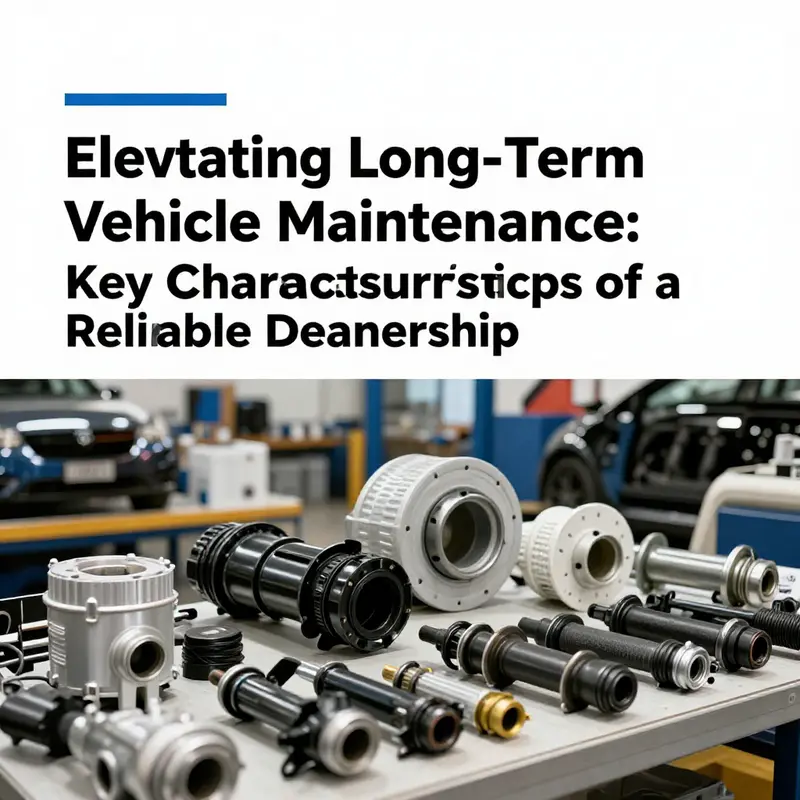
A dealership that stands out for long-term vehicle maintenance treats maintenance as a long arc, not a series of isolated repairs. In practice, that means aligning parts quality, diagnostic discipline, technician training, and a customer experience that respects time, money, and the vehicle’s future. The centerpiece is the deliberate use of genuine parts, coupled with factory-endorsed standards that govern every repair and preventive service. When a dealer commits to OEM components and to the rigorous procedures supplied by the automaker, the result is more than immediate reliability. It is a foundation for sustained performance, preserved safety, and value retention across the vehicle’s lifecycle. OEM parts are designed to fit, function, and age with the vehicle in ways aftermarket pieces cannot guarantee. They are engineered to meet precise tolerances, materials, and chemistry that the vehicle’s systems rely on. A brake caliper’s bite, a water pump’s seal, or a sensor’s response is calibrated to interact with other components in a tightly choreographed ecosystem. Using genuine parts reduces the risk of misfit, premature wear, or unexpected interactions. This is not merely a warranty argument; it is a maintenance philosophy that translates into lower total cost of ownership because fewer pieces fail prematurely and less time is spent chasing intermittent problems from ill-fitting substitutes.
This emphasis on authenticity is reinforced by the quality standards that frame the dealer’s workflow. Automakers issue diagnostic procedures, service bulletins, and software tools tailored to their vehicles. A dealership that follows these protocols has access to diagnostic trees that mirror the manufacturer’s thinking about how a system should behave. Technicians trained under the manufacturer’s guidance learn to interpret data the way the car’s engineers intended. Today’s vehicles are highly integrated; a fault in one subsystem can cascade into another in ways that only manufacturer-referenced diagnostics can separate. The result is accuracy and predictability in service scheduling, ensuring maintenance milestones are performed at the point of maximum benefit.
The reliability gained from OEM parts and factory protocols has strategic value for resale. Prospective buyers ask about the vehicle’s maintenance history and whether OEM parts were used. A dealership with a consistent record provides a narrative of care and stewardship, illustrating that ownership has been protected through a deliberate maintenance plan rather than aftermarket patchwork. When these standards are applied consistently, the customer experiences a predictable maintenance journey, not surprises. The effect is that the vehicle tends to perform closer to design intent for longer, with fewer surprises and less downtime.
Part of this disciplined approach is how parts are sourced and installed. A good dealership prioritizes OEM parts from authorized channels and maintains traceability for every component. This matters for warranty claims, compatibility across model years, and accountability to the customer. If a part is described as genuine, the dealer should prove its origin and fit and explain why it is appropriate for the vehicle. That transparency reinforces trust – the currency of long-term relationships.
Beyond the replacement floor, a standardized workflow guides the service department from booking to completion. Before work begins, a transparent inspection plan is presented, detailing what will be checked, what parts may be needed, and the expected cost and timeline. Even when no dramatic work is required, an analysis of system health informs the customer and reduces anxiety. When a service adviser can reference specific service bulletins tied to the VIN, the customer shares a clear understanding of the maintenance journey.
Quality standards also apply to aftermarket layers of service. OEM-aligned quality control ensures that repairs solve the current fault while preserving system integrity. A factory-authorized process includes precise torque specs, alignment checks, sensor recalibrations, and software updates. The emphasis is reproducibility: same steps, same results, across the network. That consistency translates into fewer comebacks and smoother long-run maintenance.
Humans matter too. Trained technicians turn OEM guidance into reliable shop-floor outcomes. Ongoing training in latest factory procedures, technologies, and service bulletins builds a workforce capable of navigating modern vehicles. The technician’s skill reduces risk by preventing problems and catching subtle wear patterns. They know how to interpret dashboards, manage battery and electrical checks, and calibrate hybrids with care. A skilled team reduces risk for the customer and the vehicle’s future.
Brand reputation and support networks back a dealer’s claims. A brand known for reliability offers access to a technical database, a robust parts network, and an escalation path for complex concerns. This can shorten turnaround times, improve pricing on genuine parts, and help maintain vehicles across model years. Even owners who plan to keep a vehicle for a shorter period can benefit from reliable maintenance that preserves resale value.
All of this adds up to a maintenance partnership rather than a transaction. The appointment process, inspection, diagnostics, parts selection, technician execution, post-service explanation, and follow-up are harmonized to minimize guessing and maximize predictability. When genuine parts and quality standards guide every step, the dealership becomes a reliable partner in vehicle longevity.
For readers evaluating maintenance options, consider OEM authenticity, technician credentials, and transparent diagnostic processes. Ask how service steps align with published manufacturer procedures and what training has been completed. A dealer that can offer clear, evidence-based answers is likely practicing long-term, health-focused maintenance. The payoff is cumulative: fewer visits, clearer expectations, and more consistent performance over years and miles.
Final thoughts
Choosing a dealership for long-term vehicle maintenance is an important decision for business owners. The reliability, efficiency, and overall performance of your vehicles depend on the quality of maintenance they receive. By focusing on professionalism, exceptional after-sales service, the expertise of staff, and the use of genuine parts, you can ensure that your vehicles are in capable hands. A strong partnership with the right dealership not only enhances vehicle longevity but also provides peace of mind, allowing you to focus on your business operations. Cultivating this relationship will preserve the value of your investments for years to come.