

Proper vehicle maintenance is critical for business owners looking to ensure safety, reliability, and efficiency in their fleet operations. Neglecting routine checks can lead to costly downtime and repairs, impacting productivity and service delivery. This article discusses key areas of vehicle maintenance integral to business operations. The first chapter covers fluid checks and replacements, vital for operational effectiveness. The second chapter details tire maintenance, ensuring optimal grip and safety. Finally, the third chapter emphasizes the importance of regular braking system inspections, which are crucial for maintaining safety and performance on the road.
The Lifeblood Under the Hood: Mastering Fluid Checks and Replacements for Safety and Longevity
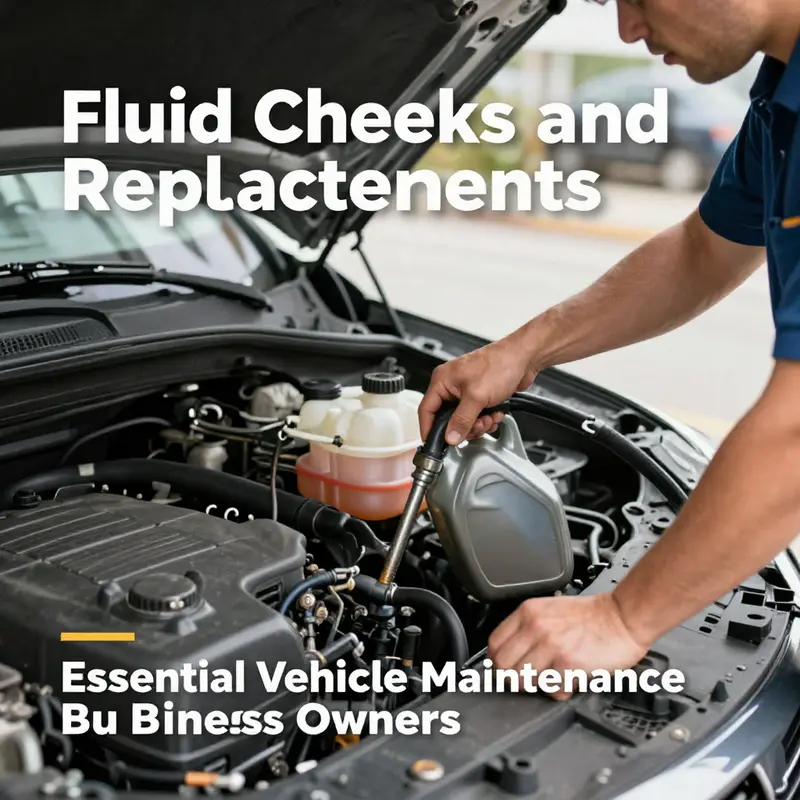
Fluids are the quiet backbone of every vehicle. They do more than lubricate or cool; they shield metal, transfer energy, seal gaps, and carry heat away from the workhorse that powers your daily life. When a driver thinks about maintenance, fluids are often the unseen portion of the bill, easy to overlook until a warning light flickers, a pedal goes soft, or a sudden squeal betrays a failing system. Yet these lifelines—engine oil, coolant, brake fluid, transmission fluid, and power steering fluid—work in concert. Their health depends on regular checks, timely replacements, and the right fluid type for the job. The goal is simple in theory: keep each system operating within its designed parameters so the vehicle remains safe, efficient, and reliable over its miles and years. In practice, that means integrating fluid care into every routine, from the first pre-drive inspection to the big service intervals that mark the passage of time and wear alike. The most successful maintenance plans recognize fluids not as an afterthought but as a core routine, a constant feedback loop between what you see, what you hear, and what you measure against the manufacturer’s standards and your own driving realities.
Engine oil is the most visible and often the most misjudged fluid in modern vehicles. It acts as the first line of defense for the engine’s moving parts, forming a film that reduces friction, carries heat away from the pistons, and helps prevent the formation of harmful deposits. The typical guidance you’ll encounter is to change oil and the filter at intervals defined by the manufacturer, with the exact miles depending on the oil type and driving conditions. Mineral oils, synthetic blends, and full synthetic oils each carry their own schedules and performance profiles. In general, you’ll see a broader window for synthetic oils and more frequent changes for mineral products, but these are not universal rules. A vehicle accustomed to short trips and frequent idling tends to accumulate contaminants more quickly, while highway-driven engines often perform longer between changes. This is why many manufacturers, and most experienced technicians, emphasize the importance of following the owner’s manual and the maintenance reminders built into modern vehicles. They reflect lab testing, field experience, and the way the engine and its lubrication system operate as a whole. In practice, the oil change should always include replacing the filter; the old filter can harbor metal particles, dust, and contaminants that may bypass a marginally used new oil if left in place. Regularly checking the oil level between changes is also a good habit. A dipstick reading that sits near the minimum mark or, worse, shows a low level after a short trip is a sign that you should either schedule a change sooner or investigate potential leaks.
Coolant, or antifreeze, is the other critical fluid that keeps the heart of the cooling system from overheating or freezing. It circulates through the engine and the radiator to absorb heat and transfer it to the air stream. The coolant’s chemistry is tailored to the vehicle’s metal and alloy composition, the climate, and the specific cooling system design. Levels should be checked regularly, and the fluid should be replaced on a schedule that matches the manufacturer’s recommendations. In many cars, the coolant change interval falls every two to three years, though some environments may demand more frequent refreshes. Color and composition matter, too. Mixing the wrong coolant type or using something that has degraded can cause corrosion, clogged passages, and reduced heat transfer. When topping off, use the exact fluid type specified by the manufacturer and never mix old with new coolant in a careless way. A properly maintained cooling system protects not only the engine but the entire drivetrain, helping prevent heat-related failures that can cascade into cracked hoses, blown seals, or warped components. If you notice steam under the hood, a drop in coolant level, or a sweet, syrupy odor that doesn’t correspond to a spill, you should pause and check for leaks and possible cooling system failures. For a broader context on how fluid maintenance fits into the life-cycle of vehicle care, see What is vehicle maintenance? The bigger picture helps drivers connect individual tasks to the overall health of the car.
Brake fluid is often the most neglected in daily life because its performance is taken for granted until a driver reaches for the pedal and gets a soft or spongy feel. The reason is straightforward: brake fluid is hygroscopic, meaning it consumes moisture from the air over time. That absorbed water lowers the boiling point of the fluid, which in turn reduces braking effectiveness, especially under heavy use or in hot conditions. Regular inspection for contamination and moisture, and replacement at the intervals recommended by the manufacturer—commonly every two years—is essential. The symptoms of degraded brake fluid are sometimes subtle: a softer pedal, intermittent braking feel, or the brake warning light coming on without an obvious cause. While the brake pads and rotors do wear out with use, the fluid is what ensures the hydraulic system responds consistently. A routine brake-fluid flush is a wise investment in safety and can avert more costly repairs involving the ABS module or the master cylinder. Repair costs tied to braking are among the most consequential, given the direct impact on stopping distances and vehicle control. In higher-stress environments—towing, urban driving with frequent stops, or mountainous terrain—the fluid’s stability becomes even more critical, and the case for staying current with maintenance schedules becomes clearer.
Transmission fluid sits at the intersection of performance and longevity. In automatic transmissions, the fluid not only lubricates gears but also serves as a hydraulic medium that transmits power and cleanly cools the system. The level and condition of transmission fluid give you a window into the health of the transmission itself. Most modern automatics require a fluid change or at least a drain-and-fill procedure at intervals that range widely from roughly 60,000 to 100,000 miles, depending on the vehicle, driving style, and fluid formulation. Red flags to watch for include harsh or delayed shifting, grinding noises when changing gears, or a burnt odor that can indicate degraded fluid. Checking the fluid level becomes more complex in some transmissions, because not all designs provide a consistent dipstick view. In those cases, a professional service is advisable to avoid overfilling or underfilling, both of which can cause their own problems. It is worth noting that not all transmissions require a fluid change as often as others; some high-tech units use low-viscosity or specialty fluids with longer life and different service intervals. Because the transmission is a more expensive and intricate component, following the specific service bulletin and the owner’s manual—along with any software updates that accompany fluid changes—helps ensure the unit remains responsive and reliable over a broad range of temperatures and load conditions.
Power steering fluid remains a smaller portion of the maintenance story than it once was for many drivers. In vehicles with hydraulic power steering, this fluid serves as both a lubricant and hydraulic medium, ensuring steering inputs translate smoothly into motion. Over time, the fluid can degrade and accumulate debris, losing its lubricating properties and potentially increasing steering effort, noise, or even the risk of component wear. Regular checks of fluid level and condition, and flushes when the manufacturer calls for them, help protect the steering system’s performance. As vehicles move toward electric power steering (EPS), the hydraulic fluid may fade from the routine maintenance checklist. EPS systems operate with electric motors and sensors rather than a constant hydraulic supply, which reduces the emphasis on fluid care but does not eliminate it. Electrical connections, motor windings, and sensor calibration all require attention, and software updates become part of maintaining the steering system’s accuracy. Any sign of stiffness, whine, or whining noises during a turn should prompt a closer look at the steering system as a whole, since an issue there can affect vehicle handling before other fluids display obvious trouble. For fluid-focused readers, this evolution means a calmer, less frequent routine for hydraulic fluids, but a more careful attention to electrical and software health that integrates with the fluid narrative as cars become more electrified.
In addition to the big four or five fluids, some vehicles call for attention to more nuanced maintenance items, including specialized maintenance kits. These kits, often developed for specific models or service needs, can include filters, additives, and replacement fluids that extend the life of the existing fluids and protect critical components. When used correctly, such kits support a more conservative approach to maintenance, enabling owners to address minor degradation before it translates into measurable performance loss. For example, in trucks and SUVs that see heavy duty use or harsh climates, these kits can help manage fluid wear more proactively rather than reacting to a problem after it appears. The concept of a maintenance kit aligns with a broader shift toward proactive care, where drivers take small, timely actions that preserve the integrity of the system rather than chasing failures after they occur. In practice, the decision to use a kit should be guided by the vehicle’s age, usage pattern, and the manufacturer’s recommendations, as well as the mechanic’s judgment about the fluid’s current condition. The idea is to balance convenience, cost, and safety, ensuring that the car continues to operate in a predictable, safe manner.
While fluid maintenance is deeply practical, it is not isolated from the larger maintenance ecosystem. The health of engine oil, coolant, brake fluid, transmission fluid, and steering fluid depends on the surrounding environment, heat cycles, and the way the vehicle is driven. Short trips in cold weather can prevent full fluid circulation, concentrating contaminants and moisture; long highway drives tend to promote even heating and may extend fluid life, but under heavy load or towing conditions the fluids will still wear faster. This interplay means a driver’s annual maintenance plan should include not just a checklist but a quiet, ongoing assessment: are any fluids outside their expected color, clarity, or level? Are there unusual smells or noises that hint at a systemic issue? Are the maintenance reminders that many modern cars generate being taken seriously, with service records kept and followed? These are essential questions because fluids tell a story about the engine, the drivetrain, and the risk of a breakdown.
A practical approach to fluid maintenance blends routine checks with disciplined adherence to service schedules. Start with the owner’s manual, which serves as the primary guide. Many vehicles feature built-in maintenance reminders that track miles and time, and these alerts are tuned to the exact specifications of the model and year. When in doubt, a visit to a certified mechanic provides a second opinion that is more precise than generic advice. The goal is not to chase every anomaly but to create a predictable rhythm: inspect fluids, top off as needed, flush or replace according to the schedule, and confirm that the new fluid type is compatible with the system. In this framework, the car’s fluids become a living dataset, a narrative of how the vehicle is aging and how well it is being cared for. For readers seeking a quick bridge into the broader topic—how fluid maintenance fits into a complete, proactive maintenance plan—consider reviewing the entry What is vehicle maintenance? This article helps situate fluid care within the bigger picture and reinforces the idea that small, timely actions accumulate into lasting reliability.
As you read this, you may also consider how a modern vehicle blends traditional liquid-based maintenance with new propulsion technologies. Electric and hybrid systems are changing the fluid landscape, reducing dependence on certain hydraulic circulations while introducing new needs for battery cooling, thermal management, and high-voltage system integrity. Even in these configurations, the central principle remains: fluids and their health indicators are crucial signals of overall maintenance status. They help prevent overheating, protect seals, maintain hydraulic performance, and ensure efficient power delivery across varied driving conditions. The practical takeaway is straightforward: know your fluids, know the schedules, and stay alert to the subtle signs that a fluid is no longer doing its job. If you’re curious about how this focus on fluids connects to broader maintenance practices, you can explore What is vehicle maintenance? to see how these checks integrate with other essential tasks over the vehicle’s life.
In closing the fluid-focused portion of maintenance, the aim is to translate knowledge into consistent practice. Check fluids regularly, observe color and clarity, and respect the manufacturer’s recommended intervals for service. Keep the oil and filter together, refresh the coolant before it becomes a problem, prevent moisture buildup in brake fluid through timely flushes, monitor transmission fluid levels and quality, and stay aware of the evolving relevance of power-steering fluid in every era of vehicle design. The best outcomes come from a balanced program that combines routine self-checks with professional assessments at the indicated milestones. When you do this, you’re not just avoiding breakdowns; you’re optimizing efficiency, extending the life of your components, and preserving the resale value of the vehicle. For readers who want a quick pointer on how this chapter fits into the broader idea of vehicle care, there is a concise primer in What is vehicle maintenance? that helps connect fluid care to the overall discipline of keeping a car in reliable condition.
Internal link note: For deeper context on how fluid care aligns with broader maintenance principles, see What is vehicle maintenance?
External resource for further guidance: Power Steering Fluid Maintenance Guidelines offers additional insights into how hydraulic and electric steering systems are managed across modern vehicles and why periodic checks matter. You can review these guidelines here: https://www.bing.com/search?q=power+steering+fluid+maintenance+guidelines
null
null
Safe Stopping, Sound Maintenance: A Deep Dive into Braking System Inspection and Care for Reliable Vehicle Stopping
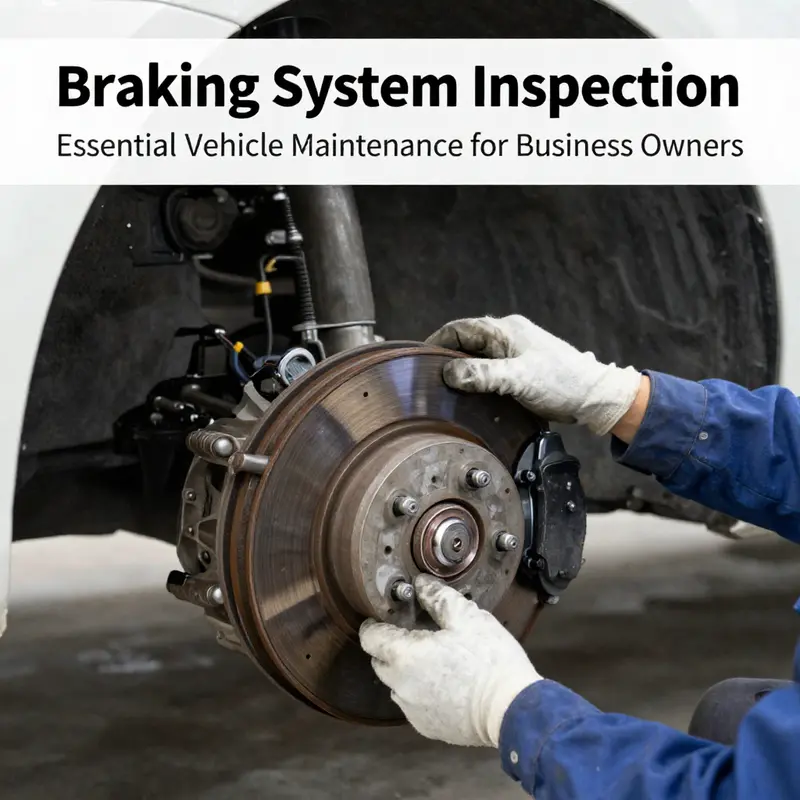
The braking system is the ultimate guardian of safety on the road. It is not just a set of parts that stop a car; it is a finely tuned assembly that translates driver intention into controlled deceleration and, when necessary, a complete halt. In a modern passenger vehicle, the braking system comprises the brake pedal, a vacuum booster that multiplies the driver’s force, the master cylinder that translates pedal movement into hydraulic pressure, the anti-lock braking system (ABS) module if equipped, brake lines carrying the fluid to the wheels, and the friction interfaces—calipers with pads for disc brakes or wheel cylinders with shoes for drum brakes. Underneath this visible surface lies a web of sensors, valves, and seals that ensure heat, moisture, and grit do not compromise performance. The result is a system that must perform consistently across a broad range of conditions: city stop-and-go, long highway descents, wet mornings, frosty starts, and the occasional emergency maneuver. The reality is that every one of these components wears, ages, or becomes contaminated with time. Routine inspection and timely replacement are not merely about preserving performance; they are about preserving the driver’s ability to slow down safely when it matters most.
The braking systems in today’s cars come in two primary flavors: disc brakes and drum brakes. Disc brakes are the more common choice for the front wheels and increasingly for the rear as well. They use a rotor fastened to the wheel hub and a caliper that squeezes the friction material against the rotor when the pedal is pressed. Disc brakes excel in dissipating heat and remain effective even when subjected to heavy use—think long downhill runs or repeated city stops. Drum brakes, while quieter and more compact for some applications, rely on friction shoes pressing outward against a rotating drum. They tend to fade less than older non-assisted drums in certain conditions, but their internal surfaces are harder to inspect, and their performance can degrade more quickly in wet or dusty environments. Regardless of the design, the system’s health depends on regular attention to fluid condition, pad or shoe wear, rotor or drum surface status, and the integrity of lines and seals.
Maintenance decisions for the braking system must be anchored in a blend of driver behavior, vehicle type, climate, and mileage. There is no universal timetable that fits every car, but several guiding principles help keep stopping power dependable. Brake fluid is the lifeblood of the system, transmitting force through hardened mineral oil or glycol-based fluid with precise boiling points. Over time, moisture from the air seeps into the fluid, lowering its boiling point and increasing the risk of vapor lock under heavy use. This is especially true in humid climates or when a vehicle spends extended periods in wet conditions. Many manufacturers and safety authorities recommend replacing brake fluid every two years, or sooner if testing shows a higher moisture content. The exact interval can vary with climate and the fluid’s formulation, but the underlying priority remains the same: maintain a fluid that resists boiling and maintains consistent hydraulic pressure under load. A moisture tester is a practical tool for gauging readiness, and ignoring rising moisture content is an invitation to spongy braking and reduced pedal feel.
Pad and shoe wear is the other central variable. The friction material that actually slows the vehicle wears with use. In many vehicles, pads may begin replacement around one-third of their original thickness, but this threshold is not universal and depends on pad material and driving style. Aggressive driving, frequent highway miles, or driving in heavy traffic can all hasten wear, shortening the interval to roughly 30,000 to 40,000 kilometers or even less in demanding conditions. Disc brake pads usually require inspection most days around the 50,000- to 60,000-kilometer range under normal conditions, while drum brake shoes can last longer in some setups but are not immune to wear, particularly if the parking brake engages through the same mechanism.
A deeper, more comprehensive inspection is advised at regular intervals. A thorough brake check every 20,000 kilometers, including wear measurements, leaks, and caliper function, helps identify issues before they become safety risks. Routine checks every 10,000 kilometers keep wear and corrosion from flying under the radar. This cadence can be adjusted based on vehicle type, environment, and manufacturer guidance. For lighter, city-focused cars, a more frequent cadence might be warranted, while larger or heavier vehicles with higher brake demands may require more frequent attention. Commercial or heavy-duty applications often impose stricter schedules because braking systems endure greater demand and heat. In all cases, the aim is to detect wavering performance before it translates into longer stopping distances or a failure that leaves the vehicle unable to stop in a controlled manner.
Environmental context also matters. Salt on coastal roads, road grime, and winter slush can accelerate corrosion of calipers, lines, and rotors. Wet conditions can lead to fluid moisture accumulation and rotor surface rust that wears off with use but signals the need for inspection if it persists. New vehicles pass through a break-in period for brake components, and the early miles are a delicate time for seating the new pads against rotors. In manual transmission cars, drivers often learn to adapt to the dynamic relationship between clutch actuation and braking during this period, because rough or abrupt changes at the drivetrain can accelerate wear if braking is performed before the clutch is fully disengaged.
Beyond the mechanical skeleton, the braking system relies on electronic aids that make braking more predictable and controllable. ABS helps prevent wheel lock under heavy braking, maintaining steering control. ESC and stability control rely on braking inputs to keep the vehicle on its intended path during cornering or evasive maneuvers. The sensors and actuators that support these systems are part of the broader braking ecosystem. When those electronic elements grow stale or their hydraulic partners degrade, the feeling at the pedal and the responsiveness of the vehicle can change in subtle ways. The takeaway is simple: braking maintenance is not only about pads and rotors. It is about maintaining the entire stopping architecture, including the hydraulic fluid, the mechanical interfaces, and the electronic guardians that assist with stability and control.
A practical orientation to maintenance emerges when considering warning signs that something might be amiss. A squeal or grind when the brakes are applied often points to worn pads or hardened shims. A soft, spongy, or sinking pedal indicates potential air in the hydraulic system, a failing master cylinder, or a brake fluid issue. A vehicle that pulls to one side during braking may signal uneven pad wear, a sticking caliper, or misaligned wheels. Pulsations or a vibrating brake pedal can reveal rotor run-out or warped rotors. In any of these scenarios, continuing to drive without investigation increases the risk of reduced stopping power and heat-related damage, potentially leading to rotor or drum surface distortion, caliper problems, or fluid leaks.
The health of the braking system also intersects with driving habits and the vehicle’s overall maintenance. A well-maintained vehicle with fresh brakes, clean fluid, and properly functioning ABS can respond decisively in an emergency, while a vehicle in neglect can experience longer stopping distances and degraded control. The best practice is to treat braking maintenance as an ongoing dialogue between driver behavior and mechanical condition. Before each journey, a quick visual inspection can catch obvious issues: check for fluid leaks beneath the vehicle, inspect hoses and lines for cracks or bulges, and ensure no brake fluid is visibly present along the wheel wells. A routine test of the pedal—feel it, confirm it returns to its resting position, and verify that it does not go to the floor when pressed—can be a simple early warning of system trouble. These checks, though small, contribute to a larger pattern of safety and reliability that pays dividends across the vehicle’s life.
When it comes to the specifics of maintenance, brake fluid replacement has a precise rationale. The moisture content in hydraulic fluid lowers the boiling point, so heavy use can generate heat that causes vapor formation and reduces braking efficiency. In humid climates, this risk is amplified, and the interval for replacement should be shortened accordingly. A 2-year guideline serves as a practical baseline, but professionals may adjust based on fluid test results and driving conditions. It is important to use the correct type of brake fluid specified for the vehicle and to avoid introducing contaminants during service. The atmosphere inside the braking system is unforgiving; even minute quantities of water or dust can alter performance or corrode components over time. The same caution applies to the fluid’s level in the master cylinder reservoir. A low level can indicate a leak or worn pads, as the system seeks to maintain proper pressure, and it should be addressed promptly to prevent air ingress and inconsistent braking response.
In parallel with fluid care, pad and shoe wear require regular attention. A visual measurement can help determine remaining thickness, and many vehicles provide pad wear indicators or digital readouts through service diagnostics. When pads reach roughly one-third of their original thickness, most manufacturers recommend replacement. The exact figures depend on pad material and design, but the rule of thumb remains: thinner friction material yields less effective stopping power and greater heat buildup. Disc brakes generally require attention in the 50,000–60,000-kilometer range under normal conditions, while drum shoes can last longer in some configurations, contingent on how the parking brake is integrated with the braking system. Keeping an eye on rotor or drum surface condition is essential, because scoring, cracking, or glazing can dramatically reduce friction and increase stopping distances.
An extensive brake inspection that covers every wheel is a prudent habit, especially for vehicles used in demanding service. The inspection should check for wear patterns, corrosion, leaks, proper caliper function, rotor or drum condition, and even contact of the pad with the rotor. This level of scrutiny helps identify issues such as caliper sticking or wheel cylinder bore wear, which can cause uneven braking and heat concentration on one corner of the vehicle. For commercial or heavy-duty applications, the frequency and depth of inspections increase because the brakes bear proportionally more load and heat. Even in everyday passenger cars, a disciplined approach—paired with a recognition of environmental influence and driving style—produces safer, more predictable braking performance over the vehicle’s life.
The human factor remains central. No matter how advanced the braking system is, a driver who ignores signs of wear or avoids maintenance will eventually pay the price. There is a tendency to rely on high-tech safety features as a substitute for routine upkeep, but the reality is that these features rely on a healthy hydraulic and mechanical baseline. A squeal can be the first audible warning that the pads are nearing the end of their life; a vibration can be an early sign of rotor issues; a soft pedal can indicate a hydraulic problem that needs immediate attention. Addressing these signals early not only preserves braking performance but also protects other components of the vehicle from heat damage, misalignment, and accelerated wear.
For readers seeking more guidance on the electronic aids that accompany modern braking, there is a practical resource you can consult. How to service electronic stability control offers concrete tips for maintaining the sensors, actuators, and control logic that help keep a vehicle stable during braking and cornering. You can explore this topic here: How to service electronic stability control.
Finally, it is useful to anchor these practices in recognized safety guidelines. The national safety agency’s guidance on brake system inspection and maintenance remains a trusted reference for the automotive community. For authoritative, up-to-date recommendations on brake inspection intervals and safety considerations, see the official resource at SaferCar.gov. Keeping these external standards in view helps drivers align personal maintenance with real-world data and regulatory expectations, reinforcing the idea that braking maintenance is not an optional chore but an essential responsibility of vehicle ownership.
In sum, brake maintenance is a layered discipline that blends fluid care, wear-part replacement, surface condition monitoring, and electronic system awareness. It is as much about diligence as about parts. A well-maintained braking system offers confident, predictable stopping, reduces the likelihood of unexpected failures, and preserves the vehicle’s ability to respond to emergencies. This chapter has traced the arc from hydraulic fundamentals to wear patterns, from environmental factors to the practical cadence of inspections. It is a reminder that the road to safe stopping runs through regular checks, honest assessment of wear, and timely interventions—each step reinforcing the central goal of every journey: to stop safely, no matter what comes next.
Final thoughts
Maintaining a fleet of vehicles involves a multifaceted approach that prioritizes regular checks and replacements of fluids, tire conditions, and braking systems to ensure safe and efficient operations. As a business owner, your attention to these critical maintenance areas will significantly reduce the likelihood of breakdowns and costly repairs while enhancing productivity. Establishing a routine maintenance schedule based on manufacturer recommendations and adhering to best practices can lead to increased vehicle lifespan and a smoother operation. Invest in your fleet’s future by prioritizing these essential maintenance tasks.