
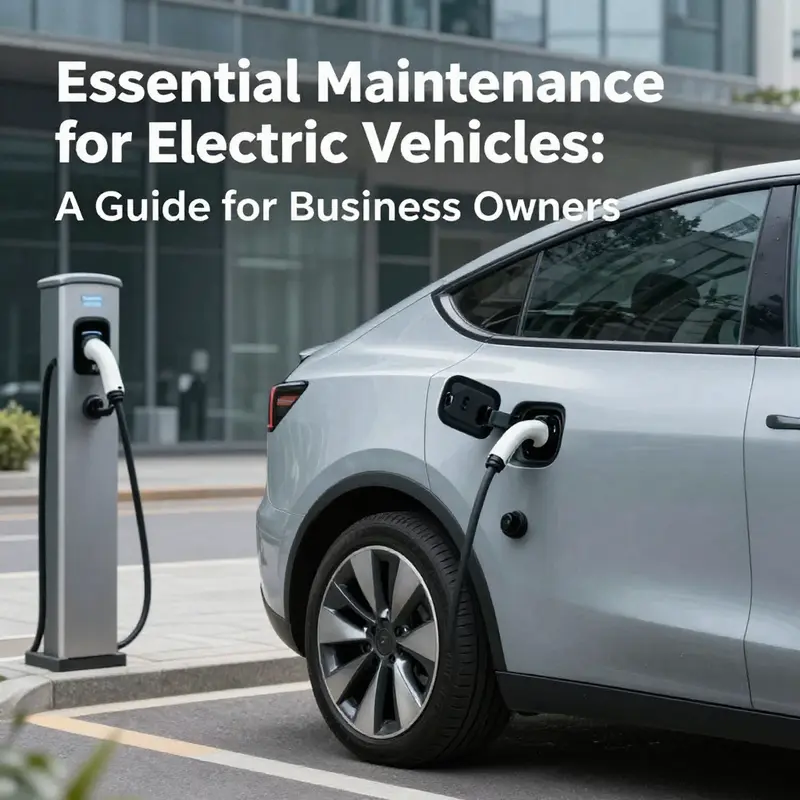
As electric vehicles (EVs) continue to reshape the automotive industry, business owners embracing this technology must understand the unique maintenance needs of their vehicles. Unlike traditional internal combustion engines, EVs rely on an entirely different set of components that require specific care to ensure optimal performance and longevity. This article delves into three critical aspects of EV maintenance: battery care, high-voltage system checks, and cooling systems. By mastering these areas, business owners can maintain their fleets efficiently, avoid costly downtimes, and reap the benefits of their investment in sustainable transportation.
null
null
Beyond the Battery: Electrical and High-Voltage Maintenance for a Long-Lasting EV
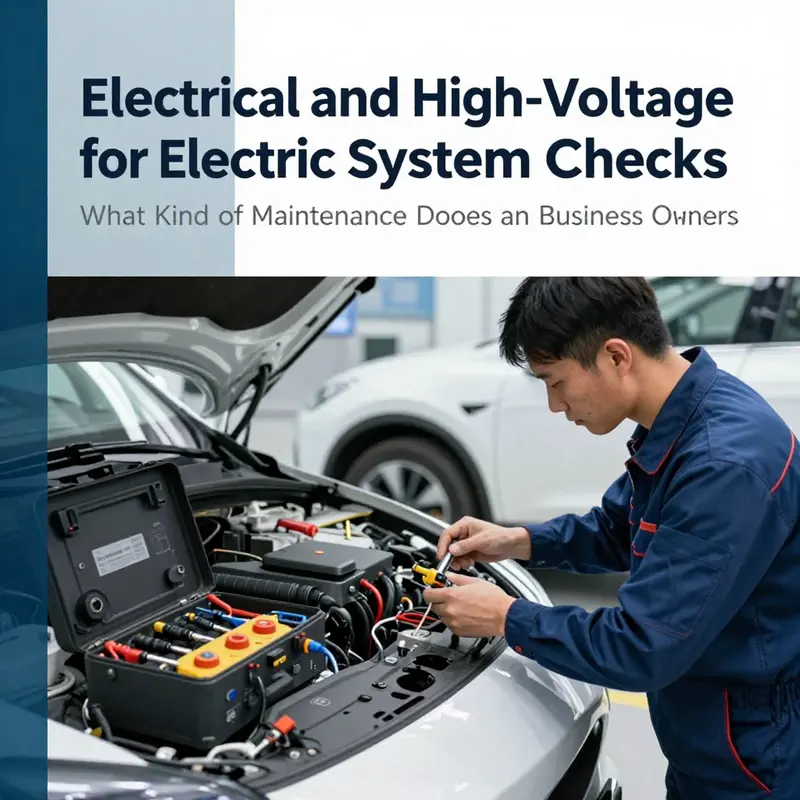
EV maintenance focuses on high-voltage systems, BMS, and cooling. The battery is the heart, but health depends on insulation, wiring, BMS operations, and thermal management. Regular inspections by a qualified technician use HV testers and diagnostic tools to verify insulation resistance, connector integrity, and SOH. The BMS balances cells, monitors temperatures, and communicates with the vehicle’s control software. Proper coolant levels and correct EV-specific coolant prevent overheating and corrosion. Software updates from the manufacturer can optimize charging, balancing, and fault detection. Safety protocols, PPE, and de-energization procedures are essential for any HV work. Regular professional checks help maximize safety, reliability, and range. This chapter emphasizes proactive monitoring, not casual DIY work, and highlights when to seek professional service.
Cool Currents, Quiet Bearings: Essential EV Cooling and Lubrication Maintenance
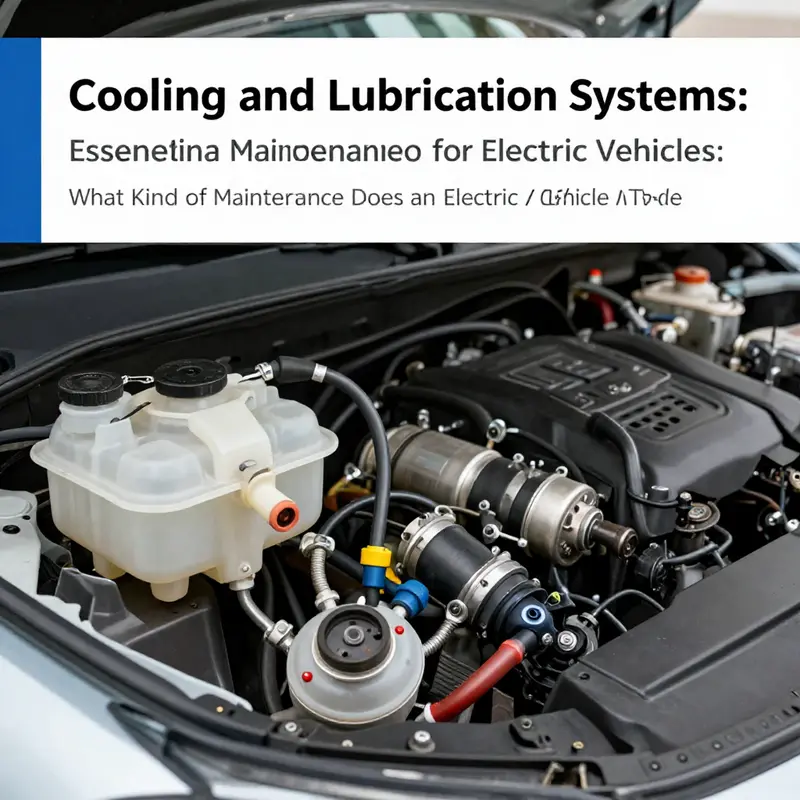
Electric-vehicle cooling and lubrication systems are the quiet backbone of reliability. They keep the battery, motor, and power electronics within safe temperatures and operating tolerances. Maintenance focuses on coolant condition, leak checks, pump and fan operation, and any drivetrain lubrication where applicable. Regular checks help preserve range, performance, and safety over the life of the vehicle.
Cooling circuits are a coordinated network. Coolant is typically a glycol-based fluid designed to resist freezing, corrosion, and to maintain stable viscosity. The coolant circulates through battery modules, motor housings, and power electronics, then returns to a heat exchanger or radiator where fans and pumps enforce flow. The battery may generate heat during charging and driving, so the loop often runs more aggressively than drivers expect. A healthy cooling loop limits temperature rise, reduces thermal cycling, and slows battery degradation.
Maintenance tasks include monitoring coolant level and condition, looking for leaks, and ensuring the radiator or heat exchanger is clean. Replacement intervals vary by model, often around 2-4 years; follow the manufacturer’s schedule in the owner’s manual. Inspect hoses, clamps, and connections for signs of seepage. Debris on the radiator fins reduces airflow; gentle cleaning with a soft brush or air from the clean side helps maintain efficiency. Inspect the cooling pump and electric fan for signs of wear or abnormal noise. If temperatures rise abnormally or fault codes appear, diagnostic checks should verify pump performance and insulation pathways.
Lubrication in most EVs is lower maintenance, with many bearings sealed for life. Some transmissions or gear stages may require occasional lubrication, with intervals that vary widely by design. Do not lubricate sealed bearings or contact the manufacturer’s guidelines before attempting service. The broader goal is to avoid contamination and overheating that degrade lubricants. Follow the maker’s service plan to minimize wear and maximize efficiency.
Finally, maintain awareness of the relationship between thermal management and battery health. Preconditioning the battery via climate control can improve charging speed and efficiency in cold or hot conditions. Keep software updated to ensure accurate health assessments of the cooling loop and the three-electric system. Treat cooling and lubrication as guardrails for longevity, not mere maintenance tasks, and rely on authorized service centers for high-voltage safety checks where required.
Final thoughts
In conclusion, maintaining an electric vehicle is distinctly different from traditional gasoline-powered counterparts, necessitating specialized knowledge focused on batteries, high-voltage systems, and cooling mechanisms. By implementing proper maintenance practices in these areas, business owners can ensure their EVs operate efficiently, remain safe, and provide a sustainable transportation solution for their operations. Staying proactive with maintenance not only supports vehicle longevity but also enhances business efficiency and profitability. Embrace these insights and keep your electric vehicle fleet running smoothly.