

As business owners, maintaining a fleet of vehicles is crucial not only for operational efficiency but also for protecting your investment. Vehicle preventive maintenance is a proactive approach that involves regular inspections and servicing to prevent costly repairs and unexpected breakdowns. This article delves into three critical aspects of vehicle preventive maintenance: understanding its definition and importance, exploring best practices and recommended schedules, and examining the economic benefits along with safety implications it brings. Together, these insights will empower you to ensure that your vehicles are always in optimal condition, promoting smooth business operations.
Proactive Protection on Wheels: The Lifelong Value of Vehicle Preventive Maintenance
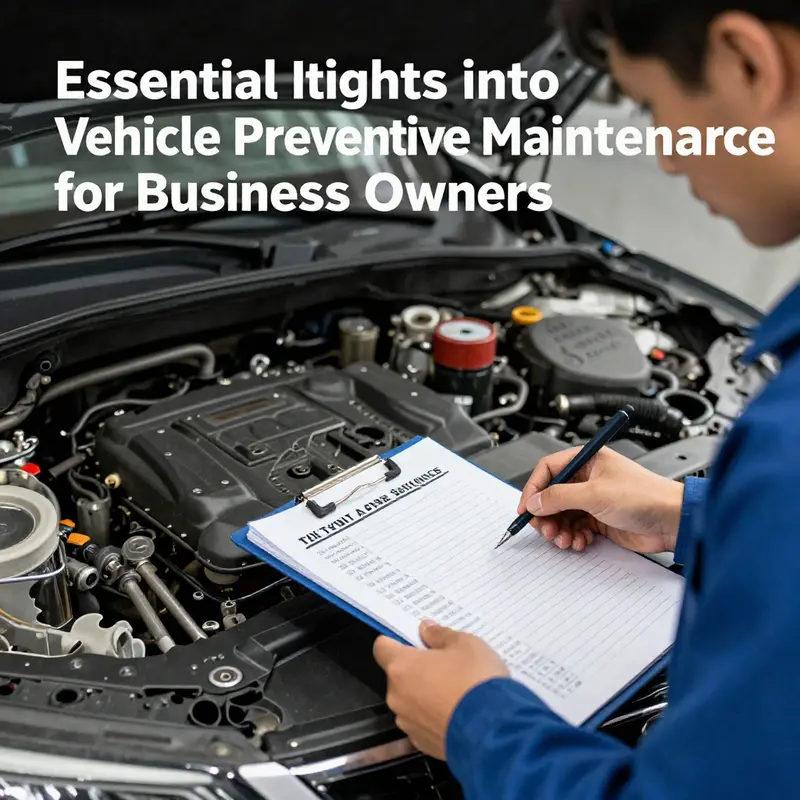
A vehicle is more than a sum of parts; it is a living system that relies on regular care to stay safe, reliable, and efficient. Preventive maintenance is the disciplined practice of caring for that system before trouble shows up. It is not merely a checklist; it is a mindset that treats routine service as an investment, not an expense. By examining how maintenance is planned, what it accomplishes, and why it matters to everyday driving and long-term ownership, we gain a clearer view of prevention as the backbone of responsible vehicle stewardship. At its core, preventive maintenance rests on a simple yet powerful idea: address potential issues while they are still small enough to fix easily, cheaply, and safely. This forward-looking approach reduces the chance of sudden breakdowns, extends the life of essential components, and keeps the vehicle performing as its designers intended. It is a straightforward strategy with complex benefits, woven through safety, reliability, cost management, and environmental responsibility. To appreciate its value, it helps to start with a clear definition and then explore how the practice translates into real, day-to-day driving life.
Preventive maintenance is a proactive program that blends inspection, servicing, and replacement of parts on a schedule designed to prevent failure. The goal is not to chase problems after they arise, but to stop them before they disrupt travel, work, or family life. This means following manufacturer recommendations, respecting time-based and mileage-based thresholds, and recognizing that wear is gradual and sometimes inconspicuous. Small symptoms—like a faint vibration, a slower oil drain, or a dashboard warning that doesn’t yet demand attention—can be signals that a larger issue is developing. The preventive approach treats such signals not as inconveniences, but as opportunities to intervene early when the fix is easier and less expensive. When executed consistently, preventive maintenance creates a stable baseline of vehicle performance and a safety margin against unexpected failures.
If we imagine the vehicle as a complex ecosystem, preventive maintenance becomes the routine weather report and the early-warning system that keeps that ecosystem balanced. Engines rely on clean oil to lubricate moving parts, cooling systems to manage heat, and a network of fluids that support everything from steering to transmission to electrical systems. Tires must wear evenly and rotate to maintain grip and efficiency; brakes require periodic inspection to ensure stopping power remains precise. The battery must be tested and kept charged, belts and hoses must resist the shocks of daily operation, and the onboard computer’s diagnostic capabilities should be checked to catch electronic faults early. These are not isolated tasks; they form a coherent program that sustains performance, safety, and efficiency.
A vital part of this program is the timing—both the clock and the mileage clock. Manufacturers publish maintenance schedules that reflect the expected wear patterns of specific components under typical operating conditions. These schedules are not arbitrary; they are the distilled wisdom of engineering, testing, and real-world experience. Time-based recommendations—such as an oil change every six months—guard against oil degradation and moisture buildup that can occur even in low-mileage vehicles. Mileage-based criteria—like tire rotation every 5,000 miles—address uneven wear that can reduce traction and fuel efficiency. The practical result is a maintenance rhythm that mirrors how the vehicle ages in real life, not a generic calendar that ignores actual use.
This rhythm is particularly meaningful for those who depend on their vehicles for daily life or business. In personal use, preventive maintenance translates into fewer unexpected trips to the shop, lower stress when schedules tighten, and the reliability to meet commitments without disruption. For fleets and commercial operations, the value compounds. Predictable maintenance reduces downtime, improves driver safety, and strengthens service commitments. The business case grows clearer when you consider that well-maintained vehicles tend to operate with better fuel economy, lower emissions, and longer service life. The payoff is not just money saved in repairs but money preserved through consistent uptime and predictable performance.
Among the most familiar preventive tasks are oil changes, tire rotations, brake inspections, fluid checks, filter replacements, and battery testing. Each task has a specific purpose and a distinct place in the maintenance sequence. Oil changes protect the engine by removing contaminants and preserving lubrication, while oil itself carries heat away from critical bearings. Tire rotations promote even wear, extending tire life and maintaining balanced handling. Brake inspections ensure that pads, rotors, and fluid lines are in good shape, safeguarding stopping power in all weather. Fluid checks and replacements keep cooling, transmission, power steering, and cooling systems functioning properly, preventing overheating and transmission slippage. Replacing filters helps keep air and fuel clean, supporting engine efficiency and emissions control. Battery testing helps prevent unexpected starts, especially when temperatures swing between extremes. Regular system diagnostics catch electronic and sensor issues that can silently erode performance long before a warning light appears.
The discipline of preventive maintenance, however, extends beyond simply performing tasks. It requires record-keeping, planning, and a practical understanding of vehicle use. Recording every service creates a maintenance history that becomes a valuable reference for future ownership. It clarifies how a vehicle has aged, which repairs were necessary, and when certain parts might be due for replacement. Carrying that history into future ownership—whether in a private garage or a corporate fleet—enhances resale value and provides transparency for buyers. Without this record, the true cost of ownership becomes harder to measure and the vehicle’s reliability may be overestimated.
A crucial perspective is recognizing maintenance as a continuous investment, not a single transaction. Each service has ripple effects: a well-lubricated engine reduces friction, a properly inflated tire improves fuel economy and handling, and calibrated brakes ensure smoother, safer stops. These effects accumulate over time. The vehicle operates more efficiently, consumes less fuel, and produces fewer emissions. In a broader sense, preventive maintenance aligns with responsible asset management. It protects the value of the vehicle by delaying the natural decline that comes from wear and environmental exposure. In this light, preventive maintenance becomes a stewardship practice, one that honors the vehicle’s original design and the owner’s safety and financial goals.
To anchor this practice in everyday life, it helps to think about the relationship between maintenance and safety in a practical, nontechnical way. The tires that grip the road, the brakes that respond when you need to slow down, the steering that keeps you on course, and the lights that illuminate the path ahead—these systems are only as reliable as the care they receive. Skipping a routine inspection can turn a minor misalignment into uneven tire wear, or a small coolant leak into engine overheating. Small, recurring issues sheathed in temporary fixes often become larger, costlier problems over time. Preventive maintenance is thus a form of risk management: it reduces the likelihood of expensive failures, protects you and others on the road, and preserves the vehicle’s ability to perform under pressure.
For readers seeking a concise benchmark, the practice is often summarized as a scheduled program of inspection and replacement designed to prevent breakdowns. It is the art and science of maintaining the vehicle’s core functions before symptoms appear. If you need a quick reference point, think of preventive maintenance as the modern, intelligent cousin of the old adage: “A stitch in time saves nine.” In vehicle care, a small, timely service often saves a much larger repair bill later and keeps you moving on the schedule life demands. This principle remains at the heart of both individual ownership and institutional maintenance programs.
From a communications standpoint, preventive maintenance also facilitates clearer expectations between drivers and technicians. A well-structured maintenance plan creates a shared language about when things should be checked, what thresholds trigger action, and how service quality is measured. In turn, this reduces ambiguous recommendations and accelerates decision-making when a vehicle’s condition warrants attention. The result is a smoother service experience, less downtime, and a higher level of trust between vehicle owners and those who care for them.
In a broader ecosystem sense, preventive maintenance dovetails with environmental stewardship. Well-tuned engines and properly operating exhaust and emissions systems work more efficiently, producing fewer pollutants and wasting less fuel. Consistent maintenance supports the ongoing reliability of the vehicle’s sensors and control systems, which helps ensure that modern emission-control technologies perform as intended. In short, taking care of a vehicle through preventive maintenance is not only about personal safety and cost control; it is also a contribution to cleaner roads and more responsible energy use.
For readers eager to connect this practice with deeper resources, the concept of preventive maintenance follows a widely accepted framework that emphasizes anticipation, scheduled action, and continuous improvement. The broader literature describes preventive maintenance as a proactive approach to maintenance that helps prevent unexpected equipment failures. This framing is applicable to road vehicles just as it is to large-scale facilities and industrial equipment, reinforcing the idea that prevention is a strategic investment rather than a reactive cost center. While the specifics vary—from service intervals to recommended fluids—the underlying logic remains consistent: plan ahead, act on evidence, and document outcomes. If you want a compact definition to bookmark, consider preventive maintenance as thoughtful, scheduled care that guards safety, reliability, and long-term value.
The practical implication is that preventive maintenance should be woven into the fabric of ownership rather than treated as a patchwork of ad hoc fixes. This means setting a maintenance cadence that respects the manufacturer’s directions, incorporating some flexibility for driving style, climate, and road conditions, and maintaining a log that records when services were performed and what was done. It also means recognizing that some parts age differently depending on use. A vehicle used in extreme heat or cold, for example, may require more frequent checks of fluids and cooling systems. Likewise, urban driving with frequent stop-and-go traffic can wear brakes and tires more quickly than long highway trips. A proactive plan adapts to these realities rather than ignoring them.
As you advance through this chapter, you may notice that preventive maintenance is not a single ritual but a coherent life cycle. It begins with education—knowing what to check and why it matters. It continues with planning—placing maintenance on a calendar and aligning it with actual driving habits. It then requires action—carrying out or scheduling the necessary inspections and replacements. Finally, it involves review—assessing the outcomes, updating schedules, and learning from any issues that surfaced. This lifecycle reinforces the idea that prevention is an evolving practice, not a one-time fix. And because vehicle ownership is never static—due to changes in use, climate, or budget—this adaptive mindset helps keep maintenance relevant and affordable over the long run.
If a reader seeks a concise starting point, consider this: begin with the vehicle’s owner’s manual and the service schedule it contains. Then, establish a simple maintenance log that records dates, mileages, and tasks. From there, use a consistent approach to tackle the most common preventive tasks and reserve more detailed service for professional technicians. You can adopt a straightforward rhythm—oil and filter changes at prescribed intervals, tire inspections and rotations at steady mileages, brake checks, fluid tops, and battery tests at recommended times—while staying attentive to warning signs. With time, the discipline becomes second nature, and preventive maintenance moves from obligation to habit.
To those who are curious about how to connect this practice with broader knowledge, a useful step is to explore a concise overview of maintenance concepts. For a quick, practitioner-friendly definition, you can look here: What is vehicle maintenance.
In sum, preventive maintenance is a disciplined, forward-looking approach to vehicle care. It protects safety by ensuring critical systems function correctly, promotes reliability by curbing unexpected failures, and supports cost efficiency through the avoidance of major repairs. It enhances fuel efficiency and lowers emissions by keeping systems operating as intended. And it preserves resale value by maintaining a documented, predictable history of care. These benefits are not theoretical; they accumulate through everyday decisions, routine checks, and timely interventions. When viewed through this lens, preventive maintenance becomes not merely a maintenance activity but a practical philosophy of vehicle ownership—one that respects the vehicle’s design, honors the owner’s time and resources, and safeguards the journey ahead.
External resource for broader context: https://www.facilitiesmanagement.com/articles/13748-what-is-preventive-maintenance
Guardians at the Garage: How Preventive Maintenance Shapes Vehicle Longevity, Safety, and Reliability
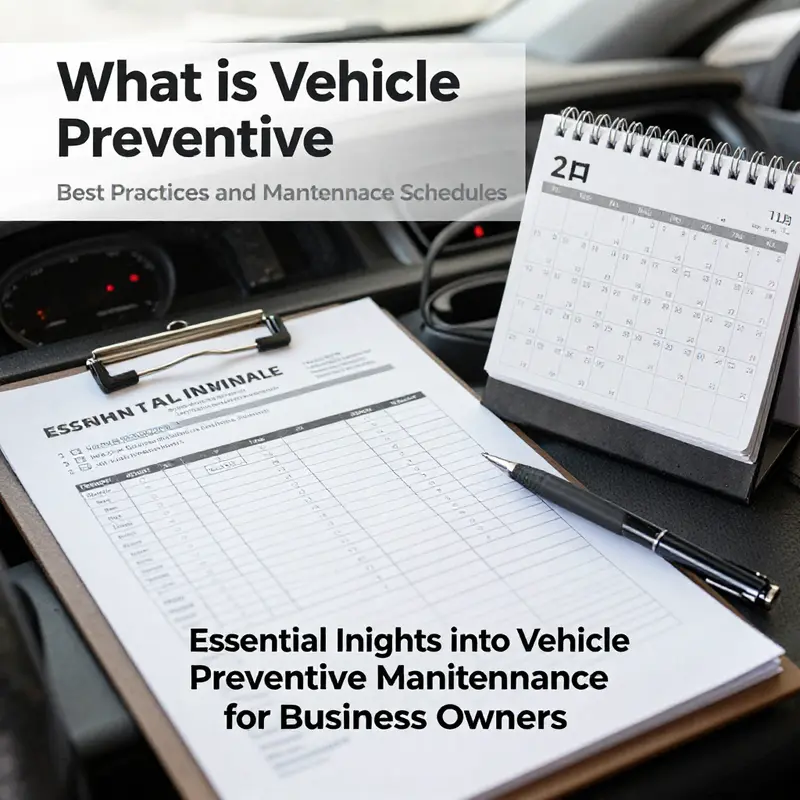
Preventive maintenance is more than a checklist. It is a deliberate discipline that treats a vehicle as a living, interconnected system whose health depends on regular attention, foresight, and disciplined action. At its core, preventive maintenance aims to prevent problems before they become visible failures, to keep engines firing smoothly, tires gripping the road, brakes converting stopping force into safety, and every subsystem communicating through predictable signals rather than followed by alarming symptoms. When you view maintenance through this lens, the routine becomes a form of stewardship rather than an interruption in daily life. It is a way to translate the manufacturer’s engineering intent into real-world reliability, safety, and cost efficiency. The goal is straightforward: to minimize unscheduled downtime, to extend the vehicle’s useful life, and to protect the people who rely on it every day. The evidence supporting this approach is substantial. Vehicles that adhere to a proactive schedule experience fewer dramatic breakdowns, enjoy steadier fuel economy, preserve resale value, and demonstrate greater long-term reliability. This is not merely about avoiding the next failure; it is about creating a predictable, safer driving experience that reduces risk for drivers, passengers, and other road users alike, a consequence that resonates with fleet operators, families, and individuals who depend on dependable transportation. To understand preventive maintenance as a continuous, value-generating practice, it helps to envision a three-layer framework that mirrors how most vehicles age and wear: a basic level that addresses the essentials, an intermediate level that digs deeper into critical systems, and a comprehensive level that squares away the more demanding, higher-mileage needs. The first layer, often called Level 1, includes the routine care that keeps the basics in check: oil changes and filter replacements, tire inspections and rotations to ensure even wear, and the periodic checks of cooling, braking, and transmission fluids. This level is the heartbeat of maintenance, performed roughly every few thousand miles or every six months, depending on the vehicle’s manual and the way it is used. Level 1 care is not glamorous, but it is the foundation. It ensures that the engine receives clean lubrication, that heat transfer remains efficient, that the brakes remain capable, and that the fluids circulate as intended. It is the service you can perform with a modest tool set and a willingness to learn the car’s rhythms, and it pays off with smoother starts, better mileage, and a calmer midweek routine when the car behaves as expected rather than as a problem magnet. The second layer, Level 2, represents a deeper, more thorough examination of key subsystems whose failure would be more disruptive or costly to repair. This level typically corresponds to higher mileage intervals and can include brake system evaluation, more detailed suspension checks, replacement of air and cabin air filters, and battery health assessments. At Level 2, the maintenance strategy shifts from simply keeping the engine alive to ensuring the vehicle’s dynamic comfort and safety remain intact. It is at this juncture that technicians begin to quantify wear—measuring brake pad thickness, listening for unusual sounds, and testing electrical systems that quietly support the car’s daily operation. When carried out with care, Level 2 maintenance reduces the likelihood of sudden, costly repairs, improves ride quality, and preserves critical performance margins that contribute to safe handling and predictable braking response in varied conditions. The third layer, Level 3, is the comprehensive service that addresses the more demanding needs that arise as a vehicle ages or as its operating profile changes. This level commonly includes engine tune-ups, transmission service, cooling system flushes, fuel system cleanings, and major component inspections. It is not merely a larger version of Level 1; it is a curated, expert assessment that pays attention to trends, wear patterns, and potential failure modes that would be invisible in routine checks. Level 3 care is expensive and time-consuming, but it is the prudent financial and safety decision for vehicles with high mileage, frequent heavy use, or specialized duty cycles. The logic of this multi-level approach is simple once you recognize that vehicles do not wear out in a single, dramatic moment. They degrade gradually as heat, friction, and time accumulate, and the degradation is not uniform across subsystems. A tire that loses tread grip may be noticed only after weeks of less-than-ideal wear patterns. A cooling system that loses efficiency may quietly escalate engine temperatures under heavy load or hot weather. A battery that tests strong in one season can fail when the temperature swings by a few degrees in another. By structuring maintenance as a three-tier program, owners and operators can allocate resources in a way that aligns with actual risk, not just calendar dates. This alignment is reinforced by the recommendations provided by manufacturers. The vehicle’s own engineers embed maintenance timing into service intervals because they have access to extensive testing, field data, and a deep understanding of how a given design responds to use over time. The manufacturer’s schedule serves as the most authoritative baseline, and following it is a powerful guardrail against warranty disputes, unexpected failures, and safety-related incidents. Yet recommended intervals are not universal absolutes. Real-world conditions—such as frequent short trips that prevent the engine from reaching normal operating temperature, dusty environments that abrade air filters, or heavy towing that increases brake and cooling demands—can accelerate wear. In those cases, the schedule becomes a living document rather than a fixed roadmap, and the maintenance plan must adapt accordingly. This is where technology becomes an ally. Modern vehicles are increasingly equipped with onboard diagnostics, often referred to as OBD-II, that monitor engine health, emissions, and other critical parameters in real time. These systems flag abnormal readings and, in many cases, anticipate issues before a warning light illuminates. A disciplined owner will use the vehicle’s built-in data in combination with external diagnostic tools to interpret warnings, log trends, and verify that the underlying problem is addressed rather than deferred. The act of diagnosing early—that is, recognizing subtle deviations in oil pressure, coolant temperature, or battery voltage—transforms maintenance from a purely scheduled exercise into a proactive performance management discipline. This integration of technology with human judgment is what separates average maintenance from truly preventive care. When a problem is detected early, it can be solved with less disruption and lower cost, and the likelihood of it escalating into a breakdown is reduced dramatically. The human element completes the preventive maintenance picture. A robust program does not rely on the mechanic’s skill alone; it rests on consistent record-keeping, attention to detail, and the willingness to act on early signs. Keeping a comprehensive log of every service event—dates, mileage, parts replaced, and any notes about observed performance—serves multiple purposes. It creates a traceable health history that is invaluable for resale value, for warranty compliance, and for when multiple owners share a vehicle. It also makes it easier to shift from a purely reactive mindset to a proactive one, a change that often requires shifting resources toward routine tasks that deliver predictable benefits. In addition to timing and diagnostics, the quality of components directly influences the effectiveness of preventive maintenance. Substandard fluids or parts can undermine even the best maintenance schedule. OEM parts, produced to the design specifications that originally ensured the vehicle’s performance, are the most reliable choice for long-term reliability. When OEM parts are not available, high-quality aftermarket parts that meet recognized industry standards can be a viable alternative, but the decision should be deliberate and informed. The goal is not to chase the lowest price in the moment but to preserve the integrity of essential systems. The layers of maintenance also integrate environmental and usage considerations. A vehicle operated in extreme heat or cold, on rough dirt roads, or in dusty environments experiences faster wear in cooling systems, air filters, and suspension components. A fleet that covers heavy daily miles with frequent high-load starts will see accelerated brake wear and transmission demands. A person who commutes short distances may experience more frequent cold-start cycles, which influence fuel dilution and engine wear. In other words, a one-size-fits-all schedule is rarely sufficient; the best PM program tailors itself to the pressures the vehicle actually faces. This tailoring requires engagement from drivers as well as technicians. Daily pre-trip or pre-use checks, even if quick, help catch obvious issues before they evolve into safety risks or costly repairs. A simple habit—checking tire pressure, fluid levels, lights, and windshield wipers—becomes a daily safeguard that complements the repeatable, formal maintenance activities conducted at defined intervals. Training drivers to recognize early warning signs—strange noises, vibrations, or changes in acceleration or steering feel—extends preventive maintenance beyond the maintenance shop. It is not enough to rely solely on professional technicians; the more people who understand the vehicle’s rhythms, the more likely minor issues are identified early and resolved smoothly. The value proposition of preventive maintenance is not limited to safety and reliability. It also carries meaningful financial and environmental implications. Regular maintenance reduces the likelihood of expensive, emergency repairs that disrupt personal schedules and business operations. It often improves fuel economy by ensuring proper engine operation, optimized air and fuel flow, and reduced parasitic losses from poorly performing components. And it helps preserve resale value by maintaining cosmetic and functional integrity for longer, a factor that matters to anyone planning to trade in or sell a vehicle. For fleets and commercial operations, preventive maintenance becomes a formal program with documented processes, defined responsibilities, and measurable outcomes. A well-run PM program can reduce downtime, lower operating costs, and improve safety compliance. In a fleet context, the Fleet Management Guide from the U.S. Department of Energy underscores the importance of proactive maintenance for reliability, safety, and efficiency, and many organizations formalize maintenance schedules into policy and procedure manuals to ensure consistency across drivers and maintenance personnel. The practical takeaway is clear: preventive maintenance is a disciplined investment with dividends that accrue over time, and it becomes more valuable when data, judgment, and care converge. If you want a broader framing of maintenance principles, consider the overview of vehicle maintenance available in a foundational article that distills the components of a maintenance program into approachable concepts. This resource helps readers connect the day-to-day tasks with the larger objective of reliability and safety. For a broader framing, see the overview in What is Vehicle Maintenance. Integrating such a perspective with the specifics of a PM schedule helps owners and operators see the bigger picture: maintenance is not a separate activity but a continuous thread that ties together safety, efficiency, and value. In practice, a balanced preventive maintenance plan looks for signals rather than waiting for a failure. It uses the manufacturer’s schedule as a baseline while staying adaptable to the vehicle’s actual conditions. It takes advantage of modern diagnostics while recognizing the limitations of sensors and software, acknowledging that human judgment remains essential. It emphasizes quality—of parts, fluids, and processes—and it keeps detailed records to support every decision. And it recognizes that drivers play a critical role by performing simple, proactive checks and by communicating concerns promptly. The payoff for this approach extends beyond the engine bay. When maintenance is prioritized, the vehicle’s performance remains steady under diverse conditions, safety margins stay consistent, and the overall lifecycle cost rises more slowly than it would with a purely reactive approach. The result is a vehicle that feels reliable, that responds predictably in emergencies, and that continues to deliver the values its owner expects—whether that means dependable daily commuting, on-time deliveries, or the quiet confidence of a family vehicle that faces the road with resilience. Ultimately, preventive maintenance is a practical expression of good stewardship. It asks drivers to partner with technicians, to respect the vehicle’s design, and to invest in decision-making that protects safety and value. It is a disciplined habit that, when embraced, transforms routine service into a quiet engine of reliability. For readers who want to pursue this further, the broader literature on preventive maintenance emphasizes the same core ideas: follow manufacturer guidance, use quality parts, monitor health with available tools, keep thorough records, and adjust plans for the realities of operation. Such a mindset aligns with the best outcomes observed in both consumer vehicles and commercial fleets, where consistent PM practices translate into fewer unplanned breakdowns, more predictable maintenance costs, and safer roads for everyone. External resource: https://www.energy.gov/eere/fueleconomy/fleet-management-best-practices
Preventive Maintenance on the Move: Safety, Savings, and Vehicle Longevity
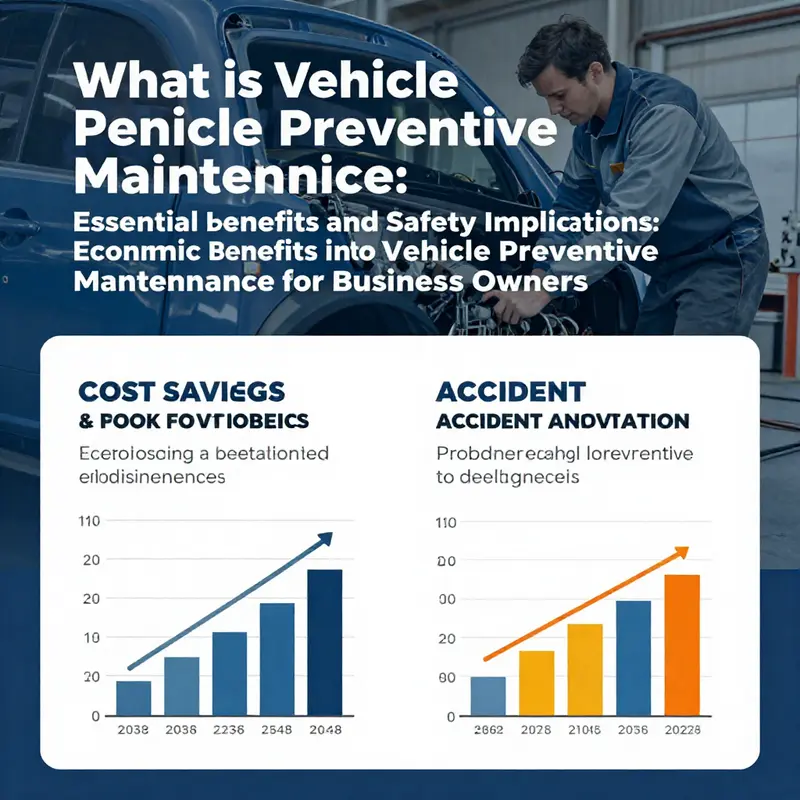
Preventive maintenance is more than a checklist; it is a practical philosophy that treats a vehicle as a connected, aging machine that benefits from proactive care. When you adopt a PM mindset, you act before trouble appears, listen to the vehicle’s signals, and translate those signals into timely service. The result is safer operation, higher reliability, and better long-term value.
Safety is the primary reason to embrace PM. Brakes, tires, steering, suspension, lighting, and wipers all depend on regular inspection and care. Routine checks help catch wear before it compromises control or visibility, reducing the risk of breakdowns and accidents.
Economically, PM reduces downtime, avoids emergency repairs, and can extend the vehicle’s usable life. By replacing parts on a schedule rather than after a failure, you keep downtime predictable, protect cash flow, and preserve resale value. A well-documented PM history also reassures buyers, lenders, and insurers.
Practically, start with the manufacturer’s maintenance schedule and build a simple reminder system. Keep a straightforward log of service dates, mileages, parts replaced, and notable observations. For fleets, leverage data and digital tools to align service intervals with vehicle utilization. The core idea is to anticipate, assess, and act before problems emerge.
Final thoughts
Vehicle preventive maintenance is not just an operational necessity; it is a strategic investment. For business owners, understanding its definition, implementing best practices, and recognizing the economic and safety benefits can lead to a more efficient, reliable, and secure fleet. Emphasizing preventive maintenance allows for smoother operations, fewer disruptions, and long-term cost savings, all while ensuring that your workforce is safe on the road. Adopt a proactive maintenance strategy today to reap the benefits tomorrow.