
In the realm of business operations, maintaining a fleet of vehicles is paramount to ensuring smooth, uninterrupted service delivery. Vehicle maintenance is more than just a routine task; it encompasses a series of strategic actions aimed at promoting safety, enhancing environmental sustainability, and optimizing economic returns. For business owners, understanding the intricacies of vehicle maintenance is crucial. The safety and reliability of vehicles directly impact operations, while the environmental implications of neglect can pose both legal and reputational risks. Additionally, the economic ramifications of poor maintenance can lead to increased costs and inefficiencies. This article delves into three critical chapters, exploring the essence of vehicle maintenance: ensuring safety and reliability, contributing to environmental protection, and understanding the economic implications of maintenance practices.
Steering Toward Confidence: How Regular Vehicle Maintenance Safeguards Safety, Reliability, and Efficiency Across a Vehicle’s Life
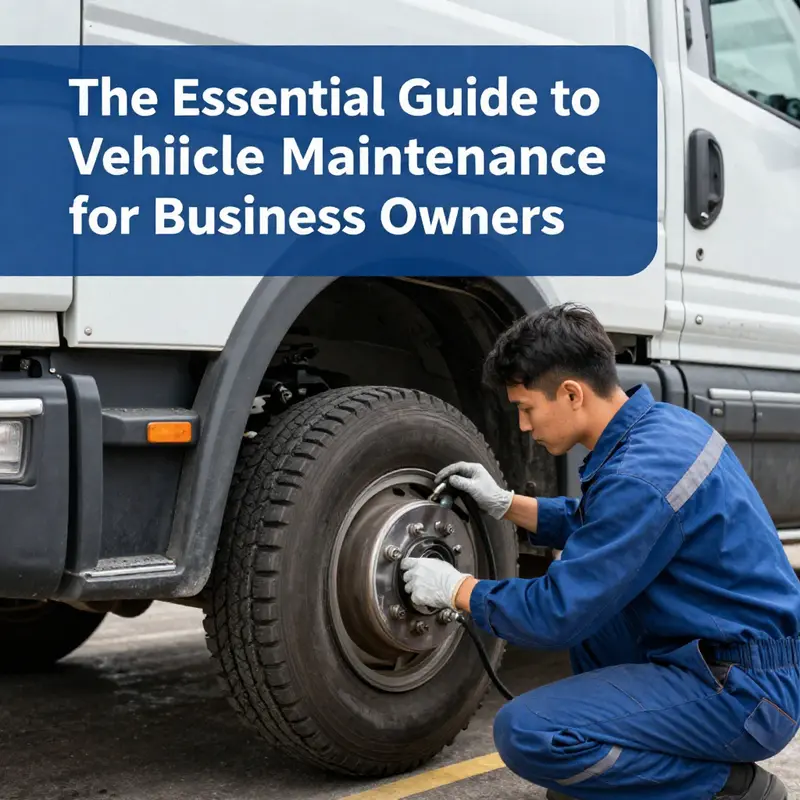
A car is more than a machine that carries us from place to place. It is a living system of components, sensors, and circuits that work in concert to respond to our decisions, keep us safe, and deliver a predictable experience on the road. When we treat a vehicle as a dynamic partner rather than a disposable tool, maintenance becomes not a chore but a philosophy—an ongoing commitment to safety, reliability, and efficiency that unfolds across the years and miles. The purpose of vehicle maintenance, at its core, is simple and profound: to preserve the vehicle’s ability to perform as designed, while reducing the chances of preventable failures that could disrupt travel, threaten lives, or drain resources. Yet the full value of this practice becomes clear only when we attend to the ways regular care preserves performance, protects safety features, and minimizes environmental impact. In this sense, maintenance is less about ticking boxes on a schedule and more about maintaining trust between driver, vehicle, and road.
The most immediate and persuasive reason for regular maintenance is safety. A vehicle is a complex, highly integrated system that relies on the proper function of its braking, steering, suspension, tires, lighting, and control systems. A single degraded component can cascade into a dangerous situation. Consider the brakes, a primary safety interface between the vehicle and the world outside. Brakes endure heat, friction, and wear; their effectiveness depends on pad thickness, rotor condition, brake fluid integrity, and proper hydraulic pressure. Tire condition matters as well, since grip and stability hinge on tread depth, tire pressure, and even wear patterns that can foreshadow steering or alignment issues. Lighting and signaling provide crucial visibility and communication, especially in low-light conditions or adverse weather. Fluid levels—engine oil, coolant, transmission fluid, and others—keep critical systems lubricated and cooled, reducing the risk of overheating and mechanical failure. The sum of these parts is not merely mechanical health; it is the ability of the vehicle to respond reliably to the driver’s decisions when seconds count.
This emphasis on safety is reinforced by findings from national authorities that connect maintenance with crash risk. According to the National Highway Traffic Safety Administration, poorly maintained vehicles are more likely to experience crashes due to mechanical defects such as brake failure or tire blowouts. The implication is straightforward: A well-timed service routine that addresses wear, fluid levels, and the condition of safety-critical components can meaningfully reduce the probability of a failure that leads to harm. That connection between maintenance and safety is not abstract. It translates into fewer emergencies, less exposure to risk, and a greater sense of control for drivers who know their vehicles are prepared to perform under stress. In practice, this means habits like checking tire pressure regularly, verifying brake pad wear, ensuring lights are functional, and heeding warning indicators when the onboard diagnostics call for attention. It also means recognizing when a scheduled service is due to address wear that numerically might seem minor but functionally matters a great deal.
Yet safety is inseparable from reliability. A vehicle that runs safely but unpredictably loses its ability to start, run smoothly, or reach a destination on time erodes confidence and creates practical hazards of a different kind. Reliability is the quiet, daily companion to safety. It shows up in the absence of annoying, sudden breakdowns and the assurance that a vehicle will perform as expected across a long horizon. Regular maintenance helps prevent small issues from becoming major repairs. It catches subtle signals—the squeal when a belt slips, the muffled thud in the suspension, the faint aroma of burnt oil—that, if addressed early, save money and spare the driver the stress of an unplanned stop. Proactive maintenance also accelerates the diagnostic process when something does go wrong. A well-documented maintenance history provides technicians with a map of prior work and known conditions, enabling quicker, more accurate repairs and reducing the likelihood of misdiagnosis. In this way, maintenance serves not just the vehicle but the entire service ecosystem around it, including technicians and shop staff who rely on consistent, transparent records to deliver capable, trustworthy care.
Reliability itself rests on predictability. A car that is predictable in how it starts, accelerates, and stops provides a smoother driving experience and reduces cognitive load for the driver. When a vehicle behaves as expected, the driver can anticipate the car’s performance in a way that supports safer decisions on the road. This predictability is particularly valuable in adverse conditions—rain, snow, fog, or nighttime driving—where the margin for error is slim. Maintenance helps sustain that margin. Proper tire maintenance supports grip in wet or uneven surfaces; functional lighting ensures visibility and communication; steady power delivery via a healthy engine and transmission helps maintain consistent acceleration and control. In modern vehicles with advanced safety systems and driver-assistance features, the reliability provided by routine maintenance also helps these systems function as intended. For instance, sensors and electronic control units require clean signals and stable power; any irregularity can degrade performance or trigger false alerts. When maintenance keeps these systems clean and calibrated, drivers experience the safety features as they are designed to be: supportive, proactive, and trustworthy rather than evasive or inconsistent.
Efficiency and environmental stewardship add another layer of the maintenance argument. The idea that maintenance saves fuel is not a myth; it is grounded in physics and engine chemistry. When engines run with proper lubrication, correct fuel mixtures, and clean emissions pathways, combustion remains efficient. Proper tire inflation reduces rolling resistance, meaning the engine doesn’t have to work as hard to maintain speed. Regularly changing air and fuel filters ensures the engine breathes clean air and clean fuel, reducing energy lost to contaminants. A well-maintained cooling system prevents overheating that can sap power and force the engine to operate at suboptimal temperatures. Even small maintenance tasks—like replacing worn spark plugs in older engines or ensuring oxygen sensors and catalytic converters function correctly— can have tangible effects on fuel economy and emissions. The cumulative impact of these improvements manifests in fewer emissions per mile and lower fuel costs, as well as a longer service life for the vehicle’s drivetrain and exhaust aftertreatment components.
In the broader arc of a vehicle’s life, maintenance also shapes longevity and total cost of ownership. A well-cared-for car often reaches higher mileages with fewer catastrophic failures, which means lower repair bills over time and less downtime. A complete service history increases the vehicle’s resale value, because prospective buyers recognize that the car has been kept in good condition and that the probability of hidden, expensive issues is reduced. The economics of maintenance are not purely about saving pennies; they are about preserving the asset’s value and ensuring that the car remains safe and usable for as long as possible. This is particularly relevant in a world where the cost and availability of new vehicles are continually shifting. The practical takeaway is not to chase a minimalist schedule but to cultivate a disciplined, reasonable routine that aligns with the manufacturer’s recommendations and the vehicle’s unique usage pattern.
A key insight that emerges from this view is the importance of treating maintenance as a language of care rather than a list of tasks. It is about listening to the vehicle, understanding its signals, and responding with timely action. When a dashboard light illuminates or a sound changes, that signal is not a nuisance but a data point about the vehicle’s current needs. The language of maintenance includes listening to a service manual, following manufacturer-recommended intervals, and recognizing when a professional needs to step in for complex diagnostics or high-risk interventions. For new and older vehicles alike, the discipline of maintenance means keeping a steady rhythm: routine inspections, fluid checks, component wear checks, and attention to tires, brakes, steering, and suspension. It also means acknowledging the evolving complexity of modern vehicles, where many systems rely on sophisticated electronics and high-voltage components that require trained technicians and specialized tools. In this context, the idea of maintenance expands beyond oil changes and filter replacements to include battery health checks, software updates, and system recalibration for sensors, cameras, and assistive technologies.
On a practical level, integrating maintenance into daily life involves a few simple, lasting habits. It means owning a schedule for regular checks that suits your driving pattern—more frequent checks before long trips or in extreme weather, for example. It means keeping a log of service visits and a quick personal notes section about anything unusual you notice, such as changes in braking feel or steering response. It also means recognizing the value of professional expertise. Some tasks require specialized diagnostics and equipment, and attempting risky repairs without the proper knowledge can create more danger than benefit. The balance lies in knowing what to handle yourself—like tire pressures or fluid top-offs—and what to entrust to a trained technician, especially when dealing with braking systems, steering components, or high-voltage systems. This balanced approach not only protects the occupants but also ensures the road remains a shared space of predictable, safe travel.
Within this broader frame, it is useful to revisit how maintenance relates to the vehicle’s safety features and advanced systems. Modern vehicles rely on a suite of safety technologies—from anti-lock brakes and electronic stability control to adaptive cruise control and lane-keeping assistance. These systems depend on accurate sensor inputs and stable power. When maintenance preserves the underlying infrastructure, these safety features can work as intended, complementing the driver’s judgment rather than compensating for a deteriorating baseline. The value of timely service alerts—such as those for high-voltage battery maintenance in electric or hybrid vehicles—illustrates a proactive approach to care. It underscores the principle that complex systems deserve inspection and servicing by qualified professionals, in line with manufacturer schedules, to maintain both safety and performance. In this sense, maintenance is not a static requirement but a dynamic collaboration with the vehicle’s evolving technologies.
This perspective also invites attention to how maintenance intersects with broader social and environmental responsibilities. Efficient maintenance reduces emissions and fuel consumption, helping to minimize the vehicle’s environmental footprint. It aligns with a culture of stewardship that extends beyond personal convenience to public health and urban air quality. At the same time, it supports road safety, especially in communities with aging fleets or higher rates of vehicle-related incidents. When individuals commit to regular care, they contribute to a safer, more dependable transportation network. The idea that maintenance is an act of informed citizenship gains traction here: it is a small, consistent gesture that yields outsized benefits for many others who share the road.
To connect these threads to practical reading and further exploration, consider resources that translate these principles into actionable guidance. For readers seeking a concise restatement of why maintenance matters, a quick reference to reliable, broad-based discussions can be illuminating. For deeper exploration of fuel efficiency linked to maintenance, one can consult the linked discussion on how routine upkeep translates into gas savings, which offers concrete examples and explanations of how seemingly minor upkeep decisions accumulate into meaningful cost and efficiency benefits. For example, a discussion on how vehicle maintenance saves on gas expenses can provide concrete guidance.
As we move through the chapters that follow, this chapter’s core message remains consistent: maintenance is a continuous, thoughtful practice that sustains safety, reliability, and efficiency across the life of a vehicle. The expectations we set—of consistency, attention, and professional engagement—shape not only the experience of driving but also the long-term value of the vehicle, the safety of everyone on the road, and the environmental footprint of our daily journeys. The road ahead is not purely a path to be traveled; it is a contract with the machine that carries us, a contract that renews itself with each check, each fill, and each careful inspection. In honoring that contract, we protect more than a ride—we protect lives, livelihoods, and the shared spaces in which we live and move. The chapter, then, is not a prescription but a perspective: maintenance as a lifelong practice that makes every mile safer, more reliable, and more efficient, benefiting the driver and society alike.
External resource for safety standards and maintenance practices: https://www.nhtsa.gov/vehicle-maintenance
Guardians of the Air: The Environmental Purpose Behind Routine Vehicle Maintenance
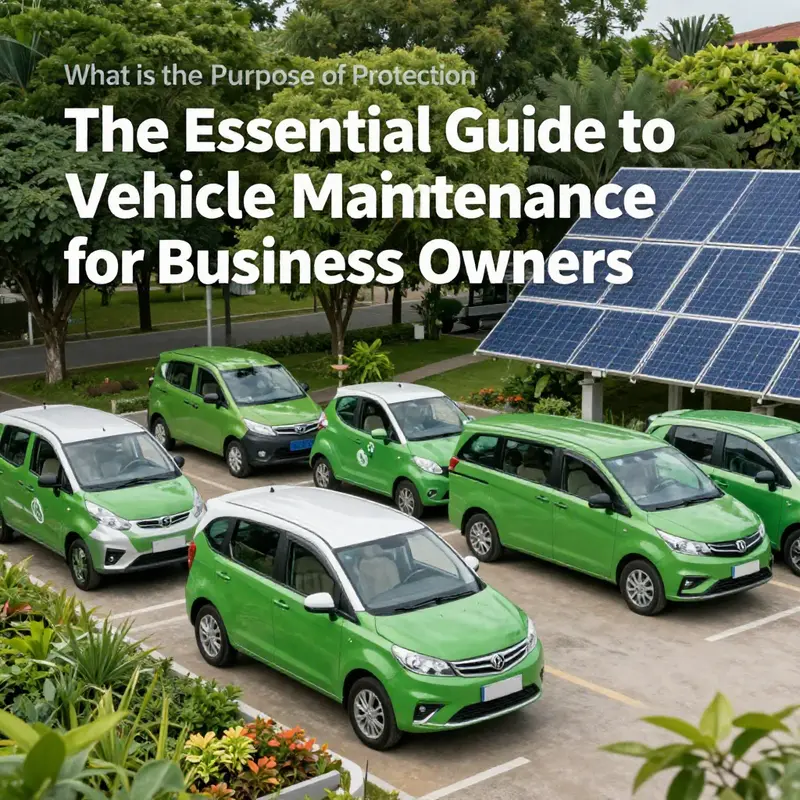
Every vehicle that hits the road carries a burden beyond its owner’s schedule and budget. It also carries a responsibility toward air quality, energy resources, and the broader health of ecosystems. The environmental purpose of vehicle maintenance is not a sideline concern; it is a central, practical act that keeps pollution at bay, improves efficiency, and extends the life of both the machine and the environment it relies on. When maintenance is treated as a routine habit rather than a reactive fix, it becomes a daily steward of cleaner air, quieter streets, and lower emissions. This is not abstract theory. It is a concrete chain of cause and effect that starts with a spark plug and ends with cleaner skies. The core idea is simple: well-kept engines burn fuel more completely, exhaust systems remove byproducts of incomplete combustion more effectively, and the cumulative effect over years is a measurable reduction in pollutants and greenhouse gases. The practical reality is that maintenance is a series of small, targeted interventions—air and fuel system inspections, timely part replacements, and tire and lubrication management—that collectively minimize the vehicle’s environmental footprint while preserving safety and reliability.
To understand why maintenance has such a pronounced environmental impact, it helps to trace the journey from fuel in the tank to the exhaust that leaves the tailpipe. In an internal combustion engine, the perfect burn is a delicate balance of air, fuel, temperature, and timing. When any part of that balance is off, unburned fuel and partially oxidized byproducts escape through the exhaust. A worn spark plug, a clogged air filter, or a dirty fuel injector disrupts the precise air-fuel mixture the engine needs to operate cleanly. The result is an increase in pollutants such as carbon monoxide (CO), nitrogen oxides (NOx), and unburned hydrocarbons (HC). Each of these substances is harmful in its own right—CO reduces the blood’s oxygen-carrying capacity, NOx contributes to smog and respiratory problems, and HC can form ground-level ozone. Regular maintenance tackles these issues at the source, helping the engine burn fuel more completely and keep emissions within expected limits.
One of the most tangible environmental checks is the health of the exhaust and emission control system. The three-way catalytic converter, a central component in reducing pollution, relies on proper maintenance to function as designed. When this device becomes clogged or degraded due to neglect, it cannot convert toxic gases into less harmful substances efficiently. Routine inspections and timely replacement of worn parts ensure this vital pollutant-control system operates as intended. Alongside the catalytic converter, sensors that monitor oxygen content and exhaust composition work in concert to fine-tune combustion and emission control. Neglecting these sensors or allowing them to drift out of specification not only increases emissions but can also lead to greater fuel consumption. In other words, a well-cared-for exhaust system is a frontline defense against pollution and a steady contributor to cleaner air in communities that share roadways.
But environmental protection from maintenance isn’t only about reducing pollutants emitted directly from a tailpipe. It also hinges on energy efficiency—getting more miles from each gallon of fuel and, in turn, emitting fewer greenhouse gases per mile driven. A vehicle that runs with clean, properly tuned components uses fuel more efficiently. Clean air filters, correctly functioning fuel injectors, and well-adjusted ignition systems ensure the engine completes combustion with minimal waste. When fuel burns more completely, fewer byproducts are produced, and the vehicle requires less energy to move the same distance. The cumulative effect across millions of vehicles is substantial: lower overall fuel consumption translates to reduced demand for fossil fuels, fewer associated upstream emissions from extraction and processing, and a smaller carbon footprint for personal transportation.
Maintenance also intersects with a broader societal goal: moderating the environmental impact of vehicle life cycles. Cars are manufactured, operated, and eventually retired, each stage carrying environmental costs and opportunities. Extending a vehicle’s useful life through regular upkeep reduces the frequency of new parts production, manufacturing energy, and end-of-life disposal. When components are kept in good condition, the vehicle remains roadworthy longer, delaying the decision to replace and mitigating the environmental burden that comes with new vehicle manufacturing. This life-cycle perspective reframes maintenance from a purely personal cost to a communal benefit, where individual stewardship yields environmental dividends for air quality, energy use, and material resources. In this sense, maintenance is an act of resource conservation in a system where every mile matters.
The environmental worth of maintenance is not limited to the engine bay. Tire health, rolling resistance, and brake performance all influence emissions and energy use in meaningful ways. Underinflated tires increase rolling resistance, causing the engine to work harder and burn more fuel for the same journey. Worn brake pads can alter braking efficiency, potentially increasing energy losses in stop-and-go urban driving. Even routine lubrication helps reduce internal friction that would otherwise sap efficiency and drive up fuel consumption. Each of these facets connects everyday driving decisions to broader environmental outcomes, illustrating how routine care translates into measurable improvements in air quality and energy use. The chain of impact also extends to noise pollution and urban livability. Properly maintained brakes, tires, and suspension systems contribute to steadier, quieter operation, reducing the acoustic burden on neighborhoods and making streets more pleasant and safer for people and pets alike.
The maintenance conversation would be incomplete without acknowledging the role of trained technicians and manufacturer guidance. Modern vehicles increasingly rely on sophisticated electronic systems to monitor performance, control emissions, and optimize fuel use. High-voltage batteries in electric drivetrains, if applicable, require careful care and scheduled service to maintain safety and efficiency. While the specifics differ across propulsion types, the principle remains: complex systems demand expertise. Following manufacturer-recommended service intervals ensures the vehicle’s environmental safeguards stay calibrated and effective. Timely service alerts—such as those signaling battery maintenance or emission-control checks—depend on professional diagnostics and calibrated replacement parts. This technical diligence is a direct defense against avoidable pollution and unnecessary fuel waste, reinforcing that environmental stewardship is not a DIY afterthought but a professional, scheduled discipline.
This is why the environmental argument for maintenance is also a public-interest argument. Individuals who maintain their vehicles do not just protect their own safety and wallet; they contribute to better air quality for neighbors, students, workers, and vulnerable populations. In densely populated areas, even incremental improvements in emissions per vehicle multiply across thousands or millions of commuters, producing cleaner air, reducing health risks, and potentially lowering healthcare costs associated with air pollution. The same logic applies to fuel economy: modest gains per vehicle accumulate into meaningful reductions in greenhouse gas emissions and fossil-fuel demand on a societal scale. When communities invest in comprehensive maintenance culture—through education, incentives, and accessible service infrastructure—the environmental benefits extend well beyond the driveway.
To link theory with practice, consider how routine maintenance supports environmental protection without requiring heroic efforts. It begins with simple habits: scheduling regular oil changes and air-filter replacements, keeping tires properly inflated, and listening to warning lights. It extends to more deliberate actions: ensuring spark plugs and sensors are functioning, cleaning or replacing fuel injectors when needed, and verifying exhaust-system integrity. Each step reduces the likelihood of inefficiencies that waste fuel and emit pollutants. The cumulative effect over a vehicle’s lifespan is often more pronounced than people expect. A car that runs at peak efficiency not only emits fewer pollutants but also uses energy more conservatively, preserving dwindling fossil fuels and easing the transition toward cleaner transportation. In this sense, maintenance embodies a practical, measurable commitment to environmental protection that aligns with scientific understanding of emissions, energy use, and long-term sustainability.
Crucially, maintenance responsibilities extend beyond the vehicle’s function. They reveal a broader truth about our relationship with technology and the environment: we must tend to the systems we rely on if we expect those systems to endure in a changing climate. The environmental benefits of maintenance are thus inseparable from safety. A well-maintained braking system or tire set is less prone to failures that could endangered drivers and pedestrians. This overlap between safety and environmental protection underscores the interconnectedness of everyday mechanical care and public health. It also highlights the ethical dimension of maintenance: opting for proactive care is a decision that respects community well-being and future resource availability as much as personal convenience.
Discussions about environmental impact should also acknowledge the complexity of real-world driving. No two trips are identical, and fleets vary widely in age, usage, and operating conditions. The environmental payoff of maintenance can differ depending on climate, road wear, driving patterns, and maintenance history. In some contexts, a vehicle with a heavy load, frequent short trips, or extreme temperatures may benefit even more from timely maintenance because the engine must work harder and fuel efficiency suffers more without proper care. Conversely, in milder climates with gentler driving, the gains might appear more incremental but remain meaningful when scaled to large populations. The essential takeaway is that maintenance is a lever—one that can be pulled in many ways to reduce pollution and conserve energy, regardless of the vehicle type or geography.
To ground this discussion in recognized guidance, it helps to consult established resources that connect maintenance practices to emissions outcomes. The U.S. Environmental Protection Agency (EPA) presents clear guidelines showing how routine upkeep keeps emissions in check and helps vehicles operate cleanly. Their emphasis on service intervals, emissions monitoring, and the integrity of the exhaust and fuel systems reinforces a practical, science-based approach to environmental protection through maintenance. For readers who want to explore these guidelines in more detail, the EPA’s Vehicle Maintenance and Emissions resource provides a reliable reference that complements personal experience with professional standards. This alignment between consumer behavior and regulatory guidance reinforces that environmental protection is not incidental but embedded in the responsible care of vehicles.
The implications of maintenance for environmental protection extend to policy and education as well. When drivers understand that maintenance is a direct response to pollution and energy use, they may be more motivated to adopt regular schedules, seek qualified service, and prioritize preventive care over reactive repairs. This mindset makes environmental stewardship accessible and personal. It also suggests opportunities for communities and workplaces to support maintenance culture through accessible education, reminder systems, and affordable screening programs. A society that normalizes preventive maintenance reduces the aggregate environmental footprint of transportation and strengthens resilience against the cost and health consequences of air pollution. In short, maintenance is not merely a mechanical duty; it is a cornerstone of a sustainable transport system that benefits everyone by delivering cleaner air, enhanced efficiency, and extended vehicle lifespans.
On a practical level, this environmental framing should not be seen as additional burden but as an integrated aspect of responsible ownership. Car care routines that protect emissions and fuel economy can be woven into daily life with small, consistent actions: regular tire checks, timely oil changes, and attention to warning indicators as part of a standard car-ownership ritual. When these practices are normalized, they become less about trying to squeeze out marginal gains and more about maintaining a reliable, efficient system that serves people and the planet alike. This approach also helps demystify maintenance for new drivers and younger generations who may be deterred by the perceived complexity or cost. Clear messaging that ties maintenance to air quality, climate health, and energy conservation can empower a broader audience to participate in environmental protection as part of ordinary life.
Finally, the environmental purpose of vehicle maintenance is a reminder that every vehicle operates within a shared atmosphere. The air we breathe does not stop at property boundaries, and the fuels that power our mobility are intertwined with ecological systems across regions and nations. Regular, attentive maintenance is a concrete method for reducing one of the most controllable sources of pollution in everyday life. It is a practical, scalable action that individuals, families, and organizations can adopt without waiting for sweeping policy changes or technological revolutions. By treating maintenance as an environmental act, drivers reinforce a culture of stewardship that recognizes the interconnectedness of health, economy, and ecosystem resilience. In doing so, they contribute to cleaner air today and preserve more options for cleaner, more sustainable mobility tomorrow.
For further reading that grounds these ideas in established standards, you can explore the general concept of vehicle maintenance on the following resource: What is Vehicle Maintenance. This internal reference discusses the broader purposes of maintenance and sets the stage for understanding why environmental protection is an essential thread running through all maintenance decisions. As you consider your own vehicle’s needs, remember that environmental benefit is not a separate goal carried out by a few experts; it is the natural consequence of consistent, thoughtful care applied to the machines we rely on every day. And when maintenance is performed with an eye toward emissions, energy efficiency, and life-cycle impact, you are not only preserving performance and safety—you are actively contributing to a healthier environment for current and future generations.
In sum, the environmental purpose of vehicle maintenance is both direct and far-reaching. It begins with the engine’s combustion process, but it extends to the fuels we burn, the pollutants we emit, and the energy we consume in moving from place to place. By keeping air and fuel systems clean, protecting exhaust control devices, and ensuring overall efficiency, maintenance reduces harmful emissions and conserves energy. It also lengthens vehicle life, reduces the need for new manufacturing, and supports a more sustainable transport system. This integrated perspective—linking everyday upkeep to air quality, climate health, and resource stewardship—defines maintenance as a practical environmental imperative, one that every responsible driver can embody through informed, proactive care.
External resource for further reference: https://www.epa.gov/vehicles/vehicle-maintenance-and-emissions
null
null
Final thoughts
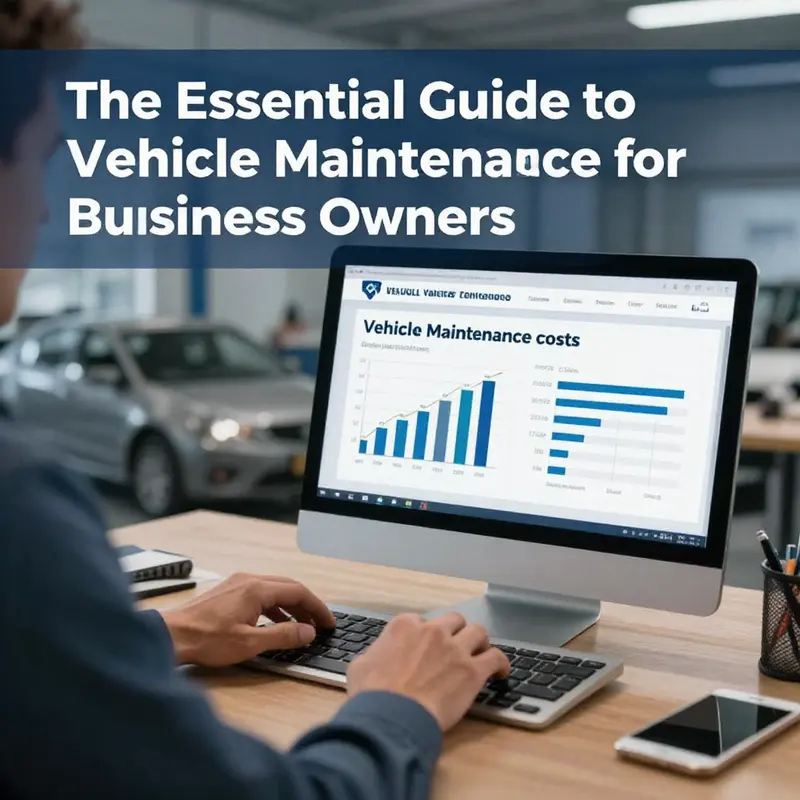
The multifaceted purpose of vehicle maintenance transcends basic upkeep, manifesting as a critical component in ensuring safety, fostering ecological responsibility, and bolstering economic viability within the business sector. Every business owner must recognize the intrinsic value of consistent and thorough vehicle maintenance practices—not just as a means to avoid breakdowns, but as a strategic investment in the continuity and reputation of their operations. By prioritizing maintenance, businesses can protect their assets, contribute to a cleaner environment, and ultimately enhance their bottom line. In a world where operational efficiency and sustainability are paramount, the commitment to vehicle maintenance becomes not just a necessity, but a strategic advantage.