
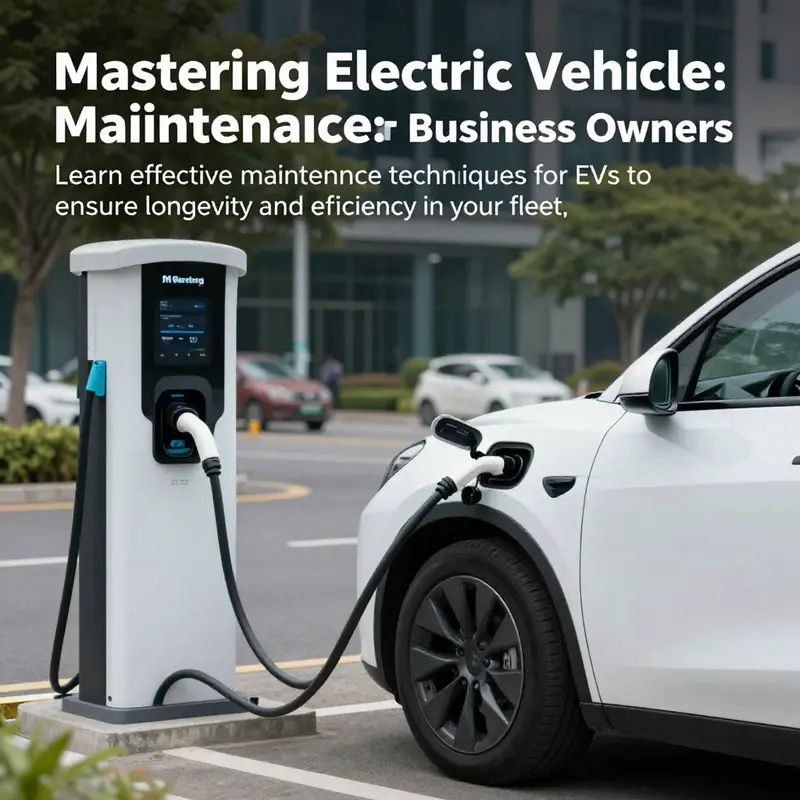
As electric vehicles (EVs) revolutionize the automotive landscape, business owners must adapt their maintenance approaches to optimize performance and prolong vehicle life. Unlike traditional internal combustion engine (ICE) vehicles, EVs operate with fewer moving parts and require distinct care strategies. This guide explores critical maintenance areas: battery upkeep, brake system care, and tire and suspension management. Each chapter will delve into best practices tailored for business owners to ensure their electric fleets run smoothly and efficiently, supporting sustainable operations and cost-effectiveness.
Guarding the Heart of the EV: Practical Battery Maintenance for Longevity and Peak Performance
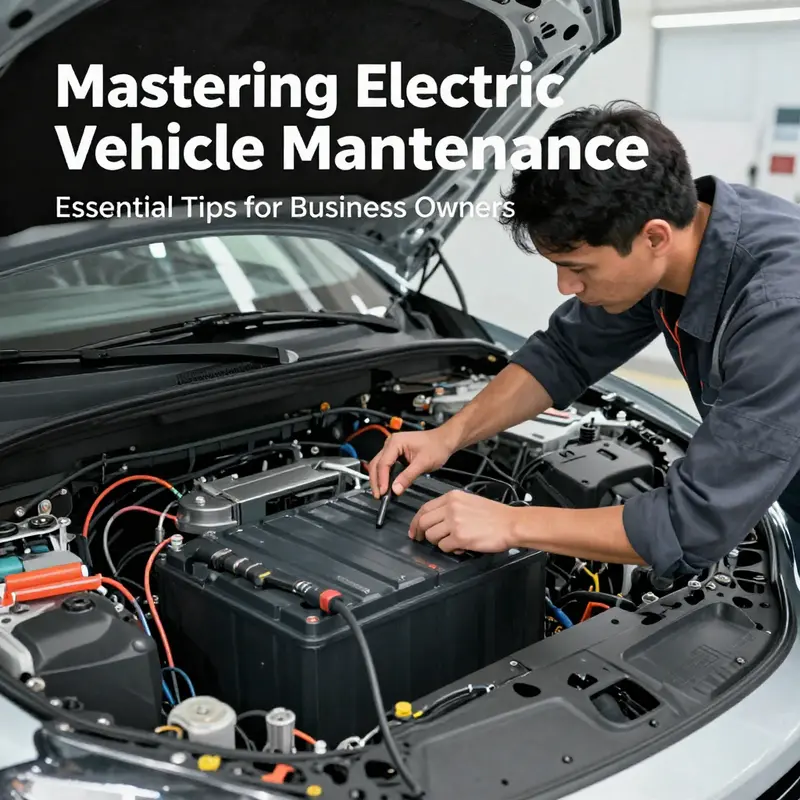
The battery is the heart of an electric vehicle, and like any living engine, its vitality shapes how the vehicle behaves, feels, and endures. In the shift from internal combustion to electric propulsion, the maintenance script changes, but the goal remains the same: preserve safety, reliability, and performance over years of use. Battery care isn’t about chasing novelty; it’s about understanding how this complex, high-energy system ages and what practical steps keep it healthy through routine driving, seasonal weather, and the long arc of ownership. When you begin to think of the battery as a living component—one that needs respectful charging, temperature balance, and mindful conditioning—you begin to unlock the smoother, steadier, more efficient operation that EVs promise on the road.
First, consider charging as more than a habit. It is the daily discipline that protects the battery’s capacity and health. Unlike a fuel tank, the battery doesn’t benefit from being fully charged or fully empty on a regular basis. The prevailing guidance is to keep the state of charge within a practical window most of the time. A common, simple rule is to aim for roughly 20 to 30 percent as a trigger to begin charging, and to stop before hitting 100 percent. In daily use, frequent top-ups throughout the day or evening can be gentler on the cells than long, constant top-offs to full capacity. Over time, this habit reduces stress on the battery and minimizes the slow, cumulative degradation that comes from repeatedly pushing the cells to their extremes. Modern EVs do build-in safeguards that manage charging so that true “overcharging” is unlikely, but there is a real long-term difference between keeping a battery at or near 100 percent for extended periods and enjoying a more moderate level most days. If you want a compact, practical frame for charging behavior, think in terms of keeping most days between 20 and 90 percent rather than flirting with the outer edges of the range.
The temperature of the battery during charging and operation matters as much as charging strategy itself. The chemistry inside a lithium-based pack becomes more temperamental as temperatures drift toward extremes. In hot weather, heat accelerates chemical aging; in cold weather, the battery loses capacity and becomes temporarily less efficient at accepting charge. The simplest, most effective moves are protective ones: park in shade or a garage during heat waves, and aim to keep the car in a temperature-controlled space during winter whenever possible. If your vehicle supports cabin pre-conditioning while plugged in, use it. Warming or cooling the cabin before a trip while the battery remains in a stable state of charge can help the battery reach the right operating temperature more efficiently. This reduces energy demand at start-up and helps protect overall health by avoiding abrupt thermal swings that stress the cells.
Another lever is the choice between charging speeds. Fast charging is a marvelous convenience for long trips, but it introduces more heat during the charging cycle. Repeated, frequent use of rapid DC charging can accelerate wear on the battery. For daily use, the smarter default is often AC Level 2 charging, which delivers power more gradually and with less thermal stress. The slower absorption profile of Level 2 charging promotes more even voltage absorption across cells and tends to be gentler on the pack over time. There will, of course, be occasions when rapid charging is necessary, such as when you’re on a tight travel schedule or caught far from home. In those moments, appreciate the practicality while recognizing that the battery’s long-term health benefits from more regular, slower charging.
Long-term storage introduces its own set of considerations. If you anticipate leaving the vehicle idle for more than a week, it’s prudent to leave the battery at a moderate level—roughly 50 to 80 percent—rather than letting it drift to a deep discharge or sit full for weeks on end. A deeply discharged pack can experience stress and, over time, lose usable capacity. Conversely, a battery held at a high state of charge for an extended period can also experience stress, especially in heat. Periodically check the charge level during extended storage and recharge if it begins to fall below about 20 percent. This simple cadence helps preserve health while the car remains stationary.
Maintaining the battery also means regular, attentive monitoring. Most EVs place battery health indicators at your fingertips through the onboard diagnostics and the vehicle’s mobile app. Range changes, charging speeds, and occasional warning messages are not just nuisances; they are signals about how the battery is aging, how the thermal system is performing, or whether there might be a connectivity issue with the charging system. If you notice a noticeable, sustained drop in range without a clear cause—such as a cold or heat wave, or a heavy accessory load—consult the manual or a qualified technician. In addition, a clean and corrosion-free battery terminal and connectors are essential for efficient charging. It may sound trivial, but even minor corrosion can impede charging efficiency and, over time, contribute to inefficiencies that accumulate.
A core theme in battery care is alignment with the manufacturer’s guidelines. Each EV model has a bespoke set of recommendations tailored to its battery chemistry, cooling system, thermal management software, and BMS (battery management system). The BMS is the silent steward inside the car, balancing cells, monitoring temperature, tracking state of health, and safeguarding against unsafe operating conditions. Because battery packs come in diverse chemistries and configurations, the most reliable maintenance approach is to follow the owner’s manual and the service intervals recommended by the maker. This is not merely about warranty; it’s about ensuring that the vehicle’s protective systems remain up-to-date and capable of doing their job over the life of the car.
The practical routine you build around battery care has ripple effects across the entire maintenance ecosystem of the EV. When the battery is treated well, the vehicle’s performance remains consistent, the regenerative braking system preserves its gradual wear pattern, and thermal management stays within the designed envelope. In turn, those conditions support longer brake life, more predictable range, and steadier insulation against the performance shocks that come with seasonal changes. This integrated view matters because maintenance is not a bag of isolated tasks; it is a living system where each part influences the others. A well-kept battery makes the rest of the vehicle feel less stressed on a daily basis and helps the driver experience stable performance year-round.
There is a candid, pragmatic question many owners ask: do electric vehicles require less maintenance than their internal combustion peers? The surface answer is yes in one sense—fewer moving parts, no oil changes, fewer fluids to monitor—but the truth is more nuanced. EVs have different maintenance demands, centered on battery health, thermal management, software integrity, and high-voltage safety. The question is best reframed as: how can you minimize the long-term maintenance cost and complexity by caring for the battery and its ecosystem? The answer is simple in practice: establish a charging rhythm that respects the battery’s needs, shield the pack from extreme temperatures, favor slower, steadier charging for daily use, and stay informed about the pack’s health through the car’s diagnostics and updates. If you carry that mindset into routine care, your EV should deliver reliable performance with a maintenance footprint that mirrors, and in some cases reduces, the upkeep typical of a gasoline-powered car.
For readers who want a tighter synthesis of this approach with broader maintenance strategy, consider how the battery care thread threads into the larger fabric of EV upkeep. The same discipline that governs charging—avoiding deep discharges, moderating the exposure to heat, and using gentler charging for daily driving—also informs how you approach tires, brakes, and software updates. Regenerative braking, for instance, reduces pad and rotor wear, but it does not negate the need for periodic brake inspection and fluid checks. Regular tire maintenance remains essential: proper inflation, tread depth, and rotation still determine efficiency, handling, and safety. The cooling system, which is crucial for battery and power electronics, requires its own periodic attention—coolant condition, level checks, and schedule-based service—to prevent overheating under high load or in hot climates. Software upkeep becomes an ongoing investment in performance, range optimization, and safety features. OTA updates can introduce improvements that touch charging efficiency, thermal strategies, and even how the vehicle interprets battery health data. In short, battery maintenance does not exist in isolation; it is the keystone that supports a comprehensive, year-round strategy for safe, reliable EV ownership.
Consider a practical rhythm you can cultivate. On a typical week, you might plug in when you return home, letting Level 2 charging bring the battery to a comfortable, safe range by morning. If you anticipate a long trip, you might top up a bit more, but you would still avoid letting the charge linger at 100 percent for extended periods. In climates with extreme heat or cold, you would use pre-conditioning to bring the battery to its ideal temperature while plugged in, reducing strain during cold starts or hot accelerations. When you fork out time for routine maintenance, you monitor the health reports in the vehicle’s app, looking for subtle signs such as a gradual reduction in usable capacity, changes in charging speed, or unexpected deviations in temperature readings. If any of these appear, you can schedule a diagnostic check before they become a more serious issue.
Maintenance is not only about prevention; it is also about informed adaptation. As your driving pattern changes—perhaps you take more highway trips, or you live in a region with harsher winters—you may need to adjust charging strategies accordingly. You might adopt a slightly wider window for the state of charge during travel, or you might rely more on Level 2 charging with a few strategic fast-charging stops on long legs. The key is to stay attuned to how the battery behaves in your specific climate and usage, recognizing that every pack ages differently and responds to charging strategies in its own way. This personalized stewardship is what sustains performance across the vehicle’s lifecycle and helps ensure the battery remains a source of reliable energy rather than a source of uncertainty.
One of the more practical moments in battery stewardship is acknowledging that owners often read about complex battery chemistries and high-tech monitoring without feeling empowered to take small, meaningful steps. The truth is that the most impactful decisions are often the simplest: charge to a moderate level, avoid habitual full charges, and keep the car in a temperature-controlled environment when feasible. Pair these choices with regular software updates and periodic professional check-ins, and you create a resilient baseline that accommodates the inevitable changes that come with age and use. If you’re curious about the broader maintenance landscape for EVs and whether your routine aligns with best practices, you can explore the general question of whether electric vehicles require less maintenance and how battery care fits into that conversation. do electric vehicles require less maintenance?
In sum, battery maintenance for electric vehicles is a disciplined practice that yields outsized returns. It guards against premature aging, preserves range, and stabilizes performance across seasons. It is a duty of care that acknowledges the pack as a highly engineered, sophisticated system—one that is appropriately supported by charging discipline, temperature management, and attentive diagnostics. As the vehicle ages, your role as caretaker evolves: you’ll revisit charging habits, be mindful of heat exposure, and keep a watchful eye on the health indicators that the car surfaces through its dashboards and apps. This proactive stance preserves not just the battery’s capacity, but the overall experience of driving an electric vehicle—smooth, predictable, and quietly confident in every mile. For anyone navigating the evolving world of EV ownership, embracing this battery-centered approach to maintenance is the most practical path to longevity, safety, and sustained performance. After all, when the battery thrives, the entire vehicle thrives, and the road ahead feels a little more certain, no matter the weather or the distance.
External resource for deeper insight: https://www.energy.gov/eere/vehicles/articles/how-long-do-electric-vehicle-batteries-last
Brake System Maintenance in Electric Vehicles: Preserving Safe Stopping Power in a Regenerative Era
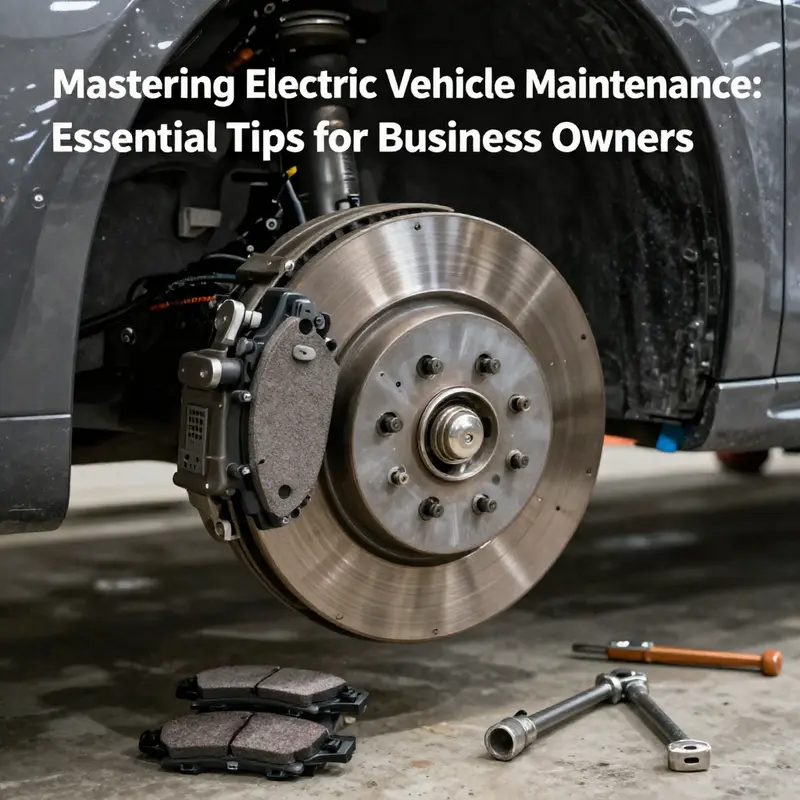
The brake system in an electric vehicle is more than a component you press when you need to stop. It sits at the intersection of safety, performance, and efficiency, especially in an age where regenerative braking turns kinetic energy back into stored energy in the battery. The friction brakes, which stop the car when regenerative braking can’t reclaim enough energy, still endure wear and tear. Even though regenerative braking reduces brake pad and rotor usage, the brakes require attentive care to ensure reliable stopping power and predictable pedal feel as the vehicle ages. A thoughtful maintenance routine for EV brakes blends vigilance with an understanding of how electric powertrains change the traditional wear patterns that drivers might expect from a gasoline-powered car. In that sense, brake care becomes a microcosm of EV maintenance: it is about tuning systems that work together—battery cooling, motor controllers, brake hydraulics, and even the software that governs energy recovery—so the car can stop safely in a broad range of conditions, from dry pavement to slippery winter streets.
The first principle of EV brake maintenance is to acknowledge that regenerative braking is not a universal cure-all. It can dramatically reduce wear on pads and rotors, yet it does not eliminate the need for periodic inspection. Even when the car routinely slows itself using motor braking, the friction brakes still handle stops where energy recovery is limited by speed, temperature, or control software. The pads themselves, while less frequently replaced than in many ICE vehicles, will wear with time. The rotors, likewise, can develop grooves, scoring, or warping if the vehicle experiences repeated high-load stopping or if debris finds its way into the braking surfaces. The most practical approach is to integrate brake checks into the regular service schedule rather than letting wear accumulate unnoticed. A common sense rule of thumb is to inspect pad thickness and rotor condition during routine maintenance intervals, looking for uniform wear and listening for any unusual noises during braking. This proactive stance has a direct payoff: shorter, safer stopping distances and a more linear pedal feel that remains consistent as the vehicle ages.
In that regard, the maintenance cadence for EV brakes is not aggressive in volume but deliberate in focus. Brake pads are typically measured for thickness, and a threshold emerges in most manufacturer guidelines. When pads approach roughly 3 to 4 millimeters of thickness, it is time to plan for replacement or at least a professional assessment. Beyond thickness, the surface condition of the rotor matters. A rotor with grooves, scoring, or unusual wear patterns can impair braking efficiency and promote vibrations that you can feel through the pedal or steering wheel. If surface damage is detected, rotor resurfacing or replacement becomes a consideration. The goal is not to chase every minor irregularity but to identify wear that could compromise performance under emergency braking or in demanding driving scenarios. Keeping a log of wear observations over time provides a clear picture of how the braking system is aging and whether driving habits, tire choices, or road conditions are contributing to accelerated wear.
A critical companion to pad and rotor care is the brake fluid itself. Brake fluid is hygroscopic by design, meaning it attracts moisture from the atmosphere. Over time, this moisture reduces the fluid’s boiling point, which can compromise braking under high heat or repeated heavy braking. Moisture accumulation can also contribute to internal corrosion within the brake system. For this reason, many EV manufacturers specify a fluid replacement interval, commonly around every two years or a defined mileage threshold, whichever comes first. The exact specification—DOT grade and the type of fluid—depends on the vehicle and the system design, so following the owner’s manual is essential. When a fluid service is due, a proper bleed and replacement is the safest route to maintain pedal firmness and consistent braking performance. This is especially important in vehicles that see frequent mountain driving, towing, or repeated high-speed deceleration, where the fluid’s capacity to absorb heat and resist vaporization becomes a safety-critical factor. In the broader context of EV maintenance, the brake fluid service is a reminder that even with advanced propulsion and braking systems, some components require scheduled attention to preserve performance and safety.
The integration of braking systems with EV architecture also calls attention to the electric vacuum pump and brake booster in many vehicles. Unlike traditional gasoline-powered cars that rely on engine-driven vacuum, many EVs use an electric vacuum pump to assist the brake booster. This arrangement ensures a consistent brake pedal feel even as the powertrain operates differently. The pump itself can develop issues such as unusual noises, leaks, or failures that translate into a harder or less assistive pedal. A regular inspection of the electric vacuum pump is therefore part of responsible EV brake maintenance. If the booster loses assist, the driver may notice a noticeably stiffer pedal and more effort required to stop, which can be unsettling in stop-and-go traffic or during sudden decelerations. Routine checks, listening for anomalies, and following the manufacturer’s guidance on pump service help prevent such problems and preserve predictable brake performance.
Regenerative braking, for its part, remains a powerful ally in the quest for longer component life and greater efficiency, but it also demands attention to software calibration and system health. The amount of deceleration provided by regenerative braking is governed by motor controllers and energy management software, which continuously balance energy recovery with mechanical braking. If the regenerative function behaves erratically—such as inconsistent slowing, reduced energy recovery, or abrupt changes in deceleration—it may signal issues with the motor controller, software calibration, or the interfaces between the brake-by-wire system and the vehicle’s control modules. While modern EVs often alert drivers to electrical or drivetrain faults through onboard diagnostics, a stubborn or unexplained braking sensation warrants prompt professional evaluation. The intangible feel of braking—the way the pedal responds, the steadiness of deceleration, the absence of vibration—becomes a practical measure of health for both the friction brakes and the energy-recovery system. In other words, the brake system in an EV is not a single mechanical entity but a network of hydraulic components and electronic controls that must be kept synchronized for reliable performance.
Tire condition and wheel alignment also play a substantial, sometimes underappreciated, role in braking effectiveness. Braking grip depends on tread depth, rubber composition, and the evenness of wear across the tire contact patch. Worn tires or misaligned wheels can ruin braking efficiency by reducing grip, increasing stopping distances, and introducing vibrations during deceleration. Regular tire inspections—checking tread depth, monitoring inflation pressures as specified by the vehicle’s manual, and rotating tires on a recommended schedule—help ensure that the braking system operates with the grip it needs. Proper inflation is especially important because underinflated tires can cause excessive heat buildup and unpredictable braking behavior, while overinflated tires can reduce the tire’s contact patch and blunt braking performance. Wheel alignment matters too; misalignment can cause uneven pad wear, affect steering stability during braking, and complicate the driver’s ability to judge stopping distance. The integration of tire maintenance with brake health underscores a simple truth: the braking system does not operate in isolation. It depends on tires, suspension health, and even road surface conditions to deliver consistent performance.
From a driver’s perspective, remaining attentive to warning indicators and unusual sensations is a fundamental habit. The brake warning light, ABS malfunction light, or low brake fluid warning serve as early signals that something in the brake system merits inspection. A spongy pedal, excessive pedal travel before the brakes engage, noticeable pulsations or vibrations during braking, grinding noises, or a sudden increase in stopping distance are all red flags. When such symptoms appear, it is prudent to seek a professional inspection rather than relying on guesswork. Early intervention can prevent more serious damage, reduce repair costs, and maintain the vehicle’s safety margins. In everyday practice, a calm, methodical approach to brake-related symptoms—checking fluid levels, listening for unusual noises, and noting how the pedal feels in different braking scenarios—provides a reliable early warning system. It also reinforces the importance of combining mechanical inspection with software health checks, as many EVs rely on software to manage energy recovery, brake control, and fault detection. This holistic view—linking hydraulic components, electric pumps, and software—is essential to preserving the reliability of the stopping system over the life of the vehicle.
To translate these ideas into a practical rhythm, many owners adopt a straightforward maintenance mindset: treat the brakes as part of the broader vehicle health story. Inspect pads and rotors during regular service visits, typically aligned with other routine checks such as battery cooling system service or tire rotation. Schedule brake fluid replacement on the interval recommended by the manufacturer, and incorporate battery temperature management and software updates into the same calendar because these systems interact with braking performance in meaningful ways. In this context, a friendly reminder can be the simplest form of prevention: a light check of pad thickness and rotor surface when you bring the car in for a tire rotation, followed by a fluid service when the calendar indicates. This approach does not require specialized tools beyond what a competent technician applies for any modern vehicle, yet it yields a more consistent, safer braking experience while extending the life of the braking components themselves.
For readers seeking a broader frame for how brake care fits into overall vehicle upkeep, a quick reference is available in the broader guide to vehicle maintenance. It presents a cohesive view of how EV systems—from charging routines to software updates—interact with mechanical subsystems and why a scheduled maintenance plan matters across the vehicle’s life. See vehicle maintenance basics for a convenient overview that complements the detailed brake guidance laid out here. This cross-reference helps emphasize that brake care is not a stand-alone expertise but a component of thoughtful, proactive ownership that benefits safety, efficiency, and the vehicle’s resale value over time.
In practice, a realistic maintenance schedule for the EV brake system emerges from aligning the wear-prone elements with the vehicle’s typical use. Inspect brake pads and rotors during each annual service or every 12,000–20,000 kilometers, whichever comes first, and pay particular attention to pad thickness as thinning progresses toward the 3–4 millimeter threshold. Check rotor surfaces for grooves or warping and address any irregularities promptly. Monitor brake fluid level and condition, planning a replacement every two years or per the specified mileage to preserve a high boiling point and prevent corrosion from moisture infiltration. Inspect the electric vacuum pump and watch for signs of diminished assist, planning replacement or service as required by the manufacturer’s recommendations. Regularly review the state of regenerative braking performance—if the deceleration feels inconsistent or there is a sudden drop in energy recovery, it may indicate software calibration needs or a sensor/drive-motor issue that requires professional attention. Keep an eye on tire tread depth and inflation pressure, since tire health directly influences braking effectiveness, and ensure wheel alignment is correct to promote even pad wear and stable braking behavior.
All of this centers on a simple, recurring theme: brakes should be treated as a health indicator rather than a one-off repair item. The better you understand how regenerative braking, friction braking, tire health, and software control interact, the more you can anticipate and prevent problems. This viewpoint aligns with a broader commitment to maintenance that recognizes every system in an EV depends on another, and neglecting one area can quietly erode performance in others. By integrating brake maintenance with the rest of the vehicle’s upkeep—battery temperature management, cooling fluid care, software updates, and tire maintenance—you build resilience into the whole vehicle. The payoff is clear: safer stops, consistent performance under a variety of conditions, and a more dependable ownership experience that makes the most of the advantages that electric propulsion promises.
As you move through the maintenance landscape of electric vehicles, consider how this brake-focused chapter connects with the broader maintenance picture we have explored in earlier sections. The same underlying principle applies: a vehicle is a system of interdependent parts that require ongoing care. In the sections that follow, readers will turn to the elements that keep the car’s powertrain efficient and reliable, including battery health, cooling systems, and software integrity. The aim is to carry forward the sense of stewardship that makes EVs both safe and rewarding to own. And while the chapters may travel through different subsystems, the throughline remains the same: informed, proactive care sustains performance, safety, and peace of mind on every ride. To ground this approach in practical steps, the next pages expand on tire dynamics, suspension integrity, and the way software-driven maintenance can fine-tune your EV’s behavior in real time, ensuring that every stop is as assured as every start.
External resource for further reading: For official guidance on brake system maintenance, refer to the safety guidelines published by the national authority responsible for vehicle safety. These guidelines provide technical detail on inspection intervals, fluid specifications, and safety considerations that complement the practical advice offered here. https://www.nhtsa.gov/vehicle-safety/brake-system-maintenance-guidelines
Internal link to broader maintenance context: For a broader view of how brake care fits into the full scope of vehicle upkeep, see vehicle maintenance basics. vehicle maintenance basics
Riding on Resilience: Tire and Suspension Maintenance for Electric Vehicles
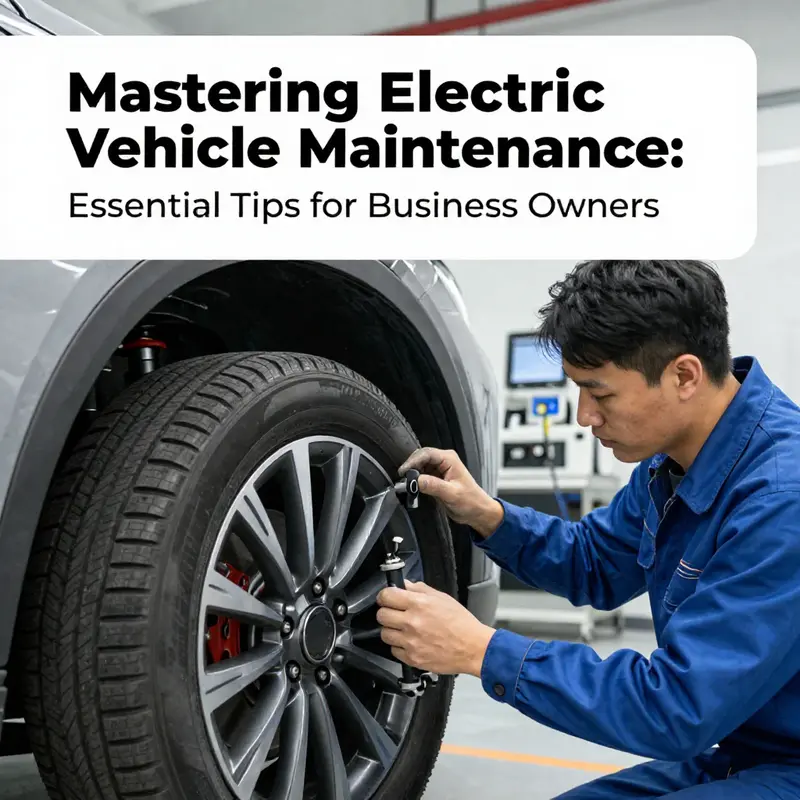
Electric vehicles arrive with a different charter for maintenance than their gasoline peers, and nowhere is that difference more obvious than in the tires and suspension. The battery pack that powers an EV adds substantial weight to the chassis, and that extra mass shifts the way every road contact point behaves. Tires, which are the only things between the pavement and the car’s heavy heart, must bear more load and still provide grip, comfort, and efficiency. The suspension, likewise, must manage that weight while preserving a smooth ride and precise handling. Taken together, tires and suspension aren’t just parts that wear out; they are performance-influencing systems that determine range, safety, and driving pleasure. If you approach maintenance with the same respect you give the battery and electrical system, you’ll unlock the full potential of an electric vehicle and keep it delivering reliable range year after year.
To understand why tires and suspension deserve careful attention in EVs, imagine the balance an EV requires. The heavy battery sits low, creating a significant inertial load that affects not only acceleration and braking but also how the tires interact with the road surface. A tire operates at the intersection of pressure, tread condition, temperature, and load. When an EV carries more mass, the same tire footprint endures more stress. This reality makes even minor tire issues more consequential. A small bulge or uneven wear, which might be a minor nuisance on a lighter vehicle, can become a safety risk on an EV because the tire must handle more weight with every rotation, corner, or emergency maneuver. A bulge, for instance, can indicate internal damage that won’t improve with time and can lead to a sudden failure under dynamic loads. In this sense, tire health becomes inseparable from overall safety.
The guidance that follows is not a set of niche tips but a practical philosophy: treat tires and suspension as a living system that directly impacts range, comfort, and control. The regenerative braking system in EVs reduces brake wear, which is fortunate, but it can tempt drivers to neglect wheel and suspension health. The truth is more nuanced. Because regenerative forces shift differently than traditional friction braking, tires take on distinctive loading patterns during deceleration and even during everyday cornering. These patterns influence how tread wears, how heat builds up, and how grip is sustained in wet or slippery conditions. A tire that looks fine at a glance might be fatigued inside, losing its ability to keep a consistent contact patch as temperatures swing or as miles accumulate. This is why regular inspection of tires—tread depth, puncture checks, sidewall integrity, and even the look of wear across the entire circumference—remains essential.
Among the first and most concrete steps is tire pressure. Tire pressure is not merely a manufacturer’s recommendation on a placard; it is a dynamic specification that affects rolling resistance, range, and suspension load distribution. Underinflation raises rolling resistance, which directly reduces EV range and places extra strain on the suspension as the tire walls flex more to absorb road irregularities. Overinflation, while occasionally beneficial for certain driving conditions, can reduce the tire’s contact patch, diminishing grip and producing a stiffer ride that can transfer more road shock to the suspension. EVs exacerbate these effects because the weight distribution of the system relies heavily on the tires’ ability to maintain consistent contact with the surface. The result is a delicate balance: the correct tire pressure maximizes energy efficiency, preserves tread life, and supports suspension components by keeping load within designed tolerances. The simplest rule of thumb is to check tire pressures regularly, especially when the seasons change, and to align the pressures with the vehicle’s recommended settings, not with what you feel is right from habit or past experience with a different vehicle. This is not a one-time check; it should be part of a monthly inspection routine, with a quick breath test before long trips or during temperature extremes.
Tire wear patterns tell a story about how a vehicle is driven and how well its suspension is performing. EVs can exhibit unusual wear if the load is not properly managed or if the alignment is off. Front-wheel-drive or dual-motor setups can emphasize different wear patterns, but the underlying principle remains the same: even, symmetrical wear is a sign that the tires are doing their job evenly across the footprint. Conversely, cupping, feathering, or shoulder wear that seems concentrated on one edge of a tire indicates misalignment, improper toe settings, or damaged suspension components. Alignment isn’t merely about steering; it’s about ensuring the tire mass is managed evenly, which minimizes heat build-up, prolongs tread life, and preserves the ride quality that EVs promise. Because EVs weigh more, the consequences of misalignment can be amplified, leading to more rapid degradation of tires and increased NVH (noise, vibration, and harshness) inside the cabin. A periodic alignment check, particularly after impacts or pothole strikes, helps keep the tires from wearing prematurely and enhances steering precision.
Rotations are an essential, practical practice for EV tires. The cadence of rotation you follow should reflect the tire design and the vehicle’s drivetrain layout, but the principle remains simple: rotate regularly to promote even wear and to prevent one axle from shouldering a disproportionate amount of load. A common cadence of every 5,000 to 7,500 miles is often recommended for many vehicles, and that interval may be specified by the manufacturer for EVs as well. Because electric powertrains can distribute torque differently than a gasoline engine, the wear pattern on the tires may diverge from traditional expectations. Rotations help equalize tread depth across all four tires and reduce the risk of localized heat spots that can compromise grip. When you rotate, inspect the tires for signs of damage—nicks, cuts, bulges, or embedded objects—while you are at it. A tire with a bulge, no matter how small, should not be driven further. The extra mass of an EV increases the chance that a tire with internal damage could fail under stress, so a cautious approach to tire safety is warranted.
The choice of tires themselves is not a luxury; it is a performance and efficiency decision. All-season tires may suffice in moderate climates, but EVs often benefit from tires with lower rolling resistance and compound tunings that accommodate higher loads. If you live in a region with harsh winters or aggressive road conditions, winter or all-weather tires can help maintain the necessary grip while preserving the longevity of the suspension system. The idea is to match tire design to the vehicle’s mass and the driver’s typical conditions. A tire that remains compliant with heat buildup, even under substantial load, will help the suspension components by avoiding excessive shock transmission and by maintaining predictable handling characteristics. If you drive aggressively or frequently accelerate hard, you are also increasing the rate at which you eat into your tires’ life. Aggressive driving translates into higher peak loads on the tire carcass and more rapid development of irregular wear patterns. EV drivers often aim to maximize range; a measured driving style—smooth steering inputs, gradual acceleration, and steady speeds—prolongs tire life and reduces wear on the suspension by limiting instantaneous loads.
Suspension health is built on more than the obvious components like shocks and struts. The suspension’s role is to separate the vehicle body from road irregularities while supporting the weight of the battery pack. With EVs, the mass is not casually distributed; it is a purposeful, centralized load that can produce subtle changes in how the vehicle rides and handles. Worn or degraded shocks and struts can allow more body roll, reduce tire contact quality, and contribute to an uncomfortable ride. Worn control arms, bushings, and sway bars can allow misalignment to creep in over time, which not only harms handling but also accelerates uneven tire wear. Regular inspections during service visits should focus on the integrity of bushings, joints, and mounts, as well as quick checks of the steering linkage. The goal is to identify signs of wear before a small issue becomes a bigger, more expensive problem. If a vehicle experiences unusual vibrations through the steering wheel, a rough ride after road imperfections, or a noticeable change in handling, it is wise to schedule a professional inspection to verify that the suspension is functioning as designed.
Maintenance habits become even more critical when the environment adds strain. Cold weather reduces tire pressure, and the temperature shifts can change the vehicle’s alignment and the suspension’s dynamics. The combination of cold air and heavier loads from extra clothing, passengers, or cargo can stress tires beyond what you might expect from daily driving in temperate conditions. Regular checks in advance of winter travel can prevent surprising range reductions and compromised grip on slick surfaces. Conversely, in hot weather, the tires may become more pliable and certain wear patterns can intensify. Monitoring heat, temperature, and pressure together gives you a clearer window into what your tires and suspension are experiencing at any given time.
From a practical standpoint, you should consider how your driving and parking habits impact tire and suspension life. Parking on uneven surfaces or curb edges can create localized stress that translates into uneven wear or bent wheel rims that then feed back into the suspension’s performance. Gentle parking and careful maneuvering around obstacles help preserve both tire integrity and suspension geometry. In EVs that use regenerative braking, the braking events can be smoother and less abrupt than traditional hydraulic brakes, but that does not mean brakes do not require attention. The fact remains that the brakes still play a role in the tire health story because tire friction with the road is integral to deceleration and control. A balanced approach—maintaining appropriate tire pressure, rotating tires, checking tread depth, and inspecting suspension components—ensures that the vehicle continues to perform safely and efficiently.
An often-overlooked facet of tire and suspension care comes from a broader maintenance philosophy. With electric propulsion, the software that governs how the powertrain interacts with the wheels can influence wear indirectly. For example, some EVs monitor tire temperature and wheel spin to optimize torque delivery. When the tires are worn or underinflated, the software may adjust torque vectoring and power delivery in ways that can lead to unusual handling or decreased efficiency. Keeping tires in good condition supports not only the hardware but also the software’s ability to manage traction and range as designed. This interconnectedness underscores that maintenance is not a collection of isolated tasks; it is a coordinated, ongoing practice that preserves the entire drive system’s health.
If you are seeking a structured, authoritative source for broader EV maintenance practices that touch on tires and suspension, you can explore further guidance on this topic through a detailed resource that discusses whether electric vehicles require less maintenance and what components require ongoing attention. The broader takeaway from that guidance is consistent with what this chapter emphasizes: EVs simplify some maintenance tasks thanks to fewer moving parts, but they demand a disciplined approach to the parts that bear the most immediate load and wear, especially tires and suspension. For a deeper dive into general maintenance philosophy, see the related resource linked in the external materials accompanying this chapter. Additionally, a practical, vehicle-specific understanding comes from following your owner’s manual and the vehicle builder’s service recommendations, which tailor advice to your particular tire dimensions, suspension design, and load profile.
As you consider the path forward, it helps to keep a simple, repeatable routine. Start every month with a quick tire check: verify inflation against the manufacturer’s recommended numbers, inspect for any signs of irregular wear or damage, and look for bulges or cuts in the sidewalls. If you notice anything suspect, address it promptly rather than postponing a potentially hazardous issue. Move to a broader inspection every 10,000 to 15,000 miles, or as recommended by your vehicle’s service interval, to assess tire tread wear, wheel alignment, and suspension components such as shocks, struts, control arms, and bushings. During visits, request a basic alignment check and a suspension health assessment to ensure that everything remains within specification. Doing so not only preserves safety and comfort but also protects range and performance, ensuring the EV continues to feel as confident and predictable as the day it was new.
The relationship between tires and suspension in an electric vehicle is, in effect, a microcosm of the broader maintenance discipline required for EVs. If the battery is the heart of the system, tires and suspension are the joints and limbs that translate that power into controlled, safe motion. Respect for these parts translates into better ride quality, steadier handling, and more efficient energy use, all of which contribute to extended range and longer vehicle life. In practice, this means adopting a mindful, proactive routine that respects the mass and dynamics of an electric drivetrain. It means monitoring pressure, tread, and wear with curiosity rather than complacency. It means recognizing that even small issues can become serious when they involve a heavy vehicle traveling at speed or negotiating a corner. Ultimately, tire and suspension maintenance for EVs is about sustaining a balance—between safety, efficiency, comfort, and longevity—that allows the entire vehicle to perform at its best over time.
For readers seeking a concise, credible overview of EV tire and suspension care aligned with government-endorsed guidance, consider consulting official resources on tire and suspension maintenance for electric vehicles. These resources provide practical, science-based recommendations that complement the hands-on care described here and help you plan maintenance around the realities of heavier EV mass, regenerative braking, and the daily use that characterizes modern electric driving. As you implement these practices, you’ll find that the road becomes more predictable, and the EV’s advantages—quiet operation, smooth power delivery, and improved efficiency—are reinforced by stable, well-maintained tires and a robust suspension system.
Final thoughts
Maintaining electric vehicles is crucial for business owners who aim to sustain efficiency and reliability within their fleets. By focusing on battery care, brake system upkeep, and effective tire and suspension management, you can enhance vehicle performance and longevity. Embracing these maintenance practices not only supports functional operations but also aligns with eco-friendly initiatives. As the EV market continues to grow, ensuring your vehicles are well-maintained will position your business for success and sustainability in the future.