
Understanding the importance of preventive vehicle maintenance is crucial for business owners looking to minimize costs and enhance operational efficiency. This proactive approach emphasizes routine inspections, timely servicing, and essential part replacements to avert major issues before they arise. Fleet reliability is paramount; ensuring every vehicle performs optimally can significantly contribute to your business’s success. This article delves into the key aspects of preventive vehicle maintenance, including its components, benefits, standards, and future trends, equipping you with the knowledge needed for effective vehicle management.
Preventive Vehicle Maintenance: The Quiet Steward of Reliability, Safety, and Longevity
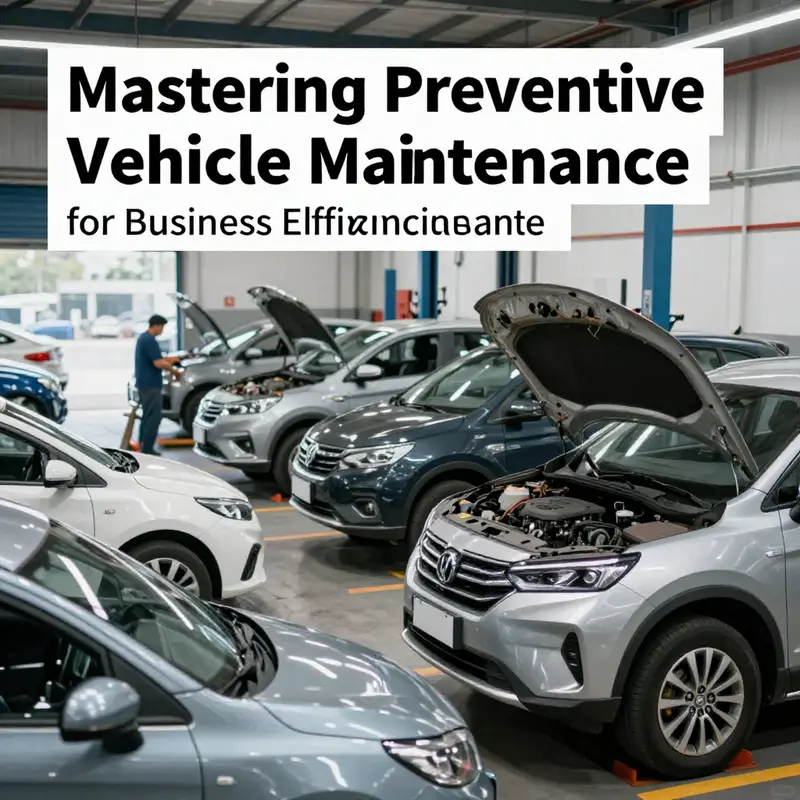
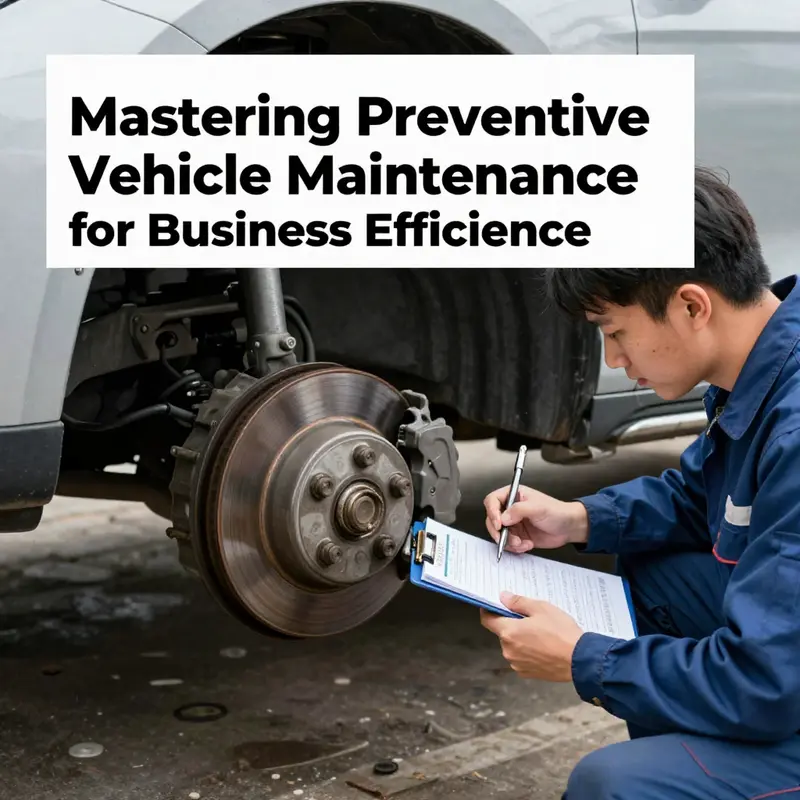
Preventive vehicle maintenance is not the flash of a dramatic repair but the steady, disciplined craft of keeping a machine in its optimal condition. It rests on a simple premise: you can reduce the chances of a sudden breakdown by attending to the vehicle’s needs before symptoms appear. In practice, this means regular, scheduled checks and servicing that align with how a car wears and ages, rather than waiting for something to fail and force an expensive, disruptive fix. To frame this clearly, see What is vehicle maintenance, a concise overview that situates preventive care within the broader landscape of vehicle ownership and operation. The idea is to shift from a passive stance—reacting to trouble as it arises—to an active program that respects the predictable patterns of wear and tear that every vehicle exhibits over time and distance. When done well, preventive maintenance becomes less a set of chores and more a continuous, data-informed conversation between driver, vehicle, and the road ahead.\n\nAt its core, preventive maintenance operates on three intertwined goals: safety, reliability, and efficiency. Safety comes first because the tasks involved—checking brakes, tires, lights, and steering components—directly influence a vehicle’s ability to avoid hazards and respond to emergencies. Reliability follows, since regular inspections catch wear before it becomes a breakdown, reducing the likelihood of unexpected downtime. Finally, efficiency is enhanced because clean fluids, proper tire pressures, and well-maintained engines tend to sip fuel and perform more smoothly. The practical upshot is a more predictable ownership experience, with fewer roadside interruptions and less anxiety about “will it start today?” The everyday driver who follows a well-structured preventive program often discovers a surprising dividend: maintenance costs stay predictable, and the vehicle remains closer to its original performance envelope for longer.\n\nWhat actually happens during preventive maintenance can feel routine, almost ceremonial in its regularity, but each task has a clear rationale. Fluid management keeps the vital circulatory systems of the vehicle healthy. Engine oil protects moving parts from friction and heat, coolant moderates temperatures, and brake and transmission fluids preserve hydraulic performance. Regular oil changes, coolant checks, and fluid top-offs prevent sludge buildup, overheating, and corrosion that would otherwise accelerate wear. Fluid checks are inseparable from wear assessment because depleted or contaminated fluids often reveal or accelerate developing issues in adjacent systems.\n\nTire health and wheel integrity are equally central. Proper tire pressures optimize fuel economy, handling, and braking, while tread depth and even wear patterns provide early signals about alignment, suspension, or driving style that may require correction. The brakes themselves demand attention—pad wear, rotor condition, and the reliability of braking lines all influence stopping distance and control. It is not enough to have a strong engine if the car cannot slow safely in an emergency. The battery, too, deserves respect, with attention to charge capacity, alternator health, and connections that resist corrosion. The visual and tactile checks—belts, hoses, lights, and the overall under-hood condition—round out the picture, revealing frayed belts, cracked hoses, or loose connections before they cause a failure that leaves a driver stranded.\n\nThese checks are not arbitrary. They are guided by time-based and mileage-based intervals that reflect how components age in the field. A typical schedule might prescribe an oil change every few thousand miles or every six months, a tire rotation at regular miles to equalize wear, and a fluid refresh at manufacturer-recommended milestones. While the exact cadence varies by vehicle and use, the logic is universal: preemptive care at predictable points is cheaper and less disruptive than post-failure repairs. In some cases, modern vehicles also lend themselves to condition-based or predictive approaches. Condition-based maintenance relies on sensors and real-time data to evaluate the current health of systems, while predictive maintenance analyzes trends to forecast likely failures. Still, for most fleets and many private owners, periodic maintenance—carried out at fixed intervals and tied to service manuals—remains the straightforward, reliable standard.\n\nTo appreciate how a preventive program unfolds in practice, consider the standards that shape what gets done and when. There are detailed guidelines that help service providers structure their work in a consistent, verifiable way. For instance, in one national framework, maintenance is organized into a three-tier system: Level 1 maintenance covers essential lubrication and tightening; Level 2 expands into more thorough checks and adjustments; Level 3 involves deep inspection and, if necessary, disassembly of major components. This tiered approach ensures that vehicles remain reliable and safe throughout their service life, without skipping essential care or over-indulging in overly invasive interventions. The value of such standards lies not in rigidity but in the assurance they offer to drivers, operators, and regulators that best practices are being followed and that there is a transparent basis for decision-making about repairs and replacements.\n\nBeyond the mechanics, preventive maintenance has meaningful societal and environmental implications. When communities embrace sustained, informed maintenance, the benefits extend past individual drivers. Studies of city programs in places similar to General Villamil Playas City show that widespread, preventive campaigns can yield tangible economic savings, reduce emissions through more efficient operation, and enhance road safety by reducing the frequency and severity of preventable incidents. In essence, preventive maintenance contributes to sustainable mobility by lowering the lifecycle environmental footprint of vehicles, stretching their useful life, and keeping streets safer and less prone to disruption. This broader view helps explain why preventive maintenance matters not only to individual owners but also to municipal budgets, infrastructure planning, and public health.\n\nImplementing a preventive program does not require a fleet-size budget or a fleet manager’s access to live data streams. It begins with a few practical habits that any owner can adopt. Start with the vehicle’s manual as the baseline map for required service intervals, then build a simple log that records dates, mileage, and the tasks completed at each visit. The act of documenting creates a visible health history that is invaluable when selling the vehicle or when diagnosing a new fault later on. Timely reminders—whether automatic through a calendar or a maintenance app—help prevent lapses in service, especially during busy seasons or when a vehicle changes ownership. A well-maintained log makes it easier to build a relationship with a trusted mechanic who can interpret the history and anticipate the next steps. In cases where the vehicle sits unused for extended periods, periodic checks become even more important, because some issues arise from neglect rather than ongoing operation.\n\nThe human element should not be overlooked. Preventive maintenance is as much about discipline and a mindset as it is about schedules and tools. It requires recognizing that maintenance is not a one-off event but a continuous practice that aligns with a driver’s habits, local climate, road conditions, and the vehicle’s design. A driver who commits to monitoring tire pressures monthly, checking fluids every two to four weeks, and scheduling a professional inspection twice a year creates a feedback loop that keeps the car responsive and predictable. Moreover, the act of maintenance itself promotes a deeper understanding of how a vehicle operates. When someone learns to listen for the faint hum of a misfiring cylinder, or the subtle pull in the steering under certain loads, they gain an early, personal diagnostic sense that can prevent minor issues from becoming major repairs. In this sense, preventive maintenance is not merely a mechanical task; it is a form of ongoing apprenticeship with the machine that carries us.\n\nUltimately, preventive maintenance translates into tangible advantages that extend to resale value and long-term costs. A well-documented maintenance history signals prudent stewardship to future buyers, potentially supporting higher resale values and smoother negotiations. Maintenance, when executed with care, reduces the risk of expensive, all-at-once failures and spreads costs more evenly over time. And because well-tuned vehicles often operate more efficiently, they consume less fuel and experience less environmental impact, aligning personal savings with broader sustainability goals. While the specifics will vary by vehicle type and use case, the overarching principle remains universal: care taken today pays dividends tomorrow.\n\nAs you plan your next service, remember that preventive maintenance is a practical philosophy rooted in disciplined attention to the vehicle’s health. It is not about chasing every potential problem, but about recognizing the predictable signs of wear and addressing them before they become disruptive. It is about balancing effort, cost, and risk to keep the car reliable, safe, and efficient over years of driving. For a concise overview of the broader concept of vehicle maintenance, you can consult the linked resource mentioned earlier. And for those seeking a deeper, external perspective on preventive maintenance standards and their rationale, an authoritative external guide provides a comprehensive framework: What is Preventive Maintenance? – Facility Management Guide, https://www.facilitymanagement.com/articles/what-is-preventive-maintenance/.\n\nIn short, preventive vehicle maintenance is the quiet, steady work that makes driving safer, smoother, and more economical. It respects the vehicle’s natural aging process, it is guided by proven schedules and standards, and it yields results that are felt long after the next service interval. When this disciplined practice becomes part of daily life, the road ahead becomes more predictable, and the promise of reliability remains within reach for many miles to come.
null
null
The Quiet Return on Prevention: The Tangible Rewards of Preventive Vehicle Maintenance
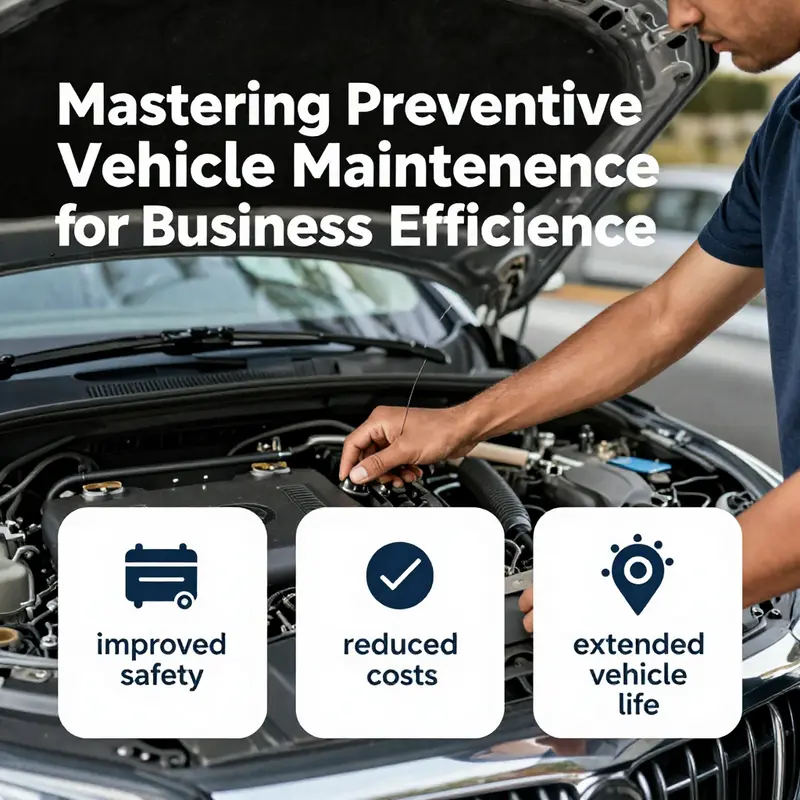
Every journey on the road is a sequence of small, predictable wear-and-tear moments. When we shift from reacting to car trouble to preventing it, we are not merely avoiding inconveniences; we are investing in reliability, safety, and long-term value. The benefits of preventive vehicle maintenance unfold like a carefully staged payoff: a smoother ride, lower running costs, and a sharper edge of confidence for the driver. The logic is straightforward, even if the discipline requires consistency. By scheduling inspections, servicing, and part replacements before a problem surfaces, a vehicle stays closer to its design intent. The mechanics of preventive maintenance are grounded in an understanding of wear patterns, time-based and mileage-based intervals, and the small, cumulative effects of neglect. When this approach is applied thoughtfully, the payoff is meaningful and measurable, extending beyond the immediate task of turning wrenches to touchpoints that shape safety, efficiency, and overall lifecycle costs.
At the heart of preventive maintenance is the practice of seeing the vehicle as an integrated system rather than a collection of independent parts. Regular inspections become a diagnostic conversation rather than a chore. A quick check of fluid levels, tire pressures, brake pad thickness, and wheel alignment can reveal a spectrum of minor issues that, if left unattended, would otherwise escalate into costly repairs or safety hazards. This mindset—proactive care over reactive fixes—transforms maintenance from a budget line item into a strategic investment in uptime and performance. It also provides a predictable cadence that aligns with manufacturer recommendations, regulatory expectations, and the realities of high-mileage operation. For readers exploring the fundamentals of maintenance, a concise overview is available here: What is vehicle maintenance. (Internal link: What is vehicle maintenance)
The most immediate and tangible benefit of a preventive plan is the extended lifespan of the vehicle. When routine tasks are performed on schedule—oil changes, filter replacements, coolant checks, and belt inspections—the engine runs more smoothly, components wear more evenly, and the likelihood of cascading failures diminishes. This is not a guaranteed protection against every possible fault, but it is a disciplined form of stewardship. The cumulative effect is a vehicle that remains roadworthy for longer, preserves its value, and postpones the need for expensive overhauls. In practical terms, a well-maintained car experiences fewer unexpected days in the shop, which translates into greater reliability for daily commutes, family trips, and business deliveries alike. The confidence gained from reliability cannot be easily quantified in a single number, but it ripples through time—into fewer days of downtime, fewer appointments canceled, and steadier schedules for the people who depend on the vehicle.
Beyond lifespan, preventive maintenance sustains optimal performance. Engines are complex ecosystems, and performance can drift when a small system—fuel delivery, ignition timing, or air intake—falls out of sync with the rest of the drivetrain. Regular servicing keeps these systems aligned, reducing friction, maintaining steady power output, and preserving responsiveness. When performance is steady, drivers notice a more predictable throttle response, smoother idling, and consistent acceleration. In many ways, this is the unseen benefit that enhances the driving experience without shouting from the roof: fewer nagging performance hiccups, less jitter at highway speeds, and a sense that the vehicle is operating as designed rather than as a compromise stitched together after neglect.
Fuel efficiency is another quiet advantage that accrues over time with disciplined maintenance. Clean air filters, properly inflated tires, and clean oil all contribute to reducing internal resistance and optimizing combustion efficiency. Even minor improvements—such as a half-pound-per-square-inch difference in tire pressure or a slightly cleaner fuel system—can accumulate into meaningful gains over thousands of miles. The result is not flashy; it is measurable savings that show up at the pump month after month. For fleets and individual operators alike, these savings compound with every fill-up, creating a consistent tailwind that lowers operating costs while delivering the same level of service. The broader implication is that fuel economy becomes less a product of radical changes and more the natural outcome of good maintenance habits.
Safety, perhaps above all other benefits, comes into sharper focus under preventive maintenance. Routine checks of brakes, tires, lighting, steering, and suspension form a core shield against the hazards on the road. Worn brake pads, worn tires, or a failing steering component can compromise stopping distances, traction, and vehicle control just when the driver needs reliability most. Regular inspections provide a safety net by catching deteriorations before they manifest as an on-road emergency. The practice also reinforces proper maintenance of safety-critical features such as ABS, traction control, and emission-related diagnostics that inform the health of the drivetrain. The payoff is not only a lower probability of breakdowns, but a lower risk of accidents caused by preventable defects. In a world where every trip carries risk, preventive maintenance acts as a basic, reliable risk-mitigation strategy.
Downtime is a less glamorous but highly consequential benefit. Modern operations—whether a single commuter or a fleet coordinating dozens of vehicles—depend on predictable schedules and dependable equipment. Unexpected breakdowns disrupt workflow, extend lead times, and strain customer relationships. A preventive program shifts many of these disruptions from unexpected events to scheduled tasks. The vehicle spends its time where it should—driving forward—rather than sitting idle in a repair bay. The financial implications are straightforward: less unplanned downtime means more productive hours, more predictable service levels, and more accurate budgeting. This stability becomes especially valuable for fleets with tight service windows, where even a single day of downtime can cascade into missed commitments and penalties. In this sense, maintenance is not merely a cost; it is a strategic asset that protects operational throughput.
Cost savings emerge as perhaps the most compelling justification for preventive maintenance. The logic is cumulative: small investments in routine care prevent larger, more expensive failures later. A misaligned suspension, for example, may not immediately threaten safety, but it can cause uneven tire wear and premature replacement costs. An oil change every so often may seem routine, but neglect can lead to engine deposits, degraded lubrication, and reduced lifespan of seals and gaskets. The math is straightforward: early, inexpensive interventions avert major component failures that require costly parts, labor, and downtime. A 2024 assessment by a respected industry body underscores this point with concrete figures: vehicles that adhere to a consistent preventive schedule experience substantially fewer breakdowns and lower lifetime ownership costs than those without such programs. This evidence lends weight to the common-sense observation that prevention pays for itself over time.
Beyond pure cost and reliability, preventive maintenance supports regulatory compliance and environmental stewardship. For businesses operating large fleets, regular maintenance records satisfy regulatory expectations, simplify audits, and demonstrate responsible fleet management. Environmentally, well-tuned engines emit fewer pollutants and burn fuel more efficiently, reducing the ecological footprint of everyday operations. The impact is twofold: it aligns with societal expectations and strengthens the organization’s reputation as a responsible operator while also delivering practical benefits in the form of cleaner air and quieter, more efficient performance. The trade-off is simple: invest a little up front and realize measurable improvements in safety, efficiency, and sustainability over the vehicle’s life cycle.
A key element that often gets overlooked is the role of documentation and data in sustaining these benefits. A preventive maintenance program thrives when every service, inspection, and replacement is logged. Records make it possible to track health trends, anticipate future needs, and demonstrate adherence to manufacturer guidelines or regulatory standards. They also enable data-driven decisions for fleet managers, from scheduling optimization to budget forecasting. In practice, this means planners can align maintenance cycles with actual operating conditions—miles driven, climate exposure, load factors—and fine-tune intervals to maximize uptime without unnecessary service. The pattern is simple but powerful: data-informed maintenance sustains reliability, reduces risk, and clarifies the path to a lower total cost of ownership.
The framework supporting these benefits often mirrors the structured approach used in various national standards, which emphasize a tiered, systematic process. While the specifics vary by region, the underlying principle remains consistent: routine care should be formalized, auditable, and aligned with the vehicle’s design and usage profile. This structured discipline ensures the vehicle remains reliable and safe throughout its service life, turning preventive maintenance from a set of ad hoc tasks into a coherent program that drives continuous improvement. For readers seeking a deeper dive into the broader concept of maintenance and its purpose, exploring the foundational ideas behind vehicle maintenance provides a helpful map for turning theory into practice.
In sum, the benefits of preventive vehicle maintenance stretch across performance, safety, reliability, cost, and sustainability. They are not esoteric outcomes or isolated wins; they are interlinked advantages that reinforce each other over time. When a fleet or an individual driver commits to a steady maintenance cadence, the result is a vehicle that behaves more like it did when it was new—a machine that can be trusted to perform, protect, and endure. The payoff is not sudden; it accumulates gradually through quieter days of service, steadier fuel economy, fewer surprises, and a reduced sense of risk on every trip. If you want to explore practical pathways to begin or refine a preventive maintenance routine, consider starting with a simple, disciplined checklist, integrated with your vehicle’s service history, and complemented by guidance from your technician and manufacturer recommendations. The habit of care is the engine of reliability, and reliability is the quiet profit of preventive maintenance.
Standards in Practice: How Preventive Vehicle Maintenance Becomes a Proactive, Safer Path for Every Vehicle
Preventive vehicle maintenance is not merely a schedule of chores; it is a disciplined approach that treats each vehicle as a system whose parts wear and drift toward fault in predictable ways. The idea rests on two pillars: knowledge of wear patterns and a framework that translates that knowledge into timely action. In this light, standards and guidelines become more than bureaucratic rules. They are the engine behind a culture of proactive care, one that reduces breakdowns, protects lives, and preserves value over a vehicle’s service life. In a country with a rapidly expanding road network and a growing mix of traditional and electric drive systems, a national standard can harmonize maintenance practices, ensuring that every vehicle on the road meets a baseline level of reliability and safety. This is the essence of preventive maintenance: act before the warning signs become emergencies, guided by a clear, scientifically grounded schedule rather than by reaction to failures.
At the center of modern practice in China is the GB/T 18344-2025 standard, officially released in June 2025 and entering force at the start of 2026. It marks a watershed shift from the older, more fragmented approach to a unified, technically rigorous framework for road transport vehicles, including both conventional internal combustion engines and electric vehicles. This standard does not simply prescribe a checklist; it codifies a philosophy of maintenance that recognizes the different realities of gasoline cars, diesel trucks, and emerging electric platforms. It makes explicit that preventive maintenance must be structured in levels that balance thoroughness with practicality, aligning tasks with the expected pace of wear and the criticality of each subsystem.
The standard enshrines a three-tier maintenance concept that yields a coherent ladder of care. Daily maintenance remains the driver’s responsibility, a quick before-start check of fluid levels, tire pressures, and lights that keeps basic safety in view. But the real heart of the standard lies in Level One, Level Two, and Level Three maintenance, each with distinct scopes and intervals. For gasoline passenger cars, Level One is scheduled at remarkably frequent intervals, around 3,500 kilometers, with Level Two extending to the 20,000–30,000 kilometer band and Level Three to about 35,000 kilometers. For diesel-powered trucks, the cadence is tracked in operating hours rather than purely by distance, reflecting the harsher, more variable duty cycles trucks endure. The framework also specifies that non-commercial electric vehicles should observe Level Two at 20,000–30,000 kilometers or annually, while commercial electric vehicles demand more frequent checks, roughly every 5,000–10,000 kilometers or six months. The implication is clear: higher-duty or higher-risk vehicles receive tighter oversight to keep them functioning safely under load.
These intervals are not arbitrary numbers but outcomes of a systematic assessment of wear, failure modes, and the consequences of neglect. The standard’s logic extends beyond the mechanical to the electrical, recognizing that modern vehicles rely more than ever on complex control systems and, in the case of electric vehicles, high-voltage architectures. It mandates comprehensive inspections of braking systems, steering, suspension, engine oil and coolant changes, and even the low-voltage electrical networks. For electric propulsion, the rulebook adds a specific requirement for high-voltage system inspections and demands specialized tools and insulation resistance testing, with a benchmark insulation resistance of at least 5 megaohms. By linking specific procedures to vehicle type and duty cycle, the standard ensures that preventive maintenance is not a one-size-fits-all regimen but a tailored program that reflects technological realities and safety imperatives.
With such scope, the standard transforms maintenance from a reactive safeguard into a structured, verifiable program. The legal and managerial framework surrounding GB/T 18344-2025 fortifies this transformation. The standard sits alongside GB 18565, which addresses the broader requirements and testing methods for the comprehensive performance of operating vehicles. Together, these standards create a national benchmark that governs periodic maintenance and inspection, providing a common language for technicians, fleet operators, and regulators. The National Technical Committee for Automotive Repair Standardization administers this framework, under the auspices of the Research Institute of Highway and other government bodies. Enforcement is dynamic and active: transport authorities conduct regular inspections, and competitive events test adherence to the standards. The outcome is not merely compliance but a culture of continuous improvement, where fleet operators learn to refine inspection techniques, diagnostic procedures, and scheduling to minimize downtime and maximize roadworthiness.
The practical benefits of this standard-driven approach are multiple and compounding. First, preventive maintenance reduces the probability of sudden, high-consequence failures. A well-tuned schedule catches issues long before they seize critical systems, from brakes that risk fade under repeated heavy use to cooling systems that drift toward overheating. Second, it supports efficiency and performance. Fresh oil, clean filters, properly inflated tires, and calibrated brakes translate into smoother operation and better fuel economy. Third, it strengthens safety. By ensuring that critical subsystems—brakes, steering, tires, lighting, and electrical networks—receive routine scrutiny, the standard helps drivers respond with confidence to evolving road conditions. Fourth, it preserves value. Demonstrating consistent, standards-compliant maintenance builds trust with buyers and lessees, signaling that the vehicle has been cared for and is less likely to demand costly, avoidable repairs. In the broader sense, standardized preventive maintenance also contributes to a more reliable transportation network, reducing unexpected outages in commercial fleets and helping logistics chains stay on schedule.
The structure of maintenance as defined by the standard has important implications for day-to-day practice. Daily checks remind drivers that care begins with awareness: checking fluid levels, tires, lights, and basic controls before each trip creates a first layer of defense. Level One maintenance, with its lubrication, tightening, cleaning, and basic inspections, acts as a routine but essential gatekeeper—one that prevents aging components from silently drifting toward failure. Level Two elevates the inspection to a diagnostic plane, where more critical systems—especially braking, steering, suspension, and electrical circuits—are scrutinized with proper instruments. Level Three, the most thorough tier, is the kind of deep inspection associated with major component disassembly when needed. This tiered approach provides a practical progression of oversight, aligned with how vehicles physically wear over time and how critical the consequences of neglect escalate with duty cycle and usage.
A crucial element of the GB/T 18344-2025 framework is its explicit attention to diverse vehicle architectures. For conventional internal combustion engines, the standard keeps the focus on oil, coolant, filtration, and mechanical wear that accelerates with mileage. For electric vehicles, the emphasis shifts to battery health, high-voltage safety, thermal management, and electrical integrity. The rulebook insists on a high standard for insulation resistance in high-voltage systems, signaling a recognition that EVs introduce new risk vectors that cannot be ignored in preventative planning. In both cases, the standard’s diagnostic testing protocols—battery health checks, emissions assessments, and drivetrain efficiency tests—provide objective proof of a vehicle’s readiness to operate safely and efficiently. The result is a maintenance program that is not only comprehensive but auditable, with records that fleet operators can review to verify compliance, identify trends, and optimize future scheduling.
The narrative of preventive maintenance under GB/T 18344-2025 also intersects with the broader, global shift toward data-driven maintenance practices. Although the standard presents a national framework, its ethos mirrors international movements that tie maintenance to predictive analytics, reliability-centered maintenance, and performance-based inspections. The emphasis on documentation and tracking within the standard strengthens the reliability argument by creating a data trail. When technicians record findings, component lifespans, replacement intervals, and diagnostic results, they generate a feedback loop. This loop informs future intervals and helps managers balance preventive costs against the risk and cost of failures. In practice, this means a fleet operator can chart maintenance history alongside usage metrics, enabling smarter budgeting, smoother operations, and less downtime. It also equips regulators with transparent proof of compliance, which is essential for public safety around mass transit, municipal fleets, and commercial transport.
For individual drivers, the conversation about preventive maintenance can begin with a simple question: how do standards translate into everyday care? The answer lies in the disciplined rhythm that the standard prescribes: perform the daily checks, adhere to Level One’s lubrication and tightening tasks, schedule Level Two inspections to verify critical subsystems, and reserve Level Three for deeper inspection or disassembly as needed. This cadence is not a cage; it is a framework that frees drivers and operators from uncertainty. It replaces costly surprises with predictable upkeep and a lifetime of better reliability. The standards also encourage a mindset of record-keeping and accountability, turning maintenance into a collaborative process among drivers, technicians, and fleet managers. When everyone understands the purpose and the cadence, preventive maintenance stops feeling like a series of chores and starts feeling like a shared commitment to safety, efficiency, and responsible stewardship of resources.
In weaving together the logic of wear patterns, the technology of modern propulsion, and the governance of a robust maintenance standard, this chapter connects the concept of preventive maintenance to a practical, lived experience on the road. It invites readers to view maintenance not as optional or reactive, but as an explicit, measurable, and essential practice that supports safety, performance, and resilience across the vehicle population. To explore more about fundamental concepts of vehicle maintenance, you can read further at What is vehicle maintenance. This linkage helps ground the discussion in a broader understanding while keeping the focus on the standards that elevate routine care into a systematic, auditable program.
As a closing reflection, the GB/T 18344-2025 standard offers more than a set of procedures. It embodies a shift in how a society treats mobility: not as a series of isolated repairs but as a continuous, data-informed practice that keeps people moving with confidence. It binds manufacturers, service providers, and regulators to a common language of safety, reliability, and efficiency. For policymakers and fleet operators, this standard provides both a blueprint and a benchmark—one that can guide investment in technician training, diagnostic infrastructure, and maintenance logistics. For drivers, it translates into clearer expectations and a safer journey. The road, after all, is long and unpredictable; preventive maintenance, grounded in solid standards, helps ensure that the journey remains safe, efficient, and dependable.
External resource: For official details on the standard, refer to the national standard page at https://std.samr.gov.cn/gb/.
Predictive Maintenance in Modern Automobiles: A New Era of Proactive Care

Preventive vehicle maintenance has evolved from a calendar based ritual into a data driven discipline that keeps vehicles reliable, safe, and efficient. Today, sensors, software, and cloud connectivity continuously monitor key systems such as powertrain, braking, tires, battery health, and fluid quality. Instead of waiting for a warning light, predictive maintenance analyzes patterns over days and weeks to forecast when a component will drift from optimal performance and when a proactive intervention will prevent a failure. This shift redefines how owners and fleets think about uptime, cost, and risk.
In practical terms, continuous monitoring is supported by onboard diagnostics and diagnostic data streams that feed analytics in real time. Intelligent decision making translates raw sensor data into actionable tasks, prioritizing interventions based on likelihood of failure within a given horizon. The result is maintenance that is scheduled around actual usage rather than fixed calendars, reducing downtime and extending component life.
Two accelerators are transforming the space. Over the air updates refine diagnostic models and thresholds, while telematics and cloud platforms enable fleet operators to compare hundreds of vehicles, tailor maintenance plans, and scale best practices from a few early adopters to broader adoption. These advances are underpinned by data governance, security, and transparent reporting so that owners can trust the decisions being made.
Despite challenges around privacy, data ownership, and access, the promise is clear: preventive maintenance is becoming a living process that aligns engineering insight with data science, turning maintenance from a reaction to a proactive, value preserving discipline.
Final thoughts
Preventive vehicle maintenance is an indispensable strategy for business owners aiming to enhance fleet reliability and performance. By investing in scheduled maintenance and adhering to established guidelines, businesses can avert costly breakdowns, improve safety, and ensure compliance with industry standards. As technology advances, the future of vehicle maintenance looks promising, integrating real-time diagnostics that further streamline maintenance processes. Embracing preventive maintenance today paves the way for a more efficient and profitable fleet operation.