
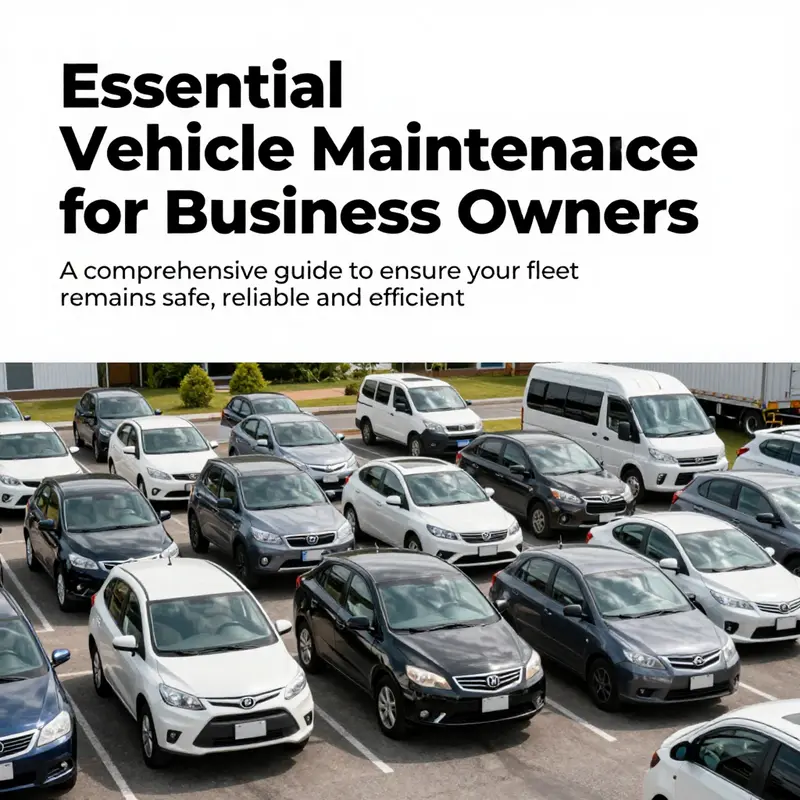
For business owners relying on vehicles for operations, effective vehicle maintenance is critical not only for safety but also for operational efficiency and cost management. Regularly maintained vehicles have longer lifespans, run more efficiently, and can prevent unexpected breakdowns that disrupt business activities. This guide is segmented into three chapters that systematically address key aspects of vehicle maintenance: the importance of regular fluid checks and replacements, essential filter replacements, and comprehensive tire and wheel maintenance. Together, these practices create a foundation for reliable vehicle performance, ensuring your business can operate smoothly without interruption.
null
null
Clean Gateways, Strong Engines: The Essential Role of Filter Replacement in Vehicle Maintenance
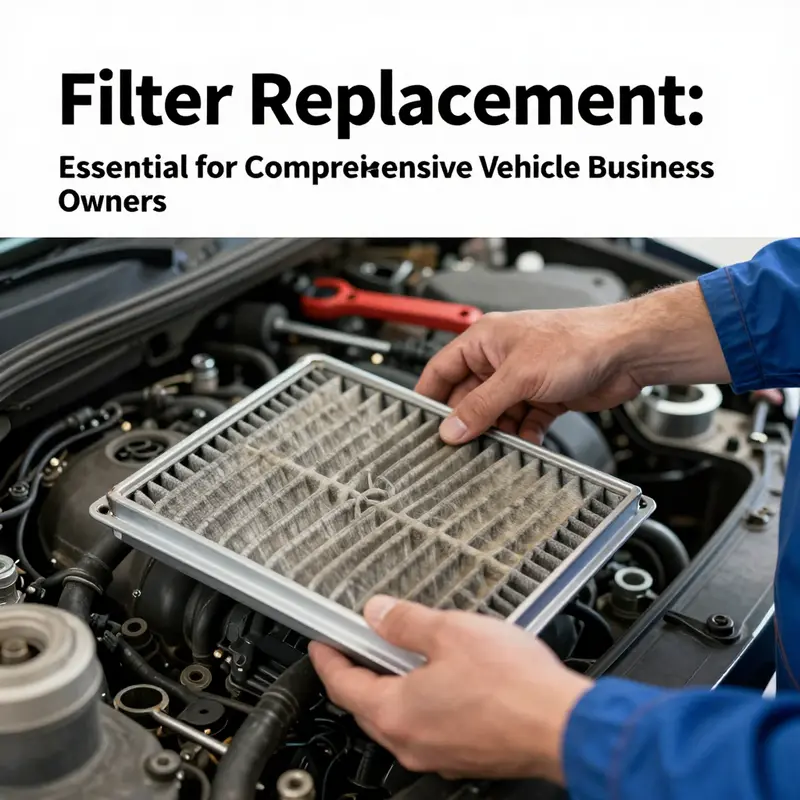
Filters are the quiet gatekeepers of a vehicle’s health. They sit at the frontline, catching dust, sediment, pollen, and metal fragments before those intruders can mingle with the lifeblood of the engine or the air you breathe inside the cabin. In the broad map of maintenance, filter replacement is one of the most affordable and impactful actions you can take. It does not shout for attention the way a misfiring cylinder or a flashing check engine light might, but its influence spreads through every hour you spend behind the wheel. When you consider what is needed for vehicle maintenance, filters deserve a central place, not a peripheral afterthought. The main filters—air, oil, fuel, and cabin air—work in concert with the many fluid changes and belt inspections that keep a car reliable. They are the unsung custodians that protect performance, efficiency, and comfort, often at a fraction of the cost of more dramatic repairs. To understand their role, picture the engine as a busy factory and the filters as the intake screens and quality-control stations. Clean air passes through an air filter, clean oil passes through an oil filter, fuel is routed through a fuel filter, and fresh cabin air passes through a cabin filter. Each filter has a specific job, and each job matters because it underpins the engine’s ability to breathe, lubricate, fuel, and supply a comfortable interior environment.
Air filters are the lungs of the engine. They keep particulates from entering the combustion chamber, where even tiny specks can become abrasive if ground into the cylinders. A clean air filter ensures a steady, predictable air supply, which supports efficient combustion and steady engine performance. When the air filter becomes clogged, the engine must pull more air through a restricted path. That restriction can reduce power, hamper acceleration, and lower fuel economy. In extreme cases, a severely dirty air filter can lead to misfires or rough idling, especially during cold starts or when operating at high engine loads. The cost of replacing an air filter is modest, but the payoff is real: smoother running, consistent power, and better long-term efficiency. In most vehicles, the manufacturer recommends replacing the air filter at intervals tied to mileage and driving conditions. Drivers who spend a lot of time in dusty or off-road environments will find their filters load up faster than those who mostly drive on clean highways. Keeping the filter clean is a straightforward habit, and it can be checked during routine maintenance tasks or even during a simple self-inspection at home.
Oil filters deserve the same level of attention as the engine oil itself. The oil filter’s job is to remove metal shavings and sludge from the lubricating oil as it circulates through the engine. A clean oil filter ensures that pristine oil reaches the crankcase surfaces, bearings, and camshafts, reducing friction and heat and extending the life of moving parts. As oil circulates, it picks up contaminants; if the filter becomes clogged, oil flow can slow or become uneven. That can starve critical components of lubrication just when they need it most, especially during startup and under heavy load. Regular oil and filter changes, performed at the intervals recommended by the manufacturer, are a cornerstone of maintenance. The filter is not a substitute for fresh oil—both must be renewed on schedule. Selecting a quality oil filter and replacing it alongside the oil change helps maintain optimal oil pressure and minimizes engine wear. The mindset should be proactive rather than reactive: changing both fluids and filters on schedule is far less costly than repairing an engine damaged by restricted oil flow.
Fuel filters might seem like a relic of older fuel systems, but they remain essential in many makes and models. They protect the fuel injectors and the fuel rail from contaminants that travel with gasoline or diesel. A clogged fuel filter can manifest as hesitation, misfires, or reduced fuel economy, especially when the engine demands a quick or robust amount of fuel. In modern vehicles with advanced fuel systems, some manufacturers integrate the filter into the fuel pump assembly or design it as a service item with a specific replacement interval. Even so, neglecting the filter can invite deposits into the fuel system, encouraging injector wear and efficiency losses over time. If your vehicle manual calls for a filter replacement at a given mileage or under particular driving conditions, following that guidance will help preserve precision fuel delivery and smooth operation. The investment in a new filter here pays off with steadier acceleration, steadier idle, and fewer random performance quirks.
Cabin air filters play a different but equally important role. They clean the air that enters the cabin, reducing dust, pollen, and odors. A fresh cabin filter improves seating comfort and helps safeguard occupants from allergens and irritants. When cabin air filters become saturated with contaminants, airflow can drop, and the HVAC system may struggle to push air through the vents. In winter, a clogged cabin filter can even hamper defogging, creating visibility hazards. Replacing this filter on a reasonable timetable—typically annually or whenever you notice a musty odor or reduced airflow—keeps the interior environment healthier and the climate control responsive. It’s a small step with a meaningful payoff: clearer air, less sneezing, and a more pleasant driving experience for you and your passengers.
The failure to replace filters on schedule can cascade into broader maintenance costs. A dirty air filter can reduce engine efficiency, raising fuel consumption and carbon emissions. A clogged oil filter, by choking oil flow, can accelerate wear on bearings and timing components, potentially leading to more expensive repairs. A compromised fuel filter can force the fuel pump to work harder, shorten its life, and encourage fuel-system deposits that degrade performance. A polluted cabin filter means reduced comfort and, in some cases, diminished air quality in the cabin. Each of these outcomes is not just about immediate performance; it translates into higher operating costs over the life of the vehicle. The practical takeaway is simple: respect filter replacement intervals as part of your routine maintenance. They are inexpensive to replace, easy to perform in many cases, and they shield more costly components from avoidable wear and damage.
Adhering to replacement schedules is not a rigid exercise in memorization. It is a flexible practice that recognizes how you drive and where you drive. People who operate in dusty environments or near construction zones will encounter faster filter loading. Those who frequently embark on long highway trips versus short city trips will experience different filtration demands. The goal is not to chase perfection but to recognize when filters are likely to be past their prime and to act accordingly. This is where the vehicle’s owner manual becomes an invaluable guide. It translates the manufacturer’s engineering expectations into actionable service timing. If you are unsure about the right interval, start with the recommended mileage or time frame and adjust based on driving conditions and observed performance. In practice, many maintenance programs fold filter checks and replacements into regular service visits alongside oil changes and other fluid maintenance. This integration helps ensure you do not overlook filters while tending to more conspicuous systems. It also creates a habit—one that aligns with the broader objective of keeping a vehicle dependable, safe, and economical to operate.
From a broader perspective, the discipline of filter replacement supports a healthier engine and a cleaner interior environment. It aligns with the fundamental question at the heart of this chapter: what is needed for vehicle maintenance? The answer is not a single action but a suite of small, deliberate steps that collectively preserve performance. This is especially true for drivers who handle their own maintenance. A simple routine—checking air and cabin filters during tire rotations or oil services, replacing filters when the manual calls for it, and noting any changes in engine responsiveness—builds a habit that reduces the risk of neglect. It also reinforces the mindset that maintenance is not a one-time event but an ongoing conversation between the driver, the vehicle, and the day-to-day conditions in which the car operates. Aligning filter changes with the broader maintenance schedule ensures that the vehicle remains not only functional but efficient and comfortable for years to come.
A practical approach to embracing filter replacement as a core tactic of maintenance involves recognizing the subtle signs that a filter is nearing the end of its life. For air filters, a noticeable drop in acceleration or a slight but persistent dip in fuel economy can be a clue that filtration capacity has diminished. For oil filters, the more meaningful signal is not a dramatic warning light but the quiet knowledge that oil remains clean and flow is unimpeded during routine drains. When in doubt, a quick visual inspection—checking for excessive dust buildup or dark, gritty residue on a used air filter—can guide timely replacement. Cabin filters can be checked for odor and airflow; if the HVAC system seems sluggish or the cabin smells stale after a drive, it is a good moment to examine the filter. For fuel filters, listening for hesitation or rough running at mid-to-high throttle can indicate restriction in the fuel delivery pathway that may warrant inspection or replacement per the maintenance manual. These checks do not require specialized tools or expertise. They are practical, repeatable, and can be incorporated into your regular vehicle care routine without adding complexity to the day-to-day. In many cases, the cost of a filter and a brief period of effort is a small price to pay for the assurance of reliable starting, smooth operation, and predictable fuel economy.
For readers who want to connect these ideas to a broader understanding of car care, there is additional context worth exploring. A comprehensive overview of vehicle maintenance highlights how filter replacement complements other essential tasks, including fluid checks, tire and brake care, electrical system tests, and visual inspections of belts, hoses, and the exhaust. The interdependence of these components is clear: clean filters support clean oil, which supports lubrication, cooling, and engine longevity. Clean air supports efficient combustion and reduces engine strain. Clean cabin air supports occupant comfort and health, particularly for drivers with allergies or sensitivities. The built-in logic of maintenance programs is simple yet powerful. When you emphasize these basic filters, you create a ripple effect that strengthens the rest of the maintenance plan. You reduce the wear and tear on more vulnerable parts, reduce the likelihood of unplanned repairs, and preserve the vehicle’s resale value by keeping it in better condition over time.
To connect these ideas to practical steps you can take, start with a quick alignment between your driving conditions and the recommended intervals. If you live in a dusty area, plan for more frequent checks and replacements. If you drive mainly on highways and the engine operates under steady loads, your air and fuel filters may last longer, but a regular inspection remains important. When performing a filter change, ensure that you use the correct part for your vehicle, compatible with the manufacturer’s specifications for filtration efficiency and flow. A quality filter matters because it must seal properly, fit the housing securely, and tolerate the engine’s temperature and pressure environment. While some cars offer DIY filter replacement as a straightforward weekend project, others require a visit to a service shop, particularly if access to the filter housing is constrained or if the vehicle’s electrical systems or fuel lines are in close proximity. In either case, the goal is to establish a predictable rhythm: inspect during routine service, replace on schedule, and maintain a log of dates and mileages. A simple log helps you avoid gaps in maintenance and provides a record that can support resale or warranty considerations.
In sum, filter replacement is not just about keeping dirt out. It is a strategic practice that safeguards the engine’s breathing, lubrication, and fuel supply, while enhancing the interior air you breathe. It is an affordable line of defense against hidden wear, emissions drift, and nagging performance inconsistencies. When you view maintenance as a holistic system rather than a list of discrete tasks, filters emerge as a keystone element. They enable the other maintenance activities to perform as intended, and they help sustain the vehicle’s reliability and efficiency year after year. If you want to dive deeper into how ongoing maintenance fits into a broader vehicle-care philosophy, you can read more on What is Vehicle Maintenance by following this overview: What is Vehicle Maintenance. This resource frames maintenance as an integrated practice that balances preventive care with practical, informed decisions about parts, intervals, and driving realities.
As you plan your next maintenance session, let filter replacement anchor your approach. Treat air, oil, fuel, and cabin filters as essential, not optional. Schedule checks alongside oil changes, tire rotations, and brake inspections. Carry a small toolkit or stock of common filters, so you can act quickly when a filter is due for replacement. The modest cost, little time, and meaningful impact on performance and comfort make this one of the smartest investments you can make in your vehicle. And remember, each replacement is an opportunity to reinforce responsible ownership: a chance to honor the vehicle’s design, respect its engineering, and extend the life of the machine that reliably carries you through your daily journeys. Finally, keep in mind that while this chapter has focused on the pivotal role of filters, you should never treat filters in isolation. They are most effective when integrated with the broader maintenance plan that includes fluids, tires, brakes, electrical checks, and periodic visual inspections. When all these elements work together, you achieve the kind of smooth, dependable performance that makes every drive a safer and more predictable experience. For ongoing guidance on how to weave these ideas into your routine, the overarching topic of vehicle maintenance offers a practical blueprint you can adapt to your vehicle, climate, and driving style. And as you continue to refine your maintenance habits, you’ll notice that the car feels more responsive, the fuel bill looks friendlier, and the cabin remains a healthier place for you and your passengers. External reference for further reading can be found here: https://www.motortrend.com/cars/2024-jeep-wrangler-jl-review/
Tire and Wheel Maintenance: The Quiet Engine Behind Safe, Efficient Driving
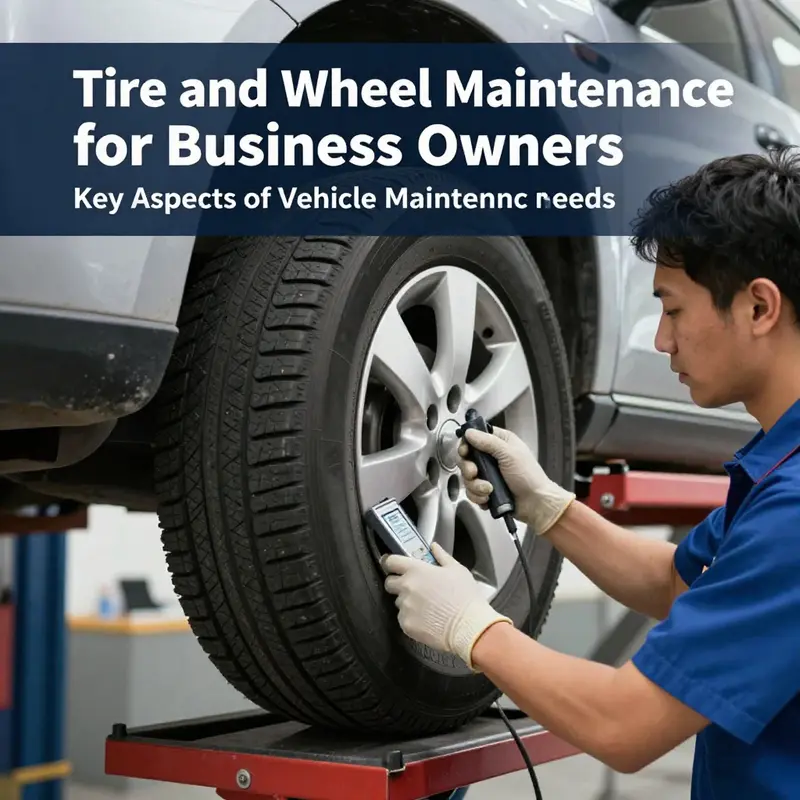
Tires and wheels may not grab the spotlight the way engines or transmissions do, but they are the unsung backbone of every drive. They carry the weight of the vehicle, translate the road’s irregularities into manageable feedback, and ensure you can stop, steer, and accelerate with confidence. The maintenance of this modest trio—tires, rims, and the careful balance of all four contact patches—affects safety, fuel efficiency, ride comfort, and the longevity of your entire drivetrain. A thoughtful maintenance routine keeps this system reliable, predictable, and ready for whatever the road throws at you. In practice, tire and wheel care is a continuous dialogue with your vehicle: a few simple checks here, a timely rotation there, and a few prudent responses to signs of wear or damage. This approach aligns with the broader maintenance philosophy that the road deserves respect for how much it tests the car you depend upon. The dialogue begins with pressure, the most immediate and measurable variable, and extends through tread depth, sidewall integrity, and the wheels’ ability to remain true under load and cornering forces. It’s a discipline that rewards calm, measured attention with safer braking distances, steadier handling in rain or snow, and better fuel economy over the course of thousands of miles. As you read through these considerations, you may notice how each facet of tire and wheel care interlocks with broader maintenance concerns—an integrated system rather than a series of isolated tasks. For example, a routine tire check is not simply about avoiding a flat; it’s a signal that the vehicle’s suspension, alignment, and even brake components are functioning in harmony. When one element falters, others feel the strain, and the payoff from consistent tire and wheel care becomes clear: smoother rides, fewer unexpected repairs, and a car that responds precisely when you need it most. To anchor this practice in a practical cadence, begin with the simplest step—pressure—and progress through tread, rotation, and inspection, while keeping your owner’s manual as the ultimate reference point for your specific make and model. The goal is not perfection in every mile but a steady pattern of care that preserves safety and performance across the life of the vehicle. In this frame, tire and wheel maintenance is not a single task but a habit that shapes every journey and reinforces the broader aim of dependable, efficient, and responsible driving. If you want a broader lens on maintenance as a daily practice, you can explore the fundamentals here: What is Vehicle Maintenance. The link offers a concise map to the full spectrum of upkeep that keeps your car roadworthy from season to season. What is Vehicle Maintenance. This chapter builds on that foundation and centers attention on the tires and wheels as the anchor of safety and efficiency on every trip. At the end, a trusted external reference complements the guidance here: https://www.safetyscience.org/tire-wheel-maintenance/. The core idea is simple: treat tires and wheels with consistent, informed care, and the road will respond with steadier handling, lower fuel use, and longer component life.
Tire pressure is the first line of defense and, paradoxically, the most forgiving to monitor when done regularly. Checking the tires when they’re cold—ideally after the car has been parked for several hours—provides a baseline that reflects the tire’s true pressure without the heat-induced expansion that occurs during driving. The manufacturer’s recommended pressures, often noted on a placard inside the door jamb or in the owner’s manual, set the target for optimal contact with the road. In many passenger cars, this range lands roughly between 2.2 and 2.6 bar (about 32 to 38 psi). Seasonal shifts are not merely about comfort; a correct adjustment helps maintain consistent handling, predictable braking, and even wear across the tread. When temperatures rise, a slight increase may be warranted; when they fall, a modest decrease helps prevent overinflation and the risk of a harsh ride. A tire underinflated or overinflated beyond the recommended range changes the tire’s profile, affects steering feel, and can hasten uneven wear. Monitoring pressure monthly and before long trips should become part of the routine, not an afterthought. The car’s tire pressure monitoring system, if equipped, provides an additional layer of awareness, but it should not replace manual checks, since the sensors may lag or fail in extreme conditions. The habit of checking ensures you catch slow leaks, a damaged valve stem, or a puncture before it becomes a roadside inconvenience.
Tread depth and wear patterns tell the true story of a tire’s life. The rubber’s ability to grip the road relies on a substantial tread profile, which channels water away in wet conditions and provides the necessary surface texture for braking and cornering. Regularly inspecting tread wear helps reveal more than tire health; it can indicate underlying issues with suspension, alignment, or steering components that deserve professional attention. Built-in tread wear indicators, which become visible as the tread wears down, act as a built-in reminder that it’s time to replace. The legal minimum tread depth is often cited at around 1.6 millimeters, but many drivers would benefit from replacing earlier for improved safety and performance in rain or snow. A tire that shows uneven wear—perhaps more aggressive wear on one edge or in the center—signals that rotation or alignment may be needed or that there is a problem with the vehicle’s suspension settings. Cracks, bulges, or foreign objects lodged in the tread are clues to inspect the tire more closely and address promptly. This careful eye on wear extends beyond safe road contact: uneven wear reduces grip, leading to unpredictable handling in critical moments and potentially higher fuel consumption as the tire works harder to maintain traction.
Foreign objects are stubborn saboteurs hiding in plain sight. Stones, glass fragments, or metal bits can lodge in the tread or puncture the sidewalls, gradually compromising the tire’s integrity. A tire that seems fine at first glance can fail when the object worsens or heat builds in that area. Regularly removing debris during inspections reduces the chances of slow leaks or sudden blowouts. If a puncture is detected, a professional assessment is essential; in many cases a repair may be possible if the damage is in the tread area and the puncture is not severe. In other situations, a damaged tire must be replaced to maintain safety and performance.
Rotation is more than a rotation; it is a practice that cultivates uniform wear across all four tires, supporting predictable handling and balanced braking. Industry guidance commonly suggests rotating every 10,000 to 15,000 kilometers (roughly 6,000 to 9,000 miles), though some vehicles benefit from more frequent intervals or a rotation that includes the spare tire. Rotating helps the tires wear evenly, preserves grip across all corners, and maintains consistent performance if you need to accelerate, brake, or corner sharply. When a vehicle has a directional or asymmetrical tire design, the rotation pattern should follow the manufacturer’s specification to avoid reducing the tire’s efficacy. The rotation schedule interacts with the rest of the maintenance calendar: when you rotate, you may also inspect and adjust alignment, balance, and inflation to extend the life of the entire wheel assembly. As ASE-certified technicians have noted, tire rotation isn’t only about longevity; it’s a safety practice that contributes to even handling and more reliable braking in emergency situations.
Prompt attention to damage is nonnegotiable. If you notice a nail, cut, or other visible injury, assess whether the tire can be repaired or must be replaced. A slow leak may be repaired if the damage is in the tread and within repairable guidelines; more serious gashes or damage near the sidewall typically require tire replacement. When a tire is damaged beyond repair, immediate substitution with a spare and a professional evaluation are essential to avoid a sudden loss of air, a blowout, or compromised performance. The aim is not to chase perfection but to maintain predictable behavior and a predictable response from the vehicle’s handling characteristics.
Alignment and balance deserve explicit attention because they influence how a tire wears and how the vehicle feels on the road. Imperfect alignment or an imbalanced wheel causes uneven tread wear, vibrations, and subtle but real changes in steering response. A wheel alignment corrects the angles at which the tires meet the road, while balancing corrects heavy spots that cause vibration at certain speeds. Periodic alignment and balancing, often recommended alongside major tire services, contribute directly to tire longevity and vehicle stability.
Seasonal and road-condition considerations frame tire care as a year-round responsibility. Salt, potholes, and winter grit take their toll on rubber and rims, accelerating wear and increasing the likelihood of corrosion. In turn, this can affect the wheel’s ability to seal properly and maintain air pressure. After harsh conditions, a thorough visual check, including the rims for dents or bends, can prevent small issues from becoming large safety risks down the line. In the larger scheme, tire and wheel maintenance supports the engine’s overall health by promoting efficient rolling resistance, stable braking, and consistent handling. When tires are well cared for, the engine often works more efficiently because there is less resistance and smoother operation across all driving scenarios. That efficiency translates into better fuel economy over time, lower maintenance costs, and a safer driving experience that compounds as miles accumulate.
All of these practices—pressure checks, tread evaluation, debris removal, rotation, prompt damage response, and alignment and balance—build a disciplined routine that complements the broader maintenance program discussed earlier in this article. Tires are the interface between your vehicle and the road, and their condition signals how well the car’s other systems are performing. The care you invest in tires and wheels echoes across the drivetrain, braking system, suspension, and even the electrical systems that monitor tire pressure and wear. The more consistently you monitor and respond to tire and wheel needs, the more you reinforce a cycle of safety, reliability, and efficiency that extends beyond a single season or a single trip.
In practice, the maintenance cadence can be summarized as a gentle rhythm rather than a checklist of tedious chores. Park, check, adjust, rotate, inspect, and monitor. Keep a written log or a digital reminder that records tire pressures, tread depth readings, and any signs of irregular wear or damage. Use the owner’s manual as your compass for model-specific specifications and service intervals. If you’ve ever wondered how far you can push a car with confidence, the answer begins with the tires. The wheels may be invisible to casual observers, but the tire sidewall and tread are the visible, tangible proof of a well-maintained vehicle. A well-kept tire and wheel system means a more confident lane change, a shorter stopping distance in wet weather, and a smoother ride across rough pavement. It means your car’s brakes and suspension stay within their designed operating envelopes, reducing the risk of cascading failures that can arise when one subsystem falters. The practice then becomes not simply maintenance but stewardship—an ongoing commitment to safety and performance that supports every mile you drive.
For readers seeking broader context on vehicle care, consider this broader maintenance reference that outlines how tire and wheel upkeep fits into a complete program. And for those who want to dive deeper into the broader maintenance philosophy, remember that a consistent, informed approach to upkeep keeps a vehicle performing well across seasons and miles. The tire and wheel chapter you’ve just explored is not an isolated task; it’s a cornerstone of safe, efficient operation that complements engine care, fluid changes, braking checks, and electrical system monitoring. A well-maintained tire and wheel system reduces the chance of costly damage to suspension components, extends tire life, improves fuel economy, and keeps your vehicle ready for the road ahead. The next section of this article will build on these ideas by turning to the braking system and its interrelation with tire wear, steering dynamics, and overall vehicle safety, returning to the theme that maintenance is a living, interconnected practice that keeps a car dependable for daily life and long journeys alike.
Final thoughts
Implementing a comprehensive vehicle maintenance plan is crucial for business owners who rely on a fleet of vehicles for their operations. By focusing on regular fluid checks, timely filter replacements, and diligent tire and wheel maintenance, owners can significantly enhance safety, reliability, and efficiency. These preventive measures not only safeguard against unexpected downtime but also contribute to long-term cost savings. Prioritizing these maintenance practices will ensure that your vehicles serve as dependable assets in achieving your business goals.