
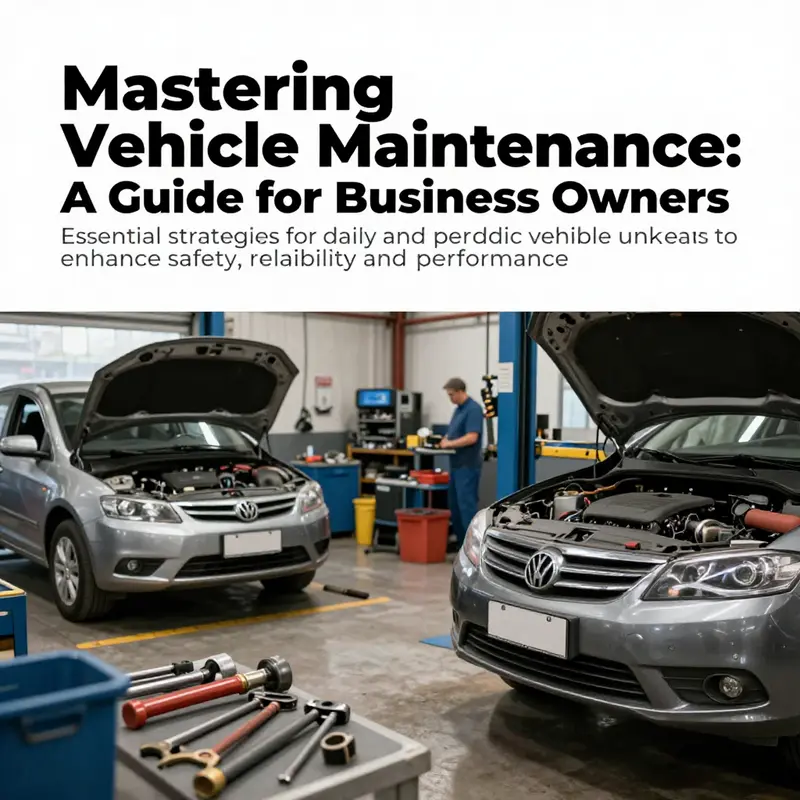
Understanding standard vehicle maintenance is crucial for business owners who rely on their vehicles for operations. Regular maintenance not only ensures the safety and reliability of your fleet but also significantly extends the lifespan of your vehicles. This guide will explore three crucial chapters of standard maintenance: Daily Maintenance, Level One Maintenance, and Level Two Maintenance. Each chapter emphasizes proactive care to prevent breakdowns and enhance performance while adhering to manufacturer recommendations and industry standards.
Daily Maintenance as the Quiet Engine of Vehicle Longevity
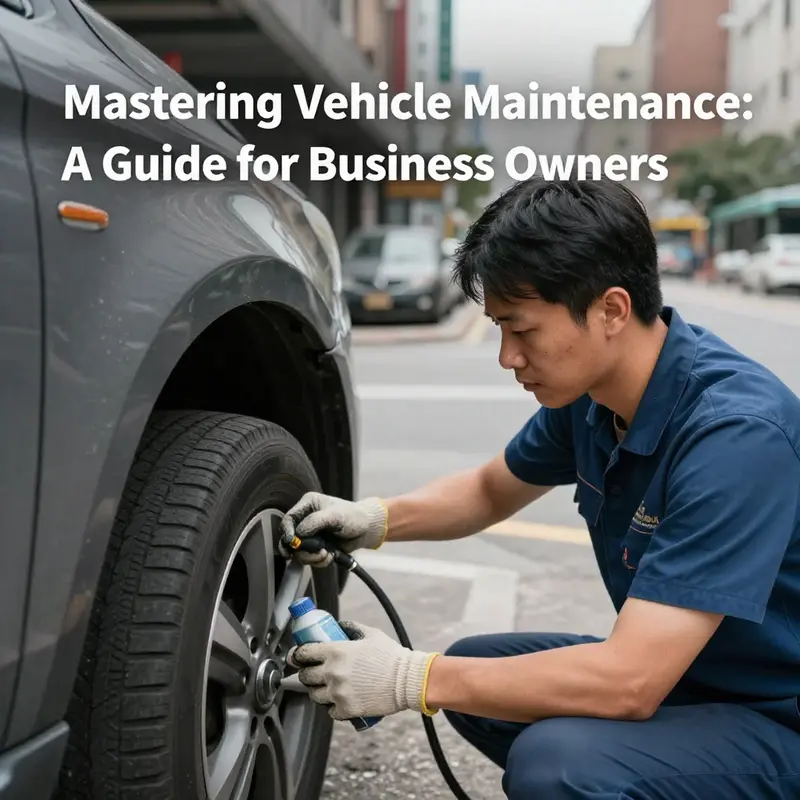
Daily maintenance is more than a ritual of routine checks; it is the first line of defense that preserves safety, reliability, and value across a vehicle’s life. When we speak about standard maintenance, the language often turns to the higher levels—what happens in the shop, what gets adjusted, what parts get replaced. Yet that focus risks missing a simple truth: the health of a car is built in the daily, habitual care people perform, before a journey begins and after it ends. The practice lives in the small, unglamorous acts—checking fluid levels, verifying tire pressure, ensuring lights work, wiping away the grime that hides danger. It is this daily vigilance that keeps the engine honest, the brakes trustworthy, and the steering precise enough to respond when a risk appears on the road. The idea that daily maintenance belongs to the realm of mechanics or engineers is precisely the obstacle that daily routines help us overcome. Anyone who operates a vehicle—for work, for family, for errands—can participate in this standard by adopting a clear, repeatable daily protocol. When done consistently, daily maintenance reduces the chance of sudden failures, minimizes downtime, and preserves the vehicle’s performance envelope. It does so not as a single heroic act, but as a sustained, preventive habit that compounds over months and years, much like regular exercise builds long-term health. To understand why daily maintenance matters so much, it helps to place it within a broader framework of standard maintenance. This framework recognizes three levels of maintenance, a structure that comes from established standards and practical industry experience. Daily maintenance, often described as 日常维护 in certain standards, is explicitly the driver’s responsibility and focuses on immediate checks before driving, during travel, and after you park. Level One maintenance, the domain of professional shops, adds more thorough cleaning, lubrication, and tightening. It looks for leaks, secures bolts, inspects major subsystems, and typically cycles every 2,000 to 3,000 kilometers. Level Two maintenance, also within the shop’s remit, dives into deeper inspections of critical safety components, balance of the braking and suspension system, precise alignment checks, and broader performance diagnostics on the engine and emission controls. These three levels are not a hierarchy of importance so much as a continuum of care, each level building on the last to extend safety, reliability, and service life. The daily routine remains the foundation because it creates the first layer of protection and the most consistent data stream—the driver’s daily observations. A driver who starts each day with a quick check of engine oil, coolant, brake fluid, windshield washer fluid, tires, lights, and a general exterior and interior inspection is not only safer but more informed about what is happening under the hood. This is the idea behind the saying that prevention is cheaper and more effective than cure. It is a pragmatic approach that aligns with both manufacturer guidance and the broader industry consensus. The daily checks are simple in principle, but they carry enormous weight in practice because they are the most direct, immediate feedback loop we have about the vehicle’s condition. Consider the fluid levels. Engine oil is more than a lubricant; it is a cooling and sealing agent that helps the engine resist wear. When the level is low, or when there is evidence of a leak, a small issue becomes a larger one quickly if left unaddressed. The coolant system, if neglected, risks overheating, which can warp head gaskets or crack critical components. Brake fluid, often overlooked, directly correlates with braking performance; a drop in level or contamination can reduce braking efficiency or lead to spongy brakes. Windshield washer fluid might seem trivial, yet it is essential for visibility in adverse weather or dirty road conditions, when full visibility is a matter of safety. These are not cosmetic checks; they are safety checks that prevent conditions under which a minor fault becomes a dangerous incident. Tires are another cornerstone. Proper inflation supports not only fuel efficiency but tire longevity and ride stability. Underinflation increases rolling resistance and heat buildup, while overinflation reduces the contact patch and can lead to uneven wear or a blowout. Tread depth is a direct indicator of a tire’s ability to grip, particularly in wet or slick conditions. The daily routine thus acts as a daily “health census” for the vehicle, a moment of truth that translates a thousand miles of use into an assessment of risk and readiness. Lights and signals, too, deserve attention. The lighting system is not merely about visibility for the driver; it communicates intent to other road users. If a tail light is out or a turn signal fails, it can jeopardize safety and invite misunderstandings in traffic. A quick routine that confirms each light is functioning can prevent a surprising nighttime failure and the potential hazards that follow. Beyond these overt mechanical checks, the daily routine includes a visual sweep of the vehicle’s exterior and interior for signs of deterioration. Rust indicating corrosion, loose trim, or bulges in the door panels can signal issues brewing underneath. Inside, wear patterns that appear unusual or noises that accompany certain moves can reveal misalignments or worn components that require attention. The beauty of this approach lies in its simplicity and universality. It does not require advanced diagnostic equipment or specialized knowledge, just a regular habit and a rational process. Even in modern vehicles packed with sensors and microchips, the basic daily checks remain relevant. In fact, they are more important than ever because sensors rely on accurate inputs, and the human observer is the one who interprets those inputs in context. A sensor may report a warning light, but the driver’s daily observation helps determine whether the warning reflects a momentary glitch or a genuine, developing fault. The relationship between daily checks and the more advanced maintenance levels is complementary rather than hierarchical. Daily maintenance keeps the vehicle in a safe operating band, reducing the likelihood of minor issues evolving into major faults. Level One maintenance then addresses cleanliness, lubrication, and tightening that keep components operating within design tolerances. Level Two maintenance targets safety-critical systems with deeper diagnostics and adjustments that ensure the vehicle remains as safe and capable as possible over its service life. Though the three levels are conceptually distinct, they align tightly in everyday practice. A well-executed daily routine can greatly lessen the risk of a major failure between Level One visits. Conversely, the insights gained during Level One and Level Two diagnostics can inform a more focused daily routine, prompting a driver to monitor specific fluid levels, noise patterns, or vibration characteristics more closely. This synergy between daily care and shop maintenance is what makes standard maintenance both practical and economical. It is not merely about avoiding a failure; it is about preserving performance, efficiency, and reliability. It is about ensuring that the vehicle remains a trustworthy tool for daily life rather than a source of stress that disrupts plans. The cost benefits of daily maintenance are often understated. When fluently integrated with the vehicle’s maintenance schedule, daily checks optimize fuel efficiency, improve tire longevity, and minimize the risk of unexpected downtime. Small adjustments, taken consistently, yield meaningful savings over the long run. For instance, maintaining proper tire inflation reduces rolling resistance, which translates into measurable fuel savings over thousands of miles. Keeping tires evenly worn ensures balanced handling and predictable braking. Regular oil checks and early detection of leaks can prevent engine damage that would demand expensive repairs or even engine replacement. The cumulative effect is a cascade of safety, reliability, and financial prudence that multiplies with each mile traveled. Much of this narrative is supported by the broader literature on maintenance standards. The daily maintenance approach is consistent with the idea that prevention should be prioritized over reactive repair. It is a practical embodiment of the principle that regular, proactive care is more efficient and economical than waiting for a warning light to force a costly intervention. In a modern context, daily maintenance also intersects with evolving vehicle technologies. Electric and hybrid vehicles, with batteries and power electronics that define their operation, rely on diligent daily checks of battery health indicators, charging status, and cooling systems. Even where propulsion is electric, the principle remains the same: monitor the critical resources that enable performance, and address small issues before they escalate. The daily routine becomes a discipline that aligns with the vehicle’s design intent and the driver’s responsibilities. This is not about micromanagement; it is about forming a shared language of care between driver, vehicle, and the shops that provide more advanced services. The discussion about daily maintenance would be incomplete without acknowledging the regulatory and standard-setting context that shapes what is expected in practice. Standards often codify a three-tier approach to maintenance, with daily tasks forming the baseline. A well-structured maintenance program codifies responsibilities, establishes a cadence, and creates a transparent trail of evidence that can support compliance with safety and roadworthiness regulations. The existence of guidelines and manuals, including guidance for daily inspections and maintenance tasks, reinforces the point that daily care is not optional but foundational. For organizations managing fleets, a standardized daily maintenance checklist becomes a critical governance tool. It ensures consistency across drivers, reduces the likelihood of human error, and generates data that can be used to inform larger asset-management decisions. When drivers follow a consistent routine, the fleet owner gains clear visibility into vehicle condition, enabling proactive planning for Level One and Level Two maintenance. The routine also becomes a platform for education. A well-designed daily checklist communicates to new drivers what to monitor, how to interpret signs of wear, and when to escalate concerns to a professional. This fosters a culture of safety and responsibility that extends beyond a single vehicle to the broader organization. For individuals, daily maintenance is a personal commitment to safety and financial stewardship. It supports a reliable vehicle that respects the time and plans of its owner. It reduces the anxiety that accompanies uncertain trips and helps ensure that a car remains a dependable partner for the many responsibilities of modern life. The habit can be reinforced by simple tools: a compact checklist that fits in the glove box, a small notebook to log observations, or a digital reminder that prompts a quick set of checks before each trip. The important factor is consistency. Once a routine is established, it becomes almost invisible, a seamless extension of daily life rather than a heavy burden. There is, of course, an important caveat: daily maintenance must be informed by the vehicle’s manual and the guidance of qualified professionals. The manufacturer’s recommendations provide the baseline for what should be checked daily and how to interpret the results. In some cases, manufacturers will specify particular fluid types, recommended fill points, or safe operating conditions that should guide daily checks. Understanding these specifications is crucial because deviations can mask real issues or create new problems. The general principle remains intact, however. Start with simple, observable indicators. Then, when a concern arises, consult the owner’s manual or seek the advice of a trained technician. The daily routine is not a substitute for professional expertise; it is the first gatekeeper that helps ensure that professional intervention remains timely and targeted. In the broader arc of the vehicle’s life, daily maintenance also intersects with environmental and social considerations. A well-maintained vehicle tends to perform more efficiently, reducing emissions and fuel consumption. It also tends to have a longer service life, which reduces waste from discarded parts and vehicles. This alignment with sustainable practices matters for individuals who want to minimize their ecological footprint and for organizations that are bound by environmental reporting and efficiency targets. The emphasis on daily maintenance reinforces the idea that responsibility is distributed. The driver, the vehicle, and the workshop each have a role, and their collaboration matters. The driver’s daily checks feed data that the workshop uses to tailor Level One and Level Two maintenance plans. In turn, the workshop provides precise diagnostics, repairs, and component replacements that return the vehicle to peak performance. This collaborative ecosystem is the practical realization of maintenance as a shared responsibility rather than a series of isolated events. As we close the circle on daily maintenance, it is worth returning to the emotional and cognitive dimensions of the practice. Routine checks can reduce anxiety about the unknown. They create a sense of control and confidence in the vehicle’s reliability. This psychological comfort is itself a form of value. It makes driving a smoother experience because the operator trusts the vehicle’s condition and does not fear the sudden appearance of a fault. The daily routine also cultivates a habit of observation. People who routinely notice changes—slower acceleration, unusual vibrations, or a change in ride quality—are more likely to detect issues early. Early detection is, in many cases, the most important outcome of daily maintenance. It is a small investment of time in exchange for the potential of avoiding a major, expensive, or dangerous incident. The practical steps of daily maintenance—checking fluids, tires, lights, and the general condition—are the scaffolding on which a broader discipline stands. They connect the dispassionate language of standards and checklists with the lived experience of driving. They translate theory into habit, policy into practice, and risk into safety. For readers seeking to implement this standard in a real-world setting, the recommendations are straightforward: build a simple daily checklist that takes only a few minutes, train drivers to follow it consistently, integrate the checklist into a log or digital record, and use the data to inform more intensive maintenance planning. The payoff is not dramatic in the moment but cumulative and enduring. It is a quiet, ongoing form of care that makes a car safer, more reliable, and more economical to operate over the long term. To connect this emphasis with the broader maintenance framework, consider the link between daily checks and fuel efficiency. When tires are properly inflated, and when fluids are at their correct levels, the engine works more efficiently and with less strain. This translates into better miles-per-gallon performance and lower fuel costs over time. It is one of those real-world effects that often goes unseen until it is measured, yet it is a direct consequence of the daily discipline. If you want to explore this connection more deeply, you can read about how routine maintenance can influence fuel expenses in practical terms in this focused discussion: how vehicle maintenance saves on gas expenses. Beyond the tangible, the daily maintenance practice anchors a culture of accountability. It creates expectations for drivers and technicians alike. It supports a shared language of safety, where a warning light isn’t dismissed as a nuisance but treated as a call to examine the fundamentals. It also reduces the likelihood that small problems will escape notice, turning potential hazards into manageable tasks that can be addressed promptly. In a sense, daily maintenance is the continuous thread that runs through the entire lifecycle of a vehicle. It threads through initial purchase, routine service visits, unexpected repairs, and, eventually, retirement. It is both a practical routine and an ethical commitment to care—for the vehicle, the people who ride in it, and the communities that share the road. The standard, as reflected in national and international guidelines, does not place the entire burden on the driver or solely on the professional shop. It recognizes the interdependence of all players and the shared responsibility of ensuring safety and reliability through regular, thoughtful care. This is the essence of the standard approach: prevention first, and maintenance as a mandatory, ongoing practice rather than optional, sporadic activity. It is a standard that travels with a vehicle across different jurisdictions, road conditions, and driving styles. The daily maintenance ritual is adaptable, scalable, and timeless in its relevance. It does not require elaborate tools or expensive training. It does, however, require discipline and attention. For those who seek to institutionalize it within a family fleet, a small, clearly defined checklist that is easy to recall can transform the daily routine from a vague obligation into an instinctive habit. For fleets and organizations, the same principle applies at scale. A standardized daily maintenance protocol can be documented, taught, and audited, creating a measurable line of defense that reduces risk, extends service life, and lowers total cost of ownership. This is the practical merit of the standard maintenance concept. It respects the realities of modern mobility while offering a clear path to safer, more reliable transport. In short, daily maintenance is not a luxury or an optional courtesy; it is the quiet engine that powers vehicle longevity. It operates beneath the surface, shaping outcomes in small, consistent ways that compound with time. It makes safety more certain, reliability more predictable, and expenses more controllable. It helps transform driving from a routine risk into a dependable capability. As we transition to the deeper layers of maintenance—Level One and Level Two—the conversation returns to the same themes, now focusing on the mechanics of cleanings, lubrications, tightening, precise diagnostics, and targeted interventions. The daily discipline remains the foundation upon which those efforts are organized. The next level expands the scope and sophistication, but it cannot exist without the daily commitment that keeps a vehicle in a safe, roadworthy condition every day. For readers who wish to anchor these ideas in a formal framework, it is useful to consult the broader standards for automotive maintenance and inspection, which reinforce the three-tier structure described here. And for those who want practical inspiration and examples of daily care in action, there is a growing body of resources that translate these principles into everyday routines and checklists used by drivers and organizations alike. To underline the continuity of practice and the shared responsibility in vehicle care, this chapter closes with a reminder that daily maintenance is the bedrock of a longer maintenance journey. It is the first, most accessible, and most frequent expression of care that a vehicle receives. It is the daily practice that makes every subsequent maintenance task more effective and efficient, ensuring that the promise of safety, reliability, and longevity is kept mile after mile. For readers exploring this topic further and seeking actionable guidance on how daily maintenance translates into fuel efficiency, consider the practical discussions available online. how vehicle maintenance saves on gas expenses. And for a formal framework that situates these practices within a regulatory and policy context, see the official guidance document on vehicle maintenance and inspection. https://www.gov.uk/government/publications/vehicle-best-practice-manual
Foundations in Motion: Level One Maintenance as the Bedrock of Vehicle Safety and Longevity
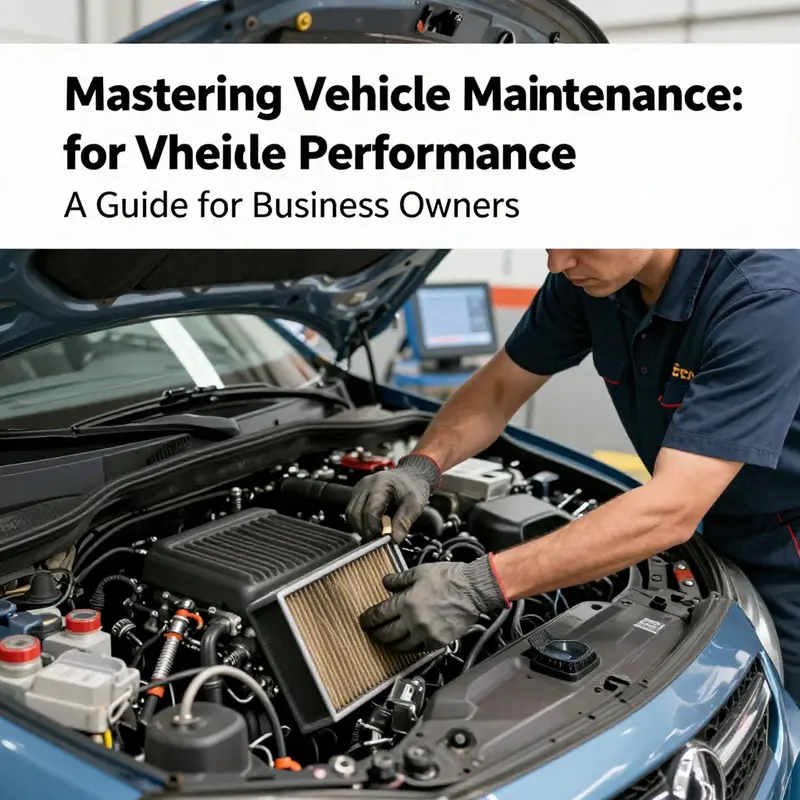
When we talk about standard maintenance for a vehicle, the conversation often skims over the quieter, foundational work that keeps the machine from breaking down long before it becomes a headline failure. Level One Maintenance, sometimes called elementary maintenance, sits at the heart of a three-tier framework that includes daily checks by the driver and more comprehensive inspections at Level Two. This tiered approach—daily, Level One, Level Two—emerges from formal guidelines that translate complex engineering needs into a practical, repeatable rhythm. The aim is clear: prevent problems before they emerge, preserve safety, and extend the life of the vehicle. In this sense, Level One maintenance is not a luxury but a critical hinge between the regular care a driver performs and the deeper, more technical interventions that a workshop provides. It is the point where preventive discipline begins to speak the language of reliability, and the language is written in the very sequence of actions that technicians perform when the vehicle enters the shop.
Level One maintenance is defined by three core activities: cleaning, lubrication, and tightening. Those three verbs do not simply describe a checklist; they map out a method of care that attends to the mechanical heart of the vehicle while also acknowledging the growing role of electronics in modern powertrains. Historically, a Level One service focused on mechanical parts—filters being cleaned or replaced, bolts and fasteners checked for tightness, fluids verified or replenished, and a visual scan for leaks or obvious wear. Today, as circuitry and sensors become part of the everyday operation of braking, steering, and engine management, Level One maintenance still centers on cleaning, lubrication, and tightening, but with the added lens of diagnostic checks that probe electronic subsystems. This evolution keeps the core framework intact while expanding the technician’s toolkit to include modern diagnostic insights without losing sight of the human-centered, hands-on tasks that define the level.
The scope of Level One maintenance is deliberately practical. Technicians inspect the engine air filter, as well as the integrity of tighter points on the chassis and body. They verify fluid levels—engine oil, coolant, brake fluid, and windshield washer fluids—and look for signs of leakage that could indicate developing failures. A key part of the process is checking the condition and tighteness of critical fasteners, including key bolts and nuts that secure essential components in place. Leaks, overheating, or drainage points are flagged early, and the radiator, alternator, and other core elements are assessed for proper operation. This is not about replacing every worn component at once; it is about detecting early signs of stress and ensuring that the basic setup supports safe operation between more exhaustive inspections. The emphasis on leak detection, fluid integrity, and fastener security creates a predictable cadence that helps prevent misalignment or loosening that could cascade into more serious problems.
A driving principle behind Level One is the recognition that safety and reliability hinge on the minutiae—the tiny decisions that accumulate over thousands of kilometers. The typical cycle for Level One maintenance is set at roughly 2,000 to 3,000 kilometers, a window that aligns with the initial wear patterns of many mechanical systems and the early warning signals that electronic controls are designed to reveal. This cadence is not arbitrary. It is rooted in standards that connect the routine to the regulatory framework governing automotive maintenance and diagnostic practice. The maintenance logic thus becomes a loop: perform the cleaning, lubrication, and tightening; inspect for signs of wear or leakage; document findings; and prepare the vehicle for continued operation. When the vehicle travels another 2,000 to 3,000 kilometers, the same loop repeats, and with it, the opportunity to catch something before it becomes a hazard or a costly repair.
Technicians performing Level One maintenance are also guided by the need to adapt tasks without abandoning the foundational framework. The plan remains consistent, but the execution can reflect the age, condition, and design of the vehicle, as well as the evolving role of electronics in vehicle operation. The incorporation of electronic diagnostics does not abandon the triad of cleaning, lubrication, and tightening; instead it supplements it. For instance, the process may involve diagnostic checks that verify the correct operation of sensors and controllers that influence the fuel system, transmission, and braking dynamics. If a sensor reports anomalous data, a technician may decide that a physical inspection of related mechanical components is prudent—an approach that preserves the integrity of the Level One methodology while embracing the realities of modern automotive engineering. The result is a maintenance mode that is robust, repeatable, and scalable across a wide range of vehicles.
At its core, Level One maintenance serves as the technical foundation that connects directly to Level Two maintenance. Level Two is the more exhaustive, more specialized step in the sequence, encompassing tasks such as discarding and inspecting a tire, rotating tires, or performing adjustments to the suspension and steering systems. The Level One tasks lay the groundwork for these deeper interventions by ensuring that the vehicle’s basic mechanical and electrical systems are functioning within acceptable limits. In other words, Level One acts as a pre-check that reduces the likelihood that Level Two will uncover avoidable safety issues during more complex work. The careful balance between the two levels reflects a broader philosophy: attend to the fundamentals with discipline, and the more sophisticated maintenance tasks will be more efficient, more accurate, and less risky.
That philosophy also underpins the way maintenance work is scheduled and documented. The national standard GB/T 18344-2016, which provides formal guidance on vehicle maintenance, inspection, and diagnostic practices, anchors Level One in a recognized framework. The standard emphasizes that maintenance is not a one-off event but a cycle of regular checks, with an explicit expectation of consistent procedures and quality controls. This alignment with a formal standard is important for professional repair enterprises, which must demonstrate that their work adheres to defined procedures and tolerances. The standard’s emphasis on cleaning, lubrication, and tightening gives Level One its practical spine: these are the activities technicians perform repeatedly, under controlled conditions, with attention to torque values, lubricant types, and the cleanliness of components. It is this disciplined repetition that makes Level One reliable, predictable, and measurable.
The interplay between the vehicle’s design characteristics and the Level One service plan deserves attention. Modern vehicles combine mechanical systems with sophisticated electronic control units, power electronics, and sensor networks. Even as electronics expand the diagnostic surface, the maintenance approach remains anchored in the physical, tangible steps of cleaning surfaces, applying fresh lubricants, and ensuring everything is tightened to specification. The added benefit of electronics is that issues can be detected earlier through software diagnostics, which can prompt technicians to verify related mechanical interfaces. This synergy helps ensure that Level One maintenance does not become a purely theoretical exercise. It remains grounded in the craft of hands-on inspection while leveraging the data that technology makes available. The result is a more comprehensive understanding of vehicle health that supports safer operation and steadier performance between Level Two interventions.
To illustrate how Level One integrates with broader maintenance goals, consider the role of adherence to manufacturer recommendations. Vehicle owners manuals specify maintenance schedules that reflect the design intent and operating conditions envisioned by the original manufacturers. Level One maintenance, when performed in line with those recommendations, reinforces design intent by keeping critical interfaces clean and properly lubricated, and by maintaining fasteners at their designated tightness. This is not a generic set of tasks; it is a tailored program that respects the vehicle’s unique architecture. The use of quality parts and fluids—specifically those that meet OEM specifications—further reinforces the alignment between service and design. Substituting generic parts or inadequate lubricants can undermine the level of precision that Level One seeks to establish. In a practical sense, this means technicians select filters, fluids, and seals that match the vehicle’s specifications, responders that can manage torque, and lubricants that honor the viscosity and chemical compatibility required by the engine and transmission systems. The discipline of using correct parts thus becomes an extension of the cleaning, lubrication, and tightening triad.
Regular inspections beyond the immediate tasks of Level One also support long-term reliability. In addition to checking fluid levels and leaks, technicians assess battery health, tire tread depth, brake pad thickness, and emissions levels. While some of these checks may appear routine, they are integral to keeping cycles predictable. For example, monitoring tire wear feeds into Level Two tasks such as tire rotation and suspension adjustments, ensuring rolling resistance and steering response remain consistent as the tires wear. Battery health, while often associated with electrical maintenance, is equally important for the overall reliability of the vehicle’s electrical system, which can influence starting performance, fuel efficiency, and the operation of safety systems. Level One maintenance thus contributes to a broader surveillance network that a vehicle relies on to stay dependable as miles accumulate.
Newer vehicles demand an updated perspective on Level One maintenance. The rise of electric and hybrid propulsion systems means that some emphasis shifts toward the battery and electric powertrain components. While the central idea remains the same—cleanliness, lubrication, and secure connections—the specifics adapt to ensure battery health is monitored and that the power electronics remain within safe operating conditions. In this context, Level One maintenance includes checks that are oriented toward ensuring high-voltage safety and thermal management, along with confirming that mechanical interfaces remain well-lubricated and torqueed to spec. The ability to integrate these checks without overshadowing the traditional mechanical practices reflects the maturity of Level One maintenance as a responsive, technology-enabled standard rather than a static relic of early automotive practice.
From a practical standpoint, Level One maintenance is deeply linked to the human elements of repair work. It requires skilled technicians who can interpret physical signs—unusual noises, heat, or fluid discoloration—and translate them into correct maintenance actions. It also requires drivers who understand the value of routine service and who can recognize the early indicators of trouble that may not be obvious during daily checks. The driver’s daily involvement remains crucial because the reliability of the Level One program depends on consistent engagement with the fundamental checks. At the same time, it is the technician’s responsibility to execute the cleaning, lubrication, and tightening tasks with precision, using appropriate tools and adhering to specifications. The collaboration between driver vigilance and professional skill is what makes Level One a resilient layer of protection around the vehicle’s core systems.
One practical consequence of adhering to Level One standards is the potential for cost savings over time. The prevention-first philosophy means early detection of leaks, worn fasteners, or degraded seals can avert larger failures that would require expensive repairs or component replacements. The economic logic aligns with the safety rationale: stable operation reduces the likelihood of breakdowns that could endanger occupants and disrupt schedules. Through regular Level One service, the vehicle remains closer to its intended performance envelope, and the risk of unexpected performance degradation is minimized. This continuity matters not only for individual owners but also for fleet managers and service providers who rely on predictable maintenance costs and dependable vehicle availability. In short, Level One maintenance is a prudent investment in safety, reliability, and total cost of ownership—an investment grounded in a disciplined routine rather than episodic fixes.
The integration of Level One with broader regulatory and industry practices further anchors its relevance. The standards and specifications that govern Level One maintenance—for example, the GB/T 18344-2016 framework—are designed to harmonize professional practice across diverse vehicle types, operating conditions, and service environments. The practical upshot is that a Level One service performed by a trained technician in one region is consistent with the same service performed elsewhere. This consistency is valuable for drivers who may travel or relocate across borders or provinces, and it ensures a predictable baseline of vehicle health wherever the vehicle operates. The framework also supports a broader culture of preventive care within the automotive industry. Shops that adhere to these standards tend to maintain a database of service histories, track component wear, and calibrate their maintenance approach to the vehicle’s evolving needs. In this sense, Level One maintenance operates as a living protocol—one that travels with the vehicle and matures as technology and regulation converge.
The broader narrative of standard maintenance, in which Level One plays a pivotal role, emphasizes a simple but powerful idea: prevention is more effective and economical than reaction. By prioritizing cleanliness, lubrication, and tightness, Level One maintenance reduces friction, resists corrosion, and preserves the integrity of fasteners and seals that keep safety-critical systems aligned. It also fosters a culture of meticulous care that can cascade into improved performance, lower fuel consumption, and longer service life. The emphasis on OEM parts and adherence to manufacturer schedules makes the maintenance not a generic ritual but a precise, vehicle-specific sequence designed to preserve the original engineering intent. In essence, Level One maintenance is the quiet engine of reliability—the steady, methodical work that keeps the vehicle ready for the road, mile after mile.
To tie these strands together, Level One maintenance represents a deliberate balance between hands-on craft and evidence-based practice. It preserves the mechanical grammer of the vehicle while embracing the diagnostic language of modern electronic systems. It anchors routine care to formal standards, ensuring that the work performed by professional repair shops is consistent, traceable, and aligned with the vehicle’s design. It forms a bridge to Level Two, preparing the ground for more exhaustive inspections and adjustments that safeguard safety and performance as the vehicle ages. And it invites a collaborative partnership among drivers, technicians, and manufacturers—each contributing to a shared goal: vehicles that move smoothly, reliably, and safely. When we ask what standard maintenance looks like in practice, Level One maintenance provides a clear, tested recipe. It is where the routine becomes trustworthy, where the quiet labor of checking and tightening protects the more visible symptoms of wear from becoming disruptive failures. It is the bedrock upon which the entire maintenance architecture stands.
For readers seeking a concise entry point into the broader question of maintenance, consider exploring more about what maintenance entails and how it fits into everyday vehicle care with this overview: What is vehicle maintenance. The chapter that follows will extend the discussion to Level Two maintenance, where the inspection becomes deeper and the adjustments more technical, but the spirit remains: prevention first, mandatory maintenance, and a steady commitment to keeping vehicles safe, dependable, and efficient as they navigate the miles ahead. External guidance on the regulatory framework that anchors these practices can be found in official resources such as the Technical Management Regulations, which provide a formal reference for the standards that shape Level One and beyond: https://www.mot.gov.cn/zhengce/zhengcefagui/201607/t20160725_191298.html
Level Two Maintenance Unveiled: The Deep Safety Net for Vehicle Longevity
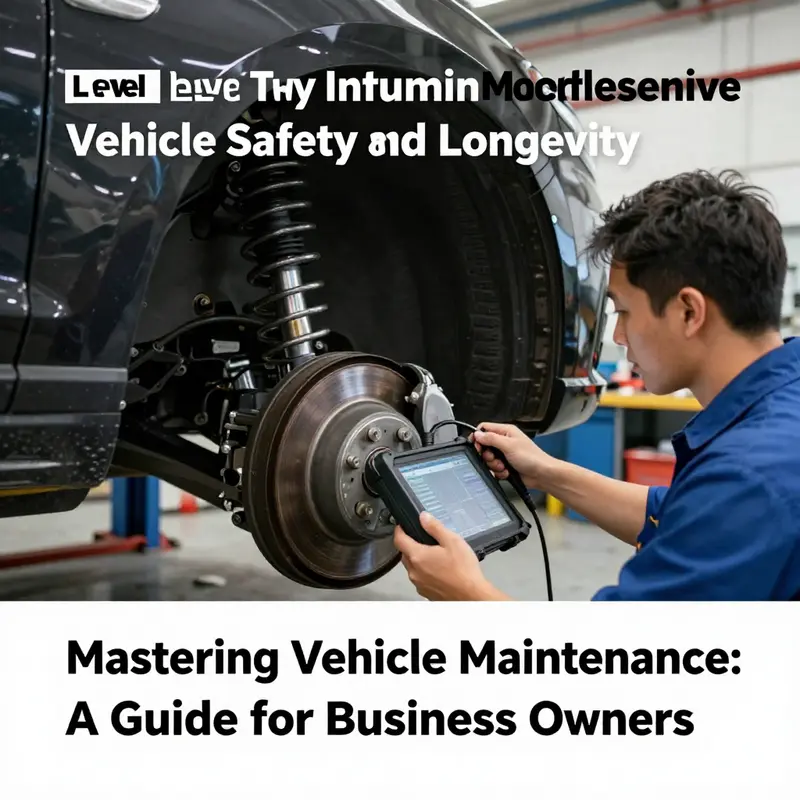
A well-maintained vehicle is not a luxury but a practical philosophy of care that keeps people safe, reliably moving, and financially prudent over the long haul. Level Two Maintenance sits at the heart of that philosophy. It is not merely a longer checklist or a more expensive service; it is a purposeful, systematic deepening of inspection and adjustment that builds on daily upkeep and early-tier maintenance. In the framework many manufacturers and standards bodies recognize, it represents a critical phase where precision, measurement, and expert assessment converge to protect the core safety and performance systems of a vehicle. By design, Level Two Maintenance extends the life of components that bear the greatest load during regular operation: steering mechanisms, suspension, braking, and the tires that connect a vehicle to the road. It also includes a meticulous appraisal of the engine’s performance and the effectiveness of emission control devices, recognizing that the health of powertrain and exhaust systems is inextricably linked to safety, efficiency, and environmental compliance. This level of care is not optional; it is a deliberate and preventive practice that reduces the odds of sudden failures and costly downtime, while guiding owners toward responsible stewardship of their machine and its permissions to roam the road with confidence.
The logic behind Level Two Maintenance is a clear and enduring one: prevention first, mandatory maintenance. It is built on established standards—such as GB/T 18344-2016, which codifies a three-tier model of maintenance—and on the practical truth that the most expensive repairs are almost always the ones that could have been avoided with thorough, timely care. The Level Two cycle, typically executed every 10,000 to 20,000 kilometers or as the vehicle manufacturer prescribes, invites a more exhaustive set of actions than daily checks or Level One tasks. It emphasizes deep checks and adjustments, not merely inspection for wear. The focus is on restoring and preserving the alignment and balance of the vehicle’s fundamental safety systems. The steering knuckle and steering arm, for instance, are not just visually inspected; their tolerances, fit, and any signs of wear or deformation are carefully evaluated. The brake system—both pads and the associated hydraulic and pneumatic lines—receives a thorough assessment for thickness, wear patterns, leaks, and fluid quality. The suspension, a complex dance of springs, dampers, bushings, and linkages, is scrutinized for play, stiffness, and symmetry that could undermine handling and stability. And the tires themselves are treated beyond the routine pressure check; rotation, tread wear analysis, and alignment checks are part of the cycle to ensure even wear and predictable behavior under braking and cornering. In short, Level Two Maintenance is about restoring the integrity of the vehicle’s ability to perform as designed, with an emphasis on the safety-critical interfaces between road and chassis, and between human input and machine response.
To appreciate why this deeper level matters, imagine the brake system as a network of interdependent components. Worn pads may still appear functional, but their reduced thickness changes the dynamics of braking performance, heat dissipation, and pedal feel. A minute misalignment in suspension can translate into erratic tire scrub, premature tire wear, or subtle steering quirks that, if left unchecked, become larger safety concerns in emergency maneuvers. The steering knuckle and steering arm are more than mere connectors; they are the anchors of steering geometry, camber, and toe settings. When these parts harbor hidden wear or loose fittings, steering response can degrade, increasing stopping distances and reducing driver confidence. Level Two maintenance treats these connections with the seriousness they deserve, because the consequences of neglect are not cosmetic. They ripple through everyday driving—through the sudden, unpredictable behavior of a vehicle in rain, snow, or gravel—and into more extreme conditions where split-second decisions matter most.
The core of Level Two maintenance also acknowledges the practical realities of modern vehicles, where powertrains, suspensions, braking systems, and emissions-control devices are integrated with sensors, actuators, and control modules. The inspection is not a ritual of visual checks alone; it requires a careful, data-informed eye. Technicians rely on diagnostic tools to read fault codes, verify sensor readings, and ensure that actuators respond within specification. They assess the engine’s performance under load, verify fuel and air metering relationships, and examine exhaust treatment systems for leaks, backpressure anomalies, or ineffective catalysts. This is not only about preventing failure; it is about protecting the environment, ensuring the vehicle remains compliant with regulatory standards, and maintaining peak efficiency. In this sense, Level Two maintenance is as much about safe, predictable behavior as it is about mechanical soundness. It is a comprehensive approach to risk management on four wheels.
Executing Level Two Maintenance successfully hinges on several practical pillars. First, the adherence to manufacturer recommendations is non-negotiable. While the framework provides a structured cadence—10,000 to 20,000 kilometers or the equivalent time period—the exact scope and tests must align with the vehicle’s manual. Every model has its own tolerance bands and critical wear points, and the owner’s manual is the map that guides the technician through the right checks at the right times. This is why professional repair shops, equipped with the manufacturer-approved protocols, play a central role in Level Two service. Their training, alongside access to calibrated tools and specialized diagnostics, ensures that the procedures are not only performed but performed correctly and consistently. The second pillar is the use of quality parts and fluids that meet OEM specifications. Substituting substandard filters, fluids, or seals can compromise safety and performance even when the inspection finds no obvious faults. OEM-equivalent components maintain the intended performance envelope of the vehicle, supporting consistent braking response, precise steering feel, and dependable suspension behavior. The third pillar is systematic, transparent inspections and final verifications. A Level Two service is not an optional ‘once-over’ but a deliberate sequence of checks with documentation and confirmation that the vehicle meets defined standards after the service. Proper documentation matters not only for resale value but for the continued reliability of the vehicle across future maintenance cycles.
Within this framework, Level Two Maintenance remains relevant across a broad spectrum of vehicle types, including newer electric and hybrid models. While the propulsion system in such vehicles changes the balance of the maintenance equation, the same principles apply: the battery health and the integrity of power electronics become additional safety-critical considerations. The standard principle of keeping the battery above a healthy threshold—often cited as above 80 percent capacity for certain blueprints of practice—speaks directly to the ongoing reliability of the vehicle. The motor, power electronics, cooling circuits, and high-voltage safety systems require specialized inspection and calibration to ensure safe operation, efficient energy use, and the longevity of high-cost subsystems. Level Two maintenance integrates these considerations without replacing the essential checks on braking, steering, suspension, and tires; instead, it broadens the lens to guarantee that all major safety and performance platforms are in harmony.
The practical path to Level Two maintenance begins with a trusted service provider and a mindset of proactive care. Technicians begin with a detailed inspection of steering and alignment, confirming that the steering knuckle and steering arm are free of play, corrosion, or deformation, and that fasteners are properly torqued. They move to the brake system, where pad thickness is measured against wear indicators, hydraulic lines are inspected for leaks, and the brake fluid is checked for contamination or moisture content. The suspension system is teased apart to assess bushings, struts or shocks, control arms, and the integrity of mounting points. The tires are rotated to even out wear patterns and to maintain even handling characteristics; wheel alignment is verified, and tread depth is checked to ensure adequate grip. The engine, or electric motor in the case of electrified powertrains, is evaluated for performance consistency, with attention to compression (where applicable), fuel-air metering, ignition timing, and exhaust gas parameters. Emissions control devices are tested for efficiency, and any signs of leaks, clogs, or degraded catalysts are pursued to their root causes.
This sequence of checks is not a random assortment of tasks but a carefully orchestrated process that seeks to restore and preserve the vehicle’s critical safety margins. The role of specialized diagnostic equipment cannot be overstated. For Level Two maintenance to achieve its safety and longevity goals, shops rely on calibrated tools that can measure tolerances within a narrow band, fault-mapping devices that can diagnose subtle sensor or actuator faults, and emission-test equipment that confirms the exhaust system is performing within regulatory limits. The final inspection is a disciplined closure: a test drive, a checklist review, and a sign-off that the vehicle meets the intended safety and performance targets before it returns to the road. This discipline is what separates Level Two maintenance from more superficial servicing and why it has proven its value in preventing major failures that can strand drivers or compromise safety in challenging driving conditions.
To translate this into everyday practice, the concept of Level Two maintenance should be seen as an ongoing partnership between vehicle owners and the service ecosystem. Owners benefit from understanding the rationale behind the checks and how they relate to their own driving patterns. The cadence—10,000 to 20,000 kilometers, or the manufacturer’s recommendation—should be treated as a flexible ceiling rather than a rigid constraint. If a vehicle is driven in harsher conditions—extensive stop-and-go urban driving, heavy loads, frequent high-speed operation, or poor road surfaces—the interval may skew toward the shorter end of the spectrum. Conversely, vehicles operated in mild climates with careful driving habits may approach the longer end of the window, provided the maintenance tasks are performed with the same level of rigor. In either case, the objective remains the same: ensuring the vehicle’s core safety platforms retain their designed performance and that the powertrain and emissions systems function within expected parameters. Keeping a detailed maintenance log, noting every Level Two service, the observed wear patterns, and any anomalies in performance, helps owners track trends over time and anticipate upcoming service needs rather than react to unexpected failures.
A practical way to view Level Two maintenance is as a curated set of priorities. The brakes and steering systems sit at the top of the list because of their direct influence on controllability and reaction time. The braking system’s reliability—through consistent pad wear, intact hydraulic lines, and clean fluid—is essential for predictable stopping performance. But this is complemented by the stability and predictability of the suspension and steering geometry. A well-adjusted suspension ensures that steering input translates into faithful road feel, which in turn influences driver confidence and the response of the vehicle in emergency maneuvers. Tire health and rotation are not merely about maximizing tread life; they are about maintaining balanced cornering grip, even wear across the tire surface, and symmetrical handling characteristics. The engine or motor’s performance, while sometimes less perceptible on a daily basis, becomes particularly important during peak power demands, state-of-charge transitions in electric platforms, or when climate control systems place additional load on the powertrain. Finally, the emission-control devices are a reminder that maintenance intersects with environmental responsibility and regulatory compliance, ensuring that the vehicle remains within the envelope of permitted emissions while performing efficiently.
Incorporating Level Two maintenance into a broader maintenance culture also means embracing resources that translate complex mechanical and diagnostic concepts into actionable knowledge. For owners who want to deepen their understanding of maintenance fundamentals, a foundational resource such as What is Vehicle Maintenance offers accessible guidance that complements the hands-on work performed by technicians. This kind of knowledge can empower owners to engage more effectively with service providers, ask informed questions, and recognize when a deeper inspection is warranted. It also supports a broader appreciation that maintenance is not a one-off event but a continuous practice that strengthens safety, reliability, and value over time. The right balance of professional service and informed home stewardship can make Level Two maintenance more predictable, cost-effective, and ultimately more rewarding.
From a strategic perspective, Level Two maintenance serves as a bridge between routine daily checks and more extensive service events. It is the point at which casual monitoring evolves into precise, documented evaluation, and it reflects a mature maintenance philosophy that many conscientious owners aspire to. The benefits extend beyond the vehicle’s immediate safety and reliability. They accumulate as reduced downtime, steadier resale value, and lower total cost of ownership over years of use. The sense of assurance that comes with knowing that critical systems have been examined by trained technicians can alter the way a driver interacts with their vehicle—from the simple act of commuting to the more demanding tasks of towing, hill climbs, or long road trips. In all these contexts, Level Two maintenance is both a science and an art: a science in its reliance on measured tolerances, diagnostics, and engineering standards; an art in its execution, the craft of connecting components, maintaining precise alignments, and ensuring that every subsystem speaks the same language of safety and efficiency.
For readers who want to extend their engagement beyond professional service, the same principles can guide a more informed approach to vehicle care. The decision to invest in Level Two maintenance pays back in enhanced safety margins and higher reliability. It also creates a trackable framework for understanding the age and health of a vehicle’s major systems. When approaching this level of service, it is useful to carry a maintenance diary, noting the observed conditions of brakes, steering, suspension, and tires, along with the vehicle’s performance cues and any fault codes retrieved during diagnostics. Over time, patterns emerge that illuminate upcoming needs, allowing owners to plan in advance rather than react to inconvenient breakdowns. This proactive posture aligns with the overarching maintenance ethos: prevention, precision, and prudence.
No chapter on standard maintenance would be complete without addressing the human factor—the role of the technician, the shop, and the owner in ensuring Level Two maintenance achieves its aims. The technician’s expertise is essential, but so is the owner’s willingness to follow through on recommended services and to invest in genuine parts and fluids. A well-executed Level Two service is a collaborative achievement. It begins with a clear communication of the vehicle’s issues and a transparent description of the checks and adjustments performed. It continues with the replacement of worn components and the careful adjustment of torque, alignment, and calibration, followed by verification through test drives and data review. The owner then benefits from a well-documented record of what was done, the cited tolerances, the parts used, and any measurements taken during the process. This documentation becomes a valuable reference for future maintenance cycles, enabling a smoother, more predictable maintenance journey.
In sum, Level Two Maintenance is a foundational pillar of a prudent, safety-focused approach to vehicle ownership. It embodies a disciplined, science-informed practice that recognizes the interdependence of braking, steering, suspension, tires, and powertrain with the driver’s actions and road conditions. It is a level of care that acknowledges the evolving technology of modern vehicles, including the growing presence of electric and hybrid systems, while maintaining a steadfast commitment to the principles of quality parts, manufacturer guidelines, and meticulous inspection. When executed with rigor, Level Two Maintenance translates into fewer unexpected breakdowns, better handling in adverse conditions, longer component life, and a vehicle that remains a dependable partner on the journey ahead. For readers seeking to deepen their practice, the linked resource on vehicle maintenance serves as a practical companion for translating these concepts into hands-on expertise, while the broader maintenance framework remains the backbone of safe, reliable, and economical vehicle ownership. External reference: https://www.amazon.com/Vehicle-Maintenance-Made-Easy-Comprehensive-User-Friendly/dp/1735840206
Final thoughts
In conclusion, standard vehicle maintenance is a vital practice for business owners to ensure their vehicles remain safe, reliable, and efficient. Through consistent daily checks, professional Level One Maintenance, and thorough Level Two Maintenance procedures, businesses can proactively address potential issues, thereby reducing downtime and repair costs. Embracing a culture of proactive maintenance will not only enhance vehicle performance but also lead to greater operational efficiency and profitability.