
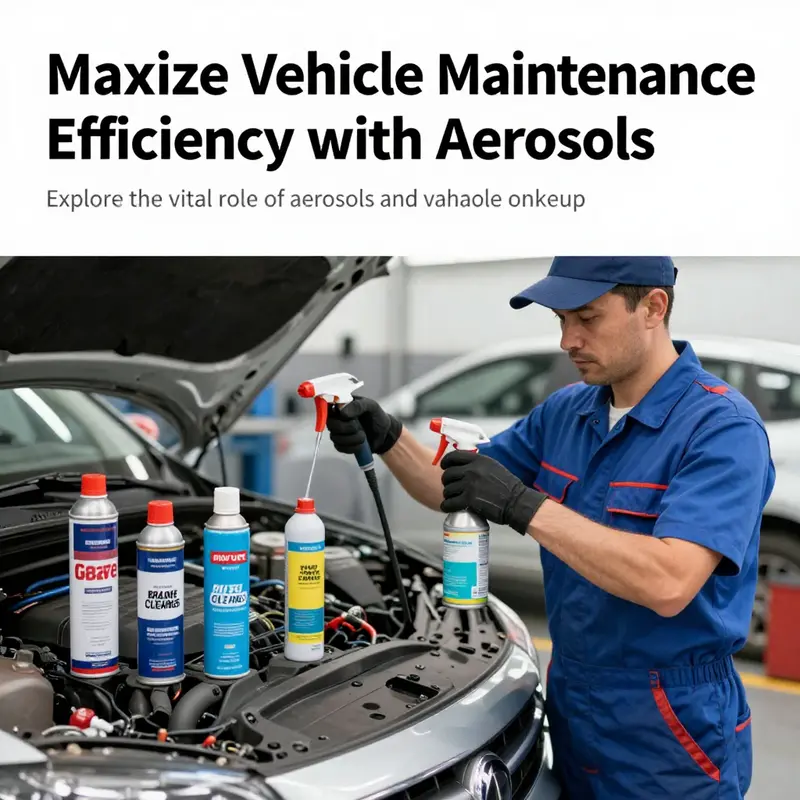
In the realm of vehicle maintenance, aerosols play a crucial role, offering convenience and effectiveness across various applications. Business owners in the automotive industry can significantly benefit from understanding how aerosols enhance maintenance processes. This article will address three key areas where aerosols are essential: the role of aerosol brake cleaners in ensuring vehicle safety, the use of aerosol lubricants for improving functionality, and the importance of aerosol solutions for rust prevention and surface protection. By the end of this discussion, you’ll grasp the full scope of aerosol applications, empowering you to optimize maintenance practices in your operations.
Aerosols in Vehicle Care: Precision, Pace, and Safety
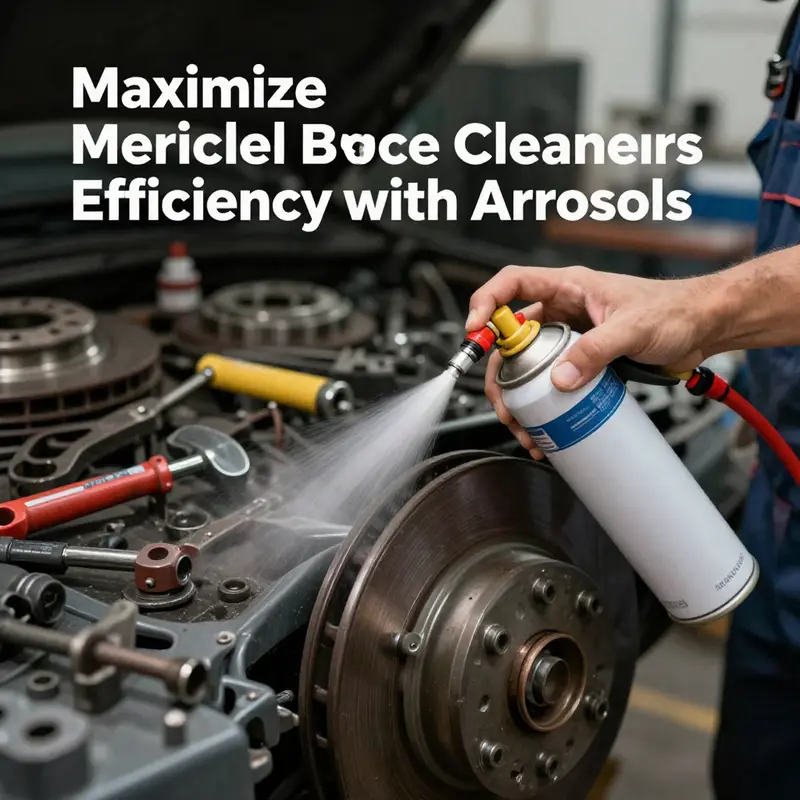
Aerosol cleaners and lubricants are compact tools that deliver targeted treatment to hard-to-reach areas in vehicles. They enable quick cleaning, lubrication, and protection without full disassembly, making professional and DIY maintenance faster and more efficient.
Brake cleaners are designed to dissolve oils and residues and evaporate rapidly, leaving a dry surface ready for inspection and reassembly. Their delivery nozzle reaches tight spaces between rotor vanes, caliper edges, and other contact points.
Safety and environmental considerations include volatile organic compounds, flammability, ventilation, PPE, and responsible disposal. Modern formulations aim for lower odor and reduced impact while maintaining performance. Always follow product labels and use gloves, eye protection, and appropriate respiratory protection where needed.
The broader value of aerosols is in expanding the maintenance toolkit, enabling precise servicing with minimal downtime. The ongoing evolution balances cleaning power with safety and environmental responsibility.
Aerosol Lubricants in Automotive Maintenance: Precision, Protection, and Performance
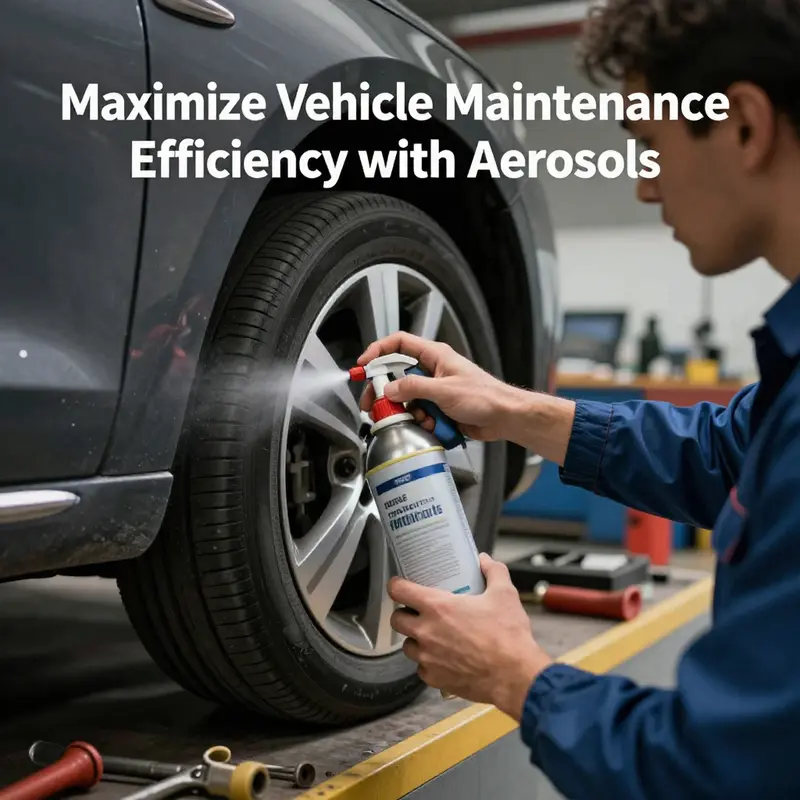
Aerosol lubricants have carved out an essential niche in vehicle maintenance by delivering targeted, immediate protection to moving parts. Their spray-driven delivery makes it possible to reach hinges, tracks, and linkages that are difficult to access without disassembly. A quick spray can often replace more invasive steps, saving time while preserving the function of components that endure constant movement and exposure to heat, dust, and moisture. The result is smoother operation, reduced wear, and greater long-term reliability for areas that drive daily performance. The aerosol creates a micro-film that remains functional under fluctuating temperatures and loads, helping doors seal effectively and under-hood linkages move freely. The precision of spray delivery allows application exactly where it is needed, minimizing mess and wasted product. In tight spaces, such as door hinges, window tracks, hood-release cables, and latch mechanisms, a light mist can reduce friction and extend component life without the need for disassembly. It also simplifies maintenance routines and supports quicker inspections. Beyond immediate relief from squeaks, aerosols protect metal surfaces from corrosion and help components resist galling. The formulation can include additives that strengthen protective films under heat and load, though the best choice depends on the specific environment and materials involved. When applying to rubber and plastic components like seals and gaskets, care is essential to avoid residue buildup that can attract dust or cause tackiness. Following manufacturer guidance and using appropriate applicators ensures an even coat. Safety and environmental considerations matter as well. Spray products should be used in well-ventilated spaces, with PPE as needed, and with attention to avoiding exposure to skin and eyes. Storing aerosols away from heat sources and disposing of empty containers according to local guidelines helps minimize risk. In summary, aerosol lubricants offer a practical, precise means to protect moving parts, reduce friction, and extend service life in everyday automotive maintenance. Their effectiveness depends on choosing suitable formulations, applying them carefully, and following safety and environmental recommendations. For readers seeking deeper technical grounding, consult manufacturer datasheets and reputable automotive maintenance resources.
Mist as Shield: Aerosol Solutions for Rust Protection and Surface Care in Vehicle Maintenance
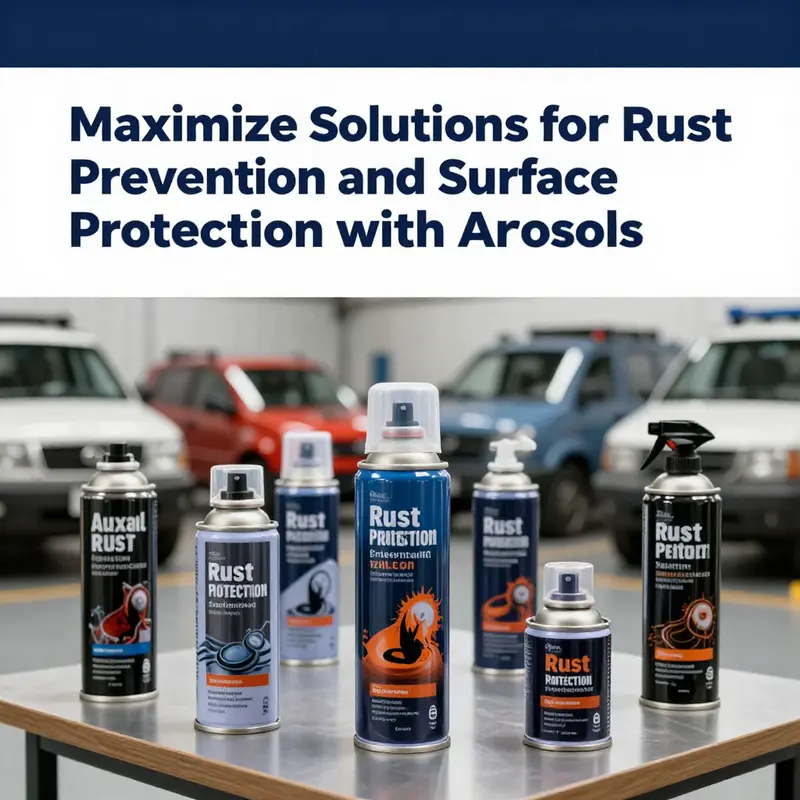
Aerosol sprays have become a quiet workhorse in vehicle maintenance, offering a combination of reach, speed, and versatility that few other formats can deliver. When maintenance work demands a precise application in hard-to-reach spots, a fine, pressurized mist can be directed exactly where it is needed, forming a protective barrier or providing a quick, low-friction coating on moving parts. The logic behind their popularity is straightforward: aerosols couple a cleansing or protective chemistry with a delivery system that can access tight geometries in and around a vehicle. In the broad landscape of maintenance practices, aerosols serve not only as cleaners or lubricants but also as guardians against the persistent creep of moisture, salt, and corrosion that relentless driving and exposure to the elements drive into metal surfaces and mechanical joints alike.
The most familiar utility of aerosol products in maintenance is their ability to deliver rust inhibitors and moisture barriers to metal surfaces that would otherwise be exposed to rain, road spray, and humidity. Wheel wells, undercarriages, and the inner folds of door hinges are notorious for moisture retention, and the oxidation cycle begins where water and oxygen linger. A fine spray can coat corrodible metal without requiring disassembly or heavy lifting, preserving structural integrity while allowing quick inspection and follow-up maintenance. The same mist that protects metal can also act as a light lubricating film on hinges, latches, and window mechanisms. In this dual role, aerosol formulations blend corrosion resistance with the ease of a friction-reducing coating, helping components move smoothly and resist stickiness that can compound wear over time.
An important distinguishing feature of aerosol chemistry is the way the product dries or cures. Many modern formulations include quick-drying carriers that leave behind a protective film in minutes, even on vertical or overhead surfaces. This rapid set makes aerosols particularly convenient after a car wash, when damp surfaces are common and the driver wants to prevent flash rust before the next exposure to salt or moisture. The same quick-dry quality is prized when aerosols are used on exterior trim or rubber and plastic seals. A film that dries fast reduces the risk of overspray running onto adjacent parts or onto paintwork, while still delivering a uniform coat across irregular shapes. It is this combination of speed and precision that keeps aerosols at the ready in both professional shops and home garages.
Beyond their protective applications, aerosols play a crucial role in maintenance workflows that emphasize cleaning before coating. A typical scenario begins with degreasing and rust removal in areas where corrosion has begun to set its hold. Aerosol cleaners can reach between brake assemblies, around suspension components, and into crevices that a traditional spray bottle might struggle to access. The case for using aerosol cleaners in brake and under-body maintenance rests not only on the thoroughness of cleaning but also on safety: reduced risk of disturbing sensitive components while removing oils, waxes, and contaminants that can compromise performance. A dedicated spray can dissolve organic grime, flush out particulate matter, and prepare surfaces for protective coatings. The result is a cleaner baseline that allows any subsequent rust inhibitors or lubricants to adhere and perform as designed.
Yet every advantage aerosol technology offers comes with a caveat. The same fine mist that enables precise coverage also creates the potential for airborne vapors and aerosols to drift into unintended spaces. In a repair shop or a busy driveway, poor ventilation can lead to elevated airborne concentrations, especially when large volumes are used or when work is performed in enclosed spaces. For this reason, best practices emphasize adequate ventilation, localized exhaust, and the use of personal protective equipment such as gloves and respirators where appropriate. The careful user avoids creating a fog of solvent-laden air by directing the spray with a steady, controlled motion and by applying only as much product as needed. A little goes a long way when the formula is designed to adhere and cure quickly, and wasting material not only adds cost but can increase exposure to fumes.
One of the compelling strengths of aerosol systems is their adaptability. In rust prevention and surface protection, there are variations beyond the basic spray: gels and foams that cling to vertical or irregular surfaces for longer dwell times. A gel can trace the contours of a door frame or wheel well more tenaciously than a liquid spray, granting extended contact with rust-inhibiting compounds without dripping away. Foam variants similarly offer a lighter, more voluminous application that can blanket larger areas with reduced run-off. The choice among spray, gel, and foam is not a matter of fashion but of geometry and timing. For broad, irregular components like undercarriage panels, foam can deliver uniform coverage in one pass; for intricate hinges, a spray with a fine, controlled jet can thread into tiny gaps. In all cases the aim is a durable, even layer that resists lift, wash-off, or degradation through heat, humidity, and road salt.
Aesthetics and long-term durability hinge on the formulation. Some aerosols emphasize oil-based, penetrating chemistries that seep into microcrevices and form adherent, water- and salt-resistant films. The advantage of penetrating formulations is clear: they can reach hidden pockets where moisture accumulates and where surface films might otherwise fail. The downside is the potential for residue that can attract dust or alter the feel of certain surfaces. Other formulations foreground silicone-based chemistry, which creates a flexible, low-friction coat ideal for moving parts and rubber components. Silicone films are known to resist water intrusion and to maintain elasticity under temperature swings, making them particularly useful for door seals and window mechanisms that endure repeated movement. Again, the choice is governed by the goal: a protective barrier, a lubricant, or a combination that grants both.
The practical implications of these properties reveal themselves across the vehicle’s life cycle. After a wash or a winter drive where salt and moisture accumulate, the application of a protective aerosol to vulnerable areas can dramatically slow the onset of rust. For service intervals that are dictated by seasonal changes, aerosols offer a convenient way to refresh protection around wheel hubs, brake caliper housings, and the undercarriage without the downtime that larger coating processes require. In the lane of routine maintenance, lubricating coatings from aerosols help keep door latches, hinges, and window regulators operating smoothly, reducing the effort needed to open or close doors in cold weather and helping prevent the misalignment and wear that can accompany stiff, dry mechanisms. The practical payoff is not merely a smoother experience but a longer interval before more intensive repairs become necessary.
A salient feature of modern aerosol systems lies in the precision of application. The nozzle design and pressure control enable technicians and informed do-it-yourselfers to target exact locations, minimizing waste and preventing overspray on paint, chrome, or sensitive plastics. Targeted application matters not only for performance but also for the vehicle’s appearance and longevity. Spreading a thin, uniform layer across a hinge or a wheel well is more effective than a heavy blob that pools in one spot and fails to cure evenly. The precision aspect also aligns with environmental considerations. By concentrating the coating where it is needed, users reduce the quantity of solvent that evaporates into the air and the potential for environmental release. In settings with strict regulatory oversight or consumer emphasis on eco-friendliness, such control is not merely convenient—it is a responsibility.
Formulation choices also echo a broader concern for indoor use and consumer safety. While some aerosols are designed for quiet indoors use with low odor, others rely on solvents that require good ventilation and careful cleanup. The chemistry dictates cleaning up after use, too. Residual solvent or film on tools and surfaces can complicate subsequent maintenance if not properly wiped away or allowed to cure. This is why diligent readers of product labels and safety data sheets learn to align their workflow with the physics of the coating: evaporation rates, curing times, and the behavior of the coating under heat and humidity. The best practice is to complete a maintenance step with an eye toward the next one—clean the surface, apply the protective layer, and then allow it to cure in a controlled environment before the vehicle returns to the road.
The conversation about aerosols in vehicle maintenance would be incomplete without acknowledging storage and handling. The containers themselves are part of the system. Robust plastic and metal options are designed to withstand the pressure of a pressurized spray while resisting corrosion and leakage. A well-designed actuator keeps the nozzle from clogging, and a cap or cap-and-dip handle helps prevent accidental discharge during transport or storage. For the long-term durability of a maintenance kit, such packaging considerations matter; they ensure that the product remains accessible and effective when temperatures swing or when a vehicle is parked for extended periods.
In practice, the decision to use an aerosol for rust prevention or surface protection often follows a simple logic: where corrosion and friction threaten reliability and safety, an aerosol solution can deliver a rapid, targeted intervention. The vehicle’s most vulnerable corners—wheel wells, undercarriage panels, door hinges, and latches—benefit the most from the combination of coverage, quick drying, and protective film that these products offer. And because aerosols are compatible with a range of other maintenance steps, they can be integrated into a broader workflow that includes cleaning, inspection, and minor adjustments or replacements in a single visit. This integrated approach helps vehicle owners push back against the cumulative effects of time and exposure, preserving both function and value.
From a consumer perspective, the allure of aerosols is their immediacy. You can treat a problem area in minutes and see the protective effect almost instantly. The downside is the need for discernment: not every surface benefits from the same formula, and some coatings may interact with paints, plastics, or rubber in ways that require caution. The responsible path is to choose the correct formulation for the surface at hand, apply only as needed, and follow up with routine checks to ensure the coating remains intact and effective. As with any maintenance choice, the goal is not a single quick fix but a maintenance habit that minimizes deterioration, extends life, and reduces the likelihood of future, more invasive interventions.
The broader takeaway for readers exploring what aerosols are used for in vehicle maintenance is that these products occupy a unique niche. They combine cleaning, protection, and lubrication in a single, portable package, enabling maintenance work to reach the parts of a vehicle that are most prone to moisture, corrosion, and friction. Their success rests on three pillars: targeted delivery, rapid drying or curing, and the creation of a protective or lubricating layer that remains effective under the vehicle’s varied conditions. When used thoughtfully, aerosols can simplify routine maintenance, keep moving parts operating smoothly, and slow the progression of rust in environments where moisture and road salt are persistent threats.
For readers who want to deepen their understanding of maintenance philosophy and to connect these practices to a broader maintenance framework, a useful starting point is a general overview of what vehicle maintenance entails and why it matters beyond cosmetic care. The concept of maintenance is not just about keeping vehicles looking good; it is about sustaining reliability, safety, and efficiency across a vehicle’s life. This broader context helps explain why aerosols, with their particular strengths and limitations, fit so well into everyday maintenance routines. When integrated with proper cleaning, inspection, and timely component care, aerosol solutions contribute to a durable, resilient vehicle that performs well in a range of conditions and over many miles.
To situate this discussion in a practical, everyday setting, consider a scenario in which a vehicle has sat through a wet winter and the inner door mechanisms have started to show stiffness. A quick, targeted spray of an aerosol lubricant on the door hinges and window regulators can restore smooth operation without disassembly. A separate, thin application of a protective aerosol to the undercarriage and wheel wells can slow the onset of rust caused by repeated exposure to moisture and salt. The car’s exterior trim, seals, and edge channels can benefit from silicone-based formulations that repel water and maintain pliability through seasonal temperature fluctuations. In a matter of minutes, a routine maintenance session can transform a stubborn stiffness into dependable movement and create a barrier against the next cycle of moisture intrusion. The cumulative impact over the course of a year can be substantial, translating into fewer operational interruptions and a modest reduction in maintenance costs.
For readers seeking a broader safety perspective on aerosol use, it is worth noting that the handling of aerosol cleaners and protective sprays intersects with occupational health considerations when used in professional environments. The airborne exposures associated with typical use of aerosol brake cleaners, for example, illuminate why ventilation and PPE are emphasized in professional settings. While maintenance at home or in a small shop can be conducted with similar precautions, the scale and ventilation dynamics differ. The underlying principle remains constant: minimize exposure, manage ventilation, and respect the chemistry of the products you choose. By approaching aerosol use with both appreciation for its value and awareness of its risks, vehicle owners and technicians can make maintenance more effective and safer for themselves and for the vehicle they care for.
As you reflect on your own maintenance routines, you may find that aerosols are best viewed as one of several complementary tools in a well-rounded strategy. They excel where precision, speed, and reach matter most. They are less ideal where thick coatings are required or where long dwell times are impractical. They should not replace routine inspection and proactive rust management, but when used judiciously, they can enhance both the durability of metal surfaces and the reliability of moving parts. The elegance of the aerosol approach lies in its simplicity: a fine mist in the right place, a light film that lasts, and a quiet reinforcement of the vehicle’s defenses against the wear and tear of daily life. In the end, this is what makes aerosol solutions a valued component of what maintenance asks of a vehicle—consistency, resilience, and a practical path to lasting performance.
For readers who want a quick reference to deepen their understanding while planning future maintenance sessions, a helpful entry point to the broader maintenance conversation is a guide that explains the fundamental question, what is vehicle maintenance. It situates tasks like rust prevention and surface protection within a practical framework and connects hands-on actions to overall vehicle longevity. You can explore that overview here: what is vehicle maintenance.
External resource note: If you would like to explore safety considerations related to aerosol use in more depth, a reliable external resource on airborne exposures associated with aerosol cleaners provides valuable context for safe practice and ventilation planning in work environments: https://www.cdc.gov/niosh/topics/vehiclerepair/brakecleaner.html
Final thoughts
Understanding the various applications of aerosols in vehicle maintenance is essential for business owners in the automotive field. From the crucial role of aerosol brake cleaners in ensuring safety to the enhancement of vehicle functionality through lubricants and the prevention of rust, aerosols deliver targeted solutions that improve maintenance efficiency and vehicle longevity. Embracing these products not only benefits operational practices but also enhances overall customer satisfaction and safety. As you consider your automotive maintenance strategies, integrating high-quality aerosol products into your processes can lead to significant advantages in performance and reliability.